 Free shipping on orders over £29,85
  Shipping Tracking!


 Google
 Facebook
← Back to How do you apply resin to Styrofoam?
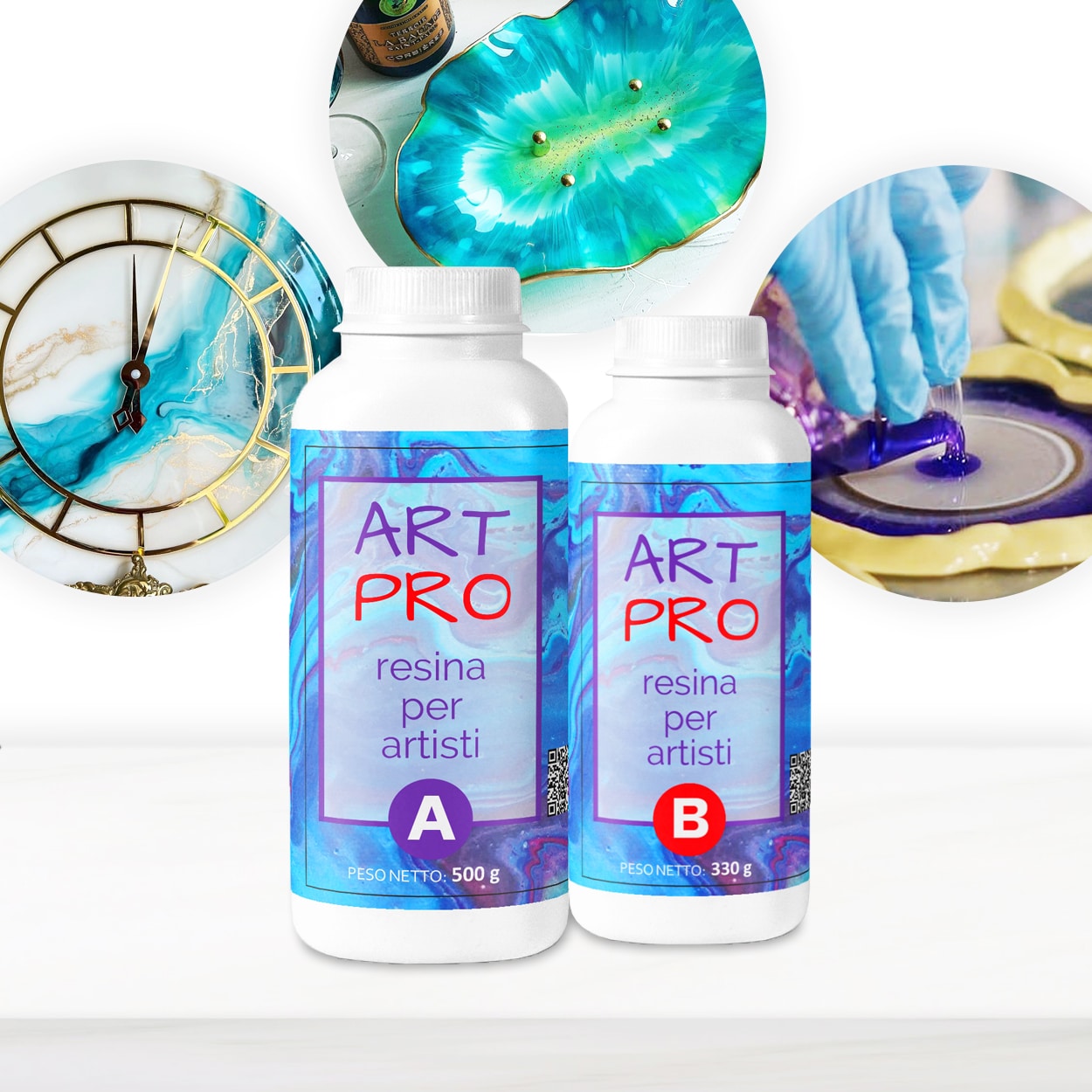
If you’re looking to coat or craft with resin on Styrofoam, it’s essential to properly seal the foam first. Doing so helps prevent damage and ensures a smooth application.
Why Seal Styrofoam Before Resin?
Styrofoam can react poorly to many resins, often melting, warping, or pitting upon contact. By sealing the surface, you act as a protective barrier, preventing the resin from directly attacking the delicate foam. This step is especially important if you want crisp, professional-looking results on models, décor, or creative art pieces using products like Art Pro – Clear Epoxy Resin.
Recommended Sealers and How to Apply Them
- Water-based acrylic sealer: Apply with a brush or roller in thin coats, allowing each layer to dry thoroughly before adding the next. This type of sealer provides a smooth, even surface and resists yellowing over time.
- Clear PVA glue: This affordable option can be brushed on in thin layers. Allow full drying between coats—typically two or three coats ensure full coverage and a sturdy seal.
Avoid using solvent-based sealers, as they might still harm the foam. Once sealed and dry, the Styrofoam is ready for epoxy resin application. Take care to work in a dust-free area for the cleanest finish.
When This Matters
Proper sealing matters most if your Styrofoam project involves detailed shaping or will be displayed long-term. For DIY artists, models, or any decorative object that needs a clear and glossy finish, a good sealer is key to preventing costly mishaps and wasted materials.
Related products
Related guides
Sealing Styrofoam before applying resin is a straightforward step that safeguards your project and results in a durable, beautiful finish. For more guidance on resin application techniques, visit our main page on how to apply resin to Styrofoam.