 Free shipping on orders over £29,85
  Shipping Tracking!


 Google
 Facebook
How do you apply resin to Styrofoam?
Step-by-step guide for flawless resin coatings on Styrofoam
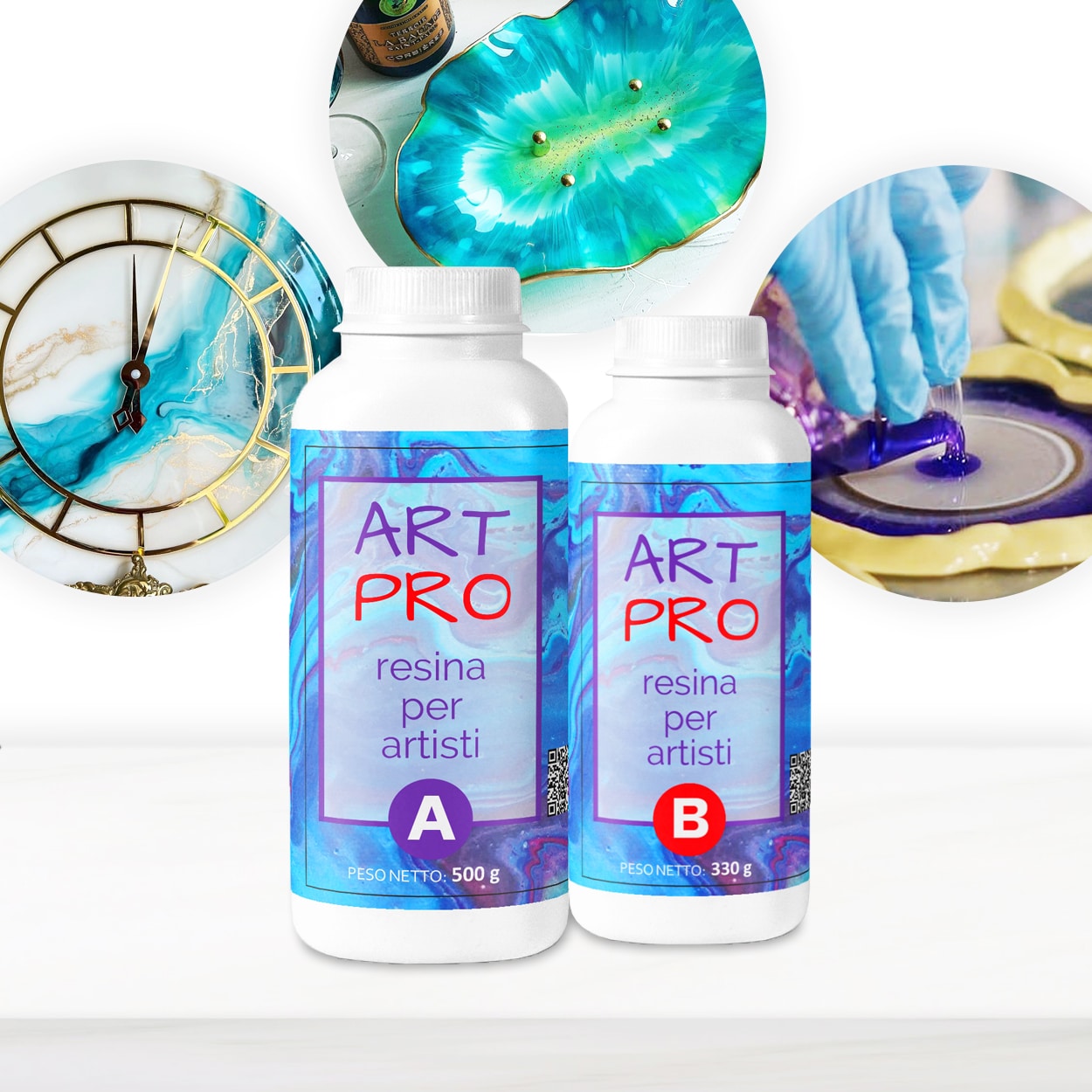

Applying resin to Styrofoam is a fantastic way to create durable, glossy finishes for craft, model, or artistic projects. However, Styrofoam’s delicate nature requires careful preparation to avoid melting, discolouration, or a pitted surface. This guide will help you achieve a smooth, safe, and professional result every time.
What You’ll Need
- “Art Pro” – Clear Epoxy Resin for Artists and Surface Coating: Provides high clarity and UV protection, ideal for delicate surfaces like Styrofoam.
- “Icrystal” – Clear Epoxy Resin – Odourless Formula – Up to 1.5cm: Odourless for use indoors and compatible with various surfaces.
- Water-based acrylic sealer or clear PVA glue (for priming Styrofoam)
- Nitrile gloves and protective clothing
- Clean mixing cups and wooden spatulas
- Soft, fine-bristled brush or silicone spreader
- Lint-free cloths

See Resin on Styrofoam in Action
Before and after photos reveal the difference between uncoated and resin-coated Styrofoam. Notice the increased gloss and protection attained with a quality epoxy resin, and how the foam’s shape and colour remain beautifully preserved.
Step 1: Prepare and Seal the Styrofoam
Begin by ensuring your Styrofoam is clean and free from dust or loose particles. Any oils or debris can interfere with adhesion. Trim or sand any rough edges carefully, taking care not to compress the foam. Sealing prevents resin from damaging Styrofoam—this is crucial. Apply a thin, even coat of a water-based acrylic sealer, clear PVA glue, or suitable primer over every surface you intend to resin. Allow the sealant to dry thoroughly as per manufacturer’s instructions before progressing. This layer protects the foam from potential chemical reactions with the resin and creates a smooth working surface.

Step 2: Mix and Prepare Your Epoxy Resin
Epoxy resins vary in mixing ratio, so always check the instructions for your chosen product. Mix resin slowly to minimise bubbles and ensure an even consistency. For sensitive surfaces like Styrofoam, both “Art Pro” – Clear Epoxy Resin for Artists and Surface Coating and “Icrystal” – Clear Epoxy Resin – Odourless Formula – Up to 1.5cm are excellent choices due to their controlled curing and smooth finishes. Prepare only as much resin as you need for one coat to avoid waste or premature setting.
Step 3: Apply Epoxy Resin Evenly
Once mixed, work promptly but carefully. Use a gentle brush or spreader for even coverage—a silicone spatula is especially useful for dragging resin over large or detailed areas. Avoid working the surface excessively, as over-brushing may disturb the sealer layer or introduce bubbles. Aim for a uniform, thin first coat; thick layers risk heat build-up, which could deform or melt the Styrofoam. Inspect for drips or pooling and correct immediately for a glass-smooth look.
Step 4: Allow the Resin to Cure and Apply Additional Layers if Needed
Let the resin cure at a stable room temperature (usually 18–25°C) in a dust-free environment. Allow complete curing in a dust-free environment—most artist-oriented resins take around 24 hours to set. If more thickness or durability is required, a second coat can be applied once the first layer is touch-dry. Lightly sand any imperfections between coats and gently wipe away dust before recoating. Handle your project carefully until it is fully cured and hardened.

Tips, Common Mistakes, and Troubleshooting
Always ensure the sealing layer on Styrofoam is continuous and free of pinholes to prevent resin breakdown. Watch out for excessive mixing, which can trap air bubbles. Avoid pouring too much resin at once; thinner coats help manage heat and prevent melting. Keep your workspace well ventilated and avoid direct sunlight while curing. If imperfections arise, gentle sanding and another thin resin coat usually resolves them.
Finishing Touches and Surface Inspiration
Experiment with layered resin effects or tint your epoxy with compatible pigments to create unique finishes on Styrofoam art. Always let each coat dry fully to keep the surface smooth and free of imperfections.

- "Art Pro" – Clear Epoxy Resin for Artists and Surface CoatingPrice range: £31.15 through £388.85"Art Pro" epoxy resin provides a clear, durable coating with UV protection, suitable for artistic surface applications and decorative projects.
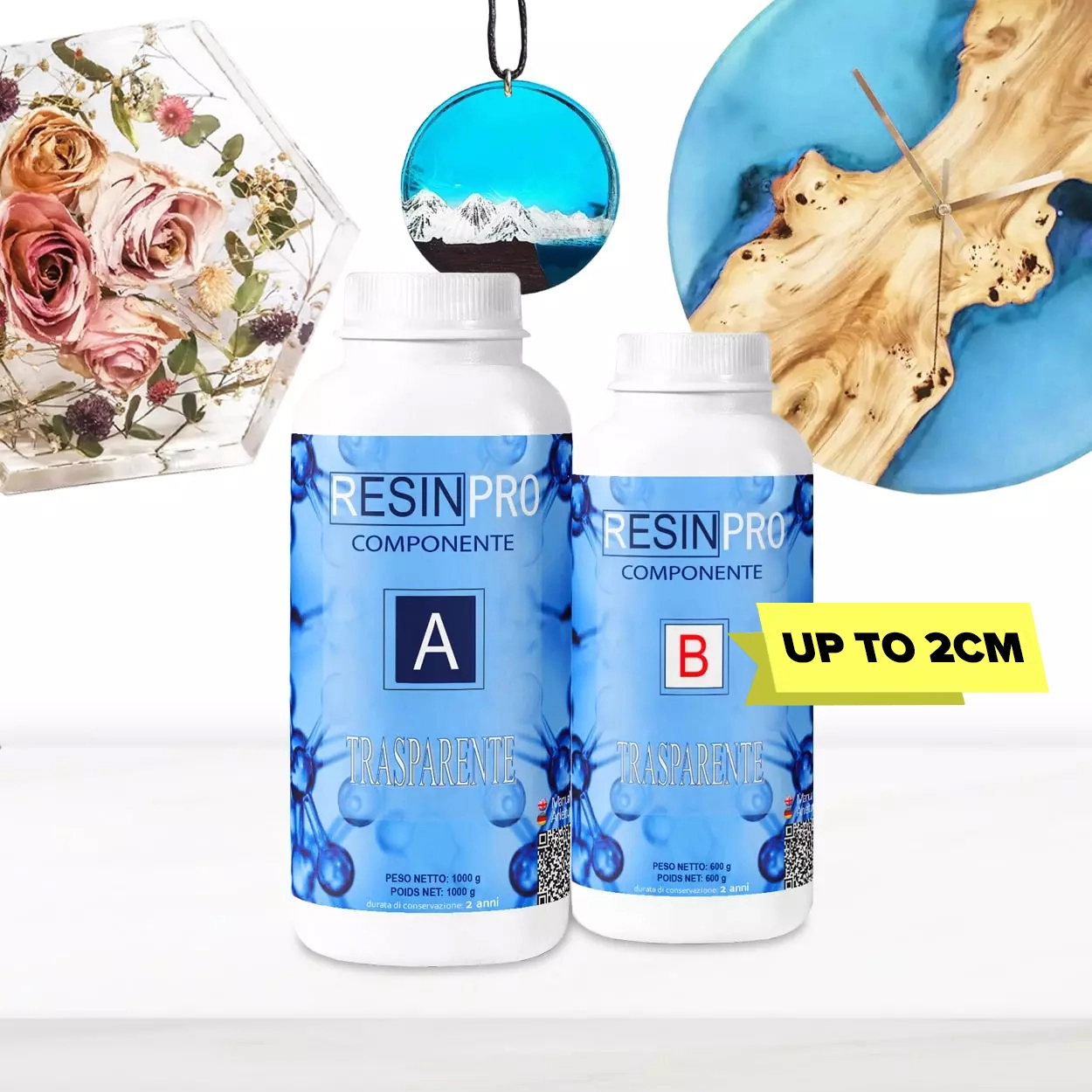 "Trasparente" – Multipurpose Clear Epoxy Resin for Casting – Up to 2cmPrice range: £8.45 through £948.85"Trasparente" is a clear epoxy resin suitable for detailed castings and tables up to 2cm thick, designed for precise, glossy results.
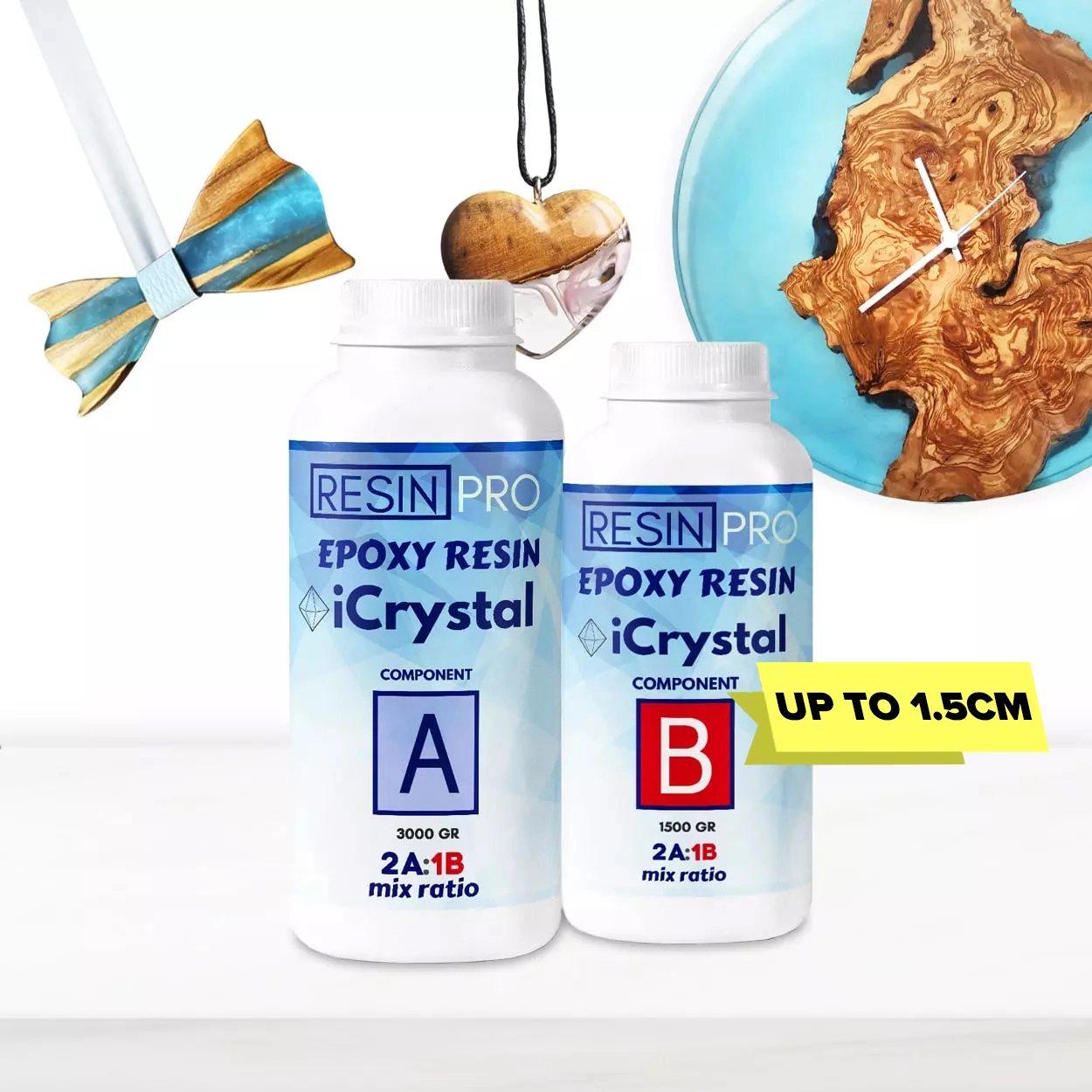 "Icrystal" – Clear Epoxy Resin – Odourless Formula – Up to 1.5cmPrice range: £11.65 through £954.85"Icrystal" is a clear epoxy resin suitable for creative uses and surfaces, designed for easy application and odourless use.
 "One-2-One" – Epoxy Resin for Handcraft, 1:1 Mixing RatioPrice range: £14.85 through £56.85"One-2-One" epoxy resin is a medium viscosity product with a clear, glossy finish suitable for beginner and experienced crafters.
Frequently Asked Questions
Can you apply epoxy resin directly to Styrofoam?
It is not recommended—Styrofoam should always be sealed first to prevent damage or melting from direct resin contact.
What can I use to seal Styrofoam before resin?
A water-based acrylic sealer or clear PVA glue works well to create a safe barrier before applying resin.
How do I prevent bubbles in resin on Styrofoam?
Mix resin slowly, seal well, and apply in thin layers to minimise bubbles and air entrapment.
Which resin is best for Styrofoam craft projects?
Clear epoxy resins for artists and odourless formulas are ideal for Styrofoam due to gentle curing and even coverage.
Can you sand between resin layers on Styrofoam?
Yes, use very fine sandpaper and a light touch to smooth imperfections without damaging the surface.
What temperature should you cure resin on Styrofoam?
Room temperature, around 18–25°C, is ideal to prevent rapid reactions or surface defects.
Can I use resin on painted Styrofoam?
Yes, as long as the paint is fully dry and compatible with resin; always seal before resin application.