 Free shipping on orders over £29,85
  Shipping Tracking!


 Google
 Facebook
What should you buy to make a self-leveling resin floor?
Complete your resin flooring project with the right essentials

If you are planning to install a self-leveling resin floor, choosing the right products is crucial for success. This guide is designed for homeowners, renovators, and professionals who want to ensure a durable, seamless, and visually stunning resin floor. We break down the essential elements you will need, compare available options, and guide you towards the best choices for each stage of your flooring project.
Overview: What You Need for a Self-Leveling Resin Floor
A high-performance self-leveling resin floor requires a reliable primer to create a strong bond with your substrate, an effective tool set for flawless application, and a protective top coating for durability and finish. Each component plays a vital role:
- Superior adhesion: Begin with a floor primer to seal and stabilise the substrate, ensuring your resin sticks well and lasts longer.
- Application tools: Use rollers and scrapers designed for even coverage and smooth surfaces—key for a professional-grade finish.
- Protective coatings: Select a final surface coating to suit your needs, whether it’s for a garage, living space, or a driveable exterior.
Understanding the differences in these products helps you avoid common pitfalls like bubbling, weak adhesion, and uneven finishes.

Visual Guide to Creating a Resin Floor
See how each step in the self-leveling resin floor process comes together—from surface scraping, through priming, full resin coverage, and adding a durable top coat.
“Epoxyprimer” – Universal Water-Based Two-Component Epoxy Floor Primer
For the essential first step in your resin flooring project, “Epoxyprimer” – Universal Water-Based Two-Component Epoxy Floor Primer creates the foundation for success. It is a water-based, two-component primer with a 100:40 mixing ratio, allowing for superior adhesion between your subfloor (concrete, screed, ceramic, timber, or tile) and the self-leveling resin. Its eco-friendly & odourless formula is ideal for indoor use, producing no harmful fumes. Application is straightforward—use a roller, brush, or spatula—and the cure time is 24–48 hours. Coverage rate varies by porosity but typically ranges 100–300 g/m². If you want stable, lasting resin floors, this primer is invaluable.
“Prolux” – PU Coating for Tiles, Concrete, Plastic and Metal
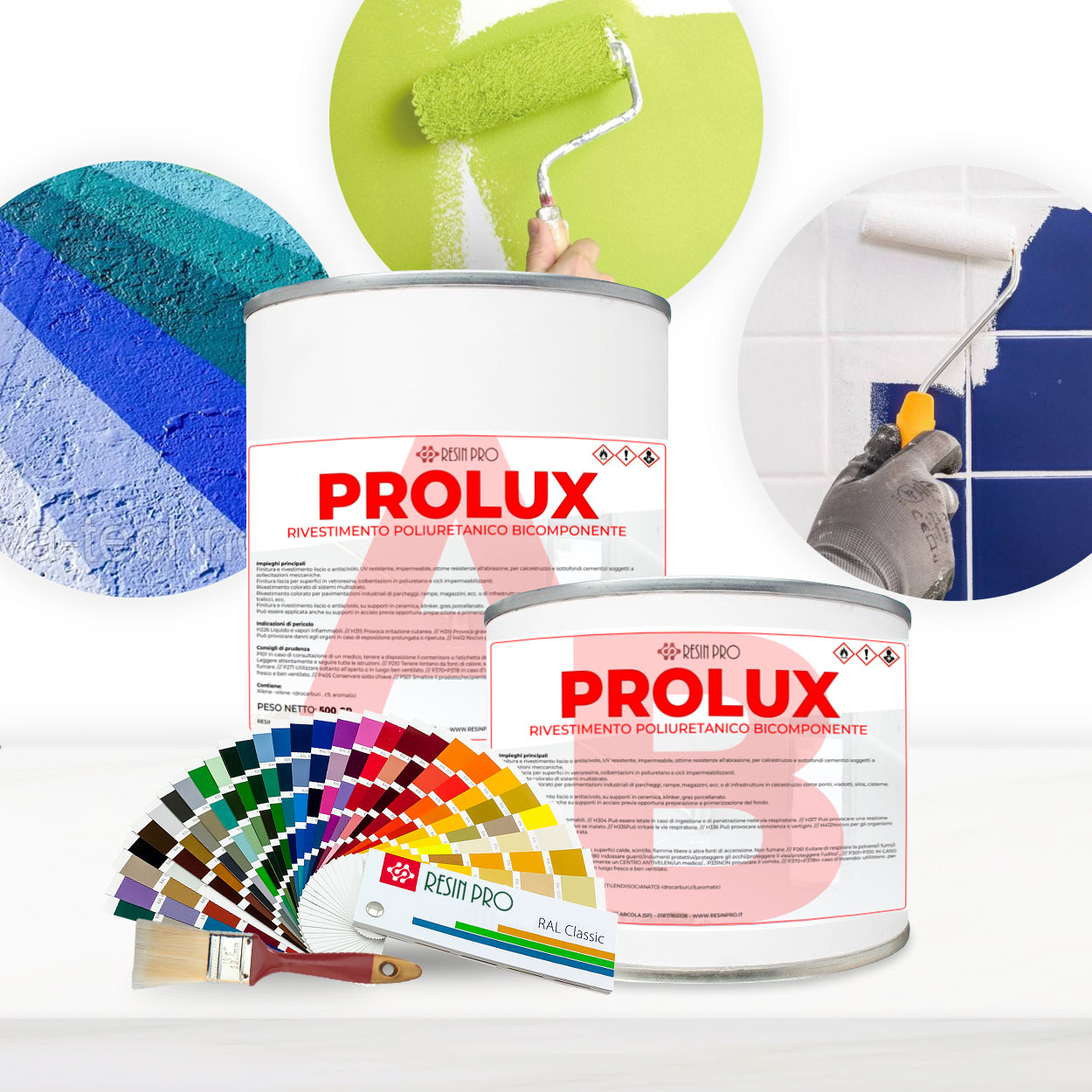
To achieve a surface that withstands wear, UV, and moisture, “Prolux” – PU coating for tiles, concrete, plastic and metal – suitable for driveable surfaces is an excellent choice. This polyurethane coating is engineered for advanced protection against UV rays, abrasion, and harsh weather. It is perfect for high-traffic zones—garages, warehouses, external parking, or workshops. Its versatile finish comes in a wide range of colours and gloss or satin sheen, with easy one-coat application by mixing the two pre-measured components (2:1 ratio). Certified to CE EN 1504-2, “Prolux” raises the standard for longevity and resilience.
Resin & Paint Application Rollers – Short-Pile, Large, and Sponge Types
No resin floor installation is successful without the right tools. Resin & Paint Application Rollers – Short-Pile, Large, and Sponge Types are specifically crafted for epoxy resin tasks. Use the Short-Pile Roller (10cm) for detailed edges, the Large Roller (20cm) for fast and consistent coverage, and the Sponge Roller for self-leveling flawless finishes. Professional results depend on uniform application—these rollers make it easy and efficient for both large and small projects.
Heavy Duty Scraper for Paint and Epoxy Resin Removal
Surface preparation is vital for resin floor success. The Heavy Duty Scraper for Paint and Epoxy Resin Removal is designed to remove stubborn paint, tiles, or wall coverings. Its Lightweight Design supports prolonged use, while the Razor-sharp Blade ensures precise, clean removal. This tool is indispensable when preparing existing floors for resin overlay, helping prevent issues with adhesion and finish.
Tips for Choosing the Right Products for Your Resin Floor Project
Ensure the substrate is properly prepared and dry before application to maximise adhesion. Always match primers and coatings to your intended use—garage, workshop, or living space—for optimal performance. Select compatible rollers for each stage to ensure smooth, level results. For external or driveable areas, prioritise UV and abrasion resistance. Remember, surfaces vary: concrete, timber, and ceramic tiles may need slight adjustments in preparation and product selection.
Surface and Application Tips
Test surface porosity before applying primer to ensure optimal coverage. Rollers should be kept clean between coats to avoid streaks, and always follow mixing ratios exactly for best results.

- "Epoxyprimer" – Universal Water-Based Two-Component Epoxy Floor PrimerPrice range: £156.45 through £286.45Epoxyprimer is a water-based two-component epoxy floor primer suitable for various substrates, offering adhesion for self-leveling resin floors.
- "Prolux" – PU coating for tiles, concrete, plastic and metal – suitable for driveable surfacesPrice range: £44.85 through £494.85"Prolux" is a polyurethane coating designed for durable finishes on tiles, concrete, plastic and metal within self-leveling resin floor projects.
- Resin & Paint Application Rollers – Short-Pile, Large, and Sponge TypesPrice range: £3.62 through £5.09Rollers designed for epoxy resin applications, supporting precise and even coverage suitable for self-leveling resin floors.
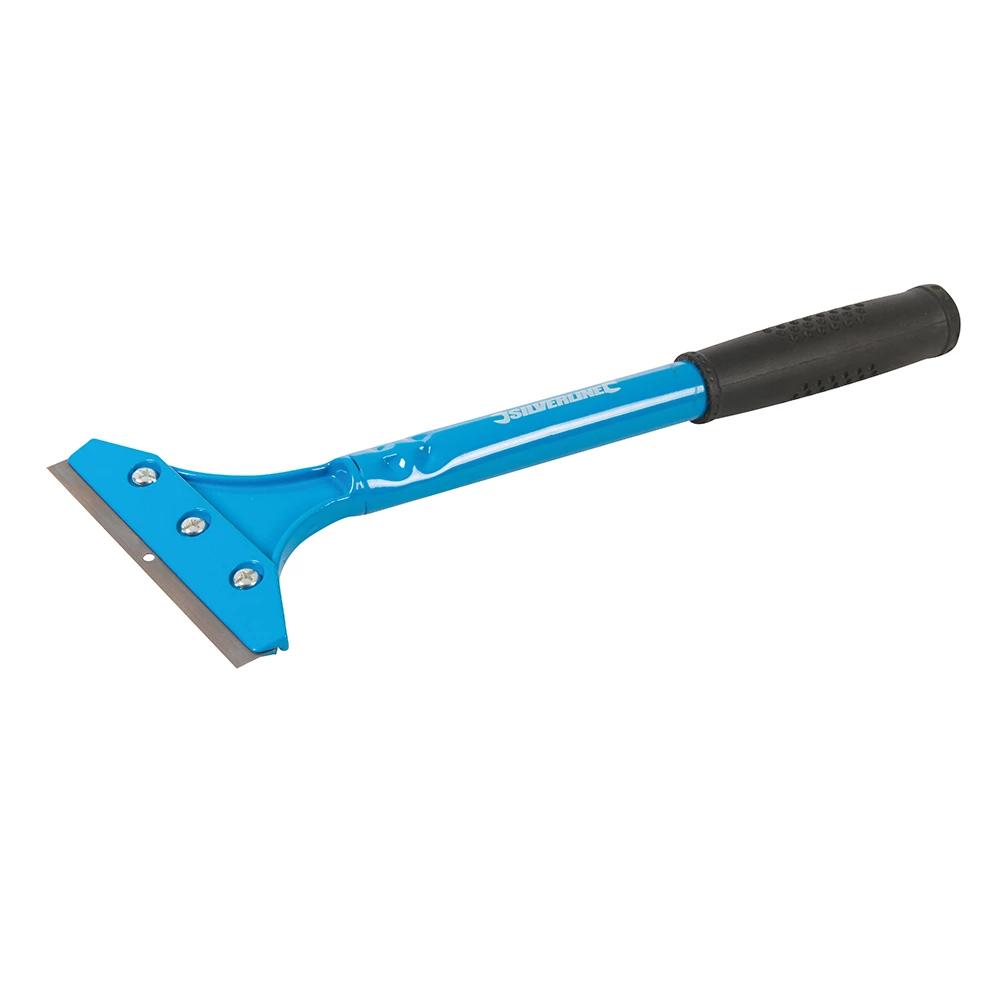 Heavy Duty Scraper for Paint and Epoxy Resin Removal£8.95The Heavy Duty Scraper is designed for removing wall coverings, tiles, and paint, supporting renovation tasks within the resin floor preparation…
Frequently Asked Questions
How do I choose the best products for a self-leveling resin floor?
Select products specifically designed for strong adhesion, durability, and compatibility with your floor type. Check for easy application and surface-specific recommendations.
Why is a primer necessary before laying resin flooring?
Primer ensures that the resin bonds effectively to the substrate, preventing delamination and extending floor lifespan.
Which rollers work best for applying self-leveling resin?
Short-pile, large, and sponge rollers are suited for different stages—edges, full coverage, and flawless finishes respectively.
Is a polyurethane topcoat suitable for resin floors?
Yes, polyurethane topcoats such as "Prolux" provide enhanced UV, abrasion, and chemical resistance for long-term protection.
How should I prepare an old floor before resin application?
Remove all old paint, loose tiles, and debris using tools like heavy-duty scrapers for the best results and adhesion.
What surfaces are suitable for self-leveling resin floors?
Resin floors can be applied to properly prepared concrete, timber, screed, and ceramic tiles.
Are these resin floor products safe for indoor use?
Most primers and coatings, like "Epoxyprimer," are eco-friendly and odourless, making them suitable for indoor applications.