 Free shipping on orders over £29,85
  Shipping Tracking!


 Google
 Facebook
What should you dilute epoxy resin with?
Understand safe epoxy thinning, product uses, and creative solutions
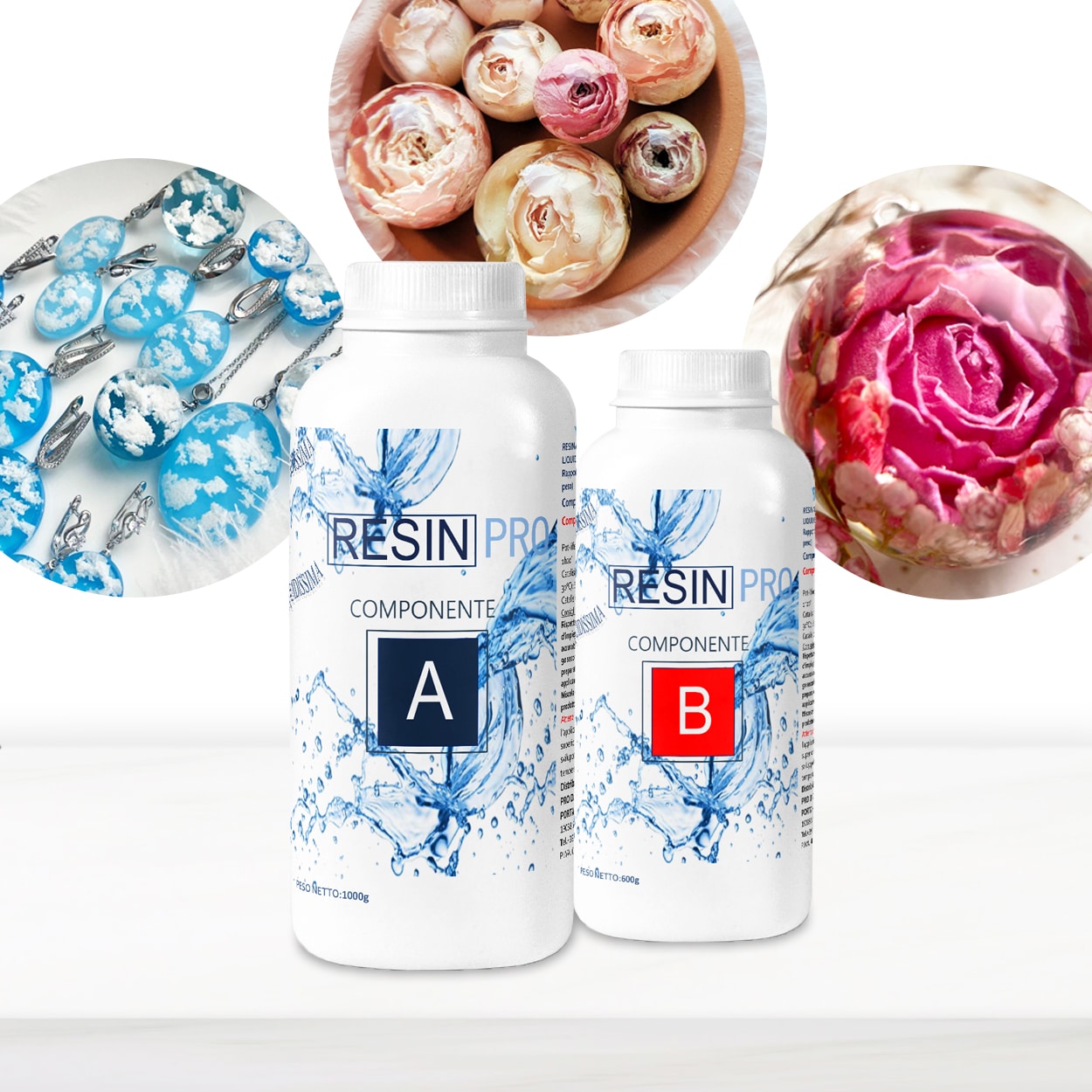

Whether you’re a resin artist, DIY enthusiast, or professional restorer, understanding if and how to dilute epoxy resin is key to achieving the results you want. This page covers the facts about thinning epoxy, what products (if any) are suited for dilution, and the safe alternatives for different resin techniques. Use this guide to match the right resin to your project’s complexity, and ensure lasting clarity, strength, and finish.
Overview: Should You Dilute Epoxy Resin?
Epoxy resin is typically formulated at a specific viscosity to balance flow, workability, and strength for a variety of applications. Most modern resins are designed to be used without further dilution; adding solvents can compromise both performance and clarity, or even inhibit curing. For artists and woodworkers, choosing a naturally low-viscosity resin often eliminates the urge for thinning while ensuring deep penetration and consistent results. If you need enhanced penetration, such as with wood restoration, choose an ultra-low viscosity resin. For creative techniques or bubble removal, pure isopropyl alcohol is used on the surface, but not as a direct thinner for the resin mix itself.
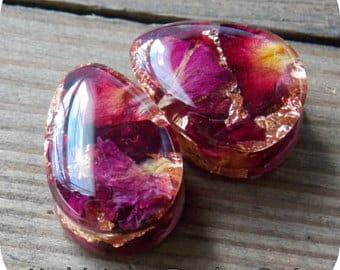
Visualising Resin Viscosity and Flow
Low viscosity resins flow into detailed moulds and cracks, reducing the need for dilution. Compare finished results from different resin types before selecting your product for maximum clarity and bubble-free finish.
“Liquidissima” – For Intricate Creations and Jewellery
“Liquidissima” – Epoxy Resin For Creations & Jewellery is engineered for artists demanding clarity and flow in detailed moulds. Its Low Viscosity provides excellent coverage in complex or fine designs, making additional thinning unnecessary. The resin’s High Transparency and minimised bubble formula produce a flawless, water-clear result for jewellery or miniatures. With a generous Long Working Time, it allows you to finesse intricate craft projects without the need for risky additives.
“EpoxyWood” – For Deep Penetration and Wood Restoration
When working with timber restoration, “EpoxyWood” – Wood Restoration Epoxy Resin for Deep Penetration and Waterproofing stands out due to its ultra-low viscosity. This resin deeply penetrates wood fibres, providing Waterproofing and structural strength. No thinning or dilution is needed, as the product’s formula is already optimised for maximum absorption in restoration projects. In fact, adding solvents can weaken finished wood, so stick to the ready-to-use resin for the best results.
“Epoxytable 10-Ten” – For Deep Pouring and Large Castings
If your goal is to create river tables or large, thick castings, “Epoxytable 10-Ten” – Deep Pour Epoxy Resin for Tables, Up to 10cm Casting addresses the unique challenges of deep pours. Its super-low viscosity and controlled reaction reduce bubbles and provide crystal clarity without using thinners. The formulation supports casting layers up to 10cm while avoiding overheating and yellowing, all without adjusting the product’s factory viscosity.
Isopropyl Alcohol – For Bubble Removal and Effects (Not For Thinning)
For artists wanting to remove surface bubbles or create special visual effects in resin art, Pure Isopropyl Alcohol 99.9% – 1000ml Bottle for Epoxy Resin Projects & DIY is the standard. This high-purity alcohol is used to pop bubbles and form patterns on the resin surface after pouring, not as a component to thin the main mixture. Introducing isopropyl alcohol directly into an epoxy mix can disrupt curing and should be avoided for dilution purposes. Use it only as a finishing or cleaning aid, always with proper ventilation due to its high flammability.
Practical Tips and Safe Alternatives to Diluting Epoxy
If your project requires easier flow, bubble reduction, or custom finishes, choose the right resin from the start rather than thinning a standard formula. Invest in low-viscosity products for details, or deep-penetration resins for restoration. Use isopropyl alcohol sparingly for surface cleaning and creative effects, but never to dilute your resin mixture. Always follow the manufacturer’s instructions, and remember: improper dilution risks incomplete curing or loss of durability.
Safe Resin Techniques Demonstrated
Always choose purpose-built products for your application. Watch artists use isopropyl alcohol safely for surface effects and see how deep-pour epoxies maintain clarity without thinning.
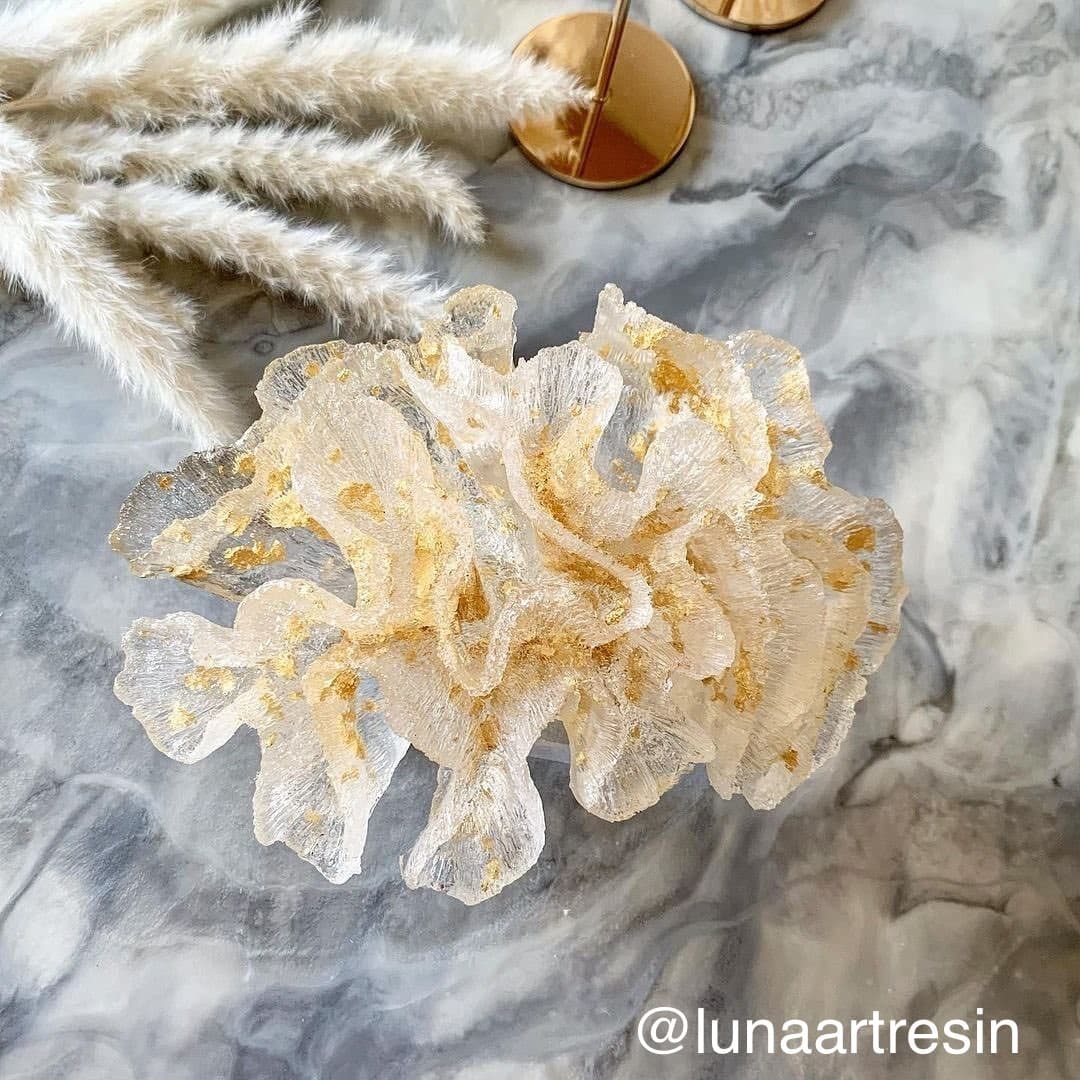
- "Liquidissima" – Epoxy Resin For Creations & JewelleryPrice range: £12.85 through £31.85Liquidissima is a clear epoxy resin suitable for detailed jewellery and creative projects, offering longer working time and a self-levelling finish.
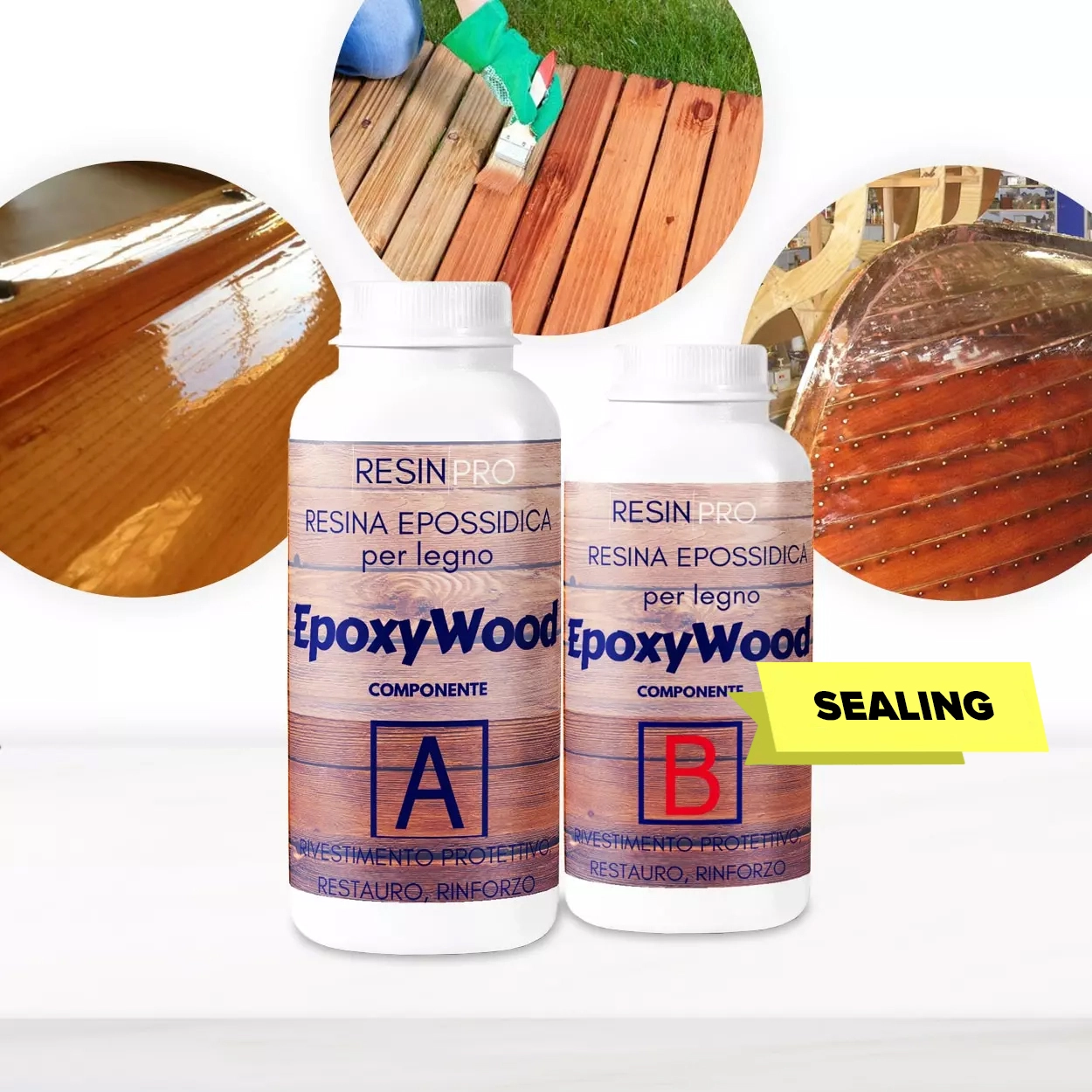 "EpoxyWood" – Wood Restoration Epoxy Resin for Deep Penetration and WaterproofingPrice range: £27.95 through £41.95EpoxyWood is designed for restoring and waterproofing wooden surfaces with a natural finish and deep penetration.
- “Epoxytable 10-Ten” – Deep Pour Epoxy Resin for Tables, Up to 10cm CastingPrice range: £35.95 through £351.95“Epoxytable 10-Ten” is designed for tables and artistic projects requiring casting up to 10cm depth. Suitable for super-deep pours.
 Pure Isopropyl Alcohol 99.9% – 1000ml Bottle for Epoxy Resin Projects & DIYPrice range: £10.45 through £20.95Isopropyl Alcohol 99.9% in 1000ml is suitable for resin projects to remove bubbles and create effects.
Frequently Asked Questions
Can you dilute epoxy resin safely?
Not recommended, as thinning with solvents impairs strength or curing. Use low-viscosity resins instead for better flow.
Is isopropyl alcohol used for diluting epoxy resin?
No, it is used for cleaning surfaces or surface effects, not for thinning the epoxy mixture itself.
How do you reduce bubbles in epoxy resin?
Use low-viscosity resins and apply isopropyl alcohol spray on the surface to remove trapped air.
Which epoxy resins do not require thinning?
"Liquidissima", "EpoxyWood", and "Epoxytable 10-Ten" are all pre-formulated for optimal viscosity.
Can thinning epoxy resin affect its strength or curing?
Yes. Thinning can result in incomplete curing and a weaker or cloudy finish, reducing durability.