 Free shipping on orders over £29,85
  Shipping Tracking!


 Google
 Facebook
What sub-base is needed for permeable flooring?
Ensure correct drainage and durability with the right sub-base choice

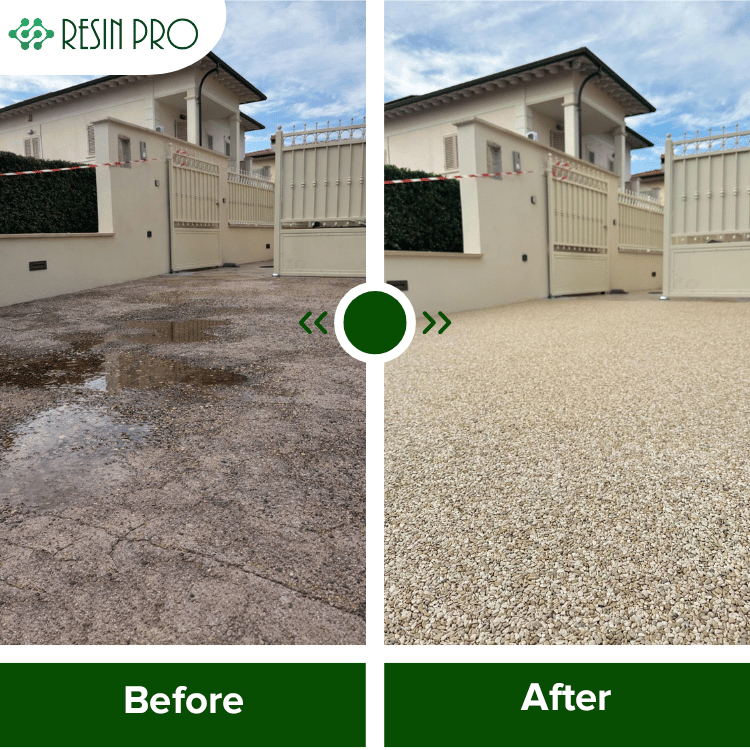
Choosing the correct sub-base is vital for achieving long-lasting, effective permeable resin flooring in driveways, patios, and outdoor walkways. The sub-base serves as the foundation, ensuring proper water drainage and structural stability while working alongside top-layer systems like pebbles and resin. On this page, we explain the main sub-base considerations for permeable floors, introduce specialist solutions, and guide you to the best materials for UK projects.
Permeable resin-bound flooring systems have surged in popularity for their ability to let rainwater pass through, supporting sustainable drainage and reducing surface flooding. Effective water management begins with the right sub-base, and continues with compatible aggregate and binder choices such as the “Flowstone” – Complete Permeable Floor Kit with Pebbles and Resin, Washed Pebbles for Permeable Floors 25kg – Outdoor Resin-Bound Surfaces, and “Trasparente” – Epoxy Binder for Coloured Pebbles and Grits.
Core Principles: Why Sub-Base Matters for Permeable Systems
The sub-base for a permeable resin-bound floor must meet two key requirements: durability under load and efficient drainage. Unlike traditional concrete or tarmac, permeable sub-bases should allow rainwater to filter through to prevent puddles and surface flooding. The sub-base is usually constructed with an open-textured, angular aggregate such as type 3 (MOT Type 3) sub-base or similar permeable options. This approach ensures both structural support and sustained water permeability over time.
Always ensure the substrate is dry before applying resin-bound systems—high humidity or moisture in the sub-base can impair adhesion and long-term performance. These systems are not suitable for indoor, non-draining environments, or applications requiring a non-permeable structure.
Outdoors, finishing layers and binders should offer compatibility with the underlying permeable base, as highlighted by the “Flowstone” Complete Permeable Floor Kit, which includes step-by-step guidance for both novice and professional users.
Comparison of Resin-Bound Flooring Sub-Base Options
Sub-base selection directly impacts water flow, surface stability, and compliance with sustainable drainage systems (SuDS) regulations in the UK. Review the common layers beneath permeable resin-bound finishes:
- Granular Type 3 Sub-base: The standard for permeability, composed of low-fines, angular aggregates that pack well yet let water pass through. Ideal for use beneath both residential and commercial driveways.
- Permeable Asphalt or Concrete: Can be used as an alternative in specialist projects, provided the permeability remains unimpaired over time.
- Geo-textile Membranes: Sometimes added beneath the sub-base to prevent fine soil migration while maintaining drainage.
- On top, lay a bedding layer of Washed Pebbles for Permeable Floors 25kg prior to resin binding, enabling excellent surface performance and strong water flow through to the sub-base.
For best results, use specialist systems like the “Flowstone” – Complete Permeable Floor Kit with Pebbles and Resin, which supplies all necessary components for a successful, customisable permeable surface, or combine with “Trasparente” – Epoxy Binder for Coloured Pebbles and Grits for creative finishing options.
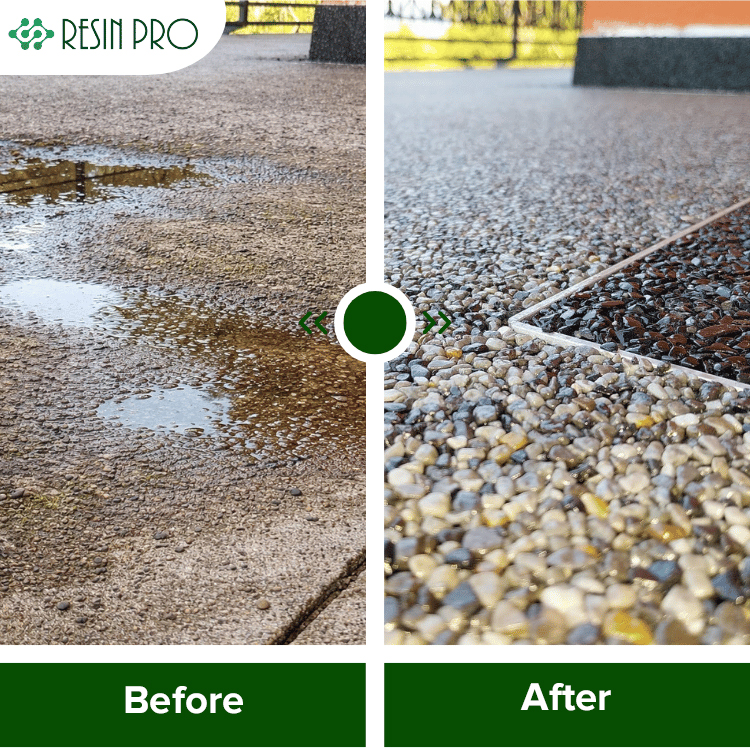
How Permeable Sub-Bases Improve Drainage
Permeable sub-bases such as open-graded Type 3 or resin-stabilised aggregate foundations allow rainwater to percolate efficiently through the flooring structure. This not only prevents surface puddling and erosion but also supports regulatory compliance with sustainable drainage guidelines (SuDS) for UK outdoor spaces. Effective sub-base design is essential for garden paths, patios, and high-traffic driveways.
Product Spotlight: Pebbles, Binders, and Kits for Efficient Permeable Flooring
If you’re planning an outdoor installation, start by selecting high-quality materials. Washed Pebbles for Permeable Floors 25kg – Outdoor Resin-Bound Surfaces provide pre-washed, dried, natural stone in several colours and sizes. These stones ensure excellent drainage and can be easily combined with marble or granite granules for unique, personalised effects.
For the binder, the “Trasparente” – Epoxy Binder for Coloured Pebbles and Grits is a crystal-clear epoxy resin designed specifically for coloured or dark aggregates. It has low viscosity for fast mixing, along with UV-resistant and non-yellowing properties that ensure a lasting finish. This two-part system is also certified non-toxic after curing, making it safe for handling.
For a comprehensive, all-in-one solution with a permeable solution, opt for the “Flowstone” – Complete Permeable Floor Kit with Pebbles and Resin. It comes with everything needed for cost-effective renewal of driveways, footpaths, or patios—with a choice of colours, sizes, and detailed instructions suitable for every skill level.
Application and Practical Tips for Sub-Bases
Before laying your resin-bound layer, always check that the sub-base is compacted, level, and well-draining. Avoid moisture in the sub-base and ensure all aggregates are washed and dried for best binding. The Washed Pebbles for Permeable Floors are hassle-free and ready for immediate use. For DIY installations, the mixing process is straightforward: resin and aggregate are measured, mixed (a cement mixer is useful for larger areas), and spread carefully as directed in kit instructions.
Remember, correct resin dosage and proper curing conditions are key for ensuring surface longevity. When using “Trasparente” Epoxy Binder, around 3% of resin by aggregate weight is generally recommended for coloured stones.
By following application advice and using the right base, you’ll ensure that your permeable resin-bound floors perform efficiently, look beautiful, and last for years.
Expert Tips for Achieving Perfect Resin-Bound Surfaces
For the best outcome, always use pre-washed aggregates and match your resin system—such as “Trasparente” Epoxy Binder—to your chosen stone. Follow supplied mixing ratios closely, especially with coloured or decorative stones, and pay close attention to ambient temperatures and moisture levels in the sub-base before application.
Frequently Asked Questions on Sub-Bases and Permeable Resin Floors
- "Flowstone" – Complete Permeable Floor Kit with Pebbles and ResinPrice range: £42.85 through £3,389.85Flowstone kit offers a permeable pebble and resin system for outdoor UK spaces with simple application and customizable finishes.
 Washed Pebbles for Permeable Floors 25kg – Outdoor Resin-Bound Surfaces£26.85Washed Pebbles for Permeable Floors 25kg are designed for creating permeable outdoor resin-bound surfaces with natural materials.
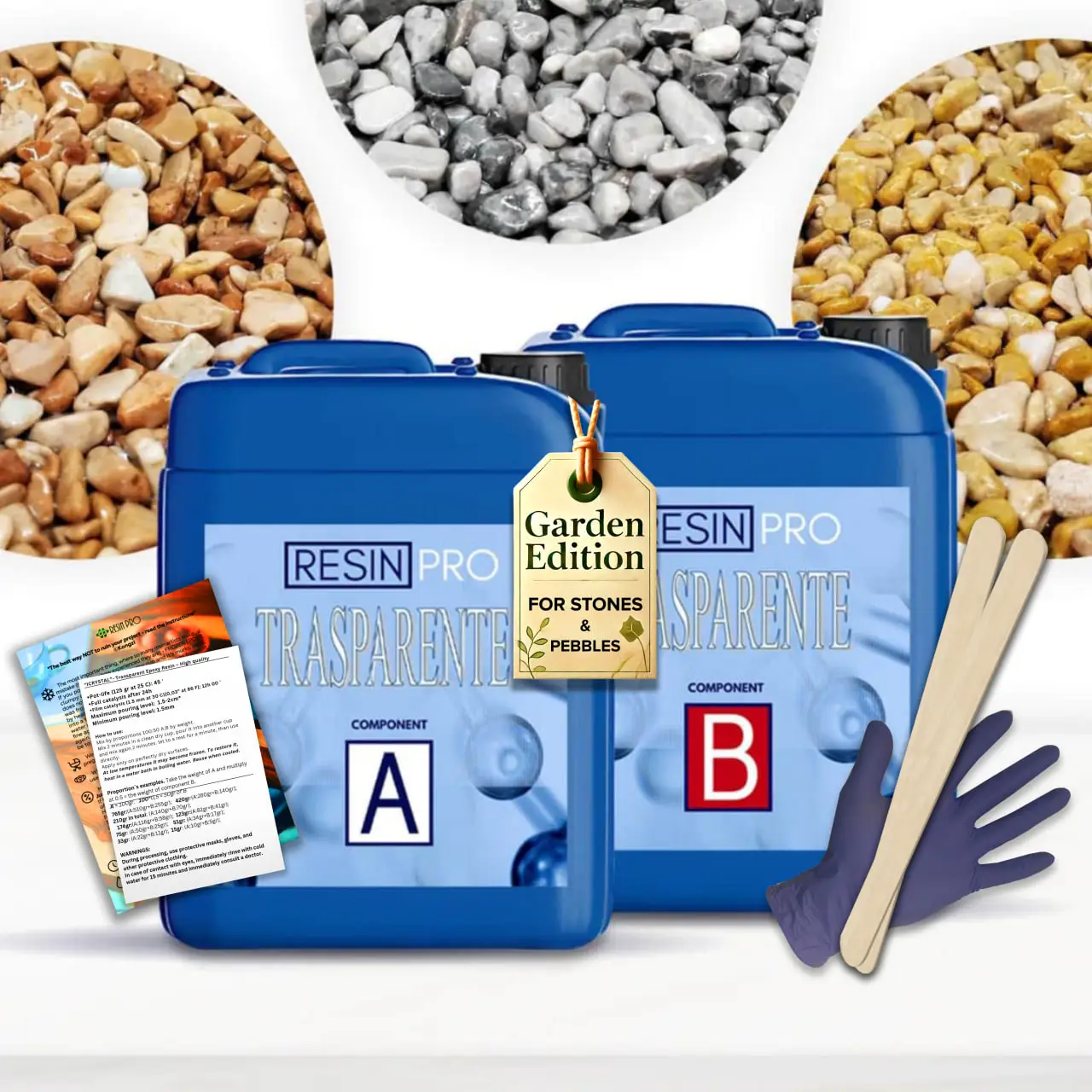 "Trasparente" – Epoxy Binder for Coloured Pebbles and GritsPrice range: £31.85 through £948.85"Trasparente" is a transparent epoxy binder designed for coloured pebbles and grits, suitable for use in permeable flooring projects.
Frequently Asked Questions
What types of resin do you offer for flooring?
Resins are offered for various floors including industrial cement-based, coloured self-levelling, garage floors, permeable pebble flooring and tile coatings.
What is a permeable floor?
A permeable floor is designed to allow rainwater to pass through, preventing water stagnation and reducing flood risk by dispersing water into the subsoil.
Are permeable floors suitable for high-traffic areas?
Yes, granule and resin permeable floors are strong and suitable for pedestrian areas, driveways and car parks, assuming appropriate materials and installation methods are used.
Can I install a permeable floor myself?
Yes, application is simple and quick without requiring specific skills. For large surfaces, use of a cement mixer is recommended for mixing granules and resin.
What should I pay attention to during application?
Attention should be given to correct resin dosage and ensuring dry surfaces, as humidity and wet substrates negatively affect adhesion.
What ratio of resin to stones is recommended for coloured aggregates?
For coloured aggregates, typically 3% resin by weight is recommended. For example, 20-25 kg of aggregate require approximately 600 to 800g of epoxy resin, depending on aggregate size.
Can these pebbles be combined with other granules?
Yes, they can be combined with marble, granite, or porphyry granules to achieve unique designs.