 Free shipping on orders over £29,85
  Shipping Tracking!


 Google
 Facebook
← Back to How do you grout a resin floor?
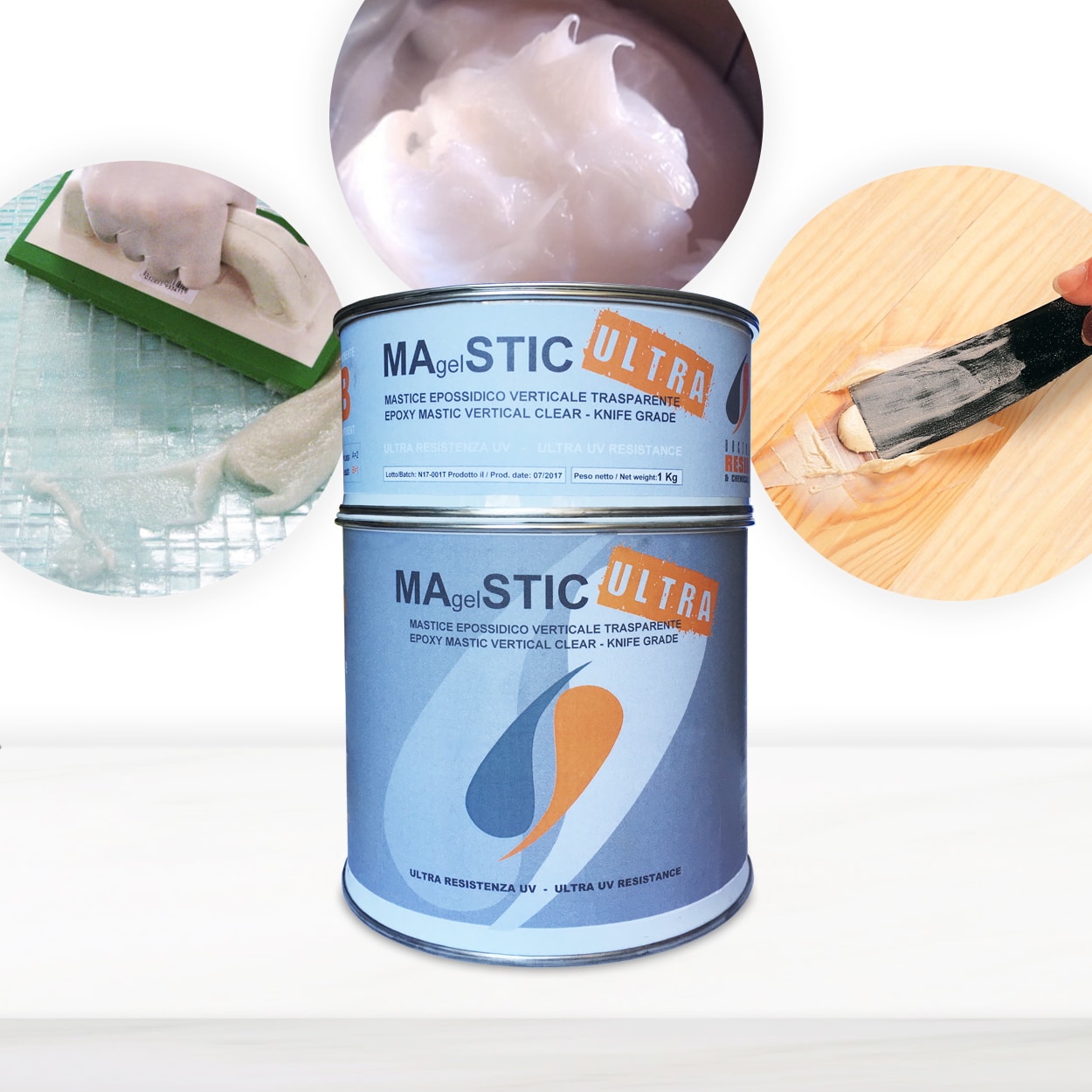
Selecting the correct resin grout is crucial when working with different floor substrates. Each base material—whether stone, concrete, or composite—may require a particular product or approach to achieve enduring and professional results.
Why Substrate Compatibility Matters
Resin grout is not a one-size-fits-all solution. Stonework, for example, often benefits from specialised mastics, while aggregate or pebble floors typically require a resin binder. On absorbent surfaces like concrete or timber, primers are strongly recommended to enhance adhesion and minimise the risk of future lifting or cracking. Choosing the right material at the outset promotes better longevity and appearance in the finished floor.
Choosing the Right Resin Grout for Your Floor
- Stone, Metal, and Cement: Use a thixotropic epoxy mastic such as Magelstick for robust bonding or precise grouting, especially for vertical or detailed repairs.
- Pebble or Aggregate Floors: Opt for a transparent epoxy binder formulated to coat and stabilise decorative stones. Well-mixed binders encapsulate the aggregates, providing structure and a polished finish.
- Concrete, Tiles, Timber, and Screeds: Always prepare these substrates with an appropriate primer before applying resin grout or flooring systems. This helps ensure a secure bond, even on less-porous or slightly flexible surfaces.
When Surface-Specific Grouting Matters Most
Specialised grouts or binders are particularly important in high-traffic areas, outdoor environments, or when grouting vertical or delicate surfaces. Using the correct system can simplify installation and enhance durability under stress or exposure to the elements.
Related products
Related guides
Matching your resin grout to the surface you’re treating is a key step for any successful resin floor project. For detailed guidance on application and product choice, return to our main guide on how to grout a resin floor.