 Free shipping on orders over £29,85
  Shipping Tracking!


 Google
 Facebook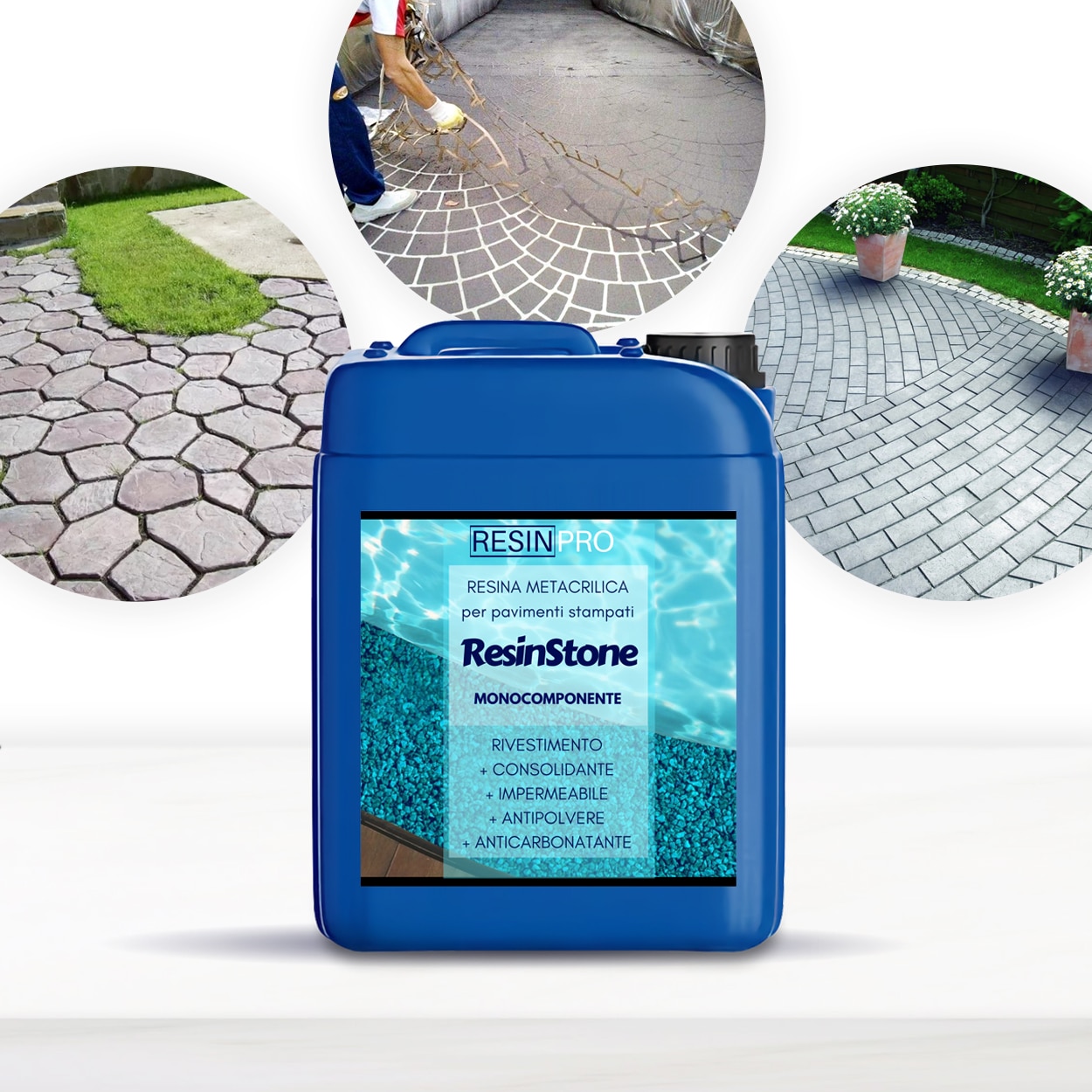
Choosing the right resin for your surface is essential—using the wrong type can lead to poor performance or even costly repairs. Not every resin is suitable for every surface or installation scenario.
Typical Surfaces Unsuitable for All Resins
Some resins are formulated specifically for certain substrates and should not be used on others. For example, Resinstone is intended for absorbent surfaces like concrete, providing protection and sealing. It is not suitable for loose gravel or unbound aggregates, as it cannot bind these materials effectively. Likewise, pouring resin directly over existing gravel without proper binding will not give structural stability and may fail quickly.
- Loose or unbound aggregate surfaces (unless using a dedicated binder)
- Surfaces outside the recommended temperature range or with high moisture
- Substrates incompatible with the resin’s chemical formulation
How to Choose the Right Resin for Your Project
Always consult manufacturer guidance before purchasing or applying resin. Each product, such as the Trasparente Epoxy Binder, details which surfaces and materials it is designed for. For example, if you are bonding coloured pebbles or grits, a specialised epoxy binder is required. For concrete floors or driveways, methacrylic resins like Resinstone are preferable. Avoid substituting products expecting the same performance across all surfaces.
When Surface Suitability Matters Most
Using the wrong resin can result in delamination, cracking, or premature wear—especially in high-traffic areas or outdoor environments. Surface compatibility is crucial for ensuring both durability and finish quality, so take extra care with driveways, paths, or decorative projects.
Related products
Related guides
Understanding which surfaces are appropriate for each resin ensures you benefit from maximum durability and the desired look. For more about professional resin installation and choosing the right product, visit our main guide on who should install resin.