 Free shipping on orders over £29,85
  Shipping Tracking!


 Google
 Facebook
What temperature should it be to apply resin outside in winter?
Applying resin outdoors during the winter months presents a unique set of challenges. If you want flawless results—whether you’re making tables, river pieces, or artistic casts—temperature control is essential for proper curing. This guide is for anyone working with epoxy resin outside in colder weather, covering ideal application temperatures, practical heating solutions, and products designed to help you achieve professional outcomes, even when it’s chilly.
Overview: Temperature Challenges and Product Comparison
The ideal temperature for applying resin outdoors is typically between 18°C and 25°C, as lower temperatures can slow curing, introduce bubbles, and impact finish quality. In winter, maintaining these conditions outside requires both smart planning and the right tools. Solutions like adjustable fan heaters, deep-pour resins, and targeted heat guns each play a distinct role. Fan heaters warm the environment, deep-pour resins manage exothermic reactions in cooler air, and heat guns handle finishing touches or bubble removal when temperatures threaten to interfere.
Maintain optimal curing conditions for cold weather resin projects.


Why Winter Makes Resin Application Difficult
Cold weather often leads to incomplete curing, cloudy finishes, and unpredictable set times for resin projects. Wind and humidity can worsen results outdoors, so using temperature-control tools and specially formulated resins ensures consistent, professional quality every time.
“Rhino” – 2kW Fan Heater for Epoxy Resin Projects
If you’re working outside in low temperatures, the “Rhino” – 2kW Fan Heater for Epoxy Resin Projects is your frontline solution for raising and stabilising ambient temperatures around your workspace. Its rapid heating and adjustable thermostat help ensure the resin cures properly, preventing issues caused by cold snaps or breezy nights. Overheat protection adds a layer of safety, making this compact heater perfect for consistent, reliable results—whether you’re a professional or DIY enthusiast.
“Epoxytable 10-Ten” – Deep Pour Epoxy Resin for Tables, Up to 10cm Casting
Winter resin projects—especially those requiring thick pours—are best tackled with a specialist resin like the “Epoxytable 10-Ten” – Deep Pour Epoxy Resin for Tables, Up to 10cm Casting. Its low exothermic reaction and excellent UV resistance make it highly reliable for outdoor pours, where temperature control is more difficult. The extended curing window gives you time to adjust in unpredictable weather, while its bubble-free, super-clear finish stands up to winter humidity and cold air, especially when paired with appropriate heating devices.
Gas and 1500W Heat Guns: Bubble Removal and Finishing
Finishing epoxy resin projects outdoors in winter often requires more than just heating the air. Both the Gas Heat Gun for Epoxy Resin – Precision Tool for Bubble Removal and Finishing and the 1500W Heat Gun for Crafting and Epoxy Resin Projects – Two Heat Settings offer targeted, intense heat. These tools are especially valuable for tackling bubbles or achieving a flawless surface when ambient temperatures resist standard curing cycles. Each provides flexibility for detail work, ensuring your artwork, tables, or coatings achieve a professional, blemish-free finish even in adverse weather.
Tips for Successful Resin Application in Cold Weather
To maximise results during winter resin projects, consider erecting a temporary shelter to contain warmth, pre-warming your resin (as directed by the manufacturer), and monitoring both ambient and surface temperatures throughout the cure. Regular checks and adjustments with your fan heater or heat gun can make the difference between a smooth set and compromised clarity. Patience is key—allow for longer cure times in very cold weather, and always follow safety recommendations for electric heaters and heat guns outdoors.
Safety and Practicality When Heating Your Workspace
Always place electric heaters and heat guns on stable, dry surfaces and avoid leaving them unattended. Consider insulated tenting or shielding from direct wind to help your workspace stay at target temperature for optimal resin performance.
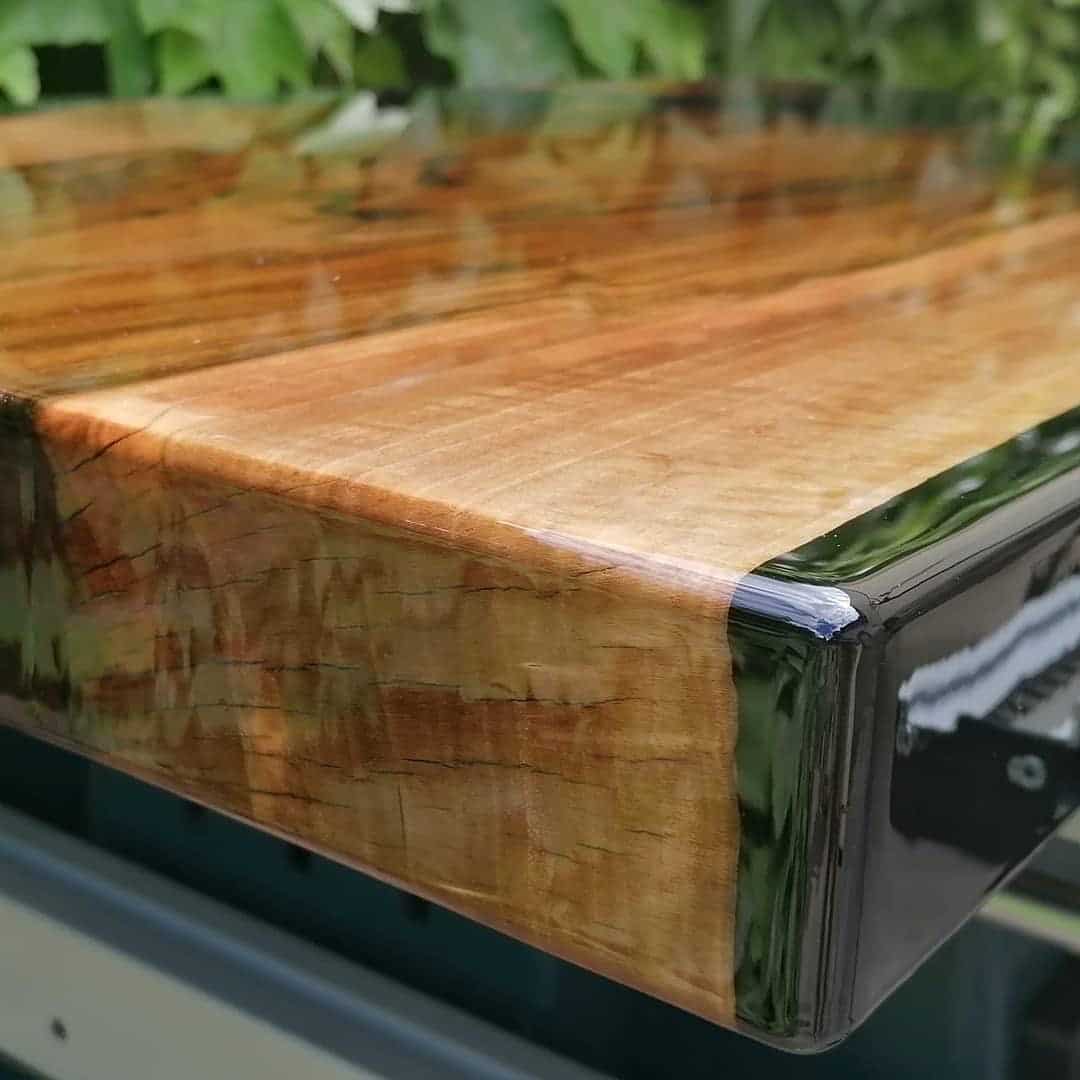
- "Rhino" – 2kW Fan Heater for Epoxy Resin Projects£19.85"Rhino" – 2kW Fan Heater offers rapid warming and adjustable thermostat, aiding resin projects with controlled workspace temperature.
- “Epoxytable 10-Ten” – Deep Pour Epoxy Resin for Tables, Up to 10cm CastingPrice range: £33.85 through £334.85“Epoxytable 10-Ten” is designed for super-deep pouring up to 10cm, suitable for tables and large artistic projects under the theme about temperature…
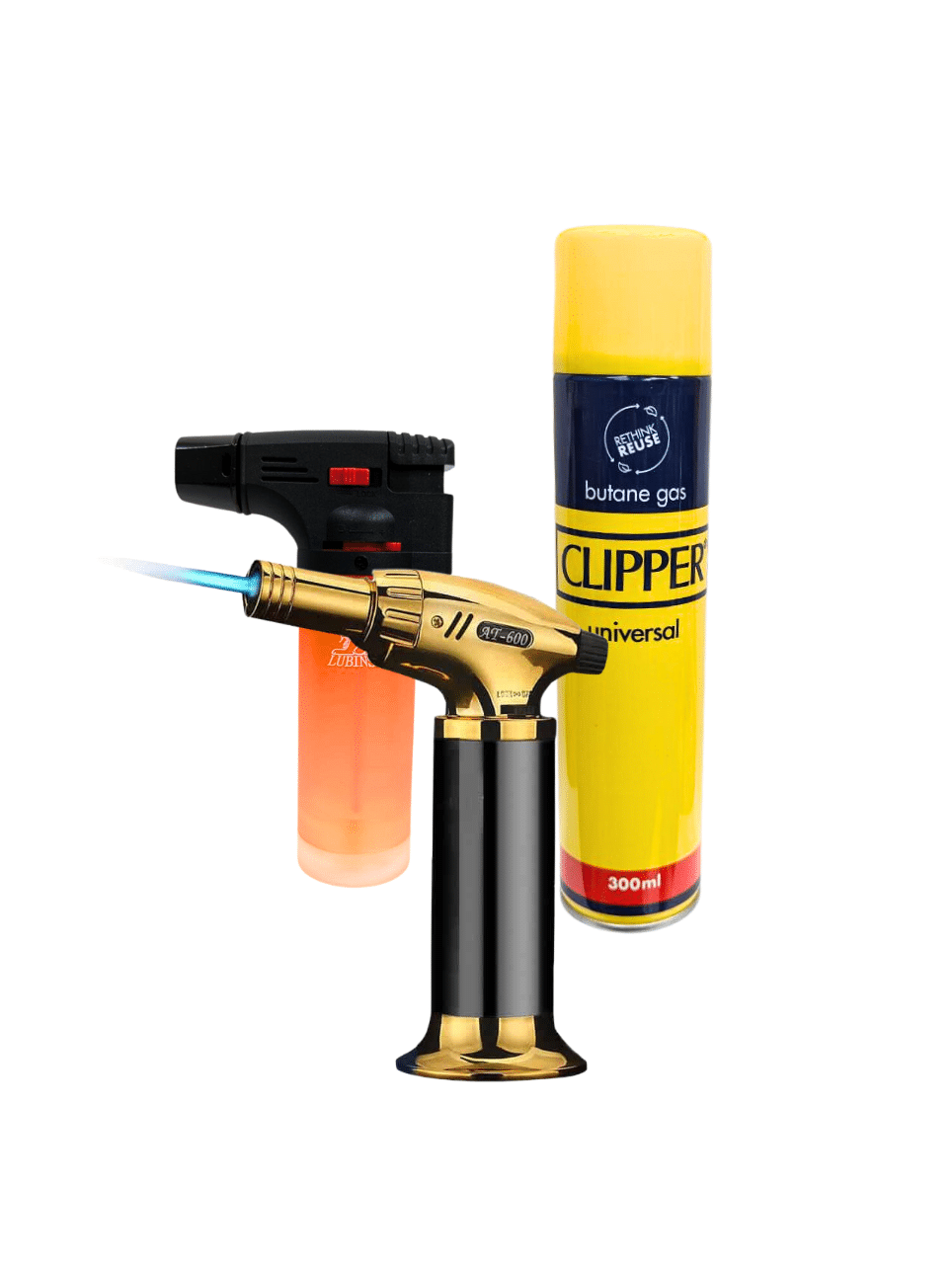 Gas Heat Gun for Epoxy Resin – Precision Tool for Bubble Removal and FinishingPrice range: £4.15 through £13.85The Gas Heat Gun is designed to aid bubble removal and finishing in epoxy resin projects, suitable for precision work.
 1500W Heat Gun for Crafting and Epoxy Resin Projects – Two Heat Settings£27.85The 1500W Heat Gun is a lightweight tool designed for bubble removal and finishing in epoxy resin projects.
FAQ: Choosing Products and Tackling Winter Resin Challenges
What is the ideal temperature for applying epoxy resin outside?
Most epoxy resins perform best between 18°C and 25°C. Applying resin below this range can extend curing times and introduce finish defects, so using a quality heater or controlled workspace is essential in winter.
How can I keep my resin project warm enough outdoors?
Use a portable fan heater such as the “Rhino” – 2kW Fan Heater for Epoxy Resin Projects to increase and stabilise ambient temperature. Building a temporary enclosure and monitoring temperatures throughout the curing process are also highly recommended strategies.
Does resin cure properly in cold weather?
Cold weather slows curing and can create issues such as bubbles, tackiness, or incomplete hardening. Using products designed for thicker pours and targeted heating solutions help ensure a full cure and clear finish.
Can heat guns replace ambient heating for outdoor resin applications?
Heat guns, like the Gas Heat Gun or 1500W Heat Gun, are excellent for removing bubbles or spot-heating, but only ambient heaters can raise the overall working temperature sufficiently for large projects.
Which resin should I use for thick pours during winter?
The “Epoxytable 10-Ten” is formulated for deep casting up to 10cm, making it ideal for winter projects that require low exothermic reaction and controlled curing in cold air.
Is it safe to use electric heaters outdoors?
Always follow manufacturer instructions. Position fan heaters and heat guns away from moisture, use only in suitable weather, and never leave unattended during operation for maximum safety.
Should I pre-warm my resin before pouring?
Pre-warming resin in accordance with the manufacturer’s guidelines helps flow and reduces bubble formation, particularly important in winter conditions.
Frequently Asked Questions
What is the ideal temperature for applying epoxy resin outside?
Most epoxy resins perform best between 18°C and 25°C. Applying resin below this range can extend curing times and introduce finish defects, so using a quality heater or controlled workspace is essential in winter.
How can I keep my resin project warm enough outdoors?
Use a portable fan heater such as the “Rhino” – 2kW Fan Heater for Epoxy Resin Projects to increase and stabilise ambient temperature. Building a temporary enclosure and monitoring temperatures throughout the curing process are also highly recommended strategies.
Does resin cure properly in cold weather?
Cold weather slows curing and can create issues such as bubbles, tackiness, or incomplete hardening. Using products designed for thicker pours and targeted heating solutions help ensure a full cure and clear finish.
Can heat guns replace ambient heating for outdoor resin applications?
Heat guns, like the Gas Heat Gun or 1500W Heat Gun, are excellent for removing bubbles or spot-heating, but only ambient heaters can raise the overall working temperature sufficiently for large projects.
Which resin should I use for thick pours during winter?
The “Epoxytable 10-Ten” is formulated for deep casting up to 10cm, making it ideal for winter projects that require low exothermic reaction and controlled curing in cold air.
Is it safe to use electric heaters outdoors?
Always follow manufacturer instructions. Position fan heaters and heat guns away from moisture, use only in suitable weather, and never leave unattended during operation for maximum safety.
Should I pre-warm my resin before pouring?
Pre-warming resin in accordance with the manufacturer’s guidelines helps flow and reduces bubble formation, particularly important in winter conditions.