 Free shipping on orders over £29,85
  Shipping Tracking!


 Google
 Facebook
← Back to What is epoxy putty for iron used for?
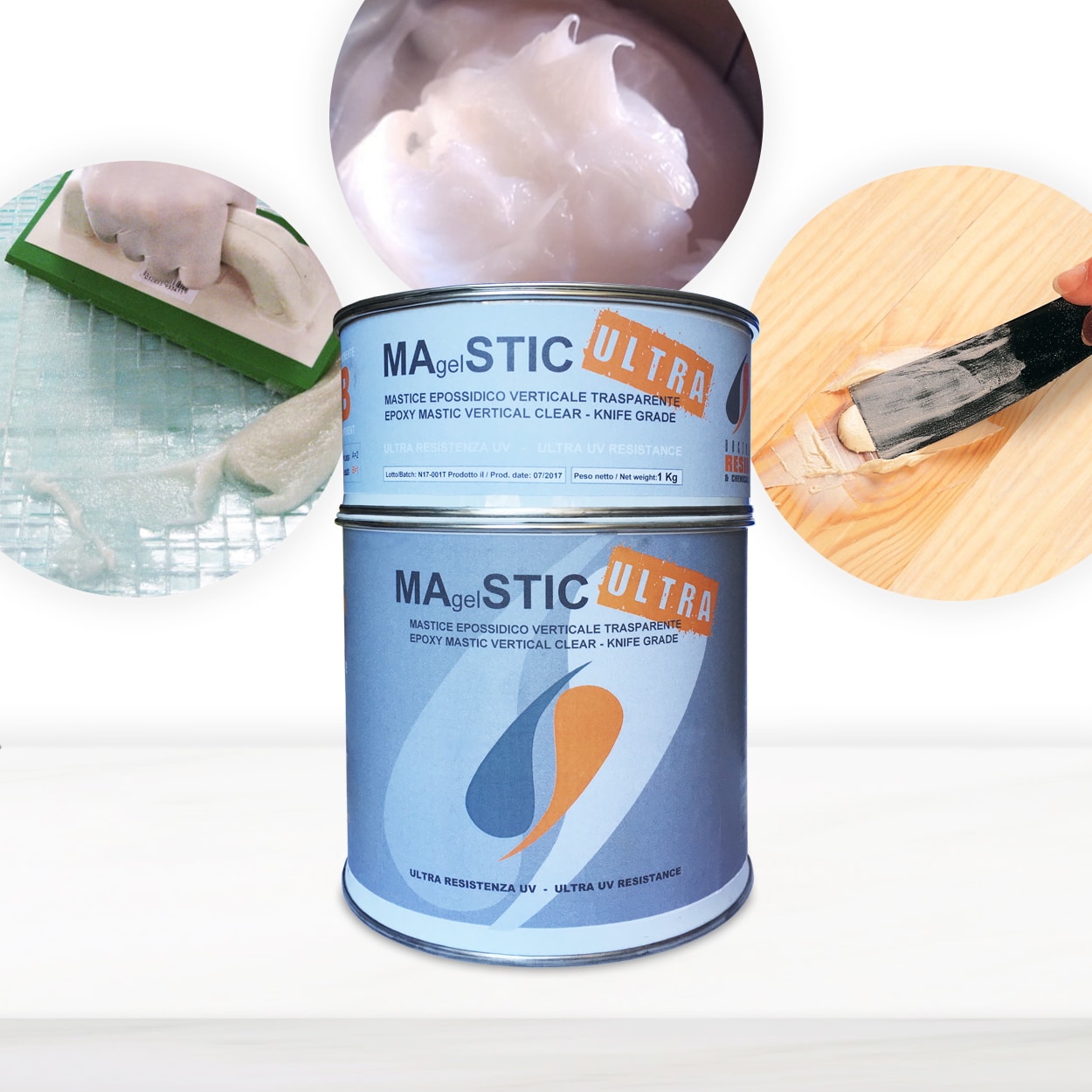
If you’re planning repairs or bonding on iron surfaces, using epoxy putty at the right temperature is crucial for strong adhesion and a lasting result. Here’s how to select the best conditions for application.
Recommended Application Temperatures
For best results, apply epoxy putty to iron when the temperature is at least 10°C. Lower temperatures may slow curing and weaken adhesion, so avoid working in cold conditions. Warmer environments, while not strictly required, help the putty set more efficiently and promote optimal strength.
Tips for Working with Epoxy on Iron
- Surface Preparation: Ensure the iron is clean, dry, and free from rust or oil.
- Mixing and Applying: If using a bi-component product like Magelstick Epoxy Mastic, follow the recommended mix ratio for even curing.
- Setting and Curing: Work quickly if using fast-setting epoxy and allow sufficient time (typically 24 hours) for full cure, especially in cooler weather.
When Application Temperature Matters
Temperature is especially important when bonding iron in outdoor, unheated spaces or tackling urgent repairs during the colder months. Applying below 10°C can result in incomplete hardening and possible bond failure. Always plan to carry out work when the ambient temperature is suitable.
Related products
Related guides
Choosing the right temperature for epoxy putty ensures durable and resilient repairs to iron. For more insights on bonding and restoration, explore our comprehensive guidance on epoxy putty for iron.