 Free shipping on orders over £29,85
  Shipping Tracking!


 Google
 Facebook
← Back to Where to buy liquid resin for car glass?

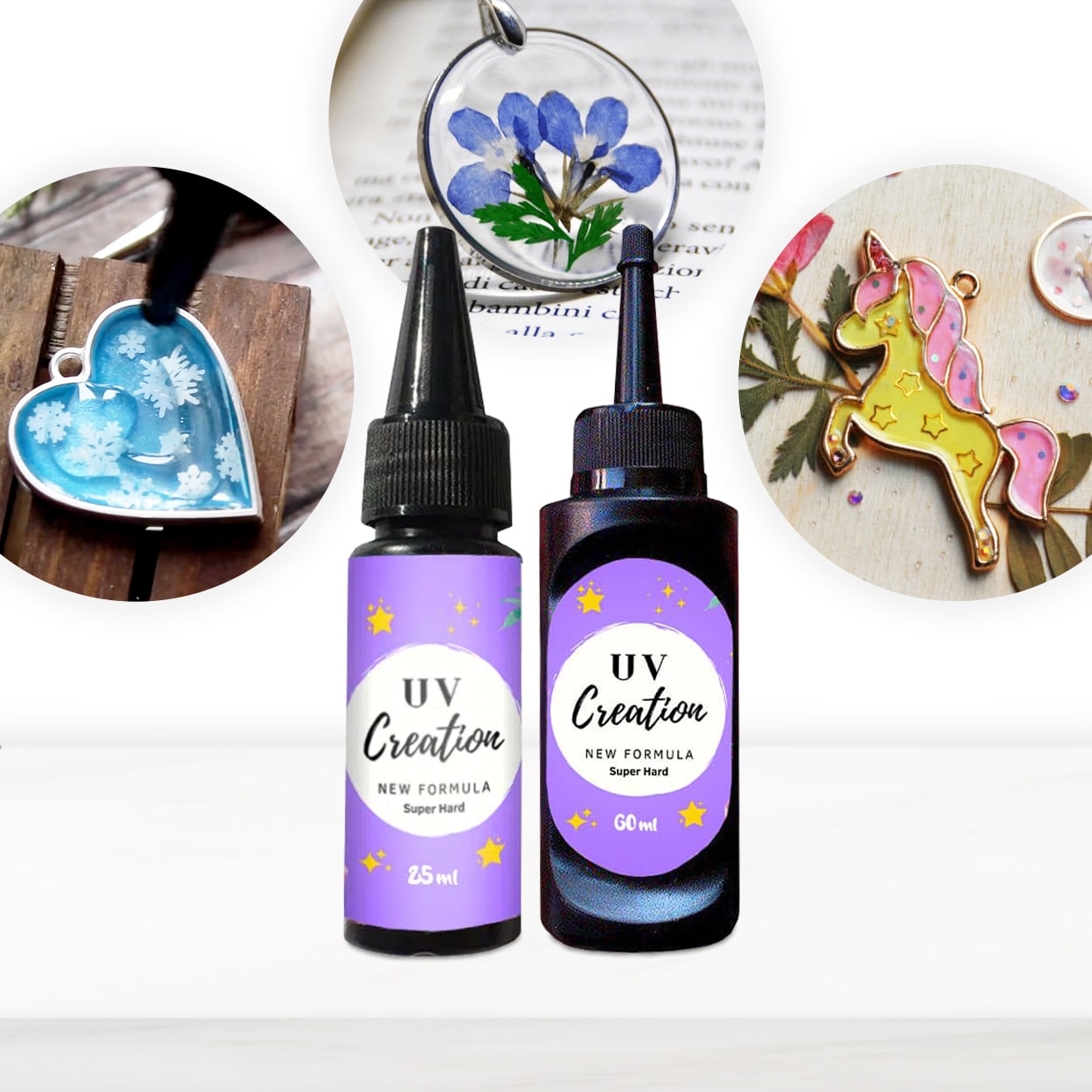
Knowing how thick you can apply liquid resin is crucial for car glass repairs or crafting glass-like surfaces. Applying the right thickness ensures a clear, strong, and durable bond that looks professional and lasts over time.
Typical Resin Application Thickness
Most liquid resins designed for clear repairs or coatings, such as on car glass, have a maximum recommended layer thickness per pour. Generally, this ranges from 1.5 cm to 2 cm. Exceeding these limits in a single application can lead to issues like bubbling, overheating, or incomplete curing. Always consult the specific instructions for the resin you choose, as different products have different guidelines.
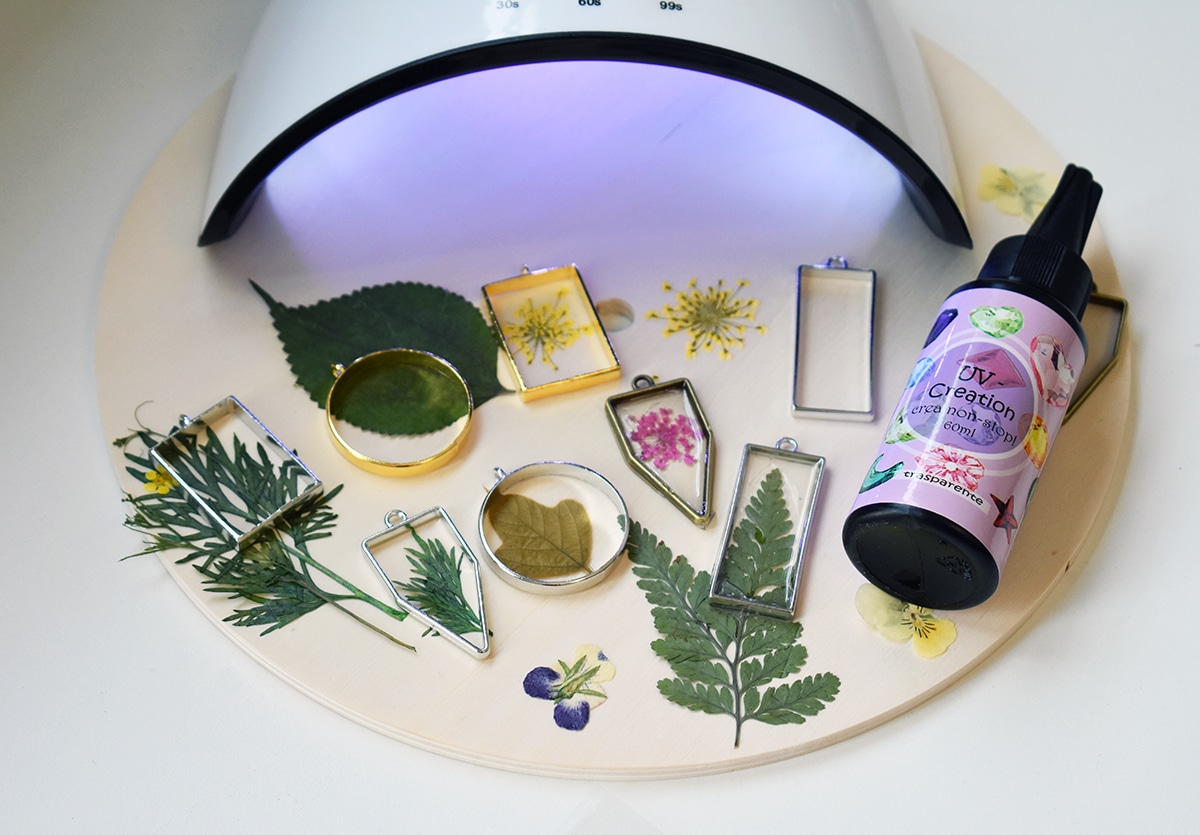

Best Practices for Applying Resin to Car Glass
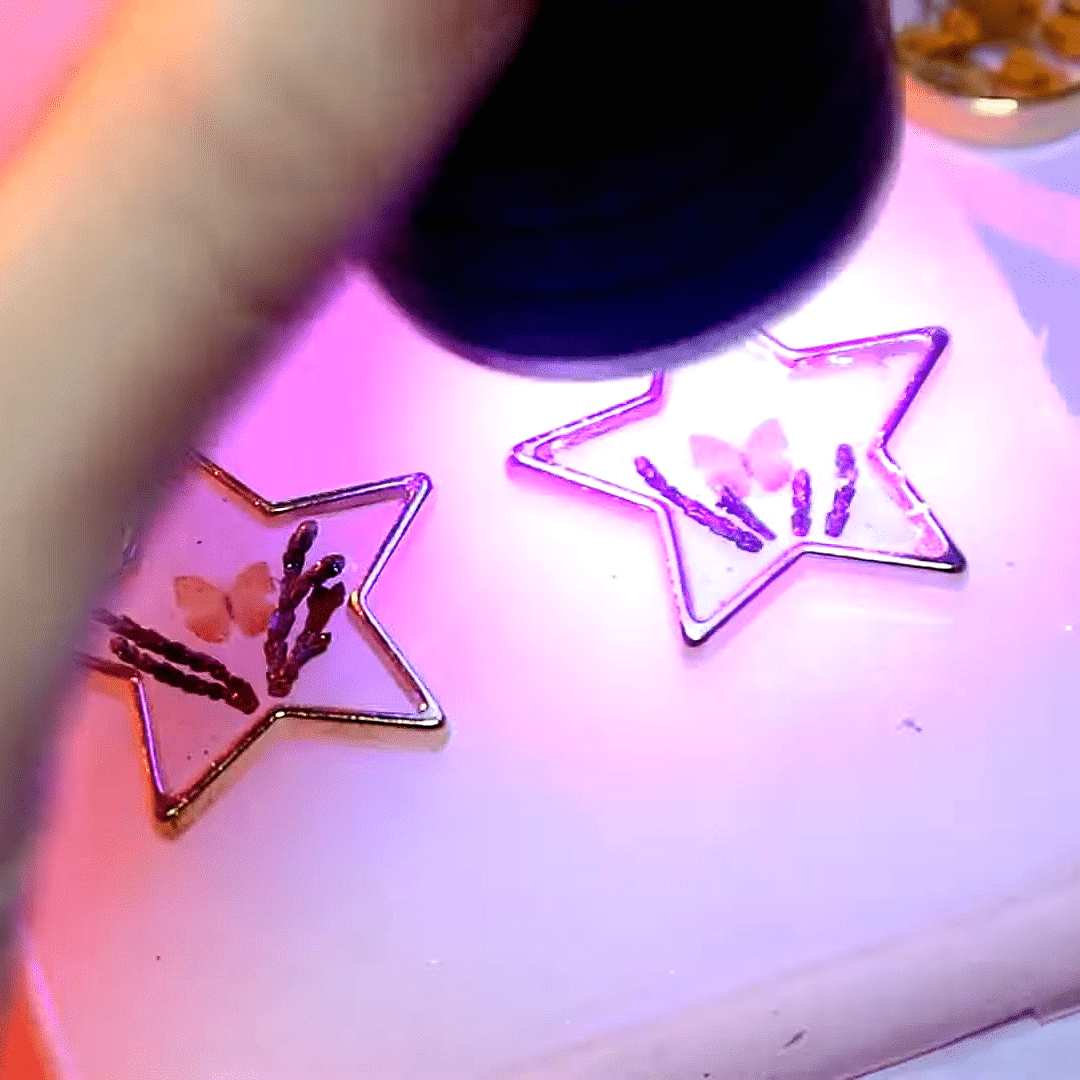
- Layering is key: For thicker builds, pour in multiple layers, allowing full cure between each to avoid defects.
- Surface preparation: Ensure the glass is clean and dry before application for the best adhesion and clarity.
- Choose the right product: Products like “Trasparente” Multipurpose Clear Epoxy Resin are suitable for layer thicknesses up to 2 cm, making them a solid choice for detailed or repair work on car glass and other smooth surfaces.
When Thickness Limits Matter
The maximum resin thickness comes into play most when repairing chips, cracks, or applying thicker protective layers to car glass. Attempting to pour too much at once can trap bubbles or cause the resin to cure unevenly, affecting both strength and finish. Sticking to the recommended thickness keeps repairs clear and long-lasting.
Related products
Related guides
Choosing and applying liquid resin at the correct thickness not only ensures your car glass repairs look virtually invisible, but also extends their durability. For more guidance on selecting and sourcing the right resin, see our main advice on where to buy liquid resin for car glass.