 Free shipping on orders over £29,85
  Shipping Tracking!


 Google
 Facebook
What to Buy to Make a Self-Leveling Resin Floor?
Essential products and equipment for flawless resin flooring


Laying a self-leveling resin floor starts with choosing the right products for preparation, application, and precision. This guide is designed for homeowners, renovators, and professionals seeking to achieve durable, seamless flooring using epoxy resin. Read on for a clear comparison, detailed product insights, and guidance to select exactly what you need for every stage of the process.
Comparison: Choosing the Right Tools and Products for Resin Flooring
Achieving a flawless, self-leveling resin floor involves more than simply pouring resin—it requires the right primer, tools for surface smoothing, accurate levelling equipment, and effective preparation tools. The Epoxyprimer provides robust adhesion for various substrates such as concrete, timber, and tiles, while applicator rollers ensure a uniform, even resin layer. Accurate readings during installation can be achieved with a compact line level, and effective surface preparation is simple with a heavy-duty scraper. Each product complements a specific stage in the resin flooring process.

See the Resin Flooring Prep and Application Tools in Action
From precise surface preparation to flawless resin spreading, each tool is designed for outstanding results. Explore real-life project galleries or videos to observe techniques and finishes achievable with these products.
“Epoxyprimer” – Universal Water-Based Two-Component Epoxy Floor Primer
The Epoxyprimer is a universal, water-based primer formulated for stable and durable epoxy resin floors. It is perfect for preparing cement, tiles, screed, or timber substrates, maximising the adhesion of any subsequent resin applications. Superior adhesion between substrate and resin is crucial for a long-lasting floor, and this primer delivers consistent results across various surfaces. The eco-friendly & odourless formula makes it ideal for interior projects, while versatile compatibility means you can use one product for multi-room installations. Application is straightforward via roller, brush, or spatula, guaranteeing a professional finish from the very start. For details, visit the Epoxyprimer product page.
Resin & Paint Application Rollers – Short-Pile, Large, and Sponge Types
To achieve professional, streak-free results with your resin floor, dedicated Resin & Paint Application Rollers are vital. These rollers, available in short-pile for detail work and large for rapid coverage, allow for precision and uniformity on resin surfaces. The Sponge Roller type is particularly suited to self-leveling projects, ensuring a consistently even spread without trapping bubbles. Choosing the right roller can minimise imperfections, save time, and help maintain the resin’s self-leveling properties throughout the application.
Compact Line Level for Epoxy Projects for Accurate Surfaces – 75mm
Precise levelling is of utmost importance when laying resin floors. The Compact Line Level provides a compact and lightweight way to guarantee the evenness of every surface before mixing or applying resin. The high-visibility vial makes it easy to check for accuracy during all stages, ensuring the resin flows and settles smoothly. Constructed from robust ABS plastic, it’s designed for multiple flooring projects and is easy to handle in tight or awkward spaces.
Heavy Duty Scraper for Paint and Epoxy Resin Removal
Preparation is key to any successful resin floor. The Heavy Duty Scraper is the go-to tool for stripping away old paint, adhesive, or tile residues, creating the ideal surface for primer and resin application. The lightweight design makes it comfortable for bigger jobs, while the razor-sharp blade offers efficient, clean removal without unnecessary damage to the substrate. A good scraper enhances adhesion and ensures your project starts on the perfect foundation.
Top Resin Flooring Tips for Great Results
Before beginning any resin floor project, always ensure the surface is completely clean, dry, and free from oils or dust. Start with a thorough scrape and move to precision levelling for a flat surface. Apply the correct primer and let it cure fully (24–48 hours for Epoxyprimer). Use the roller best suited to your job—short-pile for detailed edges, sponge for leveling—and maintain even, steady pressure throughout application. For best results, work in a dust-free environment and monitor temperature and humidity.
Real-World Resin Floor Project Results
Notice the difference in finish quality when recommended tools and primers are used throughout every flooring stage. See more about Epoxyprimer and our specialist rollers and why they’re trusted in homes and commercial spaces.

- "Epoxyprimer" – Universal Water-Based Two-Component Epoxy Floor PrimerPrice range: £156.45 through £286.45Epoxyprimer is a water-based two-component epoxy primer designed for reliable adhesion on concrete, wood, tiles, and screeds.
- Resin & Paint Application Rollers – Short-Pile, Large, and Sponge TypesPrice range: £3.62 through £5.09Rollers designed to support epoxy resin applications with options for detailed, large, and self-leveling finishes.
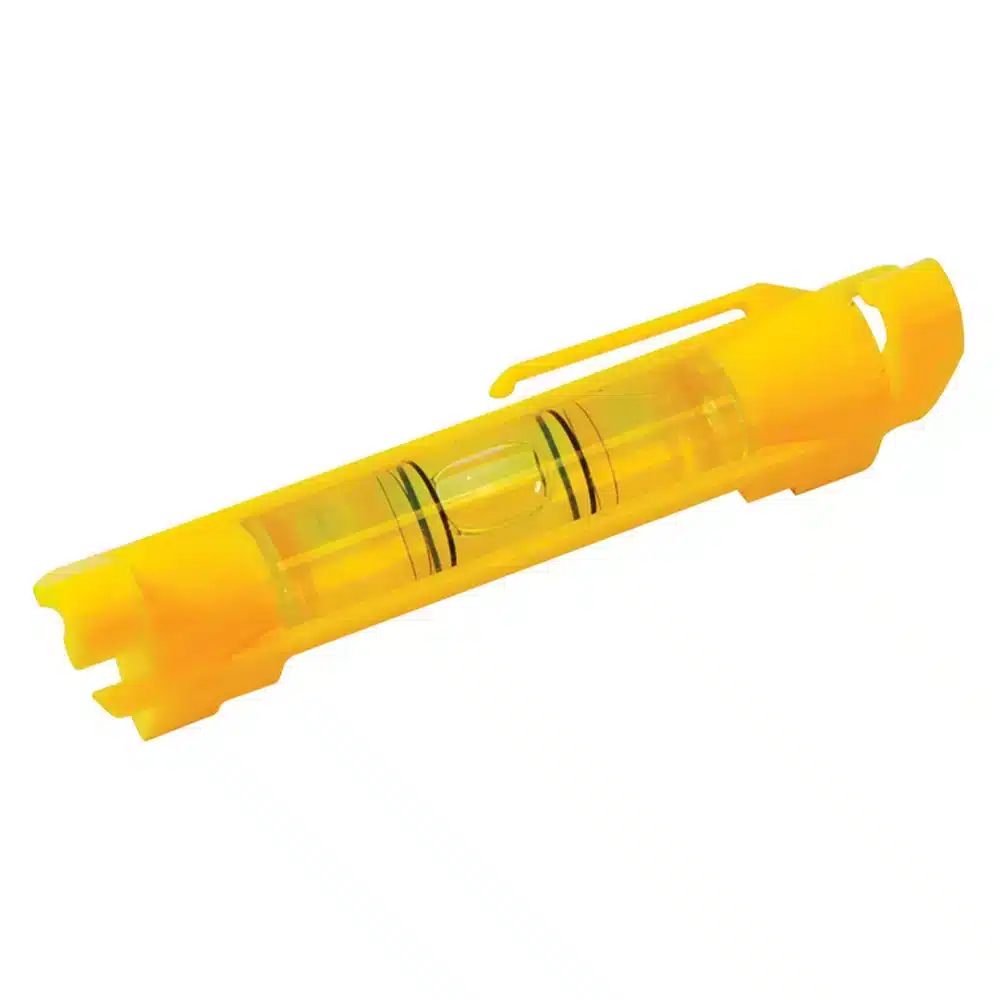 Compact Line Level for Epoxy Projects for Accurate Surfaces – 75mm£1.21Compact Line Level is a lightweight tool designed to help achieve level, accurate surfaces in epoxy projects.
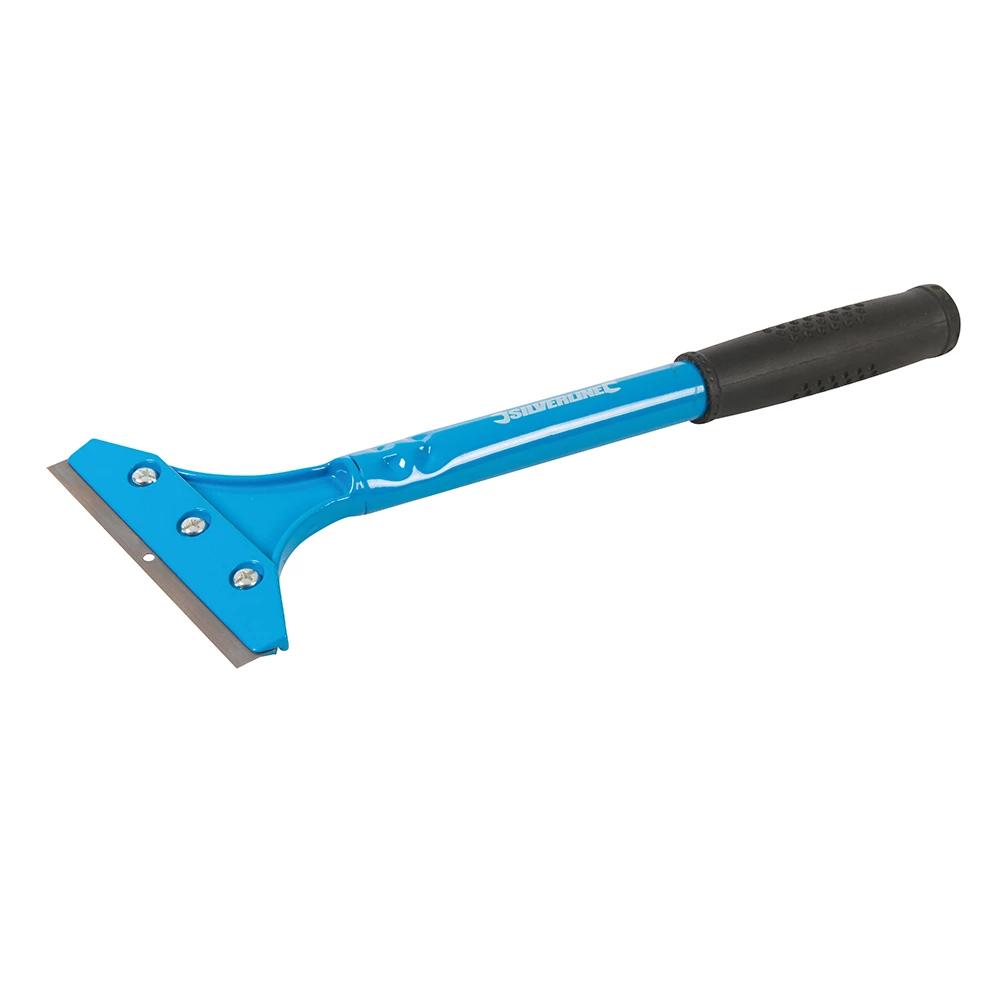 Heavy Duty Scraper for Paint and Epoxy Resin Removal£8.95Heavy Duty Scraper designed for effective removal of wall coverings, tiles, and paint with a lightweight handle and razor-sharp blade.
Frequently Asked Questions
Should I apply a primer before installing a resin floor?
Yes, priming the surface is crucial for strong adhesion and the long-term durability of the resin floor.
What roller type is best for self-leveling resin?
A sponge roller is ideal as it enables smooth, even application and supports the self-leveling process.
How long does Epoxyprimer take to cure?
It typically cures in 24 to 48 hours at room temperature for proper bonding.
Why do I need a line level for a resin floor?
A line level helps verify the floor is truly even, which prevents pooling or uneven flow in self-leveling resin.
How should I prepare my floor before applying epoxy?
Remove old coatings, clean thoroughly, and use a scraper for a smooth, contaminant-free surface.
Can the Heavy Duty Scraper remove cured resin?
Yes, it can help remove cured resin remains, but apply gentle pressure to avoid damaging the substrate.