 Free shipping on orders over £29,85
  Shipping Tracking!


 Google
 Facebook
← Back to How to cover a resin sink?
Discovering sticky or tacky spots on your cured epoxy can be disappointing, but it’s a common issue with clear solutions. Here’s how to identify causes and confidently fix the problem.
Why does epoxy resin remain tacky?
Tackiness is typically the result of incomplete mixing or improper environmental conditions during curing. If the resin and hardener are not combined at the correct ratio and thoroughly mixed—especially along the container sides and bottom—some areas may not set fully. Humidity, low temperatures, or pouring resin in excessively thick layers can also disrupt the curing process, resulting in sticky spots.
How to fix sticky epoxy resin
- Allow more cure time: Sometimes, leaving the project in a warm, dry area for an extra day or two is enough for minor tackiness to resolve.
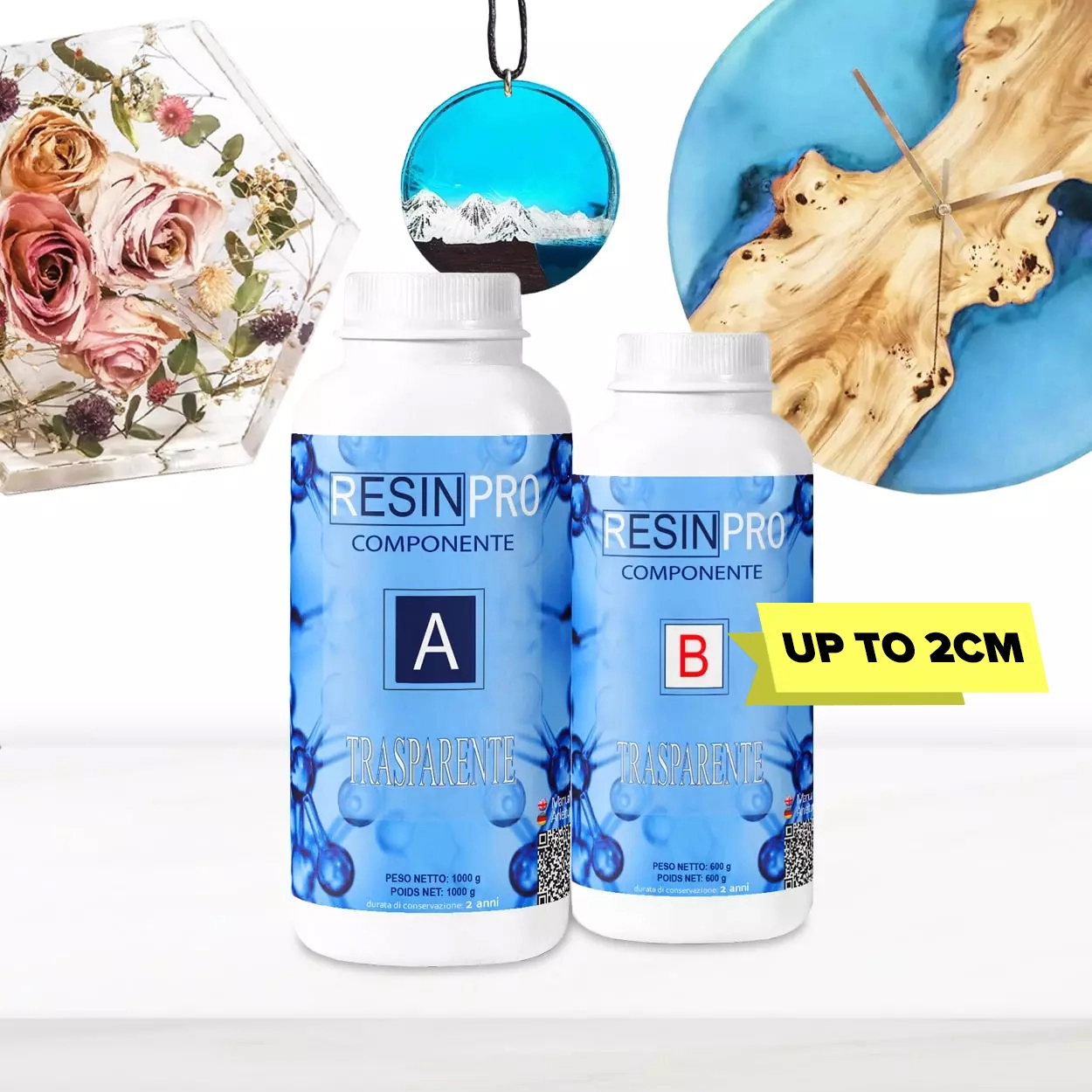
- Clean and re-coat: If the tacky areas persist, carefully remove any sticky resin (using a scraper or isopropyl alcohol on a cloth), ensure the surface is dust-free, and then apply a fresh, thin layer of properly mixed resin, such as “Trasparente” Multipurpose Clear Epoxy Resin or a suitable surface coating like Art Pro for glossy finishes.
- Prevent recurrence: Always double-check your mixing ratios and ambient conditions for your next project.
When does remedying sticky resin matter most?
Sticky resin is especially problematic on decorative or functional surfaces such as tables, counters, and sinks. Tackiness attracts dust and impairs water resistance, so addressing these issues is key for both appearance and durability when covering a resin sink.
Related products
Related guides
Addressing stickiness ensures your resin coatings are both attractive and robust. For step-by-step guidance on achieving smooth surfaces, see our full advice on how to cover a resin sink.