 Free shipping on orders over £29,85
  Shipping Tracking!


 Google
 Facebook
How to cover a resin sink?
Step-by-step guide to achieving a flawless resin sink surface


Refinishing a resin sink with a professional-grade epoxy coating refreshes its look and adds an extraordinary layer of protection against daily wear, stains, and water. This guide walks you through the process, helping you achieve a sleek, glossy finish and greater durability for the heart of your kitchen, bathroom, or utility room. Whether restoring an older surface or updating a new installation, these steps ensure a smooth result that enhances both function and appearance.
What You’ll Need
- “Art Pro” – Clear Epoxy Resin for Artists and Surface Coating: Delivers a durable, glossy finish ideal for precise surface coating.
- Mixing cups and stirring sticks
- Sanding pads (various grits, typically 220 and 400)
- Lint-free cloths
- Isopropyl alcohol (for surface cleaning)
- Protective gloves and safety glasses
- Painter’s tape (for masking edges)
- Plastic sheeting or drop cloth (to protect surrounding areas)

Essential Preparation for Flawless Results
Meticulous preparation sets the foundation for a long-lasting resin sink coating. Thorough cleaning and sanding create ideal adhesion, while careful masking prevents accidental spills or marks on adjacent fixtures. Taking time with these early steps ensures your final result will be both visually stunning and resilient to daily use.
Step 1: Prepare and Clean the Sink Surface
Start by thoroughly washing the sink with gentle soap and warm water to remove any residue, grease, or grime. Once clean, dry the surface completely. Lightly sand the entire sink area with 220-grit sandpaper to dull any gloss and promote strong resin adhesion. Pay close attention to corners and curved areas, creating a uniformly matte surface. Use a lint-free cloth and isopropyl alcohol to remove any dust left from sanding. Mask off taps, drains, and adjacent surfaces with painter’s tape to safeguard them from accidental resin drips.
Wear gloves and safety glasses when working with epoxy to protect your skin and eyes during preparation and application.
Step 2: Mix and Tint the Epoxy Resin
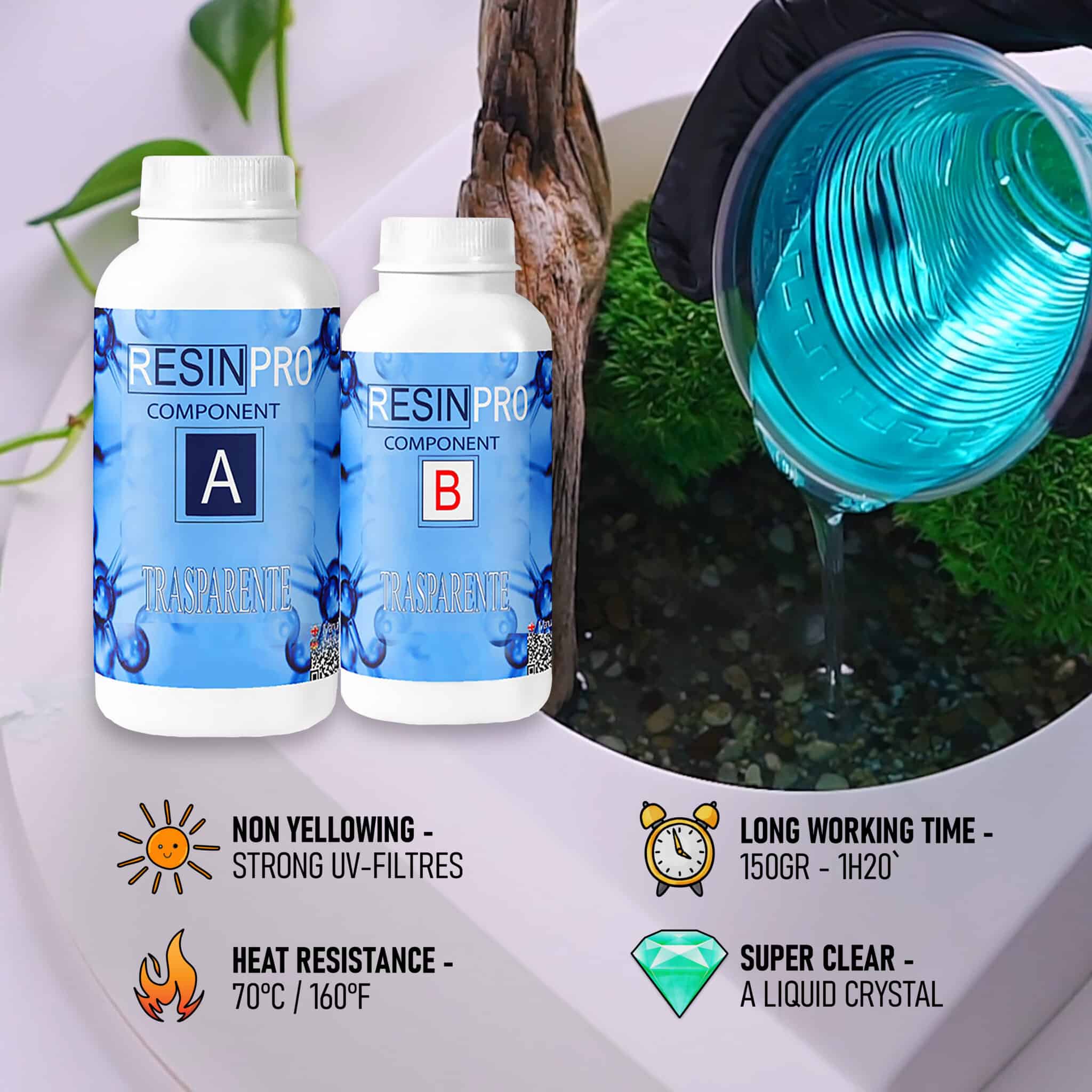
Carefully follow the manufacturer’s mixing instructions for your chosen resin. For surface coating, “Art Pro” – Clear Epoxy Resin for Artists and Surface Coating offers excellent clarity, scratch resistance, and an easy 3:2 mixing ratio. Use a clean mixing cup and stir slowly, scraping the sides to ensure a completely blended mixture. If a coloured finish is desired, add resin-safe dyes or pigments at this stage, mixing until the colour is uniform. Allow any bubbles to rise and dissipate before moving on.
Apply the resin in a dust-free, well-ventilated area to achieve a flawless, even finish without trapped particles or odours.
Step 3: Apply the Epoxy Coating Evenly
Pour the prepared resin directly onto the centre of the sink. Use a soft, flat brush or spreader to distribute the epoxy outward, ensuring every area—including edges and corners—is coated. Work methodically and avoid overworking the resin, as this can introduce bubbles. Keep the coating within the recommended thickness for your chosen product, typically between 1–10 mm for surface finishes like “Art Pro”. Use a heat gun or torch on a low setting from a safe distance to help pop any remaining surface bubbles within the first few minutes.
Avoid pouring more than the recommended thickness in a single coat to prevent overheating and uneven curing.
Step 4: Cure and Finishing Touches
Allow the coated sink to cure in a clean, undisturbed environment. Protect the surface from dust by covering it with a large container, plastic sheet, or tented cardboard. Curing time typically ranges from 12–24 hours, depending on resin type, room temperature, and humidity. After the resin has fully set, check for missed spots or minor defects. If necessary, lightly sand uneven areas and wipe clean before applying a thin second coat.
Allow sufficient curing time based on the resin’s instructions for optimal hardness and long-lasting protection.
Tips, Common Mistakes, and Troubleshooting
Temperature and humidity are crucial: epoxy resins cure best in a stable, warm environment (typically around 20-25°C). Rushing the process can result in sticky or uneven finishes, so plan for adequate work and cure times. Bubbles can be reduced by mixing slowly and using a heat source carefully; however, holding the heat gun too close or for too long may scorch the resin. For best results, always test on a small inconspicuous area first, especially if this is your first time coating a sink. Avoid using the sink for heavy cleaning or exposure to hot water before the resin has completely cured.
Expert Tips for Professional Outcomes
Attention to detail during application makes all the difference. Apply epoxy in thin, controlled layers to avoid drips or pooling. Maintain a steady pace and use a dust-free cover to shield the project while curing. Patience and precision are the keys to a smooth, glass-like finish on any resin sink surface.

- "Trasparente" – Multipurpose Clear Epoxy Resin for Casting – Up to 2cmPrice range: £8.45 through £948.85"Trasparente" is a clear, multipurpose resin suitable for layers up to 2cm, commonly used in detailed casting and table making under the theme How to…
- "EpoxyTable 5-Five" – Deep Pour Epoxy Resin for Tables and Large Projects – Up to 5cmPrice range: £16.85 through £1,099.85EpoxyTable 5-Five is a deep pour epoxy resin designed for tables and large projects, offering high transparency and UV resistance.
 “Epoxytable 10-Ten” – Deep Pour Epoxy Resin for Tables, Up to 10cm CastingPrice range: £33.85 through £334.85“Epoxytable 10-Ten” is a resin designed for deep pours up to 10cm, suitable for table and large artistic projects under the theme How to cover a…
 "Art Pro" – Clear Epoxy Resin for Artists and Surface CoatingPrice range: £31.15 through £388.85Art Pro is a clear epoxy resin designed for artists and crafters delivering durable, high-gloss surfaces ideal for decorative projects.
Frequently Asked Questions
What resin type is best for covering a resin sink?
A clear epoxy surface coating resin offers the best durability and gloss for sink refinishing, such as 'Art Pro'.
What thickness is ideal for the epoxy coat?
Surface coatings typically range from 1 to 10 mm per layer for strength and clarity; always follow manufacturer’s guidelines.
When can I use the sink after epoxy application?
Wait at least 24 hours for full cure, or as specified in the product instructions, before exposing the surface to water or cleaning agents.
Is it possible to tint the resin for a coloured finish?
Yes, you can add resin-safe pigment or dye during mixing for a custom sink colour.
How do I avoid bubbles in the resin coating?
Mix resin slowly and use a heat gun briefly over the surface to release trapped air when first poured.
What if parts of the resin cure tacky or sticky?
Sticky spots may be due to incorrect mixing or environmental issues; allow extra cure time or add a fresh thin layer if necessary.