 Free shipping on orders over £29,85
  Shipping Tracking!


 Google
 Facebook
← Back to How to prevent resin from oozing out of wood
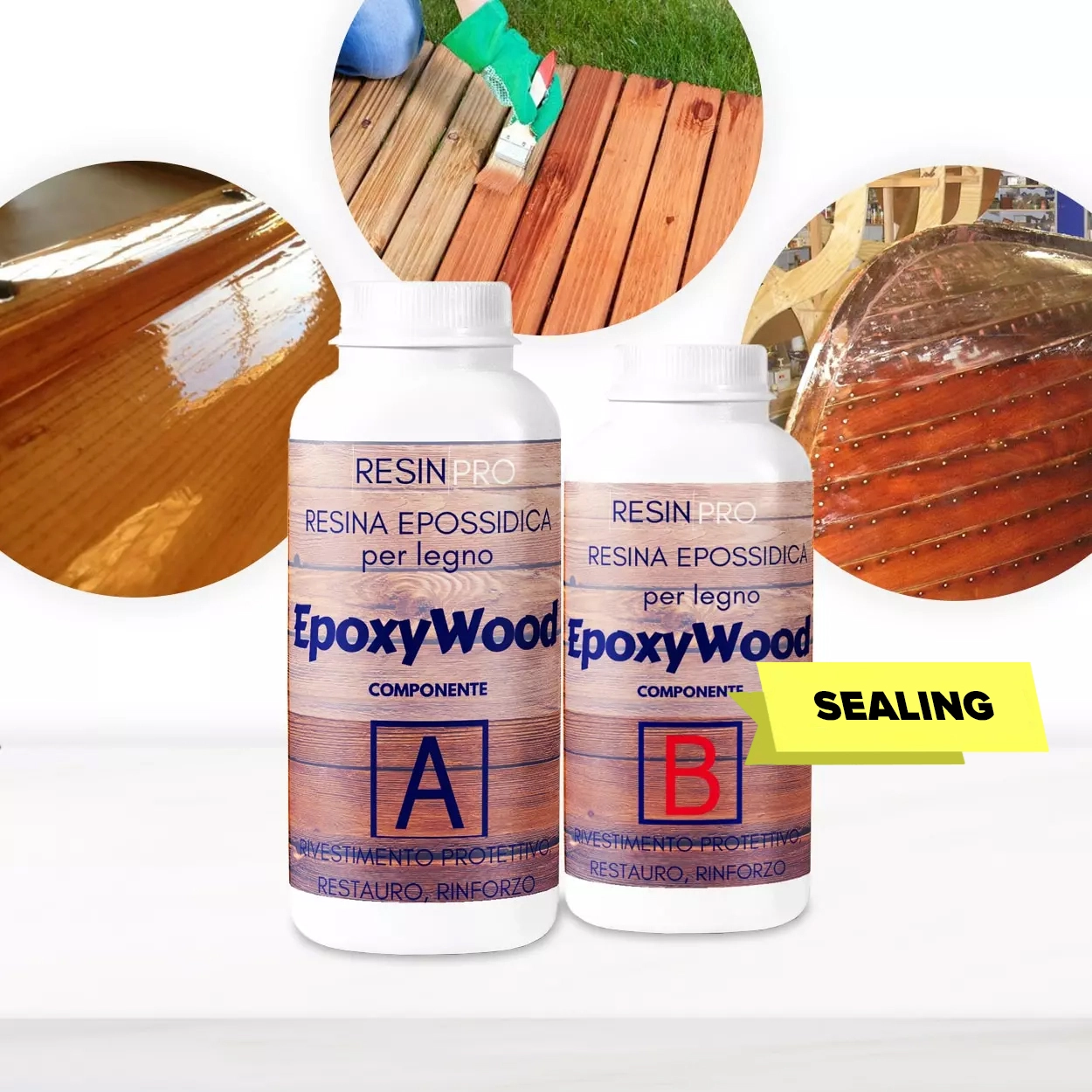
Choosing the right epoxy is crucial when preparing wood for resin art, repairs, or furniture projects. The right product will help ensure a durable, waterproof seal that stops leaks and protects your work for years to come.
Why Use a Low-Viscosity Penetrating Epoxy?
When sealing wood, a low-viscosity (thin and runny) epoxy is ideal because it can deeply penetrate the wood’s pores. This forms a solid barrier, reinforces weak or damaged timber, and helps prevent future issues like resin oozing or moisture ingress. Products such as EpoxyWood are specially formulated for this job, flowing easily into cracks and grain to stabilise and waterproof wood before you add final coatings or thicker pours.
How to Prepare and Apply Epoxy for Sealing
Start by making sure your wood is completely dry and free from dust or old finishes—sanding the surface lightly helps the epoxy bond. Mix your penetrating epoxy according to the instructions and apply with a brush, roller, or simply pour it over, allowing it to soak in fully. More porous timbers may benefit from several thin coats. Once cured, you’ll have a strong, waterproof barrier ready for artistic resin pours, surface coatings, or exterior protection.
When This Matters Most
- When preparing soft, aged, or damaged wood for restoration or external use
- If working on projects where waterproofing and durability are crucial (e.g., resin tables, boat repairs)
- To prevent costly resin leaks and ensure a lasting result on porous timber
Related products
Related guides
Using a low-viscosity epoxy for wood sealing is a simple yet integral step in achieving flawless resin projects. For more insights into preparing wood properly and troubleshooting resin issues, visit our main guide on preventing resin from oozing out of wood.