 Free shipping on orders over £29,85
  Shipping Tracking!


 Google
 Facebook
← Back to How to remove resin from molds?
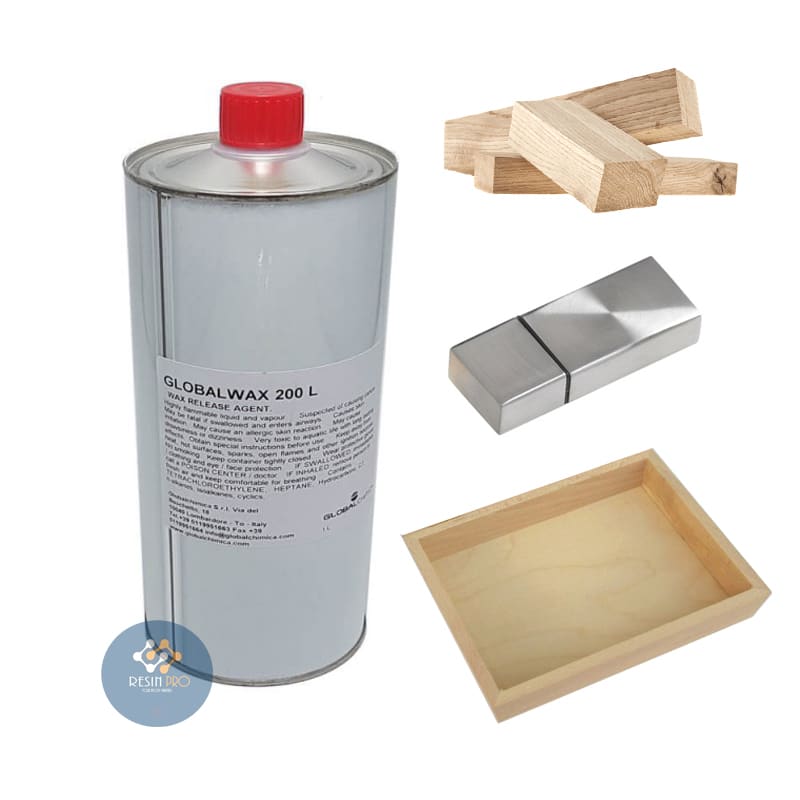
Getting the timing right is essential when demoulding epoxy resin projects. Removing resin too soon or too late can affect the finish and integrity of your creation. Here’s how to judge when your resin is ready for safe, easy demoulding.
How to Tell If Your Resin Is Fully Cured
The key sign that resin is ready for removal from the mould is a surface that is completely firm and no longer tacky. Most standard epoxy resins require at least 24 hours, but some may take longer depending on brand, mixture, ambient temperature, and mould thickness. Always refer to your manufacturer’s recommended curing times for the best results—removing the piece before it has fully set may cause warping or fingerprints.
Tips for Smooth and Safe Demoulding
To help your piece release effortlessly, prepare the mould ahead of casting. A product like Global A2 Release Wax creates a barrier to prevent resin from sticking, especially useful with rigid or non-silicone moulds. For silicone moulds, applying a light coating of silicone oil can prolong mould life and maintain flexibility. If you do notice resistance during demoulding, gently flex or tap the mould rather than forcing the resin out to avoid cracks or surface marks.
When This Matters Most
Careful demoulding is particularly important for detailed or thin items, where premature removal can result in damage. Projects intended for food contact, professional finishes, or artistic sales also benefit from optimal timing and preparation.
Related products
Related guides
By waiting for a full cure and using the right mould preparation techniques, you can enjoy flawless results and extend the life of your moulds. For further advice on demoulding and resin removal, visit our main guide on how to remove resin from moulds.