 Free shipping on orders over £29,85
  Shipping Tracking!


 Google
 Facebook
How to remove resin from molds?
Clear, step-by-step guidance for successful resin demoulding


Removing cured resin from moulds is a critical step in any epoxy project, whether you’re casting jewellery, creating art, or making DIY objects. If performed correctly, you’ll achieve clean results, avoid damaging your moulds, and prolong their usable life. This guide shows you how to demould resin pieces safely, reduce the risk of sticking, and maintain your moulds in top condition for future projects.
What You’ll Need
- Silicone Oil for Mould Protection and Easy Release – 15ml: Helps prevent resin sticking and supports flexible moulds.
- “Global A2” – Release Wax for Epoxy and Resin Moulds, Liquid, Heat Resistant to 180°C: Forms a barrier for easier demoulding, especially with rigid moulds.
- Pure Isopropyl Alcohol 99.9% – 1000ml Bottle for Epoxy Resin Projects & DIY: Cleans up any resin residue and supports mould preparation.
- Strong Technical Degreaser for Resin Projects – 100% Natural Formula: Used for thorough post-demould cleaning of moulds.
- Soft cloth or sponge
- Nitrile gloves (to protect your hands when handling cleaning products)
See close-up images of various resin pieces effortlessly being removed from silicone and rigid moulds. Observe gentle flexing techniques and the clean results achievable with proper release agents. Silicone Oil and Release Wax support easy, clean demoulding in both artistic and practical projects.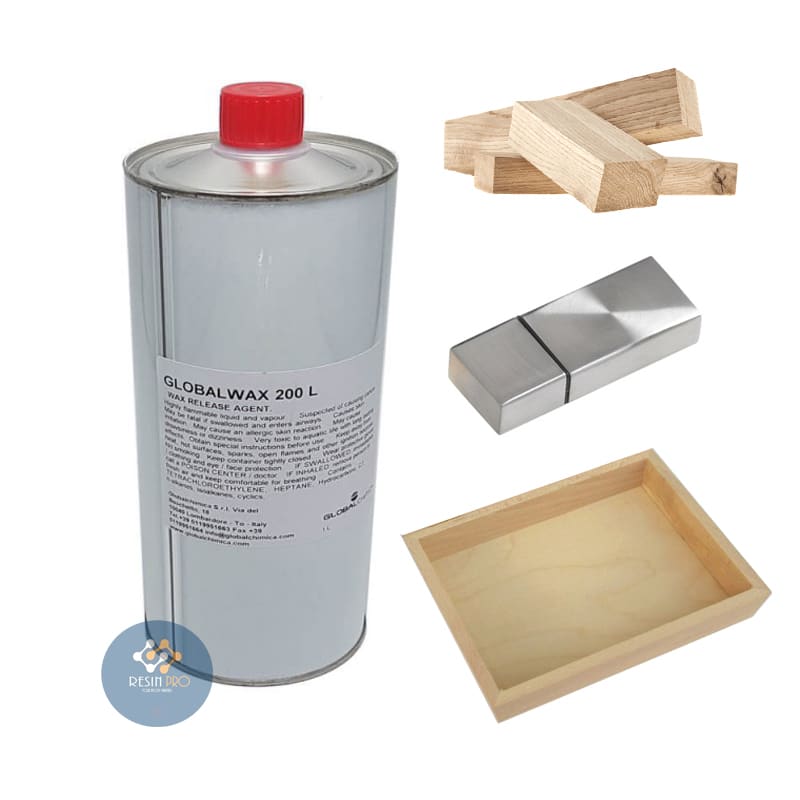
Visual Guide to Demoulding Resin

Step 1: Ensure Complete Resin Cure
The most important first step is to wait for your resin to cure fully, based on the manufacturer’s directions. Uncured or soft resin can distort when removed, damaging both the piece and the mould.
Check the edges for tackiness. Only proceed when the resin feels firm and does not leave marks when pressed lightly. Removing too early is one of the most common mistakes and often results in breakage or deformation.
Step 2: Flex and Release the Resin Carefully
Release stubborn resin by gently flexing the mould. For silicone moulds, lightly stretch and bend the sides away from your cast. Start at one edge or corner and work your way around the perimeter, then gradually peel the mould off the resin. This technique helps break the seal and reduces the risk of cracking or marks.
Work slowly to avoid tearing silicone or scratching rigid moulds. Do not use excessive force. Patience ensures a cleaner finish for both mould and resin.
Step 3: Troubleshoot Stuck Resin
If you find that resin is sticking unexpectedly, there are several safe tricks to try. If resin sticks, try placing the mould in the freezer for a few minutes. The cold will contract the resin slightly, making removal easier without stress on the mould.
You can also apply Silicone Oil for Mould Protection and Easy Release – 15ml before casting in future projects to minimise this issue, or wax for non-silicone or rigid moulds.

Step 4: Clean Your Mould for Future Use
Once your piece is removed, inspect your mould for any remaining residue or film. A thorough clean will maximise lifespan and casting quality. Wipe with warm water and a mild soap solution. For more stubborn residues such as oily compounds or bits of resin, use Strong Technical Degreaser for Resin Projects – 100% Natural Formula with a soft cloth, or Pure Isopropyl Alcohol 99.9% – 1000ml Bottle for Epoxy Resin Projects & DIY for more intensive cleaning, especially before your next cast.
Allow the mould to dry thoroughly before storing or reusing. Regular preventive maintenance with silicone oil or release wax helps prevent future sticking and extends the mould’s useful life.
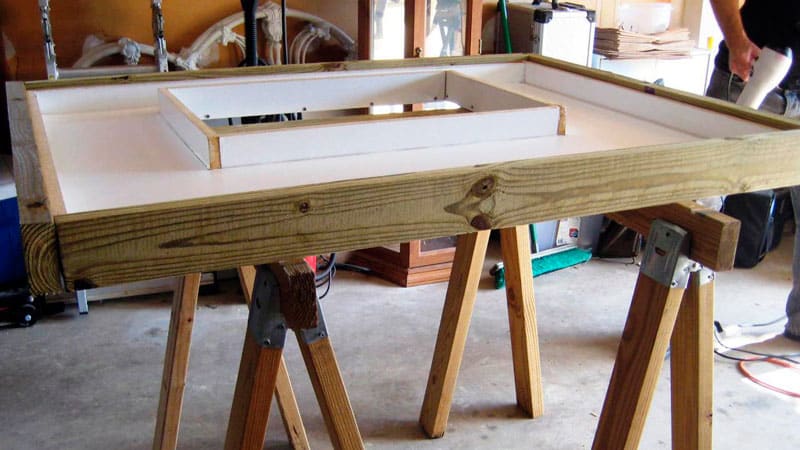
Review photos of mould cleaning steps and preventive treatment using Strong Technical Degreaser or Pure Isopropyl Alcohol 99.9%. Consistent maintenance ensures longer-lasting, more reliable mould performance in future resin projects and reduces the risk of residue build-up or sticking.Best Practices for Mould Care

Tips and Common Mistakes When Demoulding Resin
- Always ensure the resin has fully cured before demoulding. Rushing this step often leads to disappointment and damage.
- Avoid using metal objects to pry the resin free—these can damage moulds. Use wooden or silicone tools if absolutely necessary.
- Apply a thin layer of appropriate release agent (silicone oil for silicone moulds, release wax for rigid or non-silicone moulds) before casting for easier release.
- For intricate mould designs, demould slowly and from multiple angles to avoid breakage.
- Store cleaned and dry moulds away from direct sunlight and dust to maintain their condition between use.
Try placing the mould in the freezer for a few minutes for easier release. Avoid using sharp tools, and add a release agent before next use. Use a thin layer of silicone oil for silicone moulds or a release wax for rigid types before casting to create a non-stick barrier. Wash with mild soap and water. For stubborn residues, use a technical degreaser or isopropyl alcohol with a soft cloth. Wait until the resin is fully cured, with no tackiness on the surface. Check manufacturer times for optimal results. Minor tears can sometimes be fixed with silicone glue, but most damage is permanent. Prevention and gentle removal are key. Silicone oil works on silicone moulds, while release wax is effective for rigid types, ensuring easy demoulding and less sticking.Frequently Asked Questions
How do I remove stubborn resin from difficult moulds?
How can I prevent resin from sticking to silicone or rigid moulds?
What is the best way to clean moulds after resin casting?
When is resin ready for safe removal from the mould?
Can I repair a damaged silicone mould after resin removal?
What is the best release agent for resin casting projects?