 Free shipping on orders over £29,85
  Shipping Tracking!


 Google
 Facebook
← Back to How to keep epoxy resin from sticking?
Knowing when to demould your epoxy resin project is key to achieving a perfect finish and preventing your piece from sticking or deforming. Let’s explore the ideal demoulding window and how to set yourself up for success.
Why Timing Matters for Demoulding
Resin continues to harden after pouring, but leaving your piece in the mould too long can cause unwanted adhesion or warping, especially with epoxy. Removing your creation too soon can lead to dents or fingerprints, whereas waiting too long may make it harder to release cleanly. Generally, the best time to demould is between 8 to 12 hours after pouring—this is when the surface is firm enough to handle yet retains some flexibility for a smooth release.
Practical Tips for Easy Demoulding
- Check the manufacturer’s instructions for your specific epoxy resin type, as curing times can vary slightly.
- If you’re using a professional non-stick mould, such as the “Three Drops” Silicone Mould, unmould your item within 8–12 hours for the best results.
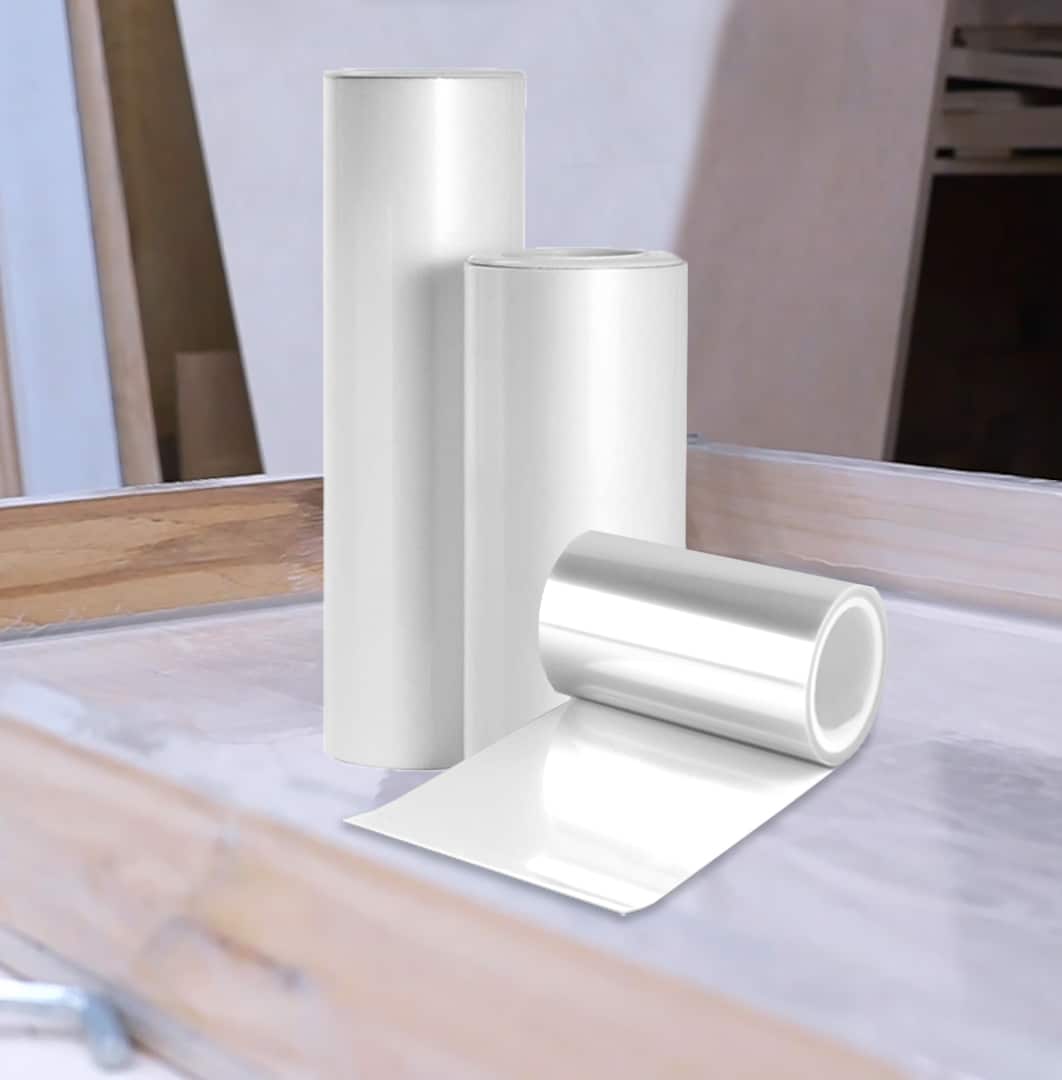
- For large-scale or flat projects, lining your mould or frame with a glossy release film like Shiny Shield can make removal simpler and preserve a mirror-like finish.
Always use gentle pressure and work slowly to avoid distorting your piece or damaging your mould.
When This Matters Most
Demoulding at the right time is particularly important when working with intricate designs, shallow casts, or professional finish requirements. Prompt removal helps prevent sticking and minimises the need for extra clean-up or sanding.
Related products
Related guides
By demoulding your resin projects at the right stage, you’ll enjoy smoother releases, reduce defects, and save time on finishing. For more techniques on preventing resin from sticking, see our full guide at How to keep epoxy resin from sticking?