 Free shipping on orders over £29,85
  Shipping Tracking!


 Google
 Facebook
How to keep epoxy resin from sticking?
Release resin projects cleanly and achieve flawless results every time.

Achieving a smooth resin project often comes down to whether your epoxy releases cleanly from moulds and formwork. In this detailed guide, you’ll learn the essential steps and expert tips to prevent epoxy resin from sticking, ensuring effortless demoulding and pristine finishes across all your creative castings.
What You’ll Need
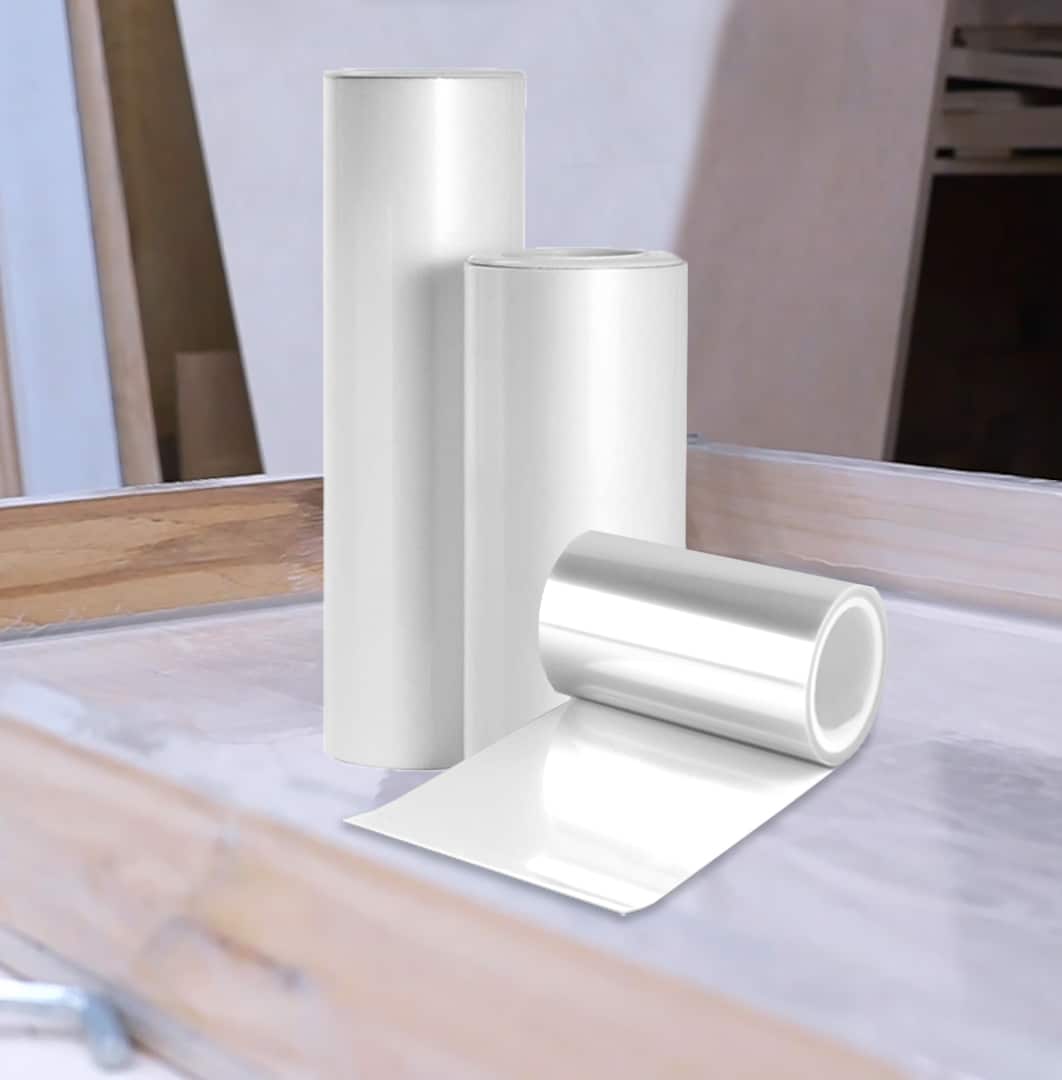
- “Shiny Shield” – Glossy Release Film for Resin Projects: A professional glossy film for perfectly flat, polished surfaces and easy removal.
- “Three Drops” – Silicone Mould for Jewellery and Decorations, 28x20mm: Non-stick silicone mould for small resin creations like jewellery or decorations.
- “Large Mineral” – Silicone Mould for Resin Casting: Reusable silicone mould for larger resin objects with a smooth finish.
- “River-Table” – Complete Kit for Creating Your First Epoxy Resin Table: A comprehensive kit including release film, sealant, and instructions for successful table projects.
- Protective gloves and a clean workspace
- Mild soap and water for cleaning
- Mixing tools appropriate for your resin
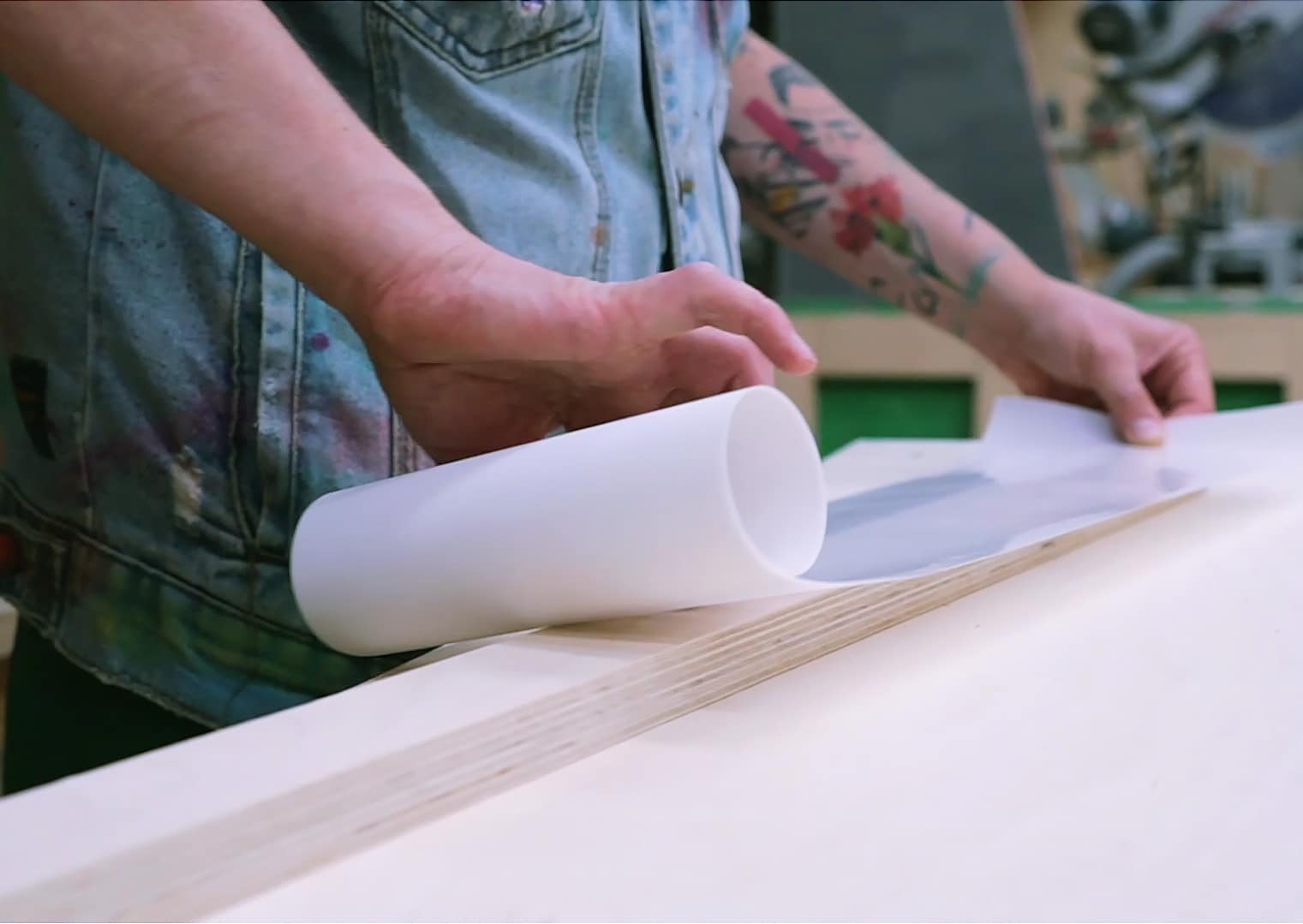
Visual Guide: Surfaces That Prevent Sticking
See the smooth, flawless finish achieved using release films and silicone moulds in professional projects. Not all materials provide easy resin release—check results for moulds lined with glossy film or made from high-quality silicone for best demoulding.
Step 1: Prepare your workspace before starting
Before mixing or pouring resin, make sure your workspace is free of dust, lint, and debris, as any contamination can interfere with the release process. Lay out all tools and materials to ensure you can work efficiently. Line work surfaces with protective sheets to catch any spills and make cleaning easier later.
Consider your working temperature: a dry, room-temperature environment is best for most epoxy applications. Moisture and excessive cold or heat can affect curing and resin release, so avoid workspaces exposed to direct sunlight or humidity.
Step 2: Select and prepare the right mould or lining
The material and cleanliness of your mould are crucial in ensuring the resin releases smoothly. For smaller projects like jewellery or decorative items, a dedicated silicone mould such as “Three Drops” – Silicone Mould for Jewellery and Decorations, 28x20mm offers a naturally non-stick surface for easy removal. Always check for dust or residue inside the mould before casting and clean with mild soap and water if necessary.
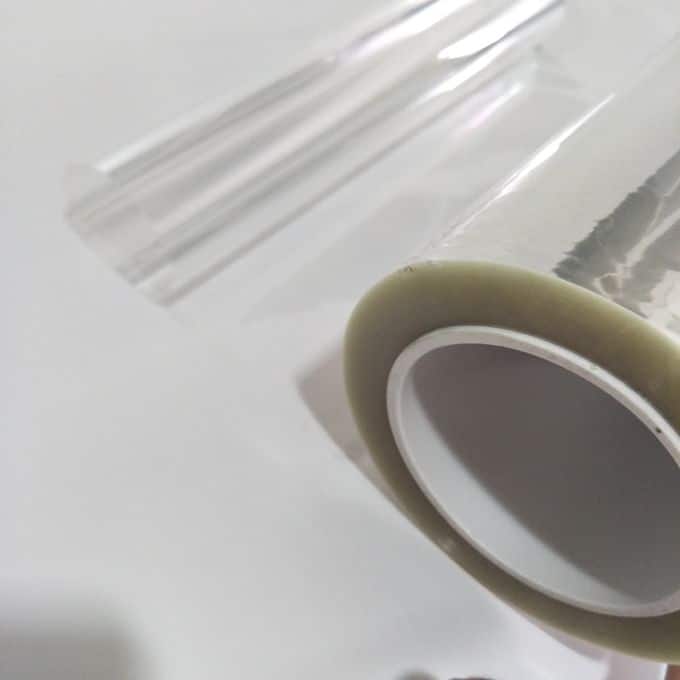
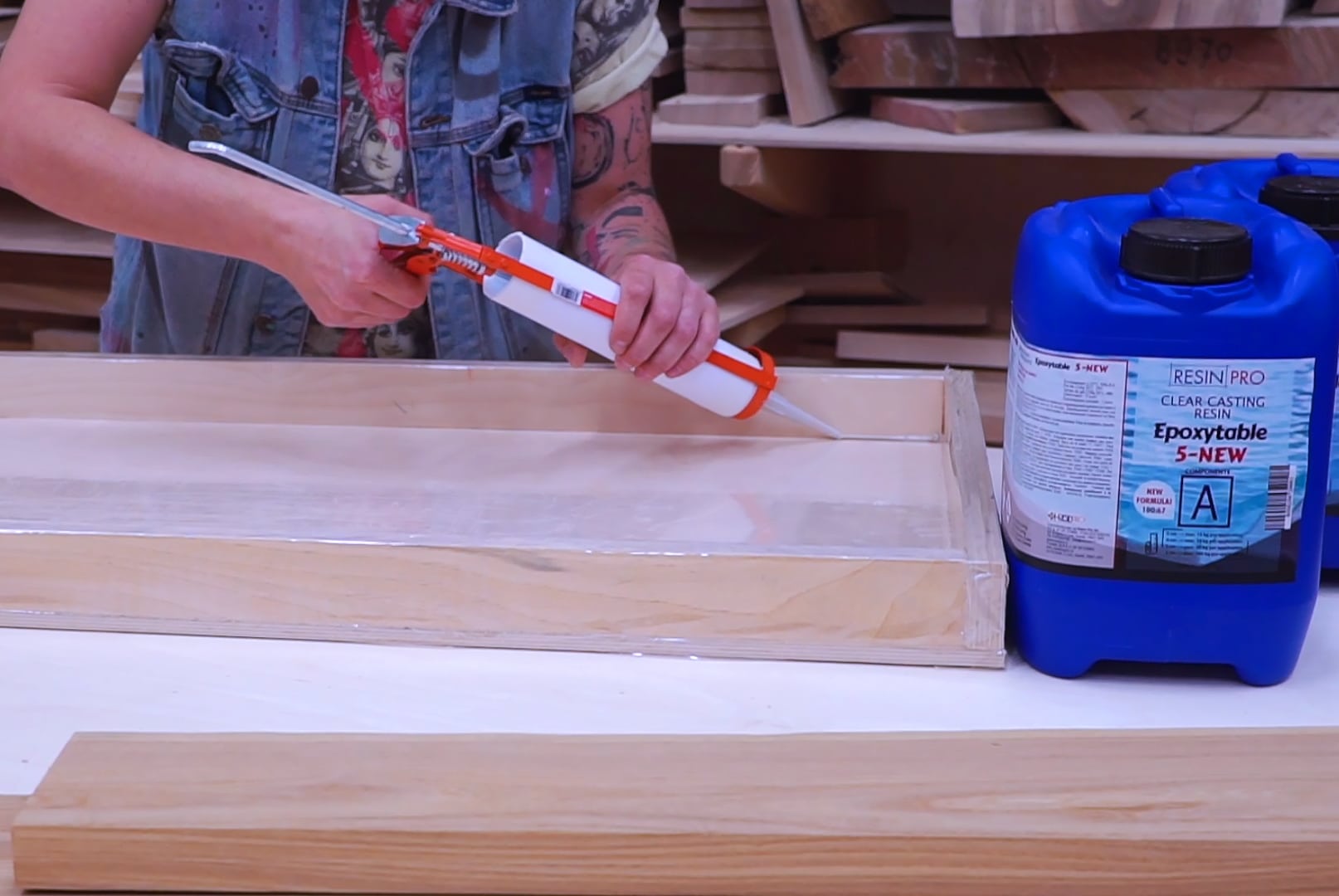
For larger resin pours, such as tables or panels, lining your wooden or non-silicone mould is vital. Applying a reliable release film like “Shiny Shield” – Glossy Release Film for Resin Projects to the interior surfaces not only prevents epoxy from adhering but also produces a flawless, glossy finish. Remove the protective backing and apply the film smooth side up, pressing down firmly to avoid bubbles.
Step 3: Mix and pour the epoxy with care
Measure and mix your epoxy resin according to the manufacturer’s instructions. Avoid introducing excessive bubbles, as trapped air can lead to imperfect edges or difficulty in demoulding. Pour steadily into your prepared mould or formwork, starting from the centre and moving outward to minimise disturbance.
If you are using a comprehensive kit for table-making, the “River-Table” – Complete Kit for Creating Your First Epoxy Resin Table provides not only the resin and pigments but also sealing silicone and glossy release film, ensuring optimal conditions for clean demoulding.
Step 4: Monitor curing and demould at the right time
Follow the recommended curing times precisely. Demoulding your castings too early may lead to warping or tackiness, while waiting too long—particularly with resin in silicone moulds—can actually increase the risk of sticking as the piece continues to harden and contract.
For most silicone resin moulds, such as the “Large Mineral” – Silicone Mould for Resin Casting, gently flex the mould after 8–12 hours of cure time to release the piece. Avoid aggressive tools, as these can damage both the mould and your resin object.
Step 5: Clean and maintain your materials
Maintain your moulds and tools for future use by washing with mild soap and lukewarm water, gently removing any residue. Dry thoroughly before storage. Avoid solvents or abrasive cleansers, as they can degrade the non-stick surface of your silicone moulds or release films.
Store your moulds and films flat, away from direct sunlight and extreme temperatures, to ensure their longevity and consistent performance on each project.
Tips and Common Mistakes When Releasing Resin Projects
Remove finished castings within 12 hours of full cure to prevent the resin from sticking, especially in silicone moulds. Failure to line moulds may cause sticking in wooden or makeshift frames, where the porous surface can bond with the resin.
Never force stubborn pieces from their mould, as this can cause cracks or deformation. Consider temperature and curing times: high humidity or excessive heat can change release behaviour and may require adjustment to your timing or material choices.
Common Mistakes Illustrated
Unlined wood or untreated surfaces may cause resin to bond permanently. Photos show the difference in edge quality and ease of release between properly lined moulds and those left bare—avoid rough demoulding by following each step precisely.
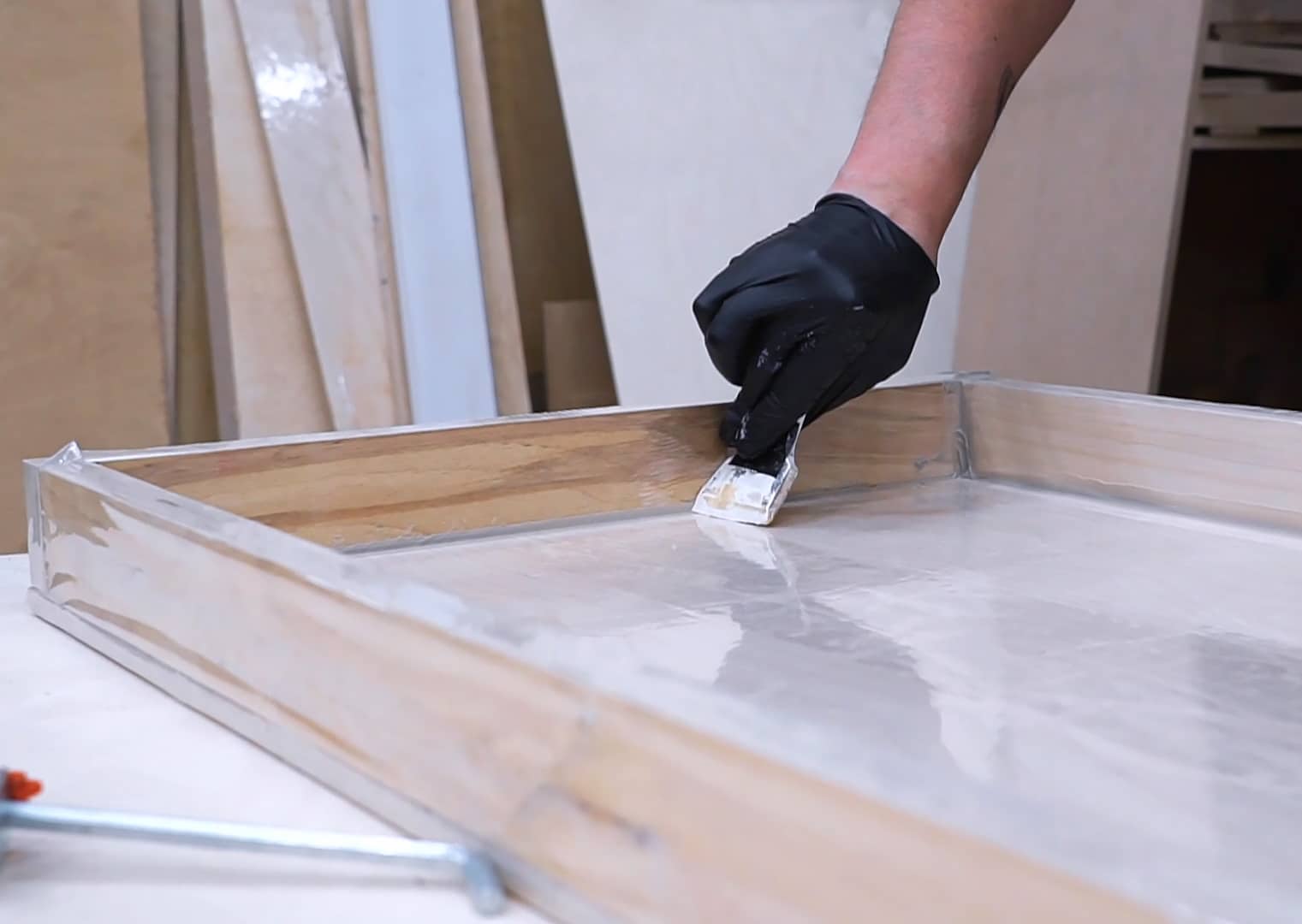
- "Shiny Shield" – Glossy Release Film for Resin ProjectsPrice range: £3.25 through £12.25Shiny Shield is a self-adhesive film designed to create flat, glossy surfaces for epoxy resin projects, reducing adhesion.
- "Three Drops" – Silicone Mould for Jewellery and Decorations, 28x20mm£7.45This semi-transparent silicone mould is designed for jewellery and decorations, supporting various casting materials and easy to use with DIY…
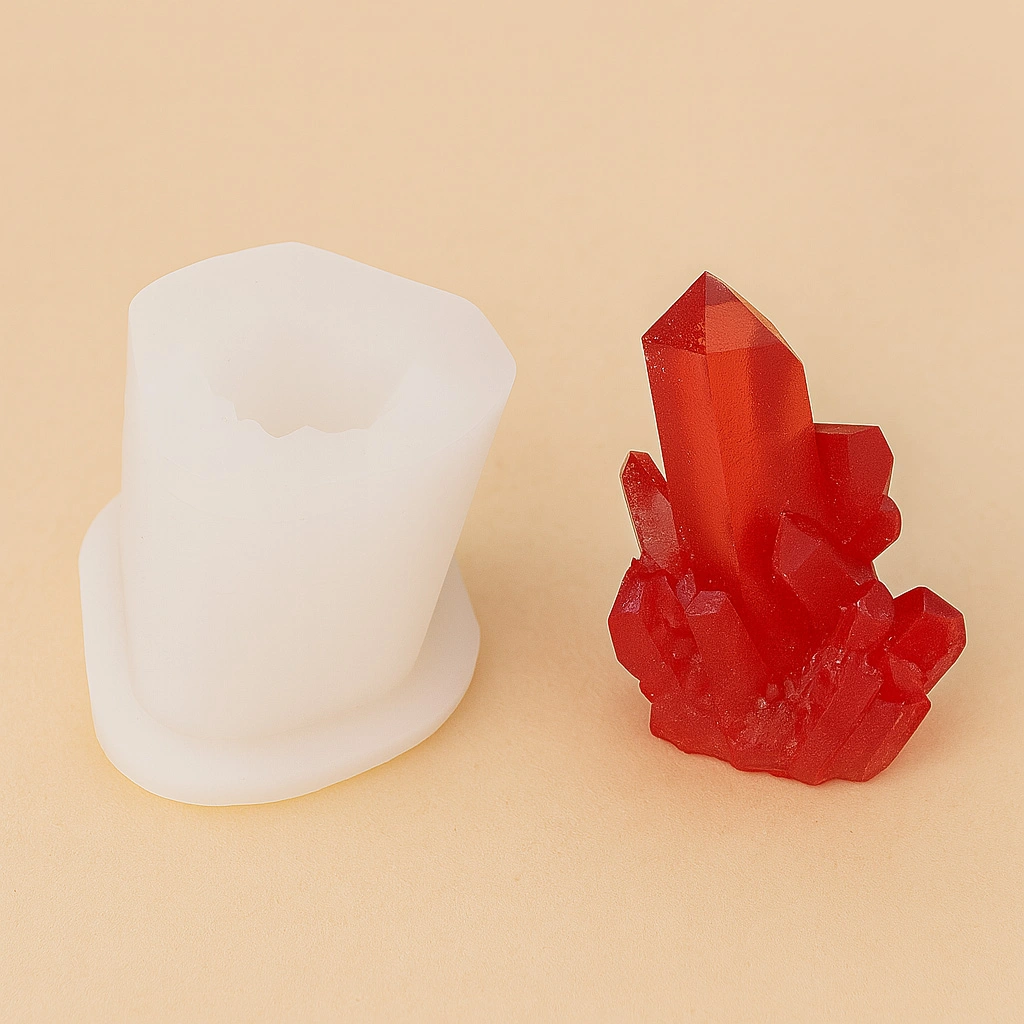 "Large Mineral" – Silicone Mould for Resin CastingPrice range: £2.15 through £6.85"Large Mineral" silicone mould designed for resin casting; reusable and easy to clean within the theme of preventing resin sticking.
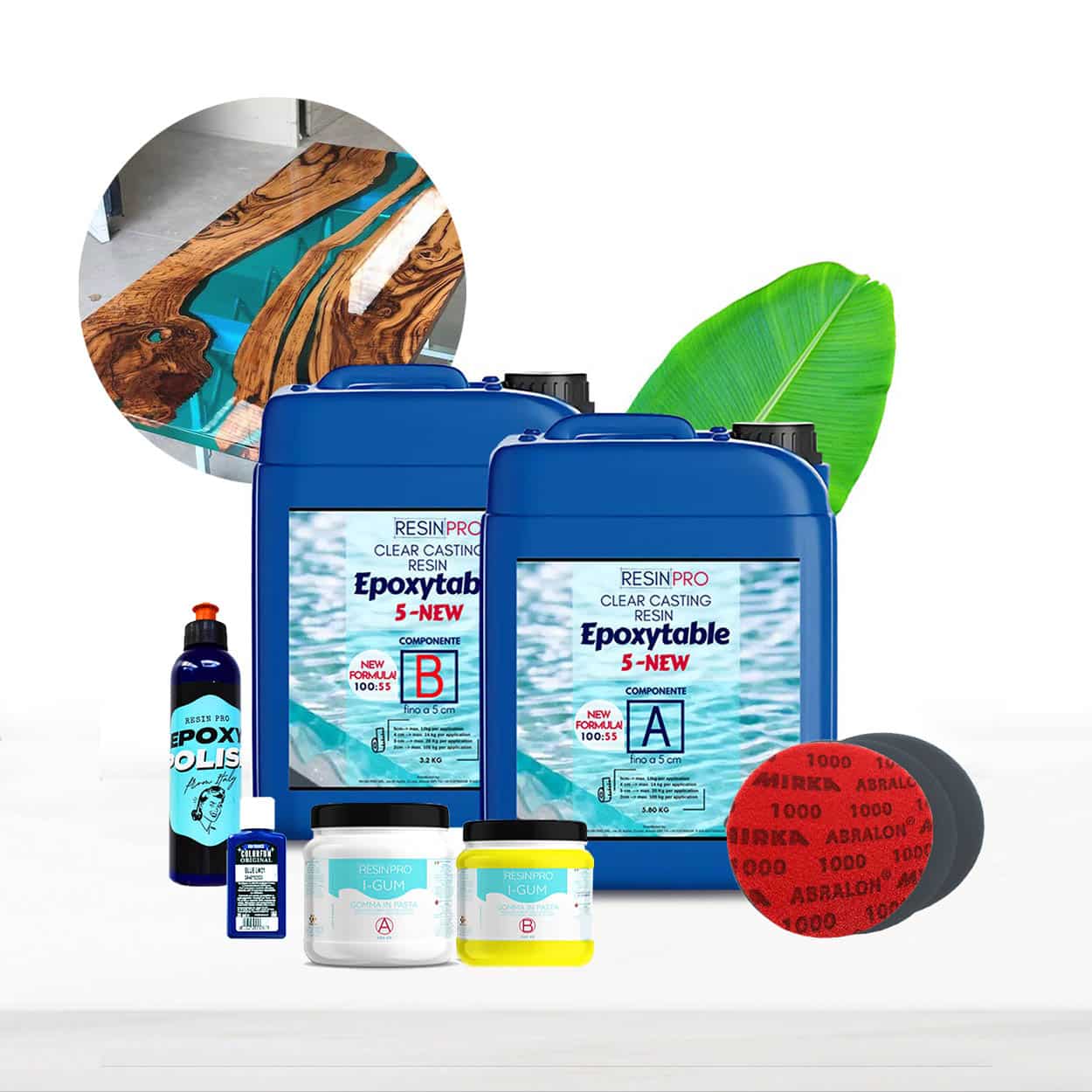 "River-Table" – Complete Kit for Creating Your First Epoxy Resin TablePrice range: £188.85 through £444.85"River-Table" kit provides materials and instructions for creating a wood and resin table, suited to users seeking practical epoxy resin crafting…
Frequently Asked Questions
How can I prevent epoxy resin from sticking to the mould?
Use a non-stick silicone mould or line your formwork with a dedicated release film for best results.
When should I demould my epoxy resin project?
It is recommended to demould resin pieces within 8–12 hours of curing to avoid sticking or deformation.
What can I do if my resin is stuck in the mould?
Gently work the edges and flex the mould. Never use sharp tools; soaking in lukewarm water may help.
How do I ensure large resin pieces release easily?
Line large moulds with release film and follow the correct demoulding times to guarantee a smooth finish.
Can I reuse my release film or silicone mould?
Yes, both release films and silicone moulds are reusable if cleaned and stored properly after each use.
How should I clean my silicone moulds after use?
Wash carefully with mild soap and water, dry completely, and avoid aggressive solvents or scrubbing.