 Free shipping on orders over £29,85
  Shipping Tracking!


 Google
 Facebook
Where to apply epoxy primer?
Ideal surfaces and projects for reliable epoxy priming applications

Understanding exactly where and when to apply epoxy primer is essential for securing long-lasting results in flooring, restoration, or decorative projects. This guide is perfect for professionals, DIY enthusiasts, and resin artists interested in reliable adhesion and surface durability, whether preparing concrete floors, restoring wood, or enhancing outdoor stonework.
Comparing Epoxy Primer Uses Across Surfaces
Epoxy primers are not all alike—each is formulated to maximise adhesion and performance on certain substrate types. Knowing the differences helps you select the appropriate primer for concrete, tiles, timber, or stone. For example, “Epoxyprimer” – Universal Water-Based Two-Component Epoxy Floor Primer excels on interior floors, while products like “EpoxyWood” – Wood Restoration Epoxy Resin for Deep Penetration and Waterproofing or “Magelstick” – Epoxy Mastic for Stone, Metal, and Cement Bonding and Grouting target more specialised applications in restoration and structural bonding. For vibrant aggregate or pebble flooring, “Trasparente” – Epoxy Binder for Coloured Pebbles and Grits creates clear, UV-resistant surfaces with robust stability.

Visualising Epoxy Primer Applications
See a variety of floors, furniture, and outdoor surfaces that demonstrate the benefit of proper epoxy priming. Notice the even finishes and deep bonding achieved on concrete, wood, tiles, and colourful aggregates—these real-world results underscore how the right primer elevates your project’s performance and appearance.
“Epoxyprimer” – Universal Water-Based Two-Component Epoxy Floor Primer
This universal primer is suitable for a wide range of indoor flooring situations. Superior adhesion allows secure bonding between concrete, ceramics, timber, tiles, or screed, and subsequent resin layers. Its eco-friendly & odourless formulation means it’s safe for enclosed or occupied spaces, an advantage in both residential and commercial projects.
Application is flexible—use a roller, brush, or spatula to achieve a consistent coat. With a 24–48 hour curing time, ensure the primer is thoroughly dry before continuing with resin overlays for best performance. The product’s versatility makes it a top recommendation for anyone prepping surfaces prior to epoxy flooring installations.
“EpoxyWood” – Wood Restoration Epoxy Resin for Deep Penetration and Waterproofing
For bare, dry timber surfaces or restoration of outdoor furniture, “EpoxyWood” performs dual roles: priming and reinforcing. Its waterproofing action penetrates wood deeply, blocking out moisture while strengthening the wood substrate. The resin has a subtle straw-yellow tint, leaving an attractive, professional finish that highlights natural grains without additional staining. Use this for both restoration and as a preparatory step before top-coating wooden items.
“Trasparente” – Epoxy Binder for Coloured Pebbles and Grits
Designed for pebble and aggregate flooring, “Trasparente” bonds mixed coloured stones securely, ideal for driveways, paths, and other permeable floors. Its crystal-clear epoxy resin formula ensures aggregate colours remain vivid, and the UV-resistant and non-yellowing composition maintains clarity over time—especially important for exterior surfaces exposed to sunlight. Application requires mixing the binder with aggregates, then laying and compacting for a bright, resilient finish.
“Magelstick” – Epoxy Mastic for Stone, Metal, and Cement Bonding and Grouting
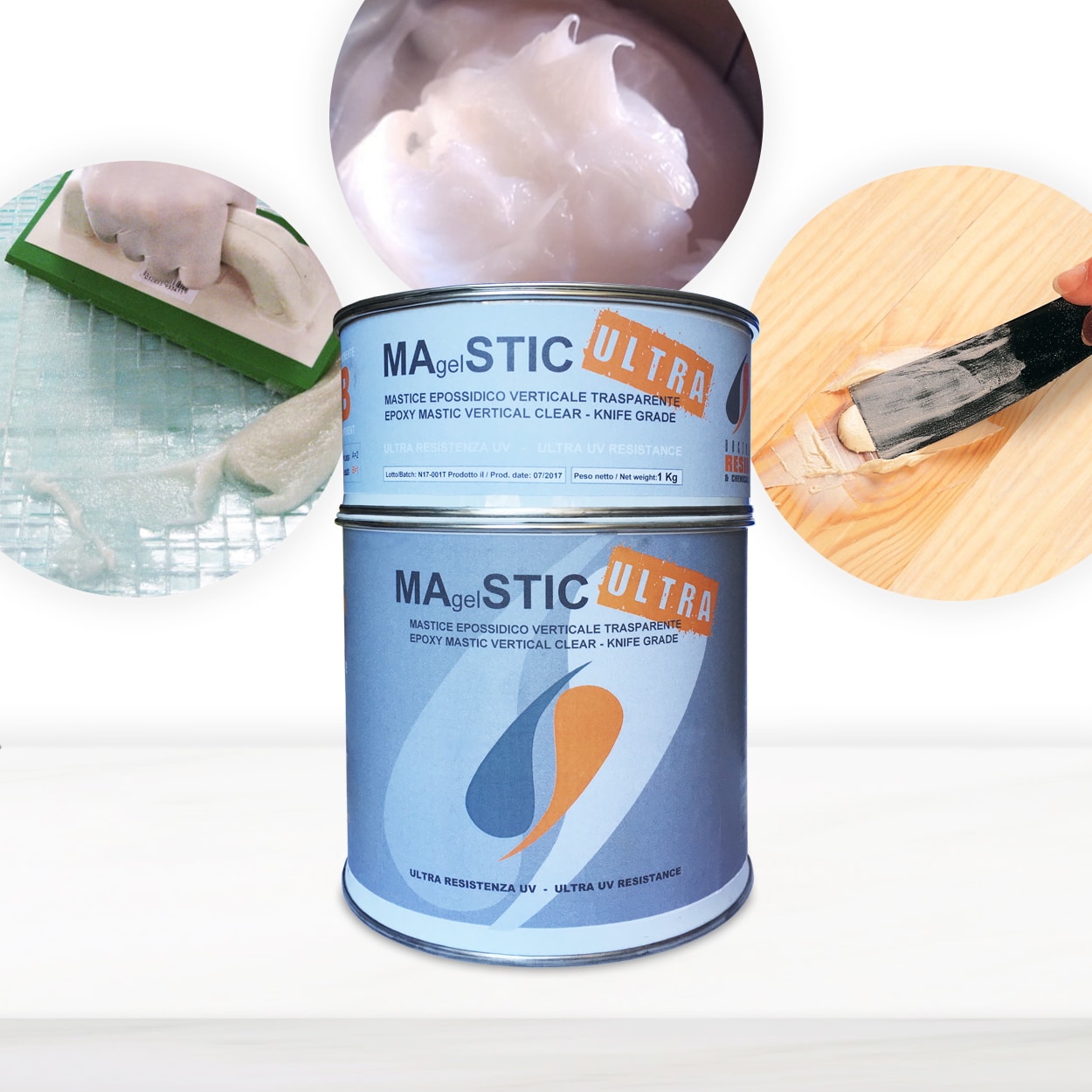
Ideal where rigid priming or grouting is needed on stone, cement, or metal—especially vertical or outdoor surfaces. The mastic is thixotropic, so it stays put without running, perfectly suited to gluing, gap filling, and minor repairs. Not only does it deliver robust bonds on heritage stonework or masonry, but its UV and weather resistance ensure exterior durability. Surface preparation is straightforward: make sure substrates are clean and above 10°C before application for the best results.
Tips for Choosing the Right Epoxy Primer by Surface
Choosing the right primer starts with identifying your substrate: use Epoxyprimer for concrete, screed, tiles, and timber; EpoxyWood for deep wood restoration; Trasparente for creative pebble floors; and Magelstick when working with stone, metal, or whenever vertical resistance is needed. Pay attention to ambient conditions, curing times, and always check that the primer aligns with both the material and use environment. Good preparation leads to lasting, safe, and beautiful finishes.
Surface Preparation Demonstrations
Watch how cleaning, priming, and material selection can transform basic substrates into durable, vibrant finished surfaces. Observe key steps from substrate assessment to full curing, including grouting and restoration on stone, wood, and decorative pebble systems.

- "Epoxyprimer" – Universal Water-Based Two-Component Epoxy Floor PrimerPrice range: £156.45 through £286.45Epoxyprimer is a water-based two-component floor primer designed for reliable adhesion on various substrates.
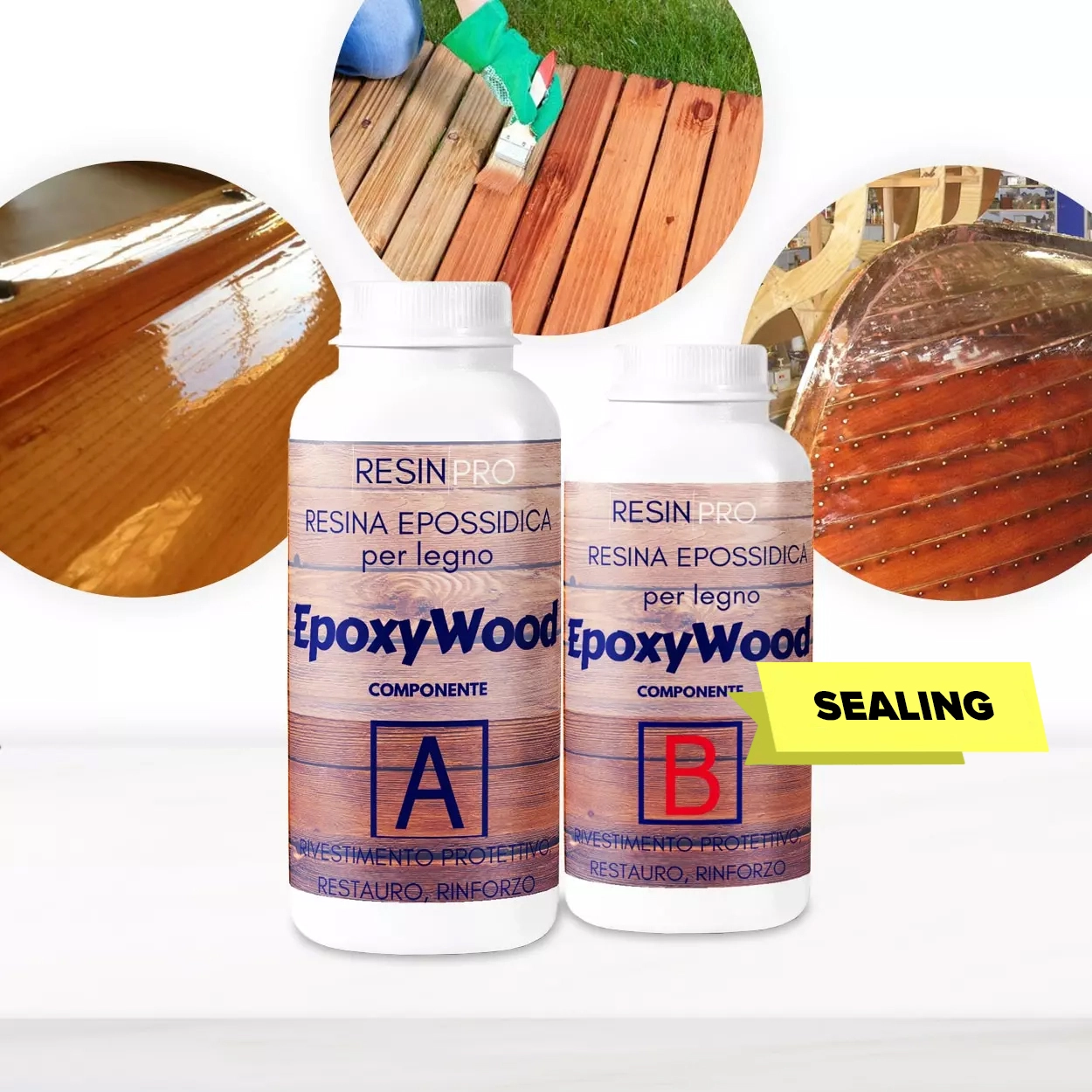 "EpoxyWood" – Wood Restoration Epoxy Resin for Deep Penetration and WaterproofingPrice range: £27.95 through £41.95EpoxyWood is designed for deep penetration and waterproofing of wood, supporting restoration projects under a focused theme.
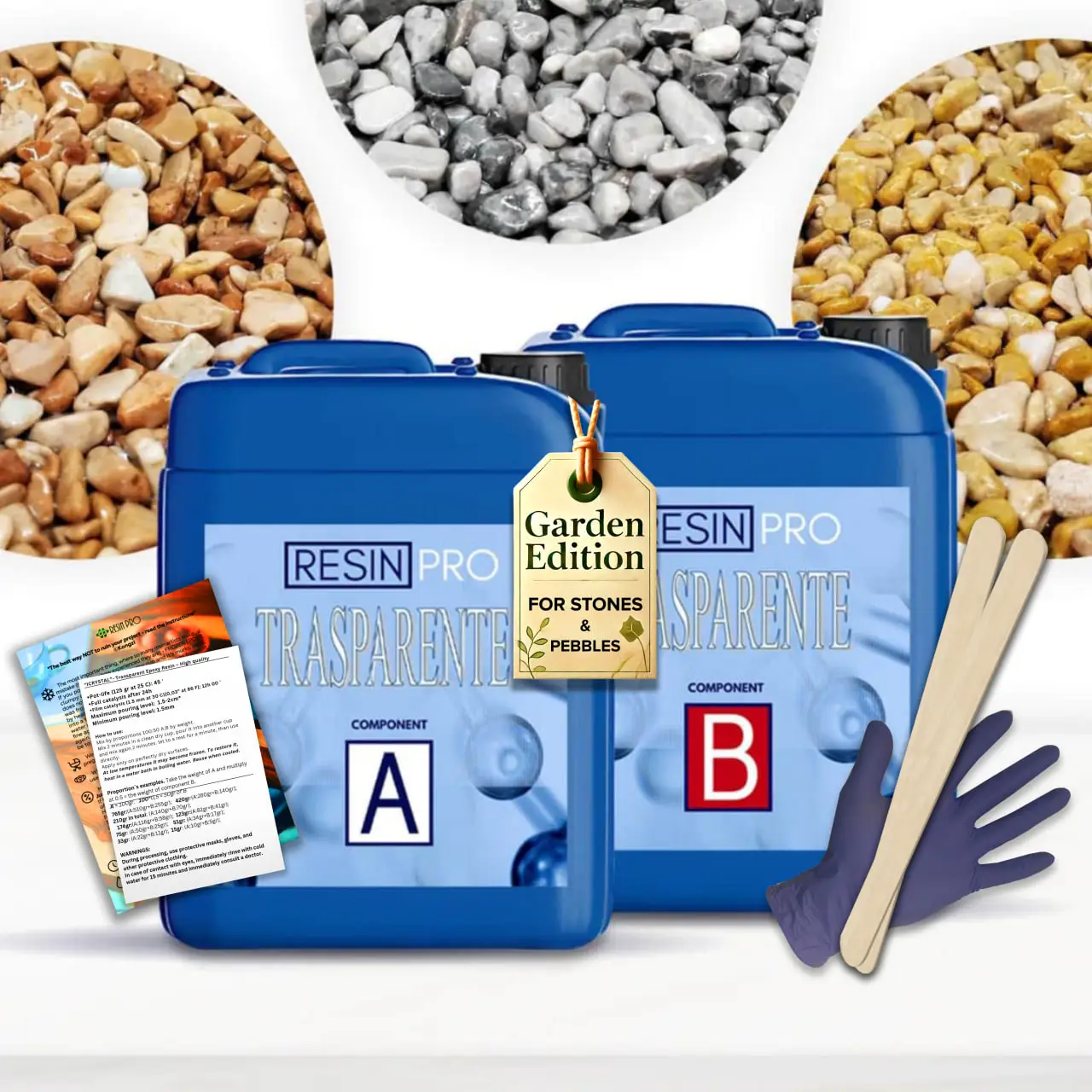 "Trasparente" – Epoxy Binder for Coloured Pebbles and GritsPrice range: £33.45 through £397.95"Trasparente" offers a clear and UV-stable bond for coloured pebbles, suitable for permeable flooring and outdoor surfaces.
- "Magelstick" – Epoxy Mastic for Stone, Metal, and Cement Bonding and Grouting"Magelstick" Epoxy Mastic is designed for bonding and grouting stone, metal, and cement with a thixotropic formula suitable for vertical surfaces.
Frequently Asked Questions
What surfaces are suitable for epoxy primer?
Epoxy primer is suitable for concrete, timber, ceramic tiles, screeds, stone, and select metals, depending on the chosen product.
Can I use epoxy primer on wood?
Yes, specialised primers like EpoxyWood are designed for deep penetration and waterproofing on wooden surfaces.
How long does epoxy primer take to cure?
Most epoxy primers require 24 to 48 hours to fully cure before you apply the next layer or finish.
Which is better, roller or brush application?
Both roller and brush work well; choose rollers for larger areas and brushes for corners or smaller surfaces.
Is epoxy primer suitable for outdoor surfaces?
Certain primers and binders, such as Magelstick and Trasparente, are formulated for outdoor and UV-exposed settings.
Why do I need a primer before epoxy flooring?
A primer enhances adhesion, reduces the risk of delamination, and creates a stable, sealed base for the resin layer.