 Free shipping on orders over £29,85
  Shipping Tracking!


 Google
 Facebook
← Back to How is the resin applied to the pantograph engraving?
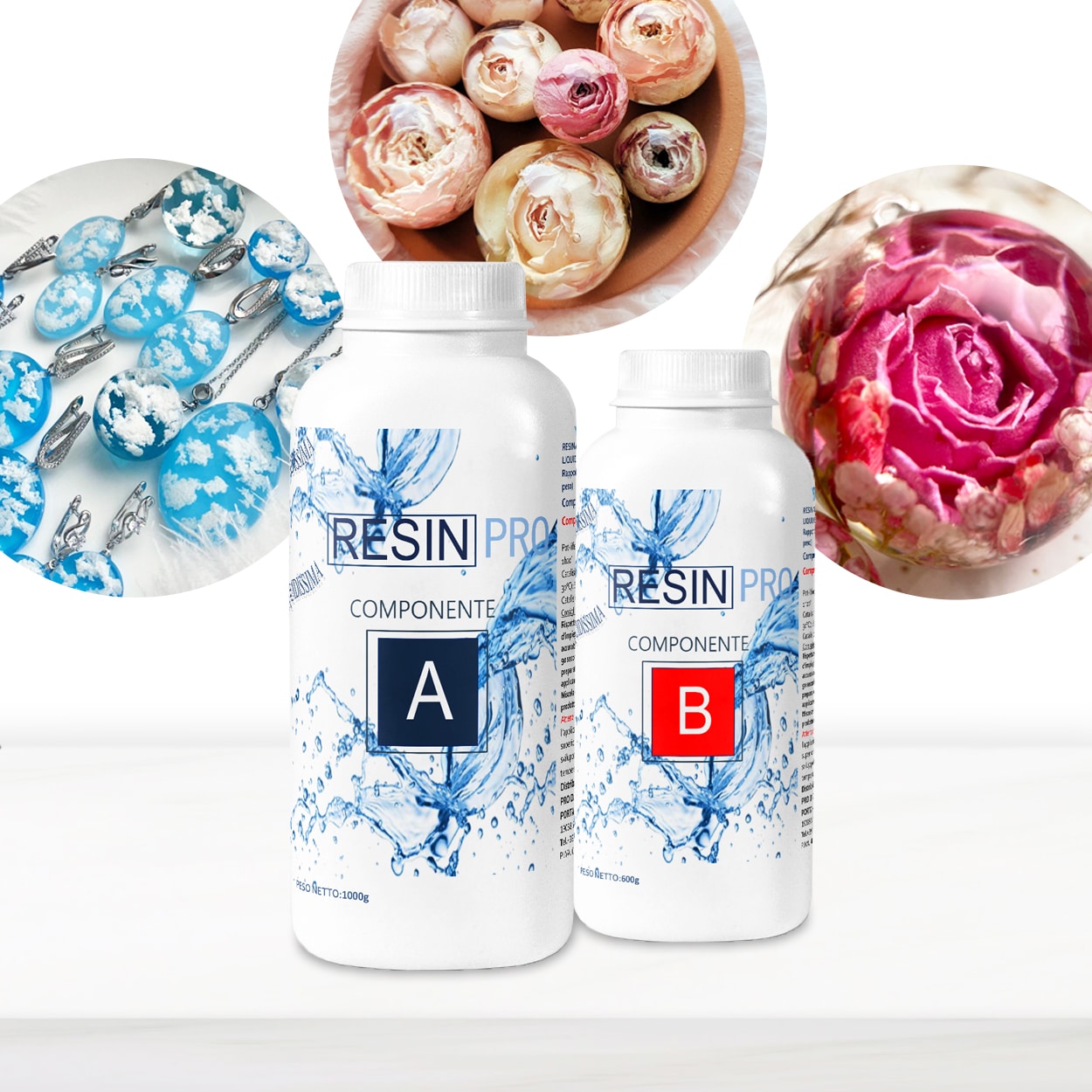
If you’re aiming to achieve crisp, sharp results when filling engravings, the choice of resin can make all the difference. Fine detail relies on a resin’s ability to flow smoothly into intricate patterns and set crystal clear.
Low-Viscosity Epoxy vs UV Resin for Engraving
For intricate engraving work, a low-viscosity (runny) epoxy resin or a ready-to-use UV resin is recommended. Products like “Liquidissima” Epoxy are specifically formulated for complex moulds and engraved designs. This type of self-levelling resin spreads easily, filling tiny recessed areas without trapping bubbles and providing a transparent finish. Similarly, UV-curing resins such as “Fairy Wings” UV Resin cure rapidly under UV light and can be applied in thin layers, making them suitable for raised or 3D engraving details.
Practical Tips for Achieving Fine Detail
Preparing your engraved surface is just as vital as resin selection. Ensure the grooves are clean and free from dust or oils for optimal adhesion. When pouring, use precision tools for control—such as a Tooth Shaped Spatula for Epoxy Resin Application—to help direct the resin and achieve an even, bubble-free fill. Start by adding small amounts and layer if required, especially with UV resins designed for up to 3mm thickness per coat.
When Detail Matters Most
Choosing the right resin is especially important for projects like jewellery, personalised keepsakes, or artwork where fine line definition is crucial. Low-viscosity or UV resins can help preserve delicate features within your design, bringing engraved details to life with clarity.
Related products
Related guides
Whether you’re highlighting intricate reliefs or producing unique personalised pieces, selecting a suitable resin will ensure engravings truly stand out. For more guidance on resin application in engraving, see our main advice hub.