 Free shipping on orders over £29,85
  Shipping Tracking!


 Google
 Facebook
Which resin can withstand 200 degrees?
Find the right heat-resistant resin for high-temperature projects.
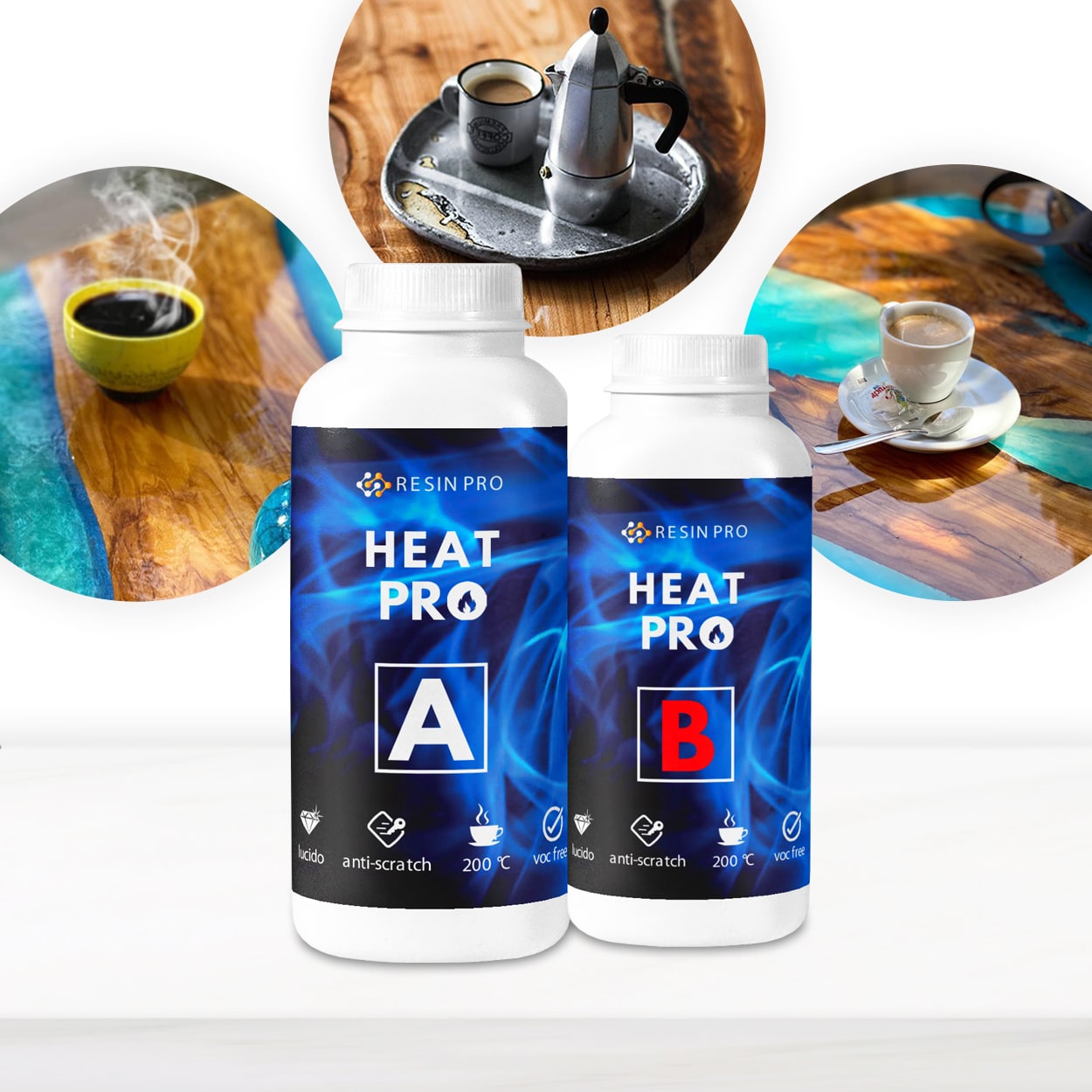

If your project endures intense heat—like kitchen coasters, serving trays, or other resin crafts in direct contact with hot objects—you need a resin that truly withstands high temperatures. This page guides makers, hobbyists, and professionals searching for a resin formulated to withstand up to 200°C. Get clear answers on which resin is best for durable, transparent, and resilient protection against heat damage.
Understanding Heat Resistance in Resin Coatings
When choosing a resin for high-temperature applications, the ability to resist surface heat up to 200°C is essential. Not all resins are created equal—some may yellow, discolour, or soften under heat. Polyurethane-based coatings, such as the “Heat Pro” – Flexible Heat-Resistant Glossy Coating, are specifically engineered for extreme heat resistance. Key differentiators include the resin’s elasticity, built-in UV protection, and how well it maintains durability and gloss after repeated exposure to heat. Understanding these differences ensures your chosen resin offers long-term performance where it counts the most.

See Heat Resistance in Action
Discover close-up visuals of resin surfaces treated for heat resistance. Notice the clarity and gloss remaining flawless even after 200°C contact. High-temperature applications demand coatings like Heat Pro for best results.
“Heat Pro” – Flexible Heat-Resistant Glossy Coating
Heat Pro is a specialised, elastic polyurethane resin crafted explicitly for demanding applications that require high heat tolerance. Unlike standard epoxies, Heat Pro delivers resistance to surface temperatures up to 200°C, perfect for items like resin coasters, kitchen counters, or any surface prone to hot dish contact. With built-in UV protection to reduce yellowing and the ability to stretch up to 480% elongation for impact absorption, it combines durability with flexibility. Its self-levelling and transparent for professional gloss ensures a mirror-like finish every time. Keep in mind, Heat Pro is recommended for areas up to 0.5 m² with a 100:75 mixing ratio, making it ideal for small to medium resin projects. Avoid using it on large surfaces, acrylics, or over liquid dyes, as it performs best on compatible epoxy resin substrates.
Tips for Working with Heat-Resistant Resins
For optimal performance with Heat Pro, always mix at the recommended 100:75 ratio by weight to ensure proper curing and elasticity. Apply in a thin, even layer for full transparency and best results—thicker coats may not cure as intended. Ensure surfaces are clean and free from oils or dust before coating to enhance adhesion. If applying over acrylic, first use a clear epoxy resin as a base and allow a 36-hour cure before adding Heat Pro. While this coating excels against heat and scratches, keep projects within the stated surface area for impeccable, durable results.
Pro Techniques for Flawless Results
Thorough surface preparation and precise mixing are crucial for maximising durability and gloss. See examples where careful application prevents yellowing and ensures lasting, heat-proof protection for your project.

Frequently Asked Questions
Is 200°C heat safe for resin coasters?
Yes, Heat Pro is specifically formulated to withstand surface temperatures up to 200°C, making it ideal for resin coasters exposed to hot drinks and pans.
Can Heat Pro be used on large tabletops?
It is not recommended for large areas above 0.5 m². For bigger projects, alternative resins are required to ensure durability and proper curing.
Is Heat Pro food safe for kitchen surfaces?
Heat Pro may not be food safe for direct contact with food. Consider certified food-safe resins for kitchen worktops or food preparation areas.
Can I apply Heat Pro over acrylics?
Heat Pro may react with acrylic. Use a clear epoxy resin as a base, let it cure for 36 hours, and then apply Heat Pro for safe results.
How long does Heat Pro take to fully cure?
Heat Pro reaches full cure in around 24 hours at room temperature. Gel time is about 3 hours, allowing for easy handling and professional finishes.
What are the main benefits of Heat Pro?
Heat Pro offers extreme heat resistance up to 200°C, excellent impact absorption, UV protection, and a glossy, scratch-resistant surface for small to medium resin projects.