 Free shipping on orders over £29,85
  Shipping Tracking!


 Google
 Facebook
← Back to When should resin protection be applied to motorcycle tanks?

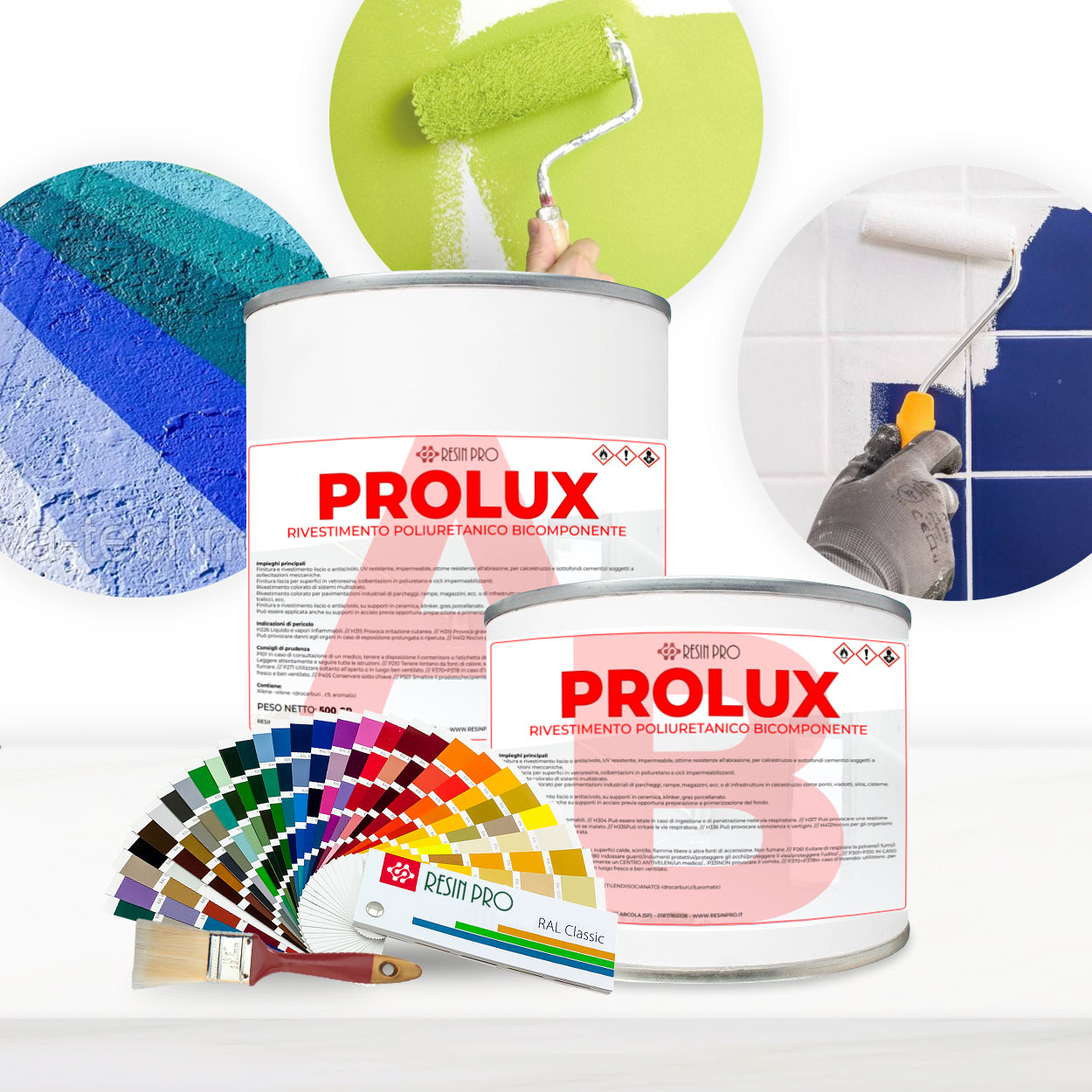
Protecting a motorcycle tank from heat is vital for long-term durability and a lasting finish. Choosing the right resin will ensure your tank stands up to sun, engine warmth, and frequent use.
Selecting a Heat-Resistant Resin
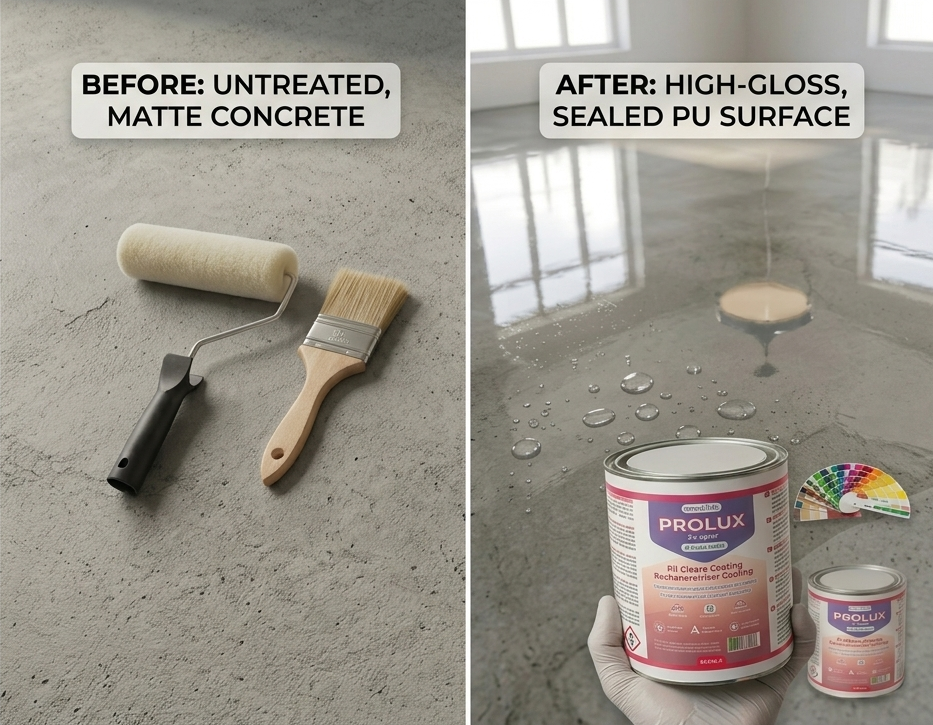
For motorcycle tanks exposed to significant temperatures, choosing a resin that can handle both direct sunlight and engine heat is essential. Heat Pro stands out with the ability to withstand surface temperatures up to 200°C, making it a reliable choice for these demanding conditions. Its formulation absorbs both heat stains and everyday scratches, which helps preserve the tank’s glossy appearance even during summer use.
Application Tips for Lasting Protection
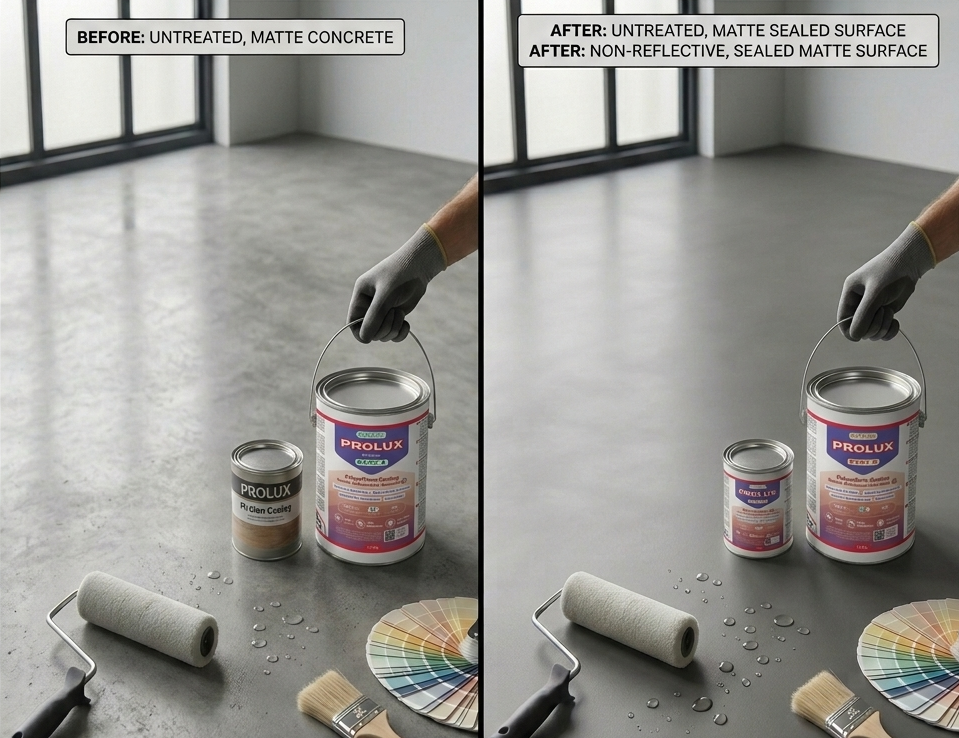
Before applying a heat-resistant resin, always start with a thorough cleaning to remove oils and residues. Using a specialist degreaser, such as the Strong Technical Degreaser, ensures proper adhesion and a smoother final layer. It’s important to use the resin on surfaces up to 0.5 m² for best results, applying in a well-ventilated area and following all mixing and curing recommendations from the resin’s manufacturer.
- Clean thoroughly before coating
- Follow the advised mixing ratios exactly
- Allow for full curing at room temperature
When Heat Resistance Matters Most
Heat-resistant resins are especially important for riders who park their bikes outdoors, make frequent journeys in warm weather, or frequently clean their tanks. Superior resistance prevents warping, yellowing and losing gloss caused by prolonged exposure to heat and UV rays.

Related products
Related guides
By selecting a resin like Heat Pro and following careful application steps, you help ensure the tank’s appearance and protection last. For further advice on timing and best practices, visit our main guide on when to apply resin protection to motorcycle tanks.