 Free shipping on orders over £29,85
  Shipping Tracking!


 Google
 Facebook
← Back to How to create the wave effect with resin?
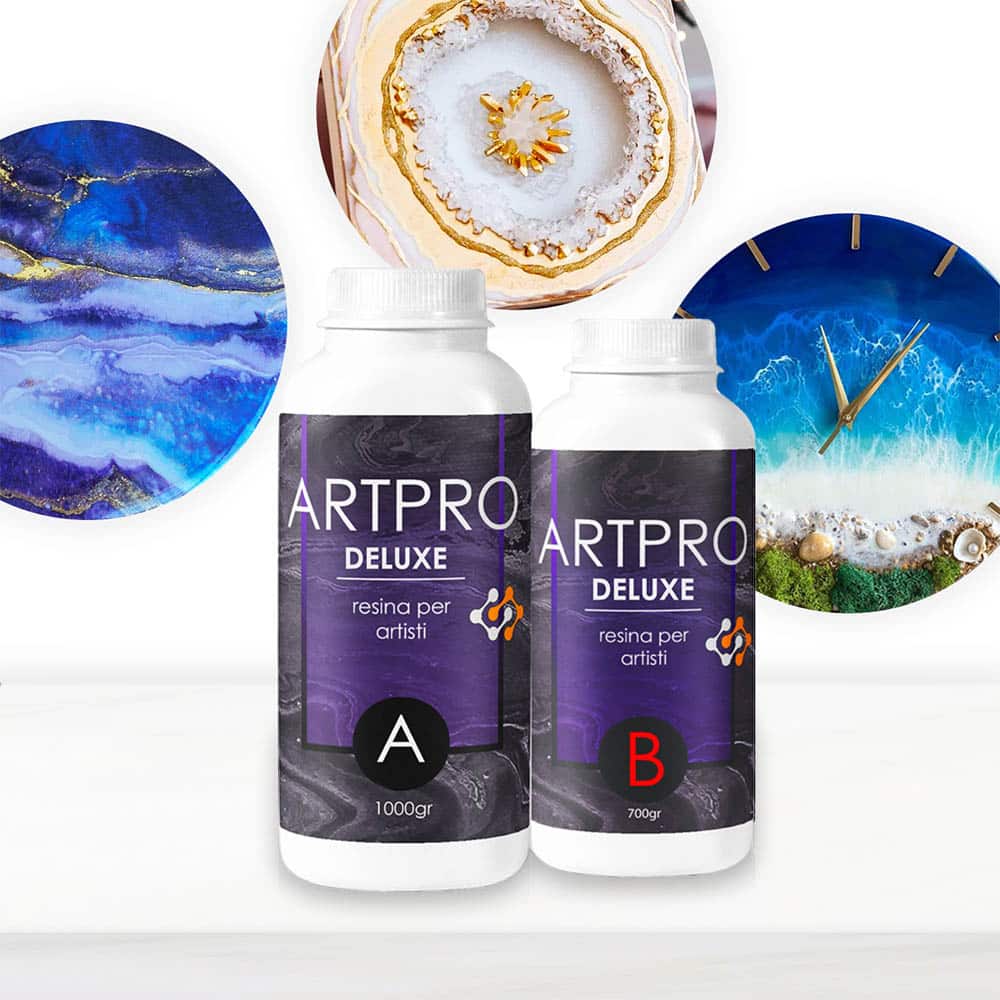
Creating authentic ocean waves in resin art relies on selecting the right type of resin. Using an epoxy with ideal viscosity and the right additive can make the process both simpler and more stunning.
Choosing the Right Resin Viscosity
For sharp, foamy wave lines and crisp details, opt for a high or ultra-high viscosity epoxy resin such as Art Pro Deluxe. These thicker formulas allow more control over your design by keeping colours from bleeding and letting you shape clean, contained wave edges. Lower viscosity resins tend to flow more freely, which can lead to less defined wave patterns.
Enhancing Waves with Additives
To achieve lifelike cell effects and the distinctive lacing seen in real waves, a dedicated wave effect additive is invaluable. The Wave-Pro pigment additive is designed specifically for epoxy resin and disperses wet resin to mimic natural foam and froth, without the need for a torch or heat gun. Do note: for realistic sea art effects, epoxy resin is essential, as UV resin won’t achieve the right thickness or movement for dynamic waves.
Complete Kits for Ocean Resin Art
If you’re starting from scratch or want a consistent result, consider an all-in-one ocean resin kit. The Sea Resin Kit contains high viscosity Art Pro Deluxe resin, pigments in classic ocean hues, and the Wave-Pro additive—plus tools and instructions for beginners and seasoned artists alike.
When This Matters
Choosing the right resin and additives is vital when you want crisp, detailed wave edges rather than abstract, blended results. This is especially crucial in geode designs or marinescapes where control and definition are key.
Related products
Related guides
Selecting a suitable high viscosity epoxy and specialised additive helps you create true-to-life wave effects with confidence. For more step-by-step creative tips, see our full guide on how to create the wave effect with resin.