 Free shipping on orders over £29,85
  Shipping Tracking!


 Google
 Facebook
← Back to How much catalyst to add to resin in winter?

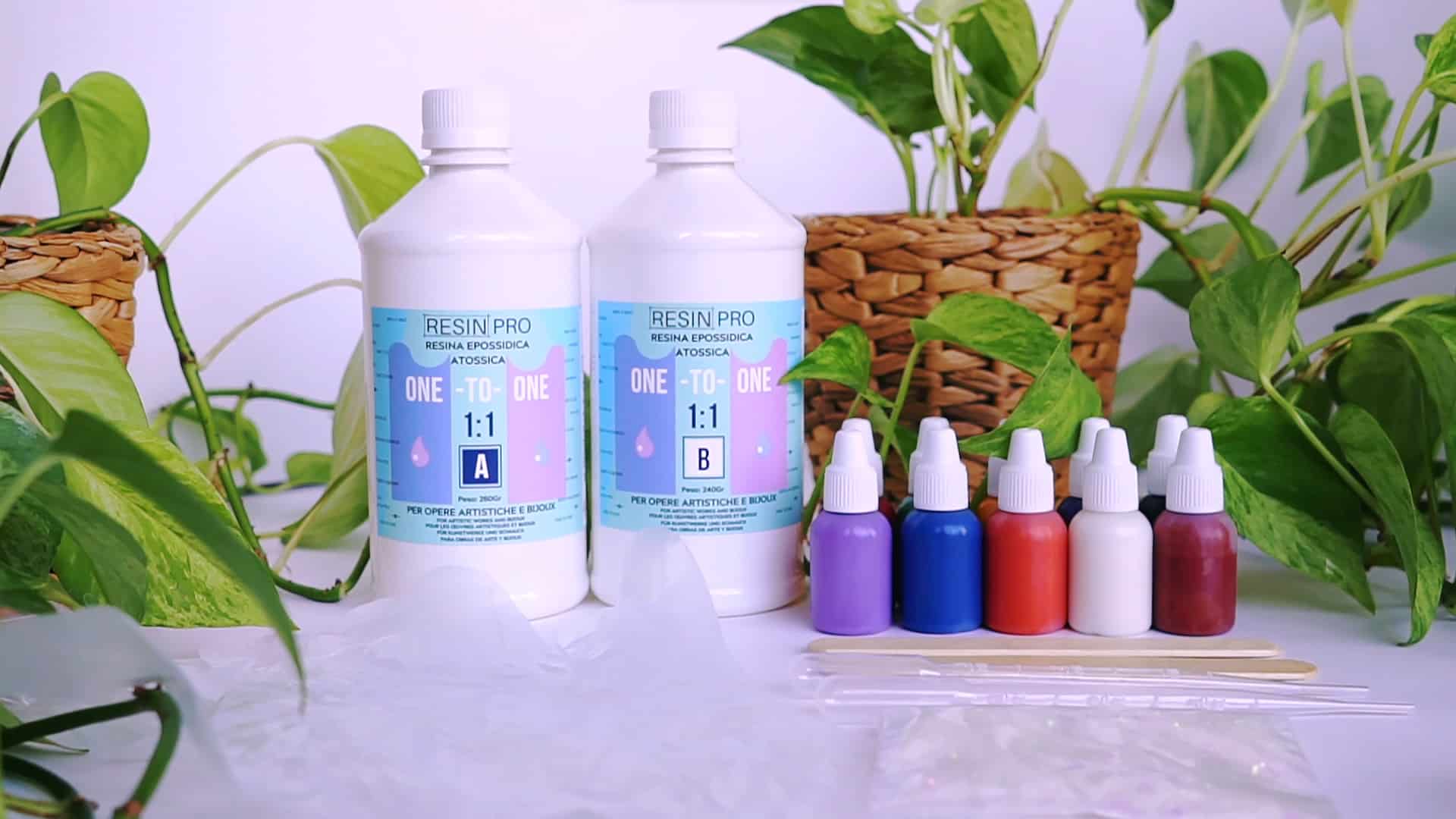
Cold temperatures often lead to slower resin curing times, tempting some to adjust the catalyst ratio for a quicker result. However, maintaining the specified mixing ratio is crucial for proper resin performance and a strong final product, even during winter conditions.
Risks of Altering Resin Ratios in the Cold
It might seem logical to add extra hardener or catalyst when resin cures more slowly in cooler environments. However, incorrect ratios can prevent complete curing, resulting in a tacky finish or significantly weakened structure. Too much or too little catalyst may also impact clarity, gloss, and durability, especially in projects like jewellery or tabletops.

How to Achieve Reliable Results in Winter
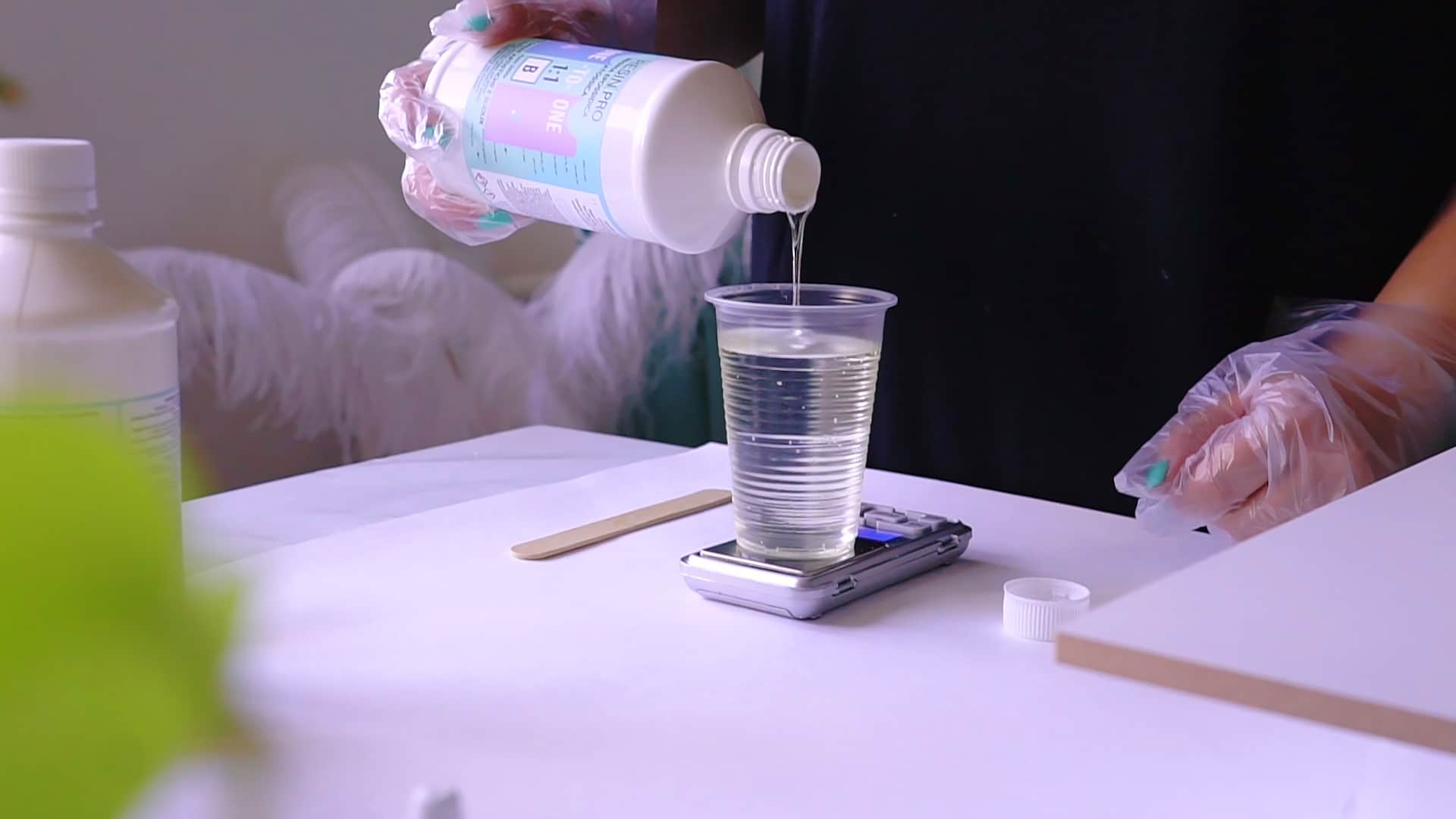
- Always follow the mixing instructions supplied with your chosen resin. For instance, One-2-One Epoxy Resin requires an equal 1:1 ratio by volume, whilst “Icrystal” uses a 2:1 ratio by weight. Do not change these proportions in an attempt to speed up curing.
- If possible, work in a room that is heated to at least the lower end of the resin’s recommended temperature range. Warming the bottles (in a bath of lukewarm water, not hot) before mixing can help improve flow and reaction speed.
- If longer cure times are unavoidable, simply allow more time for the project to fully harden rather than changing the catalyst amount.
When Mixing Accuracy Matters Most
Maintaining accuracy is especially important for deep pours, thick layers, or projects where clarity and surface hardness are essential. For deep-pour needs, products like EpoxyTable 5-Five are designed to cure reliably, even in larger volumes—provided you keep to the correct ratios.
Related products
Related guides
Adhering to precise resin and catalyst ratios, regardless of the season, is the foundation for strong and successful crafting. Explore more winter resin guidance and tips on the main how much catalyst to add to resin in winter page.