 Free shipping on orders over £29,85
  Shipping Tracking!


 Google
 Facebook
← Back to What are synthetic resins commonly called?

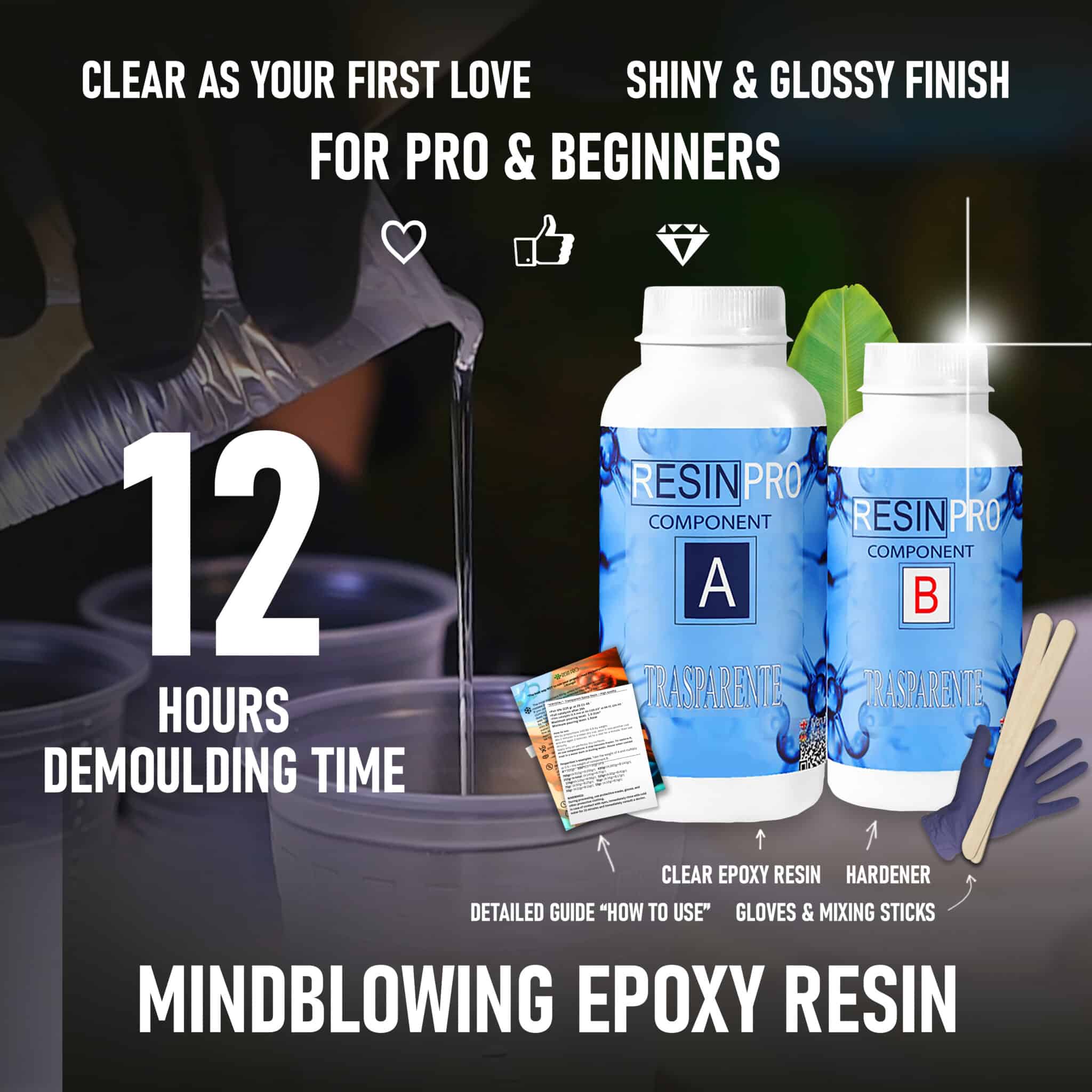
Epoxy resin is popular for clear casting and artistic projects, but improper use can lead to overheating, especially with thicker pours. Understanding why this happens is essential to avoid wasted materials and failed projects.
What Causes Overheating in Resin?
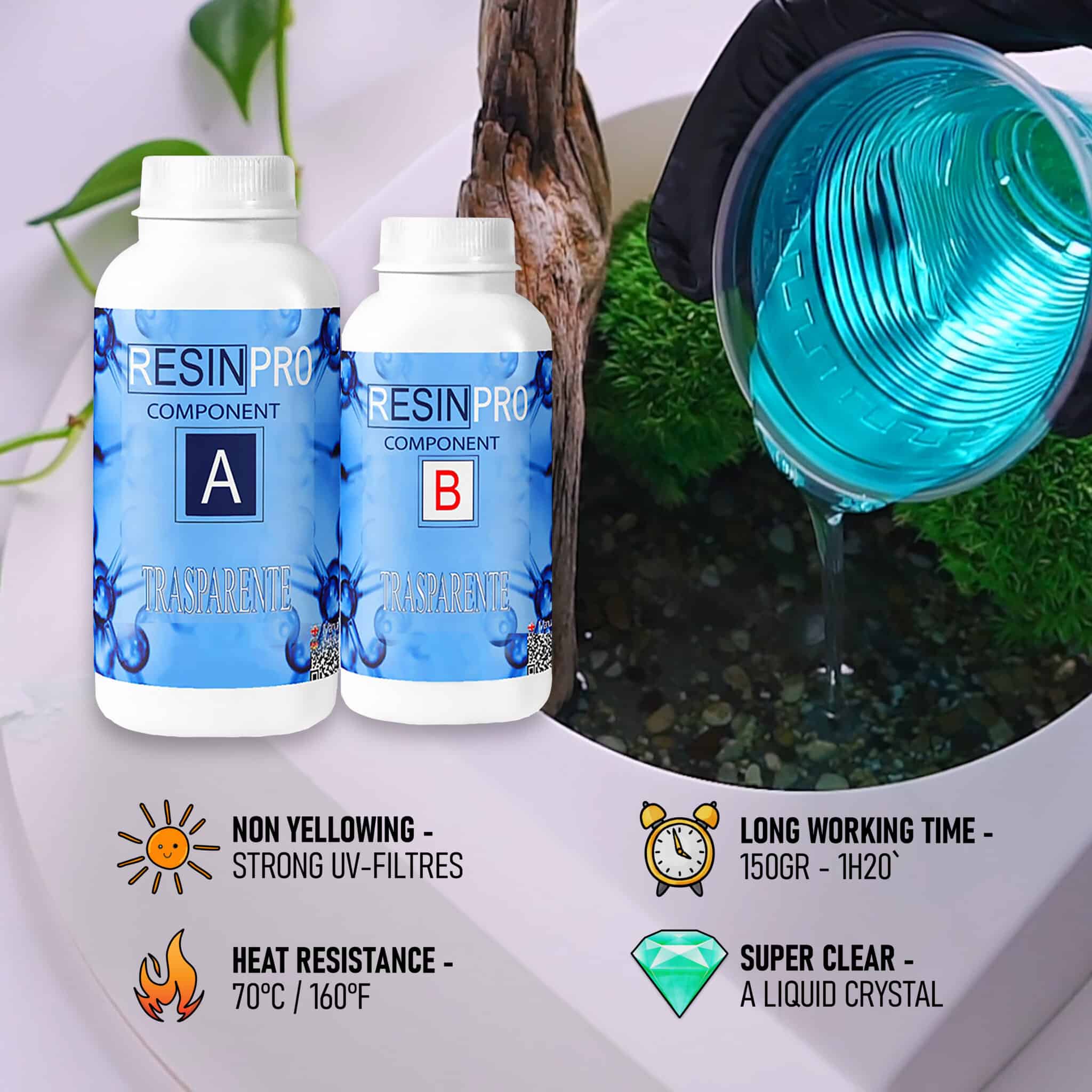
When mixing and pouring epoxy resins, an exothermic chemical reaction occurs as the resin cures. Overheating typically happens if the poured layer exceeds the recommended thickness, as the heat generated cannot dissipate quickly. High ambient temperatures or additional heat sources such as heat guns can sharply increase this effect, causing premature curing or cracking. Always consult your specific resin’s guidelines, like those for “Trasparente” Multipurpose Clear Epoxy Resin, which is suited for up to 2cm per pour.

Practical Tips to Prevent Overheating
- Follow Thickness Limits: For most castings, stick to the maximum pour thickness your resin is designed for, such as 1.5–2cm for crafting resins and up to 10cm for specialised deep pour types.
- Control the Environment: Work in a cool, well-ventilated area. Avoid direct sunlight or working next to heat sources.
- Allow for Cooling: For larger pieces, pour in multiple layers, allowing each one to cure before proceeding to the next. This method is effective with both multipurpose and deep pour resins.
When This Matters Most
Heat build-up is critical with substantial castings, river tables, or projects involving large volumes of resin. Ignoring pour guidelines may lead not only to overheating but also to surface imperfections, yellowing, or even resin failure. Choosing the correct resin—such as “Trasparente” for up to 2cm pours, “Icrystal” for smaller, clear projects, or “Epoxytable 10-Ten” for deep pours—ensures a safer, more controlled curing process.

Related products
Related guides
Understanding resin overheating helps you achieve flawless results and long-lasting finishes. For further guidance on epoxy types and best practices, explore our hub on synthetic resins and their common names.