 Free shipping on orders over £29,85
  Shipping Tracking!


 Google
 Facebook
← Back to How to create resin-coated stickers?
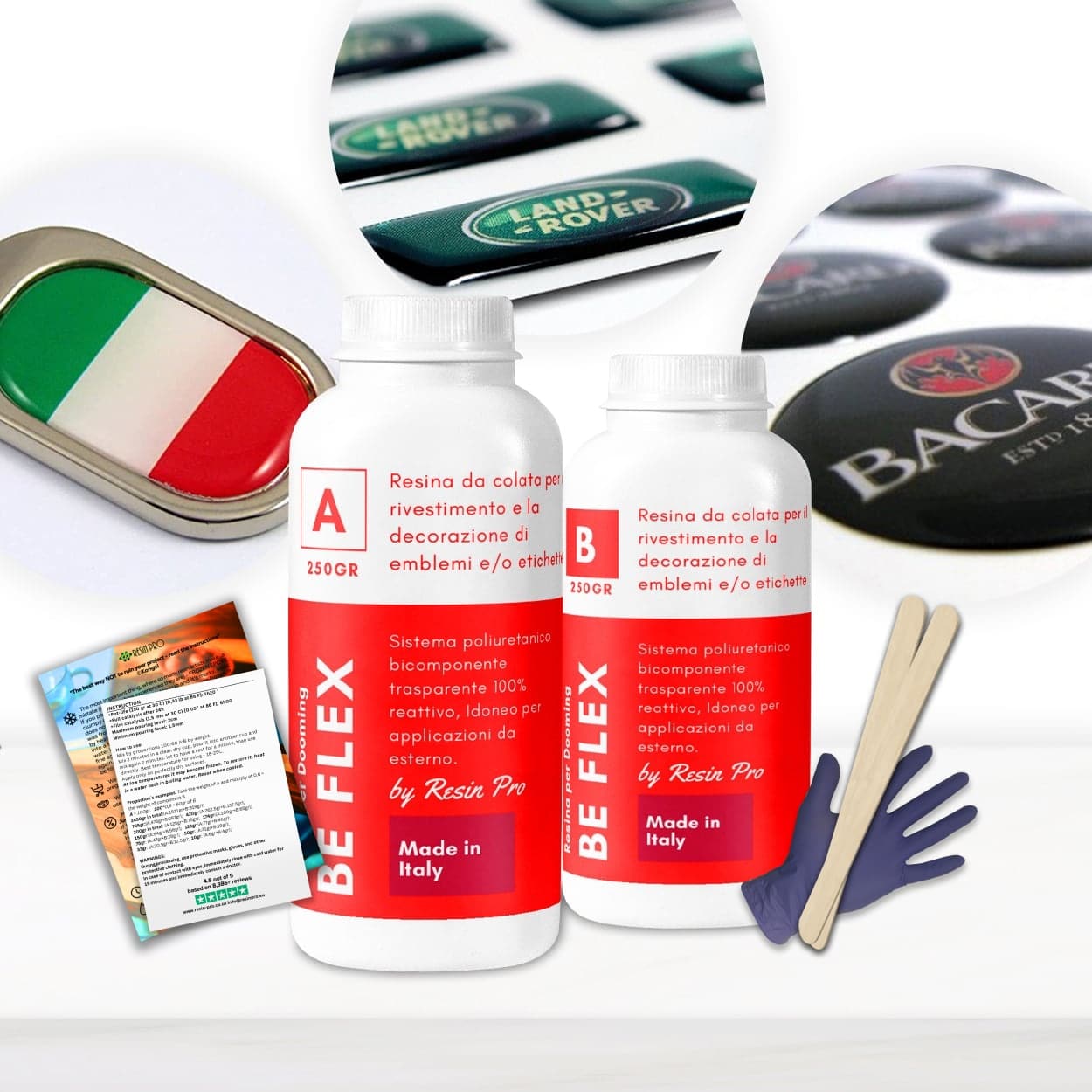
Uneven resin curing can put a damper on your crafting, especially when creating resin-coated stickers. Let’s look at key reasons this happens and learn how to avoid patchy or sticky finishes.
Common Causes of Uneven Curing
- Incorrect Mixing Ratios: Not following the manufacturer’s recommended proportions can cause sticky or soft spots. Each resin—such as the Be Flex Transparent Polyurethane Doming Resin—has a precise mixing ratio for optimal curing.
- Insufficient UV Exposure: For UV-curable resins, parts that do not receive enough direct UV light may remain tacky. Ensure your stickers receive even and adequate UV light exposure.
- Surface Contamination: Residues from fingers, dust, or oils on your stickers can interfere with curing. Always work on clean, dry surfaces for best results.
Handy Tips for Consistent Results
- Mix thoroughly for at least two minutes, scraping the sides and base of your container.
- Use an accurate digital scale for two-part resins to measure by weight for precision, and follow the specific guidance for your resin type.
- Position UV lamps so they cover the sticker surface evenly, or rotate pieces if necessary to prevent shadowed spots.
- Allow work surfaces to remain dust-free and handle stickers with gloves until coated.
When This Matters Most
If you’re making professional 3D domed labels or stickers for outdoor use, avoiding uncured patches is vital to achieve the finish and durability these projects deserve. For quick crafts, UV-setting products like “UV–Creation” are fuss-free when used as directed.
Related products
Related guides
Tackling uneven resin curing ensures your resin-coated stickers look polished and last. For more ideas and step-by-step support, explore our full guide on how to create resin-coated stickers.