 Free shipping on orders over £29,85
  Shipping Tracking!


 Google
 Facebook
← Back to how to make resin creations by erikakawaii
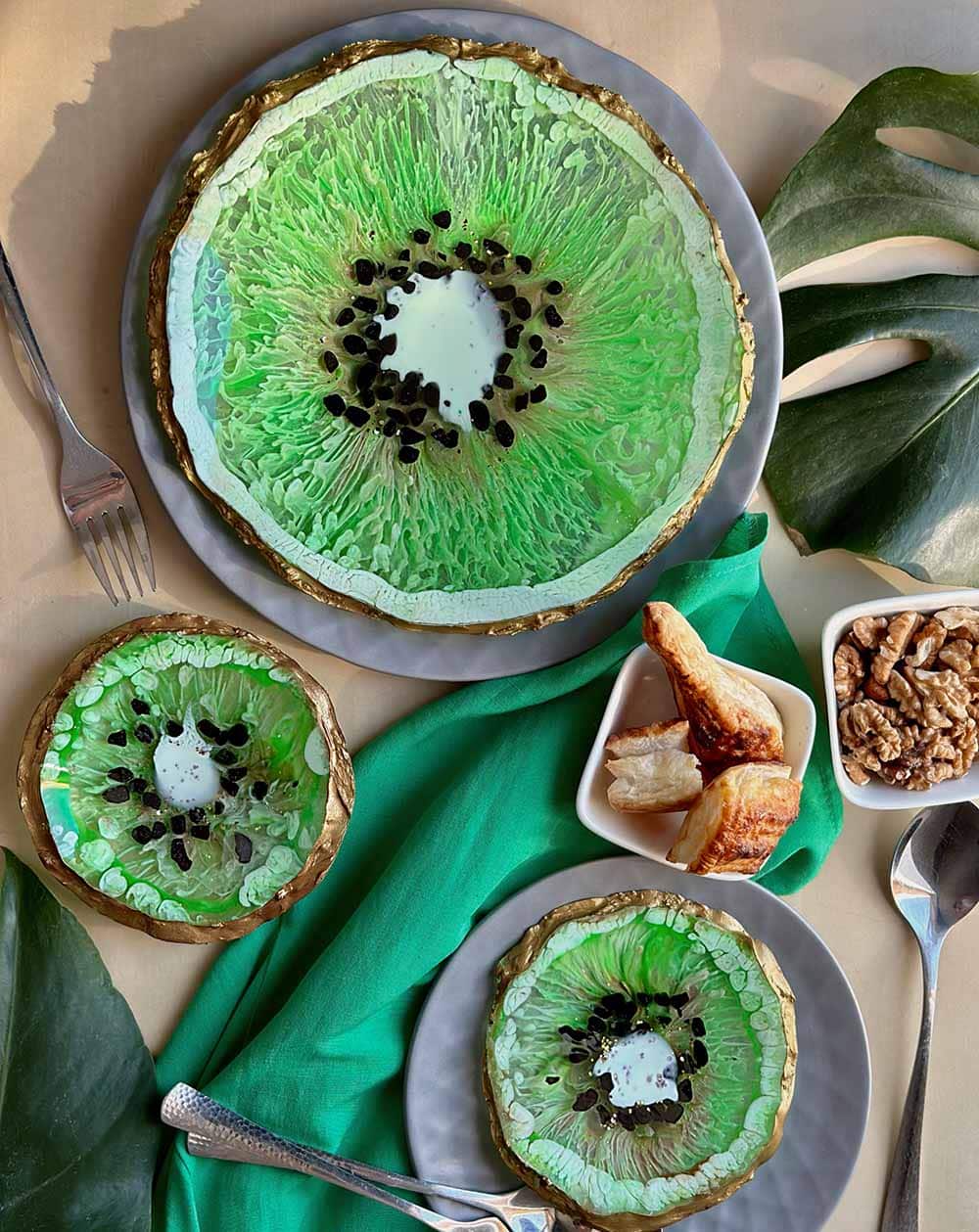
Discovering sticky or soft patches in your finished resin artwork can be disappointing, but it’s a common issue with straightforward solutions. Let’s look at why this happens and how you can get a flawless cure every time.
Understanding Why Resin Stays Tacky or Soft
The most frequent cause of sticky resin is an imbalanced mix—using too much resin or hardener, or not blending the two thoroughly. This stops the curing process in its tracks, leading to tacky or flexible spots. Always follow the manufacturer’s recommended ratio, commonly a 1:1 or 2:1 mix depending on your resin type, and stir slowly but thoroughly for several minutes.
How to Prevent and Fix Sticky Resin
- Accurate Measuring: Use digital scales or precise measuring cups for each component.
- Thorough Mixing: Stir gently, scraping both the sides and bottom of your mixing container.
- Work in Ideal Conditions: Aim for a room temperature of around 20–25°C and avoid excess humidity.
If you do end up with a sticky surface, you may be able to remove the uncured resin and carefully re-pour a fresh, well-mixed batch. For smaller soft patches, sometimes applying a thin new layer over the tacky area after cleaning can help achieve a proper finish.
When This Matters Most
Mastering accurate measuring and mixing is particularly important for detailed pieces, such as resin jewellery or coasters. Starter kits like the Evershine Collection offer pre-measured components and clear mixing instructions, making them ideal for beginners who want reliable results.
Related products
Related guides
Troubleshooting sticky cured resin will improve the look and durability of your resin creations. For more expert insights and project inspiration, revisit our main guide on making resin creations.