 Free shipping on orders over £29,85
  Shipping Tracking!


 Google
 Facebook
← Back to How do you weld resin?

If your resin weld is still sticky or feels uncured, it can be frustrating and problematic for your project. Tackiness is often a sign that something went wrong in the mixing or curing process. Here’s a practical guide to troubleshooting and resolving this common issue.
Typical Causes of Sticky Resin Welds
Sticky or soft resin generally results from incorrect mixing ratios, insufficient mixing, or inadequate curing conditions. With two-part resins, failing to mix thoroughly or measuring the resin and hardener incorrectly can prevent the chemical reaction needed for a full cure. For UV resins, a lack of proper exposure to UV light will leave surfaces tacky.
- Check that you measured and mixed components exactly as specified.
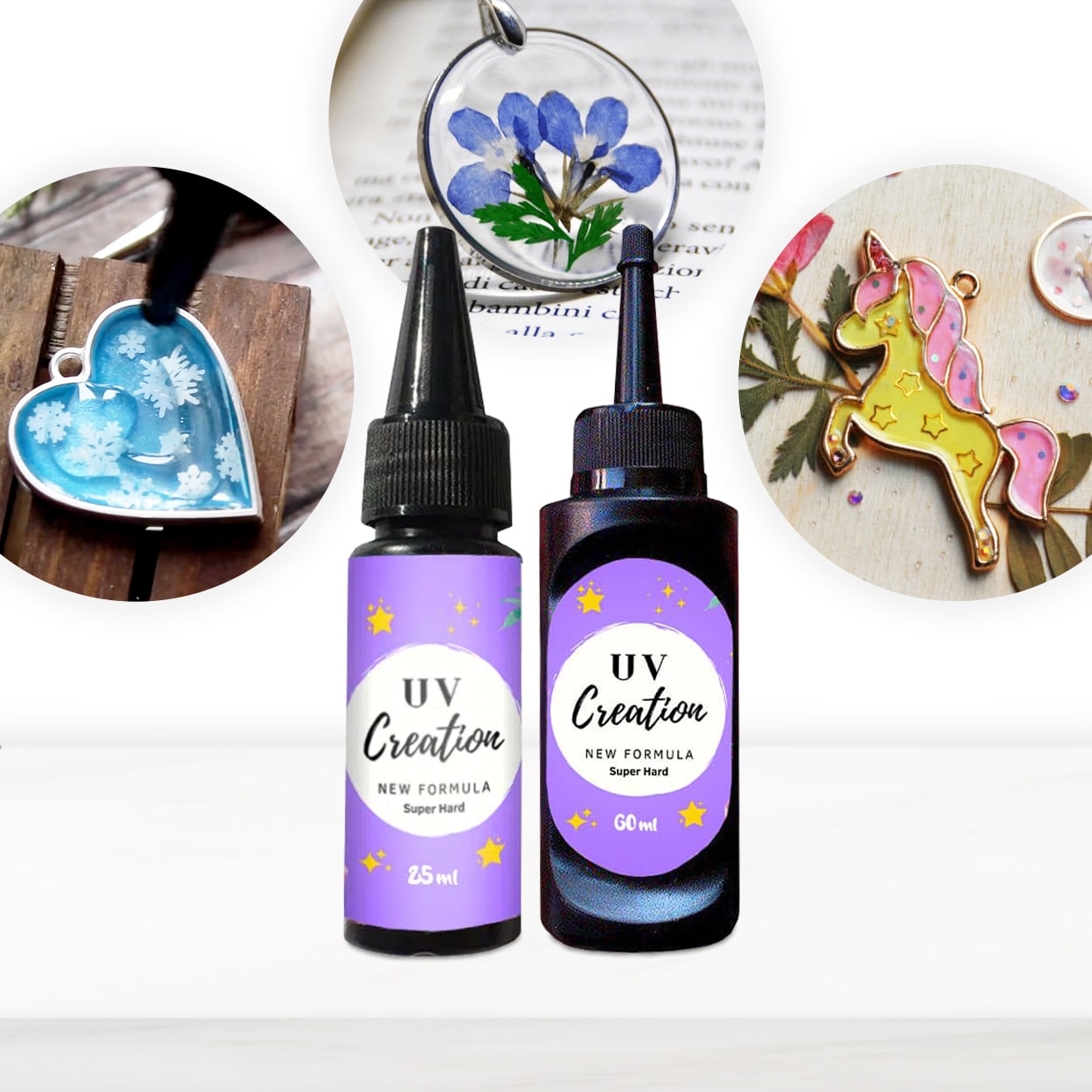
- For products like UV–Creation, make sure your UV lamp is powerful enough and the layer isn’t too thick.
How to Fix Sticky Resin Surfaces
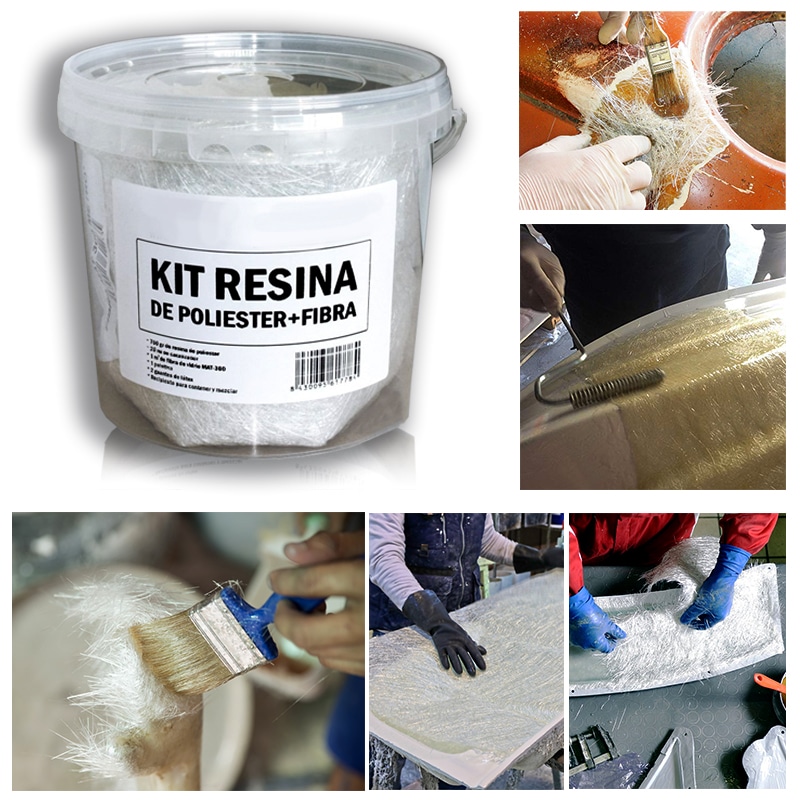
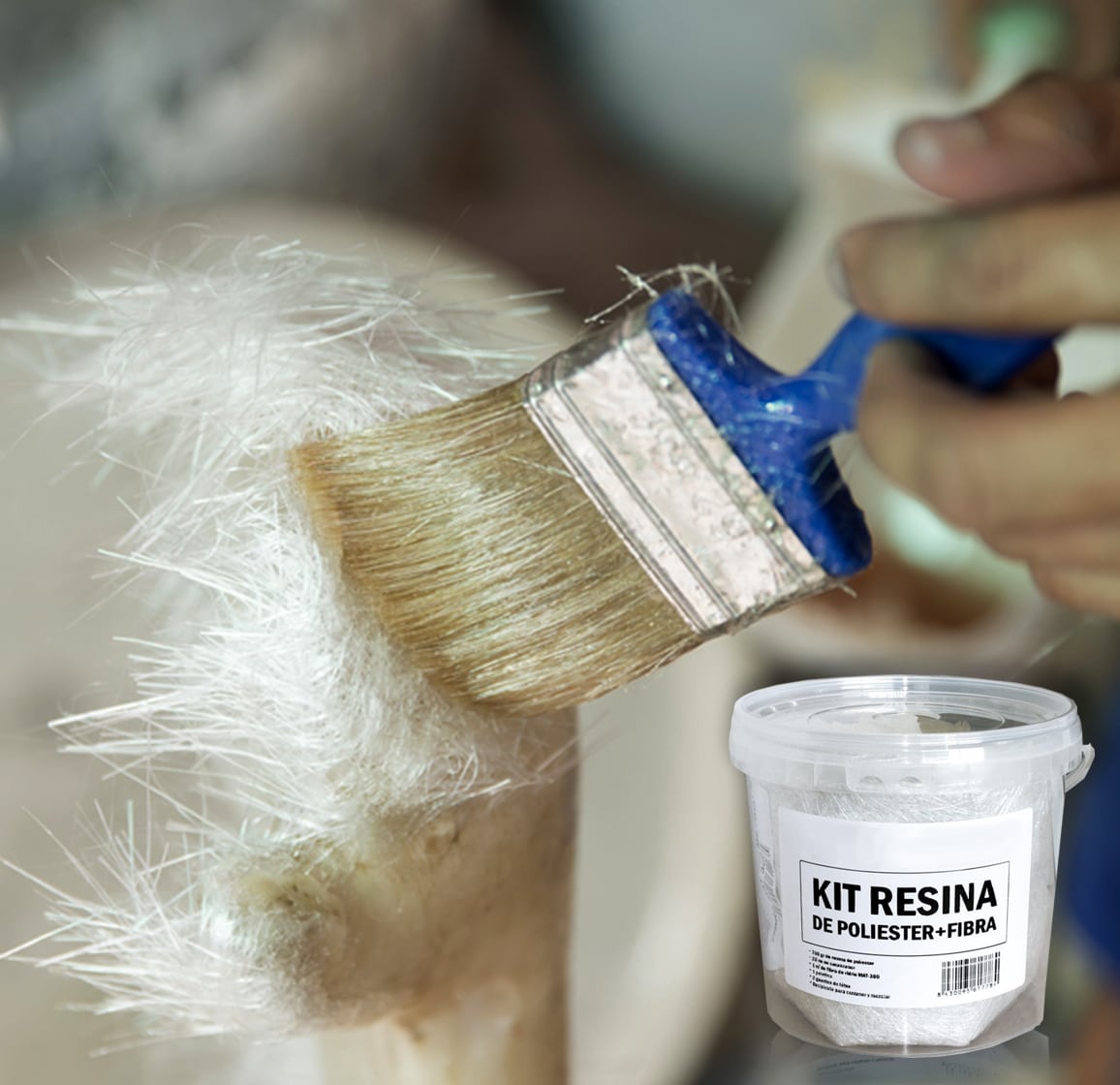
If you have a sticky layer, remove as much uncured resin as possible using a clean cloth. After thoroughly cleaning the area, reapply resin—taking care to mix accurately or, with UV resins, to use proper lighting and thin layers. Products specifically designed for clear, quick results, like “UV–Creation”, can help but still require even exposure to light and correct application.
When This Matters Most
Getting a proper cure is especially important for projects that need durability, waterproof bonding, or a clear, glossy finish. Sticky resin can compromise the strength of the weld and spoil the appearance of your work. Always follow instructions precisely—whether you’re working on craft projects, repairs, or jewellery-making.
Related products
Related guides
Addressing tacky resin ensures strong, durable, and visually appealing results. For comprehensive tips and troubleshooting advice on resin welding, return to our main guide on joining and repairing resin projects.