 Free shipping on orders over £29,85
  Shipping Tracking!


 Google
 Facebook
← Back to How to apply resin to a photograph?
When coating inkjet photographs with resin, a smooth, vibrant finish is the goal. However, unprotected prints can react unpredictably, so proper preparation is essential for a flawless result.
What Happens if Inkjet Photos Aren’t Sealed?
Inkjet prints use water-based inks which can remain sensitive to liquids, even after they dry. When exposed directly to resin, these inks may bleed, run, or produce uneven colour patches—ruining your photograph beneath the glossy surface. This is why sealing is not just a precaution but a necessary step to preserve the visual quality of the print.
How to Properly Seal Inkjet Photographs
For best results, use a clear acrylic spray—available in art supply shops—to protect your print before applying resin. Hold the can at a distance and apply a few light, even coats, allowing each one to dry fully. This forms a barrier that locks the ink in place and prevents unwanted reactions during the resin pour. Be sure to follow the spray manufacturer’s instructions and work in a ventilated area.
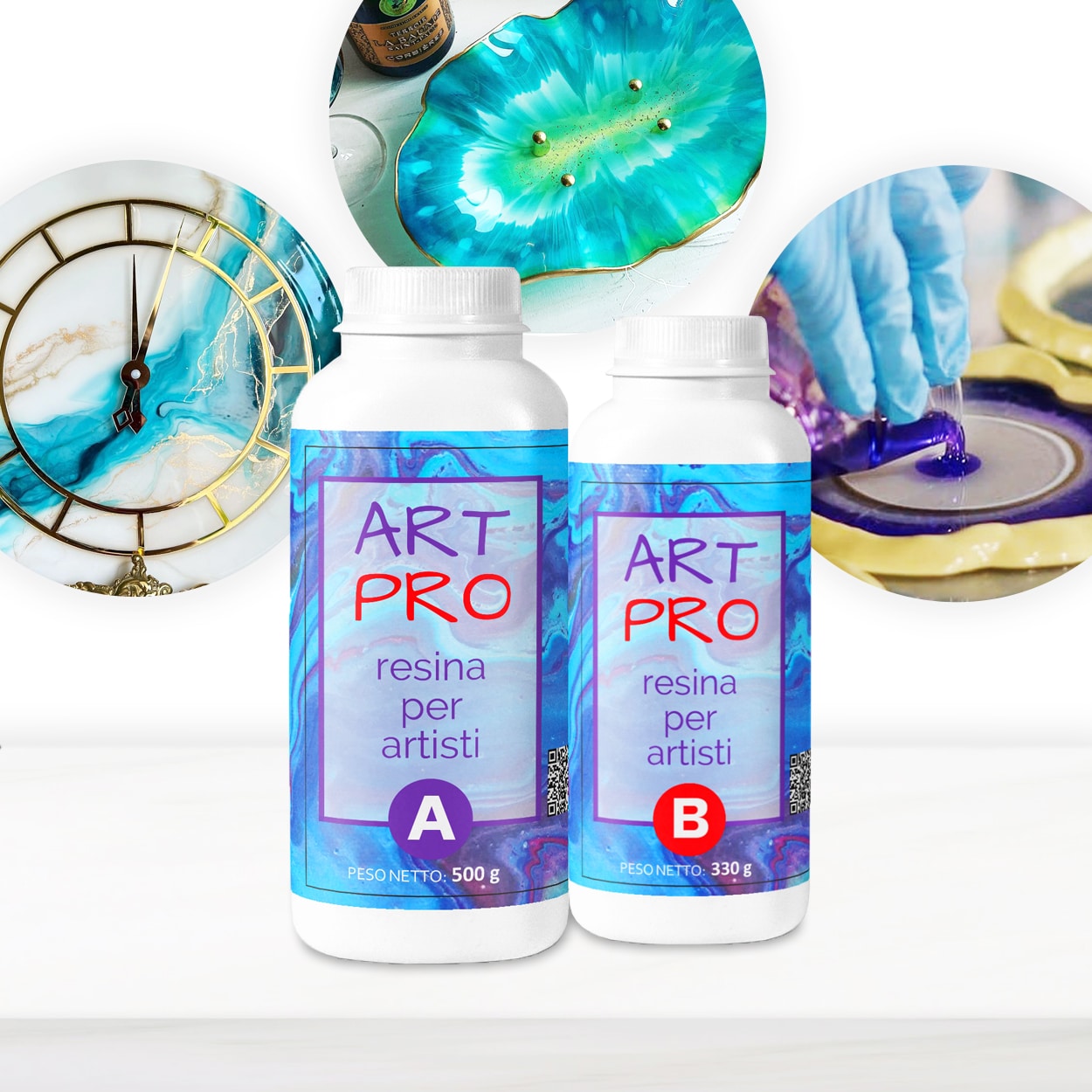
Once your print is thoroughly sealed and dry, you’re ready to carefully pour your chosen resin, such as Art Pro Clear Epoxy Resin, over the surface for optimum clarity and protection.
When This Matters Most
Sealing is especially important for high-resolution colour photographs, custom art prints, or any inkjet output where detail and vibrancy matter. If you’re creating souvenirs or gifts, or simply want a professional, long-lasting finish, don’t skip this step.
Related products
Related guides
With the right preparation—starting with effective sealing—you ensure your inkjet photographs remain crisp and colourful beneath crystal-clear resin. For a step-by-step guide to resin application on photographs and more tips, visit our main How to apply resin to a photograph? page.