 Free shipping on orders over £29,85
  Shipping Tracking!


 Google
 Facebook
← Back to How to remove epoxy paint?
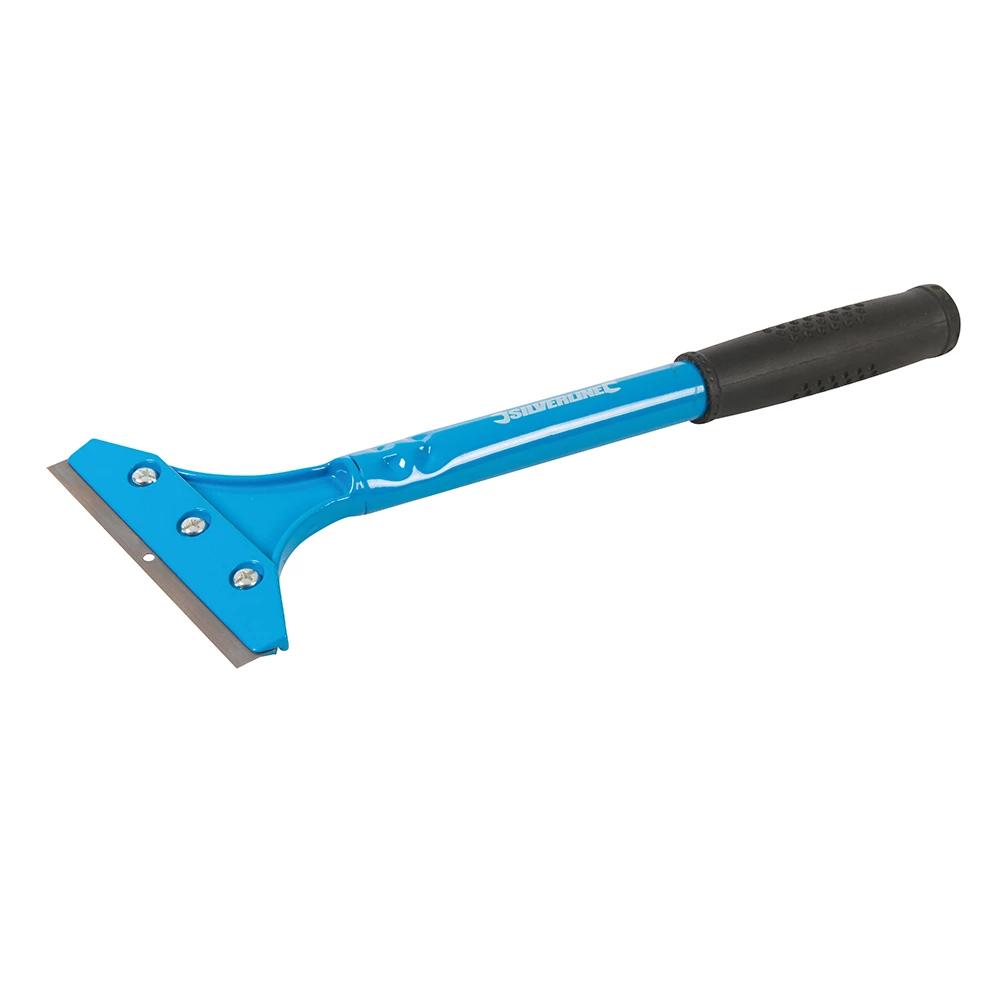
Removing epoxy paint can be a challenging process, leading many to wonder if simple solutions like water or detergent can make a difference. Here’s what you need to know before tackling stubborn epoxy coatings.
Where Water and Detergent Help
While water and mild detergent are useful for general cleaning of any residue on surfaces after the bulk of the epoxy paint has been removed, they are not usually effective against the cured epoxy itself. These solutions can help wash away dust, loose paint fragments, or surface dirt left behind post-scraping. For freshly spilled or uncured epoxy, prompt cleaning with soapy water might remove some material, but once epoxy has set, stronger solutions or mechanical removal is necessary.
Effective Methods for Removing Cured Epoxy Paint
Mechanical methods are typically required for removing hardened epoxy paint. Scrapers such as the Heavy Duty Scraper for Paint and Epoxy Resin Removal are specially designed to tackle tough paint layers, including epoxy, on walls, floors, and other surfaces. For glass or smooth surfaces, a dedicated window scraper can help with physical removal of dry resin or paint. In cases where the paint is particularly stubborn, using controlled heat (with a heat gun set at appropriate temperatures) may help soften the epoxy before scraping.
When This Matters Most
The limitations of water and detergent are especially important when working on older painted surfaces, deep-set coatings, or renovation projects. If you’re dealing with a tough, fully-cured epoxy layer, manual or heated tools will nearly always be required for satisfactory results.
Related products
Related guides
Understanding the right techniques for epoxy paint removal can save time and frustration. For a comprehensive breakdown of methods and step-by-step help, visit our main guide on how to remove epoxy paint.