 Free shipping on orders over £29,85
  Shipping Tracking!


 Google
 Facebook
← Back to How to catalyse resin?
Getting reliable results with epoxy resin depends heavily on the temperature where you work. The right conditions help ensure consistent curing, optimal clarity, and minimised risk of defects. Here’s what you need to know to create your best resin projects.
Why Temperature Matters During Catalysis
Catalysis—or the chemical hardening process—relies on stable temperatures to activate the resin and hardener efficiently. Working below the recommended range can result in slow curing, incomplete hardness, or cloudiness. Excess heat, meanwhile, can make the resin set too quickly, trapping bubbles or causing warping. For most projects, aim for a steady room temperature (typically between 18°C and 25°C, unless your product specifies otherwise).
Tips for Maintaining Ideal Temperatures
- Pre-warm your resin kit in a water bath if your room is cool, but never overheat it.
- Use a thermometer to monitor your workspace—steady, moderate warmth is best.
- Keep your moulds and surfaces at ambient temperature for consistent curing.
- If possible, avoid working in areas with large temperature swings or direct sunlight.
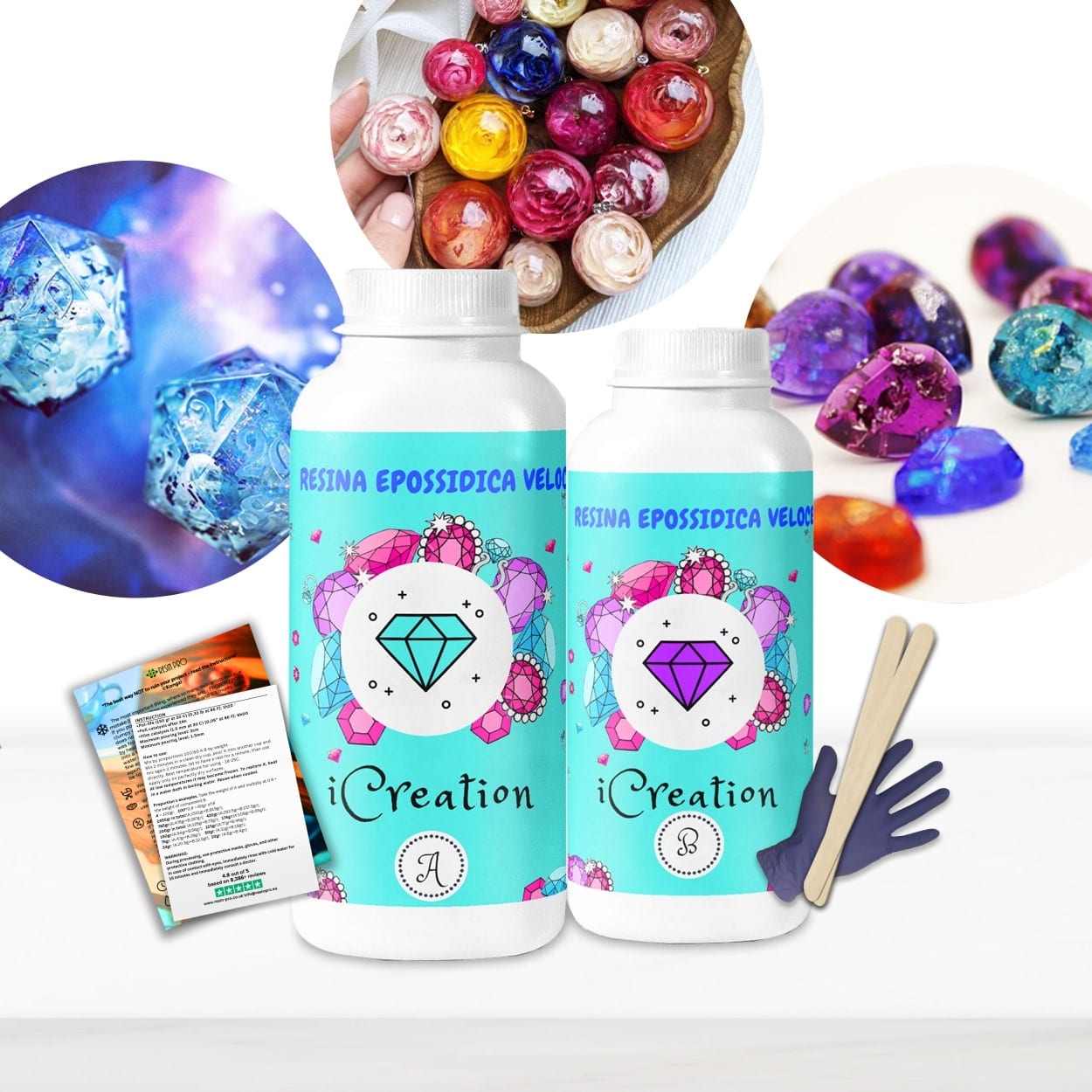
Rapid-curing products like the ICreation Fast Epoxy Resin are formulated to catalyse efficiently at standard room temperatures. This ensures demoulding in as little as six hours and a clear, glossy finish without unnecessary waiting.
When Working Temperature is Especially Important
If your project involves detailed casting, fast demoulding, or needs a flawless, glass-like appearance, temperature control is non-negotiable. It’s crucial for jewellery, art pours, or when using resins designed for accelerated curing. Always check your resin’s technical sheet for its optimal curing range.
Related products
Related guides
Mastering the temperature aspect of resin catalysis paves the way for smooth, predictable results. For more guidance on best resin practices and product selection, visit our detailed guide on how to catalyse resin.