 Free shipping on orders over £29,85
  Shipping Tracking!


 Google
 Facebook
← Back to How to put insects under resin?
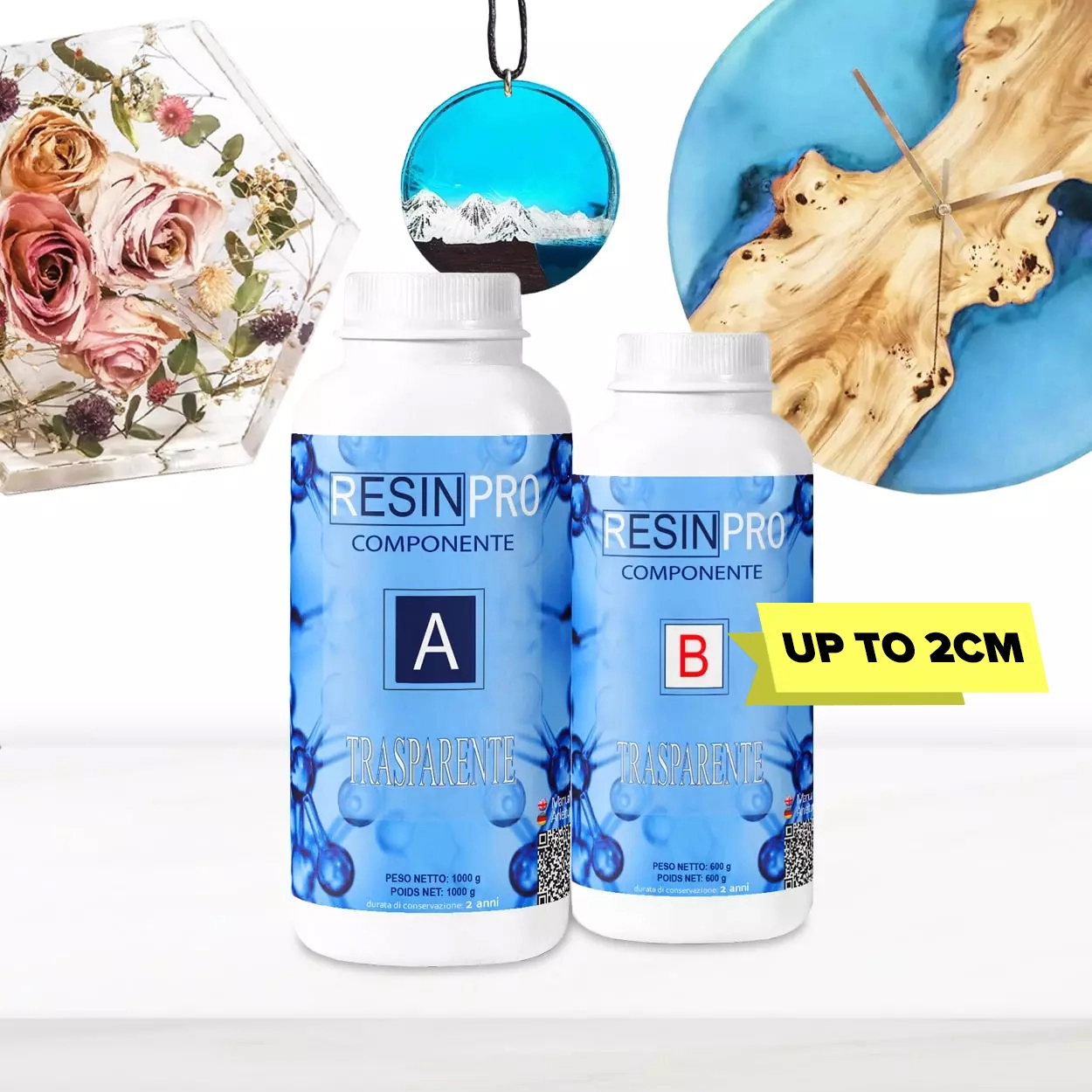
When creating resin projects with insects or other small specimens, the pour thickness plays a key role in both the quality and safety of your result. To keep your specimens preserved and your resin crystal clear, understanding why and how to work in layers for thicker projects is essential.
Why Pouring in Layers Matters
Pouring resin too thickly in one go can cause overheating as resin cures—this reaction, known as exotherm, happens when resin releases heat while hardening. Excess heat may distort or damage delicate specimens, introduce bubbles, or even lead to cracking or yellowing. Working in layers helps manage temperature, resulting in a clearer and safer final piece.
Practical Guide to Layering Resin
- Plan your artwork by estimating the required total thickness. For most insect specimens, choose a resin suited to your project size, such as “Trasparente” epoxy resin for up to 2cm per pour, or “EpoxyTable 5-Five” for deeper work up to 5cm.
- Pour your resin in gradual stages—typically 1.5–2cm per layer, depending on the resin used.
- Allow each layer to reach a firm gel or near-cure state before adding the next. This creates strong bonds between layers and prevents overheating.
- Minimise additional heat sources during curing. Avoid hot water baths or overuse of heat guns to keep temperatures steady.
When Layering is Especially Important
If your project features thick sections or encloses larger insect specimens, layering isn’t just recommended—it’s necessary. This approach also helps when your overall casting exceeds the maximum single-pour depth recommended by the resin manufacturer, ensuring a safe cure and maintaining clarity and detail.
Related products
Related guides
Mastering the art of layering means better preservation, higher clarity, and safer results for your resin-encased insects. For more in-depth guidance and materials, see our full guide on how to put insects under resin.