 Free shipping on orders over £29,85
  Shipping Tracking!


 Google
 Facebook
How to put insects under resin?
Step-by-step guide for flawless insect preservation in resin
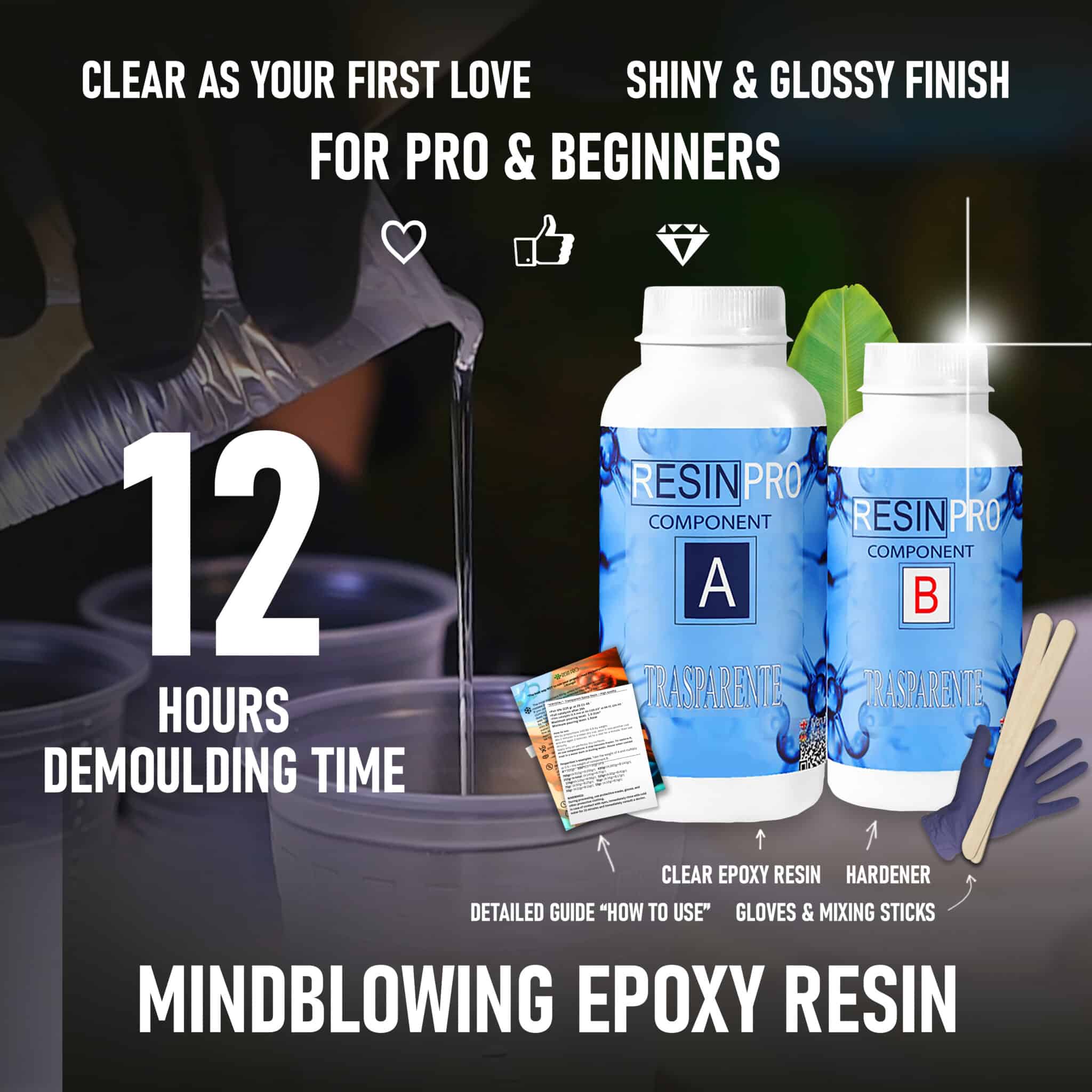

Preserving insects in resin allows you to capture the delicate detail of specimens for art, jewellery, teaching, or collection. This guide outlines how to safely and effectively place insects under resin, ensuring clarity and durability for any project, whether you are a beginner or experienced crafter.
What You’ll Need
- “Icrystal” – Clear Epoxy Resin – Odourless Formula – Up to 1.5cm: A great choice for embedding small insects and for layers with excellent clarity and odourless mixing.
- “Trasparente” – Multipurpose Clear Epoxy Resin for Casting – Up to 2cm: Ideal for slightly thicker pieces where a highly clear finish is important.
- “EpoxyTable 5-Five” – Deep Pour Epoxy Resin for Tables and Large Projects – Up to 5cm: Best for very large castings or deep segments.
- Protective gloves and dust mask
- Disposable mixing containers and sticks
- Silicone mould suitable for your project
- Completely dried insect specimens
- Optional: Tweezers, alcohol, a soft brush, and a toothpick for positioning
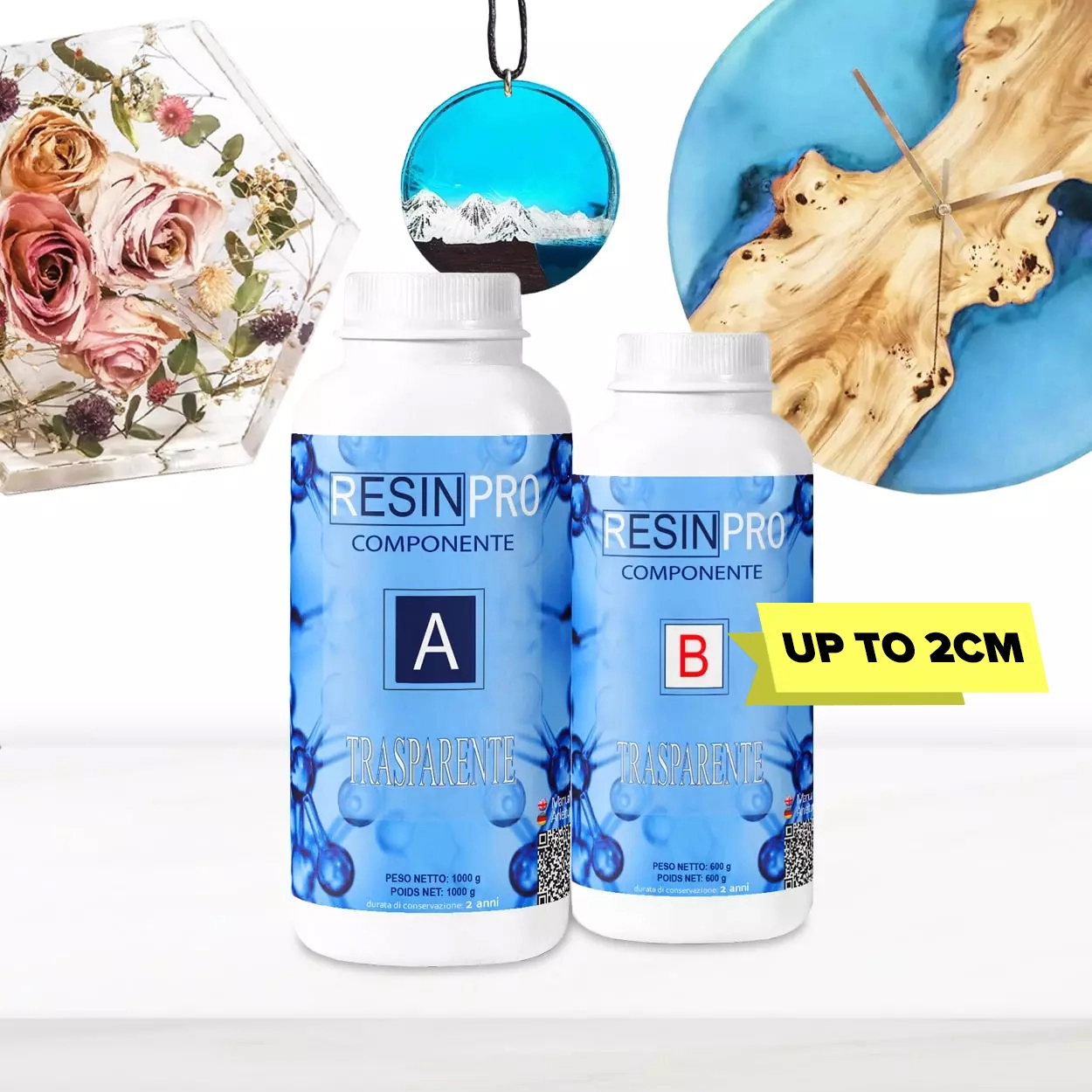
Visual Examples of Insect Preservation in Resin
See how embedded insects retain vivid details when encapsulated in transparent epoxy resin. Layering thin, clear pours ensures clarity and emphasises the delicate anatomy of each specimen.
Step 1: Prepare and Dry the Insects
Start by ensuring your insects are completely dried. Any moisture trapped inside can cause cloudiness or decay over time. Gently clean the specimen with a soft brush to remove dust or debris. You may use alcohol to assist in drying or reduce the risk of surface oils disrupting the resin. Let the insect air dry fully—this may take several days depending on size.
If the insect is fragile or has delicate wings or legs, consider briefly dipping it in a thin resin layer to ‘prime’ the surface. This step helps to seal small parts and lock the natural colour in place.
Step 2: Mix the Resin Carefully
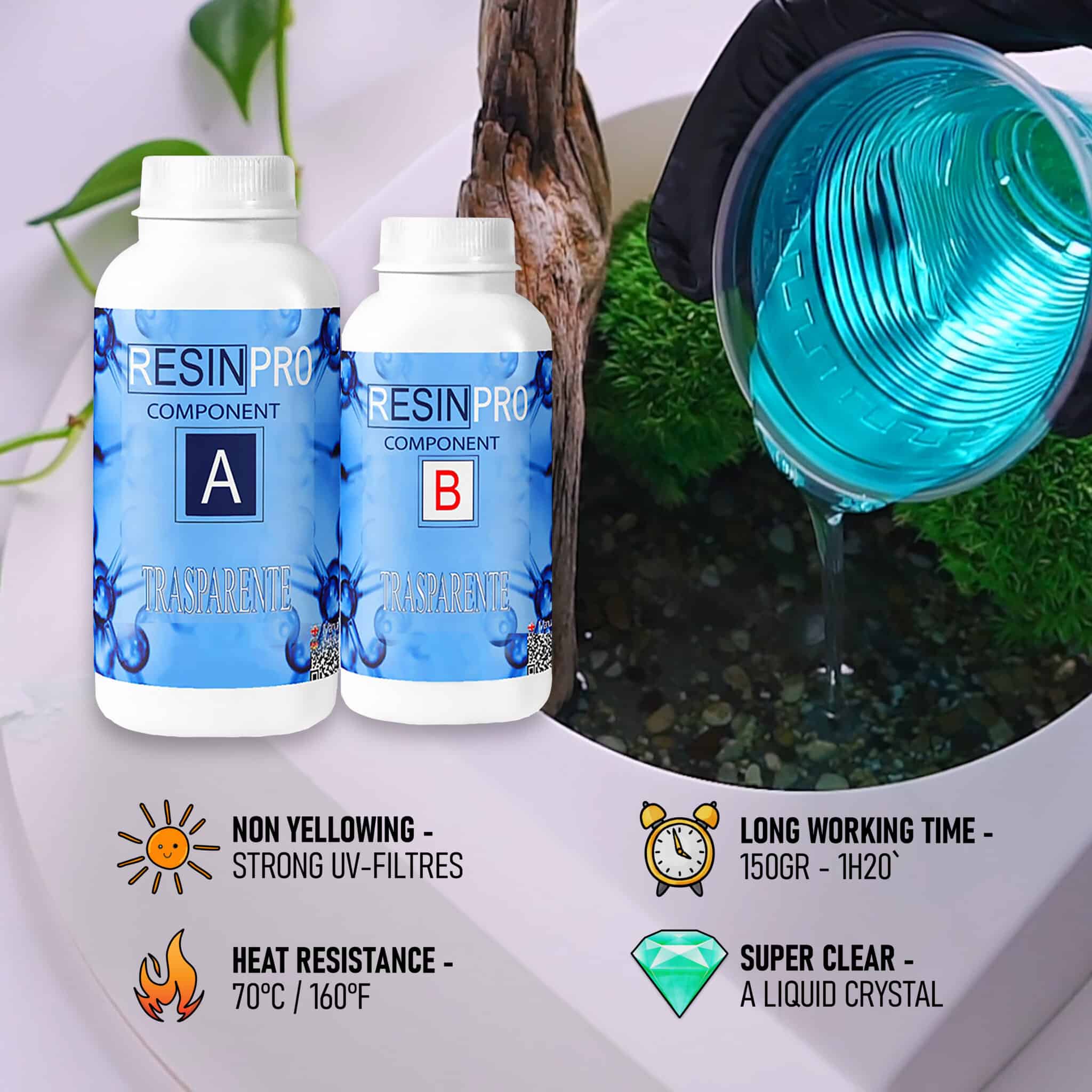
Select a clear epoxy resin suitable for your intended project thickness. If embedding small insects or making jewellery, a product like “Icrystal” – Clear Epoxy Resin – Odourless Formula – Up to 1.5cm is recommended for up to 1.5cm layers. For thicker objects, consider “Trasparente” – Multipurpose Clear Epoxy Resin (up to 2cm per pour) or “EpoxyTable 5-Five” – Deep Pour Epoxy Resin for up to 5cm.
Follow the manufacturer’s instructions for the correct resin-to-hardener ratio. Mix the ingredients slowly and thoroughly in a clean disposable cup, scraping the sides and bottom to ensure a consistent blend. Take care not to whip air into the mixture as bubbles can distort your finished piece.
Step 3: Pour First Resin Layer and Position the Insect
Pour a thin clamp layer of resin into the bottom of your silicone mould—just enough to cover the base. Allow this first layer to partially cure if you want the insect to appear ‘suspended’ rather than sitting directly against the bottom.
Using tweezers, gently position your dried insect on the first layer. Take time to adjust its orientation with a toothpick while the resin remains workable. Ensure all limbs and wings are arranged as desired, since changes cannot be made after curing.
Step 4: Encapsulate the Specimen
Once the insect is in place and the base layer has gelled slightly, pour additional resin in thin layers, not exceeding the recommended pour depth for your resin (e.g., 1.5cm for Icrystal or 2cm for Trasparente). Allow each layer to fully cure according to product guidelines before adding the next. This layering prevents overheating and bubbles, especially in projects with higher total thickness.
If using “EpoxyTable 5-Five” – Deep Pour Epoxy Resin, single pours up to 5cm can be achieved, but multiple layers are still advisable for temperature-sensitive items.
Step 5: Demould and Finish
After the final layer is fully cured, carefully remove your cast from the mould. Minor surface imperfections (such as sharp edges or small bubbles) can be sanded smooth with fine abrasive paper or polished for extra clarity. Wash finished pieces gently and store them away from prolonged sunlight to prevent yellowing over time.
Tips, Troubleshooting, and Common Mistakes
- Choose a clear, UV-protected resin for the best visual outcome. UV filters prevent the piece from yellowing.
- Work in layers for thicker specimens to avoid overheating which can cause warping or unwanted bubbles.
- Ensure insects are fully dried and sealed before embedding to prevent mould or discolouration.
- Mix resin slowly to minimise bubbles that may become trapped around delicate body parts.
- Allow each layer to cure properly before adding the next for highest clarity and strength.
Finishing Touches for Professional Results
After demoulding, gently sand any sharp edges and polish the resin surface for a glass-like shine. Store your pieces away from direct sunlight to maintain the resin’s original clarity and protect the insects inside.

- "Trasparente" – Multipurpose Clear Epoxy Resin for Casting – Up to 2cmPrice range: £8.45 through £948.85"Trasparente" is a clear epoxy resin suitable for crafts and woodworking projects with up to 2cm pour depth under the theme How to put insects under…
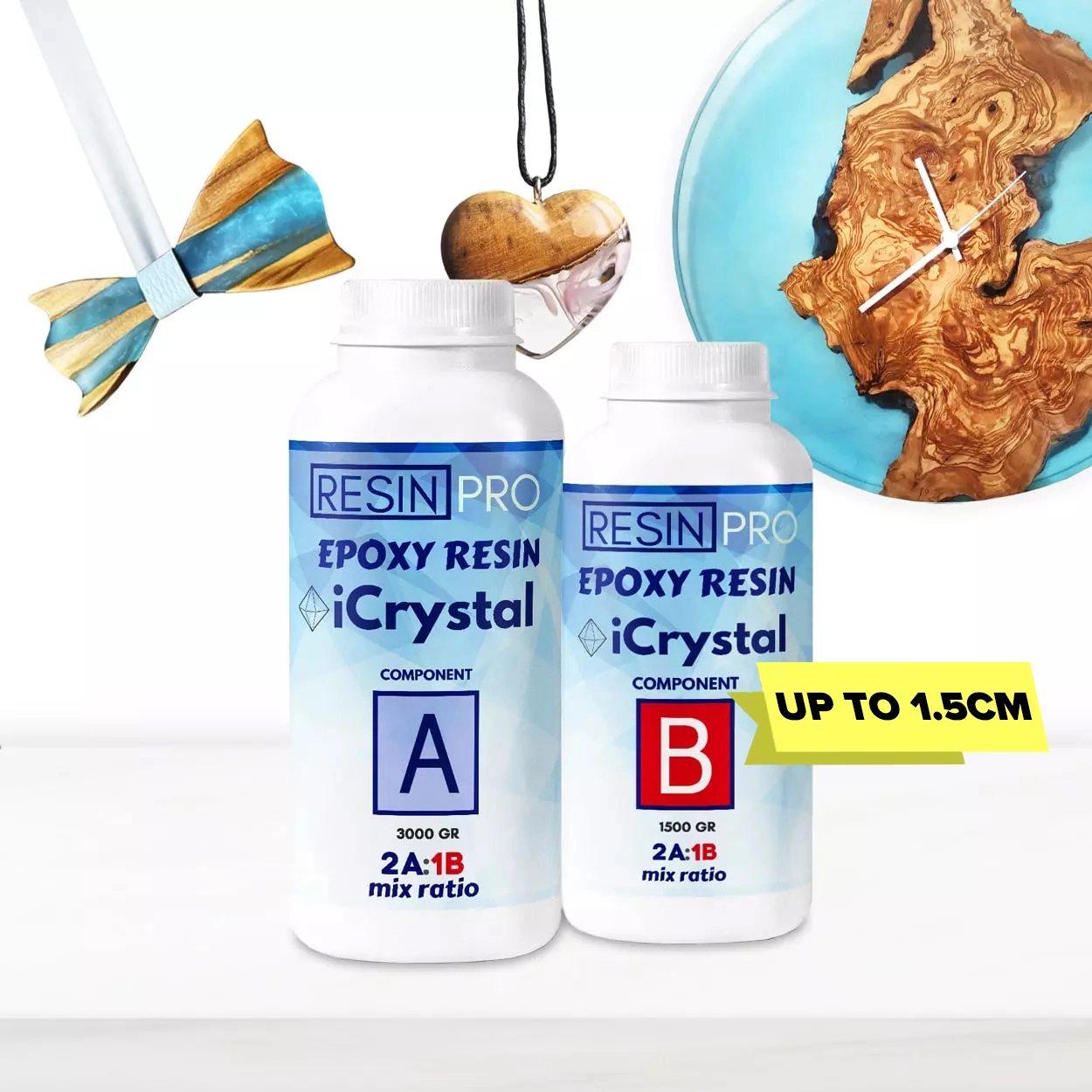 "Icrystal" – Clear Epoxy Resin – Odourless Formula – Up to 1.5cmPrice range: £11.65 through £954.85Clear epoxy resin offering good transparency and odourless formula, suitable for various crafts and artistic projects within the resin theme.
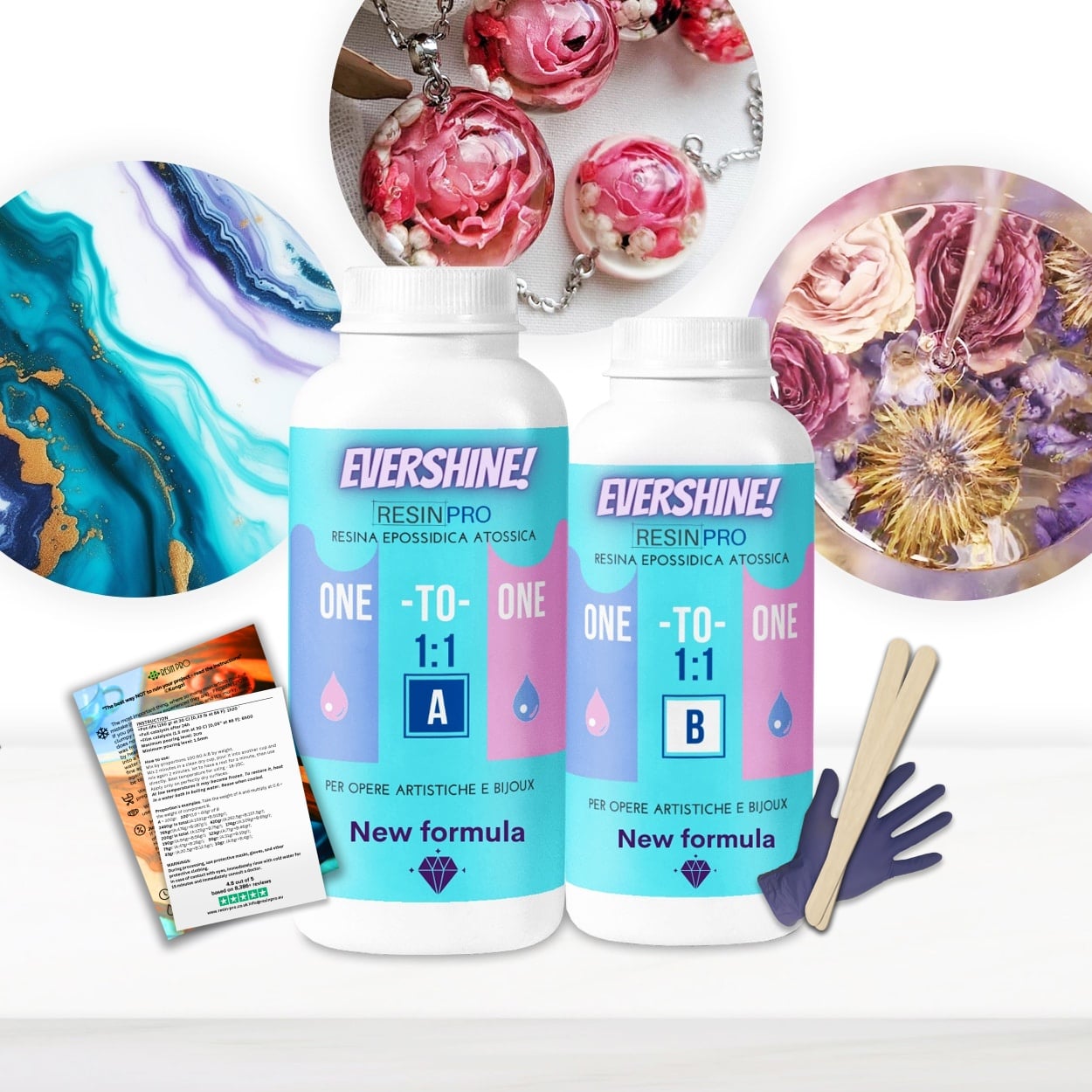 "One-2-One" – Epoxy Resin for Handcraft, 1:1 Mixing RatioPrice range: £14.85 through £56.85"One-2-One" epoxy resin offers a medium viscosity and easy 1:1 mixing, suitable for clear, safe crafting in insect encapsulation projects.
 "EpoxyTable 5-Five" – Deep Pour Epoxy Resin for Tables and Large Projects – Up to 5cmPrice range: £16.85 through £1,099.85"EpoxyTable 5-Five" is a deep pour epoxy resin designed for tables and large projects, suitable for embedding and coating with long working time.
Frequently Asked Questions
Which resin should I use to put insects under resin?
Choose a transparent epoxy resin rated for your intended pour depth. For small pieces, a 1.5–2cm resin works well. Use a deep pour resin for thicker projects.
How do I prevent bubbles when embedding insects in resin?
Mix slowly, pour in thin layers, and allow each layer to cure before adding the next. Position the insect carefully to avoid trapped air.
Should insects be treated or dried before embedding in resin?
Yes, insects should be completely dried and gently cleaned to avoid moisture or debris affecting the final result.
How thick can I embed insects in resin in a single pour?
Always follow the product limits: up to 1.5cm for Icrystal, 2cm for Trasparente, and 5cm for deep-pour resins.
What type of mould is best for insect resin preservation?
Silicone moulds are preferred as they allow easy removal and come in many shapes for creative projects.
How can I polish or finish resin pieces with insects inside?
Sand edges with fine abrasive and polish the surface for clarity. Avoid harsh chemicals to preserve both resin and specimen.