 Free shipping on orders over £29,85
  Shipping Tracking!


 Google
 Facebook
← Back to Which resin is best for static model making?
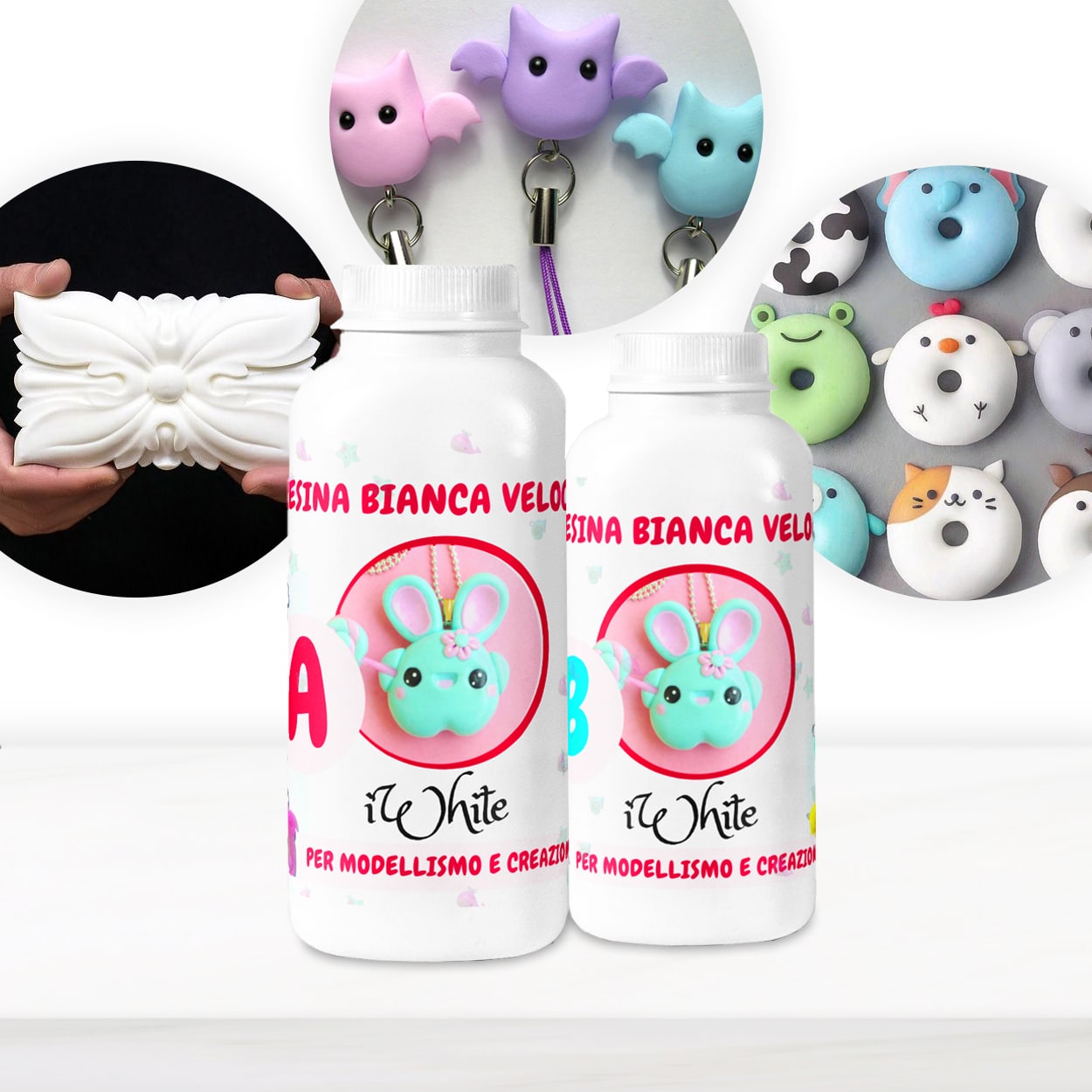
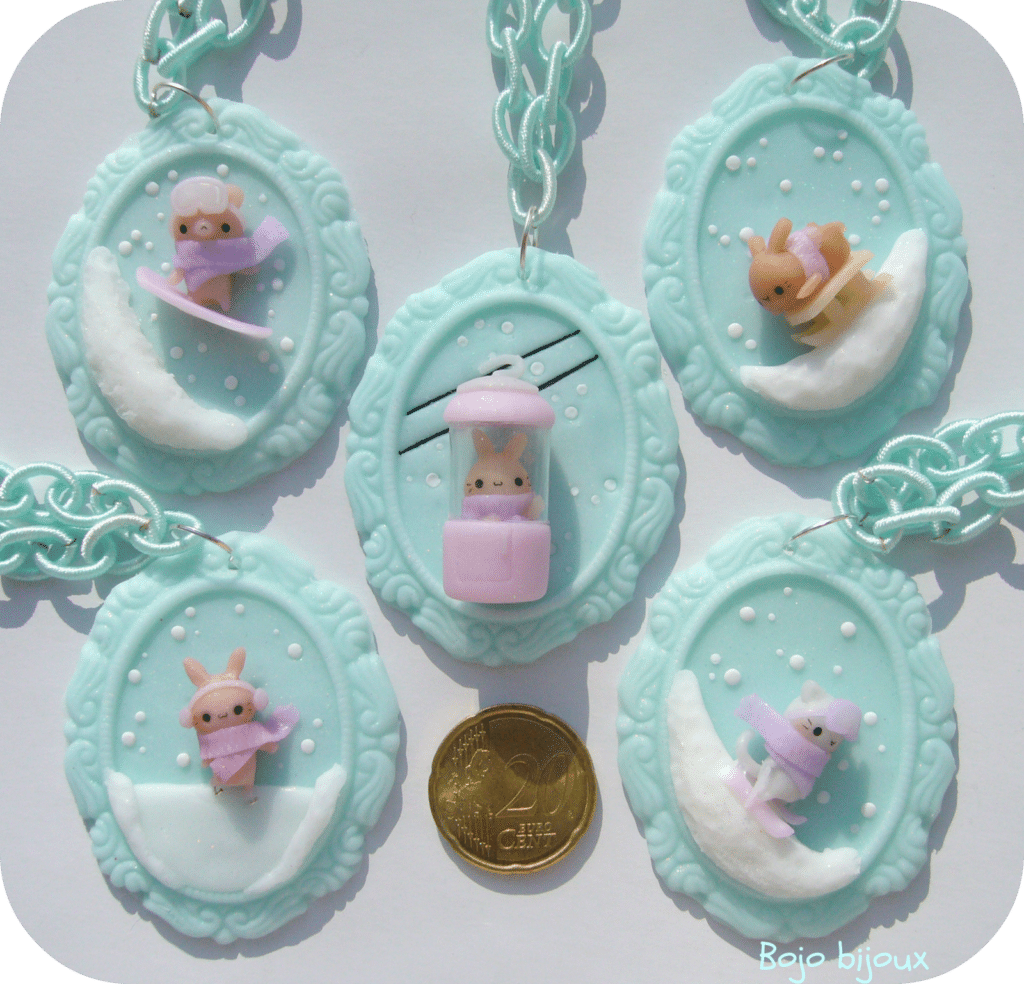
When selecting resin for static model making, understanding working times, viscosity, mixing ratios, and post-cure characteristics is essential for precise and efficient results. These properties determine how the resin behaves during casting and how your finished piece will look and feel.
Working Times & Curing Behaviour
Resins vary significantly in terms of working times—the open window to mix, pour, and position your resin before it begins to set. Fast-curing polyurethanes such as Polyform generally offer pot lives of just 5 minutes and can be demoulded after 30 minutes, making them ideal for rapid production or small batch casting. Slower-setting epoxies, by contrast, allow more time for adjustment, which is helpful for complex assemblies or when working at a relaxed pace. Always plan ahead and work within the specified time frame—cooler room temperatures may slow curing, while warmth will accelerate it.

Viscosity & Detail Reproduction
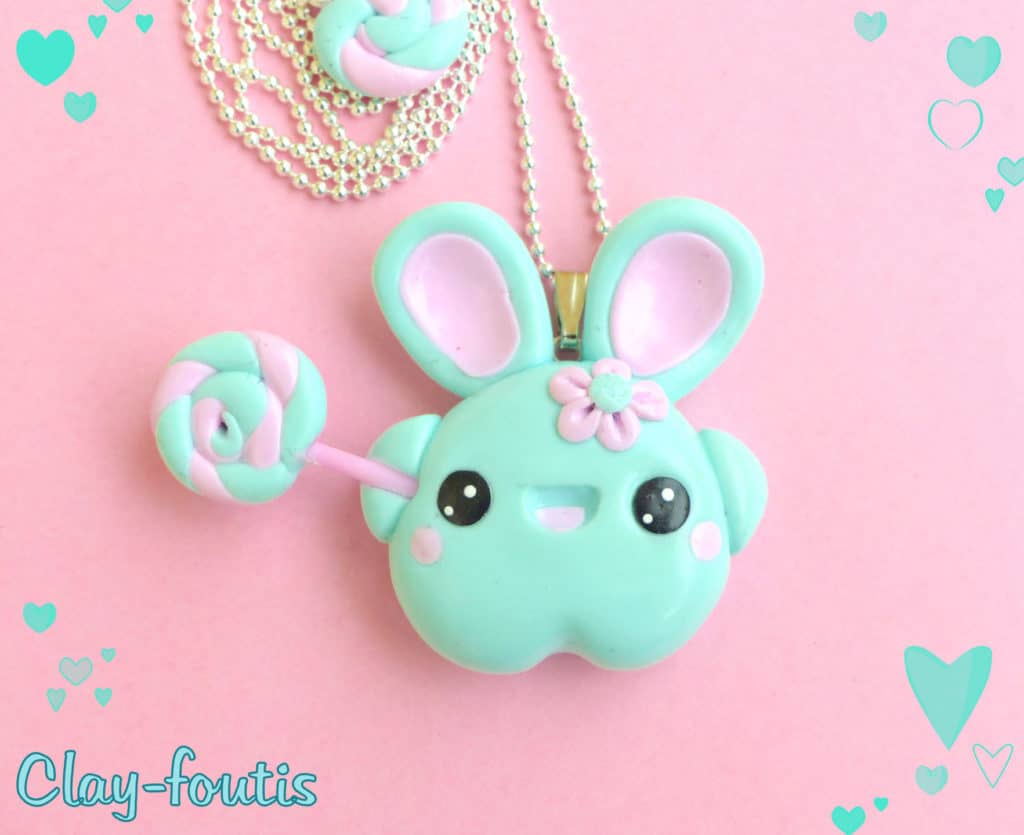
Viscosity refers to the thickness or flow characteristics of a resin. For static models requiring sharp details and fine textures, a highly fluid, low-viscosity resin is preferred. For instance, IWhite Polyurethane Casting Resin offers high fluidity, ensuring that it quickly fills intricate moulds with minimal risk of trapped bubbles, enabling accurate reproduction of details. Medium-viscosity epoxies like “One-2-One” are better suited for decorative coatings or surface work where more control is needed.
Mix Ratios & Post-Cure Properties
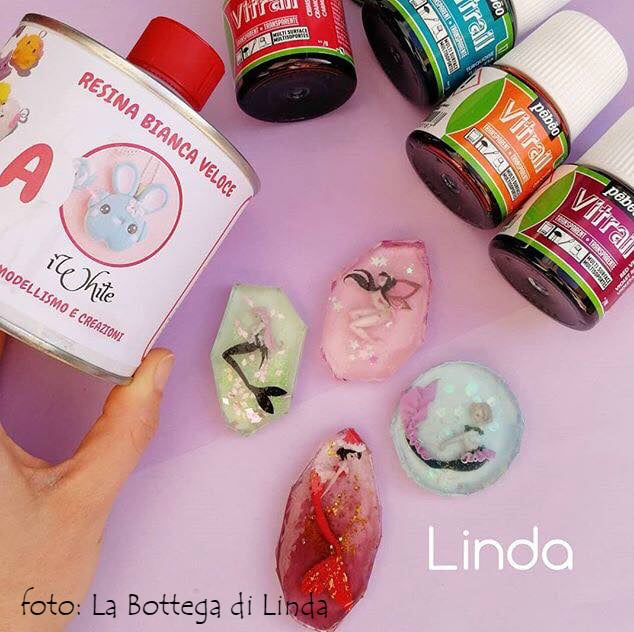
Each resin system specifies a precise mixing ratio for optimal performance—by weight or by volume. Polyurethane resins often require ratios such as 90:100 or 100:50 (by weight), while some epoxies provide easy 1:1 volumetric mixing for user-friendliness. Accurate mixing is vital for proper curing and finished strength. After demoulding, most resins achieve full mechanical strength and durability with a short post-cure period. Some may also be colourable and paintable after curing, allowing further customisation of your model.
When This Matters
These technical properties matter most when you’re aiming for speed, high detail, or reliability—especially in iterative prototyping or detailed miniature casting. Understanding these attributes also helps minimise common pitfalls like bubbles, soft spots, or misaligned elements in your finished models.
Related products
Related guides
Choosing the right resin for your static models depends on your need for speed, detail, and ease of use. For a deeper dive into which resin suits your specific project, see our main guide on which resin is best for static model making.