 Free shipping on orders over £29.85
 Shipping Tracking!


 Google
 Facebook


Dissolving adhesives with controlled evaporation
To dissolve adhesives with controlled evaporation, it is necessary to follow specific steps. First, apply heat in a controlled manner to promote the evaporation of the solvent present in the adhesive. This process allows for the separation of the adhesive from the materials it was applied to. It is important to pay attention to the temperature and ventilation of the environment to avoid risks. Additionally, it is advisable to use appropriate tools such as stoves or hairdryers to ensure a uniform and safe evaporation. Finally, once the evaporation is complete, the residual adhesive can be easily removed. Always remember to follow safety procedures when handling solvents and flammable materials.
How to dissolve epoxy resin
To dissolve epoxy resin, it is essential to carefully follow some steps. First of all, heat the epoxy in a pot of hot water until it becomes liquid. Make sure to mix constantly to avoid the formation of lumps. Alternatively, you can use a hair dryer to heat the resin directly on the surface evenly. Remember to work in a well-ventilated area and wear protective gloves. Once the resin is completely liquid, you can carefully remove it using absorbent paper or a microfiber cloth. Always pay attention to the times and temperatures to avoid damaging the treated surface.
Using resin pigments
Using resin pigments is a common practice in the DIY and crafting industry. Pigments are coloring substances in powder or liquid form that are added to the resin before catalyzation to give it the desired color. It is important to accurately measure the pigments to achieve uniform and vibrant shades. It is recommended to thoroughly mix the pigment with the resin, avoiding lumps or streaks. Experimenting with different amounts of pigment is possible to create custom shades. Always remember to follow the manufacturer's instructions for both the resin and pigments to achieve optimal results.
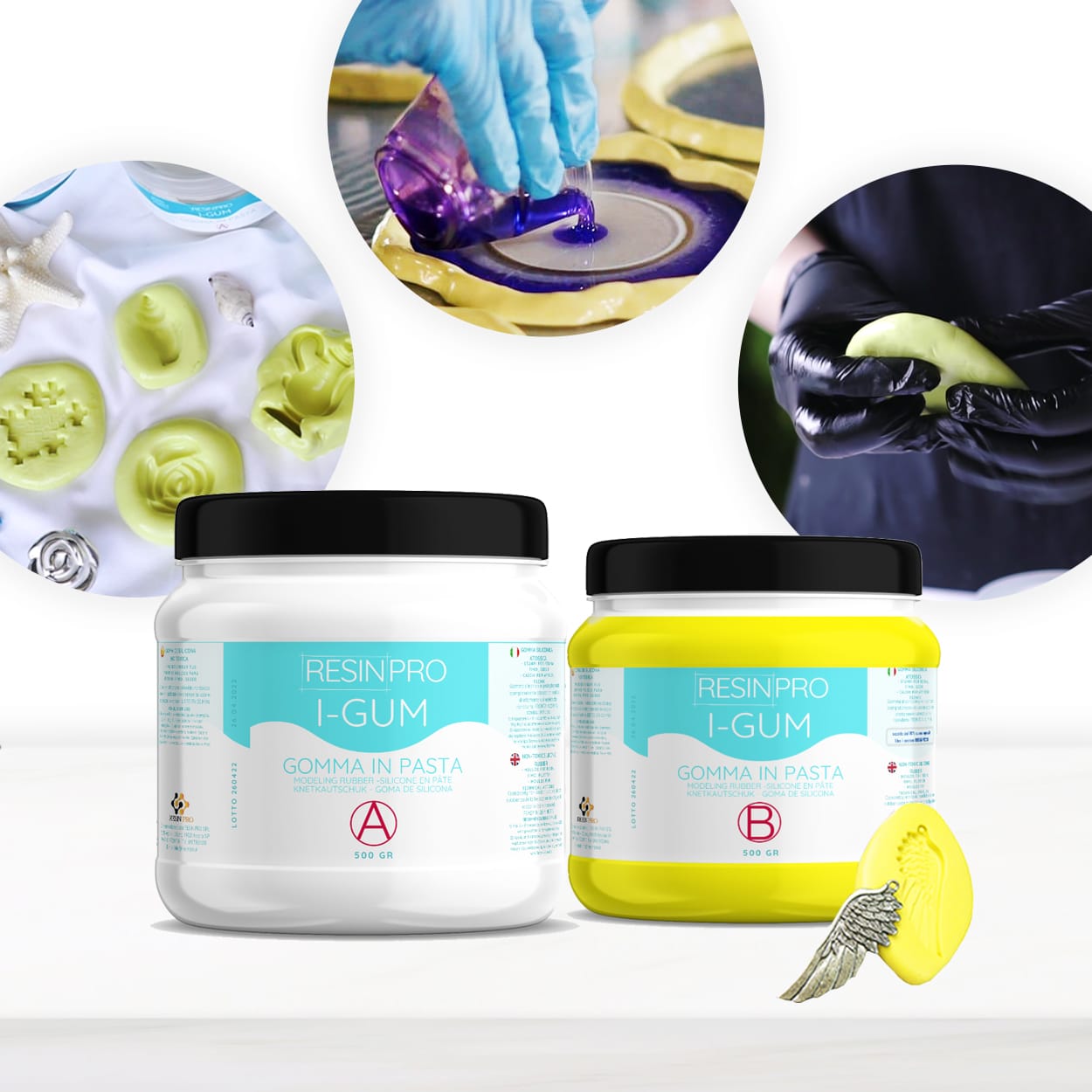
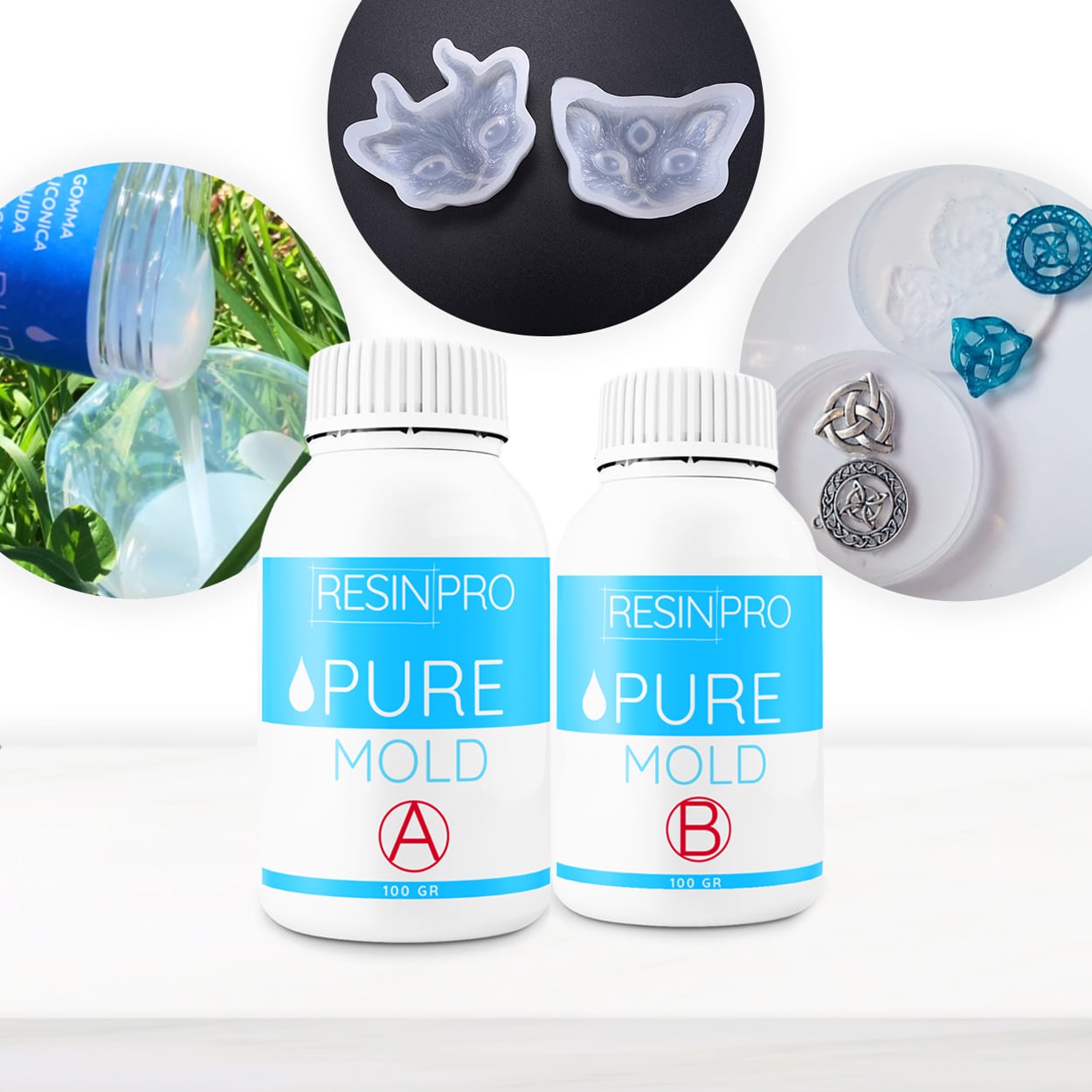
Creating silicone molds
Creating silicone molds is a common process in the DIY and crafting sector. To make a silicone mold, it is necessary to follow some fundamental steps:
- Prepare the model to be replicated.
- Apply a primer to the model to facilitate mold release.
- Thoroughly mix the silicone resin and pour it onto the model.
- Allow the silicone to dry for the necessary time.
- Once the mold is completely cured, it can be gently removed from the model. The resulting silicone mold will be flexible, durable, and ideal for creating detailed replicas of the original model.
ResinPro: one supplier for all your needs
15 years of experience at your complete disposal, supplying resins and accessories for creativity, industry, DIY, flooring and marine applications.
At your home, directly from the manufacturer!
ResinPro is the direct manufacturer of our resin range for companies and hobbyists, guaranteeing the lowest prices on the market.
Learn more


The widest range of resins in the UK!
We offer resins for every need, from artistic creations to marine and construction applications, far beyond the “limited” selection typically found in local DIY stores.


Expert technical support!
Our technicians provide free remote consulting to help you avoid mistakes and ensure you achieve the result you want — unlike “generic retailers” who sell 1,000 different products.
get a free consultationRESIN PRO is a leader in resin production and distribution!
24-hour delivery: We ship across the UK on the same day. Enjoy convenient home delivery with our appointment service—our courier will contact you in advance and deliver the package to your preferred location, or leave it at an alternative address of your choice.


Full support!
We provide continuous support from preparation to final application, including remote technical assistance, ensuring a smooth experience.
Talk with a specialist and place a phone order without registration and without credit cards!


