 Free shipping on orders over £29,85
 Shipping Tracking!



 Google
 Facebook






On sale
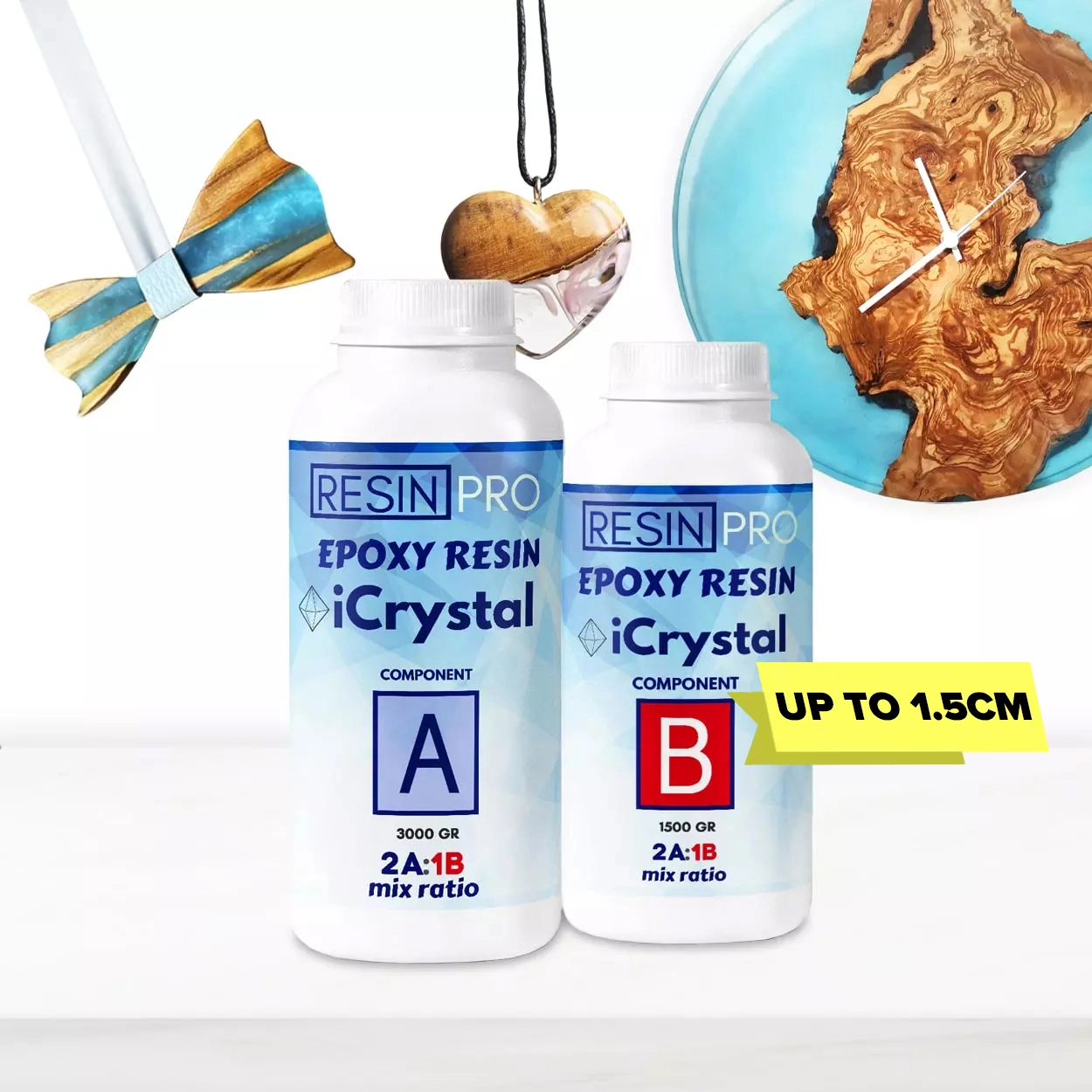
“Icrystal” – Clear Epoxy Resin – Odourless Formula – Up to 1.5cm
 Available, ready for shipping
This product is currently out of stock. Enter your email to be notified when it becomes available again:
 Order now to receive your product between Tuesday 13 October and Wednesday 14 October.
 Shipping from £1.97 - Free for orders over £29.85
£12.45 – £1,002.95Price range: £12.45 through £1,002.95Earn up to 1,003 resin-coins.
Sun, 11. Oct
Ordered
Sun, 11. Oct - Mon, 12. Oct
Order Shipped
Mon, 12. Oct - Tue, 13. Oct
Estimated delivery
Resin flow calculation
Typical consumption: ~1.6 kg/m² for ≥1.5 mm.
"ICrystal" - Transparent Epoxy Resin. High quality by good price + gloves & detailed instruction for FREE.
The most convenient offer for the product you are interested in:
✔️ Perfect transparency -> A true liquid crystal
✔️ High scratch resistance -> Ideal for tables!
✔️ UV filter for protection against yellowing -> 10 years warranty.
✔️ Heat Resistance (Up to 70°C)
✔️ Easy to use -> 2:1 mixing ratio
✔️ Odourless
✔️ 1,5сm layer per application
🌿 Cruelty Free, Vegan Friendly🐹
Description
Description
💥 Bestseller for:
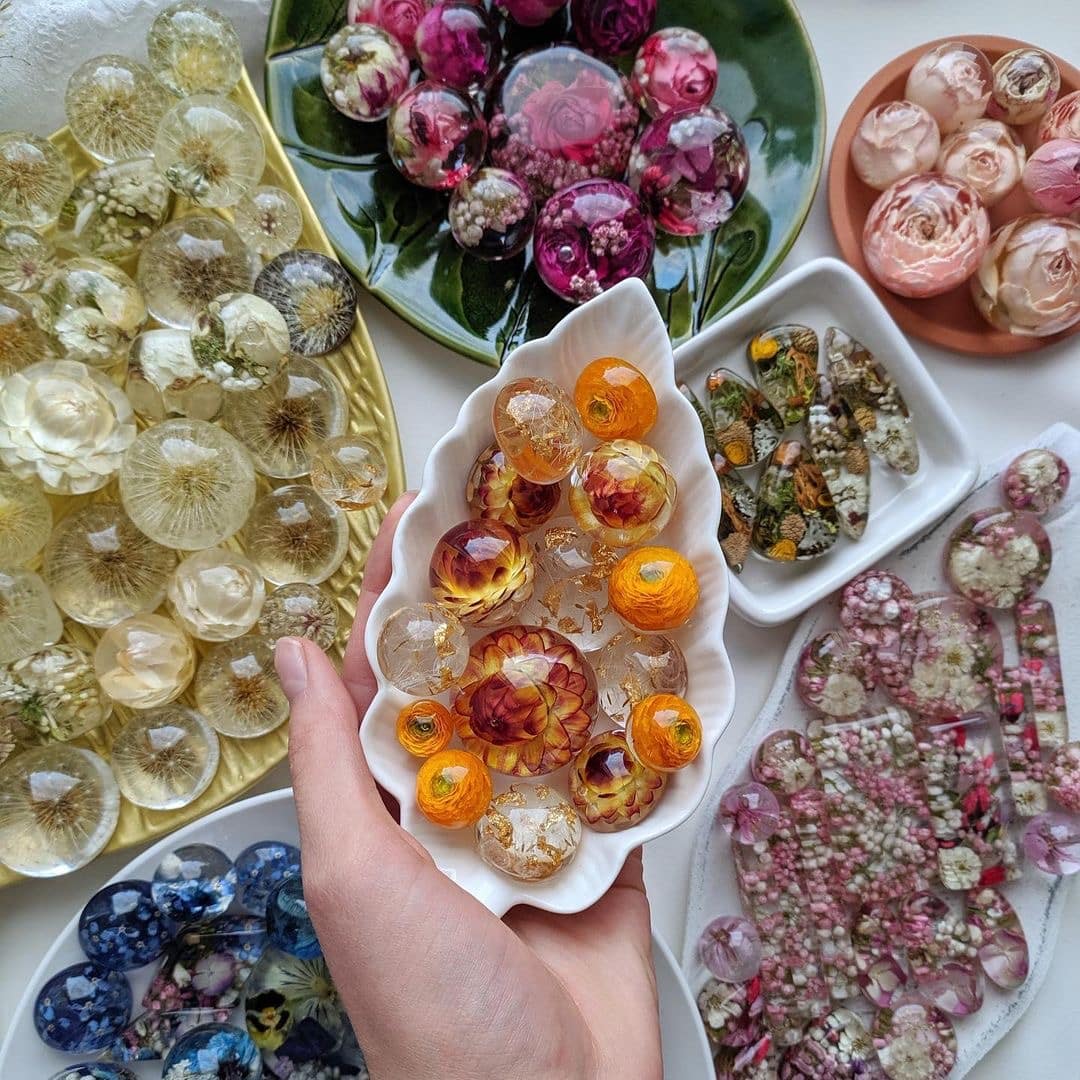
–Wood-working: Coating, Countertops and Tables, Works of art;
–Restoration or surface coating: Wood, Concrete, Ceramics, Canvas, Glass fiber);
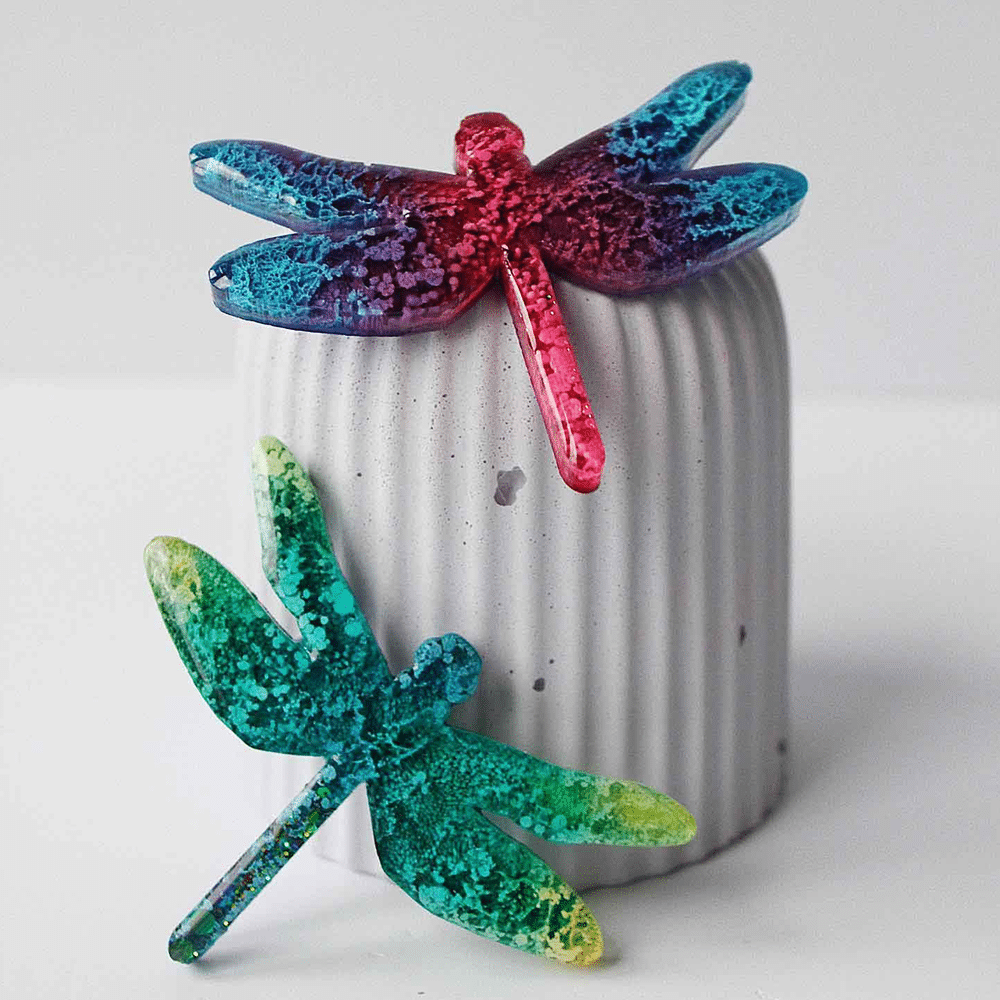
–DIY: Jewellery making, and Dynamic modelling.
💥About “iCrystal ” – Transparent Epoxy Resin:
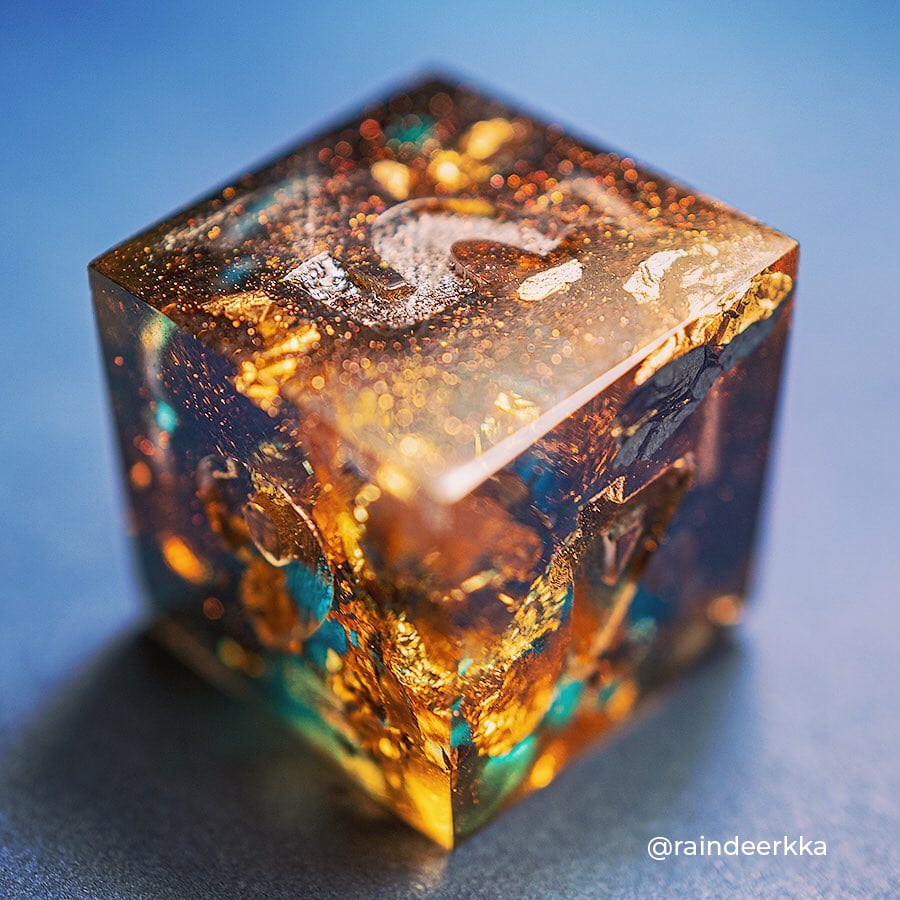
Our iCrystal Transparent Epoxy Resin is a premium quality, multipurpose resin that is a popular choice for customers looking to create stunning art pieces, jewellery, countertops, and DIY projects. The new formula is specifically designed to provide maximum transparency, allowing you to create unique and beautiful pieces that will last for a long time. It is easy to use and can be mixed with a variety of pigments to create an endless range of works.
iCrystal Transparent Epoxy Resin is safe and non-toxic, making it a great option for artists who are environmentally conscious. It is odourless, VOC-free, making it comfortable to use indoors. Although our epoxy resin is safe to use, we recommend taking proper safety precautions when working with any type of resin. It is important to wear gloves and masks and work in a well-ventilated area to avoid any potential irritation or allergic reactions.
This Epoxy Resin is self-levelling and has a high-gloss finish, providing a smooth and professional look to your creations. It is also extremely durable, providing a super solid and shiny surface after full curing time. iCrystal epoxy resin can be used on a variety of surfaces, including wood, stone, ceramics, and more. It is perfect for creating unique and stunning pieces that are sure to impress. Plus, with its long shelf life, you can store it for future projects.
Choose iCrystal Transparent Epoxy Resin for a safe, high-quality, and versatile option for all your creative needs.
💥Key features:
⚙️ CRYSTAL CLEAR EPOXY RESIN:
-The clear epoxy resin is suitable for both beginners and professionals. Start making jewellery, paintings, and any professional creation that involves the use of resin.
🧪 HIGH QUALITY:
-Crystal clear, No bubbles, Odourless – because of unique formula for DIY, craft and artistic creations. Ideal for casting and embedding objects too. Compatible with silicone, wood, fabric, glass, paper or photographs. Fast completed curing time – 24 h, Demould time is only 10 hours.
💧 EASY TO USE:
-The 100:50 mixing ratio makes this product very easy to use. Being a two-component resin, simply mix RESIN A + HARDENER B in the ratio indicated above the package and let it harden without the need for further additives. Can be coloured as desired.
🌿 SAFE AND CERTIFIED:
-All our resins are Certified Non-Toxic, Solvent-free, non-flammable, and totally safe.
📞 FREE PROFESSIONAL ASSISTANCE SERVICE:
-Since we are directly a manufacturer, we have access to a professional laboratory that will happily help you with any complex project.
🇬🇧 UK BASED TRUSTED COMPANY:
-RESIN-PRO team fulfils your order as fast as possible. We produce and realise epoxy resins since 2015. Just check our social media, where you will find thousands of projects made with our products around the world.
💥Suitable for:
-DIY, Wood-working & Model making;
-Coatings of furniture and surfaces;
-Artistic creations (paintings, liquid art, petri dish); Jewellery and fashion;
-Outdoor Protective Coatings;
-Boat construction;
-Impregnation of technical fabrics (glass fiber, carbon fiber, etc);
Check and tag our social media for inspiration! We are always happy to publish your art-work –
Get inspired by creative works
Useful articles
Resin Storage Solutions
100 articles ▸
- How to create with resin?
- How do you make resin concrete?
- How do you make resin?
- how to do resin work
- How do you make a resin casting?
- How to make a resin shower?
- How do you use bodywork resin?
- how to create a resin coating
- how to make a resin countertop
- How do you make resin objects?
- How to make a resin panel?
- How to make homemade resin
- What can be done with resin?
- How to Make Clear Resin
- How to Make a Multi-Purpose Resin Court?
- How do you engrave resin?
- How do you polish resin creations?
- How do you make a resin ball?
- How do you resin a gadget?
- How do you work crystal resin?
- How to make resin statues?
- How to make scuff resin?
- How to Make Cement Resin
- How to Put Phrases in Resin?
- How do you resin a camper?
- How to create a decorative resin panel?
- How to make resin figurines?
- How to embed writing in resin?
- How do you apply resin to make a statue?
- How do you make a resin bust?
- How to glue resin pieces together
- how to work with resin sheet video
- How to Make Clear Resin Vases
- How to make shaker resin
- How to join plastic with resin?
- How to use the resin parts of plastic models?
- How to make cameos with resin?
- How to make resin hash
- How to work with synthetic resins
- How to make a small box with resin?
- How to make a resin sphere?
- how to create the cell effect in resins
- How to Get Perfect Spheres with Resin?
- How to create with Erika resin book?
- How do you use anchoring resin on the bars?
- how to glue two resin objects together
- how to make resin creations by Lady Giorgia
- how to do it with resin
- How to work with resin?
- How do you work with resin?
- What to do with resin?
- how to make resin
- How to make resin for filling cracks?
- How do you put things under resin?
- how to make repairs with resin
- How do you make objects with resin?
- How do you pour resin?
- How to make resin creations?
- How do you make resin cement?
- How to make a resin sculpture?
- How do you make a resin sink?
- How do you start working with resin?
- How to make artificial resin
- How to drill resin?
- How to use liquid resin?
- How to make transparent resin?
- How to build a resin landscape?
- How do you make crafts with resin?
- How to store resin?
- How do you make a resin staircase?
- How do you make a DIY resin pour?
- How to make resin objects
- how to make resin sculptures
- How to make a resin shower tray?
- How to make a resin handle
- how to make resin stone
- How to make resin at home?
- How to create the wave effect with resin?
- how to make writing in resin
- How do you make resin to use with wood?
- How to create a sculpture with resin?
- How to make spray resin
- How do you work with resin for a sink countertop?
- What Do You Need to Work With Resin?
- how do you work with liquid resin?
- How to make gede with resin?
- How to make a frame for resin
- How to Make Stones Using Resin
- How do you make resin at home?
- How do you make a resin log?
- How to embed objects in clear resin?
- How do you make a hole in resin?
- What do you need to make resin creations?
- how to make boat resin
- How is liquid resin worked?
- How do you build a resin sand pool?
- How do you glue resin pieces together?
- How do you glue a resin model?
- How do you pour resin into wood?
- How to Make a Resin Bath
Applying Epoxy Resin Methods
100 articles ▸
- How do you apply epoxy resin?
- How do you paint epoxy resin?
- How do I create a marbled effect using epoxy resin for my DIY projects?
- how to use epoxy resin
- How do you pour epoxy resin?
- What to Do with Epoxy Resin?
- How to apply epoxy resin with a trowel?
- How do I repair or prepare the surface for a new epoxy resin pour?
- How is epoxy resin applied?
- how to make objects with epoxy resin
- How to apply marine epoxy resin?
- What are the best techniques for applying epoxy resin to small or intricate surfaces, such as jewellery or figurines?
- How to create a sea wave effect with epoxy resin?
- How to achieve a Petri Dish effect with epoxy resin?
- How to apply epoxy resin on a helmet?
- how to make an epoxy resin lamp
- How do you make self-leveling epoxy resin?
- How to anchor rebar with epoxy resins?
- How do you fiberglass a boat?
- How to prepare for epoxy resin?
- How to build with epoxy resin?
- How do you make epoxy resin?
- How to drill epoxy resin?
- How to encapsulate writing with epoxy resin?
- How do you glue epoxy resin?
- What to buy to create with epoxy resin?
- How to use epoxy?
- How to create crystals with epoxy resin?
- How to apply epoxy resin on fibreglass?
- How to spray epoxy resin?
- How to get a marble effect with epoxy resin?
- How do you pour epoxy resin over a flower?
- how to shape epoxy resin
- How do you apply epoxy resin to furniture?
- How to apply additional layers to epoxy resin?
- how to drill dry epoxy resin
- How to apply epoxy resin on glass?
- How do you apply epoxy resin to wood?
- How to Make Epoxy Resin at Home
- How do you pour self-leveling epoxy resin?
- How do you glue two epoxy resin pieces together?
- How to apply epoxy resin on wood with a roller?
- How do you apply epoxy resin on iron?
- how to glue two epoxy resin pieces together
- How do you make epoxy adhesive?
- How to prepare epoxy resin on a speargun?
- How to apply epoxy resin on iron?
- How to create sea foam effects with epoxy resin?
- how to make an epoxy gelcoat
- How do you spread epoxy paint?
- How to epoxy coat wood?
- How do you apply epoxy resin to a speargun?
- How do you apply an epoxy vapor barrier?
- How are epoxies prepared?
- How to apply epoxy putty?
- How do you finish the floor with two-component epoxy putty?
- How do you use epoxy putty?
- How to grout the floor with epoxy putty?
- How to apply primer for epoxy paint?
- How to paint a armored door panel with epoxy paints?
- How to use epoxy glue gun?
- How to make DIY epoxy resin?
- How do you prepare epoxy resin?
- how to decorate with epoxy resin
- How to Work with Epoxy Resin
- How to make an epoxy resin kitchen countertop?
- How to apply epoxy resin on concrete?
- What are the best practices for using epoxy resin on wood or concrete floors?
- how to glue epoxy resin
- How to apply epoxy resin to a windscreen?
- How to apply epoxy resin on wood?
- How do you apply two-component epoxy resin?
- How do you anchor rebar with epoxy resins?
- How to Make Epoxy Glue for Automotive Glass?
- How do you apply epoxy putty?
- How do you apply self-leveling epoxy?
- How do you make an epoxy resin pour?
- How to apply epoxy resin?
- How to Make Epoxy Resin
- How do you crumble epoxy resin?
- How to apply epoxy resin with a brush?
- How do you join two pieces of epoxy resin?
- how to glue wood to cured epoxy resin?
- How do you use fiberglass and epoxy glue?
- How do you glue epoxy polyester powder coating?
- How to Use Filling Epoxy Resin Tutorial?
- How Do You Spread Epoxy Resin?
- how to make epoxy resin shapes
- How do you apply epoxy resin to polystyrene?
- How do you repair a sink with epoxy resin?
- How do you apply epoxy primer?
- How to prepare two-component epoxy putty?
- How to glue polyester epoxy powder coating
- How to apply Caldart epoxy primer?
- How do you mix epoxy resin?
- What to Buy to Create with Epoxy Resin and Wood?
- How to use epoxy primers?
- How to use an epoxy glue caulking gun?
- How to encase objects in epoxy resin?
- How to use epoxy resin wiki how?
Resin Types and Uses
70 articles ▸
- What can I put instead of resin?
- Who installs resin?
- How good is Resin Pro resin?
- What can I encapsulate in resin?
- What is resin used for?
- What is made with resin?
- How is transparent resin used?
- Who sells transparent resin?
- What type of resin is used to make crafts?
- What do I get from resin?
- What was the resin used by?
- What are resins used for?
- Can I use resin for vertical applications?
- Who sells water-effect resin?
- What kind of material is resin?
- Differences Between Resins: Choose the Right Resin!
- What is the catalyst in resin used for?
- What is resin?
- Which resin is most suitable for jewellery?
- What is obtained from resin?
- Which resin model is best for creating seascapes?
- What is the resin base coat used for?
- What are resins?
- What is resin used for in welding?
- What materials does resin not adhere to?
- What resin can be used on polystyrene?
- Which resin should be used in junction boxes?
- What does the resin contain?
- How to buy from Nord Resine?
- What does polyester resin look like?
- Does the resin release toxic fumes?
- Which resin should be used for photovoltaic modules?
- What printer is needed for resin stickers?
- What is vinyl resin made of?
- What resin is used to terminate fibre optics?
- Who produces two-component resin in China?
- Who makes resin castings in Macerata?
- Which resin is suitable for AUO pockets?
- How is resin used?
- Which paints can be used to paint resin?
- What should a resin tray be glued with?
- How do you get wood resins?
- What material is resin?
- What resin should be used for jewellery?
- What type of resin is suitable for a kitchen?
- How are resin pellets made?
- What type of resin is used for artistic compositions?
- What causes resin?
- What drill hole should be made when using resins?
- What kind of material is resin for statues?
- What resin should be injected for delaminated boards?
- Which resins should be used to cover a canvas painted with acrylic paint?
- What resin does Games Workshop use?
- How is the resin frame of mirrors made?
- Which is more durable, plastic or resin?
- How do you recognize a resin watch?
- Who sells resin?
- How is resin made?
- What glue should be used for resin models?
- Which resin is used for a shower tray?
- What resin should be used for wood?
- What does resin mean?
- What glue should be used for resin?
- What surfaces does resin not stick to?
- What kind of resin is used for carbon?
- What is resin thickener used for?
- What resin is used for fibre optics?
- With resin?
- How is hemp resin obtained?
- What Is the Resin for Sinks Called?
Uses of Epoxy Resin
39 articles ▸
- What can I do with epoxy resin?
- How to choose epoxy resin?
- What can you do with epoxy resin?
- What types of prints should be used for epoxy resin?
- Who sells epoxy resin?
- Can I apply epoxy resin to a painted surface?
- What is transparent epoxy resin used for?
- What brand is the epoxy resin?
- What do you put on an epoxy paint?
- What is epoxy resin used for?
- Can epoxy resin be used for outdoor applications, and if so, what precautions should be taken?
- Can epoxy resin be used to repair a damaged fibreglass surface?
- How to distinguish polyester resin from epoxy resin?
- Epoxy resin’s resistance to temperature and abrasion?
- What are the differences between epoxy and polyurethane resin?
- What is epoxy paint used for?
- What maximum temperature does epoxy resin reach?
- Who sold epoxy resin in Avellino?
- What medications are taken for those allergic to epoxy resin?
- What is epoxy primer used for?
- What is epoxy putty used for?
- Who produces epoxy adhesives?
- What is an epoxy thinner?
- What does epoxy mean?
- Does epoxy resin adhere to silicone?
- What to take for epoxy and polyurethane resin allergy?
- How Do Epoxy Adhesives Work?
- What is epoxy glue used for?
- What is the temperature resistance of epoxy resin?
- What are epoxy adhesives?
- What doesn’t epoxy resin stick to?
- What is used as a release agent for epoxy resin?
- With anticorrosive epoxy resin primer minimum thickness 5 microns?
- What torch should be used for epoxy resin?
- What is epoxy putty for iron used for?
- What is epoxy filler used for?
- How is transparent epoxy resin for wood used?
- How is epoxy resin obtained?
- What does epoxy resin glue?
Epoxy Resin Casting
11 articles ▸
- Epoxy resin for thin casting
- Epoxy resin for thick casting & river tables
- Epoxy resin. Single or multiple pours?
- Epoxy resin for thin casting and final touch
- Epoxy resin for final touch
- epoxy resin, apply additional layers?
- Epoxy resin: tips for thick pours of two inches and beyond?
- Epoxy resin for thick casting
- Epoxy resin for thick casting
- Epoxy resin for final touch and thin casting
- What plaster should be applied on thixotropic epoxy resin?
Resin Extraction Techniques
100 articles ▸
- How to prepare the resin?
- How to resin flexible scratch?
- How to thicken resin?
- How to stop resin from sticking
- How to prevent resin from dripping from?
- How to repair a panel with resin?
- How do you polish sanded resin?
- How to achieve the same effect as two-component resin?
- How do you bleach resin?
- How to achieve glossy and compact resin?
- how to make resin dry faster
- How to prevent resin from leaking from the cut?
- How to repair a resin boat?
- How do you achieve a perfect mix between resin and hardener?
- How to use PU31 resin?
- Can I pour resin when it is very hot in the workshop?
- How do I mix resins from different suppliers?
- How to regenerate a resin sink?
- How do you catalyse cast synthetic resin?
- How can I speed up resin curing?
- With 100 g of UV resin?
- How much hardener should be used with penetrating resin?
- Can I remove bubbles if the resin has already hardened?
- How to copy a hood for resin?
- What do I do with 3 kg of Cores resin?
- How do you prepare rosin resin?
- At what temperature does resin dry?
- Why is the resin not catalyzing?
- How do I prepare exterior concrete for resin?
- At what temperature does resin catalyse?
- How to polish resin
- How do you harden resin?
- How to resin the tubs?
- How to keep resin from hardening?
- How to polish two-component resin
- How to Remove Resin?
- How to catalyse resin?
- How do you thin resin?
- How to polish resin without abrasive paste
- How to use grinder resin?
- How to paint polyester resin
- How to lighten resin?
- How to remove resin from molds?
- How do you polish crystal resin?
- How do you polish camper resin?
- How to polish ELLD resin?
- How to polish a resin bathtub?
- What to Do if the Split Resin?
- how to avoid bubbles in resin
- how to dose resin
- How to strengthen a resin boat?
- How to resin seal the locking joints?
- How do you dry UV resin?
- How to set resin percentages on domes
- How to use ipossidrics resin?
- How can you make water-based resin dry faster?
- How to combine resin and catalyst percentages?
- How to use resin and silicone oil?
- How to Avoid Bubbles in Brush-On Resin
- How to mix resin and calcium carbonate?
- What variables affect catalyst curing time?
- How Does Two-Component Resin Work?
- How do you stop a resin bag from leaking?
- How to repair a PVC resin object?
- How do you resin the keel bulb to the hull?
- How to extract resin from shredded material?
- How to use catalyst for polyester resin?
- How do you wash resin out of clothes?
- How to finish resin?
- How to prevent Resin B60 from clogging the syringe?
- How to copy an engine hood for resin on YouTube?
- How to resin carbon fiber?
- How do you wash resin?
- How to compact resin?
- How do you polish clear resin?
- How to electrically insulate using resin?
- how to level dry resin
- How to dry resin?
- how to polish UV resin
- How do you stop resin leaks?
- How to keep resin from bubbling?
- How to reinforce a balcony with resin?
- How to dry resin quickly?
- How to fix resin that has darkened the surface?
- How do you work with polyester resin?
- How to get resin out of molds?
- How do you dry resin?
- How do you polish Formlabs resin?
- How do you mix marble powder and resin?
- How do you remove resin from wood?
- How to stretch resin to save money?
- How do you become a resonator?
- How to wash a car so resin doesn’t stick?
- How do you clean the gun of resin?
- How to Repair a Plastic Resin Tank?
- What are the best techniques for mixing large volumes of resin with minimal bubbles?
- How to catalyse polyester resin?
- How do you dilute polyester resin?
- How do I remove resin from trousers?
- how to dose polyester resin catalyst
Build Resin Table
73 articles ▸
- how to make resin tables
- How do you make a table with resin?
- How to build a table with resin?
- How to decorate a table with resin
- how to make an epoxy resin table
- How to build a resin shower tray?
- How to build a wood and resin table?
- Which resin is best suited for a river table?
- How to build a resin and wood table?
- How to build a wooden and resin table?
- How do I install a resin shower tray?
- How to make a table with wood and coloured resin?
- How to maintain resin furniture exposed to the elements?
- How to build a table with wood and epoxy resin?
- How to build a nightstand with decoration and epoxy resin?
- Must wooden boards be treated before embedding them in resin?
- How to put resin on a table?
- How to build a resin table?
- How to use resin to create a table?
- What to do to a table with resin?
- How to make a table with resin
- How to Make a Resin Table
- How to build a resin planter?
- How to make tables with resin
- How to make wooden resin tables?
- How do you make a resin kitchen worktop?
- How to make a table with epoxy resin?
- How to build a resin coffee table?
- How to build resin stage sets?
- How to make tables with epoxy resin
- How to make wood and resin tables?
- How to build a table with epoxy resin?
- How do you recover a resin table?
- What do you need to paint a table with resin?
- How to make a resin coffee table for the living room?
- How to build a wood and epoxy resin table?
- How to Make a Wood and Epoxy Resin Table
- How to make a table with wood and resin?
- how to create a mould for a wood and resin table
- How to make an outdoor cover using cement and resin?
- What do you need to make a wood and resin table?
- how to make a mosaic table with a resin base
- How to Make a Resin and Wood Table
- What cleaners can I use to clean the table once it is completed?
- How to furnish a terrace with resin cabinets?
- How to build a waterproof outdoor resin wardrobe?
- How do you put amber resin on a wooden table?
- How to maintain resin furniture exposed to the weather?
- how to make a wood and resin table on YouTube
- Should I worry that a resin table might yellow?
- How do you cover a table with resin?
- How do you polish a resin table?
- How to cover a coffee table with resin?
- How to build a fibreglass boat T-top?
- How to make a resin coffee table
- How do you build a resin coffee table?
- How do you polish a transparent resin table?
- How to restore a resin table?
- How do you make wood and resin tables?
- How do you cover a sink if it is made of resin?
- How to Make a Wood and Resin Table
- How to waterproof a resin shower tray
- how to make a wooden table with epoxy resin
- How do you install a resin shower tray?
- How do you make a small table with phosphorescent resin?
- how to make a coffee table with wood and resin
- How to build a small resin storage shed?
- How to repair a resin table?
- How do you make a wood and resin table?
- Should I put a support structure under the table?
- Why do river tables sometimes warp?
- How to cover a resin sink?
- How to resin a table?
Curing and Hardening Issues
34 articles ▸
- how to harden epoxy resin
- How to make transparent epoxy resin cure?
- how to dilute epoxy resin
- How can I prevent epoxy resin from being sticky after curing?
- What can I do when epoxy resin does not fully cure?
- Epoxy resin hardening problem: what to do?
- How to store epoxy resins A and B?
- How can I prevent epoxy resin from overheating during the curing process?
- How long do I have to wait before sanding epoxy resin?
- How does epoxy glue dry?
- Can I add more hardener to epoxy resin to speed up the curing process?
- How do you dry epoxy resin?
- How can I achieve a matte finish on my epoxy resin project?
- How to dry epoxy resin quickly?
- How do I solve the problem of epoxy resin hardening?
- How to catalyse epoxy resin?
- How to make epoxy resin dry faster?
- How do you thin RC epoxy resin?
- How to get low-cost epoxy resin?
- How to replace epoxy thinner?
- What to Do If Epoxy Resin Doesn’t Dry?
- How do you catalyse Veneziani epoxy resin?
- At what temperature should epoxy resin be dried?
- How do you keep epoxy resin from sticking to the mold?
- How to keep epoxy resin from sticking?
- How do you dilute epoxy resin?
- How to avoid defects in epoxy resins?
- How to thicken epoxy resin?
- How to Harden Epoxy Adhesive
- What should I do if epoxy resin gels unexpectedly?
- How do you make epoxy resin shiny again after sanding?
- How do you dilute food-grade epoxy paint?
- How to dry epoxy resin?
- How do you thin epoxy paint?
Resin Substitutes Overview
47 articles ▸
- What can I put instead of resin?
- How good is Resin Pro resin?
- What can I encapsulate in resin?
- How is transparent resin used?
- Who sells transparent resin?
- Can I use resin for vertical applications?
- Differences Between Resins: Choose the Right Resin!
- What is the resin base coat used for?
- What resin can be used on polystyrene?
- What materials does resin not adhere to?
- Which resin should be used in junction boxes?
- Does the resin release toxic fumes?
- What does polyester resin look like?
- What printer is needed for resin stickers?
- Which resin should be used for photovoltaic modules?
- Who produces two-component resin in China?
- What can be used instead of resin?
- Which paints can be used to paint resin?
- What should I use to insulate resin?
- What should be embedded in clear resin?
- What can be used as an alternative to resin?
- What should a resin tray be glued with?
- What grit should you sand resin with?
- What type of resin is suitable for a kitchen?
- Where does resin not adhere?
- With translucent reinforced polyester resin sheets?
- What resin should be injected for delaminated boards?
- What resin does Games Workshop use?
- Which resins should be used to cover a canvas painted with acrylic paint?
- Which is more durable, plastic or resin?
- What glue should be used for resin models?
- What resin should be used for wood?
- What can be used instead of resin for hobbies?
- Is the resin still soft after 24-48 hours?
- What moisture content should the wood have before encapsulating it in resin?
- Is the resin toxic once hardened and can it affect food?
- What is the thermal dissipation factor in resins?
- What glue should be used for resin?
- What do you stick resin with?
- What surfaces does resin not stick to?
- What can you use instead of alcohol inks in resin?
- Where does resin not adhere?
- Where should resin cement silk not be applied?
- What can be used as a release agent for resin?
- Where should cementitious resin not be applied?
- Where to Use Resin
- Which types of paint should be avoided for resinous woods?
Creating with Resin
90 articles ▸
- How to create with resin?
- How do you make resin?
- How do you make resin concrete?
- How do you make a resin casting?
- How to make homemade resin
- How to make a resin panel?
- how to make a resin countertop
- How do you resin a gadget?
- What can you make with resin?
- How to make resin art panels?
- How to Make Cement Resin
- How to create a decorative resin panel?
- How to make resin cameos?
- How to make shaker resin
- How to make cameos with resin?
- How to make resin hash
- How do you make resin keychains?
- How to make a resin roll bar?
- How to use resin to build a guitar?
- How to preserve a laurel wreath in resin: practical and creative guide
- how to make resin
- How do you make resin cement?
- How to make a resin sink?
- How do you make a resin sink?
- How to make artificial resin
- How do you make crafts with resin?
- How do you make a resin temporary?
- How do you make a resin staircase?
- How do you make a DIY resin pour?
- How to make a resin handle
- How to make resin at home?
- How to make spray resin
- How to make a resin pipe?
- How to create the wave effect with resin?
- how to make resin stone
- How do you make resin Erika finishes?
- How to make gede with resin?
- How do you make resin at home?
- How do you make a resin log?
- How to prepare resin and then shape it?
- How do you make a hole in resin?
- how to make boat resin
- How to Make Stones Using Resin
- What do you need to make resin creations?
- How to Make a Resin Bath
- How to Make a Surfboard with Resin?
- How to resin electronic circuits?
- How to make fluorescent resin
- How do you drill a resin sink?
- How do you make a resin clock?
- How do you install a resin cage?
- How to produce indoor resin?
- How do you make Erikakawaii resin?
- How to make resin lures?
- How to make heather resin?
- How to make resin clutches?
- How to make resin knife handles
- How to make resin magnets
- How to make a knife handle from resin?
- How to make a mirrored piece in resin?
- How to create resin?
- How do you create resin?
- How do you make resin for a pool?
- how to make resin cabinets
- How do you make a resin frame?
- how do you make details with resin?
- How do you make a resin mask?
- How to produce resin?
- How to make a resin grinder?
- How to make a geode with resin
- How to make a resin ashtray
- How do you make a mirror piece in resin?
- how to make live resin
- How do you make a resin base?
- How to make masks with resin?
- How to make resin parts for a car?
- How to Make Resin Casts
- how to make a resin shaker
- How to make fir resin dye
- How to make a resin ointment
- How do you make a resin joint?
- How to create resin crystal?
- How do you make a joint with resin?
- How to make resin and cement youtube?
- How do you make a spoiler with resins?
- How do you make crystals from cherry tree resin?
- How do you make a pitch for resin casting?
- How to make a resin bathroom?
- How to produce resin slabs?
- How do you make resin for crafts?
Show 411 more topics ▸
Creative Uses for Epoxy Resin
34 articles ▸
- How to use transparent epoxy resin?
- How to Treat Epoxy Resin?
- How do you use epoxy fiberglass resin?
- how to use epoxy resin
- What can I do with epoxy resin?
- What to Do with Epoxy Resin?
- How to use epoxy resin wiki how?
- What to Put in Epoxy Resin?
- What can you do with epoxy resin?
- How Do You Use Epoxy Resin? Tips and Guide
- What to Buy to Create with Epoxy Resin and Wood?
- How to Use Epoxy Adhesives?
- How to use epoxy putty?
- How to use epoxy?
- What to buy to create with epoxy resin?
- How to use epoxy resins in jewelry?
- How to use epoxy resin for gadgets?
- What can I do with 1.6 kg of epoxy resin?
- How do you use epoxy putty?
- How Do Epoxy Adhesives Work?
- How to use epoxy resins?
- How do you use transparent epoxy resin?
- How Do You Work With Epoxy Resin?
- how to decorate with epoxy resin
- How to Work with Epoxy Resin
- How Do You Work with Epoxy Resin Tutorial?
- What are the best practices for using epoxy resin on wood or concrete floors?
- How to use epoxy resin in a wooden boat?
- How do you use epoxy putty for iron?
- How do you use the pot with epoxy resin?
- How to sculpt with epoxy putty?
- How do you use epoxy resin?
- How to Use Filling Epoxy Resin Tutorial?
- What does the epoxy resin kit include?
Epoxy Resin Hardening
55 articles ▸
- how to harden epoxy resin
- How to make transparent epoxy resin cure?
- How to Avoid Bubbles in Epoxy Resin?
- How to prevent air bubbles in epoxy resin
- How can I prevent epoxy resin from being sticky after curing?
- What can I do when epoxy resin does not fully cure?
- Epoxy resin hardening problem: what to do?
- How does epoxy resin dry?
- How to store epoxy resins A and B?
- Can epoxy resin be used for outdoor applications, and if so, what precautions should be taken?
- How can I prevent epoxy resin from overheating during the curing process?
- How to distinguish polyester resin from epoxy resin?
- How long do I have to wait before sanding epoxy resin?
- What is the hardening phase of resin called?
- Why is the resin not catalyzing?
- Epoxy resin’s resistance to temperature and abrasion?
- What are the differences between epoxy and polyurethane resin?
- How does epoxy glue dry?
- Can I add more hardener to epoxy resin to speed up the curing process?
- What maximum temperature does epoxy resin reach?
- At what temperature does resin catalyse?
- What medications are taken for those allergic to epoxy resin?
- What happens to epoxy resin at low temperatures?
- How do I solve the problem of epoxy resin hardening?
- How to catalyse epoxy resin?
- How do you heat epoxy resin?
- What to do if epoxy resin doesn’t harden?
- What variables affect catalyst curing time?
- What sticks to epoxy resin?
- What to Do if Epoxy Resin Does Not Harden?
- What to Do If Epoxy Resin Doesn’t Dry?
- How to use catalyst for polyester resin?
- Does epoxy resin adhere to silicone?
- How do you catalyse Veneziani epoxy resin?
- How long before I can remove the formwork?
- What to take for epoxy and polyurethane resin allergy?
- What is obtained from opening epoxides?
- What happens to epoxy resin in the freezer?
- What is the temperature resistance of epoxy resin?
- Can I pour a new layer over a layer that hasn’t cured?
- How do you keep epoxy resin from sticking to the mold?
- How to keep epoxy resin from sticking?
- How to cure epoxy resin for gadgets?
- How to avoid defects in epoxy resins?
- How are epoxides obtained?
- How to Harden Epoxy Adhesive
- What should I do if epoxy resin gels unexpectedly?
- How to catalyse polyester resin?
- What doesn’t epoxy resin stick to?
- how to dose polyester resin catalyst
- Can I change the A + B mixing ratio?
- How do you catalyse polyester resin?
- What are the post-catalysis finishes?
- What won’t epoxy resin stick to?
- How to prevent epoxy resin from sticking
Resin Applications and Uses
83 articles ▸
- With resin?
- How do you get the resin?
- What can be done with resin?
- Who installs resin?
- What is resin used for?
- What is made with resin?
- How does resin harden?
- What do I get from resin?
- What type of resin is used to make crafts?
- What are resins used for?
- What was the resin used by?
- What kind of material is resin?
- Where can resin be found?
- What is resin?
- What is the catalyst in resin used for?
- What is obtained from resin?
- What is resin coating?
- What causes resin?
- How is Venetian resin?
- What are resins?
- What is resin used for in welding?
- What Is the Resin for Sinks Called?
- What Is the Resin Called for Tracks?
- What does the resin contain?
- What corrodes resin?
- How is plasticized resin made?
- What are synthetic resins commonly called?
- Where can plant resin be extracted?
- What is vinyl resin made of?
- At what temperature does resin melt?
- What do bees do with resin?
- What resin is used to terminate fibre optics?
- Who makes resin castings in Macerata?
- How is resin used?
- What are polyurethane resins?
- How do you get wood resins?
- What to See in Resina?
- What material is resin?
- What is resin material?
- How are resin pellets made?
- What type of resin is used for artistic compositions?
- What are aquarium resins?
- What kind of material is resin for statues?
- What is the resin for paints called?
- How is polyester resin used?
- How are resin bells made?
- How to Tell Resin from Ivory?
- What do you think of resin printers?
- What is windscreen repair resin made of?
- How is the resin frame of mirrors made?
- How is polyolefin resin obtained?
- What are synthetic resins derived from?
- How do you recognize a resin watch?
- How is hemp resin obtained?
- Who sells resin?
- How is resin made?
- What are ion exchange resins?
- What is B-82 resin?
- How to recognize watch resin?
- What does resin mean?
- What is a resin factory called?
- How to obtain plant resin or gum?
- What Does Resin-Coated Tarpaulin Mean?
- What kind of resin is used for carbon?
- What is black resin called?
- How do you say resin in English?
- What is resin thickener used for?
- What resin is used for fibre optics?
- What does the bee produce with resin?
- How are resin magnets made?
- Where do acrylic wall resins originate from?
- What are resinous plants called?
- Where are acrylic resins sourced from?
- Where can synthetic resins be found?
- Where is resin used?
- Where are resin objects used?
- Where is resin found?
- Where is resin found?
- What do bees collect resin for?
- Where to find resins?
- Where is resin used?
- What Does PHR Mean in Per Hundred Resin?
- Resin per hundred
Resin Preparation Techniques
100 articles ▸
- How do you use resin?
- How to prepare the resin?
- How to use resin step by step?
- How to use resins?
- How do you use bodywork resin?
- What can I do with resin?
- How do you use resin on bodywork?
- How to use uv resin?
- How do you prepare a base for resin?
- How to print in resin?
- How do you engrave resin?
- How do you install split-stone effect resin?
- How to make scuff resin?
- How to Put Phrases in Resin?
- How to use the resin parts of plastic models?
- How do you reinforce a resin-structured cart?
- How to prepare a polyurethane resin?
- How to use antifosphate resins?
- How to use PU31 resin?
- Can I pour resin when it is very hot in the workshop?
- How do you use anchoring resin on the bars?
- How to speak the resin again?
- What is recommended for restructuring resin products?
- How to resin?
- What do I do with 3 kg of Cores resin?
- How do you cut resin marble?
- How do you prepare rosin resin?
- What should you put in the grinder to get more resin?
- How is Hyposilic resin used?
- How to use resin to seal?
- How to prepare resin?
- What to do with resin?
- How do you prepare the resin?
- How do you put things under resin?
- How do you pour resin?
- How to protect resin?
- How to spread resin?
- How to use Resin 4 Decor?
- How to use liquid resin?
- How do you fill resin pieces?
- How do you resin marble?
- How to drill resin?
- How do you put it under resin?
- How to store resin?
- How do you cook resin?
- How do you resin carbon fiber?
- How do you spread resin?
- How to use acrylic resin?
- How to use resin for bricks?
- What to put underneath for resins and?
- How to use resin body filler?
- How do you store it in plastic resin?
- How to use grinder resin?
- How to write a quote for resin?
- How do you make a provisional in resin?
- How to use cameo resin?
- How do you pour resin on a table with bottle caps?
- how to dose resin
- How to use ipossidrics resin?
- What are the recommendations for storing resin?
- How to use resin and silicone oil?
- How to use the YouTube resin printer?
- What drill hole should be made when using resins?
- How to use resin?
- How do you lay resin?
- How to finish resin?
- How to use bodywork resin?
- How do you use liquid resin?
- How to resin carbon fiber?
- How do you weld resin?
- How do you write on resin?
- How Do You Use UV Resin?
- How do you resin foam?
- How to compact resin?
- How to use resin to seal rubber?
- How do you use Resin Pro?
- How do you resin polystyrene?
- How to electrically insulate using resin?
- how to inject resin
- how do I use resin with round Fimo?
- How to use special clear thickened suspended resin?
- How to engrave hard resin?
- How to Use E-30 Resin?
- How to align the resin?
- How to use resin cartridge?
- How to resin a transformer?
- How do you use expanded polyurethane resin?
- How to stretch resin to save money?
- How to use incense resin?
- How do you cut resin-coated styrofoam?
- How do you prepare resin?
- How do you file resin?
- How do you make corners with resin?
- How to cut resin?
- How to use eyeshadows in resin?
- How do you maintain a synthetic resin field?
- How to use polyester resin?
- How do you use polyester resin?
- How to learn to spread resin?
- How to use resin in a camper?
Techniques for Epoxy Effects
60 articles ▸
- How do I create a marbled effect using epoxy resin for my DIY projects?
- How do you pour epoxy resin?
- How to make the glossy epoxy resin?
- how to make objects with epoxy resin
- How to make epoxy resin more liquid?
- How is epoxy resin obtained?
- how to dilute epoxy resin
- What are the best techniques for applying epoxy resin to small or intricate surfaces, such as jewellery or figurines?
- how to make an epoxy resin lamp
- How to create a sea wave effect with epoxy resin?
- How do you make self-leveling epoxy resin?
- How to achieve a Petri Dish effect with epoxy resin?
- How are epoxy-based acrylic resins obtained?
- How to use microspheres with epoxy resin?
- How to anchor rebar with epoxy resins?
- How to prepare for epoxy resin?
- How do you make epoxy resin?
- How to build with epoxy resin?
- How to drill epoxy resin?
- How to encapsulate writing with epoxy resin?
- How to produce epoxy resin?
- How to create crystals with epoxy resin?
- How to cut epoxy resin?
- How to Thin Epoxy Resin
- How to get a marble effect with epoxy resin?
- how to shape epoxy resin
- how to drill dry epoxy resin
- How do you pour epoxy resin over a flower?
- How to Make Epoxy Resin at Home
- How are epoxy resins made?
- How do you pour self-leveling epoxy resin?
- How do you work marble powder and epoxy resin?
- How to prepare epoxy resin on a speargun?
- How do you make epoxy adhesive?
- How to create sea foam effects with epoxy resin?
- how to make an epoxy gelcoat
- How are epoxies prepared?
- How are epoxy powders composed?
- How do you make an active volcano epoxy lamp?
- How do you package a necklace with pink epoxy?
- How to make DIY epoxy resin?
- How do you prepare epoxy resin?
- How to spread epoxy resin?
- How to make an epoxy resin kitchen countertop?
- How to encase objects in epoxy resin?
- How do you make epoxy resin glossy?
- How do you dilute epoxy resin?
- How do you anchor rebar with epoxy resins?
- How to Make Epoxy Glue for Automotive Glass?
- How do you make an epoxy resin pour?
- How to Make Epoxy Resin
- How do you crumble epoxy resin?
- How do you use epoxy resin for a kitchen countertop?
- What should you dilute epoxy resin with?
- How do you dilute food-grade epoxy paint?
- How Do You Spread Epoxy Resin?
- how to make epoxy resin shapes
- How to make epoxy resin as transparent as possible?
- How do you mix epoxy resin?
- What do you use to dilute epoxy resin?
Working with Clear Resin
32 articles ▸
- How do you make resin jewelry?
- How to make jewellery with clear resin?
- how to work with resin for jewellery
- Where to buy resin for jewellery?
- Where can you buy resin for jewellery?
- How to Make Resin and Wood Jewellery?
- Which resin is most suitable for jewellery?
- How to use resin for jewelry?
- How do you resin pearls?
- How to make jewellery with resin?
- How do you make a resin pearl?
- How do you work with resin for jewellery?
- How do you make costume jewellery with resin?
- How Are Resin Jewelry Made?
- What resin should be used for jewellery?
- Where to buy resin for costume jewellery?
- How to make resin jewellery?
- How do you use resin for jewelry?
- How do you make resin beads?
- How do you prepare resin for jewelry?
- What Do You Need to Make Resin Jewelry?
- How to replace the resin in costume jewelry?
- How do you make colored resin jewelry?
- How Do You Use Epoxy Resin to Make Jewelry?
- How to make wide-hole beads with resin?
- How to replace resin for making jewelry?
- How do you make a resin-coated piece of jewelry?
- How to make wood and resin jewellery?
- Where can I find resin for jewellery?
- Where to find resin kits to make jewellery?
- How to care for resin costume jewellery
- Can I use tempera paint to make resin jewellery?
Resin Thickening and Lightening
16 articles ▸
- What to harden resin?
- How to thicken resin?
- How do you bleach resin?
- What to Do if the Resin Doesn’t Harden?
- How to make resin for filling cracks?
- How to harden resin?
- How do you harden resin?
- How to keep resin from hardening?
- How do you thin resin?
- How to lighten resin?
- How do you harden UV resin?
- How to make resin smoother?
- How to Reinforce a Resin Structure?
- How to make resin sinks white?
- How do you make self-levelling resin?
- What to use with resin to increase volume?
3D Resin Application Methods
12 articles ▸
- How to apply resin for a 3D effect?
- How to achieve glossy and compact resin?
- Can I pour resin over an image or photo?
- how to create the cell effect in resins
- How do you use E-30 water effect resin?
- How do you shape E-30 resin?
- How is E-30 water effect resin used?
- How to set parameters for resin printers?
- How do you make the petri dish effect on resin?
- How to resin a pdf?
- How do you achieve the Petri dish effect on resin?
- How do you work with E30 resin?
Working with Crystal Resins
20 articles ▸
- How do you work crystal resin?
- How do you use transparent Pro resin?
- how to work with resin sheet video
- How to join plastic with resin?
- How to work with synthetic resins
- How to work with resin?
- How do you work with resin?
- How do you start working with resin?
- How do you use transparent resin?
- how do you work with liquid resin?
- What Do You Need to Work With Resin?
- How do you work with resin for a sink countertop?
- How is liquid resin worked?
- How to get transparent red resin?
- How do you do resin work?
- how do you work with transparent resin?
- How do you work with polyester resin?
- How do you become a resonator?
- How do you work marble, resin, and quartz?
- Where to buy resin and how to work with it
Epoxy Resin Types
63 articles ▸
- How to choose epoxy resin?
- Who sells epoxy resin?
- Epoxy resin for thin casting
- What types of prints should be used for epoxy resin?
- Epoxy resin for thick casting & river tables
- Epoxy resin for thin casting and final touch
- Epoxy resin for final touch
- Epoxy resin. Single or multiple pours?
- epoxy resin, apply additional layers?
- What brand is the epoxy resin?
- What is transparent epoxy resin used for?
- What is epoxy resin used for?
- What does epoxy resin glue?
- What is epoxy resin?
- Where to buy epoxy resins in Florence?
- Where to buy epoxy resin in Naples?
- What is epoxy paint used for?
- Who sold epoxy resin in Avellino?
- What is epoxy primer used for?
- What is epoxy putty used for?
- Who produces epoxy adhesives?
- What is Epoxy Resin ED and Its Characteristics?
- What is non-toxic epoxy paint called?
- What is an epoxy thinner?
- What does epoxy mean?
- What can you use instead of epoxy resin?
- Where to buy epoxy resin?
- How to recognize epoxy resin?
- Epoxy resin: tips for thick pours of two inches and beyond?
- Epoxy resin for thick casting
- How do you thin RC epoxy resin?
- How to get low-cost epoxy resin?
- How is transparent epoxy resin for wood used?
- How to replace epoxy thinner?
- What are epoxy quartz powder-based resin paints?
- Where to Buy Epoxy Gelcoat?
- What is epoxy paint?
- What is epoxy glue used for?
- What are epoxy adhesives?
- Where can I find epoxy resin?
- Where can epoxy resin be bought?
- Epoxy resin for thick casting
- How to thicken epoxy resin?
- Epoxy resin for final touch and thin casting
- What plaster should be applied on thixotropic epoxy resin?
- What can be used as a release agent for epoxy resin?
- What is used as a release agent for epoxy resin?
- Where does epoxy resin not adhere?
- With anticorrosive epoxy resin primer minimum thickness 5 microns?
- Where can epoxy resin be purchased?
- What torch should be used for epoxy resin?
- Where is epoxy enamel used?
- What is food-grade epoxy paint called?
- What is epoxy putty for iron used for?
- How do you thin epoxy paint?
- What is epoxy filler used for?
- Where is epoxy resin found?
- Where can transparent epoxy resin be found?
- Where to Buy Epoxy Resin
- Where to Use Epoxy Adhesive?
- Which is better for a boat: epoxy or polyurethane paint?
- Which is better for outdoor use: epoxy or cementitious filler?
- Which is better for stones: acrylic or epoxy?
Transparent Resin Methods
8 articles ▸
Resin Work Essentials
8 articles ▸
Making Resin Objects
27 articles ▸
- How to make objects with resin?
- How do you make resin objects?
- How to finish resin objects?
- How do you make a resin ball?
- How to make a resin sphere?
- How to Get Perfect Spheres with Resin?
- how to make resin creations by Lady Giorgia
- How do you make objects with resin?
- How to make resin creations?
- How to make resin objects
- How to make special objects in resin?
- How are resin creations made?
- How to Make Resin Miniatures
- How to make balls with synthetic resin
- how to make a resin doll
- how to make resin creations by erikakawaii
- How to sell resin objects?
- How to Make Little Dolls with Resin?
- How do you create bubbles in resin?
- How to apply hooks to resin creations?
- How to make a resin roll bar on YouTube?
- How do you make a resin sphere?
- how to make resin spheres
- How to create resin objects?
- How Are Lady Giorgia Resin Creations Made?
- How are resin souvenirs made?
- What to do with resin creations?
Catalysis of Synthetic Resin
13 articles ▸
- How do you catalyse cast synthetic resin?
- How to catalyse resin?
- What should resin be diluted with?
- How to combine resin and catalyst percentages?
- How to set resin percentages on domes
- How do you use polyester resin without styrene?
- What happens if I use too much catalyst in resin?
- How do you dilute liquid resin?
- How do you dilute polyester resin?
- How to measure resin and catalyst
- How do you catalyse casting synthetic resin?
- What do you dilute alkyd resin with?
- How to use Martini resin for car exhaust repairs
DIY Resin Kit Selection
100 articles ▸
- Where to buy resin?
- Where to buy resin products?
- Where can resin be bought?
- Where to buy resin for crafts?
- Where can I buy clear resin?
- Where can you buy clear resin?
- Where can I buy epoxy resin?
- Where to Buy Transparent Resin
- Where can liquid resin be purchased?
- Which patio resin kit is best for DIY?
- Who sells water-effect resin?
- Where to buy carbon resin?
- Where to buy clear epoxy resin?
- Where to buy crystal resin?
- Where can you buy UV resin?
- Where can transparent resin be purchased?
- Where to buy two-component resin?
- Where to buy coating resins?
- Where can you buy two-component resin?
- Where to Buy Polyurethane Resin?
- Which resin bound kit should I buy?
- Where to buy IVA’s floor resin?
- Where to buy insects in resin?
- Where to buy F5000 resin?
- Where to Buy Affordable Epoxy Resin
- Where to buy two-component resin for boats?
- Where to buy plant resins?
- Where to buy epoxy resin wholesale?
- Which pool surround resin kit should I buy?
- Can I buy driveway resin kits online?
- Where to buy Resin Pro Components A and B?
- Where to buy TM Lite resin?
- How to buy from Nord Resine?
- Where to buy Duralay resin?
- Where to buy Fil Cristal resin?
- Where to Buy Ivas Aroma Floor Resin?
- Where to buy resin in Syracuse?
- Where to buy epoxy resin in Rome?
- Where to Buy Resin for Transformers
- Where to buy epoxy resin in Verona?
- Can I buy pool surround resin kits online?
- Where to buy resin in the province of Milan?
- Who sells Infinity Indoor resin?
- Where to buy resin figurines?
- Where to Buy Epoxy Resin in Rome Prati
- Where to buy resin for crafts in Agropoli?
- Where to buy Stubai resin acaldo?
- Where to buy epoxy resin in Agropoli?
- Where to buy epoxy resin in Bologna?
- Where to buy resin floor lamps?
- Where to buy Resin Pro components A and B in Padua and Vicenza?
- Where can I buy resin?
- Where to buy epoxy cement in Caserta?
- Where can I find liquid resin?
- Where can I buy resin to make objects?
- Where to buy Dark Souls charred resin?
- Where to buy clear resin?
- Where can you buy resin for crafts?
- Where to buy casting resin?
- Where can you buy epoxy resin?
- Where to buy resin for a 3D printer?
- Where to buy natural resin
- Where can you buy craft resin?
- Where to buy transparent resin for creating water effects?
- Where to buy silicone resin?
- Where can resin moulds be bought?
- Where to buy polyester resin?
- Can I buy professional resin paving products online?
- Where to buy liquid resin for car glass?
- Where to buy 3D printing resin?
- Which outdoor resin paving kit is best?
- Where to buy Nord resins?
- Can I buy patio resin kits online?
- Can I buy patio resin kits online?
- Where to buy phenolic resin?
- Where can I buy resin drops for costume jewellery?
- Where to Buy Silicone Resin for Minnowing
- Where to Buy Resin for Fishing Rod Ties?
- Where to buy epoxy resin in Catania?
- Where to buy IVAS floor resin in Rome?
- Where to Buy Chieri Resin?
- Where can you buy resin?
- Where to buy resin and wood lamps?
- Where to buy resin dog figurines?
- Where to Buy Resin Wings for Wedding Favours?
- Where to buy resin for making plastic?
- Where to buy a resin table?
- Where to buy resin moulds?
- Who makes resin stairs?
- Where to buy natural resins?
- Where to buy resin casting moulds?
- I have
- Where to buy resin pigments?
- Where to buy resin in Rome?
- Where to buy resin side tables?
- Where to Buy Resin Wings
- Where to buy resin for removable dentures in Turin?
- Where can carbon fibre fabric and resin be purchased?
- Where to buy boat resin in Sardinia?
- Where to buy resin for DIY projects?
Resin Application Techniques
43 articles ▸
- How to apply resin to a table?
- how to make resin tables
- How do you make a table with resin?
- How to build a table with resin?
- How to decorate a table with resin
- how to make an epoxy resin table
- Which resin is best suited for a river table?
- How to calculate the amount of resin for a table coating?
- How can I sell my epoxy resin tables?
- How to put resin on a table?
- How to resin a table?
- What to do to a table with resin?
- How do you apply resin to tables?
- How to use resin to create a table?
- How do you coat a table with resin?
- How to make a table with resin
- How to make tables with resin
- How to make a table with epoxy resin?
- How do you recover a resin table?
- How to make tables with epoxy resin
- What do you need to paint a table with resin?
- How to build a table with epoxy resin?
- How to recover a resin table?
- How to renew a resin garden coffee table?
- how to make a mosaic table with a resin base
- How do you make a coffee table with phosphorescent resin?
- How do you calculate how much resin is needed for a table?
- How to calculate how much epoxy resin is needed for a table?
- Should I worry that a resin table might yellow?
- How do you cover a table with resin?
- How to use table resin?
- How do you use resin to create a tabletop?
- How to cover a coffee table with resin?
- How to restore a resin table?
- How do you make a small table with phosphorescent resin?
- How to calculate resin quantity for table coating?
- How to repair a resin table?
- Should I put a support structure under the table?
- Why do river tables sometimes warp?
- What is resin-coated fabric for tablecloths?
- Where to buy epoxy resin for making a table?
- Where to buy resin for making a table?
- Where to Buy Resin for Garden Tables?
Creating Effects with Epoxy
51 articles ▸
- How do I create a marbled effect using epoxy resin for my DIY projects?
- How can I create a transparent effect with epoxy resin?
- How to make the glossy epoxy resin?
- How can I create a matte effect with epoxy resin?
- How do you create translucent effects with epoxy resin?
- How to make transparent epoxy resin cure?
- How to make a furniture coating with epoxy resin?
- how to make objects with epoxy resin
- How to make epoxy resin more liquid?
- What are the best techniques for creating a translucent effect with epoxy resin?
- how to make an epoxy resin lamp
- How to Create a 3D Effect with Epoxy Resin
- How to create a sea wave effect with epoxy resin?
- How to achieve a Petri Dish effect with epoxy resin?
- How do you make epoxy resin?
- How can I create a wood effect with epoxy resin?
- How to create a water effect with epoxy resin?
- How to create an artistic background with epoxy resin?
- How to achieve a translucent effect with epoxy resin?
- How to produce epoxy resin?
- How to make a frame using epoxy resin?
- How to create crystals with epoxy resin?
- How to make a photo frame with epoxy resin?
- How to Create a Wood Effect with Epoxy Resin
- How to use epoxy resin to create three-dimensional effects
- What are the steps to create a 3D effect with epoxy resin?
- How to get a marble effect with epoxy resin?
- How to create a three-dimensional effect with epoxy resin?
- How to Make Epoxy Resin at Home
- How can I create a galaxy effect using epoxy resin?
- What are the best techniques for creating three-dimensional effects with epoxy resin?
- How can I add glitter to epoxy resin?
- What techniques are used to create three-dimensional effects with epoxy resin?
- How to Create Translucent Effects with Epoxy Resin
- How to create a metallic effect with epoxy resin?
- What do you need to make an epoxy table?
- How to create sea foam effects with epoxy resin?
- How do you make epoxy adhesive?
- how to make an epoxy gelcoat
- How do you make an active volcano epoxy lamp?
- How to make DIY epoxy resin?
- How can I create a translucent effect with epoxy resin?
- How can I create a 3D effect with epoxy resin?
- How to make an epoxy resin kitchen countertop?
- How to create special effects with epoxy resin
- How do you create glitter effects with epoxy resin?
- How to Make Epoxy Glue for Automotive Glass?
- How to Make Epoxy Resin
- how to make epoxy resin shapes
- How to create a galaxy effect with epoxy resin
- How to create 3D effects with epoxy resin
Resin Usage in Crafts
100 articles ▸
- With resin?
- When to use resin?
- Where to Use Resin
- How good is Resin Pro resin?
- Who installs resin?
- What is resin used for?
- Where is resin used?
- Where is resin used?
- What is made with resin?
- What can I encapsulate in resin?
- Which resins should be used for?
- How durable is resin?
- What is the best liquid resin?
- What is the best resin for modelling?
- Which product should I use for resin on peaches?
- What type of resin is used to make crafts?
- What are resins used for?
- What was the resin used by?
- Where are resin objects used?
- What are the best brands of resin for creative hobbies?
- Which resin is best for coating furniture?
- What are the characteristics of resin for hobby and DIY projects?
- What is the catalyst in resin used for?
- Which resin is best for static model making?
- Differences Between Resins: Choose the Right Resin!
- What are the advantages of resin for creative hobbies?
- Which resin is best for fixing shutter pins on a windowsill?
- What are the benefits of resin for art?
- What are the benefits of using hobby resin?
- Which resin is best for making cubes?
- What is the resin base coat used for?
- What is resin used for in welding?
- What resin can be used on polystyrene?
- What corrodes resin?
- What materials does resin not adhere to?
- Which resin should be used in junction boxes?
- What Is the Resin Called for Tracks?
- Does the resin release toxic fumes?
- Which resin resists salt corrosion?
- Is resin or plastic more durable?
- Which milling cutters are best for finishing soft resin?
- What are the strengths of synthetic resins?
- How is resin used?
- What are the main thermoplastic and thermosetting resins?
- What can be used instead of resin?
- Which resin is best for making decorative objects?
- What are the best resin brands for DIY projects?
- Which mask should be used for resin?
- What can be used as an alternative to resin?
- What are the best resin brands for DIY hobbies?
- Which resin should be used to varnish Fimo?
- Which resin is best for adhesives?
- Which resin is best for carbon fibre?
- What are the best resin brands for hobbies?
- What are the creative uses of hobby resin?
- What type of resin is suitable for a kitchen?
- Which resin is suitable for the bathroom?
- Which spatula is best for resin?
- What products are recommended for using resin in fishing?
- Which resin is best for car pillars?
- What are aquarium resins?
- How many layers of resin are recommended for a perfect finish?
- What protective equipment should be used when working with resin?
- Which resin should be used for leak repairs on polycarbonate?
- What protection is needed for people working with resin?
- What Are the Advantages of Resin for Creative Hobbies
- Which resin is best for a kitchen wall?
- What are the best hobby resin brands?
- Which resins are best for use in the bathroom?
- Which resin should be used for polystyrene?
- Which resin is most resistant to high temperatures?
- What are the advantages of hobby resin?
- Where does resin not adhere?
- Which resin resists mineral spirits?
- What resin should be injected for delaminated boards?
- Which resin is more impact resistant?
- What do you think of resin printers?
- How to Tell Resin from Ivory?
- Which enamels are suitable for plastic resin?
- Which resin should you choose for a water softener?
- How many years does water-resistant resin last?
- What does a naval resin applicator do?
- Which is more durable, plastic or resin?
- Which is more durable: a resin or plastic cabinet?
- Which resin is best for fixing dark pegs on the windowsill?
- What are the safety issues related to using resin?
- What can be used instead of resin for hobbies?
- Who makes resin stairs?
- Which resin is best for an aquarium?
- What type of resin is used to make impression trays?
- Which resin is best for speaker cloth suspension?
- What are the differences between hobbyist and professional resin?
- Is the resin toxic once hardened and can it affect food?
- Which resin can be used for making creations?
- Which resin is best for embedding objects?
- What is the difference between thermoplastic and thermosetting resins?
- Which resin can withstand 200 degrees?
- Which resin adds body to metal?
- What surfaces does resin not stick to?
- Where does resin not adhere?
Selecting the Right Epoxy
76 articles ▸
- How to choose epoxy resin?
- How do you choose the right epoxy resin?
- What types of prints should be used for epoxy resin?
- How is epoxy resin obtained?
- What finishes are possible for an epoxy resin object?
- What brand is the epoxy resin?
- Which epoxy resin is best for wood?
- What are the best epoxy resin brands available on the market?
- Which epoxy paints should I use?
- How to store epoxy resins A and B?
- How are epoxy-based acrylic resins obtained?
- How much does epoxy resin cost to develop?
- Which catalyst is suitable for epoxy resin?
- Which resin is more water-resistant: epoxy or polyurethane?
- Which epoxy adhesive to use?
- How to distinguish polyester resin from epoxy resin?
- What are the advantages of transparent epoxy resin?
- How to anchor rebar with epoxy resins?
- Epoxy resin: which applications should be avoided?
- What are the advantages of using epoxy resin compared to other materials?
- Epoxy resin’s resistance to temperature and abrasion?
- What are the differences between epoxy and polyurethane resin?
- What are the differences between epoxy resin and polyurethane resin?
- Which epoxy enamel is best for tile floors?
- Which is better for outdoor use: epoxy or cementitious filler?
- What are the differences between epoxy resin and polyurethane?
- Which is better: polyurethane or epoxy?
- What medications are taken for those allergic to epoxy resin?
- What are the characteristics of low-viscosity epoxy resin?
- What is Epoxy Resin ED and Its Characteristics?
- Who produces epoxy adhesives?
- What is an epoxy thinner?
- What can you use instead of epoxy resin?
- What to buy to create with epoxy resin?
- Which resin should be used: epoxy, urethane, or polyurethane?
- How can I achieve a matte finish on my epoxy resin project?
- How to recognize epoxy resin?
- What are the best transparent epoxy resins?
- How are epoxy resins made?
- What can I do with 1.6 kg of epoxy resin?
- How is E-30 water effect resin used?
- What are the best additives to improve the performance of epoxy resin?
- How are epoxies prepared?
- How do you catalyse Veneziani epoxy resin?
- What are epoxy quartz powder-based resin paints?
- Which is better for stones: acrylic or epoxy?
- What does the epoxy resin kit include?
- What are the advantages of epoxy resin compared to other resins?
- What to take for epoxy and polyurethane resin allergy?
- Do you need a double barrel gun for epoxy resin?
- What are the main defects of epoxy resin?
- Why Does Epoxy Resin Produce a Glossy Finish?
- What are the differences between epoxy resin and polyester resin?
- What is obtained from opening epoxides?
- How are epoxy powders composed?
- How Do Epoxy Adhesives Work?
- What are the characteristics of food-safe epoxy resin?
- How to avoid defects in epoxy resins?
- What materials are epoxy resin moulds made from?
- How are epoxides obtained?
- What can be used as a release agent for epoxy resin?
- How do you anchor rebar with epoxy resins?
- What is used as a release agent for epoxy resin?
- With anticorrosive epoxy resin primer minimum thickness 5 microns?
- What are the characteristics of UV epoxy resin?
- Which is better for a boat: epoxy or polyurethane paint?
- What paint is suitable for epoxy resin?
- Which epoxy resin is best for woodwork?
- What is the best epoxy resin for coating indoor tiles?
- What torch should be used for epoxy resin?
- How to make epoxy resin as transparent as possible?
- What are the post-catalysis finishes?
- What is the best Venice epoxy for indoor tiles?
- Which epoxy paints are best for boating?
- What is the best brand of epoxy resin?
- What are the characteristics of epoxy resin compared to other materials for artistic creations?
Hardening and Thickening Resin
53 articles ▸
- What to harden resin?
- How to thicken resin?
- How to properly store resin to prevent it from hardening?
- How does resin harden?
- How to achieve glossy and compact resin?
- How can I prevent resin from shrinking during curing?
- How can resin be prevented from cracking during the curing process?
- Why does resin crack?
- How to prevent resin from yellowing
- What to Do if the Resin Doesn’t Harden?
- When does resin not harden?
- What is recommended for restructuring resin products?
- How can I protect resin creations from yellowing?
- Why does resin remain soft?
- How can resin be prevented from yellowing over time?
- What are the possible causes of opacity in cured resin?
- What is the hardening phase of resin called?
- At what temperature does resin melt?
- How to protect resin?
- At what temperature does resin crystallise?
- How to harden resin?
- How do you harden resin?
- How to keep resin from hardening?
- How to lighten resin?
- How to preserve objects in clear resin?
- How do you harden UV resin?
- How to prevent resin from darkening over time?
- How long does it take for resin to harden?
- How to prevent resin from shrinking during curing
- Why does the resin not harden?
- What grit should you sand resin with?
- How can you prevent resin from discolouring over time?
- Which resin should be used to harden polystyrene?
- How can resin shrinkage during curing be prevented?
- How long does resin take to become amber?
- When do resins turn yellow?
- Why does UV resin stay sticky?
- When does Yaoo resin cross-link?
- How to compact resin?
- How can you prevent resin from cracking during curing?
- How to properly store resin to prevent premature hardening
- How do you protect resin creations from yellowing?
- What are the ideal temperatures for working with resin?
- Is the resin still soft after 24-48 hours?
- How long should resin be left in the freezer?
- For UV resin, UVA or UVB light?
- How can resin be prevented from jamming during the curing process?
- What temperature should it be to apply resin outside in winter?
- How long does it take for resin to turn amber?
- How to protect resin from yellowing
- How to prevent cracks in resin during curing
- At what temperature below zero does resin crystallise?
- What to do if the resin does not cure properly?
Finishing and Printing in Resin
43 articles ▸
- How to print in resin?
- How to finish resin objects?
- How do you resin a gadget?
- How do you install split-stone effect resin?
- How to make scuff resin?
- how to sand resin
- How do you resin a camper?
- How to Put Phrases in Resin?
- How to use the resin parts of plastic models?
- How to copy a hood for resin?
- What printer is needed for resin stickers?
- How do you resin carbon fiber?
- How to resin the tubs?
- How do you make resin Erika finishes?
- How to resin a PCB board?
- How to resin electronic circuits?
- How do you apply resin to Styrofoam?
- How to resin a circuit board?
- How do you install a resin cage?
- How to set resin percentages on domes
- Where do you place resin stickers?
- How to set parameters for resin printers?
- How to finish resin?
- How to resin carbon fiber?
- How to make resin smoother?
- How do you resin foam?
- How do you resin polystyrene?
- How to resin a pdf?
- How to align the resin?
- How to use resin cartridge?
- How to Pot Electronics?
- How to stretch resin to save money?
- How to apply hooks to resin creations?
- How do you cut resin-coated styrofoam?
- How do you make corners with resin?
- How to cut resin?
- How do you attach a resin plate?
- How to resin flexible stickers?
- How do you put on a resin headband?
- How to use resin in a camper?
- What equipment can I use to move a resin fountain?
- How to choose the resin injection machine?
- Which roller should be used to embed the fibreglass mat in the resin?
Choosing Decorative Resin Options
44 articles ▸
- How to Make a Multi-Purpose Resin Court?
- What resin should I buy for decorative paving?
- Which decorative resin product should I buy?
- Which driveway resin product should I buy?
- What resin should I buy for pool areas?
- What resin should I buy for outdoor flooring?
- What resin should I buy for courtyards?
- Which resin should I use for slip resistant surfaces?
- What should I buy for driveable resin paving?
- Which resin should I use for modern driveways?
- What resin should I buy for garden paths?
- Which pool surround resin product should I buy?
- Which slip resistant resin product should I buy?
- Which outdoor resin paving product should I buy?
- How much resin do I need for a courtyard?
- Which outdoor resin paving product is best?
- What resin is used for indoor kart tracks?
- Which resin model is best for creating seascapes?
- Which resin should be used for photovoltaic modules?
- Which resin is suitable for AUO pockets?
- What resin should I buy for patios?
- What resin should I buy for driveways?
- What resin should I buy for parking areas?
- Best resin pools
- Which resin should I use for driveable entrances?
- Which resin should I use for elegant outdoor spaces?
- Which driveable resin product should I buy?
- What is the best material to cover resin stairs?
- Which courtyard resin product should I buy?
- How to make a multipurpose resin basketball court?
- How to build a waterproof outdoor resin wardrobe?
- How to creatively cover outdoor resin planters?
- For outdoor cabinets, is hard or soft resin better?
- Which resin sander is best?
- Which type of pool is better, resin or masonry?
- Which patio resin product should I buy?
- Which material is better for garden furniture, polyrattan or resin?
- What types of personal protection are recommended?
- Which resin should I use for designer courtyards?
- Which resin is best for outdoor use?
- Which resin is best for outdoor terrace flooring?
- Which resin is best for outdoor tables?
- Which resin should be used for concrete?
- Which drying rack should you choose for outdoors: steel or resin?
Pouring and Thinning Epoxy
23 articles ▸
- How do you pour epoxy resin?
- What are the best techniques for mixing epoxy resin?
- How to Avoid Bubbles in Epoxy Resin?
- how to dilute epoxy resin
- How to prevent air bubbles in epoxy resin
- Which thinner should be used for epoxy paint?
- How to spray epoxy resin?
- How to Thin Epoxy Resin
- how to shape epoxy resin
- How do you pour epoxy resin over a flower?
- How to replace epoxy thinner?
- How do you spread epoxy paint?
- How to spread epoxy resin?
- How do you smooth an epoxy resin table?
- How to thicken epoxy resin?
- How do you make an epoxy resin pour?
- How do you crumble epoxy resin?
- How do you dilute food-grade epoxy paint?
- How Do You Spread Epoxy Resin?
- How do you thin epoxy paint?
- How do you mix epoxy resin?
- What do you use to dilute epoxy resin?
- What are the best techniques for mixing epoxy resin evenly?
Specialty Resin Sources
29 articles ▸
- Where can I buy permeable resin online?
- Where to buy carbon resin?
- Where to buy IVA’s floor resin?
- How to buy from Nord Resine?
- Where to buy Fil Cristal resin?
- Where to buy Duralay resin?
- Where to buy resin in Syracuse?
- Where to Buy Ivas Aroma Floor Resin?
- Who sells Infinity Indoor resin?
- Where to buy resin figurines?
- Where to buy resin floor lamps?
- Where to buy floor resin?
- Where to buy resins for industrial flooring?
- Where to buy resin for car headlights?
- Where to buy Nord resins?
- Where to Find Resin Panels for Cladding?
- Where to buy resin and wood lamps?
- Where to buy resin dog figurines?
- Where can you buy floor resin?
- Where can I buy permeable resin kits?
- Where to buy a resin table?
- Where to buy resin side tables?
- Where can carbon fibre fabric and resin be purchased?
- Where Can You Sell Resin Candle Holders?
- Where to buy resin pads?
- Where to find windscreen resin?
- Where to buy resin wall plaques?
- Which Spanish company sells Finish Glass resin online?
- Where can I buy high-quality wood resins?
Clear Resin Vendors
37 articles ▸
- Where can I buy clear resin?
- Where to Find Liquid Resin
- Where can you buy clear resin?
- Who sells transparent resin?
- Where can I find transparent resin?
- Where can liquid resin be purchased?
- Where to Buy Transparent Resin
- Who sells water-effect resin?
- Where can you buy UV resin?
- Where can transparent resin be purchased?
- Where to buy two-component resin?
- Where to buy coating resins?
- Where can you buy two-component resin?
- Where to Buy Polyurethane Resin?
- Where to buy F5000 resin?
- Where to buy two-component resin for boats?
- Where to buy TM Lite resin?
- Where to find liquid resin?
- Where can I find liquid resin?
- Where to buy clear resin?
- Where to buy transparent resin for creating water effects?
- Where to buy silicone resin?
- Where to buy polyester resin?
- Where can I find affordable UV resin?
- Where to buy liquid resin for car glass?
- Where to buy 3D printing resin?
- What are the main online stores where you can buy quality UV resin?
- Where to buy phenolic resin?
- Where to buy resin pigments?
- Where to buy liquid resin for glass?
- Where can plastic resin be purchased?
- Where to buy polyester resin
- Where to buy polyester resins?
- Where can hobbyist PRT resin be purchased?
- Where to find polyurea resin prices?
- Where to buy polystyrene, resin, and cobalt?
- Where to buy clear resin for furniture?
Basic Resin Usage Guide
54 articles ▸
- How do you use resin?
- How to prepare the resin?
- How to use resin step by step?
- How to use resins?
- What can I do with resin?
- How do you use bodywork resin?
- How do you get the resin?
- How do you use resin on bodywork?
- What can be done with resin?
- How to use resins in sculpture?
- How do you prepare a base for resin?
- How do you work crystal resin?
- How do you bleach resin?
- What mistakes should be avoided when working with resin?
- How to work with synthetic resins
- What are the most common mistakes to avoid when using resin?
- What are the most common mistakes to avoid when working with resin?
- How to resin?
- How do you prepare rosin resin?
- How to work with resin?
- How to prepare resin?
- How do you work with resin?
- How do you prepare the resin?
- How do you start working with resin?
- How to use Resin 4 Decor?
- How do you use resin on a car body?
- What Do You Need to Work With Resin?
- How do you work with resin for a sink countertop?
- How to use resin for bricks?
- What are the best tools for working with resin?
- Where can I find tutorials for working with resin?
- Where can I find tutorials on working with resin?
- Where to find tutorials for working with resin
- What precautions should be taken when using resin?
- How do you make a provisional in resin?
- What are the best online tutorials for learning how to work with resin?
- What regulations must be followed when using resin?
- What precautions should be taken when working with resin?
- How to use resin?
- How do you do resin work?
- How to use bodywork resin?
- How do you weld resin?
- What tools are needed to work with resin?
- How do you use Resin Pro?
- how do I use resin with round Fimo?
- What precautions should be taken when handling resin?
- How do you prepare resin?
- How do you file resin?
- What are the most common mistakes to avoid when working with resin?
- How do you apply resin?
- What mistakes should be avoided when using resin?
- How to use bodywork resin sheets?
- How is resin sand prepared?
- What precautions should be taken during resin application?
Creative Epoxy Applications
36 articles ▸
- What can I do with epoxy resin?
- What can you do with epoxy resin?
- What are the creative uses of epoxy resin?
- What is transparent epoxy resin used for?
- What is epoxy resin used for?
- Where is epoxy resin found?
- What does epoxy resin glue?
- Can epoxy resin be used to repair a damaged fibreglass surface?
- Can epoxy resin be used for outdoor applications, and if so, what precautions should be taken?
- What is epoxy resin?
- What are epoxy resins?
- How long does an epoxy resin repair last?
- What are the most common uses of epoxy resin?
- What are the main uses of epoxy resin?
- When to use epoxy paint?
- Where to Use Epoxy Adhesive?
- What Are the Advantages of Epoxy Resin Flooring?
- What is epoxy paint used for?
- What is epoxy primer used for?
- What is epoxy putty used for?
- What is non-toxic epoxy paint called?
- What does epoxy mean?
- What are the advantages of epoxy resin for hobbies?
- What are the alternative uses of epoxy resin?
- What are the uses of epoxy resin in the automotive industry?
- What are the main uses of epoxy resin in fashion?
- What is epoxy paint?
- What is epoxy glue used for?
- What are epoxy adhesives?
- What are the uses of epoxy resin?
- Where is epoxy enamel used?
- What is food-grade epoxy paint called?
- What is epoxy putty for iron used for?
- What is epoxy filler used for?
- What are the benefits of using epoxy resin?
- What are the most creative uses of epoxy resin?
Jewelry Making with Resin
68 articles ▸
- How do you make resin jewelry?
- How to make jewellery with clear resin?
- how to work with resin for jewellery
- How can I make jewellery with epoxy resin?
- how to make jewellery with resin tutorial
- Which resin is best for making jewellery?
- Which resin should you buy for jewellery?
- How to Make Resin and Wood Jewellery?
- What are the steps to make jewellery with epoxy resin?
- Which resin is most suitable for jewellery?
- What are the different types of resin for jewellery?
- What are the best brands of clear resin for jewellery?
- How are eyeshadows used in resin rings?
- How to use resin for jewelry?
- How to make jewellery with resin?
- How do you work with resin for jewellery?
- How do you make a resin bracelet?
- How do you make costume jewellery with resin?
- how to make resin jewellery tutorial
- How can I create nature-inspired resin jewellery?
- how to make epoxy resin jewellery
- How to Make Bracelets with Resin
- What are the steps to create jewellery with resin
- What resin should be used for jewellery?
- How Are Resin Jewelry Made?
- What are the steps to make a resin jewellery piece as a hobby?
- How do you make jewellery with resin and glitter?
- Which resin is best for making costume jewellery?
- What Are the Best Techniques for Making Resin Jewellery?
- Where can I find detailed tutorials on using jewellery resin?
- How to decorate a resin bracelet?
- Which resin is best for making jewellery on YouTube?
- How do you dry resin jewelry?
- What are the best glitters to use with resin?
- Which type of resin is best suited for making jewellery?
- How to make jewellery with resin and dried flowers?
- What are the characteristics of jewellery resin?
- Which UV or epoxy resin is better for jewellery?
- How to make jewellery with resin and leaves
- Where can I find tutorials for making jewellery with epoxy resin?
- What can you make with one-cent coins with resin?
- How to make resin jewellery?
- How do you use resin for jewelry?
- How can I make jewellery with resin?
- How do you prepare resin for jewelry?
- What Do You Need to Make Resin Jewelry?
- How to replace the resin in costume jewelry?
- How to make custom jewellery with epoxy resin
- How Do You Use Epoxy Resin to Make Jewelry?
- How to make resin jewellery with flowers
- What type of resin is suitable for making transparent jewellery?
- Can I use tempera paint to make resin jewellery?
- How to care for resin costume jewellery
- How to make wide-hole beads with resin?
- How to replace resin for making jewelry?
- How do you make a resin-coated piece of jewelry?
- How to make jewellery with epoxy resin?
- How to make wood and resin jewellery?
- How can I create special effects with jewellery resin?
- What tools are needed to make resin jewellery?
- How to Make Jewellery with Resin Inclusions
- What Are the Best Resin Brands for Jewellery?
- What is the technical name of the black resin used in jewellery?
- What is the best resin for DIY jewellery?
- How to use eyeshadows in resin rings?
- How to Make Jewellery with Resin and Glitter
- What are the best types of glitter to use with resin?
- How to Make Jewellery with Resin and Glitter
Craft Resin Retailers
66 articles ▸
- Where to buy resin?
- Where to buy resin products?
- Where to buy resin for artistic creations?
- Where to buy resin for crafts?
- Where can resin be bought?
- Where to buy resin for jewellery?
- Where can I find Resin Pro?
- Where can you buy resin for jewellery?
- Where can I find tutorials for resin crafts?
- Where to buy crystal resin?
- Where to Find Ideas for Resin Creations?
- Where to Find Inspiration for Resin Projects
- Where to buy insects in resin?
- Where to buy Resin Pro Components A and B?
- Where can I buy resin crafting accessories online?
- Where to Buy Resin for Transformers
- Where can I buy resin?
- Where can I buy resin to make objects?
- Where can you buy resin for crafts?
- Where to buy casting resin?
- Where can I find creative ideas for resin projects?
- Where to buy resin for a 3D printer?
- Where can you buy craft resin?
- How much does B resin cost for necklaces?
- Where to buy natural resin
- Where to buy resin for costume jewellery?
- Where to Find Creative Ideas for Resin Projects
- Where to find inspiration for creative resin projects
- Where can you find accessories for working with resin?
- Where to Find Tutorials for Resin Crafts for Beginners
- Where to find resin kits to make jewellery?
- Where to sell resin items?
- Where to buy stencils for resin decoration?
- Where to Buy Silicone Resin for Minnowing
- Where to Buy Resin for Fishing Rod Ties?
- Where can I find Resin Pro components A and B?
- How much does resin cost on Amazon?
- Where to buy UV resin for making luminous jewellery?
- Where can you buy resin?
- Who sells resin?
- Where to buy resin for making plastic?
- Where to find resins for sculpture?
- Where can I find inspiration for resin projects?
- Where to buy natural resins?
- How much does resin for crafts cost?
- Where to Find Inspiration for Resin Art Projects
- Where to Buy Resin Wings
- Where to buy resin for DIY projects?
- Where can I buy resin for jewellery?
- Where can I buy resin in stores?
- Where to buy resin and colourants?
- Where to find artificial fishing construction resins?
- Where to buy resin and how to work with it
- Where to find resin?
- Where to buy resins?
- Where can I find resin for jewellery?
- Where to buy glitter for resin?
- Where to buy resin cabochon mix?
- Where can I buy glitter to add to resin?
- Where to Buy Resin for Making Jewellery?
- Where to find complete kits for working with resin?
- Where to find resin for making jewellery?
- Where to buy resin for making paintings?
- Where can I find resin to make jewellery?
- Where can I find resin to make decorative items?
- Where to buy resin for making fashion accessories?
Benefits and Properties of Resin
30 articles ▸
- What do I get from resin?
- What kind of material is resin?
- What is resin?
- When is resin formed?
- What is obtained from resin?
- What is resin coating?
- How to speak the resin again?
- What causes resin?
- What does the resin contain?
- What do bees do with resin?
- How much does resin cost?
- What material is resin?
- What is resin material?
- What are resin objects?
- How many types of resin are there?
- How much does a jar of resin cost?
- How do you recognize a resin watch?
- What happens if you swallow a small drop of resin?
- How much does the resin body for the sauce cost?
- How harmful is resin?
- How to recognize watch resin?
- What does resin mean?
- What is a resin factory called?
- What Does Resin-Coated Tarpaulin Mean?
- How do you say resin in English?
- How much does the resin body cost?
- What does the bee produce with resin?
- What do bees collect resin for?
- Is it normal to smell resin while wearing a mask?
- What Are the Side Effects of Resin Manipulation?
Utilizing Transparent Epoxy
57 articles ▸
- How to use transparent epoxy resin?
- How to Treat Epoxy Resin?
- How do you use epoxy fiberglass resin?
- how to use epoxy resin
- What to Do with Epoxy Resin?
- How to use epoxy resin wiki how?
- What to Put in Epoxy Resin?
- how to harden epoxy resin
- How Do You Use Epoxy Resin? Tips and Guide
- How do I repair or prepare the surface for a new epoxy resin pour?
- What are the best techniques for applying epoxy resin to small or intricate surfaces, such as jewellery or figurines?
- How do you use two-component epoxy resin?
- How to Use Epoxy Adhesives?
- How to use microspheres with epoxy resin?
- How to prepare for epoxy resin?
- How to build with epoxy resin?
- How to drill epoxy resin?
- How to encapsulate writing with epoxy resin?
- How to use epoxy resins in jewelry?
- How to protect surfaces using epoxy resin?
- How to use epoxy?
- How to use epoxy resin for gadgets?
- What are the best tools for working with epoxy resin?
- how to drill dry epoxy resin
- Where can I find online tutorials for working with epoxy resin?
- How to repair objects with epoxy resin
- How to catalyse epoxy resin?
- How do you heat epoxy resin?
- How to prepare epoxy resin on a speargun?
- How to apply metal inserts in epoxy resin?
- How do you work marble powder and epoxy resin?
- How to Repair a Sink with Epoxy Resin?
- What are the most common mistakes to avoid when working with epoxy resin?
- How do you package a necklace with pink epoxy?
- How to use epoxy resins?
- How do you use transparent epoxy resin?
- How do you prepare epoxy resin?
- how to decorate with epoxy resin
- How Do You Work With Epoxy Resin?
- How to Work with Epoxy Resin
- How Do You Work with Epoxy Resin Tutorial?
- What are the best practices for using epoxy resin on wood or concrete floors?
- How to encase objects in epoxy resin?
- What are the best online tutorials for learning how to work with epoxy resin?
- Where Can I Find Inspiration for Epoxy Resin Projects?
- How can lettering be embedded in epoxy resin?
- When to place preserved roses in epoxy resin?
- How do you use the pot with epoxy resin?
- How do you use epoxy resin for a kitchen countertop?
- How do you repair a glass object with epoxy resin?
- How to use two-component epoxy resin Arbalete?
- How do you use epoxy resin?
- How to Use Filling Epoxy Resin Tutorial?
- How do you repair a sink with epoxy resin?
- What mistakes should be avoided when working with epoxy resin?
- What are the essential tools for working with epoxy resin professionally?
- What are the best techniques for embedding objects in epoxy resin?
Preventing Resin Issues
87 articles ▸
- What can I put instead of resin?
- How to stop resin from sticking
- How do you protect resin creations?
- How to protect resin from scratches
- How to prevent resin from dripping from?
- What are the best finishes to protect resin objects?
- How to Protect Resin from the Elements
- How to protect surfaces during resin work
- How to get sticky resins?
- How to join plastic with resin?
- How to Protect a Resin Surface from Impacts
- How to prevent resin from leaking from the cut?
- How to protect a resin surface from wear
- How to protect resin creations from UV rays
- How to use antifosphate resins?
- How do you protect resin objects from impacts?
- How to protect resin objects from sunlight
- How do you use anchoring resin on the bars?
- How to protect resin furniture from scratches
- How to use resin to seal?
- How to make resin for filling cracks?
- How do you protect resin surfaces?
- How do you make a resin temporary?
- How can I protect resin from the elements?
- How to protect surfaces from resin damage?
- What should I use to insulate resin?
- How do you resin coat tuff?
- How to protect a photo with resin
- What should be embedded in clear resin?
- How to prevent scratches on resin?
- How do you protect a resin object from the elements?
- How to protect resin creations from the elements
- How can you prevent resin from scratching once it has dried?
- How to protect resin creations
- How to Protect Resin from Chemical Agents
- How can a gadget be coated with resin?
- How to protect resin from UV light?
- How to protect a work surface during a resin pour
- How do you coat polymer clay with resin?
- How to protect resin artwork from the elements
- How to Protect Resin Objects from UV Rays
- How to maintain resin furniture exposed to the elements?
- How to use resin and silicone oil?
- What should be avoided to prevent resin from adhering properly?
- How to resin seal the locking joints?
- How do you stop a resin bag from leaking?
- How do you resin the keel bulb to the hull?
- When is the best time to apply resin protection to a motorcycle tank?
- Can the tap be opened immediately after resin regeneration?
- When should resin protection be applied to motorcycle tanks?
- How can I finish the resin coating?
- How to use resin to seal rubber?
- What should be sprayed on resin?
- How to protect resin from impacts?
- How to electrically insulate using resin?
- How do you stop resin leaks?
- How to make resin adhere to metal?
- How to protect resin from external weather elements?
- How to prevent fingerprints on freshly poured resin?
- How to anchor iron with resin?
- How to resin a transformer?
- How to protect resin from temperature fluctuations?
- How to stop resin pots leaking?
- How to Protect Resin Jewellery from Sunlight?
- How to protect resin jewellery from wear?
- How to resin motor mounts for boats?
- How are resins injected into concrete construction joints?
- How to protect surfaces when pouring resin?
- How to Protect Resin from Abrasions
- How to Make Water-Resistant Objects Using Resin
- How can I prevent resin from sticking to surrounding surfaces during processing?
- How to resin an air intake on a car?
- How to protect resin jewelry
- How do you line rigid motorcycle bags with fiberglass resin?
- How to protect resin objects from scratches
- How to put resin on a violin bow?
- How do you resin seal ATEX locking joints?
- How many anchors can I make with one resin cartridge?
- How can I protect resin from outdoor weather elements?
- How do you maintain resin objects?
- What precautions should be taken when using UV resin?
- How to make resin scratch resistant
- How to protect resin creations from wear and ageing?
- How to Protect Resin Artwork
- How to Protect Resin from Humidity
- How to protect wooden surfaces with resin
- How to protect resin objects outdoors
Pouring and Spreading Resin
33 articles ▸
- What are the steps to create a resin pour?
- Can I pour resin over an image or photo?
- Can I pour resin when it is very hot in the workshop?
- What should you put in the grinder to get more resin?
- How do you put things under resin?
- How do you pour resin?
- How to spread resin?
- How do you fill resin pieces?
- How do you put it under resin?
- How do you cook resin?
- How do you spread resin?
- How do you coat with resin?
- What to put underneath for resins and?
- What are the best techniques for pouring resin?
- How do you thin resin?
- What are the steps to make a perfect resin pour?
- How to use grinder resin?
- how to dose resin
- How do you pour resin on a table with bottle caps?
- How are resins injected into concrete pours?
- Why does resin spread into craters when sprayed?
- How do you lay resin?
- how to inject resin
- How do you make the petri dish effect on resin?
- How do you achieve the Petri dish effect on resin?
- How do you apply resin to dry buds?
- Why does resin form craters when applied?
- How do you cut resin paving?
- How do you apply the resin?
- How do you make a joint with resin?
- How to learn to spread resin?
- How do you spread glitter in resin?
- How do you evenly spread resin layers?
Applications of Transparent Resin
17 articles ▸
- How is transparent resin used?
- How is Venetian resin?
- How are resin-coated stickers made?
- What does polyester resin look like?
- How is Hyposilic resin used?
- What resin is used to terminate fibre optics?
- What type of resin is used for artistic compositions?
- How is polyester resin used?
- With translucent reinforced polyester resin sheets?
- What resin does Games Workshop use?
- What is windscreen repair resin made of?
- How is the resin frame of mirrors made?
- What kind of resin is used for carbon?
- What is resin thickener used for?
- What resin is used for fibre optics?
- What is resin-coated fabric for tablecloths?
- How much resin and how many fibres?
Resin Application Techniques
68 articles ▸
- How to resin a piece of furniture?
- How to apply resin to a table?
- how to make resin tables
- How do you make a table with resin?
- How to build a table with resin?
- How to decorate a table with resin
- how to make an epoxy resin table
- What are the steps to make a transparent epoxy resin table?
- How to protect furniture using clear resin?
- How to create a table with resin inlays?
- How to make a coffee table with resin inlays?
- How much resin is needed for a table?
- What are the steps to make a coffee table with resin inlays?
- How thick should a resin countertop be to ensure durability?
- How to put resin on a table?
- How to resin a table?
- How to build a resin table?
- How to use resin to create a table?
- What to do to a table with resin?
- How do you apply resin to tables?
- How do you coat a table with resin?
- How to Make a Resin Table
- How to make a table with resin
- How to resin a wooden table?
- What are the steps to create a DIY resin table?
- How to make tables with resin
- How do you make a resin kitchen worktop?
- How to make a table with epoxy resin?
- What do you need to paint a table with resin?
- How do you recover a resin table?
- How to make tables with epoxy resin
- How to make a resin coffee table for the living room?
- How to build a table with epoxy resin?
- What are the steps to make a coffee table with resin?
- How to recover a resin table?
- How to protect a table with clear resin?
- How do you apply resin to a lacquered table?
- What are the steps to make a table with epoxy resin?
- What are the steps to make a DIY resin coffee table?
- How to make a table with resin inlays
- How to make a river table with epoxy resin
- How to make a resin coffee table with flower inclusions?
- How much resin is needed to make a table?
- how to make a mosaic table with a resin base
- How to make a coffee table with transparent resin insets?
- How do you make a coffee table with phosphorescent resin?
- How to Make a Coffee Table with Epoxy Resin Inlays?
- How much epoxy resin is needed to make a table?
- How much epoxy resin is needed to make a table?
- How do you cover a table with resin?
- How to use table resin?
- How do you use resin to create a tabletop?
- How to make a resin coating for furniture
- How to cover a coffee table with resin?
- How to make a resin coffee table
- How to restore a resin table?
- What are the steps to create a table with resin inlays?
- How much resin is needed for a resin coffee table?
- How do you make a small table with phosphorescent resin?
- How to repair a resin table?
- How to protect a piece of furniture with clear resin
- How to protect furniture with scratch-resistant resin?
- What are the steps to make an epoxy resin table?
- How much resin is needed to make a table?
- How to make a table with epoxy resin inlays?
- How to Make a Clear Resin Table
- How to Make a Coffee Table with Resin Inlays
- How to protect a resin table
Curing and Drying Challenges
61 articles ▸
- How to store epoxy resin
- How can I protect epoxy resin from impacts?
- How to properly store epoxy resin
- How to protect epoxy resin from wear?
- How can I prevent epoxy resin from being sticky after curing?
- What can I do when epoxy resin does not fully cure?
- How to protect epoxy resin from weather conditions?
- Epoxy resin hardening problem: what to do?
- How to make epoxy resin resistant to high temperatures?
- How does epoxy resin dry?
- How to prevent epoxy resin from yellowing over time
- How can I prevent epoxy resin from overheating during the curing process?
- What precautions should be taken during the epoxy resin curing phase?
- Why does epoxy resin break?
- What are the ideal temperature and humidity levels for pouring epoxy resin?
- What maximum temperature does epoxy resin reach?
- How does epoxy glue dry?
- Can I add more hardener to epoxy resin to speed up the curing process?
- How hard does epoxy stick when cured?
- What happens to epoxy resin at low temperatures?
- What are the best practices for storing epoxy resin?
- How do I solve the problem of epoxy resin hardening?
- How to protect epoxy resin from impacts?
- How to protect epoxy resin from UV rays
- How to make epoxy resin dry faster?
- How to prevent epoxy resin from yellowing
- How to properly store epoxy resin after opening
- How to properly store epoxy resin after opening
- How do you properly store unused epoxy resin?
- What to do if epoxy resin doesn’t harden?
- What Are the Ideal Working Times for Epoxy Resin?
- How long should I let epoxy resin cure?
- What sticks to epoxy resin?
- Which tape should be used to prevent epoxy resin from sticking?
- What to Do if Epoxy Resin Does Not Cure Properly
- What to Do if Epoxy Resin Does Not Harden?
- What to Do If Epoxy Resin Doesn’t Dry?
- Does epoxy resin adhere to silicone?
- At what temperature should epoxy resin be dried?
- Epoxy resin: what factors affect curing time?
- What happens to epoxy resin in the freezer?
- What is the temperature resistance of epoxy resin?
- How do you keep epoxy resin from sticking to the mold?
- How to keep epoxy resin from sticking?
- How to Prevent Cracks from Forming in Epoxy Resin?
- What should I do if epoxy resin gels unexpectedly?
- How long should you wait between epoxy resin pours?
- How to Harden Epoxy Adhesive
- What doesn’t epoxy resin stick to?
- Where does epoxy resin not adhere?
- Important precautions to follow when using epoxy resin
- How to prevent epoxy resin from sticking
- How to prevent epoxy resin from yellowing?
- What are the side effects of handling epoxy resin?
- Epoxy resin: what are the recommended ambient temperature and humidity levels?
- How can I protect epoxy resin from UV rays?
- What won’t epoxy resin stick to?
- What are the best practices for properly storing epoxy resin?
- How to properly store epoxy resin to extend its shelf life
- How long does epoxy resin last once it has cured?
- How to prevent the release of toxic substances when working with epoxy resin
Innovative Resin Creations
76 articles ▸
- How to create with resin?
- how to do resin work
- how to create a resin coating
- How can I create three-dimensional effects with resin?
- How to Make Cement Resin
- How to create a 3D effect painting using resin?
- What are the best techniques for creating 3D effects with resin?
- How can I create a 3D effect with hobby resin?
- What are the techniques for creating three-dimensional effects with resin?
- How to make cameos with resin?
- How to make a small box with resin?
- How to use resin to build a guitar?
- How to make a resin roll bar?
- how to create the cell effect in resins
- How to create with Erika resin book?
- What are the best materials to embed in resin to create special effects?
- How to preserve a laurel wreath in resin: practical and creative guide
- how to do it with resin
- How to create 3D effects with resin?
- how to make writing in resin
- How to create a water effect with resin
- How to create the wave effect with resin?
- How to produce resin slabs?
- How do you make a pitch for resin casting?
- How do you make stairs with resin?
- How do you create a glossy surface with resin?
- What are the best techniques for creating special effects with resin?
- how to make resin stone
- How to make gede with resin?
- How to make a frame for resin
- How to prepare resin and then shape it?
- How to create a three-dimensional effect with resin?
- How to make Christmas decorations with resin
- How to make a resin surfboard
- How do you make a hole in resin?
- How to Create 3D Effects with Resin
- How to create a resin drip effect?
- How to Make Stones Using Resin
- How to create a neon effect with resin?
- How to Make a Surfboard with Resin?
- Where to Find Creative Ideas for Using Resin in Innovative Ways?
- How to create neon effects with resin
- How to make balls with synthetic resin
- What are the steps to make a resin surfboard?
- How to make resin clutches?
- How to Create Floating Effects with Resin
- how to make resin creations by erikakawaii
- How to create the Erika resin book?
- What special effects can be achieved with glitter in resin?
- how to make a custom resin helmet at home
- How to 3D print resin parts for car models
- How to copy an engine hood for resin on YouTube?
- How to create special effects with resin
- how do you make details with resin?
- How can I create special effects with hobby resin?
- How can I create a smoke effect with resin?
- How to create 3D effects with resin for DIY projects?
- How to make a geode with resin
- how to make a custom resin helmet
- How to make a resin roll bar on YouTube?
- how to make a resin coating
- How to make masks with resin?
- How do you create a matte effect with resin?
- How to Make Resin Casts
- What are the techniques for creating special effects with resin?
- What are the best techniques for creating artwork with resin?
- What techniques can I use to add texture to hobby resin?
- how to make lettering for resin
- How to Create Special Effects with Glitter in Resin
- How to Have Children Build Small Objects with Resin
- How to create resin crystal?
- How can I create a chrome effect with resin?
- How to make resin and cement youtube?
- How do you make a spoiler with resins?
- How to add special effects to resin
- How to create decorative objects with resin
Transparent Resin Applications
37 articles ▸
- How Can You Create a Translucent Effect with Resin?
- How to protect a photo with clear resin?
- How do you create a glossy finish with clear resin?
- How to create a glossy finish on resin creations
- How to make transparent resin shelves?
- What are the best transparent resins for artistic creations?
- How to make transparent resin?
- How to create a transparent effect with resin
- How can I create a translucent effect with resin?
- How can I create a matte finish with resin?
- How do you make a transparent resin table?
- How to create translucent effects with resin
- How to achieve a matte effect on resin?
- How to make objects in transparent resin
- How to create a glossy finish with resin
- How to make frames with transparent resin
- How to achieve a glossy finish on resin
- How to add glitter to resin for a sparkling effect?
- How to make transparent resin cubes
- How can I create a transparent effect with resin?
- How to make objects with transparent resin?
- How to create a faux glass effect using resin?
- How to achieve a glossy finish with resin?
- How can I create a transparent effect with coloured resin?
- What are the techniques for creating a translucent effect with resin?
- How to create a matte finish on glossy resin?
- How to create a glossy effect on furniture using resin?
- How to create a translucent effect with coloured resin?
- How to create a glossy finish on a resin object
- How can I create a glossy layer on matte resin?
- How to create a sparkling effect with glitter in resin?
- How to Apply Glitter Evenly to Resin
- How to create a translucent effect with resin?
- How to protect objects with clear resin?
- How to create a matte finish with glossy resin?
- How to add glitter to resin for a luminous effect?
- How to achieve transparent effects with resin
Making Resin Objects
38 articles ▸
- How do you make resin?
- How to make objects with resin?
- How do you make resin concrete?
- How do you make a resin casting?
- How do you make resin objects?
- What can you make with resin?
- How do you make a resin ball?
- How to make a resin sphere?
- What materials are needed to make a resin frame?
- How do you make objects with resin?
- How do you make resin cement?
- How do you make crafts with resin?
- How to make resin objects
- How do you make a resin staircase?
- How to make special objects in resin?
- How do you make Christmas decorations using resin?
- What do you need to make resin creations?
- How do you make a resin log?
- How do you make a resin clock?
- Where can I find tutorials for making DIY resin objects?
- How to sell resin objects?
- How to create resin?
- How do you create resin?
- How do you make a resin frame?
- How to make custom resin objects
- How do you make a resin mask?
- Where to find tutorials for making objects with resin?
- How do you make a resin base?
- How to make resin parts for a car?
- What projects can I make with resin?
- How do you make a resin sphere?
- How do you make resin for crafts?
- How do you make a resin joint?
- how to make resin spheres
- How much does it cost to make a custom resin object?
- How to create resin objects?
- How are resin coasters made?
- How are resin surfboards made?
Hand Polishing Techniques
27 articles ▸
- How to polish epoxy resin by hand
- How can I achieve a clear, smooth finish on my epoxy resin worktops?
- How to create a glossy finish with epoxy resin
- How to protect an epoxy resin countertop from wear
- How can I polish epoxy resin?
- How to polish epoxy resin yourself
- how to polish clear epoxy resin
- How do you polish matte epoxy resin?
- How can I make epoxy resin scratch resistant?
- How to make the epoxy resin of the table glossy?
- How do you achieve a glossy finish with epoxy resin?
- How to achieve a glossy finish with epoxy resin?
- How to sand and polish coloured epoxy resin?
- How to Avoid Scratches on the Surface of Epoxy Resin
- How to polish epoxy resin?
- How to polish objects made of epoxy resin?
- How to polish objects made of clear epoxy resin?
- How do you make epoxy resin glossy?
- How to Maintain the Shine of Epoxy Resin Over Time
- How to achieve a glossy, shiny finish with epoxy resin
- How can I create a glossy finish with epoxy resin?
- How do you make epoxy resin shiny again after sanding?
- How do you polish epoxy resin?
- How do you polish epoxy resin objects?
- How do you keep an epoxy resin surface glossy?
- How do you polish epoxy resin to achieve a glossy finish?
- How to achieve a matte finish on epoxy resin
Epoxy Resin Suppliers
24 articles ▸
- Where can I buy epoxy resin?
- Who sells epoxy resin?
- Where to buy clear epoxy resin?
- Where can I buy UV epoxy resin?
- Where to Buy Epoxy Resin for Floors?
- Where to Find Coloured Epoxy Resin?
- Where to buy high-quality epoxy resin online?
- Where to Buy Affordable Epoxy Resin
- Where to buy epoxy resin wholesale?
- Where to buy epoxy resin?
- Where can you buy epoxy resin?
- Where to buy gel epoxy resin?
- Where to Buy Epoxy Resin
- Where to Buy Epoxy Resin for Artistic Creations
- How to get low-cost epoxy resin?
- Where can transparent epoxy resin be found?
- Where can I buy coloured epoxy resin?
- Where to buy impact-resistant epoxy resin?
- Where to Buy Epoxy Gelcoat?
- Where can I find epoxy resin?
- Where can epoxy resin be bought?
- Where can epoxy resin be purchased?
- Where to find epoxy resin with high thermal resistance?
- Where to buy clear epoxy resin
Painting with Resin
62 articles ▸
- How to paint with resin
- How to paint a resin model
- how to make paintings with resin
- What are the steps to paint a resin object?
- How to paint tiles with resin?
- How do you paint furniture with resin?
- How do you paint a resin tank?
- How do you paint a resin boat?
- How to renew resin paint?
- How do you paint old furniture with resin?
- How to seal and protect paintings with resin
- What is the best type of paint for resin-coated pools?
- Which resins should be used to varnish oil paintings?
- How do you paint on resin?
- How to paint a resin artificial?
- How to Fill and Paint Resin?
- How do you make paintings with resin?
- how to make a painting with resin
- Which paints can be used to paint resin?
- How do you paint a resin sink?
- Which paint is best for resin objects?
- How to paint a shelf with resin?
- How to paint polyurethane resin?
- How to paint polyester resin
- How can I protect a painting using clear resin?
- How do you paint a bathroom with resin paint?
- How to protect a painting with clear resin
- How to create a resin paint drip effect?
- How to protect paintings using clear resin?
- How to paint polyethylene resin?
- How do you apply a vitrifying resin to a painting?
- How do you paint resin components for a motorcycle?
- How long does resin paint last?
- How to protect a painting made with epoxy resin
- How do you wash the resin gun after painting?
- What is needed to paint with acrylic resin colors?
- Which resins should be used to cover a canvas painted with acrylic paint?
- Can resin be painted on veneer furniture?
- How to paint resin?
- How do you paint resin?
- How to paint on resin?
- How to paint a resin piece of furniture?
- How to paint doors with resin?
- How to make resin to coat canvas?
- How to protect a painting with transparent resin?
- How to create a painting using the fluid resin technique?
- What paint do you need to paint a resin boat?
- How do you paint a resin lure?
- What is the best paint for a resin pool?
- Which types of paint should be avoided for resinous woods?
- How do you paint a resin planter?
- How do you sand resin sheets and paint?
- How to paint a resin boat with what type of paint?
- Can you paint a Fragranite sink with resin?
- how to paint an old resin staircase
- How do you paint the resin tank of the Ducati Monster?
- How to seal paintings with clear resin
- How much does it cost to paint with resin?
- How to paint a used resin dog house?
- Can resin be painted on wenge furniture?
- How do you paint the eyes of a resin dragon?
- How are resin paintings created?
Utilizing UV and Liquid Resins
27 articles ▸
- How to use uv resin?
- How to apply resin for a 3D effect?
- How do you use transparent Pro resin?
- What to use with resin to increase volume?
- How can you create the water effect using E-30 resin?
- How to use PU31 resin?
- How to use liquid resin?
- How do you use transparent resin?
- How to use acrylic resin?
- how do you work with liquid resin?
- How is liquid resin worked?
- How to use resin body filler?
- How to get transparent red resin?
- How to use cameo resin?
- How do you work with E30 resin?
- How do you use E-30 water effect resin?
- How do you shape E-30 resin?
- How to use ipossidrics resin?
- How do you use liquid resin?
- How Do You Use UV Resin?
- how do you work with transparent resin?
- How do you apply liquid resin on plastic?
- How to use special clear thickened suspended resin?
- How to Use E-30 Resin?
- How to use eyeshadows in resin?
- How do you use Duraloid AL-30 resin?
- How to Use Additives to Improve Clear Resin
Casting with Epoxy Resin
11 articles ▸
- Epoxy resin for thin casting
- Epoxy resin for thick casting & river tables
- Epoxy resin for thin casting and final touch
- Epoxy resin for final touch
- Epoxy resin. Single or multiple pours?
- Epoxy resin: tips for thick pours of two inches and beyond?
- Epoxy resin for thick casting
- Epoxy resin for thick casting
- Epoxy resin for final touch and thin casting
- What plaster should be applied on thixotropic epoxy resin?
- How thick should I pour to achieve a perfect finish?
Achieving Glossy Resin Finishes
52 articles ▸
- How do you polish resin creations?
- How to protect and polish resin objects
- How do you polish sanded resin?
- What are the best finishes to apply on resin to achieve a glossy effect?
- I want a glossy resin finish without polishing, how can I achieve it?
- Which resins are best for polishing?
- Can marble with resin still be polished?
- How do you polish resin?
- How to polish resin
- How to polish two-component resin
- What are the best polishing techniques for resin?
- What are the best techniques for polishing resin?
- What should be used to polish resin?
- How to polish a matte resin surface
- Which anti-scratch finish can I use?
- How to polish resin without abrasive paste
- How do you polish resin jewellery?
- How do you keep a resin surface glossy over time?
- How do you polish crystal resin?
- How to polish ELLD resin?
- How do you polish camper resin?
- How to polish a resin bathtub?
- How to polish resin objects to make them shiny
- Which product should be used to polish a resin RV?
- How to polish a resin bathroom sink?
- How do I remove dullness or low shine that has formed on the surface?
- How to polish DIY resin
- How do you polish a resin table?
- How do you polish clear resin?
- How do you polish a resin floor?
- How can I polish my creation?
- how to polish UV resin
- How to clean and polish resin objects
- How do you polish a transparent resin table?
- How do you polish Formlabs resin?
- How to polish resin jewellery?
- How to keep the surface of a resin table glossy?
- How do you make a resin bathroom sink shiny?
- How do you sand and polish a clear resin table?
- How do you polish resin jewellery after filing?
- Which grit is best for polishing resin?
- How do you polish matte resin?
- How to create a glossy finish on resin?
- How do you polish resin for jewellery?
- What liquid should be used to polish resin?
- How do you polish a tile with resin?
- How to polish resin flooring?
- What should you polish resin with?
- How to polish polyester resin?
- How to polish a tile with clear resin for a glossy finish?
- How to clean and polish clear resin
- What are the steps to polish resin once it has hardened?
Homemade Resin Recipes
25 articles ▸
- How to make homemade resin
- How to Make Clear Resin
- How to make shaker resin
- How to make resin hash
- how to make resin
- How to make artificial resin
- How do you make resin glue?
- How to make resin at home?
- How do you make a DIY resin pour?
- How to make spray resin
- How do you make resin at home?
- how to make boat resin
- How to Make a Resin Bath
- How to make fluorescent resin
- How to produce indoor resin?
- How do you make Erikakawaii resin?
- How to make heather resin?
- How do you make resin for a pool?
- How to make a resin grinder?
- how to make live resin
- how to make a resin shaker
- How to make fir resin dye
- How to make a resin ointment
- How do you make crystals from cherry tree resin?
- How to make a resin storage container
Protecting Resin Finishes
78 articles ▸
- What are the techniques for protecting and sealing resin creations for hobbies?
- How do you protect resin creations?
- How to protect a photo with clear resin?
- What are the best finishes to protect resin objects?
- How to protect and polish resin objects
- How to protect items with hobby resin?
- How to protect surfaces with transparent resin
- How to protect resin from heat?
- How to Protect Resin from the Elements
- How to Protect Objects Inside Resin
- How to protect furniture using clear resin?
- How can I protect resin creations from wear and fading?
- How to protect resin creations from wear and ageing?
- How to protect resin creations from UV rays
- How to protect a resin artwork from dust
- How to Protect Resin Creations from UV Light
- How to protect resin objects from sunlight
- How to protect epoxy resin from weather conditions?
- How to protect objects embedded in resin from UV light?
- How is resin protected from weathering?
- How to protect resin?
- How to protect photos with resin?
- How can I protect resin from the elements?
- How to protect a photo with resin
- How to protect a painting with resin?
- How to preserve objects in clear resin?
- How do you protect a piece of furniture with waterproof resin?
- How to protect resin from sunlight
- How do you protect a resin object from the elements?
- How to protect resin creations from the elements
- How to protect resin creations
- How do you harden UV resin?
- How to protect photographs using transparent resin?
- How to Protect Resin from Chemical Agents
- How to protect resin from UV light?
- How to protect resin objects outdoors
- How can I protect a painting using clear resin?
- How to protect a wooden surface with clear resin?
- How to protect a painting with clear resin
- How to protect a table with clear resin?
- How to protect paintings using clear resin?
- How to protect a painted piece of furniture with clear resin
- How to protect epoxy resin from UV rays
- How to protect resin artwork from the elements
- How to Protect Resin Objects from UV Rays
- How to protect photographs with resin to create custom paintings
- How to protect a resin-painted surface from the elements
- How to protect a wooden piece of furniture with clear resin?
- How to protect a resin floor from weather exposure?
- How to protect resin jewellery?
- How to Protect Epoxy Resin from UV Light?
- How to maintain resin furniture exposed to the elements?
- How can I protect a painting made with epoxy resin?
- How are resin creations protected from UV light?
- How to protect resin artworks from the effects of time?
- How to protect a painting made with epoxy resin
- How to protect resin from external damage?
- How to protect a painting with transparent resin?
- How to protect resin from external weather elements?
- How can I protect resin from outdoor weather elements?
- How to Protect Resin Artwork
- How to protect wood with clear resin?
- How to preserve resin artworks outdoors
- How to Protect Resin from Humidity
- How to protect wood with clear resin
- How is furniture protected with a resin finish?
- How to protect resin from temperature fluctuations?
- How to Protect Resin Jewellery from Sunlight?
- How to protect an outdoor surface with clear resin?
- How to protect objects with clear resin?
- How to Make Water-Resistant Objects Using Resin
- How to protect a piece of furniture with clear resin
- How to protect resin creations from dust
- How to protect resin projects from sunlight
- How to protect resin jewelry
- How to protect artworks with transparent resin?
- How can I protect epoxy resin from UV rays?
- How can I protect my resin items from the weather?
Homemade Resin Recipes
77 articles ▸
- How do you make resin?
- How do you make a resin casting?
- What are the steps to create a resin art piece?
- How to make homemade resin
- How do you resin a gadget?
- How do you make resin for wood?
- How do you make a resin ball?
- What are the steps to create a resin pour?
- What are the steps to create a custom resin hob?
- How to make resin hash
- How to use resin to build a guitar?
- Resin crystal processing techniques
- How are resin Christmas decorations made?
- how to make resin
- How to make artificial resin
- How do you make a resin centerpiece?
- How to make resin at home?
- How do you make resin to use with wood?
- How do you make a DIY resin pour?
- How to make spray resin
- How do you make a resin staircase?
- How are resin creations made?
- How to build a resin landscape?
- How to make a resin pipe?
- How do you make resin at home?
- What do you need to make resin creations?
- How to produce resin slabs?
- How do you make stairs with resin?
- how to make resin stone
- How to make gede with resin?
- How do you make a resin log?
- What are the steps to make a perfect resin pour?
- How are nature-inspired resin creations made?
- How to build a resin planter?
- How to Make a Resin Bath
- How do you make a resin clock?
- How to build resin stage sets?
- How are resin decorations for the home made?
- How do you make a resin candle holder?
- How to produce indoor resin?
- How to make resin lures?
- How to make heather resin?
- How do you install a resin cage?
- How to make resin clutches?
- How do you build a resin sand pool?
- How to produce resin from wood?
- How are resin inlays made?
- How are resin pellets made?
- How to raise a resin tank?
- How to create resin?
- How are resin bells made?
- How do you create resin?
- How do you make resin for a pool?
- How do you make a resin mask?
- How to produce resin?
- How is resin made?
- How are resin paintings created?
- How to make a resin grinder?
- how to make live resin
- How are resin souvenirs made?
- How do you become a resonator?
- How do you make a resin base?
- How to Make Resin Casts
- How to make fir resin dye
- How to make a resin ointment
- How do you make resin for crafts?
- How do you make a resin joint?
- How are DIY resin objects made?
- How to create resin crystal?
- How to get resin from a plant?
- What are the steps to create a piece of furniture using resin and wood?
- How do you make a spoiler with resins?
- How Can Animal Imprints Be Made Using Resin?
- How to build a resin 3D printer?
- How do you make crystals from cherry tree resin?
- How are resin magnets made?
- What are the steps to create a fake stone using resin?
Applications of Resin Coatings
20 articles ▸
- What are the best finishes for resin?
- What are the best finishes for clear resin?
- What is the best finish to apply on resin for protection?
- What are the main types of finishes that can be applied to cured resin?
- What is the resin base coat used for?
- What printer is needed for resin stickers?
- Which resins should be used to varnish oil paintings?
- Which milling cutters are best for finishing soft resin?
- What resin is used to terminate fibre optics?
- Which paints can be used to paint resin?
- Which paint is best for resin objects?
- Which mask should be used for resin?
- Which resin should be used to varnish Fimo?
- Which wallpaper should be treated with resin?
- What are the best glitters to use with resin?
- Which enamels are suitable for plastic resin?
- For UV resin, UVA or UVB light?
- What are the best finishes to use with resin?
- What are the best types of glitter to use with resin?
- What are the best accessories to use with resin for professional results?
Selecting the Right Epoxy
100 articles ▸
- Using epoxy resin for creative projects
- Hard epoxy resin
- Epoxy resin for crafting
- Epoxy resin for creating artworks
- Epoxy resin for making decorative objects
- How to choose epoxy resin?
- Epoxy resin for making decorations
- Epoxy resin for decorators
- Epoxy resin for crafters
- How do you choose the right epoxy resin?
- Epoxy resin for projects
- Epoxy resin for making display items
- Epoxy resin for transforming materials
- Epoxy Resin for Sculptors
- Epoxy Resin to Create Unique Works
- Epoxy resin for makers
- What types of prints should be used for epoxy resin?
- Epoxy Resin for Shaping Ideas
- Epoxy resin for making customisable objects
- What finishes are possible for an epoxy resin object?
- Epoxy resin for thick casting & river tables
- Epoxy resin for collectibles
- Epoxy resin for creating unique works of art
- Epoxy resin for painters
- Epoxy resin for gift making
- Epoxy Resin for Customising Spaces
- Epoxy resin for creating unique and original objects
- How to choose the right epoxy resin for your project
- What brand is the epoxy resin?
- Epoxy resin for prototyping
- Epoxy resin for indoor flooring
- Epoxy resin for construction
- Epoxy resin for architects
- Epoxy resin for furniture accessories
- Which epoxy resin is best for wood?
- Epoxy resin for custom gadgets
- Epoxy resin for window frames
- What is the best brand of epoxy resin?
- What are the best epoxy resin brands available on the market?
- Epoxy resin for surface coating
- Epoxy resin for metals
- Epoxy resin for manufactured products
- Which epoxy paints should I use?
- Epoxy resin for making items for special occasions
- Which catalyst is suitable for epoxy resin?
- Which epoxy adhesive to use?
- Which epoxy enamel is best for tile floors?
- Which is better for outdoor use: epoxy or cementitious filler?
- What is non-toxic epoxy paint called?
- Epoxy resin for making artistic display objects
- Epoxy resin for printing
- Epoxy resin for making home decor accessories
- Epoxy resin for making items to sell
- Epoxy resin for repairs
- Epoxy resin for creating masterpieces
- What finishes are available for epoxy resin?
- Epoxy resin for furniture
- Epoxy resin for supports
- Epoxy resin for making wedding items
- Epoxy resin for making limited edition items
- Epoxy resin for making souvenirs
- Epoxy resin for photographers
- What are the best transparent epoxy resins?
- Epoxy resin for protecting materials
- Epoxy resin for creative innovations
- Epoxy resin for engineers
- Epoxy resin for making custom gift items
- What are the most commonly used finishes to protect epoxy resin?
- Epoxy resin for making birthday items
- Epoxy resin for professionals
- Epoxy resin for making display items in a showcase
- Epoxy resin for restorations
- Epoxy resin for interior decoration
- Epoxy Resin for Making Anniversary Gifts
- What are the best additives to improve the performance of epoxy resin?
- What are epoxy quartz powder-based resin paints?
- Do you need a double barrel gun for epoxy resin?
- What is epoxy paint?
- How much does epoxy putty cost?
- Epoxy resin for finishing
- Epoxy resin for making design accessories
- Epoxy Resin for Furniture Restoration
- Epoxy resin for making artistic objects
- What paint is suitable for epoxy resin?
- Epoxy resin for tools
- Which epoxy resin is best for woodwork?
- What is the best epoxy resin for coating indoor tiles?
- What torch should be used for epoxy resin?
- What is food-grade epoxy paint called?
- Epoxy resin for waterproofing
- Epoxy resin for fashion accessories
- What is the best Venice epoxy for indoor tiles?
- Which epoxy paints are best for boating?
- Epoxy resin for worktops
- Epoxy resin for creating unique and personalised objects
- Epoxy resin for restoration
- Epoxy resin for resin art
- Epoxy resin for vintage items
- Epoxy resin for making objects
- Epoxy resin for kitchen worktops
3D Resin Application
46 articles ▸
- How to apply resin for a 3D effect?
- How can I create three-dimensional effects with resin?
- How can I create a matte effect with epoxy resin?
- What are the best techniques for creating 3D effects with resin?
- How to create a 3D effect painting using resin?
- How can I create a 3D effect with hobby resin?
- What are the techniques for creating three-dimensional effects with resin?
- How can you create the water effect using E-30 resin?
- How to Create a 3D Effect with Epoxy Resin
- How to create a sea wave effect with epoxy resin?
- How to create 3D effects with resin?
- How to create a three-dimensional effect with resin?
- How can I create a wood effect with epoxy resin?
- What are the techniques for creating 3D effects with resin?
- How to Create 3D Effects with Resin
- How to create a water effect with epoxy resin?
- How to create an artistic background with epoxy resin?
- How can I create 3D effects with epoxy resin?
- How can I create 3D effects with hobby resin?
- How do you create 3D effect paintings using resin?
- How to create 3D effects with epoxy resin
- How to Create a Wood Effect with Epoxy Resin
- How to use epoxy resin to create three-dimensional effects
- What are the steps to create a 3D effect with epoxy resin?
- How to create a 3D effect picture using epoxy resin?
- How to create a three-dimensional effect with epoxy resin?
- What are the best techniques for creating three-dimensional effects with epoxy resin?
- How can I create a galaxy effect using epoxy resin?
- What techniques are used to create three-dimensional effects with epoxy resin?
- What special effects can be created with epoxy resin?
- How to create a metallic effect with epoxy resin?
- How can three-dimensional effects be created with epoxy resin?
- How to create sea foam effects with epoxy resin?
- How can I create a 3D effect with resin?
- How to create 3D effects with resin for DIY projects?
- How can I create a 3D effect with epoxy resin?
- How to create special effects with epoxy resin
- How to create a 3D effect with resin on a painting?
- How can I create a chrome effect with epoxy resin?
- How to create the aurora borealis effect on epoxy resin rings?
- How to create a 3D effect with resin?
- What techniques are used to create special effects with epoxy resin?
- How to create a smoky effect with epoxy resin?
- How to Create Metallic Effects with Epoxy Resin
- How to create a galaxy effect with epoxy resin
- Epoxy resin for creating 3D effects
Creative Applications of Epoxy
45 articles ▸
- What can you do with epoxy resin?
- What are the most creative uses of epoxy resin?
- What are the creative uses of epoxy resin?
- What is transparent epoxy resin used for?
- What is epoxy resin used for?
- What are the characteristics of epoxy resin compared to other materials for artistic creations?
- What does epoxy resin glue?
- Can epoxy resin be used to repair a damaged fibreglass surface?
- What are the benefits of using epoxy resin?
- Can epoxy resin be used for outdoor applications, and if so, what precautions should be taken?
- What are the advantages of transparent epoxy resin?
- What are epoxy resins and how are they used?
- Epoxy resin: which applications should be avoided?
- What are the advantages of using epoxy resin compared to other materials?
- What are the main uses of epoxy resin?
- What are the most common uses of epoxy resin?
- When to use epoxy paint?
- Where to Use Epoxy Adhesive?
- What Are the Advantages of Epoxy Resin Flooring?
- What is epoxy paint used for?
- When to use epoxy putty?
- What is epoxy primer used for?
- Why use epoxy to glue wood?
- What is epoxy putty used for?
- What does epoxy mean?
- What can you use instead of epoxy resin?
- How is transparent epoxy resin for wood used?
- What are the eco-friendly alternatives to traditional epoxy resin?
- What are the advantages of epoxy resin for hobbies?
- What are the alternative uses of epoxy resin?
- What are the advantages of epoxy resin?
- What are the most common uses of epoxy resin in the art sector?
- What are the advantages of epoxy resin compared to other resins?
- What are the main advantages of epoxy resin?
- What are the main uses of epoxy resin in fashion?
- What are the uses of epoxy resin in the automotive industry?
- What is epoxy glue used for?
- What are epoxy adhesives?
- What are the uses of epoxy resin?
- What are the main uses of epoxy resin in the art sector?
- What are the main advantages of epoxy resins compared to other materials?
- Where is epoxy enamel used?
- What is epoxy putty for iron used for?
- What is epoxy filler used for?
- What are the main advantages of epoxy resin compared to other resins?
Safeguarding Resin Surfaces
42 articles ▸
- How to make resin scratch resistant
- How to protect resin from scratches
- How to protect surfaces during resin work
- How to protect resin from scratches and external damage?
- How can I protect epoxy resin from impacts?
- How to Protect a Resin Surface from Impacts
- How to prevent resin from leaking from the cut?
- How to protect a resin surface from wear
- How to protect epoxy resin from wear?
- How to Protect Resin Flooring
- How do you protect resin objects from impacts?
- How to protect resin furniture from scratches
- How to protect an epoxy resin countertop from wear
- How do you protect resin surfaces?
- How to protect surfaces from resin damage?
- How to prevent scratches on resin?
- How to protect a resin table
- What precautions should be taken when using resin?
- How can you prevent resin from scratching once it has dried?
- How to protect a work surface during a resin pour
- How to protect epoxy resin from impacts?
- What precautions should be taken when working with resin?
- How to protect a resin floor from impacts and scratches?
- What protective equipment should be used when working with resin?
- What protection is needed for people working with resin?
- What precautions should be taken when using UV resin?
- When is the best time to apply resin protection to a motorcycle tank?
- When should resin protection be applied to motorcycle tanks?
- How to protect resin from impacts?
- How to prevent fingerprints on freshly poured resin?
- What precautions should be taken when handling resin?
- How to protect an epoxy resin floor from scratches?
- How to protect resin jewellery from wear?
- How to protect surfaces when pouring resin?
- How to Protect Resin from Abrasions
- How to protect wooden surfaces with resin
- How to prevent resin from oozing out of wood
- What precautions should be taken during resin application?
- How to protect furniture with scratch-resistant resin?
- How to protect resin objects from scratches
- What types of personal protection are recommended?
- How to protect resin floors
Translucent Resin Effects
43 articles ▸
- How Can You Create a Translucent Effect with Resin?
- How can I create a transparent effect with epoxy resin?
- How can I create a translucent effect with DIY resin?
- How do you create translucent effects with epoxy resin?
- How to achieve the same effect as two-component resin?
- How are translucent effects created with resin?
- What are the best techniques for creating a translucent effect with epoxy resin?
- How can translucent effects be created with epoxy resin?
- how to create the cell effect in resins
- How to create a wood effect with resin?
- How to create a transparent effect with resin
- How can I create a translucent effect using resin?
- How can I create a translucent effect with resin?
- How to create a water effect with resin
- How to create the wave effect with resin?
- How to create translucent effects with resin
- How to create a water effect using clear resin?
- How can I create a matte effect on a resin surface?
- How to achieve a matte effect on resin?
- How to create a transparent effect with epoxy resin?
- How to create a resin drip effect?
- How to achieve a translucent effect with epoxy resin?
- How to create a neon effect with resin?
- How to create a resin paint drip effect?
- How to create neon effects with resin
- How to Create Translucent Effects with Epoxy Resin
- How to Create Floating Effects with Resin
- How to create galaxy effects with coloured resin?
- How can I create a transparent effect with resin?
- How to achieve transparent effects with resin
- How to create a faux glass effect using resin?
- How can I create a smoke effect with resin?
- How can I create a translucent effect with epoxy resin?
- How can I create a transparent effect with coloured resin?
- What are the techniques for creating a translucent effect with resin?
- How to create a galaxy effect with resin?
- How to create a translucent effect with coloured resin?
- How to create a translucent effect with resin?
- How do you create a matte effect with resin?
- How can I create a chrome effect with resin?
- How to create a translucent effect with epoxy resin?
- How to create a translucent effect with silicone resin?
- How to make transparent epoxy resin opaque?
Best Resins for Modelling Projects
25 articles ▸
- What is the best liquid resin?
- What is the best resin for modelling?
- Which resin is best for static model making?
- What are the best transparent resins for artistic creations?
- Which resin is best for making cubes?
- Which resin model is best for creating seascapes?
- Which resin resists salt corrosion?
- Which resin should be used for photovoltaic modules?
- Which resin is suitable for AUO pockets?
- Which resin to use for making decorative objects
- Which resin is best for making decorative objects?
- What type of resin is suitable for making decorative objects?
- How to choose the right type of resin for your creative project
- Where is transparent resin recommended for use?
- What type of resin is used for artistic compositions?
- Which type of resin should you choose to create three-dimensional objects?
- Which resin is best for making three-dimensional objects?
- Which resin is best for making a cooktop?
- Which resin should be used for leak repairs on polycarbonate?
- What resin does Games Workshop use?
- Which resin is best for an aquarium?
- Which resin can be used for making creations?
- Which resin is best for embedding objects?
- Which resin is best for creating model water?
- What are the characteristics of UV resin for artistic creations?
Mixing and Measuring Epoxy
43 articles ▸
- How to make an epoxy resin sink
- What are the essential tools for working with epoxy resin professionally?
- What are the best techniques for mixing epoxy resin?
- Where can I find online tutorials for working with epoxy resin?
- how to make an epoxy resin lamp
- What are the best accessories for working with epoxy resin?
- What to Buy to Create with Epoxy Resin and Wood?
- How do you make self-leveling epoxy resin?
- How to measure epoxy resin accurately?
- How to prepare for epoxy resin?
- How do you make epoxy resin?
- How to build with epoxy resin?
- How to drill epoxy resin?
- What to buy to create with epoxy resin?
- How to produce epoxy resin?
- How to create crystals with epoxy resin?
- What are the best tools for working with epoxy resin?
- Where to Find Tutorials for Working with Epoxy Resin
- How to Make Epoxy Resin at Home
- Where can I find online tutorials for working with epoxy resin?
- How are epoxy resins made?
- How to prepare epoxy resin on a speargun?
- What are the main accessories needed for working with epoxy resin?
- how to make an epoxy gelcoat
- How are epoxies prepared?
- How do you make an active volcano epoxy lamp?
- How to make DIY epoxy resin?
- How do you prepare epoxy resin?
- How Do You Work With Epoxy Resin?
- How to Work with Epoxy Resin
- How Do You Work with Epoxy Resin Tutorial?
- How to make an epoxy resin kitchen countertop?
- How to Measure ResinPro Epoxy Resin?
- What are the best online tutorials for learning how to work with epoxy resin?
- Where Can I Find Inspiration for Epoxy Resin Projects?
- How do you make an epoxy resin pour?
- How to Make Epoxy Resin
- What are the best tutorials for working with epoxy resin?
- How do you crumble epoxy resin?
- how to make epoxy resin shapes
- How to make a lamp with epoxy resin
- Where can I find online tutorials on working with epoxy resin?
- What are the advanced techniques for working with epoxy resin?
Choosing the Right Resin
18 articles ▸
- What type of resin should be used for DIY jewellery?
- Which resin is best for making jewellery?
- What are the best resin brands for making jewellery?
- Which resin should you buy for jewellery?
- Which resin is most suitable for jewellery?
- What are the different types of resin for jewellery?
- What are the best brands of clear resin for jewellery?
- Where to find resin for making jewellery?
- Where can I find resin to make jewellery?
- What resin should be used for jewellery?
- Which resin is best for making costume jewellery?
- Which resin is best for making jewellery on YouTube?
- Which type of resin is best suited for making jewellery?
- Which UV or epoxy resin is better for jewellery?
- What type of resin is suitable for making transparent jewellery?
- What Are the Best Resin Brands for Jewellery?
- What is the best resin for DIY jewellery?
- Which resin should I use to make jewellery?
Storing Epoxy Safely
44 articles ▸
- How do you maintain epoxy resin objects?
- How to store epoxy resin
- How to properly store epoxy resin
- How to protect epoxy resin from stains
- What are the best practices for storing epoxy resin after opening?
- How to make epoxy resin resistant to high temperatures?
- What are the main mistakes to avoid when using epoxy resin?
- How to store epoxy resins A and B?
- How to prevent epoxy resin from yellowing over time
- Epoxy resin: how to reduce or prevent yellowing of the finished product
- What precautions should be taken during the epoxy resin curing phase?
- How to Store Epoxy Resin in the Freezer
- What are the ideal temperature and humidity levels for pouring epoxy resin?
- What Are the Possible Causes of Cloudiness in Epoxy Resin?
- What are the main defects that can occur during epoxy resin casting?
- What are the best practices for storing epoxy resin?
- How can I make epoxy resin scratch resistant?
- What are the best practices for properly storing epoxy resin?
- What are the best safety practices when using epoxy resin?
- How to prevent epoxy resin from crusting on the edges
- How to Avoid Scratches on the Surface of Epoxy Resin
- How to prevent epoxy resin from yellowing
- What mistakes should be avoided when working with epoxy resin?
- How to properly store epoxy resin after opening
- How to properly store epoxy resin after opening
- How do you properly store unused epoxy resin?
- What Are the Ideal Working Times for Epoxy Resin?
- What precautions should be taken when handling epoxy resin?
- How to prevent the release of toxic substances when working with epoxy resin
- How to properly store epoxy resin to extend its shelf life
- What are the most common mistakes to avoid when working with epoxy resin?
- What precautions should be taken when working with epoxy resin in enclosed spaces?
- What are the best practices for using epoxy resin on wood or concrete floors?
- How to protect epoxy resin from humidity?
- How to Maintain the Shine of Epoxy Resin Over Time
- How to Prevent Cracks from Forming in Epoxy Resin?
- How to avoid defects in epoxy resins?
- How do you treat wood before covering it with epoxy resin?
- When to place preserved roses in epoxy resin?
- What are the most common mistakes to avoid when working with epoxy resin?
- Important precautions to follow when using epoxy resin
- How to prevent epoxy resin from yellowing?
- Epoxy resin: what are the recommended ambient temperature and humidity levels?
- How to make epoxy resin weather resistant?
Two-Component Resin Sources
29 articles ▸
- Where can I buy epoxy resin?
- Who sells epoxy resin?
- Where to buy clear epoxy resin?
- Where to buy clear epoxy resin?
- Where to buy clear epoxy resin
- Where can I buy UV epoxy resin?
- Where can I find high-quality epoxy resins?
- Where to Buy Epoxy Resin for Floors?
- Where to buy high-quality epoxy resin online?
- Where to Buy Affordable Epoxy Resin
- Where to Buy Epoxy Resin for Jewellery
- Where to buy epoxy resin wholesale?
- Where to buy epoxy resin?
- Where can you buy epoxy resin?
- Where to buy moulds for epoxy resin?
- Where to buy epoxy resin for making a table?
- Where to Buy Epoxy Resin for Artistic Creations
- Where to buy gel epoxy resin?
- Where to Buy Epoxy Resin
- How to get low-cost epoxy resin?
- Where can transparent epoxy resin be found?
- Where can I buy coloured epoxy resin?
- Where to buy impact-resistant epoxy resin?
- Where to Buy Coloured Epoxy Resin
- Where to Buy Epoxy Gelcoat?
- Where can I find epoxy resin?
- Where can epoxy resin be bought?
- Where can epoxy resin be purchased?
- Where to buy high-quality epoxy resin?
Glitter Embedding Methods
32 articles ▸
- How to apply glitter in resin?
- What are the best materials to embed in resin to create special effects?
- Where can I find glitter for resin?
- What happens if I mix too much glitter into resin?
- What are the best techniques for creating special effects with resin?
- How can I create a glitter effect with epoxy resin?
- How to create objects with glitter resin
- How to add glitter to resin for a sparkling effect?
- How do you protect objects with glitter in resin?
- How to make accessories with resin and glitter
- What decorative effects can I achieve with glitter in resin?
- What special effects can be achieved with glitter in resin?
- How to decorate a frame with glitter and resin
- How to create special effects with resin
- How to create special effects with resin
- How to add special effects to resin
- How can I create special effects with hobby resin?
- How to give resin a metallic effect?
- How do you create glitter effects with epoxy resin?
- How to create a sparkling effect with glitter in resin?
- How to add glitter to resin to create luminous effects
- How to Create Effects with Glitter in Resin
- What are the techniques for creating special effects with resin?
- How to use eyeshadows in resin?
- What techniques can I use to add texture to hobby resin?
- How to Create Special Effects with Glitter in Resin
- How do you create a glitter effect with resin?
- What are the techniques for adding glitter to resin?
- How to add glitter to resin for a luminous effect?
- Can I add glitter to resin to create a special effect?
- What complementary materials should be used with resin to achieve special effects?
- Can I add glitter to resin to create special effects?
Resin Application Techniques
52 articles ▸
- How to apply resin to a table?
- how to make resin tables
- How do you make a table with resin?
- How to build a table with resin?
- How to decorate a table with resin
- how to make an epoxy resin table
- How to Make a Clear Resin Table
- What are the steps to make a transparent epoxy resin table?
- What are the steps to make a table with clear resin?
- How to create a desk with resin inlays?
- How to create a table with resin inlays?
- How to put resin on a table?
- How to resin a table?
- How to create a resin tabletop
- How to build a resin table?
- How to use resin to create a table?
- What to do to a table with resin?
- How do you apply resin to tables?
- How do you coat a table with resin?
- What are the steps to make a clear resin table?
- How to Make a Resin Table
- What are the steps to make a resin table top coating?
- How to make a table with resin
- What are the steps to make a DIY resin table?
- How do you make a transparent resin table?
- What are the steps to create a DIY resin table?
- How do you make a table with clear resin?
- How to make tables with resin
- How to make a table with epoxy resin?
- How to make a river table with resin?
- How to make tables with epoxy resin
- How to make a dining table from clear resin?
- How to build a table with epoxy resin?
- What are the steps to make a DIY table with epoxy resin?
- What are the steps to make a table with epoxy resin?
- How to make a table with resin inlays
- How to make a river table with epoxy resin
- How to make a table with transparent resin inlays?
- how to make a mosaic table with a resin base
- What do you need to make an epoxy table?
- How do you cover a table with resin?
- How do you use resin to create a tabletop?
- How to use table resin?
- How to Make a DIY Resin Table
- How to create a tabletop with epoxy resin?
- How to make a table with epoxy resin inlays?
- What are the steps to create a table with resin inlays?
- How do you make a small table with phosphorescent resin?
- How to Create a Table with Clear Resin Inlays?
- What are the steps to make a table with resin inlays?
- What are the steps to make an epoxy resin table?
- How to make an epoxy resin coating for tables?
Resin for Crafts and Hobbies
37 articles ▸
- What type of resin is used to make crafts?
- What are the main uses of DIY resin?
- What are the best brands of resin for creative hobbies?
- What are the characteristics of resin for hobby and DIY projects?
- What are the main characteristics of resin for hobby and DIY projects?
- What are the advantages of DIY resin?
- What are the advantages of resin for creative hobbies?
- What are the benefits of resin for art?
- What are the benefits of using hobby resin?
- What are the advantages of clear resin for hobbies?
- How to apply resin for hobby and DIY projects?
- What are the best resin brands for DIY projects?
- What materials are compatible with hobby resin?
- What are the main features of DIY resin?
- What are the best resin brands for DIY hobbies?
- What are the benefits of using resin for creative hobbies?
- What are the alternative uses of resin for creative hobbies?
- What are the best resin brands for hobbies?
- What are the creative uses of hobby resin?
- What are the uses of hobby resin?
- What Are the Advantages of Resin for Creative Hobbies
- What are the best hobby resin brands?
- What are the alternative uses of hobby resin?
- What are the advantages of hobby resin?
- What are the main uses of hobby resin?
- What are the differences between hobby resin and industrial resin?
- What are the alternatives to resin for hobbyists?
- What can be used instead of resin for hobbies?
- What are the differences between hobbyist and professional resin?
- What are the types of resin for DIY projects?
- What are the main uses of resin for hobbies and DIY projects?
- What are the alternative uses of hobbyist resin?
- What are the features of hobby resin suitable for beginners?
- What materials are needed to work with hobby resin?
- What are the differences between hobby resin and professional resin?
- Creative ways to use hobby resin
- What are the benefits of using hobby resin in DIY projects?
Creative Uses for Epoxy
53 articles ▸
- How to Treat Epoxy Resin?
- How to create a painting using epoxy resin?
- What can I do with epoxy resin?
- What to Do with Epoxy Resin?
- How to decorate furniture with epoxy resin
- Can I use epoxy resin to create art objects?
- how to make objects with epoxy resin
- What to Put in Epoxy Resin?
- How to make a furniture coating with epoxy resin?
- What are the best techniques for embedding objects in epoxy resin?
- How do I repair or prepare the surface for a new epoxy resin pour?
- How to protect delicate objects with epoxy resin
- How to protect furniture using epoxy resin?
- Can I use epoxy resin to make garden furniture?
- Preparing the Surface for a New Epoxy Resin Pour
- How to achieve a Petri Dish effect with epoxy resin?
- How to use microspheres with epoxy resin?
- How to encapsulate writing with epoxy resin?
- How to create decorative objects with epoxy resin
- How to protect surfaces using epoxy resin?
- How to make a frame using epoxy resin?
- What can you make with epoxy resin?
- How to make a photo frame with epoxy resin?
- How can I protect surrounding surfaces when using epoxy resin?
- How to recycle epoxy resin?
- How to cut epoxy resin?
- How to use epoxy resin for gadgets?
- how to shape epoxy resin
- How to create a durable worktop with epoxy resin
- How to achieve a smooth surface with epoxy resin?
- How do you print images onto epoxy resin?
- How can I add glitter to epoxy resin?
- How to repair objects with epoxy resin
- Can I use epoxy resin to create furniture coatings?
- How are custom objects made with epoxy resin?
- How do you create special shapes with epoxy resin?
- What can I do with 1.6 kg of epoxy resin?
- How to make sculptures with epoxy resin
- how to decorate with epoxy resin
- How to make furniture with epoxy resin?
- How to encase objects in epoxy resin?
- How do you smooth an epoxy resin table?
- How to protect wood with epoxy resin
- What are the best supports for pouring epoxy resin without leaving residue?
- What are the steps to achieve a Petri dish effect with epoxy resin?
- How can lettering be embedded in epoxy resin?
- How do you use epoxy resin for a kitchen countertop?
- How do you repair a glass object with epoxy resin?
- How to make epoxy resin as transparent as possible?
- How do you restore an epoxy resin tabletop?
- Epoxy resin for stones
- Epoxy Resin for Creating
- Epoxy resin ideas
Resin Art Techniques
61 articles ▸
- How to create with resin?
- how to do resin work
- How to make objects with resin?
- How do you make resin objects?
- How to finish resin objects?
- What can you make with resin?
- how to make paintings with resin
- How to make resin art panels?
- How to make decorative objects with resin
- How to make resin cameos?
- How to create a three-dimensional object with resin?
- How to make cameos with resin?
- How to make a small box with resin?
- how to decorate Christmas baubles with resin
- how to do it with resin
- How do you make objects with resin?
- How to make resin creations?
- How do you make crafts with resin?
- How to make resin objects
- How do you make paintings with resin?
- how to make a painting with resin
- how to make writing in resin
- How to make special objects in resin?
- How do you make Christmas decorations using resin?
- How to prepare resin and then shape it?
- How to make Christmas decorations with resin
- How to make an artistic palette from resin?
- How do you make a hole in resin?
- How to Make Stones Using Resin
- How do you create decorative objects using resin and dyes?
- How to Make Resin Miniatures
- How to make balls with synthetic resin
- how to make a resin doll
- How to decorate Christmas ornaments with resin
- How to make a mirrored piece in resin?
- How to sell resin objects?
- How to Make Little Dolls with Resin?
- How to 3D print resin parts for car models
- What can you make with one-cent coins with resin?
- How to make resin paintings
- How to decorate a piece of furniture with resin?
- How do you resin glass objects?
- How to make custom resin objects
- how do you make details with resin?
- How to Make a Resin Painting
- How to create a picture using clear resin?
- How do you make a mirror piece in resin?
- How to make a geode with resin
- How to create custom objects with resin
- How to Make Light-Up Objects Using UV Resin
- How to make masks with resin?
- How to make resin parts for a car?
- What are the best techniques for creating artwork with resin?
- What projects can I make with resin?
- How do you make corners with resin?
- How to create perfect corners with resin
- how to make lettering for resin
- How to Have Children Build Small Objects with Resin
- How to create decorative objects with resin
- How to create resin objects?
- What are the steps to make objects with hobby resin?
Epoxy Resin Applications
30 articles ▸
- Epoxy resin for thin casting
- Epoxy resin for thin casting and final touch
- Epoxy resin for thick casting & river tables
- Epoxy resin for final touch
- How to get the correct proportions for epoxy resin?
- how to dilute epoxy resin
- Epoxy resin. Single or multiple pours?
- epoxy resin, apply additional layers?
- Epoxy resin: what is the correct mixing ratio?
- What thickness should an epoxy resin coating be?
- Which thinner should be used for epoxy paint?
- What is an epoxy thinner?
- How thick should I pour to achieve a perfect finish?
- How to Thin Epoxy Resin
- Epoxy resin for thick casting
- Epoxy resin: tips for thick pours of two inches and beyond?
- How do you thin RC epoxy resin?
- How to replace epoxy thinner?
- How do you dilute epoxy resin?
- Epoxy resin for thick casting
- Epoxy resin for final touch and thin casting
- How to thicken epoxy resin?
- What plaster should be applied on thixotropic epoxy resin?
- Epoxy resin: Can I change the A + B mixing ratio?
- With anticorrosive epoxy resin primer minimum thickness 5 microns?
- What should you dilute epoxy resin with?
- How do you dilute food-grade epoxy paint?
- How do you thin epoxy paint?
- What do you use to dilute epoxy resin?
- 1 kg transparent epoxy resin
Resin Product Recommendations
42 articles ▸
- Which decorative resin product should I buy?
- What resin should I buy for pool areas?
- Which driveway resin product should I buy?
- Which resin should I use for slip resistant surfaces?
- Which resin should be used for concrete?
- What resin should I buy for courtyards?
- What resin should I buy for outdoor flooring?
- Which patio resin kit is best for DIY?
- Which resin should I use for modern driveways?
- What resin should I buy for garden paths?
- Which pool surround resin product should I buy?
- Which resins are best for garage flooring?
- Which slip resistant resin product should I buy?
- Which resin bound kit should I buy?
- What resin is used for indoor kart tracks?
- What is the best type of paint for resin-coated pools?
- Which pool surround resin kit should I buy?
- What resin should I buy for patios?
- Best resin pools
- What resin should I buy for parking areas?
- What resin should I buy for driveways?
- Which resin is best for outdoor terrace flooring?
- Which resin is best for outdoor tables?
- Which resin is best for outdoor use?
- Which resin should I use for elegant outdoor spaces?
- Which resin should I use for driveable entrances?
- Which driveable resin product should I buy?
- Which courtyard resin product should I buy?
- For outdoor cabinets, is hard or soft resin better?
- Which resin should you choose for a water softener?
- Which type of pool is better, resin or masonry?
- Which drying rack should you choose for outdoors: steel or resin?
- Which patio resin product should I buy?
- What is the best paint for a resin pool?
- I hope these keyphrases are to your liking and useful for your website
- What is the best resin for reinforcing cracks in concrete?
- Which courtyard resin kit is best for DIY?
- Which resin bound kit is easiest to use?
- Which material is better for garden furniture, polyrattan or resin?
- Which driveway resin kit is best for DIY?
- Which patio resin kit should I buy?
- Which resin should I use for designer courtyards?
Step-by-Step Resin Usage
73 articles ▸
- How to use resin step by step?
- How do you get the resin?
- How to print in resin?
- How do you engrave resin?
- How to thicken resin?
- How to make scuff resin?
- How to Put Phrases in Resin?
- What to use with resin to increase volume?
- How do you bleach resin?
- How do you install split-stone effect resin?
- How do you reinforce a resin-structured cart?
- How does permeable resin work?
- How to speak the resin again?
- How do you use anchoring resin on the bars?
- What is recommended for restructuring resin products?
- How effective is foundation consolidation using resin?
- How to resin?
- What do I do with 3 kg of Cores resin?
- What to do with resin?
- How do you put things under resin?
- How to make resin for filling cracks?
- How do you fill resin pieces?
- How to drill resin?
- How do you make a resin temporary?
- How do you put it under resin?
- How do you cook resin?
- How to keep resin from hardening?
- How do you make a pitch for resin casting?
- What to put underneath for resins and?
- What should I use to insulate resin?
- How do you maintain resin objects?
- How do you thin resin?
- How to lighten resin?
- What should be embedded in clear resin?
- How to use resin body filler?
- How to write a quote for resin?
- How do you make a provisional in resin?
- What to Do if the Split Resin?
- how to dose resin
- How to set resin percentages on domes
- How to use the YouTube resin printer?
- What drill hole should be made when using resins?
- How to set parameters for resin printers?
- How to finish resin?
- How do you lay resin?
- What are the techniques for achieving a perfect finish with resin?
- How do you weld resin?
- How do you write on resin?
- How do you resin foam?
- How to compact resin?
- What should be sprayed on resin?
- How do you resin polystyrene?
- How to Reinforce a Resin Structure?
- How to electrically insulate using resin?
- how to inject resin
- How do you make the petri dish effect on resin?
- How do you achieve the Petri dish effect on resin?
- How to engrave hard resin?
- How to align the resin?
- Why does resin form craters when applied?
- How do you cut resin-coated styrofoam?
- How do you file resin?
- How to cut resin?
- How do you maintain a synthetic resin field?
- What can you use instead of alcohol inks in resin?
- How do you make a joint with resin?
- How to use resin in a camper?
- How do you install self-leveling resin?
- What to Do If the Resin Has Crystallised?
- What to do with resin intoxication?
- How to empty the resin tank Form 3?
- How do you make self-levelling resin?
- What materials are needed to fill resin pieces?
Epoxy Resin Suppliers
54 articles ▸
- Where to buy resin?
- Where to buy resin products?
- Where to buy resin for artistic creations?
- Where to buy resin for crafts?
- Where to buy resin for making paintings?
- Where can resin be bought?
- Where to buy resin for jewellery?
- Where can you buy resin for jewellery?
- Where to buy glitter for resin?
- Where can I buy resin crafting accessories online?
- Where to Buy Resin for Transformers
- Where to buy glue-on resin cabochons?
- Where can I buy resin?
- Where can I buy resin to make objects?
- Where can I find resin to make decorative items?
- Where can I buy resin for artistic creations?
- Where to buy resin for creative hobbies?
- Where to buy resin for art projects
- Where can you buy resin for crafts?
- Where to buy resin for creating three-dimensional paintings?
- Where can I buy resin for DIY jewellery?
- Where to buy casting resin?
- Where to buy resin for a 3D printer?
- Where to find resin for making custom jewellery?
- Where to Buy Resin for Making Jewellery?
- Where can you buy craft resin?
- Where to buy resin for costume jewellery?
- Where to buy silicone resin?
- Where can resin moulds be bought?
- Where can you find accessories for working with resin?
- Where can I buy accessories for working with resin?
- Where can I buy resin drops for costume jewellery?
- Where to buy stencils for resin decoration?
- Where to Buy Silicone Resin for Minnowing
- Where to Buy Resin for Fishing Rod Ties?
- Where can you buy resin?
- Who sells resin?
- Where to buy resin for making plastic?
- Where to buy resin pigments?
- Where to buy resin for DIY projects?
- Where can I buy resin for jewellery?
- Where can I buy resin in stores?
- Where to buy resin and colourants?
- Where to buy phosphorescent resin for making glowing objects?
- Where to buy resin and how to work with it
- Where can I find resin for jewellery?
- Where to buy resin molds?
- Where to buy resin for making fashion accessories?
- Where to buy glitter for resin?
- Where to buy resin cabochon mix?
- Where can hobbyist PRT resin be purchased?
- Where can I buy glitter to add to resin?
- Where to buy resin for making Christmas decorations?
- Where can I find resin to make artistic objects?
Understanding Resin Properties
39 articles ▸
- What do I get from resin?
- Why does resin crack?
- What is resin?
- When is resin formed?
- What is obtained from resin?
- What is resin coating?
- What causes resin?
- What are resins?
- Why does resin remain soft?
- How is Venetian resin?
- What does the resin contain?
- What Is the Resin for Sinks Called?
- What corrodes resin?
- Resin per hundred
- What Is the Resin Called for Tracks?
- How do you recognize a resin statue?
- What do bees do with resin?
- How do you get wood resins?
- What are resin objects?
- What are aquarium resins?
- How many types of resin are there?
- What is the resin for paints called?
- How to Tell Resin from Ivory?
- How do you recognize a resin watch?
- How to tell if water softener resin is good?
- What is B-82 resin?
- What are ion exchange resins?
- How to recognize watch resin?
- What does resin mean?
- What is a resin factory called?
- What Does Resin-Coated Tarpaulin Mean?
- What is black resin called?
- How do you say resin in English?
- What is the technical name of the black resin used in jewellery?
- What does the bee produce with resin?
- What do bees collect resin for?
- What Does PHR Mean in Per Hundred Resin?
- When is resin harvested?
- What are resinous plants called?
Resin Kit Availability
42 articles ▸
- Where can I buy clear resin?
- Where can you buy clear resin?
- Where can I find transparent resin?
- Who sells transparent resin?
- Where to buy transparent resin for flooring?
- Where to buy high-quality transparent resin?
- Where to Buy Transparent Resin
- Where can liquid resin be purchased?
- Where to buy carbon resin?
- Who sells water-effect resin?
- Where to buy crystal resin?
- Where can transparent resin be purchased?
- Where can I buy permeable resin online?
- Where to Buy Polyurethane Resin?
- Where to buy IVA’s floor resin?
- Where to buy F5000 resin?
- Where to buy TM Lite resin?
- Where to buy Fil Cristal resin?
- Where to buy resin in Syracuse?
- Where to buy Duralay resin?
- Where to Buy Ivas Aroma Floor Resin?
- Who sells Infinity Indoor resin?
- Where to buy floor resin?
- Where can I find liquid resin?
- Where to buy clear resin?
- Where to buy clear resin for furniture?
- Where to buy transparent resin for creating water effects?
- Where to buy polyester resin?
- Where to buy liquid resin for car glass?
- Where to buy 3D printing resin?
- Where to buy resin for car headlights?
- Where to buy phenolic resin?
- Where can you buy floor resin?
- Where can carbon fibre fabric and resin be purchased?
- Where to buy liquid resin for glass?
- Where to buy resin pads?
- Where can plastic resin be purchased?
- Where to buy polyester resin
- Where to buy polyester resins?
- Where to find polyurea resin prices?
- Where to buy polystyrene, resin, and cobalt?
- Where can I buy biodegradable resin?
Creative Resin Applications
30 articles ▸
- What can I do with resin?
- How do you use bodywork resin?
- How do you use resin on bodywork?
- What can be done with resin?
- How do you work crystal resin?
- how to work with resin sheet video
- What mistakes should be avoided when working with resin?
- How to work with synthetic resins
- What are the most common mistakes to avoid when working with resin?
- How to work with resin?
- How do you work with resin?
- How do you start working with resin?
- What Do You Need to Work With Resin?
- how do you work with liquid resin?
- How do you work with resin for a sink countertop?
- What are the best tools for working with resin?
- How is liquid resin worked?
- How to work with wood and resin boards
- How do you do resin work?
- How to use bodywork resin?
- What tools are needed to work with resin?
- how do you work with transparent resin?
- how do I use resin with round Fimo?
- How do you work with terrace resin video?
- What are the most common mistakes to avoid when working with resin?
- How do you work with resin on wood?
- What are the best techniques for working safely with resin?
- How to use bodywork resin sheets?
- Instructions for working with resin
- What are the advanced techniques for using resin?
Understanding Epoxy Composition
40 articles ▸
- How is epoxy resin obtained?
- Where is epoxy resin found?
- How are epoxy-based acrylic resins obtained?
- What are the main problems you can encounter when working with epoxy resin?
- How much does epoxy resin cost to develop?
- What is epoxy resin?
- How to distinguish polyester resin from epoxy resin?
- Why does epoxy resin break?
- What are the characteristics of epoxy resin for wood?
- What are epoxy resins?
- How long does an epoxy resin repair last?
- How resistant is epoxy resin to wear?
- Epoxy resin’s resistance to temperature and abrasion?
- What maximum temperature does epoxy resin reach?
- What medications are taken for those allergic to epoxy resin?
- What happens to epoxy resin at low temperatures?
- What are the characteristics of low-viscosity epoxy resin?
- What is Epoxy Resin ED and Its Characteristics?
- Who produces epoxy adhesives?
- How to recognize epoxy resin?
- What are the characteristics of epoxy resin?
- What does the epoxy resin kit include?
- Why Does Epoxy Resin Produce a Glossy Finish?
- What are the main defects of epoxy resin?
- What is obtained from opening epoxides?
- How resistant is epoxy resin to temperature?
- How are epoxy powders composed?
- How Do Epoxy Adhesives Work?
- What happens to epoxy resin in the freezer?
- What are the characteristics of food-safe epoxy resin?
- What is the temperature resistance of epoxy resin?
- What are the characteristics of biodegradable epoxy resin?
- How are epoxides obtained?
- What can be used as a release agent for epoxy resin?
- What are the health risks of using epoxy resin?
- What is used as a release agent for epoxy resin?
- What are the characteristics of UV epoxy resin?
- Where to find epoxy resin with high thermal resistance?
- What are the side effects of handling epoxy resin?
- Heat-resistant epoxy resin
Transparent Resin Creations
24 articles ▸
- How to Make Clear Resin
- How to Make Clear Resin Vases
- How to make transparent resin shelves?
- How to decorate glass objects with transparent resin
- How to make transparent resin?
- How to make a vase with resin?
- How to make objects in transparent resin
- How to make a vase with epoxy resin?
- How to make a decorative vase with epoxy resin?
- How to make fluorescent resin
- How to Make Resin Pots
- What are the steps to make a decorative vase with resin?
- How to make transparent resin cubes
- How can I make a decorative vase using resin and dried flowers?
- How to make a vase with resin and dried flowers
- How to make objects with transparent resin?
- What are the steps to make a transparent resin casting?
- How to make a decorative vase with coloured resin?
- What are the steps to create a decorative vase using resin?
- How to make a resin vase decorated with glitter
- How to customise a vase with resin and glitter?
- How to make a decorative vase with resin and dried flowers
- How to Make a Resin Vase
- What are the steps to make a vase with coloured resin?
Durability and Materials of Resin
37 articles ▸
- With resin?
- How good is Resin Pro resin?
- What is made with resin?
- How durable is resin?
- What kind of material is resin?
- What are the basic materials used in resin production?
- How is plasticized resin made?
- What does polyester resin look like?
- Is resin or plastic more durable?
- What are the advantages of transparent resin compared to other resins?
- What is vinyl resin made of?
- What are the characteristics of crystalline resin?
- Who produces two-component resin in China?
- What are polyurethane resins?
- What are the main thermoplastic and thermosetting resins?
- What are the advantages of resin compared to steel for clothes drying racks?
- What material is resin?
- What is resin material?
- What are the characteristics of jewellery resin?
- What kind of material is resin for statues?
- Which resin is most resistant to high temperatures?
- With translucent reinforced polyester resin sheets?
- Which resin is more impact resistant?
- What do you think of resin printers?
- What is windscreen repair resin made of?
- Which is more durable, plastic or resin?
- Which is more durable: a resin or plastic cabinet?
- Who makes resin stairs?
- What type of resin is used to make impression trays?
- What is the difference between thermoplastic and thermosetting resins?
- Which materials are compatible with resin for creating unique objects?
- Which resin can withstand 200 degrees?
- Which resin adds body to metal?
- What kind of resin is used for carbon?
- What resin is used for fibre optics?
- What is resin-coated fabric for tablecloths?
- What are the characteristics of transparent resin?
Alternatives to Traditional Resin
32 articles ▸
- What can I put instead of resin?
- Where to Use Resin
- When to use resin?
- What is resin used for?
- What can I encapsulate in resin?
- Who installs resin?
- Where is resin used?
- Where is resin used?
- Which resins should be used for?
- How is transparent resin used?
- What are resins used for?
- What was the resin used by?
- Where are resin objects used?
- Where can resin be found?
- What is the catalyst in resin used for?
- Where is resin found?
- What are the benefits of using clear resin?
- What is resin used for in welding?
- How is resin used?
- What can be used instead of resin?
- What can be used as an alternative to resin?
- How can used resin be recycled?
- What products are recommended for using resin in fishing?
- Where is resin found?
- What are the main uses of clear resin?
- How is polyester resin used?
- Which room should the APU collect resin from the plants?
- What is resin thickener used for?
- What can be used as a release agent for resin?
- How is biodegradable resin produced?
- Vertical applications using resin
- Resin car exhaust manifold for cars
Resin Craft Tutorials
41 articles ▸
- What are the best tutorials for working with resin?
- Where to find high-quality materials for working with resin
- Where to Find Creative Ideas for Working with Resin?
- Where to Find Creative Ideas for Using Epoxy Resin
- Where can I find tutorials for resin crafts?
- Where can I find inspiration for creative resin projects?
- Where to Find Ideas for Resin Creations?
- Where to Find Inspiration for Creating Resin Objects
- Where to Find Inspiration for Resin Projects
- Where can I find creative ideas for working with resin?
- Where can I find tutorials for working with resin?
- Where can I find tutorials on working with resin?
- Where to find tutorials for working with resin
- What are the best online tutorials for learning how to work with resin?
- Where can I find creative ideas for resin projects?
- Where to Find Creative Ideas for Using Resin in Innovative Ways?
- Where can I learn advanced resin crafting techniques?
- Where can I find inspiration for creating objects with resin?
- Where can I find tutorials for making DIY resin objects?
- Where can I find courses to learn how to work with resin?
- Where to Find Creative Ideas for Resin Projects
- Where to find inspiration for creative resin projects
- Where can I find inspiration for artistic resin projects?
- Where to Find Tutorials for Resin Crafts for Beginners
- Where to find creative ideas for using resin at home
- Where to find tutorials for making objects with resin?
- Where can I find tutorials for making resin objects?
- Where can I find inspiration for resin projects?
- Where can I find inspiration for creating resin artworks?
- Where can I find tutorials for advanced epoxy resin projects?
- Where can I find inspiration to create custom resin objects?
- Where to find inspiration for artistic resin creations?
- Where can I find tutorials for working with resin and glitter?
- Where to Find Inspiration for Resin Art Projects
- Where can I find tutorials for making jewellery with resin?
- Where to Find Creative Ideas for Resin?
- Where can I find online tutorials to learn how to work with resin?
- Where can I find tutorials for making decorative objects with resin?
- Where can I find tutorials for making DIY resin jewellery?
- Where to find ideas for epoxy resin projects?
- Where to find creative ideas for using resin?
Comparing Resin Types
14 articles ▸
- Which resin is more water-resistant: epoxy or polyurethane?
- What are the differences between epoxy resin and silicone casting?
- What are the differences between epoxy and polyurethane resin?
- What are the differences between epoxy resin and polyurethane resin?
- What are the differences between epoxy resin and polyurethane?
- Which is better: polyurethane or epoxy?
- Which is stronger: wood glue or epoxy?
- Which resin should be used: epoxy, urethane, or polyurethane?
- Which is better for stones: acrylic or epoxy?
- What to take for epoxy and polyurethane resin allergy?
- What are the differences between epoxy resin and polyester resin?
- Which is better for a boat: epoxy or polyurethane paint?
- What are the differences between epoxy resin and silicone castings?
- What are the differences between epoxy resin and silicone?
Resin for Jewelry Making
6 articles ▸
UV Resin Options
21 articles ▸
- Where to Find Liquid Resin
- Where can I find Resin Pro?
- Where to Buy Resin for Industrial Flooring
- Where to buy coating resins?
- Where can I buy high-quality wood resins?
- Where to buy insects in resin?
- Where to buy plant resins?
- How to buy from Nord Resine?
- Where to find liquid resin?
- Where to find resins?
- Where to buy resins for industrial flooring?
- Where to buy natural resin
- Where to buy Nord resins?
- Where to Find Resin Panels for Cladding?
- Where to find resins for sculpture?
- Where to buy natural resins?
- Where to find artificial fishing construction resins?
- Where to find windscreen resin?
- Where to find resin?
- Where to buy resins?
- Where to find resin or vegetable gum
Storing Resin Safely
18 articles ▸
- How to properly store resin
- What are the best practices for storing resin properly?
- What are the most common mistakes to avoid when using resin?
- How to properly store unused resin
- What are the best practices for storing and preserving hobby resin creations?
- What Are the Most Common Mistakes in Resin Processing?
- How to store resin?
- How do you store it in plastic resin?
- What are the main mistakes to avoid when using resin?
- What regulations must be followed when using resin?
- How to properly store UV resin
- What are the recommendations for storing resin?
- What Are the Most Common Mistakes to Avoid During Resin Processing?
- What precautions should be taken when working with hobby resin?
- Is it better to use packaging tape or release wax as a release agent for formwork?
- What are the main mistakes to avoid when working with resin?
- What mistakes should be avoided when using resin?
- What precautions should be taken when working with food-safe resin?
Epoxy Resin Techniques
25 articles ▸
- How can I make jewellery with epoxy resin?
- What are the steps to make jewellery with epoxy resin?
- How to create personalised jewellery with epoxy resin?
- How can I create unique jewellery with epoxy resin?
- How to Create Custom Jewellery with Epoxy Resin
- How to use epoxy resins in jewelry?
- how to make epoxy resin jewellery
- How to make a pendant with epoxy resin?
- Can I use epoxy resin to make jewellery?
- What are the best techniques for making jewellery with epoxy resin?
- Epoxy resin for making custom jewellery
- How are jewellery pieces made with epoxy resin?
- Where can I find tutorials for making jewellery with epoxy resin?
- How do you package a necklace with pink epoxy?
- How to make custom jewellery with epoxy resin
- How to make pendants with epoxy resin
- How Do You Use Epoxy Resin to Make Jewelry?
- How is jewellery made with epoxy resin?
- How to make jewellery with epoxy resin?
- How to create a galaxy pendant with epoxy resin?
- What are the steps to make a jewellery box with epoxy resin?
- Epoxy resin for making jewellery
- Epoxy resin for repairing jewellery
- Epoxy resin for repairing and restoring jewellery
- Epoxy resin for making handmade jewellery
Crafting with Epoxy Resin
100 articles ▸
- Epoxy resin for crafting
- Epoxy resin for making handmade items
- Epoxy resin for crafts
- Epoxy resin for making decorations
- Epoxy resin for artistic crafts
- Epoxy resin for crafters
- Epoxy resin for making home décor items
- Epoxy resin for making accessories
- Epoxy resin for handmade crafts
- Epoxy resin crafts
- Epoxy resin for craftspeople
- Epoxy resin for craft projects
- Epoxy resin decorations
- Epoxy resin for DIY gifts
- Epoxy resin for gift making
- Epoxy resin for making handmade jewellery
- Epoxy resin for vintage items
- Epoxy resin for making garden accessories
- Epoxy resin for collectibles
- Epoxy resin for making decorative jewellery
- Epoxy resin for handmade gifts
- Epoxy resin for making retro items
- Epoxy resin for making gift items
- Epoxy resin for making costume jewellery
- Epoxy resin for making designer jewellery
- Epoxy resin for making items to sell in a shop
- Epoxy resin for making unique jewellery
- Epoxy resin for making items to sell online
- Epoxy resin for anniversary presents
- Epoxy resin for making high-quality jewellery
- Epoxy resin for making items for special occasions
- Epoxy resin kit for jewellery
- Epoxy resin for making office accessories
- Epoxy resin for christening presents
- Epoxy resin for making objects to give as Easter gifts
- Epoxy resin for making confirmation gifts
- Epoxy resin for repairing and restoring jewellery
- Epoxy resin for making gifts for friends
- Epoxy resin for making objects to give as Christmas presents
- Epoxy resin for unique gifts
- Epoxy resin for making gifts for family
- Epoxy resin ideas for Christmas gifts
- Epoxy resin ideas for birthday gifts
- Epoxy resin for making objects to give as birthday presents
- Epoxy resin for making objects to give as gifts for special occasions
- Epoxy resin for making gifts for colleagues
- Epoxy resin for making communion gifts
- Epoxy resin for making clothing accessories
- Epoxy resin for making gifts for special occasions
- Epoxy resin for wedding favours
- Epoxy resin for making objects to give as baptism gifts
- Epoxy resin gifts for her
- Epoxy resin gifts for him
- Epoxy resin gifts for seniors
- Epoxy resin gifts for young people
- Custom epoxy resin for handmade creations
- Epoxy resin for custom handmade creations
- Epoxy resin for making handmade crafts
- Epoxy resin for home décor items
- Epoxy resin for making collectible items
- Epoxy resin for making DIY and handmade items
- Epoxy resin for making items to sell
- Epoxy resin for making home decor accessories
- Epoxy resin items
- Epoxy resin for DIY jewellery making
- Epoxy resin for making jewellery
- Epoxy resin for jewellery
- Epoxy resin for making wedding items
- Epoxy resin for making limited edition items
- Epoxy resin for making souvenirs
- Epoxy resin for making custom jewellery
- Epoxy resin for repairing jewellery
- Epoxy resin for botanical crafts
- Epoxy resin for making custom gift items
- Epoxy resin for making birthday items
- Epoxy resin for making elegant jewellery
- Epoxy resin for making keychains
- Epoxy resin for making objects to give as party gifts
- Epoxy resin for making objects to give as anniversary presents
- Epoxy resin for making objects to give as wedding presents
- Epoxy resin pendants
- Epoxy resin for making contemporary jewellery
- Epoxy resin for silver jewellery
- Epoxy Resin for Making Anniversary Gifts
- Epoxy resin for making gifts for family members
- Epoxy resin for promotional merchandise
- Epoxy resin for confirmation gifts
- Epoxy resin for children’s gifts
- Epoxy resin ideas for graduation gifts
- Epoxy resin crafts to make gifts for graduation ceremonies
- Epoxy resin gifts for boys
- Epoxy resin for making personal items
- Epoxy resin for making design accessories
- Epoxy Resin for Customising Accessories
- Epoxy resin for making customisable jewellery
- Epoxy resin gift ideas for girls
- Epoxy resin for making home decor items
- Epoxy resin for making home accessories
- Epoxy resin for adult presents
- Epoxy resin for making wedding favours
Creative Resin Transformations
100 articles ▸
- Buy epoxy resin
- Outdoor epoxy resin
- Resin Pro epoxy resin
- Epoxy resin ideas
- Epoxy resin DIY materials
- DIY epoxy resin for tools
- Epoxy resin for filling
- Epoxy resin processing
- Epoxy resin
- Epoxy resin for laminating
- Flexible epoxy resin
- Epoxy resin tutorial video
- Epoxy resin for projects
- Transparent epoxy resin kit
- Affordable epoxy resin
- Epoxy resin for laminates
- Crystal epoxy resin
- Epoxy resin for layering
- Epoxy resin store
- DIY epoxy resin for repairing plastic
- Epoxy resin or polyester resin
- Epoxy resin project ideas
- Epoxy resin for repairing objects
- Epoxy bio-resin
- Epoxy resin for makers
- Epoxy resin for transforming materials
- Epoxy resin workshop
- Epoxy resin for self-build projects
- Wax for epoxy resin
- Epoxy resin concrete
- Sticky epoxy resin
- Epoxy resin for home repairs
- Epoxy resin for manufacturing
- Epoxy resin for silicone moulds
- Modelling epoxy resin
- Epoxy resin for bonding
- Epoxy Resin for Shaping Ideas
- Epoxy resin with brush
- Epoxy resin on plastic materials
- Epoxy resin for bonding objects
- Epoxy resin and water
- eBay epoxy resin
- Epoxy resin for impregnation
- Epoxy resin for putty
- Epoxy resin kit
- Epoxy resin products
- Epoxy resin and fibreglass
- Epoxy resin for bonding materials
- Epoxy resin for prototyping
- Transparent spray epoxy resin
- Epoxy resin for cars
- Epoxy resin for quick repairs
- Epoxy resin for construction
- Epoxy resin for sale
- Epoxy resin for rapid prototyping
- Epoxy resin for metal
- Epoxy resin for carbon fibre
- Clear epoxy resin cost
- Epoxy resin for boats
- Epoxy resin for car bodywork
- Amazon Clear Epoxy Resin
- High-build epoxy resin
- Transparent epoxy resin prices
- Epoxy resin for custom gadgets
- Epoxy resin for prosthetics
- Epoxy resin for alloys
- Epoxy resin dye
- Epoxy resin for metals
- 5 cm epoxy resin
- Epoxy resin for manufactured products
- Epoxy resin for PVC
- Polish epoxy resin
- Epoxy resin for aluminium
- Greenway epoxy resin
- Industrial epoxy resin adhesive
- Ceramic epoxy resin
- Epoxy resin panels
- Epoxy Resin for Bars
- Epoxy resin for concrete cracks
- Epoxy resin cost
- Epoxy resin Amazon UK
- Epoxy resin for paper
- Waterproof epoxy resin
- Epoxy resin offers
- Pressure vessel for epoxy resin
- Boat epoxy resin
- Epoxy resin repair kit
- Epoxy resin exposed to sunlight
- Catalyst for epoxy resin
- Epoxy resin and polystyrene
- Frame made with epoxy resin
- Epoxy resin for electronics
- Stone effect epoxy resin
- Fibreglass and epoxy resin
- Epoxy resin E30
- Brava epoxy resin
- Epoxy resin mortar
- Epoxy resin putty
- Epoxy resin for anchoring
- Fibreglass for epoxy resin
Decorative Resin Applications
100 articles ▸
- Wood epoxy resin
- Transparent epoxy resin for flooring
- Epoxy resin for decoration
- Epoxy resin for finishing
- Epoxy resin for decorators
- Epoxy resin for finishing touches
- Epoxy resin for restoration work
- Epoxy resin for beautification
- Epoxy resin finish
- Epoxy resin for painting
- Epoxy Casting Resin for Wood
- Epoxy resin for wood
- Epoxy resin for paintings
- Epoxy resin for restoration
- Epoxy resin for tiles
- Epoxy resin for flooring
- Epoxy resin for customising furniture
- Epoxy resin for painters
- Epoxy resin for architectural features
- Epoxy resin for final touch
- Brush-on epoxy resin for wood
- Epoxy resin for surface decoration
- Epoxy resin flooring
- Epoxy resin for patios
- Epoxy resin for coating tables
- Epoxy resin for decorating and protecting surfaces
- Epoxy resin for coating
- DIY epoxy resin for waterproofing terraces
- Epoxy resin for creating glossy surfaces
- Epoxy resin for glossy finishes
- Epoxy resin for outdoor use
- Epoxy resin for plastering
- Epoxy resin for protecting artefacts
- Epoxy resin on stone
- Epoxy resin for architects
- Epoxy resin for furniture accessories
- Epoxy resin for exterior use
- Epoxy resin for wood repair
- Epoxy resin for chairs
- Epoxy resin for concrete flooring
- Epoxy resin for indoor flooring
- Epoxy resin kit for wood
- Epoxy resin for bonding wood
- Epoxy resin for showers
- Epoxy resin for ceramic coatings
- Epoxy resin for restoring antique objects
- Epoxy resin for surface coating
- Epoxy resin for wooden furniture
- Epoxy resin for window frames
- Epoxy resin garage floor
- Epoxy resin for swimming pools
- Epoxy resin for surface protection
- Epoxy resin for decorating and protecting glass and wood surfaces
- Epoxy resin for wooden floors
- Epoxy resin for protecting wood
- Epoxy resin for outdoor timber
- Price of epoxy resin for wood
- Epoxy resin for wooden beams
- Epoxy resin for chopping board
- Epoxy resin for kitchen splashback
- Epoxy resin chopping board
- Self-leveling epoxy resin for wood
- Epoxy resin for protecting paintings
- Epoxy resin for non-slip coatings
- Epoxy resin for masonry
- Epoxy resin flooring for interior spaces
- Epoxy resin kitchen worktops
- Epoxy resin for external walls
- Epoxy resin floor tiles
- Epoxy resin safe for food use
- Epoxy floor resin
- Epoxy resin for woodworking
- Epoxy resin for creating a wood effect
- Epoxy resin for creating wood effects
- Epoxy resin for furniture
- Epoxy resin for paint
- Epoxy resin for repairing furniture
- Epoxy resin for stones
- Epoxy resin and wood projects
- DIY epoxy resin for interior walls
- Wood effect epoxy resin
- Epoxy resin for furniture restoration
- Epoxy resin for protecting objects
- Epoxy resin for baths
- Epoxy resin for restoring wood
- Epoxy resin for sealing surfaces
- Transparent epoxy resin for outdoor use
- Epoxy resin water effect
- Epoxy resin for protecting materials
- Epoxy resin kitchen countertops
- Epoxy resin for restorers
- Epoxy resin for worktops
- Epoxy resin for solid wood
- Epoxy resin for doors
- Epoxy resin for floor restoration
- Epoxy resin for garage floors
- Epoxy resin for restorations
- Epoxy resin for exterior wood
- Epoxy resin for waterproofing wood
- Epoxy resin for surfboards
Artistic Resin Creations
100 articles ▸
- Epoxy resin for resin art
- Using epoxy resin for creative projects
- Epoxy resin for making objects
- Epoxy resin for making DIY objects
- Epoxy resin for art objects
- Epoxy resin for making vases
- Epoxy Resin for Creating Artwork
- Epoxy resin for creating artworks
- Epoxy resin art
- Epoxy resin for making creative objects
- Epoxy resin for making decorative objects
- Epoxy resin for moulding objects
- Epoxy Resin for Creating
- Epoxy resin for making unique decorative items
- Epoxy resin for customizing objects
- Epoxy resin for customisation
- Epoxy resin for creative projects
- Can I use epoxy resin to create art objects?
- Epoxy resin for making design objects
- Epoxy resin for making custom items
- Epoxy resin for decorative elements
- Epoxy resin for making unique objects
- Epoxy resin for making custom objects
- Epoxy resin for making display items
- Epoxy resin for creating unique and artistic objects
- Epoxy resin for creating artistic and decorative objects
- Epoxy resin for making high-quality objects
- Epoxy resin for creating unique objects
- Epoxy resin for creating unique pieces
- Epoxy Resin to Create Unique Works
- Epoxy resin for making colourful objects
- Epoxy resin for making functional objects
- Epoxy resin for making customisable objects
- Epoxy Resin for Sculptors
- Epoxy resin for creating unique works of art
- Epoxy resin for creating engravings
- Epoxy resin for creating stone effects
- Epoxy resin for making luxury items
- Epoxy resin for making eco-friendly objects
- Epoxy resin for making modern-style objects
- Epoxy resin for creating 3D effects
- Epoxy resin for creating custom and unique objects
- Epoxy resin for making contemporary-style objects
- Epoxy Resin for Customising Spaces
- Epoxy resin to create a stone effect
- Epoxy resin for creating unique and original objects
- Epoxy resin for creating innovative objects
- Epoxy resin for making transparent objects
- Epoxy Resin Creations and Projects
- Epoxy resin for making industrial objects
- Epoxy resin for making striking objects
- Custom-Made Epoxy Resin for Creations
- Epoxy resin for making minimalist objects
- Epoxy resin for creating a pearlescent effect
- Epoxy resin for creating metallic effects
- Epoxy resin for creating art objects
- Epoxy resin for creative DIY projects
- Epoxy resin creations
- Epoxy resin for making glass objects
- Epoxy resin for making artistic display objects
- Epoxy resin for making fine objects
- Epoxy resin for making valuable objects
- Contemporary art using epoxy resin
- Epoxy resin for creating masterpieces
- Epoxy resin for making useful objects
- Epoxy resin for making durable objects
- Epoxy resin for creating unique home decor items
- Epoxy resin for making glossy objects
- Epoxy resin for creating vintage-style objects
- Epoxy resin for making wooden objects
- Epoxy resin for making valuable items
- Epoxy resin for making accurate reproductions
- Epoxy resin to create an opalescent effect
- Epoxy resin for creating special effects
- Epoxy resin for creative innovations
- Epoxy resin to create a sparkling effect
- Epoxy resin for making objects to give to collectors
- Epoxy resin for making minimalist-style objects
- Epoxy resin for creating retro-style objects
- Epoxy resin for making luminous objects
- Epoxy resin for creating unique and personalised objects
- Epoxy resin for creating an iridescent effect
- Epoxy resin for creating a golden effect
- Epoxy resin for making display items in a showcase
- Epoxy resin to create a copper effect
- Epoxy resin wall art
- Epoxy Resin to Create a Bronze Effect
- Epoxy resin to create a metallic effect
- Epoxy resin for modelling
- Epoxy resin for making modern home décor items
- Epoxy resin to create a silver effect
- Epoxy resin to create a luminous effect
- Epoxy resin for creating a luminescent effect
- Epoxy resin for making artistic objects
- Epoxy resin for custom creations
- Epoxy Resin Pouring Creations
- Epoxy resin for customisable creations
- Epoxy resin for making industrial-style objects
- Epoxy resin for creating a shiny effect
- Epoxy resin for creating luminous effects
Homemade Resin Techniques
37 articles ▸
- How to make homemade resin
- How to Make Clear Resin
- How do you make a resin ball?
- How to Make Cement Resin
- How to Make Clear Resin Vases
- How to make shaker resin
- how to make resin
- How to make artificial resin
- How to make a resin handle
- How to make a resin storage container
- How to make spray resin
- how to make resin stone
- How to Make a Resin Bath
- How to Make Stones Using Resin
- How to make fluorescent resin
- How to Make Resin Pots
- How do you make Erikakawaii resin?
- How to make balls with synthetic resin
- How to make resin knife handles
- How to make resin lures?
- How to make resin magnets
- How to make a knife handle from resin?
- How to make resin clutches?
- How are resin bells made?
- How to make a vase with resin
- How to make a geode with resin
- how to make live resin
- How to Make Resin Casts
- How to Make a Resin Vase
- how to make a resin shaker
- How to make fir resin dye
- How to create resin crystal?
- How to make resin and cement youtube?
- how to make resin spheres
- how to make a resin sphere
- How do you make crystals from cherry tree resin?
- How are resin magnets made?
Buying Epoxy Resin
59 articles ▸
- Where to buy epoxy resin
- Where can I buy epoxy resin?
- Who sells epoxy resin?
- Where can you buy epoxy resin
- Where to buy high-quality epoxy resin?
- Where to buy clear epoxy resin
- Where to buy clear epoxy resin?
- Where to buy clear epoxy resin?
- Where can I find high-quality epoxy resins?
- Where can I buy UV epoxy resin?
- Where can epoxy resin be found?
- Where to Find Coloured Epoxy Resin?
- Wholesale epoxy resin
- Where to Buy Epoxy Resin for Floors?
- Epoxy Resin: Where to Buy It
- Where to Buy Affordable Epoxy Resin
- Where to Buy Epoxy Resin for Jewellery
- Where to buy high-quality epoxy resin online?
- Where to buy epoxy resin wholesale?
- Where to buy epoxy resins in Florence?
- Where to buy epoxy resin in Rome?
- Where to buy epoxy resin in Naples?
- Epoxy resin prices at Bricoman
- Where to buy epoxy resin in Verona?
- Where to Buy Epoxy Resin in Rome Prati
- Where to buy epoxy resin in Bologna?
- Who sold epoxy resin in Avellino?
- Where to buy epoxy resin in Agropoli?
- Where to buy epoxy cement in Caserta?
- Buy epoxy resin online
- Where to buy epoxy resin for making a table?
- Cost of epoxy resin
- Where to Buy Epoxy Resin for Artistic Creations
- Where to Buy Epoxy Resin
- Where to buy gel epoxy resin?
- How to get low-cost epoxy resin?
- Best price for epoxy resin
- Where can transparent epoxy resin be found?
- Where can I buy coloured epoxy resin?
- Where to buy wholesale epoxy resin
- Where to Buy Coloured Epoxy Resin
- Where to buy impact-resistant epoxy resin?
- Epoxy resin prices on eBay
- Self-leveling epoxy resin prices
- Wholesale price of epoxy resin
- Where to Buy Epoxy Gelcoat?
- Where to Buy Epoxy Resin in Lecce?
- Where to Buy Epoxy Resin in Milan?
- Where to buy epoxy resin in Catania?
- How much does epoxy putty cost?
- Where can I find epoxy resin?
- Where can epoxy resin be bought?
- Where can epoxy resin be purchased?
- Where to find epoxy resin with high thermal resistance?
- Where to Buy Epoxy Resin in the Province of Ragusa?
- Where to find epoxy enamel for sanitary ware in Trieste?
- Epoxy resin price at Bricoman
- Epoxy resin online store
- Price of transparent epoxy resin for wood
Epoxy Resin Furniture
71 articles ▸
- DIY epoxy resin for wood
- how to make an epoxy resin table
- DIY epoxy resin for coating tables
- How to decorate furniture with epoxy resin
- Epoxy resin table
- Epoxy resin tables
- How to make a wooden and epoxy resin table
- What are the steps to make a transparent epoxy resin table?
- Epoxy resin for river tables
- DIY epoxy resin for wooden furniture
- How to make a furniture coating with epoxy resin?
- Epoxy resin wooden table
- How can I make a durable worktop using epoxy resin?
- Epoxy resin for wooden tables
- How to protect furniture using epoxy resin?
- Polish epoxy resin table
- Can I use epoxy resin to make garden furniture?
- Tables made with epoxy resin
- Furniture made with epoxy resin
- What to Buy to Create with Epoxy Resin and Wood?
- Prices of epoxy resin tables
- Wooden and epoxy resin tables
- How to build a table with wood and epoxy resin?
- Table made with epoxy resin
- How to build a nightstand with decoration and epoxy resin?
- How can I sell my epoxy resin tables?
- Wood and epoxy resin watches
- How can I create a wood effect with epoxy resin?
- Epoxy resin for making tables
- How to make a table with epoxy resin?
- How to make an epoxy resin coating for tables?
- How to make tables with epoxy resin
- Wood finishing with epoxy resin
- DIY Outdoor Wood Epoxy Resin
- How to create an epoxy resin kitchen worktop?
- How to Create a Wood Effect with Epoxy Resin
- How to build a table with epoxy resin?
- How to Make a Wood and Epoxy Resin Table
- How to create a durable worktop with epoxy resin
- What are the steps to make a DIY table with epoxy resin?
- How to build a wood and epoxy resin table?
- What are the steps to make a table with epoxy resin?
- Can I use epoxy resin to create furniture coatings?
- How to make a river table with epoxy resin
- How to make a coffee table with epoxy resin inlays?
- What do you need to make an epoxy table?
- Wood and epoxy resin tables
- How much epoxy resin is needed to make a table?
- How much epoxy resin is needed to make a table?
- How to Make a Coffee Table with Epoxy Resin Inlays?
- How to calculate how much epoxy resin is needed for a table?
- Wood and epoxy resin lamp
- DIY epoxy resin table
- How to make furniture with epoxy resin?
- Epoxy resin for tables
- How to create a tabletop with epoxy resin?
- How to make an epoxy resin kitchen countertop?
- How to make a table with epoxy resin inlays?
- How do you smooth an epoxy resin table?
- how to make a wooden table with epoxy resin
- Wood and epoxy resin lamps
- How do you use epoxy resin for a kitchen countertop?
- Wooden epoxy resin table
- Epoxy resin and wooden tables
- Epoxy resin coffee table
- What are the steps to make an epoxy resin table?
- Wood with epoxy resin
- How do you restore an epoxy resin tabletop?
- Wood and epoxy resin table
- Price of epoxy resin tables
- Transparent epoxy resin for tables
Casting Techniques with Epoxy
14 articles ▸
- Epoxy resin for artistic casting
- Epoxy resin for thin casting
- Epoxy resin for thin casting and final touch
- Epoxy resin for thick casting & river tables
- Epoxy resin. Single or multiple pours?
- Epoxy resin for casting 10 cm
- Epoxy resin for thick casting
- 5 cm epoxy casting resin
- Epoxy resin for thick casting
- Epoxy resin for thick layers
- Epoxy resin for final touch and thin casting
- Epoxy resin for casting
- Epoxy resin thickness
- Clear epoxy casting resin
Mixing Techniques for Epoxy
47 articles ▸
- Enhancing epoxy resin
- How to make epoxy resin more liquid?
- What are the best techniques for mixing epoxy resin?
- how to dilute epoxy resin
- How to get the correct proportions for epoxy resin?
- Dosages for epoxy resin
- 3 kg epoxy resin
- 25 kg epoxy resin
- Epoxy resin volume calculation
- 10 kg epoxy resin
- 20 kg epoxy resin
- How to measure epoxy resin accurately?
- Epoxy resin: what is the correct mixing ratio?
- Epoxy resin mixing ratios chart
- How to use microspheres with epoxy resin?
- Thickener for epoxy resin
- 1 kg epoxy resin
- Specific gravity of epoxy resin
- Correct way to mix epoxy resin
- How to Thin Epoxy Resin
- How to cut epoxy resin?
- How do you calculate epoxy resin?
- Epoxy resin: tips for thick pours of two inches and beyond?
- Epoxy resin mixing ratios
- How do you shape E-30 resin?
- Epoxy resin mixing ratio
- How do you thin RC epoxy resin?
- What are the best techniques for mixing epoxy resin evenly?
- 8 kg epoxy resin
- 5 kg epoxy resin
- Epoxy resin calculation for 100 by 60
- Epoxy resin hardener mixing ratio
- Epoxy resin calculation a and b
- How to mix epoxy resin
- How to Measure ResinPro Epoxy Resin?
- How do you dilute epoxy resin?
- How to thicken epoxy resin?
- Epoxy resin: Can I change the A + B mixing ratio?
- How do you crumble epoxy resin?
- Epoxy resin dosing
- What should you dilute epoxy resin with?
- Scale for Epoxy Resin
- 1:1 epoxy resin mixing ratio
- Paddle mixer for epoxy resin
- How do you mix epoxy resin?
- What do you use to dilute epoxy resin?
- Epoxy resin quantities
Resin for Outdoor Applications
29 articles ▸
- How to Make a Multi-Purpose Resin Court?
- What resin should I buy for pool areas?
- Which resin should I use for slip resistant surfaces?
- Which resin should be used for concrete?
- What resin should I buy for outdoor flooring?
- What resin is used for indoor kart tracks?
- What is the best type of paint for resin-coated pools?
- Best resin pools
- Can I pour resin outdoors?
- Which resin is best for outdoor tables?
- Which resin is best for outdoor terrace flooring?
- Which resin is best for outdoor use?
- How to apply cementitious resin for outdoor use?
- Which resin should I use for elegant outdoor spaces?
- What is the best material to cover resin stairs?
- What are the best coatings to protect resin outdoors?
- How to make a multipurpose resin basketball court?
- How to make an outdoor cover using cement and resin?
- How to furnish a terrace with resin cabinets?
- How to build a waterproof outdoor resin wardrobe?
- For outdoor cabinets, is hard or soft resin better?
- How to creatively cover outdoor resin planters?
- Which type of pool is better, resin or masonry?
- Which drying rack should you choose for outdoors: steel or resin?
- What is the best paint for a resin pool?
- Who makes resin stairs?
- What is the best resin for reinforcing cracks in concrete?
- Which material is better for garden furniture, polyrattan or resin?
- Which resin should I use for designer courtyards?
Working with Liquid Resin
15 articles ▸
- How to thicken resin?
- How to use liquid resin?
- How to spread resin?
- How do you spread resin?
- how do you work with liquid resin?
- How is liquid resin worked?
- How do you thin resin?
- How do you use liquid resin?
- How do you dilute liquid resin?
- how to inject resin
- How to use special clear thickened suspended resin?
- How to learn to spread resin?
- How do you evenly spread resin layers?
- How do you dilute Mapelastic with resin?
- How do you make self-levelling resin?
Applications of Resin Products
32 articles ▸
- What is made with resin?
- How durable is resin?
- What do I get from resin?
- What kind of material is resin?
- What is resin?
- What is obtained from resin?
- What are the basic materials used in resin production?
- What are resins?
- How is Venetian resin?
- What Is the Resin for Sinks Called?
- What does polyester resin look like?
- Which resin resists salt corrosion?
- What is vinyl resin made of?
- How do you recognize a resin statue?
- What are the characteristics of crystalline resin?
- What are polyurethane resins?
- What material is resin?
- What is resin material?
- What are resin objects?
- What are aquarium resins?
- How many types of resin are there?
- What is the resin for paints called?
- Which resin resists mineral spirits?
- What do you think of resin printers?
- How to Tell Resin from Ivory?
- What is windscreen repair resin made of?
- What does resin mean?
- What Does Resin-Coated Tarpaulin Mean?
- What kind of resin is used for carbon?
- What is black resin called?
- How do you say resin in English?
- What are resinous plants called?
Finishing Resin Creations
6 articles ▸
General Resin Availability
45 articles ▸
- Where to buy resin?
- Where to buy resin products?
- Where can resin be bought?
- Where can liquid resin be purchased?
- Where to buy carbon resin?
- Who sells water-effect resin?
- Where to buy F5000 resin?
- Where to buy TM Lite resin?
- Where to buy Resin Pro Components A and B?
- Where to Buy Resin for Transformers
- Where to buy resin in Syracuse?
- How to buy from Nord Resine?
- Where to buy Duralay resin?
- Who sells Infinity Indoor resin?
- Where can I buy resin?
- Where to buy resin for a 3D printer?
- Where to buy casting resin?
- Where to Buy Resin for Garden Tables?
- Where to buy silicone resin?
- Where can resin moulds be bought?
- Where to buy polyester resin?
- Where to buy liquid resin for car glass?
- Where to buy 3D printing resin?
- Where to buy resin for car headlights?
- Where to buy Nord resins?
- Where to buy phenolic resin?
- Where to Buy Silicone Resin for Minnowing
- Where to Buy Resin for Fishing Rod Ties?
- Where can you buy resin?
- Who sells resin?
- Where to buy resin for making plastic?
- Where to buy a resin table?
- Where can carbon fibre fabric and resin be purchased?
- Where to buy liquid resin for glass?
- Where can I buy resin in stores?
- Where to buy resin pads?
- Where can plastic resin be purchased?
- Where to buy resin and how to work with it
- Which Spanish company sells Finish Glass resin online?
- Where to buy resin molds?
- Where can I buy biodegradable resin?
- Where to buy polyester resin
- Where to buy polyester resins?
- Where can hobbyist PRT resin be purchased?
- Where to buy polystyrene, resin, and cobalt?
Common Uses of Epoxy Resin
33 articles ▸
- What can you do with epoxy resin?
- What are the most creative uses of epoxy resin?
- What are the creative uses of epoxy resin?
- What is epoxy resin used for?
- What is transparent epoxy resin used for?
- Applications of epoxy resin
- Uses of epoxy resin
- What are epoxy resins and how are they used?
- What are the main uses of epoxy resin?
- What are the most common uses of epoxy resin?
- When to use epoxy paint?
- What is epoxy paint used for?
- Where to Use Epoxy Adhesive?
- When to use epoxy putty?
- What is epoxy primer used for?
- Why use epoxy to glue wood?
- What is epoxy putty used for?
- What can you use instead of epoxy resin?
- What can you make with epoxy resin?
- What can be done with epoxy resin
- What special effects can be created with epoxy resin?
- How is transparent epoxy resin for wood used?
- What are the alternative uses of epoxy resin?
- What are the most common uses of epoxy resin in the art sector?
- What are the main uses of epoxy resin in fashion?
- What are the uses of epoxy resin in the automotive industry?
- What is epoxy glue used for?
- What are the uses of epoxy resin?
- What are the main uses of epoxy resin in the art sector?
- Where is epoxy enamel used?
- What is epoxy putty for iron used for?
- What is epoxy filler used for?
- What is epoxy resin used for in woodwork
Preparing Resin Materials
24 articles ▸
- How do you make resin?
- How do you make resin concrete?
- How do you make resin for wood?
- How do you prepare a base for resin?
- How to make resin hash
- How to prepare resin?
- How do you make resin cement?
- How do you make resin glue?
- How do you cook resin?
- How to make resin at home?
- How do you make resin to use with wood?
- How do you make resin at home?
- How to produce resin slabs?
- How do you make a resin log?
- How to produce indoor resin?
- How to make heather resin?
- How to create resin?
- How do you create resin?
- How do you make resin for a pool?
- How to produce resin?
- How do you prepare resin?
- How do you make a resin base?
- How do you make resin for crafts?
- How is resin sand prepared?
Creative Applications of Epoxy
39 articles ▸
- How to choose epoxy resin?
- Best clear epoxy resin
- How do you choose the right epoxy resin?
- The best epoxy resin
- What types of prints should be used for epoxy resin?
- Best epoxy resin brands
- What finishes are possible for an epoxy resin object?
- Is epoxy resin the best?
- How to choose the right epoxy resin for your project
- The best epoxy resin for wood
- Which epoxy resin is best for wood?
- What is the best brand of epoxy resin?
- Which epoxy paints should I use?
- What are the best epoxy resin brands available on the market?
- Which catalyst is suitable for epoxy resin?
- Which epoxy adhesive to use?
- Can epoxy resin be used for outdoor applications, and if so, what precautions should be taken?
- Which resin is more water-resistant: epoxy or polyurethane?
- What thickness should an epoxy resin coating be?
- Which epoxy enamel is best for tile floors?
- Which is better: polyurethane or epoxy?
- Which is better for outdoor use: epoxy or cementitious filler?
- What is non-toxic epoxy paint called?
- Which is stronger: wood glue or epoxy?
- Which paint is suitable for epoxy resin
- Which resin should be used: epoxy, urethane, or polyurethane?
- What finishes are available for epoxy resin?
- What are the best transparent epoxy resins?
- What are the best additives to improve the performance of epoxy resin?
- Which is better for stones: acrylic or epoxy?
- What are the best practices for using epoxy resin on wood or concrete floors?
- Which is better for a boat: epoxy or polyurethane paint?
- What paint is suitable for epoxy resin?
- Which epoxy resin is best for woodwork?
- What is the best epoxy resin for coating indoor tiles?
- What is food-grade epoxy paint called?
- Which epoxy paints are best for boating?
- What is the best Venice epoxy for indoor tiles?
- Epoxy resin: which one to choose
Creating Epoxy Resin Objects
34 articles ▸
- How to make epoxy resin
- How to make an epoxy resin sink
- Homemade epoxy resin
- How to pour epoxy resin
- How do you pour epoxy resin?
- How do I repair or prepare the surface for a new epoxy resin pour?
- Preparing the Surface for a New Epoxy Resin Pour
- How to achieve a Petri Dish effect with epoxy resin?
- How do you make self-leveling epoxy resin?
- How do you make epoxy resin?
- How to build with epoxy resin?
- Drilling epoxy resin
- How to encapsulate writing with epoxy resin?
- How to drill epoxy resin?
- How to produce epoxy resin?
- How to Make Epoxy Resin at Home
- How to achieve a smooth surface with epoxy resin?
- how to drill dry epoxy resin
- How are epoxy resins made?
- How to prepare epoxy resin on a speargun?
- How do you make epoxy adhesive?
- How to make a surfboard using epoxy resin?
- How are epoxies prepared?
- How do you catalyse Veneziani epoxy resin?
- Do you need a double barrel gun for epoxy resin?
- How to make DIY epoxy resin?
- How do you prepare epoxy resin?
- DIY Sea Epoxy Resin
- How can lettering be embedded in epoxy resin?
- What are the steps to achieve a Petri dish effect with epoxy resin?
- How do you make an epoxy resin pour?
- Preparation of epoxy resin
- How to bond with epoxy resin
- Surfing epoxy resin
Choosing the Right Epoxy
70 articles ▸
- Hard epoxy resin
- How does epoxy resin work?
- How is epoxy resin obtained?
- What brand is the epoxy resin?
- Solvent-free epoxy resin
- Where is epoxy resin found?
- What does epoxy resin glue?
- What is epoxy resin
- Heat-resistant epoxy resin
- Can epoxy resin be used to repair a damaged fibreglass surface?
- How are epoxy-based acrylic resins obtained?
- Does epoxy resin resist heat?
- What are epoxy resins?
- Why does epoxy resin break?
- How to distinguish polyester resin from epoxy resin?
- How long does an epoxy resin repair last?
- How resistant is epoxy resin to wear?
- Epoxy resin’s resistance to temperature and abrasion?
- What maximum temperature does epoxy resin reach?
- Epoxy resin toxicity
- How hard does epoxy stick when cured?
- Carcinogenic epoxy resins
- What medications are taken for those allergic to epoxy resin?
- What happens to epoxy resin at low temperatures?
- Who produces epoxy adhesives?
- What does epoxy mean?
- What is an epoxy thinner?
- How to recognize epoxy resin?
- Fast-drying epoxy resin
- What sticks to epoxy resin?
- High-temperature epoxy resin
- Does epoxy resin adhere to silicone?
- What are epoxy quartz powder-based resin paints?
- What is obtained from opening epoxides?
- How are epoxy powders composed?
- Maximum temperature of epoxy resin
- How resistant is epoxy resin to temperature?
- Heat resistance of epoxy resin
- What is epoxy paint?
- How Do Epoxy Adhesives Work?
- What happens to epoxy resin in the freezer?
- What is the temperature resistance of epoxy resin?
- What are epoxy adhesives?
- How are epoxides obtained?
- Does epoxy resin adhere to glass
- What doesn’t epoxy resin stick to?
- What can be used as a release agent for epoxy resin?
- What is used as a release agent for epoxy resin?
- Where does epoxy resin not adhere?
- Elastic modulus of epoxy resin
- Symptoms of epoxy resin poisoning
- Effects with epoxy resin
- How long does epoxy resin last?
- Is epoxy resin waterproof?
- Is epoxy resin toxic?
- Solvent for epoxy resin
- What won’t epoxy resin stick to?
- Does epoxy resin adhere to plastic?
- Thermal conductivity of epoxy resin
- Epoxy resin performance at low temperatures
- Inhalation of epoxy resin fumes
- Mechanical resistance of epoxy resin
- Epoxy resin remains sticky
- Epoxy resin stays sticky
- Epoxy resin temperature resistance
- Does epoxy resin remain soft?
- Expired epoxy resin
- Does epoxy resin heat up?
- Meaning of epoxy resin
- Epoxy resin temperature
Surface Preparation for Epoxy
30 articles ▸
- How to create a painting using epoxy resin?
- how to make objects with epoxy resin
- Objects made with epoxy resin
- how to make an epoxy resin lamp
- How to make a vase with epoxy resin?
- How to create decorative objects with epoxy resin
- How to make a decorative vase with epoxy resin?
- How to create crystals with epoxy resin?
- How to make a frame using epoxy resin?
- How to make a photo frame with epoxy resin?
- how to shape epoxy resin
- How to repair objects with epoxy resin
- How do you print images onto epoxy resin?
- How are custom objects made with epoxy resin?
- How do you pour epoxy resin over a flower?
- How do you create special shapes with epoxy resin?
- How do you make an active volcano epoxy lamp?
- How to make sculptures with epoxy resin
- how to decorate with epoxy resin
- How to encase objects in epoxy resin?
- How to make unique items with epoxy resin
- How do you use the pot with epoxy resin?
- How do you repair a glass object with epoxy resin?
- How to sculpt with epoxy putty?
- how to make epoxy resin shapes
- How to make a lamp with epoxy resin
- Creating with epoxy resin
- How to create with epoxy resin
- How to create objects using epoxy resin
- Photos with epoxy resin
Crafting Epoxy Resin Moulds
23 articles ▸
- Formwork for epoxy resin
- Epoxy resin and silicone moulds
- Epoxy resin mould sales
- Two-part epoxy resin for moulds
- How to make moulds for epoxy resin?
- Epoxy Resin for Moulds
- How do you make a mould for epoxy resin?
- Creating a mould for epoxy resin
- How do you pour epoxy resin into a mould?
- Moulds for Epoxy Resin
- Mould material for epoxy resin
- DIY epoxy resin moulds
- Epoxy Resin Mould
- Epoxy resin moulds
- How to create a mold for pouring epoxy resin?
- How to Make Epoxy Resin Moulds at Home
- What materials are epoxy resin moulds made from?
- Which types of moulds are best for pouring epoxy resin and how can I prepare them for the pouring process?
- DIY epoxy resin mould
- Making moulds for epoxy resin
- how to make a mould in epoxy resin
- Large moulds for epoxy resin
- Epoxy resin silicone moulds
Embedding and Applying Techniques
45 articles ▸
- DIY projects with epoxy resin
- How to plan an epoxy resin project
- how to use epoxy resin
- What can I do with epoxy resin?
- What to Do with Epoxy Resin?
- How to use epoxy resin wiki how?
- What to Put in Epoxy Resin?
- How Do You Use Epoxy Resin? Tips and Guide
- What are the essential tools for working with epoxy resin professionally?
- What are the best techniques for embedding objects in epoxy resin?
- What are the best techniques for applying epoxy resin to small or intricate surfaces, such as jewellery or figurines?
- What are the best accessories for working with epoxy resin?
- What are the main mistakes to avoid when using epoxy resin?
- What are the ideal temperature and humidity levels for pouring epoxy resin?
- How to anchor rebar with epoxy resins?
- What are the main defects that can occur during epoxy resin casting?
- How to prepare for epoxy resin?
- How to use epoxy resins in jewelry?
- What to buy to create with epoxy resin?
- What are the advanced techniques for working with epoxy resin?
- How to use epoxy resin for gadgets?
- What are the best tools for working with epoxy resin?
- What Are the Ideal Working Times for Epoxy Resin?
- What mistakes should be avoided when working with epoxy resin?
- What are the main accessories needed for working with epoxy resin?
- What can I do with 1.6 kg of epoxy resin?
- What are the most common mistakes to avoid when working with epoxy resin?
- What does the epoxy resin kit include?
- How to use epoxy resins?
- How to Work with Epoxy Resin
- How Do You Work With Epoxy Resin?
- How Do You Work with Epoxy Resin Tutorial?
- What are the best supports for pouring epoxy resin without leaving residue?
- What are the ideal temperatures for pouring epoxy resin?
- What are the most common mistakes to avoid when working with epoxy resin?
- How do you anchor rebar with epoxy resins?
- What are the best tutorials for working with epoxy resin?
- Epoxy Resin: How to Use It
- Problems with epoxy resin
- What torch should be used for epoxy resin?
- How do you use epoxy resin?
- How to Use Filling Epoxy Resin Tutorial?
- Tools for epoxy resin
- Working with epoxy resin
- Accessories for epoxy resin
Epoxy Resin Effects
20 articles ▸
- How to use transparent epoxy resin?
- How can I create a transparent effect with epoxy resin?
- How do you create translucent effects with epoxy resin?
- Epoxy resin to create a translucent effect
- How can translucent effects be created with epoxy resin?
- How to make transparent epoxy resin cure?
- Epoxy resin for creating a transparent effect
- What are the best techniques for creating a translucent effect with epoxy resin?
- How to create a transparent effect with epoxy resin?
- DIY transparent epoxy resin
- How to achieve a translucent effect with epoxy resin?
- How to Create Translucent Effects with Epoxy Resin
- How do you use transparent epoxy resin?
- How can I create a translucent effect with epoxy resin?
- eBay transparent epoxy resin
- How to create a translucent effect with epoxy resin?
- How to make epoxy resin as transparent as possible?
- How to make transparent epoxy resin opaque?
- Opaque and transparent epoxy resin
- Transparent epoxy resin water effect
Epoxy Jewelry Techniques
22 articles ▸
- Best epoxy resin for jewellery
- How can I make jewellery with epoxy resin?
- Making jewellery with epoxy resin
- How to create personalised jewellery with epoxy resin?
- What are the steps to make jewellery with epoxy resin?
- How to Create Custom Jewellery with Epoxy Resin
- How can I create unique jewellery with epoxy resin?
- how to make epoxy resin jewellery
- Jewellery with epoxy resin
- Can I use epoxy resin to make jewellery?
- What are the best techniques for making jewellery with epoxy resin?
- How are jewellery pieces made with epoxy resin?
- Epoxy Resin Jewellery Creations
- Epoxy resin jewellery course
- How do you package a necklace with pink epoxy?
- Epoxy resin jewellery tutorial
- How to make custom jewellery with epoxy resin
- How Do You Use Epoxy Resin to Make Jewelry?
- How is jewellery made with epoxy resin?
- How to make jewellery with epoxy resin?
- What are the steps to make a jewellery box with epoxy resin?
- Transparent epoxy resin for jewellery
Epoxy Resin Characteristics
36 articles ▸
- What are the characteristics of epoxy resin compared to other materials for artistic creations?
- What are the benefits of using epoxy resin?
- What are the main problems you can encounter when working with epoxy resin?
- What are the characteristics of epoxy resin for wood?
- Epoxy resin: which applications should be avoided?
- What are the advantages of transparent epoxy resin?
- Characteristics of epoxy resin
- Difference between epoxy resin and UV resin
- What are the advantages of using epoxy resin compared to other materials?
- What are the differences between epoxy resin and silicone casting?
- What are the main advantages of epoxy resin compared to other resins?
- What are the differences between epoxy and polyurethane resin?
- What are the differences between epoxy resin and polyurethane resin?
- What are the differences between epoxy resin and polyurethane?
- What Are the Advantages of Epoxy Resin Flooring?
- Difference Between Epoxy and Polyurethane Resin
- What are the characteristics of low-viscosity epoxy resin?
- What is Epoxy Resin ED and Its Characteristics?
- What are the eco-friendly alternatives to traditional epoxy resin?
- What are the advantages of epoxy resin for hobbies?
- What are the advantages of epoxy resin?
- What are the characteristics of epoxy resin?
- What are the advantages of epoxy resin compared to other resins?
- What are the main advantages of epoxy resin?
- What are the main defects of epoxy resin?
- What are the differences between epoxy resin and polyester resin?
- What are the characteristics of food-safe epoxy resin?
- What are the characteristics of biodegradable epoxy resin?
- What are the health risks of using epoxy resin?
- What are the characteristics of UV epoxy resin?
- What are the main advantages of epoxy resins compared to other materials?
- Difference Between Polyester Resin and Epoxy Resin
- What are the differences between epoxy resin and silicone?
- What are the side effects of handling epoxy resin?
- What are the differences between epoxy resin and silicone castings?
- Properties of epoxy resin
Safe Colouring Methods
58 articles ▸
- How can I colour epoxy resin?
- How to Colour DIY Epoxy Resin
- What do I use to colour epoxy resin?
- How to safely colour epoxy resin?
- How to create different colours in epoxy resin?
- What colours should be used with epoxy resin?
- Coloured epoxy resin for wood
- What dyes are needed for epoxy resin?
- Best colours for epoxy resin
- Colourpoint epoxy resin
- Colored epoxy resin for floors
- How to colour epoxy resin?
- How to colour epoxy resin evenly?
- Colour for epoxy resin
- Epoxy resin to create a coloured effect
- How to colour epoxy resin red?
- How to colour crystal with epoxy resin?
- How can I colour epoxy resin naturally?
- Colouring epoxy resin
- How do you colour epoxy resin for painting?
- Colours for epoxy resin
- Acrylic colours for epoxy resin
- What are the best colours to pair with epoxy resin?
- How to choose the colour of epoxy resin?
- Colours for epoxy resin Amazon
- Dyes for epoxy resin
- How to colour epoxy glue?
- What kinds of colours can be used with epoxy resin?
- Which colours are suitable for dyeing epoxy resin?
- How do you colour epoxy putty?
- What kind of colourants are used for epoxy resin?
- What are the differences between clear and coloured epoxy resin?
- How to colour transparent epoxy resin?
- How do you colour epoxy resins?
- How to colour epoxy resin naturally?
- What are the best techniques for creating colour effects with epoxy resin?
- What colours can I add to epoxy resin?
- What should be used to colour epoxy resin?
- Colouring epoxy resin with acrylic paint
- What colours are available for epoxy resin?
- Can acrylics be used to color epoxy resin?
- Fluorescent colours for epoxy resin
- Where to Find Low-Cost Colours for Epoxy Resin?
- Epoxy resin to create a colour-shifting effect
- For epoxy resin, are liquid or powder colourants better?
- Colourant for Epoxy Resin
- How do you colour epoxy grout?
- What are the creative uses of coloured epoxy resin?
- What can be made with coloured epoxy resin?
- What Are the Best Colours for Colouring Epoxy Resin?
- Black dye for epoxy resin
- What colours can I use to tint epoxy grout?
- How do you colour epoxy resin?
- How to tint epoxy?
- How do you colour dark epoxy resin?
- What colours should be used for epoxy resin?
- What Can You Color Epoxy Resin With?
- Colouring paste for epoxy resin
Curing and Hardening Issues
29 articles ▸
- How to Treat Epoxy Resin?
- how to harden epoxy resin
- Epoxy resin curing
- What are the methods for curing epoxy resin?
- Epoxy resin turning dull
- Epoxy resin hardening problem: what to do?
- What can I do when epoxy resin does not fully cure?
- UV curing epoxy resin
- How does epoxy resin dry?
- Epoxy resin not hardening
- Can I add more hardener to epoxy resin to speed up the curing process?
- How do you dry epoxy resin?
- How to recycle epoxy resin?
- How do I solve the problem of epoxy resin hardening?
- How to catalyse epoxy resin?
- Epoxy resin not drying
- How to make epoxy resin dry faster?
- How do you heat epoxy resin?
- Why doesn’t epoxy resin cure properly
- What to do if epoxy resin doesn’t harden?
- What to Do if Epoxy Resin Does Not Cure Properly
- What to Do if Epoxy Resin Does Not Harden?
- What to Do If Epoxy Resin Doesn’t Dry?
- Heat gun for epoxy resin
- How to cure epoxy resin for gadgets?
- Release wax for epoxy resin
- What should I do if epoxy resin gels unexpectedly?
- How to Pot Electronics?
- Fast-drying epoxy resin
Hand Polishing Epoxy Resin
18 articles ▸
- How to polish epoxy resin by hand
- Polishing epoxy resin
- How can I polish epoxy resin?
- How to polish epoxy resin yourself
- how to polish clear epoxy resin
- How do you polish matte epoxy resin?
- Epoxy resin polishing paste
- Grinding and polishing epoxy resin
- How to sand and polish coloured epoxy resin?
- How to polish epoxy resin?
- How to polish objects made of epoxy resin?
- Polishing clear epoxy resin
- How to polish objects made of clear epoxy resin?
- What techniques are used to polish epoxy resin after it has hardened?
- How do you polish epoxy resin?
- How do you polish epoxy resin objects?
- Products for polishing epoxy resin
- Polishing paste for epoxy resin
Wood Epoxy Applications
29 articles ▸
- DIY epoxy resin for wood
- Epoxy resin for wood
- Epoxy Casting Resin for Wood
- Epoxy resin for wood repair
- Epoxy resin kit for wood
- Epoxy resin for bonding wood
- Epoxy resin for wooden furniture
- Epoxy resin for protecting wood
- Epoxy resin for wooden beams
- Epoxy resin for chopping board
- Epoxy resin for woodworking
- Epoxy resin for creating a wood effect
- Epoxy resin for creating wood effects
- Epoxy resin for furniture
- Epoxy resin and wood projects
- Epoxy Resin for Filling Wood
- Epoxy resin for restoring wood
- Epoxy resin for solid wood
- Epoxy resin woodworking course
- Epoxy resin on untreated wood
- Epoxy resin for repairing and coating wood
- Epoxy resin for wood Amazon UK
- Epoxy resin for wood Bricoman
- Epoxy resin and wood
- Transparent epoxy resin for wood
- Wood treatment with epoxy resin
- Painting wood with epoxy resin
- Epoxy Resin Woodwork Projects
- Epoxy resin for wooden boats
Understanding Epoxy Properties
38 articles ▸
- How does epoxy resin work?
- What are the characteristics of epoxy resin compared to other materials for artistic creations?
- What is epoxy resin?
- What are the benefits of using epoxy resin?
- What are epoxy resins?
- What are the characteristics of epoxy resin for wood?
- Characteristics of epoxy resin
- What are the advantages of transparent epoxy resin?
- Difference between epoxy resin and UV resin
- What are the advantages of using epoxy resin compared to other materials?
- How resistant is epoxy resin to wear?
- Properties of epoxy resin
- What are the main advantages of epoxy resin compared to other resins?
- Epoxy resin’s resistance to temperature and abrasion?
- What are the differences between epoxy and polyurethane resin?
- What are the differences between epoxy resin and polyurethane resin?
- What are the differences between epoxy resin and polyurethane?
- What Are the Advantages of Epoxy Resin Flooring?
- Difference Between Epoxy and Polyurethane Resin
- What are the characteristics of low-viscosity epoxy resin?
- What is Epoxy Resin ED and Its Characteristics?
- What are the eco-friendly alternatives to traditional epoxy resin?
- What are the advantages of epoxy resin for hobbies?
- What are the advantages of epoxy resin?
- What are the characteristics of epoxy resin?
- What are the advantages of epoxy resin compared to other resins?
- What are the main advantages of epoxy resin?
- What are the main defects of epoxy resin?
- What are the differences between epoxy resin and polyester resin?
- What are the characteristics of food-safe epoxy resin?
- What are the characteristics of biodegradable epoxy resin?
- What are the health risks of using epoxy resin?
- What are the characteristics of UV epoxy resin?
- What are the main advantages of epoxy resins compared to other materials?
- Difference Between Polyester Resin and Epoxy Resin
- What are the differences between epoxy resin and silicone?
- Effects with epoxy resin
- Technical characteristics of epoxy resin
Pouring Epoxy Resin Tips
27 articles ▸
- How to pour epoxy resin
- How do you pour epoxy resin?
- How to make epoxy resin more liquid?
- how to dilute epoxy resin
- What are the best techniques for mixing epoxy resin?
- How to get the correct proportions for epoxy resin?
- How to measure epoxy resin accurately?
- How to spray epoxy resin?
- Correct way to mix epoxy resin
- How to Thin Epoxy Resin
- Epoxy resin: tips for thick pours of two inches and beyond?
- How do you pour epoxy resin over a flower?
- How do you thin RC epoxy resin?
- What are the best techniques for mixing epoxy resin evenly?
- How to replace epoxy thinner?
- How to spread epoxy resin?
- How to mix epoxy resin
- How to Measure ResinPro Epoxy Resin?
- How do you dilute epoxy resin?
- How to thicken epoxy resin?
- How do you make an epoxy resin pour?
- What should you dilute epoxy resin with?
- How do you dilute food-grade epoxy paint?
- How Do You Spread Epoxy Resin?
- How do you thin epoxy paint?
- How do you mix epoxy resin?
- What do you use to dilute epoxy resin?
Best Decorative Resin Products
33 articles ▸
- Which resin should I use for slip resistant surfaces?
- Which decorative resin product should I buy?
- What resin should I buy for outdoor flooring?
- What resin should I buy for decorative paving?
- Which driveway resin product should I buy?
- What resin should I buy for courtyards?
- Which patio resin kit is best for DIY?
- Which slip resistant resin product should I buy?
- Which resin should I use for modern driveways?
- Which resins are best for garage flooring?
- What resin should I buy for garden paths?
- What resin is used for indoor kart tracks?
- Which resin is best for outdoor tables?
- What resin should I buy for parking areas?
- What resin should I buy for patios?
- Which resin is best for outdoor use?
- Which driveable resin product should I buy?
- What resin should I buy for driveways?
- Which resin should I use for driveable entrances?
- Which resin is best for outdoor terrace flooring?
- Which resin should I use for elegant outdoor spaces?
- What is the best material to cover resin stairs?
- Which courtyard resin product should I buy?
- Which drying rack should you choose for outdoors: steel or resin?
- I hope these keyphrases are to your liking and useful for your website
- Which patio resin product should I buy?
- Who makes resin stairs?
- Which courtyard resin kit is best for DIY?
- Which material is better for garden furniture, polyrattan or resin?
- Which driveway resin kit is best for DIY?
- Which patio resin kit should I buy?
- Which resin should I use for designer courtyards?
- Alternative to resin for outdoor flooring
Resin Thickness Adjustment
37 articles ▸
- How to thicken resin?
- How do you put very thick resin on a countertop?
- How do you install split-stone effect resin?
- How do you catalyse cast synthetic resin?
- How do you prepare rosin resin?
- How do you put things under resin?
- How do you pour resin?
- How to spread resin?
- How do you put it under resin?
- How to catalyse resin?
- How do you spread resin?
- how do you work with liquid resin?
- What to put underneath for resins and?
- How is liquid resin worked?
- how to dose resin
- How do you pour resin on a table with bottle caps?
- How to combine resin and catalyst percentages?
- How to mix resin and calcium carbonate?
- How to finish resin?
- How do you lay resin?
- How do you resin foam?
- How do you resin polystyrene?
- How do you dilute liquid resin?
- how to level dry resin
- how to inject resin
- How do you spread resin evenly on a surface?
- How do you laminate a sheet of paper with resin?
- How to align the resin?
- How do you mix bifasic resin?
- How do you mix resin and calcium carbonate for spotlights?
- How do you file resin?
- How to cut resin?
- How do you dose the hardener for impregnating resin?
- How to learn to spread resin?
- How do you install self-leveling resin?
- How do you evenly spread resin layers?
- How do you make self-levelling resin?
Plastic Material Applications
12 articles ▸
- Epoxy resin for transforming materials
- Epoxy resin on plastic materials
- Epoxy resin for PVC
- Epoxy resin for electronics
- Epoxy resin on plastic
- Epoxy resin for plastics
- Epoxy resin for repairing plastic
- Epoxy resin on PVC
- Epoxy resin for teapots
- Epoxy resin for pipelines
- Epoxy resin for injections
- Epoxy resin for polyethylene
Choosing Colors for Epoxy
36 articles ▸
- What colours should be used with epoxy resin?
- Coloured epoxy resin for wood
- Where to Find Coloured Epoxy Resin?
- What dyes are needed for epoxy resin?
- Best colours for epoxy resin
- Colored epoxy resin for floors
- Colouring paste for epoxy resin
- Colour for epoxy resin
- Epoxy resin to create a coloured effect
- Can epoxy resin be coloured
- Colours for epoxy resin
- Acrylic colours for epoxy resin
- What are the best colours to pair with epoxy resin?
- How to choose the colour of epoxy resin?
- Colours for epoxy resin Amazon
- Dyes for epoxy resin
- Where can I buy coloured epoxy resin?
- What kinds of colours can be used with epoxy resin?
- Which colours are suitable for dyeing epoxy resin?
- Where to Buy Coloured Epoxy Resin
- What kind of colourants are used for epoxy resin?
- What are the differences between clear and coloured epoxy resin?
- What colours can I add to epoxy resin?
- What colours are available for epoxy resin?
- Fluorescent colours for epoxy resin
- Where to Find Low-Cost Colours for Epoxy Resin?
- Epoxy resin to create a colour-shifting effect
- For epoxy resin, are liquid or powder colourants better?
- Colourant for Epoxy Resin
- What paint is suitable for epoxy resin?
- What are the creative uses of coloured epoxy resin?
- What can be made with coloured epoxy resin?
- What Are the Best Colours for Colouring Epoxy Resin?
- Black dye for epoxy resin
- What colours should be used for epoxy resin?
- Epoxy resin colour
Epoxy Resin Formwork
25 articles ▸
- Formwork for epoxy resin
- Wax for epoxy resin
- The best epoxy resin for wood
- Catalyst for epoxy resin
- Fibreglass for epoxy resin
- Which catalyst is suitable for epoxy resin?
- Thickener for epoxy resin
- Microbeads for epoxy resin
- UV lamp for epoxy resin
- Fabric for epoxy resin
- Wood effect epoxy resin
- LED lights for epoxy resin
- Hardener for epoxy resin
- Microfibres for epoxy resin
- Oven for epoxy resin
- Tape for epoxy resin
- Adhesive tape for epoxy resin
- What torch should be used for epoxy resin?
- Tools for epoxy resin
- Wood for epoxy resin
- Solvent for epoxy resin
- Lamp for epoxy resin
- Scotch tape for epoxy resin
- Gloves for epoxy resin
- Silicone for epoxy resin
Floor Resin Providers
26 articles ▸
- Where to buy resin?
- Where to buy resin products?
- Where can resin be bought?
- Where to buy carbon resin?
- Where to buy two-component resin?
- Where can you buy two-component resin?
- Where to buy two-component resin for boats?
- Where to buy TM Lite resin?
- Where can I buy resin?
- Where to buy casting resin?
- Where to buy resin for a 3D printer?
- Where can you buy craft resin?
- Where to buy silicone resin?
- Where to buy 3D printing resin?
- Where to buy resin for car headlights?
- Where can you buy resin?
- Who sells resin?
- Where to buy resin for making plastic?
- Where to buy resin for DIY projects?
- Where can I buy resin in stores?
- Where to buy resin and colourants?
- Where can plastic resin be purchased?
- Where to buy resin and how to work with it
- Where can I buy biodegradable resin?
- Where can hobbyist PRT resin be purchased?
- Where to buy polystyrene, resin, and cobalt?
Creating Epoxy Moulds
17 articles ▸
- Two-part epoxy resin for moulds
- What to use as a mould release agent for polyester resin?
- How to make moulds for epoxy resin?
- How do you make a mould for epoxy resin?
- Creating a mould for epoxy resin
- Moulds for Epoxy Resin
- How do you pour epoxy resin into a mould?
- Mould material for epoxy resin
- DIY epoxy resin moulds
- How to create a mold for pouring epoxy resin?
- How to Make Epoxy Resin Moulds at Home
- What materials are epoxy resin moulds made from?
- Which types of moulds are best for pouring epoxy resin and how can I prepare them for the pouring process?
- DIY epoxy resin mould
- Making moulds for epoxy resin
- how to make a mould in epoxy resin
- Large moulds for epoxy resin
Using Various Resins
43 articles ▸
- How do you use resin?
- How to use resins?
- How do you use bodywork resin?
- How do you use resin on bodywork?
- How to use uv resin?
- How to achieve the same effect as two-component resin?
- How to work with synthetic resins
- How to use PU31 resin?
- How do I mix resins from different suppliers?
- How to use antifosphate resins?
- How to use liquid resin?
- How to use Resin 4 Decor?
- How to use acrylic resin?
- How to use resin for bricks?
- How to use resin body filler?
- How to use cameo resin?
- How do you work with E30 resin?
- What can you do with two-component resin?
- How do you use two-component resin?
- How do you use E-30 water effect resin?
- How to use grinder resin?
- How to use resin and silicone oil?
- How to use ipossidrics resin?
- How to use two-component resin to waterproof?
- How Does Two-Component Resin Work?
- How to use resin?
- How to use bodywork resin?
- How do you use liquid resin?
- How Do You Use UV Resin?
- How do you use Resin Pro?
- How to Use E-30 Resin?
- How to use special clear thickened suspended resin?
- How do you use expanded polyurethane resin?
- How to use resin cartridge?
- How to Use Two-Component Resin?
- How do you mix two-component resin?
- How to use two-component resin for artists?
- How do you dilute Mapelastic with resin?
- How do you dilute two-component resin?
- How to use two-component resin for waterproofs?
- How do you use Duraloid AL-30 resin?
- How to use bodywork resin sheets?
- Best practices for mixing two-part polyurethane coatings
Creative Epoxy Uses
44 articles ▸
- What can I do with epoxy resin?
- What can you do with epoxy resin?
- What are the most creative uses of epoxy resin?
- What are the creative uses of epoxy resin?
- What is epoxy resin used for?
- What is transparent epoxy resin used for?
- Where is epoxy resin found?
- Where can epoxy resin be found?
- What is epoxy resin used for in woodwork
- Applications of epoxy resin
- What does epoxy resin glue?
- What is epoxy resin
- Uses of epoxy resin
- Can epoxy resin be used for outdoor applications, and if so, what precautions should be taken?
- What are epoxy resins and how are they used?
- Epoxy resin: which applications should be avoided?
- What are the main uses of epoxy resin?
- What are the most common uses of epoxy resin?
- When to use epoxy paint?
- What is epoxy paint used for?
- Where to Use Epoxy Adhesive?
- When to use epoxy putty?
- What is epoxy primer used for?
- Why use epoxy to glue wood?
- What is epoxy putty used for?
- What does epoxy mean?
- What can you use instead of epoxy resin?
- What can you make with epoxy resin?
- What can be done with epoxy resin
- What special effects can be created with epoxy resin?
- How is transparent epoxy resin for wood used?
- What are the alternative uses of epoxy resin?
- What are the most common uses of epoxy resin in the art sector?
- Meaning of epoxy resin
- What are the uses of epoxy resin in the automotive industry?
- What are the main uses of epoxy resin in fashion?
- What is epoxy glue used for?
- How Do Epoxy Adhesives Work?
- What are epoxy adhesives?
- What are the uses of epoxy resin?
- What are the main uses of epoxy resin in the art sector?
- Where is epoxy enamel used?
- What is epoxy putty for iron used for?
- What is epoxy filler used for?
Cost Analysis of Epoxy
13 articles ▸
- Epoxy resin cost
- Epoxy resin prices
- Epoxy resin Bricoman
- Epoxy resin technical data sheet
- Epoxy resin prices at Bricoman
- Epoxy resin dosage
- Epoxy resin thickness
- Epoxy resin calculation a and b
- Epoxy resin price per kg
- Epoxy resin quantities
- Epoxy resin dosing
- Epoxy resin price at Bricoman
- Epoxy resin technical datasheet
Creative Resin Ideas
42 articles ▸
- Epoxy resin for resin art
- Epoxy resin ideas
- Using epoxy resin for creative projects
- Epoxy resin DIY materials
- Epoxy resin for crafting
- Epoxy resin for artistic casting
- Epoxy resin for making vases
- Epoxy Resin for Creating Artwork
- Epoxy resin for creating artworks
- Epoxy resin art
- Epoxy resin for crafts
- Epoxy Resin for Creating
- Epoxy resin for artistic crafts
- Epoxy resin for crafters
- Epoxy resin for creative projects
- Can I use epoxy resin to create art objects?
- Epoxy resin for handmade crafts
- Epoxy resin for craft projects
- Epoxy resin for craftspeople
- Epoxy resin crafts
- Epoxy resin for beautification
- Epoxy resin project ideas
- Epoxy resin for makers
- Epoxy Resin for Sculptors
- Epoxy Resin for Shaping Ideas
- Epoxy resin for creating engravings
- Epoxy resin for protecting artefacts
- Epoxy Resin Creations and Projects
- Custom epoxy resin for handmade creations
- Epoxy resin for creative DIY projects
- Epoxy resin creations
- Epoxy resin for making handmade crafts
- Contemporary art using epoxy resin
- Epoxy resin for creating masterpieces
- Epoxy resin for creative innovations
- Epoxy resin for botanical crafts
- Where to Buy Epoxy Resin for Artistic Creations
- Epoxy resin wall art
- Epoxy Resin Pouring Creations
- Epoxy resin craft projects
- Epoxy resin with fresh flowers
- Epoxy Resin Sculptures
Outdoor Resin Applications
37 articles ▸
- Outdoor epoxy resin
- Clear epoxy casting resin
- Painting epoxy resin
- Surfing epoxy resin
- Enhancing epoxy resin
- Modelling epoxy resin
- Brush-on epoxy resin for wood
- Acrylic Paints on Epoxy Resin
- Pressure vessel for epoxy resin
- Fibreglass and epoxy resin
- Frame made with epoxy resin
- Bonding with Epoxy Resin
- Rodoero paint store epoxy resin
- Petrol epoxy resin
- Which thinner should be used for epoxy paint?
- Artistic epoxy resin
- Drilling epoxy resin
- Painting over epoxy resin
- Which paint is suitable for epoxy resin
- Brushes for epoxy resin
- Containers for Epoxy Resin
- Polyurethane paint on epoxy resin
- Anchoring bars with epoxy resin
- Projects using clear epoxy resin
- Sanding epoxy resin
- Film for epoxy resin
- Mask for epoxy resin
- Markers for epoxy resin
- Enamel paint on epoxy resin
- Venetian plaster with epoxy resin
- What plaster should be applied on thixotropic epoxy resin?
- Paint for epoxy resin
- Photos with epoxy resin
- Protective coatings for epoxy resin
- Gelcoat on epoxy resin
- Paddle mixer for epoxy resin
- Spraying epoxy resin
Epoxy Processing Techniques
46 articles ▸
- Epoxy resin processing
- Epoxy resin
- Epoxy bio-resin
- Epoxy resin concrete
- Epoxy filler resin
- Epoxy resin finish
- Epoxy resin store
- Epoxy resin with brush
- Epoxy resin paint
- Epoxy resin on stone
- Epoxy resin on paper
- Epoxy Resin Render
- Epoxy resin and water
- Epoxy resin durability
- Epoxy resin offers
- Epoxy resin 10 10
- Epoxy resin topcoat
- Epoxy resin dye
- Epoxy resin E30
- Epoxy resin putty
- Epoxy resin coatings
- Epoxy resin toxicity
- Epoxy resin techniques
- Epoxy resin Resin Pro
- Epoxy resin effects
- Epoxy resin adhesive
- Epoxy polyurethane resin
- Epoxy resin water effect
- Epoxy resin cracks
- Epoxy resin and hardener
- Epoxy resin coating
- Epoxy resin on acrylic paint
- Epoxy resin barrier
- Epoxy resin cross-linking
- Epoxy resin on hands
- C Systems 10 10 CFS Epoxy Resin
- Epoxy resin C system 10 10 CFS
- Epoxy resin ocean effect
- Epoxy resin and humidity
- Epoxy resin insects
- Epoxy resin hardener
- Epoxy resin paste
- Epoxy spray resin
- Epoxy resin on skin
- Epoxy resin fumes
- Epoxy resin with silicone rubber
Essential Tools for Epoxy
30 articles ▸
- What are the essential tools for working with epoxy resin professionally?
- What are the best techniques for applying epoxy resin to small or intricate surfaces, such as jewellery or figurines?
- How do I repair or prepare the surface for a new epoxy resin pour?
- Preparing the Surface for a New Epoxy Resin Pour
- What are the best accessories for working with epoxy resin?
- How to prepare for epoxy resin?
- How to drill epoxy resin?
- How to protect surfaces using epoxy resin?
- What are the advanced techniques for working with epoxy resin?
- What are the best tools for working with epoxy resin?
- How to cut epoxy resin?
- How to achieve a smooth surface with epoxy resin?
- how to drill dry epoxy resin
- How to catalyse epoxy resin?
- How to prepare epoxy resin on a speargun?
- What are the main accessories needed for working with epoxy resin?
- How are epoxies prepared?
- How do you catalyse Veneziani epoxy resin?
- Do you need a double barrel gun for epoxy resin?
- How do you prepare epoxy resin?
- How do you sand epoxy resin?
- What are the best supports for pouring epoxy resin without leaving residue?
- How to Pot Electronics?
- What are the best tutorials for working with epoxy resin?
- How do you use epoxy resin for a kitchen countertop?
- How do you crumble epoxy resin?
- Cutting epoxy resin
- What are the best techniques for sanding epoxy resin?
- Drill for epoxy resin
- Tips for epoxy resin
DIY Epoxy Projects
36 articles ▸
- Epoxy resin tutorial video
- Epoxy resin workshop
- Epoxy resin kit
- Epoxy resin shelving
- Epoxy resin. Single or multiple pours?
- Epoxy resin panels
- Epoxy Resin for Bars
- Epoxy resin chopping board
- Epoxy resin syringe
- Epoxy resin watches
- Epoxy resin router bits
- Epoxy resin tutorial
- Epoxy resin projects
- Epoxy resin for beginners
- Epoxy resin sheets
- Epoxy resin decals
- Epoxy resin photo embedding
- Epoxy resin guide
- Epoxy resin coasters
- Epoxy resin spatulas
- Epoxy resin boards
- Epoxy resin art on canvas
- Epoxy resin tube
- Epoxy resin guitar
- Epoxy resin applicator gun
- Epoxy resin photo frame
- Epoxy resin containers
- Epoxy Resin Roses
- Epoxy Resin Roller
- Epoxy resin rings
- Epoxy resin cores
- Epoxy resin favour boxes
- Epoxy resin splash guards
- Epoxy resin tray
- Epoxy resin video
- Epoxy resin tutorials on YouTube
DIY Resin Techniques
48 articles ▸
- DIY epoxy resin for wood
- DIY epoxy resin for coating tables
- Epoxy resin table
- How to decorate furniture with epoxy resin
- Epoxy resin tables
- Epoxy resin for river tables
- Transparent epoxy resin for tables
- DIY epoxy resin for wooden furniture
- Epoxy resin for coating tables
- Epoxy resin wooden table
- Epoxy resin for wooden tables
- Polish epoxy resin table
- How to protect furniture using epoxy resin?
- Can I use epoxy resin to make garden furniture?
- Wooden table with epoxy resin
- Epoxy resin table for sale
- Furniture made with epoxy resin
- Prices of epoxy resin tables
- Wooden and epoxy resin tables
- What to Buy to Create with Epoxy Resin and Wood?
- How can I sell my epoxy resin tables?
- Price of wood and epoxy resin tables
- Wood and epoxy resin watches
- Epoxy resin for making tables
- Round epoxy resin table
- Wood finishing with epoxy resin
- DIY Outdoor Wood Epoxy Resin
- Epoxy resin desk
- Can I use epoxy resin to create furniture coatings?
- Epoxy resin coffee tables
- Wood and epoxy resin tables
- Epoxy resin chess board
- Wood and epoxy resin lamp
- Walnut and epoxy resin table
- DIY epoxy resin table
- Epoxy resin for tabletops
- Epoxy resin for tables
- Wood and epoxy resin lamps
- Prices of Wood and Epoxy Resin Tables
- Wooden epoxy resin table
- Epoxy resin and wooden tables
- Epoxy resin coffee table
- Cutting board with epoxy resin
- Wooden tables with epoxy resin
- Table made with epoxy resin
- Wood with epoxy resin
- Wood and epoxy resin table
- Price of epoxy resin tables
Types of Hard Resins
51 articles ▸
- Hard epoxy resin
- Flexible epoxy resin
- Wood epoxy resin
- Fast epoxy resin
- Sticky epoxy resin
- Bubble-free epoxy resin
- Industrial epoxy resin adhesive
- High-build epoxy resin
- Ceramic epoxy resin
- Solvent-free epoxy resin
- Waterproof epoxy resin
- UV resistant epoxy resin
- UV curing epoxy resin
- Heat-resistant epoxy resin
- Self-leveling epoxy resin for wood
- Epoxy resin that does not stick
- Eco-friendly epoxy resin
- Würth epoxy resin
- Structural epoxy resin
- Self-leveling epoxy resin
- Polyester epoxy resin
- Where epoxy resin does not adhere
- Carcinogenic epoxy resins
- Filled epoxy resin
- Expired epoxy resin
- UV epoxy resin
- Metal epoxy resin
- Very hard epoxy resin
- Types of epoxy resin
- DZ epoxy resin
- Food contact epoxy resin
- Fast-drying epoxy resin
- Materials that epoxy resin does not adhere to
- High-temperature epoxy resin
- Epoxy Resin Adhesion Promoter
- Petrol-resistant epoxy resin
- Mechanical resistance of epoxy resin
- Thixotropic epoxy resin
- Epoxy Resin Degassing Machine
- Tenax epoxy resin
- Mechanical strength of epoxy resin
- KK1 epoxy resin
- Breathable epoxy resin
- Fluorescent epoxy resin
- Where epoxy resin does not stick
- Thermosetting epoxy resin
- Araldite epoxy resin
- Elastic modulus of epoxy resin
- Where to find epoxy resin with high thermal resistance?
- Alternatives to epoxy resin
- Thermal conductivity of epoxy resin
DIY Transparent Resin Kits
41 articles ▸
- Transparent epoxy resin DIY
- Resin Pro epoxy resin
- Transparent epoxy resin Resin Pro
- Transparent epoxy resin kit
- Crystal epoxy resin
- Transparent UV epoxy resin
- Best clear epoxy resin
- Transparent spray epoxy resin
- Transparent epoxy resin Amazon UK
- Transparent brush-on epoxy resin
- Polish epoxy resin
- Greenway epoxy resin
- Stone effect epoxy resin
- Colourpoint epoxy resin
- Transparent non-toxic epoxy resin
- Bossong epoxy resin
- Scratch-resistant epoxy resin
- Sale of transparent epoxy resin
- Belsito Antique Epoxy Resin
- Weicon Paste Epoxy Resin
- Transparent epoxy resin: how to use it
- Gold epoxy resin
- Green epoxy resin
- Transparent epoxy resin for glass
- Azure epoxy resin
- Transparent epoxy resin water effect
- Electronic epoxy resin
- Transparent epoxy resin Bricoman
- DZ Clear Epoxy Resin
- Transparent self-leveling epoxy resin
- Transparent one-component epoxy resin
- Watches with epoxy resin
- Super transparent two-component epoxy resin with crystal effect
- Raytech epoxy resin
- Satin epoxy resin
- Transparent epoxy resin on eBay
- eBay transparent epoxy resin
- Transparent epoxy resin for wood
- Red epoxy resin
- Opaque and transparent epoxy resin
- Ultra-transparent epoxy resin
Epoxy in Italian Cities
20 articles ▸
- Trieste epoxy resin
- Epoxy resin in Rome
- Epoxy resin Italy
- Epoxy resin in Florence
- Verona epoxy resin
- Epoxy resin Naples
- Epoxy resin Brava
- Epoxy resin in Lecce
- Epoxy resin Padua
- Epoxy resin Milan
- Epoxy resin in Cagliari
- Epoxy resin in Palermo
- Epoxy resin in Turin
- Epoxy resin in Bergamo
- Epoxy resin sales in Turin
- Epoxy resin Bologna
- Epoxy resin Genoa
- Epoxy resin Parma
- Epoxy resin in Brescia
- Veneziani 2000 epoxy resin
Two-Part Epoxy Solutions
29 articles ▸
- Buy epoxy resin
- DIY projects with epoxy resin
- DIY epoxy resin for tools
- DIY epoxy resin for repairing plastic
- Homemade epoxy resin
- DIY Epoxy Resin Tutorial
- eBay epoxy resin
- The best epoxy resin
- What brand is the epoxy resin?
- How to choose the right epoxy resin for your project
- Amazon Clear Epoxy Resin
- Best epoxy resin brands
- Brico epoxy resin
- Brava epoxy resin
- Online epoxy resin course
- Boat epoxy resin
- Epoxy resin kit for beginners
- DIY epoxy resin for boating
- DIY epoxy resin for cars
- DIY epoxy resin for bathtubs
- Buy epoxy resin online
- Renner epoxy resin
- DIY epoxy resin for rusted metal
- What does the epoxy resin kit include?
- DIY Sea Epoxy Resin
- Brico io epoxy resin
- YouTube epoxy resin
- DIY epoxy resin for boating projects
- Amazon epoxy resin kit
Casting Techniques with Epoxy
16 articles ▸
- Epoxy resin for thin casting
- Epoxy resin for thin casting and final touch
- Epoxy resin for silicone moulds
- Epoxy resin for thick casting & river tables
- Epoxy resin mould sales
- Epoxy resin for casting 10 cm
- Epoxy Resin for Moulds
- Epoxy resin castings
- Epoxy resin for thick casting
- Epoxy Resin Mould
- Epoxy resin moulds
- Epoxy resin for thick casting
- Epoxy resin for final touch and thin casting
- Epoxy resin for casting
- Epoxy resin moulds Amazon
- Epoxy resin casting mould
Curing and Treatment Methods
35 articles ▸
- How to Treat Epoxy Resin?
- how to harden epoxy resin
- Epoxy resin curing
- What are the methods for curing epoxy resin?
- Epoxy resin turning dull
- How can I prevent epoxy resin from being sticky after curing?
- Epoxy resin hardening problem: what to do?
- Epoxy resin exposed to sunlight
- What can I do when epoxy resin does not fully cure?
- How does epoxy resin dry?
- Epoxy resin not hardening
- What Are the Possible Causes of Cloudiness in Epoxy Resin?
- How does epoxy glue dry?
- How hard does epoxy stick when cured?
- Can I add more hardener to epoxy resin to speed up the curing process?
- How do you dry epoxy resin?
- How to dry epoxy resin quickly?
- How do I solve the problem of epoxy resin hardening?
- Epoxy resin not drying
- How to make epoxy resin dry faster?
- Why doesn’t epoxy resin cure properly
- Epoxy resin stays sticky
- What to do if epoxy resin doesn’t harden?
- What to Do if Epoxy Resin Does Not Cure Properly
- Does epoxy resin remain soft?
- What to Do if Epoxy Resin Does Not Harden?
- What to Do If Epoxy Resin Doesn’t Dry?
- Epoxy resin: what factors affect curing time?
- How to cure epoxy resin for gadgets?
- What should I do if epoxy resin gels unexpectedly?
- How to Harden Epoxy Adhesive
- Epoxy resin remains sticky
- Does epoxy resin yellow over time?
- How to dry epoxy resin?
- How to make epoxy resin cure faster
Transparent Flooring Solutions
42 articles ▸
- Transparent epoxy resin for flooring
- Epoxy Resin for Floor Casting
- DIY epoxy resin for concrete floors
- Epoxy resin flooring
- Epoxy resin for flooring
- Epoxy resin for concrete flooring
- Epoxy resin for indoor flooring
- 3D epoxy resin flooring
- Epoxy resin garage floor
- Epoxy resin floor tiles
- Epoxy resin flooring for outdoor use
- Epoxy resin for wooden floors
- Epoxy resin flooring for interior spaces
- Price of epoxy resin for floors
- Where to Buy Epoxy Resin for Floors?
- Epoxy resin floor prices
- Which epoxy enamel is best for tile floors?
- DIY epoxy resin flooring
- Epoxy floor resin
- Epoxy resin poured flooring
- Buy epoxy resins for concrete floor
- Cleaning epoxy resin floors
- Epoxy resin for floor restoration
- Epoxy resin for garage floors
- Garage epoxy resin flooring
- Two-component epoxy resin for flooring
- Epoxy resin flooring cost
- Cost of Epoxy Floor Coating Over an Old Floor
- Epoxy resin for industrial flooring
- Epoxy resin for durable flooring
- Epoxy for floors
- Self-leveling epoxy resin flooring
- Epoxy resin for 3D floors
- Epoxy floors
- Epoxy floors for cutting-edge fitness centers
- Epoxy resin suppliers for floors
- Epoxy resin flooring for homes
- Epoxy flooring companies
- Epoxy resin cost for floors
- Self-leveling epoxy resin flooring for outdoor use
- Epoxy floor coating durability
- Epoxy resin flooring for terraces
Cost of Epoxy Resins
9 articles ▸
Epoxy Resin Enhancements
13 articles ▸
- Dosages for epoxy resin
- Epoxy resin: what is the correct mixing ratio?
- Epoxy resin mixing ratios chart
- What thickness should an epoxy resin coating be?
- Specific gravity of epoxy resin
- Epoxy resin mixing ratios
- Epoxy resin mixing ratio
- Epoxy resin hardener mixing ratio
- Epoxy resin: Can I change the A + B mixing ratio?
- How much catalyst should be added to epoxy primer?
- Scale for Epoxy Resin
- 1:1 epoxy resin mixing ratio
- 1:1 epoxy resin
Finishing Techniques with Epoxy
52 articles ▸
- Epoxy resin for filling
- Epoxy resin for laminating
- Epoxy resin for finishing
- Epoxy resin for projects
- Epoxy resin for decorators
- Epoxy resin for laminates
- Epoxy resin for layering
- Epoxy resin for finishing touches
- Epoxy resin for painting
- Epoxy resin for paintings
- Epoxy resin for self-build projects
- Epoxy resin for bonding
- Epoxy resin for concrete
- Epoxy resin for painters
- Epoxy resin for final touch
- Epoxy resin for architectural features
- Epoxy resin for bonding objects
- Epoxy resin for impregnation
- Epoxy resin for putty
- Epoxy resin for coating
- Epoxy resin for bonding materials
- Epoxy resin for glossy finishes
- Epoxy resin for plastering
- Epoxy resin for architects
- Epoxy resin for chairs
- Epoxy resin for ceramic coatings
- Epoxy resin for window frames
- Epoxy resin for paper
- Epoxy resin for protecting paintings
- Epoxy resin for high temperatures
- Epoxy resin for paint
- Epoxy resin for supports
- Epoxy resin for encapsulation
- Epoxy resin for application with a spatula
- Epoxy resin for protecting objects
- Epoxy resin for protecting materials
- Epoxy resin for rubber
- Epoxy resin for doors
- Epoxy resin: which one to choose
- Epoxy resin for application with a roller
- Epoxy resin for fabrics
- Epoxy resin for handles
- Epoxy resin for insulators
- Epoxy resin for transformers
- Epoxy resin for creating a satin finish
- Epoxy resin for thick layers
- Epoxy resin for protective coatings
- Epoxy resin for bedding applications
- Epoxy resin for tools
- Epoxy resin for glass
- Epoxy resin for radiators
- Epoxy resin that can be painted
Choosing the Right Epoxy
30 articles ▸
- How to choose epoxy resin?
- How do you choose the right epoxy resin?
- Best epoxy resin brands
- What types of prints should be used for epoxy resin?
- Is epoxy resin the best?
- What finishes are possible for an epoxy resin object?
- Which epoxy resin is best for wood?
- What is the best brand of epoxy resin?
- Which epoxy paints should I use?
- What are the best epoxy resin brands available on the market?
- Which epoxy adhesive to use?
- Which resin is more water-resistant: epoxy or polyurethane?
- How to distinguish polyester resin from epoxy resin?
- Which is better: polyurethane or epoxy?
- Which is better for outdoor use: epoxy or cementitious filler?
- What is an epoxy thinner?
- What is non-toxic epoxy paint called?
- Which is stronger: wood glue or epoxy?
- How to recognize epoxy resin?
- Which resin should be used: epoxy, urethane, or polyurethane?
- What finishes are available for epoxy resin?
- What are the most commonly used finishes to protect epoxy resin?
- What are the best additives to improve the performance of epoxy resin?
- Which is better for stones: acrylic or epoxy?
- What is epoxy paint?
- Which is better for a boat: epoxy or polyurethane paint?
- Which epoxy resin is best for woodwork?
- Is epoxy resin toxic?
- What is food-grade epoxy paint called?
- Which epoxy paints are best for boating?
Industrial Epoxy Solutions
18 articles ▸
- Epoxy resin for manufacturing
- Epoxy resin products
- Epoxy resin for sale
- Epoxy resin for construction
- Epoxy resin for manufactured products
- Epoxy resin Amazon UK
- Epoxy resin suppliers
- Epoxy resin online store
- Epoxy resin for sale online
- Epoxy resin for industrial use
- Epoxy resin safe for food use
- Epoxy resin safety data sheet
- Epoxy resin for engineers
- Epoxy resin for professionals
- Epoxy resin: what is it used for
- Epoxy resin for manholes
- Epoxy resin available on Amazon UK
- Epoxy resin Wikipedia
Choosing the Right Resin
100 articles ▸
- Best resin for flooring
- Best resin for industrial floors
- What resin should I use for floors?
- Easy-to-apply resin floors
- Easy-to-maintain resin floors
- Floor resin descriptions
- Resin for flooring
- Where to buy resin for flooring?
- How to choose a resin for flooring
- Flooring resin manufacturers
- Where can I find floor resin?
- Flooring resin jar
- Flooring resin companies
- Resin flooring with UV protection
- Cement resin floor
- What is the best resin for a garage floor?
- Resin Flooring with Transparent Finish
- Resin floor primer
- Equipment for preparing resin floors
- Supply and installation of floor resin
- Resin floor pour
- Resin flooring with high elasticity
- Course for resin flooring
- Polymer-Based Resin Flooring
- Decorative troweled-effect resin flooring
- Resin Flooring with Durable Clear Finish
- Material for resin flooring installation
- Resin floors for residential homes
- Resin flooring companies
- The best resins for floors
- Resin flooring with a transparent and glossy effect
- Resin floor sander
- Flooring Resin Course
- Resin Flooring with a Troweled Effect
- Resin flooring with decorative matte finish
- Walls for resin floors
- Courses for resin flooring
- What does a resin floor look like?
- Resin flooring with impact-resistant properties
- Resin flooring with satin and matte finish
- Floor adhesive for bonding resin flooring
- Resin Flooring with Decorative Finish
- Resin Flooring for Manufacturing Companies
- Resin Flooring with a Polished Effect
- Colored resin floors
- Resin flooring for construction sites
- Resin Flooring with Smooth, Glossy Surfaces
- Resin Slabs for Floors
- Resin flooring with mirror finishes
- Self-leveling resin flooring
- High-hardness resin flooring
- Resin flooring for spa centers
- Resin flooring with scratch-resistant surfaces
- Professional Course for Resin Flooring
- Resistant methacrylic resin flooring
- Resin Flooring with Smooth, Durable Surfaces
- Resin flooring with a glossy and durable texture
- Why choose resin flooring?
- What are resin floors like?
- How thick should a resin floor be?
- Decorations for resin floors
- Courses for resin flooring prices
- Resin floors with decorative and protective finishes
- Resin Flooring with Anti-Glare Surfaces
- Low-VOC Resin Flooring
- Resin Flooring with High-Temperature-Resistant Surfaces
- Resin floors with protection against weather elements
- Resin floors with a high-gloss finish
- What are the main types of resin flooring available on the market?
- Resin floors with saltwater resistance
- Resin Floors with Durable Decorative Finish
- Resin colors for outdoor floors
- Spatulated effect resin flooring
- Resin floors for commercial areas
- Resin Flooring with Non-Slip Surfaces
- Leroy Merlin resins for outdoor floors
- Scratch-Resistant Resin Floors
- Resin Flooring with Anti-Freeze and Scratch-Resistant Surfaces
- What do you call someone who does resin floors?
- Resin flooring with matte, stain-resistant finish
- Resin flooring with scratch-resistant and acid-resistant surfaces
- Resin Flooring with Fire-Resistant Properties
- Resin Flooring for Vacation Homes
- Resin Flooring with Waterproof and Acid-Resistant Surfaces
- Resin Flooring with Metallic Finishes
- Resin flooring with natural anti-slip effect
- Resin Flooring for Diagnostic Centers
- Resin flooring with elegant and durable finishes
- Resin flooring with scratch- and stain-resistant surfaces
- Resin Flooring with Thermal Insulating Properties
- Resin Flooring for Entertainment Areas
- Resin flooring with scratch-resistant and durable finishes
- Resin floors with stone effect
- Resin floors with stone-effect texture
- What are the advantages of resin flooring?
- Is floor resin toxic
- Resin Flooring for Specialized Medical Clinics
- Resin flooring for homes bari
- Resin floors for homes in Yorkshire
- Resin flooring courses london
Composite Material Use
12 articles ▸
Repair Applications of Epoxy
24 articles ▸
- Epoxy resin for repairing objects
- Epoxy resin for home repairs
- Epoxy resin for quick repairs
- Epoxy resin for cars
- Epoxy resin for car bodywork
- Epoxy resin for boats
- Epoxy resin for concrete cracks
- Epoxy resin repair kit
- Epoxy resin for anchoring
- Epoxy resin for repairs
- Epoxy resin for filling cracks
- Epoxy resin for boating
- Epoxy resin for repairing furniture
- Epoxy resin for crack repair
- Epoxy resin for tanks
- Epoxy resin for boat repairs
- Epoxy resin for repairing glass objects
- Epoxy resin for ship repair
- Epoxy resin for surfboards
- Epoxy resin for window repairs
- Epoxy resin for anchors
- Epoxy resin for petrol tanks
- Epoxy resin for structural anchors
- Epoxy resin repair
Creating Translucent Effects
43 articles ▸
- How do you use transparent Pro resin?
- How Can You Create a Translucent Effect with Resin?
- How can I create a translucent effect with DIY resin?
- How do I choose transparent permeable resin?
- How is transparent resin used?
- How to make transparent resin shelves?
- How are translucent effects created with resin?
- What are the best transparent resins for artistic creations?
- How to decorate glass objects with transparent resin
- Why does clear resin become opaque after curing?
- What are the characteristics of transparent resin?
- What are the advantages of transparent resin compared to other resins?
- How to make transparent resin?
- How to create a transparent effect with resin
- How do you use transparent resin?
- How can I create a translucent effect using resin?
- How can I create a translucent effect with resin?
- How do you make a transparent resin table?
- How to create translucent effects with resin
- How to create a water effect using clear resin?
- How to make objects in transparent resin
- How to get transparent red resin?
- How to make frames with transparent resin
- Where is transparent resin recommended for use?
- Silicone resin for transparent objects
- How to make transparent resin cubes
- How to coat wood with transparent resin?
- With translucent reinforced polyester resin sheets?
- What are the advantages of transparent resin compared to coloured resin?
- How can I create a transparent effect with resin?
- How to achieve transparent effects with resin
- How to make objects with transparent resin?
- how do you work with transparent resin?
- How can I create a transparent effect with coloured resin?
- How to create a faux glass effect using resin?
- What are the techniques for creating a translucent effect with resin?
- What are the steps to make a transparent resin casting?
- How to create a translucent effect with coloured resin?
- How to create a translucent effect with resin?
- How to embed a phrase in transparent resin
- How to create a translucent effect with silicone resin?
- Silicone resin for complex transparent objects
- How are cabochons made using transparent resin?
Using Resin Techniques
32 articles ▸
- How to create with resin?
- how to do resin work
- What are the advanced techniques for using resin?
- What can I do with resin?
- How to use resin step by step?
- What materials are needed to fill resin pieces?
- What can you make with resin?
- How do you work crystal resin?
- How to print in resin?
- What to use with resin to increase volume?
- how to work with resin sheet video
- How to use the resin parts of plastic models?
- How do you work with resin?
- How to work with resin?
- How do you fill resin pieces?
- How do you start working with resin?
- What are the best tools for working with resin?
- What Do You Need to Work With Resin?
- What are the best techniques for pouring resin?
- What do you need to make resin creations?
- How to use the YouTube resin printer?
- How to set parameters for resin printers?
- How do you do resin work?
- What tools are needed to work with resin?
- how do I use resin with round Fimo?
- Instructions for working with resin
- What projects can I make with resin?
- What are the best techniques for creating artwork with resin?
- How can I reuse resin scraps?
- What to do with resin creations?
- What equipment can I use to move a resin fountain?
- Accessories for Resin Work
UV Resin Retailers
31 articles ▸
- Where to Find Liquid Resin
- Who sells water-effect resin?
- Where can I find Resin Pro?
- Where to buy coating resins?
- Where to buy F5000 resin?
- Where can I buy high-quality wood resins?
- Where to buy Resin Pro Components A and B?
- Where to buy insects in resin?
- Where to buy plant resins?
- Where to buy Duralay resin?
- Where to find resin or vegetable gum
- How to buy from Nord Resine?
- Where to buy resin in Syracuse?
- Who sells Infinity Indoor resin?
- Where to find liquid resin?
- Where can I find liquid resin?
- Where to buy natural resin
- Where to buy Nord resins?
- Where to buy phenolic resin?
- Where to Buy Resin for Fishing Rod Ties?
- Where can I find Resin Pro components A and B?
- Where to Find Resin Panels for Cladding?
- Where to buy natural resins?
- Where can carbon fibre fabric and resin be purchased?
- Where to buy resin pads?
- Where to find artificial fishing construction resins?
- Where to find windscreen resin?
- Where to find resin?
- Where to buy resins?
- Amazon floor resins
- Amazon floor resin
Specialty Resin Shops
21 articles ▸
- Where to buy products to make a resin floor
- Where can I buy high-quality floor resin?
- Where to buy products for making a resin floor?
- Where to buy resins for industrial floors
- Where to Buy Resin for Industrial Flooring
- Where to buy IVA’s floor resin?
- Buy floor resin in nottingham
- Where to Buy Ivas Aroma Floor Resin?
- Where to buy resin floor lamps?
- Where to Buy IVAS Floor Resin in Manchester
- Where to buy floor resin?
- Where to buy resins for industrial flooring?
- Where can I buy resin to make a floor
- Where can you buy floor resin?
- Online store for floor resins
- Buy resin for concrete floor amazon
- Buy floor resin amazon
- Where to buy ivas floor resin
- Where can I find floor resin
- Where to Buy Resin for Floors
- Where to buy floor resins
Making Resin Castings
78 articles ▸
- How do you make resin?
- How do you make a resin casting?
- How to make homemade resin
- How do you resin a gadget?
- How to make a resin panel?
- What are the steps to create a resin pour?
- How do you make resin for wood?
- How to make resin art panels?
- How to make scuff resin?
- How do you engrave resin?
- What are the steps to create a custom resin hob?
- How do you make a resin ball?
- What are the steps to create a perfect resin pour?
- How to resin?
- How are resin surfboards made?
- how to do it with resin
- how to make resin
- How to make a resin sink?
- How to drill resin?
- How do you make a resin temporary?
- how to make writing in resin
- How do you make a resin sink?
- How do you make a resin centerpiece?
- How do you make crafts with resin?
- How do you make a pitch for resin casting?
- How do you make a DIY resin pour?
- How to Seal Resin Creations
- How do you cook resin?
- How to build a resin landscape?
- How do you make a resin staircase?
- How do you make stairs with resin?
- How to make resin at home?
- How to produce resin slabs?
- What are the steps to make a perfect resin pour?
- How to make a resin surfboard
- How to make gede with resin?
- How to resin electronic circuits?
- How to make a resin pipe?
- How do you make resin at home?
- How to write a quote for resin?
- How do you make a provisional in resin?
- What are the steps to create a clear resin pour?
- How do you make a resin log?
- How to Make a Resin Bath
- How to make an artistic palette from resin?
- How to Make a Surfboard with Resin?
- How to Make Resin Pots
- How to build a resin planter?
- How do you make a hole in resin?
- How to make resin lures?
- How do you make a resin candle holder?
- How to produce indoor resin?
- How to make heather resin?
- What are the steps to make a resin surfboard?
- How do you install a resin cage?
- How do you build a resin sand pool?
- How to raise a resin tank?
- How to create resin?
- How do you create resin?
- how do you make details with resin?
- How do you write on resin?
- How do you make a resin mask?
- How do you make resin for a pool?
- How to create a picture using clear resin?
- How to resin a pdf?
- How to make a geode with resin
- how to make live resin
- How to make masks with resin?
- How to Make Resin Casts
- How to make resin stamps
- How to make a resin ointment
- How do you make a resin joint?
- How do you make resin for crafts?
- How to create resin crystal?
- How do you make a joint with resin?
- How do you catalyse casting synthetic resin?
- How do you make a spoiler with resins?
- DIY granulated resin
Top Finishes for Resin Projects
45 articles ▸
- What are the best finishes for resin?
- What are the best finishes for clear resin?
- What is the best liquid resin?
- What is the best resin for modelling?
- Which resin is best for static model making?
- Which resin is best suited for a river table?
- Which resin dries the fastest?
- What are the best materials to embed in resin to create special effects?
- Which resin is best for making cubes?
- Which resin model is best for creating seascapes?
- What are the characteristics of UV resin for artistic creations?
- Is resin or plastic more durable?
- What printer is needed for resin stickers?
- Which milling cutters are best for finishing soft resin?
- Which resin is suitable for AUO pockets?
- Which resin to use for making decorative objects
- Which paint is best for resin objects?
- Which resin is best for making decorative objects?
- What type of resin is suitable for making decorative objects?
- Which mask should be used for resin?
- How to choose the right type of resin for your creative project
- Which resin is best for carbon fibre?
- Which type of resin should you choose to create three-dimensional objects?
- What are the best accessories to use with resin for professional results?
- Which resin is best for making three-dimensional objects?
- Which resin is best for making a cooktop?
- Which spatula is best for resin?
- Which resin is best for car pillars?
- Which resin is most resistant to high temperatures?
- Which resin is more impact resistant?
- Which enamels are suitable for plastic resin?
- Which roller should be used to embed the fibreglass mat in the resin?
- Which is more durable, plastic or resin?
- Which resin is best for prototype moulds?
- What type of resin is used to make impression trays?
- Which resin is best for an aquarium?
- Which resin is best for speaker cloth suspension?
- Which resin can be used for making creations?
- Which resin is best for embedding objects?
- Which resin can withstand 200 degrees?
- Which materials are compatible with resin for creating unique objects?
- Which resin adds body to metal?
- Which resin is best for creating model water?
- How to choose the resin injection machine?
- Materials for resin model making
Safety Concerns with Resin
13 articles ▸
- Does the resin release toxic fumes?
- Why is the resin not catalyzing?
- What are the advantages of resin compared to steel for clothes drying racks?
- What regulations must be followed when using resin?
- What are the safety issues related to using resin?
- How harmful is resin?
- What are the health risks of using resin?
- What happens if I mix resin and plaster?
- What moisture content should the wood have before encapsulating it in resin?
- Is the resin toxic once hardened and can it affect food?
- What regulations must be followed when using food-grade resin?
- How do you resin seal ATEX locking joints?
- Is microcement with resin for the floors of a home harmful
Choosing Quality Permeable Resin
13 articles ▸
- How do I choose high quality permeable resin?
- How do I choose UV resistant permeable resin?
- Differences Between Resins: Choose the Right Resin!
- Which resin should be used for photovoltaic modules?
- Which resin is suitable for AUO pockets?
- How do I choose water resistant permeable resin?
- Which driveable resin product should I buy?
- Which permeable resin kit is best for DIY?
- Which resin should be used for leak repairs on polycarbonate?
- Which permeable resin kit is best?
- Which resin should you choose for a water softener?
- Which product should I choose for permeable resin?
- How to choose the resin injection machine?
Hobby Resin Benefits and Uses
17 articles ▸
- What are the benefits of using hobby resin?
- What are the features of hobby resin suitable for beginners?
- What materials are compatible with hobby resin?
- What are the best resin brands for hobbies?
- What are the creative uses of hobby resin?
- What are the uses of hobby resin?
- What are the alternative uses of hobby resin?
- What are the main uses of hobby resin?
- What are the advantages of hobby resin?
- What are the best hobby resin brands?
- What are the differences between hobby resin and professional resin?
- What are the differences between hobby resin and industrial resin?
- What are the alternatives to resin for hobbyists?
- What materials are needed to work with hobby resin?
- What can be used instead of resin for hobbies?
- What are the differences between hobbyist and professional resin?
- What are the alternative uses of hobbyist resin?
Best Resin for Wood Filler
27 articles ▸
- Outdoor resin cement
- Which decorative resin product should I buy?
- Which resin is best for filling wood?
- Which resin is best suited for a river table?
- How thick should resin be for a durable coating?
- Which resin is best for coating furniture?
- Which resin is best for fixing shutter pins on a windowsill?
- For tiles, is resin-based or water-based better?
- Is resin a suitable option when tiles are missing?
- How thick should a resin countertop be to ensure durability?
- Is there a difference between resin and enamel for covering tiles?
- Which resin is best for outdoor tables?
- Which resin is best for wood?
- What type of resin is suitable for a kitchen?
- Which resin is suitable for the bathroom?
- Which resin is best for making a cooktop?
- What is the best material to cover resin stairs?
- Which wallpaper should be treated with resin?
- Which resin is best for car pillars?
- Which resin is best for a kitchen wall?
- Which resins are best for use in the bathroom?
- Which is better for covering tiles: resin or enamel?
- For outdoor cabinets, is hard or soft resin better?
- For tiles, are resin-based or water-based enamels better?
- Which resin is best for fixing dark pegs on the windowsill?
- What resin should be used for wood?
- Which resin is used for a shower tray?
Top Finishes for Resin Projects
44 articles ▸
- What are the best finishes for resin?
- How good is Resin Pro resin?
- What are the best finishes for clear resin?
- What is the best liquid resin?
- What is the best resin for modelling?
- Which product should I use for resin on peaches?
- Which resin should be used for concrete?
- Which resin is best for static model making?
- Which resin should you buy for jewellery?
- Which resin is most suitable for jewellery?
- Which resin dries the fastest?
- What are the main types of finishes that can be applied to cured resin?
- What are the best materials to embed in resin to create special effects?
- Which resin is best for making cubes?
- What are the best brands of clear resin for jewellery?
- Which resin model is best for creating seascapes?
- Which milling cutters are best for finishing soft resin?
- Which paint is best for resin objects?
- Which resin is best for making decorative objects?
- What are the best tools for working with resin?
- Which resin is best for adhesives?
- Which resin is best for carbon fibre?
- Which resin is best for making costume jewellery?
- What are the best accessories to use with resin for professional results?
- Which resin is best for making three-dimensional objects?
- Which spatula is best for resin?
- Which resin is most resistant to high temperatures?
- Which UV or epoxy resin is best for embedding flowers?
- Which UV or epoxy resin is better for jewellery?
- How many layers of resin are recommended for a perfect finish?
- Which resin sander is best?
- Which roller should be used to embed the fibreglass mat in the resin?
- Which resin is best for prototype moulds?
- Which wood is best for resin pours?
- I hope these keyphrases are to your liking and useful for your website
- What is the best rosin for violin?
- Which resin is best for speaker cloth suspension?
- For UV resin, UVA or UVB light?
- Which resin is best for embedding objects?
- What is the best resin for reinforcing cracks in concrete?
- What Are the Best Resin Brands for Jewellery?
- What are the best finishes to use with resin?
- What is the best resin for DIY jewellery?
- Which resin is best for creating model water?
Resin for Outdoor Applications
8 articles ▸
- What resin is used for indoor kart tracks?
- What is the best type of paint for resin-coated pools?
- Which resin resists salt corrosion?
- Which resin paint is best for bathroom walls?
- Best resin pools
- Which resin is best for outdoor use?
- What is the best paint for a resin pool?
- Which resin is best for an aquarium?
DIY Resin Characteristics and Brands
20 articles ▸
- What are the main uses of DIY resin?
- What type of resin is used to make crafts?
- What are the main characteristics of resin for hobby and DIY projects?
- What are the characteristics of resin for hobby and DIY projects?
- What are the best brands of resin for creative hobbies?
- What are the advantages of DIY resin?
- What are the advantages of resin for creative hobbies?
- What are the benefits of resin for art?
- What are the benefits of using hobby resin in DIY projects?
- What are the advantages of clear resin for hobbies?
- What are the best resin brands for DIY projects?
- What are the main features of DIY resin?
- What are the best resin brands for DIY hobbies?
- How to choose the right type of resin for your creative project
- What are the benefits of using resin for creative hobbies?
- What are the alternative uses of resin for creative hobbies?
- What Are the Advantages of Resin for Creative Hobbies
- What do you think of resin printers?
- What are the types of resin for DIY projects?
- What are the main uses of resin for hobbies and DIY projects?
Resin Art Basics
44 articles ▸
- How to create with resin?
- how to do resin work
- How do you use resin?
- How to use resin step by step?
- How to use resins?
- What are the advanced techniques for using resin?
- How do you use bodywork resin?
- How do you use resin on bodywork?
- How to use uv resin?
- How to use resins in sculpture?
- How do you work crystal resin?
- How to work with synthetic resins
- how to work with resin sheet video
- How to work with resin?
- How do you work with resin?
- How to use resin with molds?
- How to apply resin for hobby and DIY projects?
- How to use liquid resin?
- How do you start working with resin?
- How to use Resin 4 Decor?
- What Do You Need to Work With Resin?
- How to use acrylic resin?
- how do you work with liquid resin?
- How do you work with resin for a sink countertop?
- How is liquid resin worked?
- How to use resin for bricks?
- How to use resin and silicone oil?
- How to use resin body filler?
- How to use cameo resin?
- How to use ipossidrics resin?
- How to use the YouTube resin printer?
- How to use resin?
- How to use bodywork resin?
- How do you do resin work?
- How do you use liquid resin?
- What tools are needed to work with resin?
- How Do You Use UV Resin?
- How do you use Resin Pro?
- how do I use resin with round Fimo?
- How to use resin cartridge?
- Instructions for working with resin
- How to use eyeshadows in resin?
- How do you work with terrace resin video?
- How to use bodywork resin sheets?
Preparing Resin for Projects
76 articles ▸
- How to prepare the resin?
- how to create a resin coating
- With resin?
- How do you resin a gadget?
- What materials are needed to fill resin pieces?
- How to print in resin?
- How do you prepare a base for resin?
- What to use with resin to increase volume?
- How do you install split-stone effect resin?
- How to join plastic with resin?
- How to Get Perfect Spheres with Resin?
- How do you use anchoring resin on the bars?
- How to resin?
- How do you prepare rosin resin?
- how to do it with resin
- How to prepare resin?
- How do you prepare the resin?
- How do you put things under resin?
- How do you make a resin temporary?
- How do you fill resin pieces?
- How to spread resin?
- How do you make resin Erika finishes?
- How do you pour resin?
- How do you put it under resin?
- What to put underneath for resins and?
- How do you make a pitch for resin casting?
- How do you cook resin?
- How do you spread resin?
- How to make gede with resin?
- How do you store it in plastic resin?
- What are the best techniques for pouring resin?
- How can a gadget be coated with resin?
- What are the steps to create a clear resin pour?
- How to lighten resin?
- How do you make a provisional in resin?
- How to set resin percentages on domes
- How to use grinder resin?
- how to dose resin
- How do you install a resin cage?
- How do you pour resin on a table with bottle caps?
- How to raise a resin tank?
- How to set parameters for resin printers?
- How do you screw on a resin cover video?
- How to finish resin?
- How do you lay resin?
- How to resin carbon fiber?
- What are the techniques for achieving a perfect finish with resin?
- How do you weld resin?
- how do you make details with resin?
- how to level dry resin
- how to inject resin
- How to make resin adhere to metal?
- How to resin a pdf?
- How to make resin stick to ceramic and metal?
- How do you make the petri dish effect on resin?
- How do you achieve the Petri dish effect on resin?
- How do you laminate a sheet of paper with resin?
- How to anchor iron with resin?
- How to align the resin?
- How do you apply resin to dry buds?
- How to use incense resin?
- How to burn incense resins?
- How do you prepare resin?
- How do you file resin?
- What do you stick resin with?
- How do you make corners with resin?
- How to cut resin?
- How to create perfect corners with resin
- How to resin flexible stickers?
- How do you attach a resin plate?
- What can you use instead of alcohol inks in resin?
- How do you put on a resin headband?
- How do you make a joint with resin?
- How to learn to spread resin?
- How do you evenly spread resin layers?
- How do you make a spoiler with resins?
Embedding Text in Resin
17 articles ▸
- How to Put Phrases in Resin?
- How to embed writing in resin?
- How to make cameos with resin?
- Can I pour resin over an image or photo?
- How to embed animals in resin
- how to make writing in resin
- How to embed objects in clear resin?
- What are the techniques for embedding objects in resin?
- How to write a quote for resin?
- How to incorporate resins into contemporary sculpture?
- Where can mermaids be embedded in resin?
- What to embed in resin?
- How do you write on resin?
- how to embed objects in resin
- how to make lettering for resin
- How do you embed objects in resin?
- Is it possible to embed a photograph in resin?
Creative Uses for Resin
10 articles ▸
- What can I do with resin?
- What can be done with resin?
- How to finish resin objects?
- Creative ways to use hobby resin
- How to preserve a laurel wreath in resin: practical and creative guide
- What to do with resin?
- Where do you place resin stickers?
- How to apply hooks to resin creations?
- How can I reuse resin scraps?
- What to do with resin creations?
Epoxy Wood Treatments
10 articles ▸
DIY Wood Epoxy Projects
45 articles ▸
- DIY epoxy resin for wood
- Epoxy Casting Resin for Wood
- Epoxy resin for wood
- DIY epoxy resin for wooden furniture
- Brush-on epoxy resin for wood
- Epoxy Resin Woodwork Projects
- Epoxy resin for wooden furniture
- Epoxy resin for wood repair
- Epoxy resin for bonding wood
- Epoxy resin for outdoor timber
- Epoxy resin kit for wood
- Self-leveling epoxy resin for wood
- Epoxy resin for protecting wood
- Coloured epoxy resin for wood
- The best epoxy resin for wood
- Epoxy resin for wooden beams
- Epoxy resin for wooden boats
- Which epoxy resin is best for wood?
- Price of epoxy resin for wood
- What is epoxy resin used for in woodwork
- Price of transparent epoxy resin for wood
- What are the characteristics of epoxy resin for wood?
- Can polyester resin be used to fill wood?
- Epoxy resin for woodworking
- Epoxy resin for creating a wood effect
- Epoxy resin for creating wood effects
- Epoxy resin for making wooden objects
- DIY Outdoor Wood Epoxy Resin
- Which is stronger: wood glue or epoxy?
- Epoxy resin for solid wood
- Epoxy Resin for Filling Wood
- Epoxy resin and wood projects
- Epoxy resin for restoring wood
- Epoxy resin for waterproofing wood
- Epoxy resin for exterior wood
- Epoxy resin woodworking course
- Epoxy resin for repairing and coating wood
- Epoxy resin for wood Bricoman
- Epoxy resin for wood Amazon UK
- Epoxy resin on untreated wood
- Epoxy resin and wood
- Transparent epoxy resin for wood
- Which epoxy resin is best for woodwork?
- Epoxy resin for protecting wooden surfaces
- Prices of epoxy resin for wood
Transparent Silicone Resin Uses
15 articles ▸
- Silicone resin for transparent, durable objects
- Transparent Silicone Resin for Models
- Transparent Silicone Resin for Artistic Models
- Transparent Silicone Resin for Complex Durable Objects
- Silicone Resin for Durable Artistic Objects
- Transparent silicone resin for objects
- Silicone resin for transparent durable models
- Transparent silicone resin for durable artistic models
- Transparent silicone resin for durable models
- Transparent silicone resin for durable objects
- Silicone resin for transparent objects
- Silicone Resin for Durable Artistic Models
- Transparent durable silicone casting for models
- Transparent silicone resin for artistic objects
- Transparent Silicone Resin for Durable Artistic Details
Pricing for Epoxy Resin
23 articles ▸
- Affordable epoxy resin
- Transparent epoxy resin prices
- Wholesale epoxy resin
- Clear epoxy resin cost
- Epoxy resin prices
- Sale of transparent epoxy resin
- How much does epoxy resin cost?
- Epoxy resin price comparison
- How much does epoxy resin cost to develop?
- Epoxy resin prices at Bricoman
- Veneziani 2000 epoxy resin price
- Cost of epoxy resin
- Best price for epoxy resin
- Price of epoxy resin for wood
- How to get low-cost epoxy resin?
- Self-leveling epoxy resin prices
- Epoxy resin prices on eBay
- Wholesale price of epoxy resin
- Epoxy resin price per kg
- How much does epoxy putty cost?
- Epoxy pool resin prices
- Epoxy resin price at Bricoman
- Where to find polyurea resin prices?
Online Epoxy Resin Suppliers
37 articles ▸
- Where to buy epoxy resin
- Who sells epoxy resin?
- Epoxy resin Amazon UK
- Epoxy resin suppliers
- Where can you buy epoxy resin
- Where can I buy epoxy resin?
- Where to buy clear epoxy resin
- Epoxy resin online store
- Epoxy resin for sale online
- Where to buy high-quality epoxy resin?
- Where can I find high-quality epoxy resins?
- Where to buy clear epoxy resin?
- Where to buy clear epoxy resin?
- Where can epoxy resin be found?
- Epoxy Resin: Where to Buy It
- Where is epoxy resin found?
- Where can I buy UV epoxy resin?
- Where to Buy Affordable Epoxy Resin
- Where to Find Coloured Epoxy Resin?
- What are the best epoxy resin brands available on the market?
- Where to Buy Epoxy Resin for Jewellery
- Where to buy high-quality epoxy resin online?
- Where to buy epoxy resin wholesale?
- Buy epoxy resin online
- Where to Buy Epoxy Resin for Artistic Creations
- Where to Buy Epoxy Resin
- Where can transparent epoxy resin be found?
- Where to buy gel epoxy resin?
- Epoxy resin available on Amazon UK
- Where to Buy Coloured Epoxy Resin
- Where to buy wholesale epoxy resin
- Where to buy impact-resistant epoxy resin?
- Where can I buy coloured epoxy resin?
- Where to Buy Epoxy Gelcoat?
- Where can I find epoxy resin?
- Where can epoxy resin be bought?
- Where can epoxy resin be purchased?
Painting with Epoxy Resin
7 articles ▸
Moulding with Epoxy
31 articles ▸
- Epoxy resin for moulding objects
- Epoxy resin for making DIY objects
- Epoxy resin for making objects
- Epoxy resin for making creative objects
- Epoxy resin for making design objects
- Epoxy resin for making unique objects
- Epoxy resin for making high-quality objects
- Epoxy resin for making functional objects
- Epoxy resin for creating unique objects
- Epoxy resin for making colourful objects
- Epoxy resin for making eco-friendly objects
- Epoxy resin for making modern-style objects
- Epoxy resin for creating innovative objects
- Epoxy resin for creating unique and original objects
- Epoxy resin for making contemporary-style objects
- Epoxy resin for making industrial objects
- Epoxy resin for making minimalist objects
- Epoxy resin for making striking objects
- Epoxy resin for making fine objects
- Epoxy resin for making durable objects
- Epoxy resin for making useful objects
- Epoxy resin for making glass objects
- Epoxy resin for making valuable objects
- Epoxy resin for making glossy objects
- Epoxy resin for creating vintage-style objects
- Epoxy resin for making minimalist-style objects
- Epoxy resin for creating retro-style objects
- Epoxy resin for making objects to give to collectors
- Epoxy resin for making luminous objects
- Epoxy resin for making artistic objects
- Epoxy resin for making industrial-style objects
Types of Epoxy Flooring
34 articles ▸
- Transparent epoxy resin for flooring
- Epoxy Resin for Floor Casting
- Epoxy resin for flooring
- Epoxy resin flooring
- 3D epoxy resin flooring
- Epoxy resin for concrete flooring
- Epoxy resin suppliers for floors
- Epoxy resin for indoor flooring
- Epoxy resin for wooden floors
- Epoxy resin flooring for outdoor use
- Epoxy resin flooring for homes
- Epoxy resin flooring for interior spaces
- Epoxy resin floor tiles
- Self-leveling epoxy resin flooring for outdoor use
- Epoxy resin floor prices
- Epoxy flooring companies
- Epoxy floor coating durability
- What Are the Advantages of Epoxy Resin Flooring?
- Epoxy floor resin
- Transparent epoxy resin for outdoor flooring
- Epoxy resin poured flooring
- Epoxy resin for floor restoration
- Epoxy resin flooring for terraces
- Two-component epoxy resin for flooring
- Epoxy resin cost for floors
- Epoxy resin flooring cost
- Epoxy floors
- Epoxy floors for cutting-edge fitness centers
- Epoxy resin for durable flooring
- Epoxy resin for industrial flooring
- Epoxy for floors
- Self-leveling epoxy resin flooring
- Epoxy resin for 3D floors
- Epoxy resin for interior floors
Top Resin Brands
15 articles ▸
- Flooring resin manufacturers
- Flooring resin companies
- Brands products for resin floors
- Manufacturers of floor resins
- Brands for resin flooring
- 3D adhesive resin manufacturers for flooring
- Resin company for floors and resin and eco-mortar coatings
- Specialized company in floor resin Wakefield
- Floor Resin Companies Hiring Skilled Workers
- Company in leicester and leicestershire for resin flooring
- Companies in Carlisle for resin floors
- Floor resin companies
- Who installs resin flooring?
- Companies that produce resin for flooring
- Durham Companies for Resin Flooring Installation
Best Resins for Industrial Use
11 articles ▸
- Best resin for industrial floors
- Which resin should I use for slip resistant surfaces?
- Where to buy resins for industrial floors
- Where to Buy Resin for Industrial Flooring
- Which resins are best for garage flooring?
- Where to buy resins for industrial flooring?
- Industrial kitchen resin floor coatings
- Resin floor tiles for industrial kitchens
- Best resins for garage floors
- Leeds resin coating for concrete floor
- Metallic wax for resin floors
Choosing the Right Resin
47 articles ▸
- Best resin for floors
- Best resin for flooring
- Microresin for resin floors
- What resin should I use for floors?
- Resin floor material
- How to choose a resin for flooring
- Resin and concrete flooring
- Ideas for resin flooring
- Resin composition for floors
- Best resins for flooring
- Resin floor pour
- The best resins for floors
- Resin shower floors
- What is the name of the resin for floors
- The best resins for design floors
- Resin Slabs for Floors
- Decorations for resin floors
- What are resin floors like?
- Resin cement for floor thickness
- What are the main types of resin flooring available on the market?
- What thickness do resin floors have?
- Covema resins for floors
- Resin application for floors
- Which resin should I use for floors
- Best resin for ceramic floors
- Resin material for parking floors
- Resin kit for floors
- How to choose resin flooring?
- Alternatives to resin for floors and stairs
- Which resins are recommended for tables and floors?
- Granular resins for floors
- Resin colors for concrete floors
- Specific heat of resin for flooring
- Buying Materials for Resining Floors
- Resin floors for libraries
- Resin floor baseboards
- Is it possible to install resin floors in Africa?
- The best resin for floors
- Resin or concrete flooring
- What type of resin is used for floors
- What are the components of resin flooring?
- Is microcement with resin for the floors of a home harmful
- Resin concrete floors
- Resin colors for floors
- Is there an odorless resin for floors
- Amazon resins for laminate flooring
- Resin Floor Coating
Floor Resin Materials
66 articles ▸
- Floor resin
- Materials for resin flooring
- Floor resin durability
- Easy-to-apply resin floors
- Flooring resin jar
- Modern resin flooring
- White resin flooring
- Easy-to-install resin flooring
- Equipment for resin flooring
- Cement resin floor
- Customizable Resin Flooring
- Industrial resin flooring
- High-strength resin flooring
- Polymer-Based Resin Flooring
- Cement and resin flooring
- Floor adhesive for bonding resin flooring
- Material for resin flooring installation
- Walls for resin floors
- Why choose resin flooring?
- Multilayer resin flooring
- Bricoman Floor Resin
- Non-slip resin floors
- Low-thickness but durable resin floors
- High-hardness resin flooring
- 3D resin kitchen flooring
- Baseboards for resin flooring
- Rapid-Installation Resin Flooring
- High-impact resistant resin flooring
- Specification for Installing Resin Flooring
- Resin flooring with high compressive strength
- Sound-absorbing resin flooring
- Low-VOC Resin Flooring
- Eco-friendly resin flooring
- Low-Thickness Resin Flooring
- Long-lasting and durable resin flooring
- What are the advantages of resin flooring?
- High thermal resistance resin flooring
- 3D Flower Resin Flooring
- Smooth resin flooring
- Resin flooring for technical applications
- Quick-hardening resin flooring
- 3D resin flooring
- New material for installation on existing floor resin
- Non-slip resin flooring
- Synthetic resin flooring
- High-adhesion resin flooring for difficult surfaces
- Application of mesh for resin floors
- High mechanical resistance resin flooring
- Screed for resin flooring
- Labeling mortar for resin flooring
- Resin mosaic bathroom floor installation
- Resin floating floors for heated floors
- Acrylic Resin Flooring for Gyms
- Liquid flooring
- External resin flooring
- High-adhesion resin flooring
- Shower enclosure for resin floor
- 3D Resin Flooring for Bars
- Textured resin flooring for
- Cement-based resin flooring
- Ideal screed for resin flooring
- Supply of resin for indoor flooring
- High-density resin flooring
- Polyurethane resin flooring
- Flexible resin flooring
- Long-lasting resin flooring
Best Floor Resins
16 articles ▸
- Best floor resins
- Online store for floor resins
- Colored resin floors
- Colors for resin flooring
- High-resolution 3D designs for resin floors
- Leroymerlyn marghera floor resins
- Jumbo Paint floor resins
- Is floor resin toxic
- High-resolution 3D drawings for resin floors download
- Resin floor paint bucket
- Designs for resin floors
- Resin floor colors
- Resin floor bins
- Indoor floor resin kits
- Difference Between Resin and Floor Enamel
- BASF floor resins
Epoxy Resin Polishing Techniques
20 articles ▸
- Products for polishing epoxy resin
- How to polish epoxy resin by hand
- Polishing epoxy resin
- How can I polish epoxy resin?
- Epoxy resin polishing paste
- How to polish epoxy resin yourself
- how to polish clear epoxy resin
- Grinding and polishing epoxy resin
- How do you polish matte epoxy resin?
- How to sand and polish coloured epoxy resin?
- Polishing clear epoxy resin
- How to polish epoxy resin?
- How to polish objects made of epoxy resin?
- How to polish objects made of clear epoxy resin?
- How to clean and polish epoxy resin objects
- What techniques are used to polish epoxy resin after it has hardened?
- How do you polish epoxy resin?
- How do you polish epoxy resin objects?
- Polishing paste for epoxy resin
- How do you polish epoxy resin to achieve a glossy finish?
Industrial Manufacturing Uses
25 articles ▸
- Epoxy resin for manufacturing
- Epoxy resin for sale
- Epoxy resin for impregnation
- Epoxy resin for coating
- Epoxy resin for PVC
- Epoxy resin for manufactured products
- Epoxy resin for non-slip coatings
- Epoxy resin for electronics
- Epoxy resin for industrial use
- Epoxy resin for rubber
- Epoxy resin for encapsulation
- Epoxy resin for engineers
- Epoxy resin for plastics
- Epoxy resin for application with a spatula
- Epoxy resin for application with a roller
- Epoxy resin for professionals
- Epoxy resin for fabrics
- Epoxy resin: what is it used for
- Epoxy resin for insulators
- Epoxy resin for pipelines
- Epoxy resin for transformers
- Epoxy resin for bedding applications
- Epoxy resin for injections
- Epoxy resin for radiators
- Epoxy resin for polyethylene
Finishing Touches for Decor
30 articles ▸
- Epoxy resin for finishing
- Epoxy resin for finishing touches
- Epoxy resin for decorators
- Epoxy resin for beautification
- Epoxy resin for final touch
- Epoxy resin for glossy finishes
- Epoxy resin for vintage items
- Epoxy resin for furniture accessories
- Epoxy resin for chairs
- Epoxy resin for window frames
- Epoxy Resin for Bars
- Epoxy resin for kitchen splashback
- Epoxy resin for chopping board
- Epoxy resin safe for food use
- Epoxy resin for furniture
- Epoxy resin for stones
- Epoxy resin for making glossy objects
- Epoxy resin for worktops
- Epoxy resin for furniture restoration
- Epoxy resin for handles
- Epoxy resin for kitchen worktops
- Epoxy resin for teapots
- Epoxy resin for chandeliers
- Epoxy Resin for Plumbing Fixtures
- Epoxy resin for creating a satin finish
- Epoxy resin for lighting
- Epoxy resin for tools
- Epoxy resin for sinks
- Epoxy resin for bathroom worktops
- Epoxy resin for making countertops
Architectural and Outdoor Applications
30 articles ▸
- Epoxy resin for tiles
- Epoxy resin for architectural features
- Epoxy resin for concrete
- Epoxy resin for patios
- Epoxy resin for outdoor use
- Epoxy resin for pools
- Epoxy resin for construction
- Epoxy resin for exterior use
- Epoxy resin for architects
- Epoxy resin for plastering
- Epoxy resin for showers
- Epoxy resin for swimming pools
- Epoxy resin for masonry
- Epoxy resin for external walls
- Epoxy resin for baths
- Epoxy resin for doors
- DIY epoxy resin for interior walls
- Epoxy resin for bathroom tiles
- Epoxy resin for playground equipment
- Epoxy resin for interior decoration
- Epoxy resin for waterproofing materials
- Epoxy resin for manholes
- Epoxy resin for waterproofing terraces
- Epoxy resin for interior walls
- Epoxy resin coating for bathrooms
- Epoxy resin for bathrooms
- Epoxy resin for waterproofing surfaces
- Epoxy resin for bathroom walls
- Epoxy resin for waterproofing
- Epoxy resin products for waterproofing
Restoration and Repair Techniques
19 articles ▸
- Epoxy resin for filling
- Epoxy resin for restoration
- Epoxy resin for restoration work
- Epoxy resin for repairing objects
- Epoxy resin for home repairs
- Epoxy resin for quick repairs
- Epoxy resin for concrete cracks
- Epoxy resin for restoring antique objects
- Epoxy resin for repairs
- Epoxy resin for filling cracks
- Epoxy resin for repairing furniture
- Epoxy resin for repairing plastic
- Epoxy resin for crack repair
- Epoxy resin for restorers
- Epoxy resin for boat repairs
- Epoxy resin for restorations
- Epoxy resin for repairing glass objects
- Epoxy resin for ship repair
- Epoxy resin for window repairs
Surface Decoration and Protection
16 articles ▸
- Epoxy resin for surface decoration
- Epoxy resin for decorating and protecting surfaces
- Epoxy resin for creating glossy surfaces
- Epoxy resin for protecting artefacts
- Epoxy resin for surface protection
- Epoxy resin for surface coating
- Epoxy resin for decorating and protecting glass and wood surfaces
- Epoxy resin for sealing surfaces
- Epoxy resin for protecting materials
- Epoxy resin for protecting objects
- Epoxy resin for coating and protecting furniture
- Epoxy resin for marble surfaces
- Epoxy resin for protective coatings
- Epoxy resin for hob surfaces
- Epoxy resin for protecting glass surfaces
- Epoxy resin for protecting and decorating furniture
Automotive and Metal Applications
20 articles ▸
- Epoxy resin for carbon fibre
- Epoxy resin for cars
- Epoxy resin for car bodywork
- Epoxy resin for metal
- Epoxy resin for aluminium
- Epoxy resin for boats
- Epoxy resin for alloys
- Epoxy resin for ceramic coatings
- Epoxy resin for metals
- Epoxy resin for iron
- Epoxy resin for steel
- Epoxy resin for fibreglass
- Epoxy resin for boating
- Epoxy resin for tanks
- Epoxy resin for surfboards
- Epoxy resin for copper
- Epoxy resin for petrol tanks
- Epoxy resin for ferrous metals
- Epoxy resin for rusted metal
- Epoxy resin for glass
Casting Thickness Techniques
2 articles ▸
Curing and Durability Issues
19 articles ▸
- Epoxy resin curing
- Modelling epoxy resin
- Epoxy resin durability
- Epoxy resin turning dull
- Epoxy resin exposed to sunlight
- Bonding with Epoxy Resin
- Epoxy resin not hardening
- Epoxy resin toxicity
- Epoxy resin cracks
- Epoxy resin not drying
- Epoxy resin stays sticky
- Inhaling epoxy resin fumes
- Epoxy Resin Degassing Machine
- Oven for epoxy resin
- Epoxy resin and humidity
- Symptoms of epoxy resin poisoning
- Epoxy resin remains sticky
- Epoxy resin fumes
- Inhalation of epoxy resin fumes
Regional Suppliers in Italy
19 articles ▸
- Epoxy resin Italy
- Epoxy resin in Rome
- Epoxy resin in Florence
- Epoxy resin Bricoman
- Epoxy resin Brava
- Epoxy resin in Lecce
- Belsito Antique Epoxy Resin
- Epoxy resin Naples
- Epoxy resin Padua
- Epoxy resin Milan
- Epoxy resin in Cagliari
- Epoxy resin in Turin
- Epoxy resin in Palermo
- Epoxy resin in Bergamo
- Epoxy resin sales in Turin
- Epoxy resin Bologna
- Epoxy resin Genoa
- Epoxy resin Parma
- Epoxy resin in Brescia
Processing Techniques Overview
27 articles ▸
- Epoxy resin processing
- Epoxy resin tutorial video
- Epoxy resin workshop
- Epoxy resin. Single or multiple pours?
- Epoxy resin dye
- Epoxy resin kit for beginners
- Epoxy resin watches
- Epoxy resin tutorial
- Epoxy resin projects
- Epoxy resin techniques
- Epoxy resin for beginners
- Epoxy resin effects
- Epoxy resin: which one to choose
- Epoxy resin water effect
- Epoxy resin photo embedding
- Epoxy resin art on canvas
- Epoxy resin lamps
- Epoxy resin LED
- Epoxy resin guitar
- Epoxy resin Wikipedia
- Epoxy resin tutorials on YouTube
- Epoxy resin ocean effect
- Epoxy resin photo frame
- Epoxy Resin Roses
- Epoxy resin rings
- Epoxy resin insects
- Epoxy resin video
Finishing and Coating Options
20 articles ▸
- Epoxy resin finish
- Epoxy resin products
- Epoxy resin paint
- Epoxy resin shelving
- Epoxy resin offers
- Epoxy resin panels
- Epoxy resin topcoat
- Epoxy resin coatings
- Epoxy resin sheets
- Epoxy resin decals
- Epoxy resin coasters
- Containers for Epoxy Resin
- Epoxy resin coating
- Epoxy resin wall coating
- Epoxy resin containers
- Epoxy resin cores
- Epoxy resin favour boxes
- Epoxy resin splash guards
- Epoxy resin wall coatings
- Gloves for epoxy resin
Cost and Dosage Calculations
19 articles ▸
- Epoxy resin 10 10
- Epoxy resin cost
- Dosages for epoxy resin
- Epoxy resin volume calculation
- Epoxy resin mixing ratios chart
- Epoxy resin: what is the correct mixing ratio?
- Epoxy resin cost per square metre
- Epoxy resin dosage
- Epoxy resin mixing ratios
- Epoxy resin mixing ratio
- Epoxy resin calculation for 100 by 60
- Epoxy resin hardener mixing ratio
- C Systems 10 10 CFS Epoxy Resin
- Epoxy resin C system 10 10 CFS
- Epoxy resin 10 10 cfs price
- Epoxy resin calculation a and b
- Epoxy resin quantities
- Epoxy resin dosing
- Scale for Epoxy Resin
Moulding and Casting Methods
10 articles ▸
Product Variants and Types
41 articles ▸
- Epoxy resin
- Epoxy resin store
- Epoxy filler resin
- Epoxy bio-resin
- Epoxy resin or polyester resin
- Epoxy resin concrete
- Epoxy resin 3D printing
- Epoxy resin with brush
- Epoxy resin kit
- Epoxy resin and fibreglass
- Epoxy resin and water
- Epoxy Resin Render
- Epoxy resin E30
- Epoxy resin putty
- Epoxy aluminium resin
- Epoxy resin mortar
- Bossong epoxy resin
- Epoxy resin repair kit
- Epoxy resin syringe
- Epoxy resin electrical insulator
- Epoxy resin Resin Pro
- Epoxy resin repair
- Epoxy resin adhesive
- Epoxy resin fibreglass
- Epoxy polyurethane resin
- Epoxy resin guide
- Epoxy resin barrier
- Epoxy carbon fibre resin
- Epoxy resin and hardener
- Epoxy resin tube
- DZ epoxy resin
- DZ Clear Epoxy Resin
- Epoxy resin cross-linking
- Epoxy Resin Adhesion Promoter
- Epoxy resin applicator gun
- Epoxy resin glass
- Epoxy Resin Roller
- Epoxy resin hardener
- Epoxy resin paste
- Epoxy spray resin
- Epoxy resin tray
Choosing Epoxy Colors
27 articles ▸
- Best colours for epoxy resin
- What colours should be used with epoxy resin?
- What dyes are needed for epoxy resin?
- Colour for epoxy resin
- Can epoxy resin be coloured
- Acrylic colours for epoxy resin
- Colours for epoxy resin
- Colours for epoxy resin Amazon
- Dyes for epoxy resin
- What are the best colours to pair with epoxy resin?
- How to choose the colour of epoxy resin?
- What kinds of colours can be used with epoxy resin?
- Which colours are suitable for dyeing epoxy resin?
- What are the differences between clear and coloured epoxy resin?
- What kind of colourants are used for epoxy resin?
- What colours can I add to epoxy resin?
- What colours are available for epoxy resin?
- Fluorescent colours for epoxy resin
- Colourant for Epoxy Resin
- Where to Find Low-Cost Colours for Epoxy Resin?
- For epoxy resin, are liquid or powder colourants better?
- Epoxy resin colour
- What are the creative uses of coloured epoxy resin?
- What can be made with coloured epoxy resin?
- What Are the Best Colours for Colouring Epoxy Resin?
- What colours can I use to tint epoxy grout?
- What colours should be used for epoxy resin?
Clear Resin Sources
39 articles ▸
- Where to Buy Transparent Resin
- Where to buy high-quality transparent resin?
- Where can I buy clear resin?
- Where can you buy clear resin?
- Where to buy carbon resin?
- Where to buy two-component resin?
- Where can transparent resin be purchased?
- Where can you buy UV resin?
- Where can you buy two-component resin?
- Where to buy crystal resin?
- Where to Buy Polyurethane Resin?
- Where to buy F5000 resin?
- Stores that sell UV resin
- Where to buy two-component resin for boats?
- Where to buy TM Lite resin?
- Where to buy Fil Cristal resin?
- Where to buy Duralay resin?
- Where to buy pigments for plastic resin?
- Where to buy silicone resin?
- Where to buy clear resin?
- Where to buy clear resin for furniture?
- Where to Buy Silicone Resin for Minnowing
- Where can I find affordable UV resin?
- Where to buy polyester resin?
- Where to buy 3D printing resin?
- Where to buy liquid resin for car glass?
- What are the main online stores where you can buy quality UV resin?
- Where to buy resin for car headlights?
- Where to buy phenolic resin?
- Where to buy resin pigments?
- Where can carbon fibre fabric and resin be purchased?
- Where to buy liquid resin for glass?
- Where can plastic resin be purchased?
- Which Spanish company sells Finish Glass resin online?
- Where to buy polyester resin
- Where can I buy biodegradable resin?
- Where to buy polyester resins?
- Where can hobbyist PRT resin be purchased?
- Where to buy polystyrene, resin, and cobalt?
Liquid Resin Availability
20 articles ▸
- Where to Find Liquid Resin
- Where can I find professional permeable resin?
- Where can liquid resin be purchased?
- Who sells water-effect resin?
- Where can I find Resin Pro?
- Where to buy coating resins?
- Amazon floor resins
- Where to buy Resin Pro Components A and B?
- Where to find resin or vegetable gum
- How to buy from Nord Resine?
- Where to find liquid resin?
- Where can I find liquid resin?
- Where to find resins?
- Amazon floor resin
- Where to buy Nord resins?
- Where can I find Resin Pro components A and B?
- Where to Find Resin Panels for Cladding?
- Where to find artificial fishing construction resins?
- Where to find windscreen resin?
- Where to find resin?
General Resin Purchases
33 articles ▸
- Where to buy resin?
- Where to buy resin products?
- Where to buy resin for artistic creations?
- Where can I find resin to make artistic objects?
- Where to buy resin for crafts?
- Where can resin be bought?
- Where to buy resin for making paintings?
- Where to buy resin for making Christmas decorations?
- Where can I buy high-quality wood resins?
- Where to buy plant resins?
- Where can I buy resin?
- Where to buy resin for art projects
- Where to buy resin for creative hobbies?
- Where can I buy resin for artistic creations?
- Where can I buy resin to make objects?
- Where can I find resin to make decorative items?
- Where to buy resin for a 3D printer?
- Where to buy resin for creating three-dimensional paintings?
- Where to buy casting resin?
- Where can you buy resin for crafts?
- Where to buy natural resin
- Where can you buy craft resin?
- Where to Buy Resin for Fishing Rod Ties?
- Who sells resin?
- Where can you buy resin?
- Where to find resins for sculpture?
- Where to buy resin for making plastic?
- Where to buy natural resins?
- Where to buy resin for DIY projects?
- Where can I buy resin in stores?
- Where to buy resin and colourants?
- Where to buy resin and how to work with it
- Where to buy resins?
Creating Epoxy Resin Moulds
16 articles ▸
- Two-part epoxy resin for moulds
- Creating a mould for epoxy resin
- How to make moulds for epoxy resin?
- Moulds for Epoxy Resin
- How do you make a mould for epoxy resin?
- Mould material for epoxy resin
- How do you pour epoxy resin into a mould?
- DIY epoxy resin moulds
- How to create a mold for pouring epoxy resin?
- How to Make Epoxy Resin Moulds at Home
- What materials are epoxy resin moulds made from?
- Which types of moulds are best for pouring epoxy resin and how can I prepare them for the pouring process?
- DIY epoxy resin mould
- Making moulds for epoxy resin
- how to make a mould in epoxy resin
- Large moulds for epoxy resin
Special Effects with Epoxy
27 articles ▸
- Epoxy resin for creating stone effects
- Epoxy resin for creating 3D effects
- Epoxy resin to create a translucent effect
- Epoxy resin for creating a transparent effect
- Epoxy resin to create a stone effect
- Epoxy resin for creating a pearlescent effect
- Epoxy resin for creating metallic effects
- Transparent epoxy resin water effect
- Epoxy resin for creating special effects
- Epoxy resin to create a glitter effect
- Epoxy resin to create an opalescent effect
- Epoxy resin to create a coloured effect
- Epoxy resin to create a sparkling effect
- Epoxy resin for creating a matte effect
- Epoxy resin for creating a golden effect
- Epoxy resin for creating an iridescent effect
- Epoxy Resin to Create a Bronze Effect
- Epoxy resin to create a copper effect
- Epoxy resin to create a metallic effect
- Epoxy resin to create a silver effect
- Epoxy resin to create a luminous effect
- Epoxy resin for creating a luminescent effect
- Epoxy resin to create a colour-shifting effect
- Epoxy resin for creating a shiny effect
- Epoxy resin for creating luminous effects
- How to Create Metallic Effects with Epoxy Resin
- Epoxy resin to create a fluorescent effect
Epoxy Resin Art Techniques
23 articles ▸
- Creating with epoxy resin
- How to create a painting using epoxy resin?
- how to make objects with epoxy resin
- how to make an epoxy resin lamp
- Flowers in epoxy resin
- How to create decorative objects with epoxy resin
- How to create objects using epoxy resin
- Contemporary art using epoxy resin
- What to buy to create with epoxy resin?
- What can you make with epoxy resin?
- How to make a decorative vase with epoxy resin?
- How to create crystals with epoxy resin?
- How to make a photo frame with epoxy resin?
- How are custom objects made with epoxy resin?
- How do you create special shapes with epoxy resin?
- How to create with epoxy resin
- How do you make an active volcano epoxy lamp?
- How to make sculptures with epoxy resin
- how to decorate with epoxy resin
- How to make unique items with epoxy resin
- How to create a galaxy pendant with epoxy resin?
- how to make epoxy resin shapes
- How to make a lamp with epoxy resin
Creating Textures and Effects
38 articles ▸
- How can I create a transparent effect with epoxy resin?
- How can I create a matte effect with epoxy resin?
- How do you create translucent effects with epoxy resin?
- How can translucent effects be created with epoxy resin?
- What are the best techniques for creating a translucent effect with epoxy resin?
- How to Create a 3D Effect with Epoxy Resin
- How can you create the water effect using E-30 resin?
- How to create a sea wave effect with epoxy resin?
- How to achieve a Petri Dish effect with epoxy resin?
- How to create a transparent effect with epoxy resin?
- How to achieve a translucent effect with epoxy resin?
- How to create 3D effects with epoxy resin
- How to use epoxy resin to create three-dimensional effects
- How can I create 3D effects with epoxy resin?
- How to create a water effect with epoxy resin?
- How to create an artistic background with epoxy resin?
- How can I create a glitter effect with epoxy resin?
- How to create a three-dimensional effect with epoxy resin?
- What are the steps to create a 3D effect with epoxy resin?
- How to create a 3D effect picture using epoxy resin?
- How to Create Translucent Effects with Epoxy Resin
- What special effects can be created with epoxy resin?
- What techniques are used to create three-dimensional effects with epoxy resin?
- What are the best techniques for creating three-dimensional effects with epoxy resin?
- How can three-dimensional effects be created with epoxy resin?
- How can I create a galaxy effect using epoxy resin?
- How to create a metallic effect with epoxy resin?
- How to create sea foam effects with epoxy resin?
- How can I create a translucent effect with epoxy resin?
- How to create special effects with epoxy resin
- How can I create a 3D effect with epoxy resin?
- How can I create a chrome effect with epoxy resin?
- How do you create glitter effects with epoxy resin?
- How to create the aurora borealis effect on epoxy resin rings?
- What techniques are used to create special effects with epoxy resin?
- How to create a smoky effect with epoxy resin?
- How to create a translucent effect with epoxy resin?
- How to create a galaxy effect with epoxy resin
Epoxy Resin Characteristics
13 articles ▸
- What are the characteristics of epoxy resin compared to other materials for artistic creations?
- What are the benefits of using epoxy resin?
- What are the advantages of transparent epoxy resin?
- Epoxy resin: which applications should be avoided?
- What are the advantages of using epoxy resin compared to other materials?
- What are the main advantages of epoxy resin compared to other resins?
- What are the advantages of epoxy resin for hobbies?
- What are the eco-friendly alternatives to traditional epoxy resin?
- What are the advantages of epoxy resin?
- What are the main advantages of epoxy resin?
- What are the advantages of epoxy resin compared to other resins?
- What are the health risks of using epoxy resin?
- What are the main advantages of epoxy resins compared to other materials?
Choosing the Right Epoxy
19 articles ▸
- What brand is the epoxy resin?
- How to choose epoxy resin?
- The best epoxy resin
- What types of prints should be used for epoxy resin?
- Best epoxy resin brands
- How do you choose the right epoxy resin?
- Is epoxy resin the best?
- How to choose the right epoxy resin for your project
- What is the best brand of epoxy resin?
- Which catalyst is suitable for epoxy resin?
- Which epoxy adhesive to use?
- What are the main defects that can occur during epoxy resin casting?
- What thickness should an epoxy resin coating be?
- Which is better for outdoor use: epoxy or cementitious filler?
- What finishes are available for epoxy resin?
- How to recognize epoxy resin?
- What are the best additives to improve the performance of epoxy resin?
- Which is better for stones: acrylic or epoxy?
- What torch should be used for epoxy resin?
Outdoor Epoxy Applications
23 articles ▸
- Outdoor epoxy resin
- DIY projects with epoxy resin
- DIY epoxy resin for tools
- DIY epoxy resin for repairing plastic
- DIY epoxy resin for waterproofing terraces
- What finishes are possible for an epoxy resin object?
- Frame made with epoxy resin
- Online epoxy resin course
- DIY epoxy resin for cars
- DIY epoxy resin for boating
- What can you use instead of epoxy resin?
- DIY epoxy resin for bathtubs
- What can be done with epoxy resin
- DIY epoxy resin for rusted metal
- Watches with epoxy resin
- Anchoring bars with epoxy resin
- What does the epoxy resin kit include?
- Projects using clear epoxy resin
- DIY Sea Epoxy Resin
- DIY epoxy resin for boating projects
- Photos with epoxy resin
- Amazon epoxy resin kit
- Alternatives to epoxy resin
Understanding Epoxy Properties
22 articles ▸
- How does epoxy resin work?
- What is epoxy resin
- What does epoxy resin glue?
- Characteristics of epoxy resin
- Technical characteristics of epoxy resin
- What are epoxy resins?
- Properties of epoxy resin
- What are the characteristics of low-viscosity epoxy resin?
- What is Epoxy Resin ED and Its Characteristics?
- What does epoxy mean?
- Types of epoxy resin
- Mechanical resistance of epoxy resin
- What are the characteristics of epoxy resin?
- What are the main defects of epoxy resin?
- Meaning of epoxy resin
- What are the characteristics of food-safe epoxy resin?
- Mechanical strength of epoxy resin
- What are epoxy adhesives?
- What are the characteristics of biodegradable epoxy resin?
- What are the characteristics of UV epoxy resin?
- Elastic modulus of epoxy resin
- Effects with epoxy resin
Epoxy Resin Weights
10 articles ▸
Transparent Epoxy Options
22 articles ▸
- Transparent epoxy resin DIY
- Transparent epoxy resin Resin Pro
- Transparent epoxy resin kit
- Transparent spray epoxy resin
- Best clear epoxy resin
- Transparent epoxy resin Amazon UK
- Amazon Clear Epoxy Resin
- Transparent brush-on epoxy resin
- What is transparent epoxy resin used for?
- Ultra-transparent epoxy resin
- Transparent non-toxic epoxy resin
- Transparent epoxy resin: how to use it
- Transparent epoxy resin for glass
- Transparent epoxy resin for outdoor use
- Transparent epoxy resin Bricoman
- What are the best transparent epoxy resins?
- Transparent self-leveling epoxy resin
- Transparent one-component epoxy resin
- Transparent epoxy resin cost
- Transparent epoxy resin on eBay
- eBay transparent epoxy resin
- Opaque and transparent epoxy resin
Epoxy Release Agents
11 articles ▸
- Wax for epoxy resin
- Thickener for epoxy resin
- What medications are taken for those allergic to epoxy resin?
- What is an epoxy thinner?
- What to take for epoxy and polyurethane resin allergy?
- Release wax for epoxy resin
- What can be used as a release agent for epoxy resin?
- What is used as a release agent for epoxy resin?
- Release film for epoxy resin
- What to use as a release agent for epoxy resin
- Solvent for epoxy resin
Buying Epoxy Resin
78 articles ▸
- Buy epoxy resin
- Resin Pro epoxy resin
- Clear epoxy casting resin
- Flexible epoxy resin
- Hard epoxy resin
- Crystal epoxy resin
- Fast epoxy resin
- Transparent UV epoxy resin
- Sticky epoxy resin
- Surfing epoxy resin
- Industrial epoxy resin adhesive
- Enhancing epoxy resin
- Bubble-free epoxy resin
- eBay epoxy resin
- High-build epoxy resin
- Solvent-free epoxy resin
- Ceramic epoxy resin
- Polish epoxy resin
- Waterproof epoxy resin
- UV resistant epoxy resin
- Fibreglass for epoxy resin
- Stone effect epoxy resin
- Scratch-resistant epoxy resin
- Greenway epoxy resin
- Fibreglass and epoxy resin
- UV curing epoxy resin
- Catalyst for epoxy resin
- 1:1 epoxy resin
- Pressure vessel for epoxy resin
- Brava epoxy resin
- Self-leveling epoxy resin
- Eco-friendly epoxy resin
- Colourpoint epoxy resin
- Structural epoxy resin
- Boat epoxy resin
- Würth epoxy resin
- Trieste epoxy resin
- Verona epoxy resin
- Polyester epoxy resin
- Microbeads for epoxy resin
- UV lamp for epoxy resin
- Carcinogenic epoxy resins
- Weicon Paste Epoxy Resin
- Artistic epoxy resin
- Filled epoxy resin
- Gold epoxy resin
- Green epoxy resin
- UV epoxy resin
- Expired epoxy resin
- Metal epoxy resin
- Azure epoxy resin
- 3D epoxy resin
- Very hard epoxy resin
- Electronic epoxy resin
- Food contact epoxy resin
- LED lights for epoxy resin
- Fast-drying epoxy resin
- 3C epoxy resin
- Hardener for epoxy resin
- Microfibres for epoxy resin
- Renner epoxy resin
- How is E-30 water effect resin used?
- Thixotropic epoxy resin
- Raytech epoxy resin
- Tenax epoxy resin
- Satin epoxy resin
- Sanding epoxy resin
- Film for epoxy resin
- Mask for epoxy resin
- KK1 epoxy resin
- Breathable epoxy resin
- Markers for epoxy resin
- Fluorescent epoxy resin
- Thermosetting epoxy resin
- Araldite epoxy resin
- YouTube epoxy resin
- Red epoxy resin
- Lamp for epoxy resin
Two-Part Epoxy Types
17 articles ▸
- Brico epoxy resin
- Self-leveling two-part epoxy resin
- Two-component epoxy resin for boating
- Two-component casting epoxy resin
- Food-grade two-component epoxy resin
- How to store epoxy resins A and B?
- White two-component epoxy resin
- Two-component epoxy resin Amazon UK
- Three-component epoxy resin
- Two-component structural epoxy resin
- Cecchi two-component epoxy resin
- Veneziani two-component epoxy resin
- Flowable two-component epoxy resin injection
- Two-component epoxy resin Bricoman
- Two-Component Marine Epoxy Resin
- Brico io epoxy resin
- Veneziani 2000 epoxy resin
Painting Techniques for Epoxy
24 articles ▸
- Painting epoxy resin
- Painting with epoxy resin
- Acrylic Paints on Epoxy Resin
- Which epoxy paints should I use?
- Rodoero paint store epoxy resin
- When to use epoxy paint?
- Which thinner should be used for epoxy paint?
- What is non-toxic epoxy paint called?
- Which paint is suitable for epoxy resin
- Brushes for epoxy resin
- Polyurethane paint on epoxy resin
- What are the most commonly used finishes to protect epoxy resin?
- What are epoxy quartz powder-based resin paints?
- What is epoxy paint?
- Painting on epoxy resin
- Venetian plaster with epoxy resin
- Enamel paint on epoxy resin
- With anticorrosive epoxy resin primer minimum thickness 5 microns?
- Paint for epoxy resin
- What paint is suitable for epoxy resin?
- Protective coatings for epoxy resin
- What is food-grade epoxy paint called?
- Gelcoat on epoxy resin
- Which epoxy paints are best for boating?
Epoxy Repair Durability
10 articles ▸
- Can epoxy resin be used to repair a damaged fibreglass surface?
- Can epoxy resin be used for outdoor applications, and if so, what precautions should be taken?
- Why does epoxy resin break?
- How resistant is epoxy resin to wear?
- How long does an epoxy resin repair last?
- Does epoxy resin remain soft?
- How long does epoxy resin last?
- Is epoxy resin waterproof?
- Does epoxy resin yellow over time?
- Is epoxy resin toxic?
DIY Epoxy Techniques
34 articles ▸
- Epoxy resin tables
- Epoxy resin table
- Transparent epoxy resin for tables
- Epoxy resin for river tables
- Epoxy resin for coating tables
- Epoxy resin for wooden tables
- Epoxy resin wooden table
- Polish epoxy resin table
- Tables made with epoxy resin
- Epoxy resin table for sale
- Wooden table with epoxy resin
- Epoxy resin kitchen worktops
- Furniture made with epoxy resin
- Prices of epoxy resin tables
- Wooden and epoxy resin tables
- Table made with epoxy resin
- Price of wood and epoxy resin tables
- How can I sell my epoxy resin tables?
- Epoxy resin for making tables
- Round epoxy resin table
- Epoxy resin kitchen countertops
- Epoxy resin desk
- Epoxy resin coffee tables
- Wood and epoxy resin tables
- Walnut and epoxy resin table
- Epoxy resin for tabletops
- Epoxy resin for tables
- Prices of Wood and Epoxy Resin Tables
- Wooden epoxy resin table
- Epoxy resin coffee table
- Epoxy resin and wooden tables
- Wooden tables with epoxy resin
- Wood and epoxy resin table
- Price of epoxy resin tables
Building with Epoxy Resin
38 articles ▸
- DIY epoxy resin for coating tables
- how to make an epoxy resin table
- How to decorate furniture with epoxy resin
- How to make a wooden and epoxy resin table
- What are the steps to make a transparent epoxy resin table?
- How can I make a durable worktop using epoxy resin?
- How to protect furniture using epoxy resin?
- Can I use epoxy resin to make garden furniture?
- How to build a table with wood and epoxy resin?
- How to build a nightstand with decoration and epoxy resin?
- How to make a table with epoxy resin
- How to make tables with epoxy resin
- How to make an epoxy resin coating for tables?
- How to create an epoxy resin kitchen worktop?
- How to create a durable worktop with epoxy resin
- How to Make a Wood and Epoxy Resin Table
- How to build a table with epoxy resin?
- Where to buy epoxy resin for making a table?
- How to build a wood and epoxy resin table?
- What are the steps to make a DIY table with epoxy resin?
- Can I use epoxy resin to create furniture coatings?
- How to make a river table with epoxy resin
- What are the steps to make a table with epoxy resin?
- What do you need to make an epoxy table?
- How much epoxy resin is needed to make a table?
- How much epoxy resin is needed to make a table?
- How to calculate how much epoxy resin is needed for a table?
- DIY epoxy resin table
- How to make furniture with epoxy resin?
- How to make a table with epoxy resin inlays?
- How to create a tabletop with epoxy resin?
- How to make an epoxy resin kitchen countertop?
- How do you smooth an epoxy resin table?
- how to make a wooden table with epoxy resin
- How do you use epoxy resin for a kitchen countertop?
- Cutting board with epoxy resin
- What are the steps to make an epoxy resin table?
- How do you restore an epoxy resin tabletop?
Resin Mixing Guidelines
34 articles ▸
- How to thicken resin?
- How much hardener should be used with resin?
- How do you achieve a perfect mix between resin and hardener?
- How do I mix resins from different suppliers?
- What is recommended for restructuring resin products?
- How effective is foundation consolidation using resin?
- How much hardener should be used with penetrating resin?
- What should you put in the grinder to get more resin?
- How to calculate the amount of pigment to mix with the resin?
- How thick should I pour to achieve a perfect finish?
- How do you thin resin?
- What should resin be diluted with?
- How do you thin RC epoxy resin?
- How to mix resin and phosphorescent powder?
- How to mix resin and calcium carbonate?
- How do you dilute liquid resin?
- How to use special clear thickened suspended resin?
- What to Do if the Resin Does Not Mix Properly?
- How much resin should be added to create a mixture?
- How do you mix bifasic resin?
- Epoxy resin: Can I change the A + B mixing ratio?
- What happens if I mix resin and plaster?
- How do you mix resin and calcium carbonate for spotlights?
- Can I change the A + B mixing ratio?
- How to dilute silicone resin for casting
- How to Use Additives to Improve Clear Resin
- What should you dilute epoxy resin with?
- How do you mix resin without a scale?
- How do you dose the hardener for impregnating resin?
- How do you dilute Mapelastic with resin?
- What do you dilute alkyd resin with?
- How do you use Duraloid AL-30 resin?
- How do you make self-levelling resin?
- How many anchors can I make with one resin cartridge?
Choosing Transparent Resin
15 articles ▸
- Who sells transparent resin?
- How do I choose transparent permeable resin?
- How is transparent resin used?
- Where can I find transparent resin?
- What are the best transparent resins for artistic creations?
- What are the benefits of using clear resin?
- What are the characteristics of transparent resin?
- What are the advantages of transparent resin compared to other resins?
- Where is transparent resin recommended for use?
- Where to buy transparent resin for creating water effects?
- With translucent reinforced polyester resin sheets?
- What are the advantages of transparent resin compared to coloured resin?
- What are the differences between transparent and coloured resin?
- What type of resin is suitable for making transparent jewellery?
- What are the differences between transparent resin and coloured resin?
Creating Translucent Effects
44 articles ▸
- How to Make Clear Resin
- How Can You Create a Translucent Effect with Resin?
- How do you use transparent Pro resin?
- How can I create a translucent effect with DIY resin?
- How to make transparent resin shelves?
- How are translucent effects created with resin?
- How to decorate glass objects with transparent resin
- Why does clear resin become opaque after curing?
- How to create a transparent effect with resin
- How to make transparent resin?
- DIY transparent epoxy resin
- How do you use transparent resin?
- How can I create a translucent effect using resin?
- How can I create a translucent effect with resin?
- How to create translucent effects with resin
- What should be embedded in clear resin?
- How do you make a transparent resin table?
- How to make objects in transparent resin
- How to make jewellery with transparent resin?
- How to make frames with transparent resin
- How to get transparent red resin?
- How to create a water effect using clear resin?
- Is it possible to colour transparent resin?
- How to make transparent resin cubes
- How to coat wood with transparent resin?
- Super transparent two-component epoxy resin with crystal effect
- How can I create a transparent effect with resin?
- How to achieve transparent effects with resin
- How do you use transparent epoxy resin?
- how do you work with transparent resin?
- How to make objects with transparent resin?
- What are the steps to make a transparent resin casting?
- How to create a picture using clear resin?
- How to create a faux glass effect using resin?
- How can I create a transparent effect with coloured resin?
- What are the techniques for creating a translucent effect with resin?
- How to create a translucent effect with coloured resin?
- How to create a translucent effect with resin?
- How to create a translucent effect with silicone resin?
- How to embed a phrase in transparent resin
- How to make epoxy resin as transparent as possible?
- How to make transparent epoxy resin opaque?
- How to level grout joints with transparent resin?
- How are cabochons made using transparent resin?
Choosing the Right Resin
12 articles ▸
- What type of resin should be used for DIY jewellery?
- Which resin is best for making jewellery?
- What are the best resin brands for making jewellery?
- What are the different types of resin for jewellery?
- Which resin should I use to make jewellery?
- What resin should be used for jewellery?
- Which resin is best for making jewellery on YouTube?
- What are the characteristics of jewellery resin?
- What Are the Best Techniques for Making Resin Jewellery?
- Which type of resin is best suited for making jewellery?
- What are the best techniques for making jewellery with resin and pearls?
- What is the technical name of the black resin used in jewellery?
Creating Decorative Resin Pieces
44 articles ▸
- How to make objects with resin?
- How do you make resin objects?
- How to make decorative objects with resin
- What are the steps to create a custom resin hob?
- How to create a three-dimensional object with resin?
- How to make a small box with resin?
- How to make a resin sphere?
- How do you make objects with resin?
- How to make resin objects
- Materials for making resin objects
- How to make a resin handle
- How to make a resin storage container
- How to make special objects in resin?
- how to make resin stone
- How to prepare resin and then shape it?
- How to make a resin pipe?
- How to Make Resin Miniatures
- How to make fluorescent resin
- How to make balls with synthetic resin
- How to Make Stones Using Resin
- How to make resin knife handles
- How to make resin bookends?
- How to Make Resin Pots
- How to make resin magnets
- What are the steps to create a fake stone using resin?
- How to make a knife handle from resin?
- How to create the Erika resin book?
- How to sell resin objects?
- How to make a mirrored piece in resin?
- How to make custom resin objects
- How do you resin glass objects?
- How to make a geode with resin
- How to create custom objects with resin
- How to Make Light-Up Objects Using UV Resin
- How to Make Resin Casts
- How to make resin parts for a car?
- How do you make a resin sphere?
- How to Have Children Build Small Objects with Resin
- How are DIY resin objects made?
- How to create decorative objects with resin
- How to create resin crystal?
- What are the steps to make objects with hobby resin?
- how to make resin spheres
- How to create resin objects?
Crafting Resin Castings
36 articles ▸
- How do you make a resin casting?
- What can you make with resin?
- How do you make a resin ball?
- How do you make a resin bust?
- How to make resin cameos?
- how to make resin watches
- How to create with Erika resin book?
- how to make resin creations by Lady Giorgia
- How to make resin creations?
- How do you make crafts with resin?
- How do you make a resin centerpiece?
- How are resin creations made?
- What do you need to make resin creations?
- How are nature-inspired resin creations made?
- how to make a resin doll
- How do you make a resin clock?
- How do you create decorative objects using resin and dyes?
- How do you make a resin candle holder?
- How to make resin clutches?
- How to make resin lures?
- how to make resin creations by erikakawaii
- How are resin inlays made?
- How to Make Little Dolls with Resin?
- How are resin bells made?
- What can you make with one-cent coins with resin?
- How do you make a resin mask?
- How Are Artistic Resin Castings Made?
- How is a resin sculpture replica made?
- How do you make a mirror piece in resin?
- How are resin souvenirs made?
- How Are Lady Giorgia Resin Creations Made?
- How to make masks with resin?
- What projects can I make with resin?
- What are the steps to make a resin keychain for crafts?
- How Can Animal Imprints Be Made Using Resin?
- How are resin magnets made?
Homemade Resin Production
35 articles ▸
- How do you make resin?
- How do you make resin concrete?
- How to make homemade resin
- DIY granulated resin
- How to Make Cement Resin
- How do you make resin for wood?
- How to make resin hash
- How to make artificial resin
- how to make resin
- How do you make resin cement?
- How to make spray resin
- How do you make a DIY resin pour?
- How to make resin at home?
- How do you make resin to use with wood?
- how to make boat resin
- How do you make a resin log?
- How do you make resin at home?
- How do you make Erikakawaii resin?
- How to produce indoor resin?
- How to make heather resin?
- How to create resin?
- How do you create resin?
- How do you make resin for a pool?
- How to produce resin?
- How is resin made?
- How to make a resin grinder?
- how to make live resin
- How do you make a resin base?
- how to make a resin coating
- How to make fir resin dye
- How to make a resin ointment
- How do you make resin for crafts?
- How do you make a resin joint?
- How to make resin and cement youtube?
- How do you make crystals from cherry tree resin?
Antifosphate Resin Applications
13 articles ▸
- Resin material
- What is made with resin?
- What kind of material is resin?
- What are the basic materials used in resin production?
- How is plasticized resin made?
- What does polyester resin look like?
- What are the characteristics of crystalline resin?
- What is vinyl resin made of?
- What are polyurethane resins?
- What material is resin?
- What is resin material?
- What is windscreen repair resin made of?
- What kind of resin is used for carbon?
Bees and Resin Collection
39 articles ▸
- Where to Use Resin
- When to use resin?
- What can I encapsulate in resin?
- What is resin used for?
- Where is resin used?
- Where is resin used?
- Who installs resin?
- What are resins used for?
- What was the resin used by?
- Where are resin objects used?
- What is the catalyst in resin used for?
- Resin crystal processing techniques
- Where can resin be found?
- What is the resin base coat used for?
- Where is resin found?
- What is resin used for in welding?
- How is Hyposilic resin used?
- Resin car exhaust manifold for cars
- What resin is used to terminate fibre optics?
- What are paints made with hypoid quartz powder resins?
- What can be used instead of resin?
- How is resin used?
- Vertical applications using resin
- How to use very resinous wood?
- What are the main uses of clear resin?
- How can used resin be recycled?
- What products are recommended for using resin in fishing?
- Where is resin found?
- How is polyester resin used?
- What resin should be injected for delaminated boards?
- Why does resin spread into craters when sprayed?
- When does Yaoo resin cross-link?
- What does a naval resin applicator do?
- What should be sprayed on resin?
- Why does resin form craters when applied?
- What resin is used for fibre optics?
- What is resin thickener used for?
- What can be used as a release agent for resin?
- What is resin-coated fabric for tablecloths?
Health Risks of Resin Exposure
35 articles ▸
- Floor resin descriptions
- What is resin?
- When is resin formed?
- How does permeable resin work?
- Why does resin remain soft?
- What are resins?
- What is resin coating?
- How to speak the resin again?
- How is Venetian resin?
- Resin per hundred
- What Is the Resin for Sinks Called?
- What causes resin?
- What does the resin contain?
- What Is the Resin Called for Tracks?
- What corrodes resin?
- How do you recognize a resin statue?
- What are resin objects?
- What are aquarium resins?
- How many types of resin are there?
- Resin plate decals
- What is the resin for paints called?
- Which resin resists mineral spirits?
- How to Tell Resin from Ivory?
- How do you recognize a resin watch?
- What is B-82 resin?
- What are ion exchange resins?
- How to recognize watch resin?
- What is a resin factory called?
- How do you become a resonator?
- What does resin mean?
- What Does Resin-Coated Tarpaulin Mean?
- What is black resin called?
- How do you say resin in English?
- What Does PHR Mean in Per Hundred Resin?
- What are resinous plants called?
Crafting with Epoxy
35 articles ▸
- Epoxy resin DIY materials
- Epoxy resin for crafting
- Epoxy resin for making handmade items
- Epoxy resin for artistic crafts
- Epoxy resin for crafts
- Epoxy resin for makers
- Epoxy resin for crafters
- Epoxy resin for handmade crafts
- Epoxy resin for craftspeople
- Epoxy resin for making display items
- Epoxy resin for craft projects
- Epoxy resin crafts
- Epoxy resin for making luxury items
- Epoxy resin for collectibles
- Epoxy resin for making retro items
- Epoxy resin for making items to sell in a shop
- Epoxy resin for making items to sell online
- Epoxy resin for making items for special occasions
- Custom epoxy resin for handmade creations
- Epoxy resin for creative DIY projects
- Epoxy resin for making DIY and handmade items
- Epoxy resin for making handmade crafts
- Epoxy resin items
- Epoxy resin for making collectible items
- Epoxy resin for making items to sell
- Epoxy resin for making limited edition items
- Epoxy resin for making wedding items
- Epoxy resin for making souvenirs
- Epoxy resin for making valuable items
- Epoxy resin for botanical crafts
- Epoxy resin for making display items in a showcase
- Epoxy resin for making keychains
- Epoxy resin for promotional merchandise
- Epoxy resin for making personal items
- Epoxy resin craft projects
Jewellery Making Tips
23 articles ▸
- Transparent epoxy resin for jewellery
- Best epoxy resin for jewellery
- Epoxy resin for making handmade jewellery
- Epoxy resin for making decorative jewellery
- Epoxy resin for making costume jewellery
- Epoxy resin for making designer jewellery
- Epoxy resin for making unique jewellery
- Epoxy resin for making high-quality jewellery
- Epoxy resin kit for jewellery
- Epoxy resin for repairing and restoring jewellery
- Epoxy resin for DIY jewellery making
- Epoxy resin for jewellery
- Epoxy resin for making jewellery
- Epoxy resin for making custom jewellery
- Epoxy resin for repairing jewellery
- Epoxy resin for making elegant jewellery
- Epoxy resin for silver jewellery
- Epoxy resin for making contemporary jewellery
- Epoxy resin pendants
- Epoxy Resin Jewellery Creations
- Epoxy resin jewellery course
- Epoxy resin jewellery tutorial
- Epoxy resin for making customisable jewellery
DIY Gift Ideas
42 articles ▸
- Epoxy resin for DIY gifts
- Epoxy resin for gift making
- Epoxy resin for handmade gifts
- Epoxy resin for making gift items
- Epoxy resin for anniversary presents
- Epoxy resin for making objects to give as Easter gifts
- Epoxy resin for unique gifts
- Epoxy resin for christening presents
- Epoxy resin for making confirmation gifts
- Epoxy resin for making gifts for friends
- Epoxy resin for making objects to give as Christmas presents
- Epoxy resin for making gifts for family
- Epoxy resin for making objects to give as birthday presents
- Epoxy resin ideas for Christmas gifts
- Epoxy resin ideas for birthday gifts
- Epoxy resin for making objects to give as gifts for special occasions
- Epoxy resin for making gifts for colleagues
- Epoxy resin for making gifts for special occasions
- Epoxy resin for making communion gifts
- Epoxy resin for wedding favours
- Epoxy resin for making objects to give as baptism gifts
- Epoxy resin gifts for him
- Epoxy resin gifts for her
- Epoxy resin gifts for seniors
- Epoxy resin gifts for young people
- Epoxy resin for making custom gift items
- Epoxy resin for making birthday items
- Epoxy resin for making objects to give as party gifts
- Epoxy resin for making objects to give as anniversary presents
- Epoxy resin for making objects to give as wedding presents
- Epoxy Resin for Making Anniversary Gifts
- Epoxy resin for confirmation gifts
- Epoxy resin for making gifts for family members
- Epoxy resin for children’s gifts
- Epoxy resin ideas for graduation gifts
- Epoxy resin crafts to make gifts for graduation ceremonies
- Epoxy resin gifts for boys
- Epoxy resin gift ideas for girls
- Epoxy resin for adult presents
- Epoxy resin for making wedding favours
- Christmas epoxy resin crafts
- Epoxy resin crafts to make gifts for Valentine’s Day
Customisation Techniques
15 articles ▸
- Epoxy resin for customisation
- Epoxy resin for customizing objects
- Epoxy resin for making custom items
- Epoxy resin for making custom objects
- Epoxy resin for making customisable objects
- Epoxy resin for customising furniture
- Epoxy resin for creating custom and unique objects
- Epoxy Resin for Customising Spaces
- Epoxy resin for custom gadgets
- Custom-Made Epoxy Resin for Creations
- Epoxy resin for custom handmade creations
- Epoxy resin for creating unique and personalised objects
- Epoxy Resin for Customising Accessories
- Epoxy resin for custom creations
- Epoxy resin for customisable creations
Artistic Resin Techniques
33 articles ▸
- Epoxy resin for resin art
- Epoxy resin ideas
- Epoxy resin for artistic casting
- Using epoxy resin for creative projects
- Epoxy resin for art objects
- Epoxy resin for creative projects
- Epoxy resin for creating artworks
- Epoxy resin for making vases
- Epoxy Resin for Creating
- Epoxy Resin for Creating Artwork
- Epoxy resin art
- Epoxy resin project ideas
- Epoxy resin for creating artistic and decorative objects
- Epoxy Resin for Sculptors
- Epoxy resin for creating unique and artistic objects
- Epoxy Resin for Shaping Ideas
- Epoxy resin for creating unique pieces
- Epoxy Resin to Create Unique Works
- Epoxy resin for creating unique works of art
- Epoxy resin for creating engravings
- Can I use epoxy resin to create art objects?
- Objects made with epoxy resin
- Epoxy Resin Creations and Projects
- Epoxy Resin Sculptures
- Epoxy resin for creating art objects
- Epoxy resin for making artistic display objects
- Epoxy resin creations
- Epoxy resin for creating masterpieces
- Epoxy resin for creative innovations
- Flowers for epoxy resin art
- Epoxy resin wall art
- Epoxy Resin Pouring Creations
- Epoxy resin with fresh flowers
Finishing Techniques for Resin
30 articles ▸
- How to protect surfaces with transparent resin
- What are the best finishes to protect resin objects?
- What is the best finish to apply on resin for protection?
- How to protect surfaces during resin work
- How to Protect Objects Inside Resin
- How to protect a photo with clear resin?
- How are surfaces protected during resin pouring?
- How to seal and protect paintings with resin
- How do you protect resin surfaces?
- How to protect photos with resin?
- How to protect surfaces from resin damage?
- How to protect a photo with resin
- How can I protect surrounding surfaces when using epoxy resin?
- How to preserve objects in clear resin?
- How to protect a work surface during a resin pour
- How to protect a painting with resin?
- How to protect photographs using transparent resin?
- How to protect a painting with clear resin
- How can I protect a painting using clear resin?
- How to protect photographs with resin to create custom paintings
- How to protect a resin-painted surface from the elements
- How to protect paintings using clear resin?
- How can I protect a painting made with epoxy resin?
- How to protect a painting made with epoxy resin
- How to protect a painting with transparent resin?
- How to protect surfaces when pouring resin?
- How to protect an outdoor surface with clear resin?
- How to Make Water-Resistant Objects Using Resin
- How to protect objects with clear resin?
- How to protect artworks with transparent resin?
Resin Floor Suppliers
22 articles ▸
- Buy resin floor material
- Buy floor resin
- Where can I buy resin for making a floor?
- Where to buy products to make a resin floor
- Where can I find floor resin?
- Where to buy products for making a resin floor?
- Where to buy resin for flooring?
- Where can I buy high-quality floor resin?
- Where to buy floor resins
- Buy resin for concrete floor amazon
- What is the best resin for a garage floor?
- Where to buy transparent resin for flooring?
- Supply and installation of floor resin
- Buy floor resin in nottingham
- Buy resin for concrete floors
- How to choose a floor resin?
- Where to buy floor resin?
- Where to Buy Resin for Floors
- Buy floor resin amazon
- Where can I buy resin to make a floor
- Where can you buy floor resin?
- Who makes resin floors?
Epoxy Project Planning
29 articles ▸
- Working with epoxy resin
- How to plan an epoxy resin project
- What can I do with epoxy resin?
- Drill for epoxy resin
- What can you do with epoxy resin?
- How to protect delicate objects with epoxy resin
- What are the essential tools for working with epoxy resin professionally?
- What are the best techniques for embedding objects in epoxy resin?
- What are the best techniques for applying epoxy resin to small or intricate surfaces, such as jewellery or figurines?
- What are the best accessories for working with epoxy resin?
- How to use microspheres with epoxy resin?
- How to anchor rebar with epoxy resins?
- How to encapsulate writing with epoxy resin?
- Drilling epoxy resin
- How to drill epoxy resin?
- How to use epoxy resin for gadgets?
- What are the advanced techniques for working with epoxy resin?
- What are the best tools for working with epoxy resin?
- how to drill dry epoxy resin
- How to cut epoxy resin?
- What are the main accessories needed for working with epoxy resin?
- What can I do with 1.6 kg of epoxy resin?
- Do you need a double barrel gun for epoxy resin?
- How to encase objects in epoxy resin?
- How can lettering be embedded in epoxy resin?
- How do you anchor rebar with epoxy resins?
- What are the best tutorials for working with epoxy resin?
- Tools for epoxy resin
- Cutting epoxy resin
Surface Preparation Tips
16 articles ▸
- How to make a furniture coating with epoxy resin?
- Preparing the Surface for a New Epoxy Resin Pour
- How do I repair or prepare the surface for a new epoxy resin pour?
- How to protect surfaces using epoxy resin?
- How to achieve a smooth surface with epoxy resin?
- How to prevent epoxy resin from crusting on the edges
- Which tape should be used to prevent epoxy resin from sticking?
- What are the best techniques for mixing epoxy resin evenly?
- How do you keep epoxy resin from sticking to the mold?
- How to keep epoxy resin from sticking?
- What are the best supports for pouring epoxy resin without leaving residue?
- How to avoid defects in epoxy resins?
- How to Prevent Cracks from Forming in Epoxy Resin?
- How do you sand epoxy resin?
- How to prevent epoxy resin from sticking
- What are the best techniques for sanding epoxy resin?
Common Mistakes to Avoid
14 articles ▸
- What are the main mistakes to avoid when using epoxy resin?
- What precautions should be taken during the epoxy resin curing phase?
- What are the main problems you can encounter when working with epoxy resin?
- What Are the Possible Causes of Cloudiness in Epoxy Resin?
- What are the best safety practices when using epoxy resin?
- How to prevent the release of toxic substances when working with epoxy resin
- What mistakes should be avoided when working with epoxy resin?
- What precautions should be taken when handling epoxy resin?
- What precautions should be taken when working with epoxy resin in enclosed spaces?
- What are the most common mistakes to avoid when working with epoxy resin?
- Important precautions to follow when using epoxy resin
- What are the most common mistakes to avoid when working with epoxy resin?
- Problems with epoxy resin
- What are the side effects of handling epoxy resin?
Transparent Epoxy Applications
29 articles ▸
- How to use transparent epoxy resin?
- how to use epoxy resin
- DIY Epoxy Resin Tutorial
- How to use epoxy resin wiki how?
- How to Treat Epoxy Resin?
- How to pour epoxy resin
- What to Do with Epoxy Resin?
- How do you use epoxy fiberglass resin?
- What to Put in Epoxy Resin?
- How Do You Use Epoxy Resin? Tips and Guide
- How do you pour epoxy resin?
- How to Use Epoxy Adhesives?
- Tips for epoxy resin
- How to build with epoxy resin?
- How to use epoxy?
- how to shape epoxy resin
- Epoxy resin: tips for thick pours of two inches and beyond?
- How do you print images onto epoxy resin?
- How do you pour epoxy resin over a flower?
- How Do Epoxy Adhesives Work?
- How to use epoxy resins?
- How to Work with Epoxy Resin
- How Do You Work With Epoxy Resin?
- How Do You Work with Epoxy Resin Tutorial?
- How to Measure ResinPro Epoxy Resin?
- Epoxy Resin: How to Use It
- How do you use the pot with epoxy resin?
- How do you use epoxy resin?
- How to Use Filling Epoxy Resin Tutorial?
Making Epoxy Resin
43 articles ▸
- How to make epoxy resin
- How to make an epoxy resin sink
- How to make epoxy resin more liquid?
- How to make epoxy resin weather resistant?
- how to dilute epoxy resin
- How to get the correct proportions for epoxy resin?
- What are the best techniques for mixing epoxy resin?
- How do you make self-leveling epoxy resin?
- How to measure epoxy resin accurately?
- How to prepare for epoxy resin?
- How do you make epoxy resin?
- How to make a vase with epoxy resin?
- How to Thin Epoxy Resin
- How to produce epoxy resin?
- Correct way to mix epoxy resin
- How to make a frame using epoxy resin?
- How to recycle epoxy resin?
- How to Make Epoxy Resin at Home
- How to catalyse epoxy resin?
- How do you calculate epoxy resin?
- How are epoxy resins made?
- How to prepare epoxy resin on a speargun?
- How to replace epoxy thinner?
- how to make an epoxy gelcoat
- How do you make epoxy adhesive?
- How to make a surfboard using epoxy resin?
- How are epoxies prepared?
- How do you catalyse Veneziani epoxy resin?
- How to make DIY epoxy resin?
- How do you prepare epoxy resin?
- How to mix epoxy resin
- How to thicken epoxy resin?
- How do you dilute epoxy resin?
- What are the steps to achieve a Petri dish effect with epoxy resin?
- How to Make Epoxy Glue for Automotive Glass?
- How do you make an epoxy resin pour?
- Preparation of epoxy resin
- How do you crumble epoxy resin?
- How do you join two pieces of epoxy resin?
- How to bond with epoxy resin
- Paddle mixer for epoxy resin
- How do you mix epoxy resin?
- What do you use to dilute epoxy resin?
Curing Techniques Overview
41 articles ▸
- Epoxy resin curing
- How to make transparent epoxy resin cure?
- What are the methods for curing epoxy resin?
- How can I prevent epoxy resin from being sticky after curing?
- Epoxy resin hardening problem: what to do?
- What can I do when epoxy resin does not fully cure?
- Epoxy resin curing times
- Epoxy resin curing time
- Epoxy resin not hardening
- How does epoxy resin dry?
- How long does it take for epoxy resin to harden?
- What are the drying times for epoxy resin?
- What precautions should be taken during the epoxy resin curing phase?
- What is the curing time of epoxy resin?
- How long does an epoxy resin repair last?
- How long do I have to wait before sanding epoxy resin?
- How long does epoxy resin take to fully cure?
- How long does it take for epoxy resin to fully cure?
- How hard does epoxy stick when cured?
- How does epoxy glue dry?
- Can I add more hardener to epoxy resin to speed up the curing process?
- How do I solve the problem of epoxy resin hardening?
- Epoxy resin not drying
- What variables affect catalyst curing time?
- How to make epoxy resin cure faster
- How to make epoxy resin dry faster?
- Why doesn’t epoxy resin cure properly
- What to Do if Epoxy Resin Does Not Cure Properly
- What to do if epoxy resin doesn’t harden?
- How long should I let epoxy resin cure?
- How long does epoxy resin take to cure?
- How long does epoxy resin take to dry?
- What to Do If Epoxy Resin Doesn’t Dry?
- What to Do if Epoxy Resin Does Not Harden?
- How long does it take for epoxy resin to cure?
- Epoxy resin: what factors affect curing time?
- How long does epoxy resin last once it has cured?
- How to cure epoxy resin for gadgets?
- How long should you wait between epoxy resin pours?
- How long does the epoxy resin curing process take?
- How long does KK1 epoxy resin take to dry?
Engraving and Printing Resin
18 articles ▸
- How to print in resin?
- How do you prepare a base for resin?
- How do you engrave resin?
- How to Put Phrases in Resin?
- How do you put things under resin?
- How do you put it under resin?
- What to put underneath for resins and?
- How do you make a pitch for resin casting?
- How to write a quote for resin?
- How do you make a provisional in resin?
- How do you install a resin cage?
- How do you pour resin on a table with bottle caps?
- Where do you place resin stickers?
- How to raise a resin tank?
- How to set parameters for resin printers?
- How do you write on resin?
- What do you stick resin with?
- How do you attach a resin plate?
Using Transparent Resin
11 articles ▸
- How do you use transparent Pro resin?
- How to work with synthetic resins
- How do you use transparent resin?
- How to use acrylic resin?
- How to get transparent red resin?
- how do you work with transparent resin?
- How to use special clear thickened suspended resin?
- How to embed a phrase in transparent resin
- How to use eyeshadows in resin?
- How to Use Additives to Improve Clear Resin
- How do you work with terrace resin video?
Preventing Resin Issues
42 articles ▸
- How to stop resin from sticking
- How to make scuff resin?
- how to sand resin
- How to prevent resin from dripping from?
- Treating resin under controlled vacuum
- How to prevent resin from leaking from the cut?
- What to Do If Too Much Resin Is Poured
- How to use Martini resin for car exhaust repairs
- How to copy a hood for resin?
- How do you cut resin marble?
- How to use resin to seal?
- How to make resin for filling cracks?
- How do you make a resin temporary?
- What should I use to insulate resin?
- How do you resin marble?
- How do you resin carbon fiber?
- How to Seal Resin Creations
- How to resin the tubs?
- What to Do if the Split Resin?
- How to resin seal the locking joints?
- How do you stop a resin bag from leaking?
- How do you resin the keel bulb to the hull?
- How to finish resin?
- How to use resin to seal rubber?
- How to resin carbon fiber?
- How to compact resin?
- How to prevent resin from sticking?
- How to electrically insulate using resin?
- How do you stop resin leaks?
- How to resin a pdf?
- How do you laminate a sheet of paper with resin?
- How do you cut resin paving?
- How to stop resin pots leaking?
- How do you cut resin-coated styrofoam?
- How do you make corners with resin?
- How to cut resin?
- How can I reuse resin scraps?
- How to resin flexible stickers?
- How can I prevent resin from sticking to surrounding surfaces during processing?
- How to resin an air intake on a car?
- How do you line rigid motorcycle bags with fiberglass resin?
- How do you resin seal ATEX locking joints?
Self-Leveling Epoxy Resin Flooring
28 articles ▸
- Self-leveling epoxy resin flooring for outdoor use
- Self-leveling epoxy resin
- Self-leveling durable resin flooring
- How to make a self-leveling resin floor?
- Self-leveling two-part epoxy resin
- Self-leveling resin flooring
- What should you buy to make a self-leveling resin floor?
- How much does the floor level rise with resin?
- Self-Leveling for Resin Floors
- How do you make self-leveling epoxy resin?
- Resin Flooring with Self-Leveling Surfaces
- Self-leveling resin flooring Liverpool apartment prices
- Best self-leveling resin for floors
- Transparent self-leveling epoxy resin
- Self-leveling resin flooring for outdoor use
- Self-leveling floor resin cost
- What to Buy to Make a Self-Leveling Resin Floor?
- Self-leveling epoxy resin prices
- How to make a self-leveling resin kitchen countertop
- How do you pour self-leveling epoxy resin?
- Resin Flooring with Self-Leveling Effect
- How do you apply self-leveling epoxy?
- Self-leveling epoxy resin flooring
- Best self-leveling resin for floors nottingham
- How do you install self-leveling resin?
- How to level grout joints with transparent resin?
- How do you spread self-leveling two-component epoxy resin?
- How do you make self-levelling resin?
Step-by-Step Resin Use
75 articles ▸
- How do you use resin?
- How to use resin step by step?
- How to use resins?
- How do you use bodywork resin?
- How do you use resin on bodywork?
- How to use uv resin?
- How to use resins in sculpture?
- How do you work crystal resin?
- how to work with resin sheet video
- How to use the resin parts of plastic models?
- How do you resin a camper?
- How to use PU31 resin?
- How to use antifosphate resins?
- How to resin?
- How to work with resin?
- How do you work with resin?
- How to use resin with molds?
- How to use liquid resin?
- How do you start working with resin?
- How to drill resin?
- How to use Resin 4 Decor?
- How do you fill resin pieces?
- How do you pour resin?
- What Do You Need to Work With Resin?
- how do you work with liquid resin?
- How do you use resin on a car body?
- How do you work with resin for a sink countertop?
- How is liquid resin worked?
- How to use resin and silicone oil?
- How to apply artificial resin?
- How to use resin body filler?
- How to use cameo resin?
- How do you work with E30 resin?
- How do you apply resin to Styrofoam?
- How do you shape E-30 resin?
- How do you use E-30 water effect resin?
- How do you apply enameling resins?
- How do you drill a resin sink?
- How to use ipossidrics resin?
- What drill hole should be made when using resins?
- How to use the YouTube resin printer?
- How do you screw on a resin cover video?
- How to use resin?
- How to apply resin?
- What does a naval resin applicator do?
- How is the resin applied to the pantograph engraving?
- How to use bodywork resin?
- How do you do resin work?
- How do you lay resin?
- How do you use liquid resin?
- How do you resin foam?
- How do you weld resin?
- What tools are needed to work with resin?
- How is resin applied?
- How Do You Use UV Resin?
- How do you use Resin Pro?
- how do I use resin with round Fimo?
- how to inject resin
- How to Use E-30 Resin?
- How do you apply liquid resin on plastic?
- How to align the resin?
- How to use resin cartridge?
- How to apply hooks to resin creations?
- How do I apply resin?
- Instructions for working with resin
- How do you file resin?
- How do you apply the resin?
- How do you put on a resin headband?
- How do you apply resin?
- How do you make a joint with resin?
- How to use resin in a camper?
- How to put resin on a violin bow?
- How do you use Duraloid AL-30 resin?
- How to choose the resin injection machine?
- How to use bodywork resin sheets?
Choosing the Right Resin
18 articles ▸
- What type of resin should be used for DIY jewellery?
- Which resin is best for making jewellery?
- Which resin should you buy for jewellery?
- Which resin is most suitable for jewellery?
- What are the best resin brands for making jewellery?
- What are the best brands of clear resin for jewellery?
- What are the different types of resin for jewellery?
- Which resin should I use to make jewellery?
- What resin should be used for jewellery?
- Which resin is best for making costume jewellery?
- Which resin is best for making jewellery on YouTube?
- What are the characteristics of jewellery resin?
- Which UV or epoxy resin is better for jewellery?
- Which type of resin is best suited for making jewellery?
- What type of resin is suitable for making transparent jewellery?
- What Are the Best Resin Brands for Jewellery?
- What is the technical name of the black resin used in jewellery?
- What is the best resin for DIY jewellery?
DIY Tool Epoxy Projects
12 articles ▸
- DIY epoxy resin for tools
- DIY epoxy resin for repairing plastic
- Homemade epoxy resin
- DIY epoxy resin for waterproofing terraces
- Boat epoxy resin
- DIY epoxy resin for cars
- DIY epoxy resin for boating
- DIY epoxy resin for bathtubs
- DIY epoxy resin for interior walls
- DIY epoxy resin for rusted metal
- DIY Sea Epoxy Resin
- DIY epoxy resin for boating projects
Homemade Epoxy Techniques
29 articles ▸
- Wax for epoxy resin
- Enhancing epoxy resin
- Fibreglass for epoxy resin
- UV curing epoxy resin
- Catalyst for epoxy resin
- Pressure vessel for epoxy resin
- Which catalyst is suitable for epoxy resin?
- Microbeads for epoxy resin
- UV lamp for epoxy resin
- Best glue for resin
- Fabric for epoxy resin
- Containers for Epoxy Resin
- LED lights for epoxy resin
- Hardener for epoxy resin
- Microfibres for epoxy resin
- Epoxy Resin Degassing Machine
- Film for epoxy resin
- Mask for epoxy resin
- Oven for epoxy resin
- Tape for epoxy resin
- Markers for epoxy resin
- Release wax for epoxy resin
- Release tape for epoxy resin
- Adhesive tape for epoxy resin
- Cutting epoxy resin
- Solvent for epoxy resin
- Lamp for epoxy resin
- Scotch tape for epoxy resin
- Gloves for epoxy resin
Waterproofing with Epoxy
16 articles ▸
- Painting epoxy resin
- Painting with epoxy resin
- Spraying epoxy resin
- Acrylic Paints on Epoxy Resin
- Rodoero paint store epoxy resin
- Which paint is suitable for epoxy resin
- Brushes for epoxy resin
- Painting over epoxy resin
- Polyurethane paint on epoxy resin
- Epoxy resin paint
- Painting on epoxy resin
- Enamel paint on epoxy resin
- Paint for epoxy resin
- Photos with epoxy resin
- Protective coatings for epoxy resin
- Gelcoat on epoxy resin
Boat Repair Epoxy Tips
75 articles ▸
- Buy epoxy resin
- Resin Pro epoxy resin
- Outdoor epoxy resin
- Flexible epoxy resin
- Hard epoxy resin
- Wood epoxy resin
- Crystal epoxy resin
- Fast epoxy resin
- Transparent UV epoxy resin
- Modelling epoxy resin
- Surfing epoxy resin
- Industrial epoxy resin adhesive
- Bubble-free epoxy resin
- The best epoxy resin
- High-build epoxy resin
- Solvent-free epoxy resin
- Ceramic epoxy resin
- Polish epoxy resin
- Transparent brush-on epoxy resin
- Waterproof epoxy resin
- Heat-resistant epoxy resin
- UV resistant epoxy resin
- Marble epoxy resin
- Stone effect epoxy resin
- Scratch-resistant epoxy resin
- Greenway epoxy resin
- Brico epoxy resin
- Fibreglass and epoxy resin
- 1:1 epoxy resin
- Brava epoxy resin
- Epoxy resin exposed to sunlight
- Eco-friendly epoxy resin
- Bossong epoxy resin
- Colourpoint epoxy resin
- Structural epoxy resin
- Frame made with epoxy resin
- Würth epoxy resin
- Trieste epoxy resin
- Polyester epoxy resin
- Bonding with Epoxy Resin
- Belsito Antique Epoxy Resin
- Weicon Paste Epoxy Resin
- Artistic epoxy resin
- Filled epoxy resin
- Gold epoxy resin
- Green epoxy resin
- UV epoxy resin
- Expired epoxy resin
- Metal epoxy resin
- 3D epoxy resin
- Very hard epoxy resin
- Epoxy resin cracks
- Electronic epoxy resin
- Food contact epoxy resin
- DZ epoxy resin
- Fast-drying epoxy resin
- DZ Clear Epoxy Resin
- 3C epoxy resin
- High-temperature epoxy resin
- Watches with epoxy resin
- Renner epoxy resin
- C Systems 10 10 CFS Epoxy Resin
- Thixotropic epoxy resin
- Anchoring bars with epoxy resin
- Epoxy resin C system 10 10 CFS
- Raytech epoxy resin
- Tenax epoxy resin
- Projects using clear epoxy resin
- Satin epoxy resin
- KK1 epoxy resin
- Brico io epoxy resin
- Fluorescent epoxy resin
- Thermosetting epoxy resin
- Red epoxy resin
- Alternatives to epoxy resin
Interior Wall Epoxy Ideas
12 articles ▸
- Transparent spray epoxy resin
- Best clear epoxy resin
- Ultra-transparent epoxy resin
- Transparent non-toxic epoxy resin
- DIY transparent epoxy resin
- Transparent epoxy resin for glass
- Transparent epoxy resin water effect
- What are the best transparent epoxy resins?
- Transparent one-component epoxy resin
- Super transparent two-component epoxy resin with crystal effect
- eBay transparent epoxy resin
- Opaque and transparent epoxy resin
Bathtub Epoxy Restoration
9 articles ▸
Buying Quality Epoxy Resin
15 articles ▸
- Transparent epoxy resin DIY
- Transparent epoxy resin Resin Pro
- Transparent epoxy resin kit
- Transparent epoxy resin for marble
- Transparent epoxy resin Amazon UK
- eBay epoxy resin
- Amazon Clear Epoxy Resin
- Online epoxy resin course
- Transparent epoxy resin: how to use it
- Azure epoxy resin
- Transparent epoxy resin for outdoor use
- Transparent epoxy resin Bricoman
- Transparent epoxy resin on eBay
- YouTube epoxy resin
- Amazon epoxy resin kit
Epoxy Table Finishing Techniques
38 articles ▸
- Epoxy resin table
- Epoxy resin tables
- Transparent epoxy resin for tables
- Epoxy resin for river tables
- Epoxy resin for coating tables
- Epoxy resin for wooden tables
- Epoxy resin wooden table
- Polish epoxy resin table
- Tables made with epoxy resin
- Epoxy resin for chopping board
- Epoxy resin table for sale
- Epoxy resin chopping board
- Wooden table with epoxy resin
- Epoxy resin kitchen worktops
- Furniture made with epoxy resin
- Prices of epoxy resin tables
- Wooden and epoxy resin tables
- Table made with epoxy resin
- Price of wood and epoxy resin tables
- Epoxy resin for making tables
- Round epoxy resin table
- Epoxy resin kitchen countertops
- Epoxy resin desk
- Epoxy resin coffee tables
- Wood and epoxy resin tables
- Epoxy resin chess board
- Walnut and epoxy resin table
- Epoxy resin for tabletops
- Epoxy resin for tables
- Prices of Wood and Epoxy Resin Tables
- Wooden epoxy resin table
- Epoxy resin coffee table
- Epoxy resin and wooden tables
- Cutting board with epoxy resin
- Wooden tables with epoxy resin
- Epoxy resin for making countertops
- Wood and epoxy resin table
- Price of epoxy resin tables
DIY Epoxy Table Projects
37 articles ▸
- DIY epoxy resin for coating tables
- how to make an epoxy resin table
- How to decorate furniture with epoxy resin
- How to make a wooden and epoxy resin table
- What are the steps to make a transparent epoxy resin table?
- How can I make a durable worktop using epoxy resin?
- How to protect furniture using epoxy resin?
- Can I use epoxy resin to make garden furniture?
- How to build a table with wood and epoxy resin?
- How to build a nightstand with decoration and epoxy resin?
- How can I sell my epoxy resin tables?
- How to make a table with epoxy resin
- How to make tables with epoxy resin
- How to make an epoxy resin coating for tables?
- How to create an epoxy resin kitchen worktop?
- How to create a durable worktop with epoxy resin
- How to Make a Wood and Epoxy Resin Table
- How to build a table with epoxy resin?
- Where to buy epoxy resin for making a table?
- How to build a wood and epoxy resin table?
- What are the steps to make a DIY table with epoxy resin?
- Can I use epoxy resin to create furniture coatings?
- How to make a river table with epoxy resin
- What are the steps to make a table with epoxy resin?
- What do you need to make an epoxy table?
- How much epoxy resin is needed to make a table?
- How much epoxy resin is needed to make a table?
- How to calculate how much epoxy resin is needed for a table?
- DIY epoxy resin table
- How to make furniture with epoxy resin?
- How to create a tabletop with epoxy resin?
- How to make an epoxy resin kitchen countertop?
- How to make a table with epoxy resin inlays?
- how to make a wooden table with epoxy resin
- How do you use epoxy resin for a kitchen countertop?
- What are the steps to make an epoxy resin table?
- How do you restore an epoxy resin tabletop?
Preserving Photos in Resin
20 articles ▸
- How to protect a photo with clear resin?
- How to protect furniture using clear resin?
- How to protect photos with resin?
- How to protect a photo with resin
- How to preserve objects in clear resin?
- How to protect a painting with resin?
- How to protect photographs using transparent resin?
- How to protect a table with clear resin?
- How to protect a painting with clear resin
- How to protect a painted piece of furniture with clear resin
- How can I protect a painting using clear resin?
- How to protect photographs with resin to create custom paintings
- How to protect paintings using clear resin?
- How to protect a wooden piece of furniture with clear resin?
- How can I protect a painting made with epoxy resin?
- How to protect a painting made with epoxy resin
- How to protect a painting with transparent resin?
- How to protect objects with clear resin?
- How to protect a piece of furniture with clear resin
- How to protect artworks with transparent resin?
Resin for Artistic Projects
60 articles ▸
- Where to buy resin?
- Where to buy resin products?
- Where to buy resin for artistic creations?
- Where can I find resin to make artistic objects?
- Where to buy resin for crafts?
- Where can resin be bought?
- Where to buy resin for making paintings?
- Who sells water-effect resin?
- Where to buy carbon resin?
- Where to buy crystal resin?
- Where to buy resin for making Christmas decorations?
- Where can I buy permeable resin online?
- Where to buy TM Lite resin?
- Where to Buy Resin for Transformers
- Where to buy insects in resin?
- Where to buy Fil Cristal resin?
- Where can I buy resin crafting accessories online?
- Where to buy resin in Syracuse?
- Who sells Infinity Indoor resin?
- Where to buy resin figurines?
- Where can I buy resin?
- Where to buy resin for art projects
- Where to buy silicone resin?
- Where to buy resin for creative hobbies?
- Where can I buy resin for artistic creations?
- Where can I buy resin to make objects?
- Where can I find resin to make decorative items?
- Where to buy resin for a 3D printer?
- Where to buy resin for creating three-dimensional paintings?
- Where to buy casting resin?
- Where can you buy resin for crafts?
- Where can resin moulds be bought?
- Where can you buy craft resin?
- Where to find complete kits for working with resin?
- Where to Buy Silicone Resin for Minnowing
- Where to Buy Resin for Garden Tables?
- Amazon floor resin
- Where can I buy accessories for working with resin?
- Where to buy 3D printing resin?
- Where to buy resin for car headlights?
- Where to buy stencils for resin decoration?
- Where to sell resin items?
- Where to Buy Resin for Fishing Rod Ties?
- Where to Buy Chieri Resin?
- Where to buy resin dog figurines?
- Who sells resin?
- Where can you buy resin?
- Where to find resins for sculpture?
- Where to buy resin for making plastic?
- Where to buy a resin table?
- Where to buy resin for DIY projects?
- Where Can You Sell Resin Candle Holders?
- Where can I buy resin in stores?
- Where to find artificial fishing construction resins?
- Where can plastic resin be purchased?
- Where to buy resin and how to work with it
- Where to find resin?
- Where to buy resin molds?
- Where can I buy biodegradable resin?
- Where can hobbyist PRT resin be purchased?
Two-Component Resin Sources
32 articles ▸
- Where can I find Resin Pro?
- Where to buy two-component resin?
- Where can you buy two-component resin?
- Where to buy coating resins?
- Where to Buy Polyurethane Resin?
- Where to buy F5000 resin?
- Amazon floor resins
- Where can I buy high-quality wood resins?
- Where to buy two-component resin for boats?
- Where to buy Resin Pro Components A and B?
- Where to buy plant resins?
- Where to buy Duralay resin?
- Where to find resin or vegetable gum
- Where to buy Stubai resin acaldo?
- Where to buy Dark Souls charred resin?
- Where to find resins?
- Where to buy natural resin
- Where to buy polyester resin?
- Where to buy phenolic resin?
- Where can I find Resin Pro components A and B?
- Where to Find Resin Panels for Cladding?
- Where to buy natural resins?
- Where can carbon fibre fabric and resin be purchased?
- Where to buy resin pads?
- Where to find windscreen resin?
- Where to buy resin wall plaques?
- Which Spanish company sells Finish Glass resin online?
- Where to buy resins?
- Where to buy polyester resin
- Where to buy polyester resins?
- Where to find polyurea resin prices?
- Where to buy polystyrene, resin, and cobalt?
Transparent Resin Options
10 articles ▸
- Who sells transparent resin?
- Where can I find transparent resin?
- Where to Buy Transparent Resin
- Where to buy high-quality transparent resin?
- Where can I buy clear resin?
- Where can you buy clear resin?
- Where can transparent resin be purchased?
- Where to buy clear resin?
- Where to buy transparent resin for creating water effects?
- Where to buy clear resin for furniture?
Liquid Resin Suppliers
6 articles ▸
Applying Resin Techniques
42 articles ▸
- how to make resin tables
- How to apply resin to a table?
- How do you make a table with resin?
- How to build a table with resin?
- How to decorate a table with resin
- How to Make a Clear Resin Table
- What are the best resins for making tables?
- Which resin is best suited for a river table?
- What are the steps to make a table with clear resin?
- How much resin is needed for a table?
- How to put resin on a table?
- How to resin a table?
- How to use resin to create a table?
- How to make a table with resin
- What to do to a table with resin?
- How to make tables with resin
- How do you apply resin to tables?
- How do you make a transparent resin table?
- What are the steps to make a clear resin table?
- What are the steps to make a resin table top coating?
- How do you coat a table with resin?
- How do you make a table with clear resin?
- How to make a dining table from clear resin?
- What do you need to paint a table with resin?
- How to make a river table with resin?
- How do you recover a resin table?
- How to recover a resin table?
- Why does the resin on the table crack?
- How do you apply resin to a lacquered table?
- How much resin is needed to make a table?
- how to make a mosaic table with a resin base
- How do you put amber resin on a wooden table?
- How to renew a resin garden coffee table?
- How much weight can a resin table support?
- How to use table resin?
- How do you use resin to create a tabletop?
- How do you cover a table with resin?
- How to restore a resin table?
- How do you make a small table with phosphorescent resin?
- Should I put a support structure under the table?
- Why do river tables sometimes warp?
- How much resin is needed to make a table?
Clear Epoxy Casting Resin
23 articles ▸
- Clear epoxy casting resin
- Epoxy resin for artistic casting
- Epoxy resin for thin casting
- Epoxy resin for thin casting and final touch
- Epoxy resin for thick casting & river tables
- Epoxy resin 3D printing
- Epoxy resin for rapid prototyping
- Epoxy resin for casting 10 cm
- Epoxy resin. Single or multiple pours?
- Thickener for epoxy resin
- Epoxy resin for printing
- Epoxy resin castings
- Epoxy resin for 3D printing
- Epoxy resin for thick casting
- Epoxy resin for making accurate reproductions
- 5 cm epoxy casting resin
- Epoxy resin thickness
- Epoxy resin: tips for thick pours of two inches and beyond?
- Epoxy resin for modelling
- Epoxy resin for thick casting
- Epoxy resin for final touch and thin casting
- Epoxy resin for thick layers
- Epoxy resin for casting
Hobby Resin Applications
25 articles ▸
- Creative ways to use hobby resin
- What are the main uses of DIY resin?
- What are the main characteristics of resin for hobby and DIY projects?
- What are the characteristics of resin for hobby and DIY projects?
- What are the advantages of DIY resin?
- What are the advantages of resin for creative hobbies?
- What are the benefits of using hobby resin?
- What are the benefits of using hobby resin in DIY projects?
- What are the advantages of clear resin for hobbies?
- What are the features of hobby resin suitable for beginners?
- What are the main features of DIY resin?
- What are the benefits of using resin for creative hobbies?
- What are the alternative uses of resin for creative hobbies?
- What are the creative uses of hobby resin?
- What Are the Advantages of Resin for Creative Hobbies
- What are the uses of hobby resin?
- What are the alternative uses of hobby resin?
- What are the main uses of hobby resin?
- What are the advantages of hobby resin?
- What are the differences between hobby resin and professional resin?
- What are the differences between hobby resin and industrial resin?
- What precautions should be taken when working with hobby resin?
- What are the differences between hobbyist and professional resin?
- What are the main uses of resin for hobbies and DIY projects?
- What are the alternative uses of hobbyist resin?
Best Practices for Resin
21 articles ▸
- What can I do with resin?
- What type of resin is used to make crafts?
- What are the best brands of resin for creative hobbies?
- What are the best practices for storing and preserving hobby resin creations?
- How to apply resin for hobby and DIY projects?
- What are the best tools for working with resin?
- What are the best resin brands for DIY projects?
- What materials are compatible with hobby resin?
- How to choose the right type of resin for your creative project
- What are the best resin brands for DIY hobbies?
- What are the best accessories to use with resin for professional results?
- What are the best resin brands for hobbies?
- Accessories for Resin Work
- What are the best hobby resin brands?
- What are the alternatives to resin for hobbyists?
- What materials are needed to work with hobby resin?
- What can be used instead of resin for hobbies?
- What projects can I make with resin?
- What are the types of resin for DIY projects?
- What techniques can I use to add texture to hobby resin?
- Which materials are compatible with resin for creating unique objects?
Choosing Wood-Compatible Colours
40 articles ▸
- Coloured epoxy resin for wood
- How to create different colours in epoxy resin?
- Best colours for epoxy resin
- Colouring paste for epoxy resin
- What colours should be used with epoxy resin?
- What dyes are needed for epoxy resin?
- Colour for epoxy resin
- Epoxy resin to create a coloured effect
- Can epoxy resin be coloured
- Acrylic colours for epoxy resin
- Colouring epoxy resin
- Colours for epoxy resin
- Colours for epoxy resin Amazon
- Dyes for epoxy resin
- What are the best colours to pair with epoxy resin?
- How to choose the colour of epoxy resin?
- What kinds of colours can be used with epoxy resin?
- Which colours are suitable for dyeing epoxy resin?
- What are the differences between clear and coloured epoxy resin?
- What kind of colourants are used for epoxy resin?
- What should be used to colour epoxy resin?
- What colours can I add to epoxy resin?
- What are the best techniques for creating colour effects with epoxy resin?
- Colouring epoxy resin with acrylic paint
- What colours are available for epoxy resin?
- Fluorescent colours for epoxy resin
- Epoxy resin to create a colour-shifting effect
- Colourant for Epoxy Resin
- Can acrylics be used to color epoxy resin?
- Where to Find Low-Cost Colours for Epoxy Resin?
- For epoxy resin, are liquid or powder colourants better?
- What paint is suitable for epoxy resin?
- Epoxy resin colour
- What are the creative uses of coloured epoxy resin?
- What can be made with coloured epoxy resin?
- Colouring two-component epoxy resin
- What Are the Best Colours for Colouring Epoxy Resin?
- Black dye for epoxy resin
- What colours should be used for epoxy resin?
- What Can You Color Epoxy Resin With?
Where to Purchase Resin
20 articles ▸
- Where can I buy resin for making a floor?
- Where to buy products to make a resin floor
- Where can I find floor resin?
- Where to buy products for making a resin floor?
- Where to buy resin for flooring?
- Where can I buy high-quality floor resin?
- Where to buy floor resins
- Where can I buy resin for permeable flooring?
- Buy resin for concrete floor amazon
- Where to buy transparent resin for flooring?
- Online store for floor resins
- Buy floor resin in nottingham
- Buy resin for concrete floors
- Where to buy floor resin?
- Where to Buy Resin for Floors
- Buy floor resin amazon
- Is it possible to install resin floors in Africa?
- Where can I buy resin to make a floor
- Where can you buy floor resin?
- Who makes resin floors?
User-Friendly Resin Floors
20 articles ▸
- Easy-to-apply resin floors
- Easy-to-maintain resin floors
- Easy-to-install resin flooring
- High-strength resin flooring
- Easy-to-Maintain and Repair Resin Flooring
- Low-maintenance resin flooring
- Multilayer resin flooring
- Long-lasting resin flooring
- Rapid-Installation Resin Flooring
- Low-VOC Resin Flooring
- Low-Thickness Resin Flooring
- What are the advantages of resin flooring?
- Smooth resin flooring
- Quick-hardening resin flooring
- Application of mesh for resin floors
- Easy-to-repair and maintain resin floors
- Easy-to-repair resin floors
- High-density resin flooring
- Self-Polishing Resin Floors
- Flexible resin flooring
Resin for Recreational Areas
8 articles ▸
Color Options for Resin
16 articles ▸
- Best resin for flooring
- Best resin for industrial floors
- Best resins for flooring
- The best resins for floors
- The best resins for design floors
- Where to buy resins for industrial floors
- Where to Buy Resin for Industrial Flooring
- Which resins are best for garage flooring?
- Which resin should I use for floors
- What are the best finishes for resin floors?
- Where to buy resins for industrial flooring?
- Industrial kitchen resin floor coatings
- Which resins are recommended for tables and floors?
- The best resin for floors
- Best resins for garage floors
- Metallic wax for resin floors
Translucent Resin Effects
23 articles ▸
- How can I create a transparent effect with epoxy resin?
- How Can You Create a Translucent Effect with Resin?
- How can I create a translucent effect with DIY resin?
- How do you create translucent effects with epoxy resin?
- How can translucent effects be created with epoxy resin?
- What are the best techniques for creating a translucent effect with epoxy resin?
- How are translucent effects created with resin?
- How to create a transparent effect with resin
- How can I create a translucent effect using resin?
- How can I create a translucent effect with resin?
- How to create a transparent effect with epoxy resin?
- How to create translucent effects with resin
- How to achieve a translucent effect with epoxy resin?
- How to Create Translucent Effects with Epoxy Resin
- How can I create a transparent effect with resin?
- How to achieve transparent effects with resin
- How can I create a translucent effect with epoxy resin?
- How can I create a transparent effect with coloured resin?
- What are the techniques for creating a translucent effect with resin?
- How to create a translucent effect with coloured resin?
- How to create a translucent effect with resin?
- How to create a translucent effect with silicone resin?
- How to create a translucent effect with epoxy resin?
Transparent Resin Projects
7 articles ▸
Homemade Resin Recipes
31 articles ▸
- How do you make resin?
- How do you make resin concrete?
- How do you make a resin casting?
- How to make homemade resin
- How to Make Cement Resin
- How do you make a resin ball?
- How to make artificial resin
- how to make resin
- How do you make resin cement?
- How do you make a resin sink?
- How do you make resin glue?
- How to produce resin slabs?
- How to make resin at home?
- How do you make a resin log?
- How do you make resin at home?
- How do you make a resin clock?
- How do you make a resin candle holder?
- How to produce indoor resin?
- How to make heather resin?
- How to create resin?
- How do you create resin?
- How do you make resin for a pool?
- How to produce resin?
- How is resin made?
- how to make live resin
- How do you make a resin base?
- How do you make resin for crafts?
- How do you make a resin joint?
- How to make resin and cement youtube?
- How to get resin from a plant?
- How do you make crystals from cherry tree resin?
Resin Casting Techniques
44 articles ▸
- how to do resin work
- How to Make Clear Resin
- how to make a resin countertop
- How to Make a Multi-Purpose Resin Court?
- How to make shaker resin
- How to Make Clear Resin Vases
- How to make resin-coated stickers
- how to make resin watches
- How to make resin hash
- How to make a resin handle
- How to make spray resin
- How to make a resin storage container
- how to make writing in resin
- How to make a resin shower tray?
- How to make a resin surfboard
- How to make fluorescent resin
- How to Make a Resin Bath
- how to make resin-coated labels
- How to make resin knife handles
- how to make polyurethane resin stickers
- How to Make Resin Pots
- How to make resin magnets
- how to make resin page markers
- how to make resin wedding favours
- How to Make Resin Bookmarks
- How to make a multipurpose resin basketball court?
- how to make a custom resin helmet at home
- How do you build a 6m resin semi-cabin?
- how to make resin cabinets
- how to make resin stickers
- How to make a resin ashtray
- How to make a resin grinder?
- how to make a custom resin helmet
- how to make resin bookmarks with prints
- How to build a small resin storage shed?
- how to make a resin coating
- How to make resin stamps
- how to make lettering for resin
- How to Make a Resin Vase
- How to create resin-coated stickers?
- how to make a resin shaker
- How to make fir resin dye
- How to make a resin ointment
- How do you make resin-coated labels?
Creating Resin Art Panels
43 articles ▸
- What can you make with resin?
- How do you resin a gadget?
- What materials are needed to fill resin pieces?
- How to make a resin panel?
- How to make resin art panels?
- How to create a decorative resin panel?
- How to make resin cameos?
- How to make cameos with resin?
- How do you make resin keychains?
- How to create with Erika resin book?
- how to make resin creations by Lady Giorgia
- How to make resin creations?
- How do you make crafts with resin?
- How do you make resin Erika finishes?
- How do you make a resin staircase?
- How do you make a resin centerpiece?
- How are resin creations made?
- how to make resin stone
- What do you need to make resin creations?
- How to build a resin landscape?
- How to Make Resin Miniatures
- How are nature-inspired resin creations made?
- How to Make Stones Using Resin
- How to build a resin planter?
- How to build resin stage sets?
- How to make resin bookends?
- how to make a resin doll
- How do you make Erikakawaii resin?
- How to make resin clutches?
- How to make resin lures?
- how to make resin creations by erikakawaii
- How to create the Erika resin book?
- How do you build a resin sand pool?
- How to Make Little Dolls with Resin?
- What can you make with one-cent coins with resin?
- How do you make a resin mask?
- How to create a picture using clear resin?
- How Are Lady Giorgia Resin Creations Made?
- How to Make Resin Casts
- What to do with resin creations?
- How to make resin keychains?
- How to create resin crystal?
- How Can Animal Imprints Be Made Using Resin?
Crafting with Resin Objects
45 articles ▸
- How to create with resin?
- How to make objects with resin?
- How do you make resin objects?
- How to finish resin objects?
- How to make decorative objects with resin
- How to make a small box with resin?
- How to make a resin sphere?
- How to use resin to build a guitar?
- How to Get Perfect Spheres with Resin?
- how to do it with resin
- How do you make objects with resin?
- How to make resin objects
- Materials for making resin objects
- How to make a resin sink?
- How to make special objects in resin?
- How do you make stairs with resin?
- How to prepare resin and then shape it?
- How to make gede with resin?
- How to make a resin pipe?
- How to make balls with synthetic resin
- How do you make a hole in resin?
- How do you create decorative objects using resin and dyes?
- How to Make a Surfboard with Resin?
- How to make a knife handle from resin?
- How to sell resin objects?
- How to make a mirrored piece in resin?
- How to make custom resin objects
- How do you resin glass objects?
- how do you make details with resin?
- how to embed objects in resin
- How to make a geode with resin
- How do you make a mirror piece in resin?
- How to create custom objects with resin
- How to Make Light-Up Objects Using UV Resin
- How to make masks with resin?
- How to make resin parts for a car?
- How to create perfect corners with resin
- How do you make a resin sphere?
- How to Have Children Build Small Objects with Resin
- Materials for resin model making
- How are DIY resin objects made?
- How to create decorative objects with resin
- how to make resin spheres
- How do you make a spoiler with resins?
- How to create resin objects?
Where to Buy Epoxy
41 articles ▸
- Where to buy epoxy resin
- Who sells epoxy resin?
- Best epoxy resin brands
- Epoxy resin Amazon UK
- Epoxy resin suppliers
- Where can you buy epoxy resin
- Where can I buy epoxy resin?
- Where to buy clear epoxy resin
- Epoxy resin online store
- Epoxy resin for sale online
- Where to buy high-quality epoxy resin?
- What brand is the epoxy resin?
- Where can I find high-quality epoxy resins?
- Where to buy clear epoxy resin?
- Where to buy clear epoxy resin?
- Where can epoxy resin be found?
- Epoxy Resin: Where to Buy It
- Where is epoxy resin found?
- Where can I buy UV epoxy resin?
- Where to Buy Affordable Epoxy Resin
- Where to Find Coloured Epoxy Resin?
- What are the best epoxy resin brands available on the market?
- What is the best brand of epoxy resin?
- Where to Buy Epoxy Resin for Jewellery
- Where to buy high-quality epoxy resin online?
- Where to buy epoxy resin wholesale?
- Buy epoxy resin online
- Where to Buy Epoxy Resin for Artistic Creations
- Where to Buy Epoxy Resin
- Where can transparent epoxy resin be found?
- Where to buy gel epoxy resin?
- Epoxy resin available on Amazon UK
- Where to buy wholesale epoxy resin
- Where to buy impact-resistant epoxy resin?
- Where to Buy Coloured Epoxy Resin
- Where can I buy coloured epoxy resin?
- Where to Buy Epoxy Gelcoat?
- Where can I find epoxy resin?
- Where can epoxy resin be bought?
- Where to find epoxy resin with high thermal resistance?
- Where can epoxy resin be purchased?
Epoxy Resin Pricing
25 articles ▸
- Affordable epoxy resin
- Transparent epoxy resin prices
- Clear epoxy resin cost
- Epoxy resin cost
- Wholesale epoxy resin
- Epoxy resin prices
- Sale of transparent epoxy resin
- How much does epoxy resin cost?
- Epoxy resin price comparison
- How much does epoxy resin cost to develop?
- Epoxy resin cost per square metre
- Epoxy resin prices at Bricoman
- Veneziani 2000 epoxy resin price
- Cost of epoxy resin
- Best price for epoxy resin
- Price of epoxy resin for wood
- How to get low-cost epoxy resin?
- Epoxy resin prices on eBay
- Wholesale price of epoxy resin
- Epoxy resin 10 10 cfs price
- Epoxy resin price per kg
- How much does epoxy putty cost?
- Transparent epoxy resin cost
- Epoxy pool resin prices
- Epoxy resin price at Bricoman
Polishing Epoxy Resin
38 articles ▸
- Products for polishing epoxy resin
- How to use epoxy resin to add shine
- Epoxy resin turning dull
- How to polish epoxy resin by hand
- How do I repair or prepare the surface for a new epoxy resin pour?
- How can I achieve a clear, smooth finish on my epoxy resin worktops?
- How can I repair or refine a damaged epoxy resin surface?
- Polishing epoxy resin
- How can I polish epoxy resin?
- Epoxy resin polishing paste
- How to polish epoxy resin yourself
- How can I make epoxy resin scratch resistant?
- how to polish clear epoxy resin
- Grinding and polishing epoxy resin
- How do you polish matte epoxy resin?
- How to achieve a smooth surface with epoxy resin?
- How to Avoid Scratches on the Surface of Epoxy Resin
- How to sand and polish coloured epoxy resin?
- Sanding epoxy resin
- Polishing clear epoxy resin
- How to polish epoxy resin?
- How to polish objects made of epoxy resin?
- How to polish objects made of clear epoxy resin?
- How to Maintain the Shine of Epoxy Resin Over Time
- How do you smooth an epoxy resin table?
- How to sand epoxy resin?
- How to remove scratches from an epoxy resin surface?
- How do you sand epoxy resin?
- How to clean and polish epoxy resin objects
- What techniques are used to polish epoxy resin after it has hardened?
- How do you make epoxy resin shiny again after sanding?
- How do you polish epoxy resin?
- How to repair a matte epoxy resin surface
- How do you polish epoxy resin objects?
- Polishing paste for epoxy resin
- How to repair scratched epoxy resin
- How do you polish epoxy resin to achieve a glossy finish?
- What are the best techniques for sanding epoxy resin?
Epoxy Resin for Moulds
34 articles ▸
- Epoxy resin for silicone moulds
- Epoxy resin for moulding objects
- Epoxy resin and silicone moulds
- Formwork for epoxy resin
- Epoxy resin mould sales
- Two-part epoxy resin for moulds
- Where to find unique epoxy resin moulds?
- What are the differences between epoxy resin and silicone casting?
- What to use as a mould release agent for polyester resin?
- What are the main defects that can occur during epoxy resin casting?
- Epoxy Resin for Moulds
- How to make silicone moulds for epoxy resin?
- Creating a mould for epoxy resin
- How to make moulds for epoxy resin?
- Epoxy resin casting mould
- Epoxy resin moulds Amazon
- Moulds for Epoxy Resin
- How do you make a mould for epoxy resin?
- Mould material for epoxy resin
- Where to buy moulds for epoxy resin?
- How do you pour epoxy resin into a mould?
- DIY epoxy resin moulds
- Epoxy Resin Mould
- Epoxy resin moulds
- Epoxy resin silicone moulds
- How to create a mold for pouring epoxy resin?
- How to Make Epoxy Resin Moulds at Home
- What materials are epoxy resin moulds made from?
- Which types of moulds are best for pouring epoxy resin and how can I prepare them for the pouring process?
- DIY epoxy resin mould
- Making moulds for epoxy resin
- What are the differences between epoxy resin and silicone castings?
- how to make a mould in epoxy resin
- Large moulds for epoxy resin
Epoxy Resin Basics
31 articles ▸
- Is epoxy resin the best?
- How does epoxy resin work?
- How is epoxy resin obtained?
- What is epoxy resin
- What does epoxy resin glue?
- How are epoxy-based acrylic resins obtained?
- What are epoxy resins?
- Carcinogenic epoxy resins
- What medications are taken for those allergic to epoxy resin?
- Who produces epoxy adhesives?
- What is non-toxic epoxy paint called?
- What is an epoxy thinner?
- What does epoxy mean?
- What finishes are available for epoxy resin?
- How to recognize epoxy resin?
- Types of epoxy resin
- What are the eco-friendly alternatives to traditional epoxy resin?
- What are the best additives to improve the performance of epoxy resin?
- What are epoxy quartz powder-based resin paints?
- Meaning of epoxy resin
- What is obtained from opening epoxides?
- How are epoxy powders composed?
- What is epoxy paint?
- How Do Epoxy Adhesives Work?
- What are epoxy adhesives?
- How are epoxides obtained?
- Symptoms of epoxy resin poisoning
- Is epoxy resin toxic?
- What is food-grade epoxy paint called?
- Which epoxy paints are best for boating?
- Inhalation of epoxy resin fumes
Properties and Benefits
44 articles ▸
- How to make epoxy resin resistant to high temperatures?
- What are the characteristics of epoxy resin compared to other materials for artistic creations?
- What are the benefits of using epoxy resin?
- Does epoxy resin resist heat?
- What are the advantages of transparent epoxy resin?
- Characteristics of epoxy resin
- Epoxy resin: which applications should be avoided?
- Technical characteristics of epoxy resin
- What are the main problems you can encounter when working with epoxy resin?
- Properties of epoxy resin
- Epoxy resin’s resistance to temperature and abrasion?
- Why does epoxy resin break?
- What are the advantages of using epoxy resin compared to other materials?
- How resistant is epoxy resin to wear?
- What are the main advantages of epoxy resin compared to other resins?
- Epoxy resin toxicity
- What are the characteristics of low-viscosity epoxy resin?
- What happens to epoxy resin at low temperatures?
- What is Epoxy Resin ED and Its Characteristics?
- Does epoxy resin remain soft?
- Mechanical resistance of epoxy resin
- What are the advantages of epoxy resin?
- What are the characteristics of epoxy resin?
- What are the main advantages of epoxy resin?
- What are the advantages of epoxy resin compared to other resins?
- What are the main defects of epoxy resin?
- Heat resistance of epoxy resin
- How resistant is epoxy resin to temperature?
- What are the characteristics of food-safe epoxy resin?
- Mechanical strength of epoxy resin
- What is the temperature resistance of epoxy resin?
- What happens to epoxy resin in the freezer?
- What are the characteristics of biodegradable epoxy resin?
- What are the health risks of using epoxy resin?
- What are the characteristics of UV epoxy resin?
- What are the main advantages of epoxy resins compared to other materials?
- Elastic modulus of epoxy resin
- Effects with epoxy resin
- How long does epoxy resin last?
- Is epoxy resin waterproof?
- What are the side effects of handling epoxy resin?
- Does epoxy resin yellow over time?
- Thermal conductivity of epoxy resin
- Epoxy resin performance at low temperatures
Creative Applications of Epoxy
32 articles ▸
- What can you do with epoxy resin?
- What are the most creative uses of epoxy resin?
- What is transparent epoxy resin used for?
- What are the creative uses of epoxy resin?
- What finishes are possible for an epoxy resin object?
- What is epoxy resin used for?
- Applications of epoxy resin
- Uses of epoxy resin
- Can epoxy resin be used to repair a damaged fibreglass surface?
- Can epoxy resin be used for outdoor applications, and if so, what precautions should be taken?
- What are epoxy resins and how are they used?
- What are the main uses of epoxy resin?
- What are the most common uses of epoxy resin?
- When to use epoxy paint?
- Where to Use Epoxy Adhesive?
- What is epoxy paint used for?
- What is epoxy putty used for?
- What is epoxy primer used for?
- What can you use instead of epoxy resin?
- What can be done with epoxy resin
- What can you make with epoxy resin?
- What are the most commonly used finishes to protect epoxy resin?
- What are the alternative uses of epoxy resin?
- What are the advantages of epoxy resin for hobbies?
- What are the most common uses of epoxy resin in the art sector?
- What are the main uses of epoxy resin in fashion?
- What are the uses of epoxy resin in the automotive industry?
- What is epoxy glue used for?
- What are the uses of epoxy resin?
- What are the main uses of epoxy resin in the art sector?
- Where is epoxy enamel used?
- What is epoxy filler used for?
Resin Installation Costs
14 articles ▸
Unique Custom Decorative Items
30 articles ▸
- Epoxy resin for customisation
- Epoxy resin for making unique decorative items
- Epoxy resin for making custom items
- Epoxy resin for making unique objects
- Epoxy resin for making display items
- Epoxy resin for creating unique and artistic objects
- Epoxy resin for customising furniture
- Epoxy resin for creating unique objects
- Epoxy resin for creating unique pieces
- Epoxy resin for making luxury items
- Epoxy resin for collectibles
- Epoxy resin for creating custom and unique objects
- Epoxy Resin to Create Unique Works
- Epoxy Resin for Customising Spaces
- Epoxy resin for custom gadgets
- Epoxy resin for creating unique and original objects
- Epoxy resin for vintage items
- Custom-Made Epoxy Resin for Creations
- Epoxy resin for making items for special occasions
- Epoxy resin for replicas
- Epoxy resin items
- Epoxy resin for making collectible items
- Epoxy resin for creating unique home decor items
- Epoxy resin for making limited edition items
- Epoxy resin for making valuable items
- Epoxy resin for creating unique and personalised objects
- Epoxy resin for making display items in a showcase
- How to make unique items with epoxy resin
- Epoxy resin for custom creations
- Epoxy resin for customisable creations
DIY Epoxy Floor Techniques
45 articles ▸
- Transparent epoxy resin for flooring
- Epoxy Resin for Floor Casting
- Epoxy resin for flooring
- DIY epoxy resin for concrete floors
- Epoxy resin flooring
- Epoxy resin for indoor flooring
- 3D epoxy resin flooring
- Epoxy resin for concrete flooring
- Epoxy resin suppliers for floors
- Epoxy resin for wooden floors
- Epoxy resin flooring for outdoor use
- Epoxy resin flooring for homes
- Epoxy resin garage floor
- Epoxy resin flooring for interior spaces
- Epoxy resin floor tiles
- Price of epoxy resin for floors
- Colored epoxy resin for floors
- Where to Buy Epoxy Resin for Floors?
- Epoxy resin floor prices
- Epoxy flooring companies
- Epoxy floor coating durability
- What Are the Advantages of Epoxy Resin Flooring?
- DIY epoxy resin flooring
- Epoxy floor resin
- Epoxy resin poured flooring
- Buy epoxy resins for concrete floor
- Cleaning epoxy resin floors
- Epoxy resin for floor restoration
- Epoxy resin flooring for terraces
- Epoxy resin for garage floors
- Two-component epoxy resin for flooring
- Epoxy resin cost for floors
- Garage epoxy resin flooring
- Epoxy resin flooring cost
- Epoxy floors
- Epoxy floors for cutting-edge fitness centers
- Cost of Epoxy Floor Coating Over an Old Floor
- Epoxy resin for durable flooring
- Epoxy resin for industrial flooring
- How to apply epoxy resin to a floor
- Epoxy for floors
- What are the best practices for using epoxy resin on wood or concrete floors?
- Epoxy resin for interior floors
- Epoxy resin for 3D floors
- Epoxy resin for interior floors
Transparent Resin Benefits
13 articles ▸
- What are the best transparent resins for artistic creations?
- What are the benefits of resin for art?
- What are the characteristics of UV resin for artistic creations?
- Which resins should be used to varnish oil paintings?
- What are paints made with hypoid quartz powder resins?
- Which paint is best for resin objects?
- Which resin should be used to varnish Fimo?
- What type of resin is used for artistic compositions?
- What is the resin for paints called?
- How are emulsifiable synthetic resin paints made?
- What resin does Games Workshop use?
- For tiles, are resin-based or water-based enamels better?
- Which types of paint should be avoided for resinous woods?
Best Resins for Modeling
33 articles ▸
- What is the best liquid resin?
- What is the best resin for modelling?
- Which resin should be used for concrete?
- Which resin is best for static model making?
- Which resin is best for making cubes?
- What resin can be used on polystyrene?
- Which resin should be used in junction boxes?
- Which resin model is best for creating seascapes?
- Which resin to use for making decorative objects
- Which resin is best for making decorative objects?
- What type of resin is suitable for making decorative objects?
- Which mask should be used for resin?
- Which resin is best for carbon fibre?
- Which type of resin should you choose to create three-dimensional objects?
- Which resin is best for making three-dimensional objects?
- Which resin should be used to harden polystyrene?
- Which resin is best for making a cooktop?
- Which spatula is best for resin?
- Which resin is most resistant to high temperatures?
- Which resin should be used for leak repairs on polycarbonate?
- Which resin is best for car pillars?
- Which resin should be used for polystyrene?
- Which resin is more impact resistant?
- Which enamels are suitable for plastic resin?
- Which resin sander is best?
- Which resin is best for fixing dark pegs on the windowsill?
- Which resin is best for an aquarium?
- Which resin is best for speaker cloth suspension?
- Which resin can be used for making creations?
- Which resin is best for embedding objects?
- Which resin can withstand 200 degrees?
- Which resin adds body to metal?
- Which resin is best for creating model water?
Resin Material Types
35 articles ▸
- Resin material
- What is made with resin?
- What kind of material is resin?
- What do I get from resin?
- What is resin?
- Where can resin be found?
- When is resin formed?
- What is obtained from resin?
- What are the basic materials used in resin production?
- What are resins?
- What is resin coating?
- Where is resin found?
- What Is the Resin for Sinks Called?
- What causes resin?
- What does the resin contain?
- Where can synthetic resins be found?
- What Is the Resin Called for Tracks?
- What are synthetic resins commonly called?
- What is vinyl resin made of?
- What are polyurethane resins?
- What do bees do with resin?
- What material is resin?
- What is resin material?
- What are resin objects?
- What are aquarium resins?
- Where is resin found?
- How many types of resin are there?
- What are synthetic resins derived from?
- What are ion exchange resins?
- What does resin mean?
- What is black resin called?
- How do you say resin in English?
- What does the bee produce with resin?
- What do bees collect resin for?
- What are resinous plants called?
Finishing Techniques for Resin
7 articles ▸
- What are the best finishes for resin?
- What are the best finishes for clear resin?
- What are the main types of finishes that can be applied to cured resin?
- What are the possible causes of opacity in cured resin?
- Which milling cutters are best for finishing soft resin?
- What are the best finishes to use with resin?
- What are the post-catalysis finishes?
Adhesives for Resin Projects
6 articles ▸
Encapsulation Options Without Resin
15 articles ▸
- What can I put instead of resin?
- What can I encapsulate in resin?
- Which product should I use for resin on peaches?
- Which resin is best for fixing shutter pins on a windowsill?
- For tiles, is resin-based or water-based better?
- How effective is foundation consolidation using resin?
- Is resin a suitable option when tiles are missing?
- What can be used instead of resin?
- What can be used as an alternative to resin?
- What should resin be diluted with?
- What resin should be injected for delaminated boards?
- Is it better to use packaging tape or release wax as a release agent for formwork?
- What is the best resin for reinforcing cracks in concrete?
- What can you use instead of alcohol inks in resin?
- What can be used as a release agent for resin?
Durability of Resin Products
9 articles ▸
- How durable is resin?
- How thick should resin be for a durable coating?
- Which resin is best for coating furniture?
- Is resin or plastic more durable?
- How thick should a resin countertop be to ensure durability?
- What type of resin is suitable for a kitchen?
- How many layers of resin are recommended for a perfect finish?
- Which is more durable, plastic or resin?
- Which is more durable: a resin or plastic cabinet?
Applying Epoxy to Wood
38 articles ▸
- DIY epoxy resin for wood
- Epoxy Casting Resin for Wood
- Epoxy resin for wood
- Brush-on epoxy resin for wood
- Epoxy resin for wooden furniture
- Epoxy resin for wood repair
- Epoxy resin for bonding wood
- Epoxy resin kit for wood
- Self-leveling epoxy resin for wood
- Epoxy resin for protecting wood
- The best epoxy resin for wood
- Epoxy resin for wooden beams
- Epoxy resin for wooden boats
- Which epoxy resin is best for wood?
- Price of epoxy resin for wood
- What is epoxy resin used for in woodwork
- Price of transparent epoxy resin for wood
- What are the characteristics of epoxy resin for wood?
- Epoxy resin for woodworking
- Epoxy resin for creating a wood effect
- Epoxy resin for creating wood effects
- Epoxy resin for making wooden objects
- Which is stronger: wood glue or epoxy?
- Epoxy resin for solid wood
- Epoxy Resin for Filling Wood
- Epoxy resin and wood projects
- Epoxy resin for restoring wood
- Epoxy resin for waterproofing wood
- Epoxy resin for exterior wood
- Epoxy resin for repairing and coating wood
- Epoxy resin for wood Bricoman
- Epoxy resin for wood Amazon UK
- Epoxy resin on untreated wood
- Epoxy resin and wood
- Transparent epoxy resin for wood
- Which epoxy resin is best for woodwork?
- Epoxy resin for protecting wooden surfaces
- Prices of epoxy resin for wood
Wood Finishing Techniques
17 articles ▸
- DIY epoxy resin for wooden furniture
- Epoxy Resin Woodwork Projects
- Wood treatment with epoxy resin
- What to Buy to Create with Epoxy Resin and Wood?
- Wood and epoxy resin watches
- Wood finishing with epoxy resin
- Wood effect epoxy resin
- DIY Outdoor Wood Epoxy Resin
- How can I create a wood effect with epoxy resin?
- How to Create a Wood Effect with Epoxy Resin
- Epoxy resin woodworking course
- Epoxy resin wooden lamps
- Wood and epoxy resin lamp
- Wood and epoxy resin lamps
- Wood for epoxy resin
- Wood with epoxy resin
- Painting wood with epoxy resin
Glossy and Matte Finishes
6 articles ▸
Creative Resin Art Ideas
31 articles ▸
- Epoxy resin for resin art
- Epoxy resin ideas
- Using epoxy resin for creative projects
- Epoxy resin for art objects
- Epoxy resin for creative projects
- Epoxy resin for creating artworks
- Epoxy resin for making vases
- Epoxy resin for decorative elements
- Epoxy Resin for Creating
- Epoxy Resin for Creating Artwork
- Epoxy resin art
- Epoxy resin project ideas
- Epoxy resin for creating artistic and decorative objects
- Epoxy Resin for Sculptors
- Epoxy Resin for Shaping Ideas
- Epoxy resin for creating unique works of art
- Epoxy resin for creating engravings
- Can I use epoxy resin to create art objects?
- Epoxy resin for protecting artefacts
- Epoxy Resin Creations and Projects
- Epoxy Resin Sculptures
- Epoxy resin for creating art objects
- Epoxy resin for creative DIY projects
- Epoxy resin for making artistic display objects
- Epoxy resin creations
- Epoxy resin for creating masterpieces
- Epoxy resin for creative innovations
- How to create decorative objects with epoxy resin
- Contemporary art using epoxy resin
- Epoxy resin wall art
- Epoxy Resin Pouring Creations
Special Effects with Epoxy
21 articles ▸
- Epoxy resin for creating stone effects
- Epoxy resin for creating 3D effects
- Epoxy resin to create a translucent effect
- Epoxy resin to create a stone effect
- Epoxy resin for creating a pearlescent effect
- Epoxy resin for creating metallic effects
- Epoxy resin for creating special effects
- Epoxy resin to create an opalescent effect
- Epoxy resin for making luminous objects
- Epoxy resin to create a sparkling effect
- Epoxy Resin for Creating Marble Effects
- Epoxy resin for creating a golden effect
- Epoxy resin for creating an iridescent effect
- Epoxy Resin to Create a Bronze Effect
- Epoxy resin to create a copper effect
- Epoxy resin to create a metallic effect
- Epoxy resin to create a silver effect
- Epoxy resin to create a luminous effect
- Epoxy resin for creating a luminescent effect
- Epoxy resin for creating luminous effects
- Epoxy resin to create a fluorescent effect
DIY Projects with Epoxy Resin
39 articles ▸
- Epoxy resin for making DIY objects
- Epoxy resin for making objects
- Epoxy resin for making creative objects
- Epoxy resin for making decorative objects
- Epoxy resin for customizing objects
- Epoxy resin for making design objects
- Epoxy resin for making custom objects
- Epoxy resin for makers
- Epoxy resin for making customisable objects
- Epoxy resin for transforming materials
- Epoxy resin for making high-quality objects
- Epoxy resin for making functional objects
- Epoxy resin for repairing objects
- Epoxy resin for making colourful objects
- Epoxy resin for making eco-friendly objects
- Epoxy resin for making modern-style objects
- Epoxy resin for bonding objects
- Epoxy resin for creating innovative objects
- Epoxy resin for making contemporary-style objects
- Epoxy resin for making industrial objects
- Epoxy resin for making retro items
- Objects made with epoxy resin
- Epoxy resin for making minimalist objects
- Epoxy resin for making striking objects
- Epoxy resin for restoring antique objects
- Epoxy resin for making fine objects
- Epoxy resin for making durable objects
- Epoxy resin for making useful objects
- Epoxy resin for making glass objects
- Epoxy resin for making valuable objects
- Epoxy resin for protecting objects
- Epoxy resin for creating vintage-style objects
- Epoxy resin for making minimalist-style objects
- Epoxy resin for creating retro-style objects
- Epoxy resin for making objects to give to collectors
- How are custom objects made with epoxy resin?
- Epoxy resin for making modern home décor items
- Epoxy resin for making artistic objects
- Epoxy resin for making industrial-style objects
Resin Gift Ideas
42 articles ▸
- Epoxy resin for DIY gifts
- Epoxy resin for gift making
- Epoxy resin for handmade gifts
- Epoxy resin for making gift items
- Epoxy resin for anniversary presents
- Epoxy resin for making objects to give as Easter gifts
- Epoxy resin for unique gifts
- Epoxy resin for christening presents
- Epoxy resin for making confirmation gifts
- Epoxy resin for making gifts for friends
- Epoxy resin for making objects to give as Christmas presents
- Epoxy resin for making gifts for family
- Epoxy resin for making objects to give as birthday presents
- Epoxy resin ideas for Christmas gifts
- Epoxy resin ideas for birthday gifts
- Epoxy resin for making objects to give as gifts for special occasions
- Epoxy resin for making gifts for colleagues
- Epoxy resin for making gifts for special occasions
- Epoxy resin for making communion gifts
- Epoxy resin for wedding favours
- Epoxy resin for making objects to give as baptism gifts
- Epoxy resin gifts for him
- Epoxy resin gifts for her
- Epoxy resin gifts for seniors
- Epoxy resin gifts for young people
- Epoxy resin for making custom gift items
- Epoxy resin for making birthday items
- Epoxy resin for making objects to give as party gifts
- Epoxy resin for making objects to give as anniversary presents
- Epoxy resin for making objects to give as wedding presents
- Epoxy Resin for Making Anniversary Gifts
- Epoxy resin for confirmation gifts
- Epoxy resin for making gifts for family members
- Epoxy resin for children’s gifts
- Epoxy resin ideas for graduation gifts
- Epoxy resin crafts to make gifts for graduation ceremonies
- Epoxy resin gifts for boys
- Epoxy resin gift ideas for girls
- Epoxy resin for adult presents
- Epoxy resin for making wedding favours
- Christmas epoxy resin crafts
- Epoxy resin crafts to make gifts for Valentine’s Day
Crafting with Epoxy
41 articles ▸
- Epoxy resin for crafting
- Epoxy resin for making handmade items
- Epoxy resin for decoration
- Epoxy resin for artistic crafts
- Epoxy resin for crafts
- Epoxy resin for making accessories
- Epoxy resin for making home décor items
- Epoxy resin for making decorations
- Epoxy resin for crafters
- Epoxy resin for handmade crafts
- Epoxy resin for craftspeople
- Epoxy resin for craft projects
- Epoxy resin crafts
- Epoxy resin for making garden accessories
- Epoxy resin decorations
- Epoxy resin for making items to sell in a shop
- Epoxy resin for making items to sell online
- Epoxy resin for making items for special occasions
- Epoxy resin for making office accessories
- Epoxy resin for making clothing accessories
- Custom epoxy resin for handmade creations
- Epoxy resin for custom handmade creations
- Epoxy resin for making DIY and handmade items
- Epoxy resin for making handmade crafts
- Epoxy resin for home décor items
- Epoxy resin for making items to sell
- Epoxy resin for making home decor accessories
- Epoxy resin for making wedding items
- Epoxy resin for making souvenirs
- Accessories for epoxy resin
- Epoxy resin for botanical crafts
- Epoxy resin for making keychains
- Epoxy resin for promotional merchandise
- Epoxy resin for making personal items
- Epoxy resin for making design accessories
- Epoxy Resin for Customising Accessories
- Epoxy resin for making home decor items
- Epoxy resin for making home accessories
- Epoxy resin craft projects
- Epoxy resin for fashion accessories
- Epoxy resin with fresh flowers
Jewellery Making Techniques
23 articles ▸
- Transparent epoxy resin for jewellery
- Best epoxy resin for jewellery
- Epoxy resin for making handmade jewellery
- Epoxy resin for making decorative jewellery
- Epoxy resin for making costume jewellery
- Epoxy resin for making designer jewellery
- Epoxy resin for making unique jewellery
- Epoxy resin for making high-quality jewellery
- Epoxy resin kit for jewellery
- Epoxy resin for repairing and restoring jewellery
- Epoxy resin for DIY jewellery making
- Epoxy resin for jewellery
- Epoxy resin for making jewellery
- Epoxy resin for making custom jewellery
- Epoxy resin for repairing jewellery
- Epoxy resin for making elegant jewellery
- Epoxy resin for silver jewellery
- Epoxy resin for making contemporary jewellery
- Epoxy resin pendants
- Epoxy Resin Jewellery Creations
- Epoxy resin jewellery course
- Epoxy resin jewellery tutorial
- Epoxy resin for making customisable jewellery
Transparent Silicone Resin Uses
39 articles ▸
- Silicone resin for complex resistant models
- Silicone resin for detailed prototypes
- Silicone resin for transparent, durable objects
- Transparent Silicone Resin for Models
- Transparent Silicone Resin for Artistic Models
- Silicone resin for complex details
- Transparent Silicone Resin for Complex Durable Objects
- High-strength silicone resin for models
- Silicone resin for complex artistic prototypes
- Silicone resin for complex artistic objects
- Silicone Resin for Durable Artistic Objects
- Transparent silicone resin for objects
- Silicone resin for complex artistic models
- Silicone resin for complex prototypes
- Silicone resin for transparent durable models
- Transparent silicone resin for durable artistic models
- Transparent silicone resin for durable models
- Transparent silicone resin for durable objects
- Silicone resin for complex durable details
- Transparent silicone resin for complex details
- High-precision artistic silicone resin
- Silicone resin for transparent objects
- High-precision silicone resin
- Silicone resin for complex durable models
- Silicone Resin for Durable Artistic Models
- Silicone resin for complex durable objects
- Silicone resin for complex durable transparent models
- Silicone resin for complex detailed prototypes
- Silicone resin for detailed models
- Transparent Silicone Resin for Durable Artistic Details
- High-precision transparent silicone resin
- High-Precision Silicone Resin for Details
- Transparent silicone resin for artistic objects
- Silicone resin for durable artistic details
- Silicone resin for detailed artistic prototypes
- Transparent silicone resin for detailed models
- Silicone resin for complex transparent objects
- Transparent Silicone Resin for Complex Objects
- High-precision silicone resin for models
Avoiding Common Mistakes
7 articles ▸
- What are the essential tools for working with epoxy resin professionally?
- What are the best accessories for working with epoxy resin?
- What to buy to create with epoxy resin?
- What are the best tools for working with epoxy resin?
- What are the main accessories needed for working with epoxy resin?
- What does the epoxy resin kit include?
- Tools for epoxy resin
Essential Epoxy Tools
44 articles ▸
- Working with epoxy resin
- How to use transparent epoxy resin?
- how to use epoxy resin
- How to Treat Epoxy Resin?
- What can I do with epoxy resin?
- Drill for epoxy resin
- What to Do with Epoxy Resin?
- What types of prints should be used for epoxy resin?
- How to use epoxy resin wiki how?
- What to Put in Epoxy Resin?
- How to protect delicate objects with epoxy resin
- How Do You Use Epoxy Resin? Tips and Guide
- What are the best techniques for embedding objects in epoxy resin?
- What are the best techniques for applying epoxy resin to small or intricate surfaces, such as jewellery or figurines?
- How to use microspheres with epoxy resin?
- How to anchor rebar with epoxy resins?
- Tips for epoxy resin
- Drilling epoxy resin
- How to prepare for epoxy resin?
- How to encapsulate writing with epoxy resin?
- How to drill epoxy resin?
- How to protect surfaces using epoxy resin?
- How to use epoxy resin for gadgets?
- What are the advanced techniques for working with epoxy resin?
- How to recycle epoxy resin?
- how to drill dry epoxy resin
- How to cut epoxy resin?
- How do you print images onto epoxy resin?
- What can I do with 1.6 kg of epoxy resin?
- How to prepare epoxy resin on a speargun?
- Do you need a double barrel gun for epoxy resin?
- How to use epoxy resins?
- How do you use transparent epoxy resin?
- How to Work with Epoxy Resin
- How Do You Work With Epoxy Resin?
- How Do You Work with Epoxy Resin Tutorial?
- How to encase objects in epoxy resin?
- How can lettering be embedded in epoxy resin?
- How do you anchor rebar with epoxy resins?
- Epoxy Resin: How to Use It
- How do you use the pot with epoxy resin?
- What torch should be used for epoxy resin?
- How do you use epoxy resin?
- How to Use Filling Epoxy Resin Tutorial?
Finding Online Tutorials
13 articles ▸
- What are the main mistakes to avoid when using epoxy resin?
- What Are the Possible Causes of Cloudiness in Epoxy Resin?
- What are the best safety practices when using epoxy resin?
- How to prevent the release of toxic substances when working with epoxy resin
- What mistakes should be avoided when working with epoxy resin?
- What precautions should be taken when handling epoxy resin?
- What precautions should be taken when working with epoxy resin in enclosed spaces?
- What are the most common mistakes to avoid when working with epoxy resin?
- How to avoid defects in epoxy resins?
- What should I do if epoxy resin gels unexpectedly?
- Important precautions to follow when using epoxy resin
- What are the most common mistakes to avoid when working with epoxy resin?
- Problems with epoxy resin
Pouring Techniques for Resin
15 articles ▸
- how to harden epoxy resin
- How do you maintain epoxy resin objects?
- How to make epoxy resin more liquid?
- How to make epoxy resin weather resistant?
- How to prevent epoxy resin from crusting on the edges
- Which tape should be used to prevent epoxy resin from sticking?
- How do you keep epoxy resin from sticking to the mold?
- How to keep epoxy resin from sticking?
- What are the best supports for pouring epoxy resin without leaving residue?
- How to Harden Epoxy Adhesive
- How to Prevent Cracks from Forming in Epoxy Resin?
- How to thicken epoxy resin?
- How to prevent epoxy resin from sticking
- How to make epoxy resin as transparent as possible?
- How to make transparent epoxy resin opaque?
Harden and Maintain Resin
31 articles ▸
- Creating with epoxy resin
- DIY projects with epoxy resin
- How to make epoxy resin
- How to plan an epoxy resin project
- DIY Epoxy Resin Tutorial
- How to make an epoxy resin sink
- How to create a painting using epoxy resin?
- how to make objects with epoxy resin
- how to make an epoxy resin lamp
- How to achieve a Petri Dish effect with epoxy resin?
- How to build with epoxy resin?
- How to create objects using epoxy resin
- How to make a decorative vase with epoxy resin?
- How to make a vase with epoxy resin?
- how to shape epoxy resin
- How to create crystals with epoxy resin?
- How to make a frame using epoxy resin?
- How to make a photo frame with epoxy resin?
- How to Make Epoxy Resin at Home
- How do you create special shapes with epoxy resin?
- How to make a surfboard using epoxy resin?
- How do you make an active volcano epoxy lamp?
- How to create with epoxy resin
- How to make sculptures with epoxy resin
- How to make DIY epoxy resin?
- how to decorate with epoxy resin
- What are the steps to achieve a Petri dish effect with epoxy resin?
- How to sculpt with epoxy putty?
- how to make epoxy resin shapes
- How to make a lamp with epoxy resin
- How to bond with epoxy resin
Storing Epoxy Resin Safely
31 articles ▸
- How to pour epoxy resin
- How do you pour epoxy resin?
- Preparing the Surface for a New Epoxy Resin Pour
- how to dilute epoxy resin
- How to get the correct proportions for epoxy resin?
- What are the best techniques for mixing epoxy resin?
- Epoxy resin: what is the correct mixing ratio?
- How do you make epoxy resin?
- How to Thin Epoxy Resin
- How to produce epoxy resin?
- Correct way to mix epoxy resin
- How to catalyse epoxy resin?
- How are epoxy resins made?
- How do you thin RC epoxy resin?
- How do you pour epoxy resin over a flower?
- What are the best techniques for mixing epoxy resin evenly?
- How do you work marble powder and epoxy resin?
- How do you make epoxy adhesive?
- How are epoxies prepared?
- How do you catalyse Veneziani epoxy resin?
- How do you prepare epoxy resin?
- How to mix epoxy resin
- How do you dilute epoxy resin?
- Epoxy resin: Can I change the A + B mixing ratio?
- How do you make an epoxy resin pour?
- Preparation of epoxy resin
- How do you crumble epoxy resin?
- What should you dilute epoxy resin with?
- Paddle mixer for epoxy resin
- How do you mix epoxy resin?
- What do you use to dilute epoxy resin?
Maintenance Expenses for Resin
5 articles ▸
Resin vs. Traditional Paving
17 articles ▸
- Epoxy resin for window frames
- Epoxy resin electrical insulator
- Epoxy resin on glass
- Epoxy resin for stones
- Epoxy resin for doors
- Epoxy resin for repairing glass objects
- Epoxy resin for window repairs
- Epoxy resin for teapots
- Epoxy resin for chandeliers
- Epoxy resin lamps
- Epoxy resin for insulators
- Epoxy resin LED
- Epoxy resin glass
- Epoxy resin photo frame
- Epoxy resin for lighting
- Epoxy resin for protecting glass surfaces
- Epoxy resin for glass
Comparative Resin Pricing
6 articles ▸
Resin Material Cost Breakdown
26 articles ▸
- Epoxy resin for filling
- Epoxy resin for restoration work
- Epoxy filler resin
- Epoxy resin for restoration
- Epoxy resin for home repairs
- Epoxy resin for putty
- Epoxy resin for plastering
- Epoxy resin for prosthetics
- Epoxy resin for quick repairs
- Epoxy resin for concrete cracks
- Epoxy resin mortar
- Epoxy resin for masonry
- Epoxy resin putty
- Epoxy resin repair kit
- Epoxy resin for repairs
- Epoxy resin repair
- Epoxy resin for filling cracks
- Epoxy resin for sealants
- Epoxy resin for repairing plastic
- Epoxy resin for crack repair
- Epoxy resin for restorers
- Epoxy resin for boat repairs
- Epoxy resin for restorations
- Epoxy resin for ship repair
- Epoxy resin for manholes
- Epoxy resin for dental fillings
DIY Resin Cost Analysis
6 articles ▸
Labor Costs for Resin Projects
7 articles ▸
Resin Lifespan and Value
15 articles ▸
- Epoxy resin for tiles
- Epoxy resin for showers
- Epoxy resin for kitchen splashback
- Epoxy resin for baths
- Epoxy resin for worktops
- Epoxy resin for bathroom tiles
- Epoxy resin for kitchen worktops
- Epoxy Resin for Plumbing Fixtures
- Epoxy resin coating for bathrooms
- Epoxy resin for bathrooms
- Epoxy resin splashback
- Epoxy resin for sinks
- Epoxy resin for bathroom worktops
- Epoxy resin for bathroom walls
- Epoxy resin for radiators
Environmental Impact Costs
9 articles ▸
Resin Repair Costs
15 articles ▸
- Epoxy resin paint
- Epoxy resin for coating
- Epoxy resin for ceramic coatings
- Epoxy resin for non-slip coatings
- Epoxy resin panels
- Epoxy resin topcoat
- Epoxy resin coatings
- Epoxy resin decals
- Epoxy resin coasters
- Epoxy resin coating
- Epoxy resin barrier
- Epoxy resin wall coating
- Epoxy resin for protective coatings
- Epoxy resin splash guards
- Epoxy resin wall coatings
Cost of Resin Accessories
12 articles ▸
- Epoxy resin for decorators
- Epoxy resin for furniture accessories
- Epoxy resin for chairs
- Epoxy resin for decorating and protecting glass and wood surfaces
- Epoxy resin for protecting paintings
- Epoxy resin for furniture
- Epoxy resin for repairing furniture
- Epoxy resin for furniture restoration
- Epoxy resin for interior decoration
- Epoxy resin for coating and protecting furniture
- Epoxy resin for interior walls
- Epoxy resin for protecting and decorating furniture
Regional Price Variations
13 articles ▸
- Epoxy resin for patios
- Epoxy resin for pools
- Epoxy resin for outdoor use
- Epoxy resin for exterior use
- Epoxy resin for swimming pools
- Epoxy resin for outdoor timber
- Epoxy resin for external walls
- Epoxy resin for playground equipment
- Epoxy resin for waterproofing materials
- Epoxy resin for waterproofing terraces
- Epoxy resin for waterproofing surfaces
- Epoxy resin for waterproofing
- Epoxy resin products for waterproofing
Cost-Effective Resin Solutions
20 articles ▸
- Epoxy resin or polyester resin
- Epoxy resin on plastic materials
- Epoxy resin on stone
- Epoxy resin on paper
- Epoxy resin dye
- Epoxy resin techniques
- Epoxy resin on plastic
- Epoxy resin effects
- Epoxy resin on fabric
- Epoxy polyurethane resin
- Epoxy resin on polyester
- Epoxy resin on PVC
- Epoxy resin water effect
- Epoxy resin on marble
- Epoxy resin on acrylic paint
- Epoxy resin art on canvas
- Epoxy resin cross-linking
- Epoxy resin on hands
- Epoxy resin ocean effect
- Epoxy resin on skin
Resin vs. Concrete Pricing
58 articles ▸
- Epoxy resin for laminating
- Epoxy resin for projects
- Epoxy resin for laminates
- Epoxy resin for layering
- Epoxy resin for self-build projects
- Epoxy resin for manufacturing
- Epoxy resin for beautification
- Epoxy resin for architectural features
- Epoxy resin for concrete
- Epoxy resin for painting
- Epoxy resin for bonding
- Epoxy resin for prototyping
- Epoxy resin for paintings
- Epoxy resin for sale
- Epoxy resin for painters
- Epoxy resin for bonding materials
- Epoxy resin for impregnation
- Epoxy resin for construction
- Epoxy resin for architects
- Epoxy resin for cars
- Epoxy resin for PVC
- Epoxy resin for car bodywork
- Epoxy resin for manufactured products
- Epoxy resin for boats
- Epoxy resin for high temperatures
- Epoxy resin that can be painted
- Epoxy resin for electronics
- Epoxy Resin for Bars
- Epoxy resin for paper
- Epoxy resin for industrial use
- Epoxy resin for anchoring
- Epoxy resin safe for food use
- Epoxy resin for rubber
- Epoxy resin for supports
- Epoxy resin for encapsulation
- Epoxy resin for engineers
- Epoxy resin for plastics
- Epoxy resin for paint
- Epoxy resin for boating
- Epoxy resin for protecting materials
- Epoxy resin for photographers
- Epoxy resin for tanks
- Epoxy resin for professionals
- Epoxy resin for handles
- Epoxy resin for fabrics
- Epoxy resin: which one to choose
- Epoxy resin: what is it used for
- Epoxy resin for video shoots
- Epoxy resin for surfboards
- Epoxy resin for petrol tanks
- Epoxy resin for anchors
- Epoxy resin for pipelines
- Epoxy resin for transformers
- Epoxy resin for bedding applications
- Epoxy resin for tools
- Epoxy resin for injections
- Epoxy resin for structural anchors
- Epoxy resin for polyethylene
Resin Material Selection
79 articles ▸
- Microresin for resin floors
- Resin for flooring
- Resin floor material
- Materials for resin flooring
- How to choose a resin for flooring
- Flooring resin jar
- Ideas for resin flooring
- Resin composition for floors
- Modern resin flooring
- Flooring resin manufacturers
- White resin flooring
- Resin floor pour
- Flooring resin companies
- Resin Floor Coating
- Flooring Resin Course
- What is the name of the resin for floors
- Customizable Resin Flooring
- Industrial resin flooring
- Resin Slabs for Floors
- Brands products for resin floors
- Resin floor decorations
- Polymer-Based Resin Flooring
- Material for resin flooring installation
- Resin flooring companies
- Resin flooring materials make
- Walls for resin floors
- Resin flooring experts
- Decorations for resin floors
- Decorative Resin Flooring
- What are resin floors like?
- Why choose resin flooring?
- Bricoman Floor Resin
- Brands for resin flooring
- Specification for Installing Resin Flooring
- 3D adhesive resin manufacturers for flooring
- Resin company for floors and resin and eco-mortar coatings
- Sound-absorbing resin flooring
- Leroymerlyn marghera floor resins
- What are the main types of resin flooring available on the market?
- Eco-friendly resin flooring
- Resin and terrazzo flooring for bike paths
- 3D Flower Resin Flooring
- Resin application for floors
- Resin flooring material
- Resin material for parking floors
- How to choose resin flooring?
- 3D resin flooring
- Garage resin flooring
- New material for installation on existing floor resin
- Synthetic resin flooring
- Alternatives to resin for floors and stairs
- Custom Decorative Resin Flooring
- Interior Resin Flooring
- Granular resins for floors
- Screed for resin flooring
- Specific heat of resin for flooring
- Buying Materials for Resining Floors
- Resin floating floors for heated floors
- Who installs resin flooring?
- Companies that produce resin for flooring
- Resin flooring
- Resin or concrete flooring
- External resin flooring
- What type of resin is used for floors
- What are the components of resin flooring?
- Resin flooring with quartz inserts
- Resin floor bins
- Durham Companies for Resin Flooring Installation
- Ideal screed for resin flooring
- Resin quartz flooring for swimming pools
- Resin flooring with acoustic insulation
- Resin Floors That Reduce Footstep Noise
- Supply of resin for indoor flooring
- Polyurethane resin flooring
- Is there an odorless resin for floors
- Amazon resins for laminate flooring
- BASF floor resins
- Design resin flooring for interiors
- Interior resin flooring images
Types of epoxy resins
44 articles ▸
- Flexible epoxy resin
- Hard epoxy resin
- Crystal epoxy resin
- Fast epoxy resin
- Sticky epoxy resin
- Industrial epoxy resin adhesive
- Bubble-free epoxy resin
- High-build epoxy resin
- Solvent-free epoxy resin
- Ceramic epoxy resin
- Polish epoxy resin
- Waterproof epoxy resin
- Heat-resistant epoxy resin
- Scratch-resistant epoxy resin
- 1:1 epoxy resin
- Epoxy resin that does not stick
- Self-leveling epoxy resin
- Eco-friendly epoxy resin
- Structural epoxy resin
- Würth epoxy resin
- Polyester epoxy resin
- Thickener for epoxy resin
- Weicon Paste Epoxy Resin
- Filled epoxy resin
- Expired epoxy resin
- Metal epoxy resin
- 3D epoxy resin
- Very hard epoxy resin
- Food contact epoxy resin
- Electronic epoxy resin
- DZ epoxy resin
- Fast-drying epoxy resin
- DZ Clear Epoxy Resin
- 3C epoxy resin
- High-temperature epoxy resin
- Petrol-resistant epoxy resin
- Thixotropic epoxy resin
- Raytech epoxy resin
- Tenax epoxy resin
- KK1 epoxy resin
- Breathable epoxy resin
- Fluorescent epoxy resin
- Thermosetting epoxy resin
- Araldite epoxy resin
DIY epoxy repair projects
8 articles ▸
Tools for epoxy application
8 articles ▸
Two-component epoxy options
13 articles ▸
- Painting epoxy resin
- Painting with epoxy resin
- Acrylic Paints on Epoxy Resin
- Rodoero paint store epoxy resin
- Which paint is suitable for epoxy resin
- Brushes for epoxy resin
- Painting over epoxy resin
- Polyurethane paint on epoxy resin
- Painting on epoxy resin
- Enamel paint on epoxy resin
- Paint for epoxy resin
- Protective coatings for epoxy resin
- Gelcoat on epoxy resin
Marble epoxy applications
45 articles ▸
- Buy epoxy resin
- Resin Pro epoxy resin
- Outdoor epoxy resin
- Wax for epoxy resin
- Surfing epoxy resin
- Enhancing epoxy resin
- The best epoxy resin
- Polish epoxy resin table
- eBay epoxy resin
- Fibreglass for epoxy resin
- Marble epoxy resin
- Greenway epoxy resin
- Fibreglass and epoxy resin
- Catalyst for epoxy resin
- Pressure vessel for epoxy resin
- Frame made with epoxy resin
- Boat epoxy resin
- Bonding with Epoxy Resin
- Online epoxy resin course
- Petrol epoxy resin
- Microbeads for epoxy resin
- Artistic epoxy resin
- Gold epoxy resin
- Green epoxy resin
- Fabric for epoxy resin
- Azure epoxy resin
- Materials that do not stick to epoxy resin
- Hardener for epoxy resin
- Watches with epoxy resin
- Microfibres for epoxy resin
- Renner epoxy resin
- Anchoring bars with epoxy resin
- Projects using clear epoxy resin
- Satin epoxy resin
- Sanding epoxy resin
- Mask for epoxy resin
- Oven for epoxy resin
- Markers for epoxy resin
- YouTube epoxy resin
- Photos with epoxy resin
- Red epoxy resin
- Alternatives to epoxy resin
- Cutting epoxy resin
- Solvent for epoxy resin
- Gloves for epoxy resin
UV resistant epoxy options
13 articles ▸
- Transparent epoxy resin for marble
- Best clear epoxy resin
- What is transparent epoxy resin used for?
- Ultra-transparent epoxy resin
- Sale of transparent epoxy resin
- Transparent epoxy resin: how to use it
- DIY transparent epoxy resin
- Transparent epoxy resin for glass
- Transparent epoxy resin for outdoor use
- What are the best transparent epoxy resins?
- Super transparent two-component epoxy resin with crystal effect
- eBay transparent epoxy resin
- Opaque and transparent epoxy resin
Non-toxic epoxy solutions
4 articles ▸
Transparent epoxy resin uses
11 articles ▸
- Transparent UV epoxy resin
- Transparent spray epoxy resin
- Transparent brush-on epoxy resin
- UV resistant epoxy resin
- UV curing epoxy resin
- Transparent non-toxic epoxy resin
- Epoxy resin exposed to sunlight
- Colourpoint epoxy resin
- UV epoxy resin
- Transparent self-leveling epoxy resin
- Transparent one-component epoxy resin
Translucent Epoxy Methods
37 articles ▸
- How can I create a transparent effect with epoxy resin?
- How can I create a matte effect with epoxy resin?
- How do you create translucent effects with epoxy resin?
- How can translucent effects be created with epoxy resin?
- What are the best techniques for creating a translucent effect with epoxy resin?
- How to Create a 3D Effect with Epoxy Resin
- Flowers in epoxy resin
- How to create a sea wave effect with epoxy resin?
- How to create a transparent effect with epoxy resin?
- How to achieve a translucent effect with epoxy resin?
- How to create 3D effects with epoxy resin
- How to use epoxy resin to create three-dimensional effects
- How can I create 3D effects with epoxy resin?
- How to create a water effect with epoxy resin?
- How to create an artistic background with epoxy resin?
- How to create a three-dimensional effect with epoxy resin?
- What are the steps to create a 3D effect with epoxy resin?
- How to create a 3D effect picture using epoxy resin?
- How to Create Translucent Effects with Epoxy Resin
- What special effects can be created with epoxy resin?
- What techniques are used to create three-dimensional effects with epoxy resin?
- What are the best techniques for creating three-dimensional effects with epoxy resin?
- How can three-dimensional effects be created with epoxy resin?
- How can I create a galaxy effect using epoxy resin?
- How to create a metallic effect with epoxy resin?
- How to create sea foam effects with epoxy resin?
- How can I create a translucent effect with epoxy resin?
- How to create special effects with epoxy resin
- How can I create a 3D effect with epoxy resin?
- How can I create a chrome effect with epoxy resin?
- How to create the aurora borealis effect on epoxy resin rings?
- What techniques are used to create special effects with epoxy resin?
- How to create a smoky effect with epoxy resin?
- How to create a translucent effect with epoxy resin?
- How to make epoxy resin as transparent as possible?
- How to make transparent epoxy resin opaque?
- How to create a galaxy effect with epoxy resin
Stone and 3D Effects
29 articles ▸
- Epoxy resin for creating stone effects
- Epoxy resin for creating 3D effects
- Epoxy resin to create a translucent effect
- Epoxy resin for creating a transparent effect
- Epoxy resin to create a stone effect
- How to use epoxy resin to add shine
- Epoxy resin for creating a pearlescent effect
- Epoxy resin for creating metallic effects
- Transparent epoxy resin water effect
- Epoxy resin to create a glitter effect
- Epoxy resin water effect
- Epoxy resin to create an opalescent effect
- Epoxy resin to create a coloured effect
- Epoxy resin to create a sparkling effect
- Epoxy resin for creating a matte effect
- Epoxy resin for creating a golden effect
- Epoxy resin for creating an iridescent effect
- Epoxy Resin to Create a Bronze Effect
- Epoxy resin to create a copper effect
- Epoxy resin to create a metallic effect
- Epoxy resin ocean effect
- Epoxy resin to create a silver effect
- Epoxy resin to create a luminous effect
- Epoxy resin for creating a luminescent effect
- Epoxy resin to create a colour-shifting effect
- Epoxy resin for creating a shiny effect
- Epoxy resin for creating luminous effects
- Epoxy resin to create a fluorescent effect
- How to Create Metallic Effects with Epoxy Resin
Best materials for resin tables
30 articles ▸
- DIY epoxy resin for coating tables
- Transparent epoxy resin for tables
- how to make an epoxy resin table
- How to make a wooden and epoxy resin table
- What are the steps to make a transparent epoxy resin table?
- Tables made with epoxy resin
- Wooden and epoxy resin tables
- Table made with epoxy resin
- How to build a table with wood and epoxy resin?
- Price of wood and epoxy resin tables
- Round epoxy resin table
- How to make a table with epoxy resin
- How to make tables with epoxy resin
- How to make an epoxy resin coating for tables?
- How to Make a Wood and Epoxy Resin Table
- How to build a table with epoxy resin?
- How to build a wood and epoxy resin table?
- What are the steps to make a DIY table with epoxy resin?
- How to make a river table with epoxy resin
- What are the steps to make a table with epoxy resin?
- What do you need to make an epoxy table?
- How much epoxy resin is needed to make a table?
- How much epoxy resin is needed to make a table?
- How to calculate how much epoxy resin is needed for a table?
- DIY epoxy resin table
- How to create a tabletop with epoxy resin?
- How to make a table with epoxy resin inlays?
- how to make a wooden table with epoxy resin
- Prices of Wood and Epoxy Resin Tables
- What are the steps to make an epoxy resin table?
Applying resin techniques
41 articles ▸
- how to make resin tables
- How to apply resin to a table?
- How do you make a table with resin?
- How to build a table with resin?
- How to decorate a table with resin
- How to Make a Clear Resin Table
- What are the steps to make a table with clear resin?
- How to create a table with resin inlays?
- How to create a resin tabletop
- How to put resin on a table?
- How to resin a table?
- How to build a resin table?
- How to use resin to create a table?
- How to Make a Resin Table
- How to make a table with resin
- What to do to a table with resin?
- How to make tables with resin
- How do you apply resin to tables?
- How do you make a transparent resin table?
- What are the steps to make a clear resin table?
- What are the steps to make a resin table top coating?
- How do you coat a table with resin?
- What are the steps to make a DIY resin table?
- How do you make a table with clear resin?
- What are the steps to create a DIY resin table?
- How to protect a table with clear resin?
- How to make a dining table from clear resin?
- How to make a river table with resin?
- What do you need to paint a table with resin?
- How to make a table with resin inlays
- How to make a table with transparent resin inlays?
- How do you apply resin to a lacquered table?
- how to make a mosaic table with a resin base
- How to use table resin?
- How do you use resin to create a tabletop?
- How do you cover a table with resin?
- How to Make a DIY Resin Table
- What are the steps to create a table with resin inlays?
- How do you make a small table with phosphorescent resin?
- How to Create a Table with Clear Resin Inlays?
- What are the steps to make a table with resin inlays?
Achieving Glossy Epoxy Techniques
23 articles ▸
- How to make the glossy epoxy resin?
- How to achieve a glossy effect with epoxy resin
- How do you keep an epoxy resin surface glossy?
- How to create a glossy finish with epoxy resin
- How to achieve a glossy finish on an epoxy resin project
- How to achieve a glossy finish with epoxy resin?
- How can I achieve a clear, smooth finish on my epoxy resin worktops?
- Epoxy resin to create a glossy finish
- How to make epoxy resin glossy
- How to achieve a matte finish on epoxy resin
- How can I achieve a matte finish on my epoxy resin project?
- How to achieve a matte finish on an epoxy resin project
- How to achieve a glossy finish with matte epoxy resin
- How to make the epoxy resin of the table glossy?
- How do you achieve a glossy finish with epoxy resin?
- How to achieve a glossy finish with epoxy resin?
- Why Does Epoxy Resin Produce a Glossy Finish?
- How to keep epoxy resin glossy over time
- How to Maintain the Shine of Epoxy Resin Over Time
- How do you make epoxy resin glossy?
- How to achieve a glossy, shiny finish with epoxy resin
- How can I create a glossy finish with epoxy resin?
- How do you polish epoxy resin to achieve a glossy finish?
Epoxy resin for silicone moulds
40 articles ▸
- Epoxy resin for silicone moulds
- Clear epoxy casting resin
- Epoxy resin for moulding objects
- Epoxy resin for artistic casting
- Epoxy resin and silicone moulds
- Formwork for epoxy resin
- Epoxy resin for thin casting
- Epoxy resin for thin casting and final touch
- Epoxy resin mould sales
- Epoxy resin for thick casting & river tables
- Modelling epoxy resin
- Two-part epoxy resin for moulds
- Epoxy resin for casting 10 cm
- Epoxy resin. Single or multiple pours?
- What are the main defects that can occur during epoxy resin casting?
- Epoxy Resin for Moulds
- Creating a mould for epoxy resin
- Epoxy resin castings
- Epoxy resin casting mould
- Epoxy resin moulds Amazon
- Moulds for Epoxy Resin
- Epoxy resin for thick casting
- Epoxy resin for making accurate reproductions
- Mould material for epoxy resin
- 5 cm epoxy casting resin
- Containers for Epoxy Resin
- DIY epoxy resin moulds
- Epoxy Resin Mould
- Epoxy resin moulds
- Epoxy resin silicone moulds
- Epoxy resin for modelling
- Epoxy resin for thick casting
- Epoxy resin for final touch and thin casting
- What materials are epoxy resin moulds made from?
- Which types of moulds are best for pouring epoxy resin and how can I prepare them for the pouring process?
- DIY epoxy resin mould
- Epoxy resin for casting
- Making moulds for epoxy resin
- Scale for Epoxy Resin
- Large moulds for epoxy resin
Colored Epoxy Options
8 articles ▸
- Colored epoxy resin for floors
- Which epoxy enamel is best for tile floors?
- Cleaning epoxy resin floors
- Cost of Epoxy Floor Coating Over an Old Floor
- How to apply epoxy resin to a floor
- What are the best practices for using epoxy resin on wood or concrete floors?
- What is the best epoxy resin for coating indoor tiles?
- What is the best Venice epoxy for indoor tiles?
DIY Epoxy Applications
42 articles ▸
- Transparent epoxy resin for flooring
- Epoxy Resin for Floor Casting
- Epoxy resin for flooring
- DIY epoxy resin for concrete floors
- Epoxy resin flooring
- Epoxy resin for interior floors
- Epoxy resin for indoor flooring
- 3D epoxy resin flooring
- Epoxy resin for concrete flooring
- Epoxy resin suppliers for floors
- Epoxy resin flooring for outdoor use
- Epoxy resin flooring for homes
- Epoxy resin for wooden floors
- Epoxy resin garage floor
- Epoxy resin flooring for interior spaces
- Epoxy resin floor tiles
- Self-leveling epoxy resin flooring for outdoor use
- Price of epoxy resin for floors
- Where to Buy Epoxy Resin for Floors?
- Epoxy resin floor prices
- Epoxy flooring companies
- Epoxy floor coating durability
- What Are the Advantages of Epoxy Resin Flooring?
- DIY epoxy resin flooring
- Epoxy floor resin
- Epoxy resin poured flooring
- Buy epoxy resins for concrete floor
- Epoxy resin for floor restoration
- Epoxy resin flooring for terraces
- Epoxy resin for garage floors
- Two-component epoxy resin for flooring
- Epoxy resin cost for floors
- Garage epoxy resin flooring
- Epoxy resin flooring cost
- Epoxy floors
- Epoxy floors for cutting-edge fitness centers
- Epoxy resin for durable flooring
- Epoxy resin for industrial flooring
- Epoxy for floors
- Self-leveling epoxy resin flooring
- Epoxy resin for 3D floors
- Epoxy resin for interior floors
DIY Wood Epoxy Projects
31 articles ▸
- DIY epoxy resin for wood
- Brush-on epoxy resin for wood
- Self-leveling epoxy resin for wood
- The best epoxy resin for wood
- Which epoxy resin is best for wood?
- Price of epoxy resin for wood
- What is epoxy resin used for in woodwork
- How to apply epoxy resin to wood
- Price of transparent epoxy resin for wood
- What to Buy to Create with Epoxy Resin and Wood?
- How to apply epoxy resin to wooden furniture?
- How is epoxy resin applied to wood?
- What are the characteristics of epoxy resin for wood?
- Can polyester resin be used to fill wood?
- Why use epoxy to glue wood?
- Which is stronger: wood glue or epoxy?
- How can I create a wood effect with epoxy resin?
- How to Create a Wood Effect with Epoxy Resin
- How is transparent epoxy resin for wood used?
- Which glue should I use to bond resin to wood?
- How to epoxy coat wood?
- How to Use Epoxy Resin for Wood
- How to use epoxy resin on wood?
- How to protect wood with epoxy resin
- How to use epoxy resin in a wooden boat?
- How to glue wood using epoxy resin
- How do you treat wood before covering it with epoxy resin?
- Which epoxy resin is best for woodwork?
- Wood for epoxy resin
- Painting wood with epoxy resin
- Prices of epoxy resin for wood
Epoxy Resin Furniture Applications
23 articles ▸
- Wood epoxy resin
- DIY epoxy resin for wooden furniture
- Epoxy resin for wooden tables
- Epoxy resin wooden table
- Wood treatment with epoxy resin
- Wooden table with epoxy resin
- Furniture made with epoxy resin
- Can I use epoxy resin to make garden furniture?
- Wood and epoxy resin watches
- Wood finishing with epoxy resin
- Wood effect epoxy resin
- DIY Outdoor Wood Epoxy Resin
- Wood and epoxy resin tables
- Epoxy resin wooden lamps
- Wood and epoxy resin lamp
- Walnut and epoxy resin table
- Wood and epoxy resin lamps
- Wooden epoxy resin table
- Epoxy resin and wooden tables
- Cutting board with epoxy resin
- Wooden tables with epoxy resin
- Wood with epoxy resin
- Wood and epoxy resin table
Wood Repair with Epoxy
30 articles ▸
- Epoxy Casting Resin for Wood
- Epoxy resin for wood
- Epoxy Resin Woodwork Projects
- Epoxy resin for wooden furniture
- Epoxy resin for wood repair
- Epoxy resin for bonding wood
- Epoxy resin for outdoor timber
- Epoxy resin kit for wood
- Epoxy resin for chopping board
- Epoxy resin for protecting wood
- Epoxy resin for wooden beams
- Epoxy resin for wooden boats
- Epoxy resin for woodworking
- Epoxy resin for creating a wood effect
- Epoxy resin for creating wood effects
- Epoxy resin for making wooden objects
- Epoxy resin for solid wood
- Epoxy Resin for Filling Wood
- Epoxy resin and wood projects
- Epoxy resin for restoring wood
- Epoxy resin for waterproofing wood
- Epoxy resin for exterior wood
- Epoxy resin woodworking course
- Epoxy resin for repairing and coating wood
- Epoxy resin for wood Bricoman
- Epoxy resin for wood Amazon UK
- Epoxy resin on untreated wood
- Epoxy resin and wood
- Transparent epoxy resin for wood
- Epoxy resin for protecting wooden surfaces
Transparent epoxy resin jewellery
45 articles ▸
- Transparent epoxy resin for jewellery
- Best epoxy resin for jewellery
- Epoxy resin for making handmade jewellery
- Epoxy resin for making decorative jewellery
- Epoxy resin for making costume jewellery
- Epoxy resin for making designer jewellery
- Making jewellery with epoxy resin
- Epoxy resin for making unique jewellery
- Epoxy resin for making high-quality jewellery
- How can I make jewellery with epoxy resin?
- Epoxy resin kit for jewellery
- Epoxy resin for repairing and restoring jewellery
- What are the best techniques for applying epoxy resin to small or intricate surfaces, such as jewellery or figurines?
- How to Create Custom Jewellery with Epoxy Resin
- Where to Buy Epoxy Resin for Jewellery
- How to create personalised jewellery with epoxy resin?
- How can I create unique jewellery with epoxy resin?
- What are the steps to make jewellery with epoxy resin?
- Epoxy resin for DIY jewellery making
- Epoxy resin for jewellery
- Epoxy resin for making jewellery
- Epoxy resin for making custom jewellery
- Epoxy resin for repairing jewellery
- Epoxy resin for making elegant jewellery
- How to use epoxy resins in jewelry?
- Jewellery with epoxy resin
- how to make epoxy resin jewellery
- Epoxy resin for silver jewellery
- Can I use epoxy resin to make jewellery?
- Epoxy resin for making contemporary jewellery
- Epoxy resin pendants
- Epoxy Resin Jewellery Creations
- What are the best techniques for making jewellery with epoxy resin?
- Which UV or epoxy resin is better for jewellery?
- How are jewellery pieces made with epoxy resin?
- Epoxy resin jewellery course
- Where can I find tutorials for making jewellery with epoxy resin?
- How do you package a necklace with pink epoxy?
- Epoxy resin jewellery tutorial
- Epoxy resin for making customisable jewellery
- How to make custom jewellery with epoxy resin
- How to make pendants with epoxy resin
- How Do You Use Epoxy Resin to Make Jewelry?
- How is jewellery made with epoxy resin?
- How to make jewellery with epoxy resin?
Clear Resin Projects
12 articles ▸
- How to Make Clear Resin
- How to make transparent resin shelves?
- How to Make Clear Resin Vases
- How to decorate glass objects with transparent resin
- How to make transparent resin?
- How to make objects in transparent resin
- How to make frames with transparent resin
- How to make fluorescent resin
- How to make transparent resin cubes
- How to make objects with transparent resin?
- How to create a picture using clear resin?
- What are the steps to make a transparent resin casting?
Basic Resin Techniques
100 articles ▸
- How to create with resin?
- how to do resin work
- How do you make resin?
- How to use resin step by step?
- How do you make resin concrete?
- How do you make a resin casting?
- How to make homemade resin
- How do you resin a gadget?
- What materials are needed to fill resin pieces?
- How to make a resin panel?
- How to print in resin?
- What are the steps to create a resin art piece?
- How to Make Cement Resin
- How to make resin art panels?
- How do you make a resin ball?
- How do you engrave resin?
- How do you work crystal resin?
- What are the steps to create a custom resin hob?
- How to Put Phrases in Resin?
- How to create a decorative resin panel?
- how to work with resin sheet video
- How to make resin cameos?
- How to make resin-coated stickers
- How to make cameos with resin?
- How to make a resin sphere?
- How to make a resin roll bar?
- how to make resin watches
- How to create with Erika resin book?
- How to make resin hash
- how to make resin creations by Lady Giorgia
- How to resin?
- How to preserve a laurel wreath in resin: practical and creative guide
- how to do it with resin
- how to work with resin
- How to make artificial resin
- how to make resin
- How to make resin creations?
- How to make a resin sink?
- How do you make resin cement?
- How to make a resin handle
- How do you start working with resin?
- How to make spray resin
- How do you make a resin sink?
- How do you fill resin pieces?
- How do you make crafts with resin?
- How do you make resin Erika finishes?
- How to make a resin storage container
- how to make writing in resin
- How to Seal Resin Creations
- How do you make a pitch for resin casting?
- How do you make a resin staircase?
- How to produce resin slabs?
- How do you make stairs with resin?
- How are resin creations made?
- How do you make a resin centerpiece?
- How to make resin at home?
- What do you need to make resin creations?
- How to make gede with resin?
- How to prepare resin and then shape it?
- How to build a resin landscape?
- How to make a resin pipe?
- How to write a quote for resin?
- How do you make a resin log?
- How are nature-inspired resin creations made?
- How to Make a Resin Bath
- How do you make resin at home?
- How to build a resin planter?
- How to build resin stage sets?
- How to make resin knife handles
- How to make resin bookends?
- How do you make a hole in resin?
- how to make a resin doll
- How do you make a resin clock?
- how to make polyurethane resin stickers
- How do you make Erikakawaii resin?
- How to make resin magnets
- How to produce indoor resin?
- How do you make a resin candle holder?
- how to make resin page markers
- How to make resin clutches?
- How to make resin lures?
- How to make a knife handle from resin?
- how to make resin creations by erikakawaii
- How to make a resin wall niche
- How do you install a resin cage?
- How to create the Erika resin book?
- How do you build a resin sand pool?
- How to make heather resin?
- how to make a custom resin helmet at home
- How to make a mirrored piece in resin?
- How to make a hole in a resin sink on YouTube?
- How to use the YouTube resin printer?
- How to raise a resin tank?
- How to create resin?
- How do you create resin?
- How do you do resin work?
- how do you make details with resin?
- How do you make a resin mask?
- How do you make resin for a pool?
- How to make resin adhere to metal?
Custom resin floor options
33 articles ▸
- Easy-to-apply resin floors
- Easy-to-maintain resin floors
- Modern resin flooring
- White resin flooring
- Easy-to-install resin flooring
- Customizable Resin Flooring
- Industrial resin flooring
- High-strength resin flooring
- Polymer-Based Resin Flooring
- Cement and resin flooring
- Self-leveling durable resin flooring
- Multilayer resin flooring
- Self-leveling resin flooring
- Rapid-Installation Resin Flooring
- Low-Thickness Resin Flooring
- Self-Leveling for Resin Floors
- Self-leveling resin flooring Liverpool apartment prices
- Smooth resin flooring
- Quick-hardening resin flooring
- Best self-leveling resin for floors
- Industrial kitchen resin floor coatings
- Screed for resin flooring
- Liquid flooring
- External resin flooring
- Cement-based resin flooring
- Ideal screed for resin flooring
- Easy-to-repair and maintain resin floors
- Best self-leveling resin for floors nottingham
- Easy-to-repair resin floors
- High-density resin flooring
- Polyurethane resin flooring
- Self-Polishing Resin Floors
- Flexible resin flooring
Where to purchase resin
23 articles ▸
- Where can I buy resin for making a floor?
- Where to buy products to make a resin floor
- Where can I find floor resin?
- Where to buy products for making a resin floor?
- Where to buy resin for flooring?
- Where to buy floor resins
- Where can I buy high-quality floor resin?
- Where can I buy resin for permeable flooring?
- Buy resin for concrete floor amazon
- Where to buy transparent resin for flooring?
- Where to buy resins for industrial floors
- Where to Buy Resin for Industrial Flooring
- Online store for floor resins
- What should you buy to make a self-leveling resin floor?
- Buy resin for concrete floors
- Where to Buy IVAS Floor Resin in Manchester
- Where to buy floor resin
- Where to Buy Resin for Floors
- Where to buy resins for industrial flooring?
- Is it possible to install resin floors in Africa?
- Where can I buy resin to make a floor
- What to Buy to Make a Self-Leveling Resin Floor
- Amazon resins for laminate flooring
Buying floor resin supplies
12 articles ▸
Microresin flooring options
41 articles ▸
- Microresin for resin floors
- Resin floor material
- Resin and concrete flooring
- Ideas for resin flooring
- Resin composition for floors
- Resin floor pour
- Resin Floor Coating
- Resin shower floors
- What is the name of the resin for floors
- Resin floor primer
- Resin Slabs for Floors
- Brands products for resin floors
- Resin floor decorations
- Walls for resin floors
- Decorations for resin floors
- Colored resin floors
- Colors for resin flooring
- Jumbo Paint floor resins
- Covema resins for floors
- Resin application for floors
- Primer for resin floors
- Resin material for parking floors
- Resin kit for floors
- Resin floor paint bucket
- Alternatives to resin for floors and stairs
- Granular resins for floors
- Detergents for resin floors
- Resin colors for concrete floors
- Specific heat of resin for flooring
- Jar of primer for resin floors
- Buying Materials for Resining Floors
- Resin floor baseboards
- What stains resin flooring?
- Resin or concrete flooring
- Resin floor cleaners
- Resin floor colors
- Resin concrete floors
- Metallic wax for resin floors
- Resin colors for floors
- Neutral floor cleaner for resin floors
- Is there an odorless resin for floors
Top resin flooring brands
14 articles ▸
- Flooring resin manufacturers
- Flooring resin companies
- Manufacturers of floor resins
- Brands for resin flooring
- 3D adhesive resin manufacturers for flooring
- Resin company for floors and resin and eco-mortar coatings
- Leroymerlyn marghera floor resins
- Specialized company in floor resin Wakefield
- Floor Resin Companies Hiring Skilled Workers
- Company in leicester and leicestershire for resin flooring
- Companies in Carlisle for resin floors
- Floor resin companies
- Durham Companies for Resin Flooring Installation
- BASF floor resins
Choosing the right resin
19 articles ▸
- Best resin for floors
- Best resin for flooring
- What resin should I use for floors?
- Best resin for industrial floors
- How to choose a resin for flooring
- Best floor resins
- Best resins for flooring
- The best resins for floors
- The best resins for design floors
- What are the main types of resin flooring available on the market?
- Which resin should I use for floors
- Best resin for ceramic floors
- How to choose a floor resin?
- How to choose resin flooring?
- What are the best finishes for resin floors?
- Which resins are recommended for tables and floors?
- The best resin for floors
- What type of resin is used for floors
- Who makes resin floors?
Resin Craft Tutorials
40 articles ▸
- What can I do with resin?
- What can you make with resin?
- Creative ways to use hobby resin
- What are the main uses of DIY resin?
- What type of resin is used to make crafts?
- What are the main characteristics of resin for hobby and DIY projects?
- What are the characteristics of resin for hobby and DIY projects?
- What are the best brands of resin for creative hobbies?
- What are the advantages of DIY resin?
- What are the advantages of resin for creative hobbies?
- What are the benefits of using hobby resin?
- What are the benefits of using hobby resin in DIY projects?
- What are the best practices for storing and preserving hobby resin creations?
- What are the advantages of clear resin for hobbies?
- What are the features of hobby resin suitable for beginners?
- How to apply resin for hobby and DIY projects?
- What are the main features of DIY resin?
- What materials are compatible with hobby resin?
- What are the best resin brands for DIY hobbies?
- What are the benefits of using resin for creative hobbies?
- What are the alternative uses of resin for creative hobbies?
- What are the best resin brands for hobbies?
- What are the creative uses of hobby resin?
- What Are the Advantages of Resin for Creative Hobbies
- What are the uses of hobby resin?
- What are the alternative uses of hobby resin?
- What are the main uses of hobby resin?
- What are the advantages of hobby resin?
- What are the best hobby resin brands?
- What are the differences between hobby resin and professional resin?
- What are the differences between hobby resin and industrial resin?
- What are the alternatives to resin for hobbyists?
- What materials are needed to work with hobby resin?
- What can be used instead of resin for hobbies?
- How much does it cost to make DIY resin objects?
- What are the differences between hobbyist and professional resin?
- What projects can I make with resin?
- What are the types of resin for DIY projects?
- What are the main uses of resin for hobbies and DIY projects?
- What are the alternative uses of hobbyist resin?
Resin Project Ideas
40 articles ▸
- Where to find creative ideas for using resin?
- What are the best tutorials for working with resin?
- Where to find high-quality materials for working with resin
- Where to Find Creative Ideas for Working with Resin?
- Where to Find Inspiration for Creating Resin Objects
- Where to Find Inspiration for Resin Projects
- Where can I find inspiration for creative resin projects?
- Where can I find tutorials for resin crafts?
- Where to Find Ideas for Resin Creations?
- Where can I find creative ideas for working with resin?
- Where can I find tutorials for working with resin?
- Where to find tutorials for working with resin
- Where can I find tutorials on working with resin?
- What are the best accessories to use with resin for professional results?
- Where can I find creative ideas for resin projects?
- Where to Find Creative Ideas for Using Resin in Innovative Ways?
- Where to Find Creative Ideas for Resin Projects
- Where to find inspiration for creative resin projects
- What are the best online tutorials for learning how to work with resin?
- Where can I find inspiration for creating objects with resin?
- Where can I learn advanced resin crafting techniques?
- Where can I find tutorials for making DIY resin objects?
- Where can I find courses to learn how to work with resin?
- Where can I find inspiration for artistic resin projects?
- Accessories for Resin Work
- Where can you find accessories for working with resin?
- Where to Find Tutorials for Resin Crafts for Beginners
- Where to find creative ideas for using resin at home
- Where Can I Find Inspiration for Epoxy Resin Projects?
- Where to find tutorials for making objects with resin?
- Where can I find tutorials for making resin objects?
- Where can I find inspiration for resin projects?
- Where can I find inspiration to create custom resin objects?
- Where can I find inspiration for creating resin artworks?
- Where to Find Inspiration for Resin Art Projects
- Where to find inspiration for artistic resin creations?
- Where to Find Creative Ideas for Resin?
- Where can I find online tutorials to learn how to work with resin?
- Where can I find tutorials for making decorative objects with resin?
- Where to find ideas for epoxy resin projects?
General Resin Flooring Information
33 articles ▸
- Resin for flooring
- Resin bathroom floors
- Resin flooring companies
- Resin flooring materials make
- Resin flooring experts
- Why choose resin flooring?
- Resin flooring for balconies
- Resin floors for basements
- Resin flooring colors
- Low-VOC Resin Flooring
- Eco-friendly resin flooring
- Resin flooring for campers
- What are the advantages of resin flooring?
- Resin flooring oxford for pools
- Resin flooring ancona
- Resin flooring material
- Resin flooring for balcony
- Synthetic resin flooring
- Resin flooring opinions
- Resin Flooring for Beekeeping
- Resin flooring for photovoltaic systems
- Resin floating floors for heated floors
- Companies that produce resin for flooring
- Resin-treated wood flooring
- Resin flooring experts salerno
- Resin flooring
- Resin bathroom flooring
- Resin flooring in the kitchen
- Resin flooring for basement
- Resin quartz flooring for swimming pools
- Resin kitchen flooring
- Supply of resin for indoor flooring
- Resin flooring for basements siena
Creative Interior Resin Designs
100 articles ▸
- Design resin flooring for interiors
- Resin flooring for breweries
- Resin flooring for art galleries
- Resin flooring for creative work environments
- Resin flooring for bespoke furniture shops
- Resin flooring for hotels
- Interior resin flooring images
- Resin flooring for high-humidity environments
- Resin flooring for historic buildings
- Resin Flooring for Interactive Museums
- Resin Flooring for Entertainment Areas
- Resin floors for children’s rooms
- Resin Flooring for Boutique Hotels
- Resin Flooring for Cinemas and Theaters
- Resin Flooring for Hotel Lobbies
- Resin flooring for exhibition galleries
- Resin floors for damp environments
- Resin flooring companies for interiors
- Resin flooring for interior designs
- Interior Resin Flooring
- Resin flooring for event venues
- Resin floors for nightclubs
- Images of resin flooring for interiors
- Resin floors for libraries
- Resin Flooring for Wineries’ Cellars
- Resin flooring for high fashion boutiques
- Resin Flooring for Contemporary Art Galleries
- Resin Flooring for Luxury Hotels
- Resin flooring for design shops
- Resin flooring for interiors
- Resin flooring for wineries
- Resin flooring for bars
- Dark resin flooring for interior spaces
- Textured resin flooring for
- Resin flooring for interiors timeline
- Resin Flooring for Minimalist Spaces
- Resin flooring for interior spaces by Ravizza
- Cleaning resin flooring for interiors
- Resin flooring for hotels and resorts
- Resin Flooring for Banks
- Resin Flooring for Temporary Exhibition Areas
- Reviews of Resin Flooring for Interiors
- Resin Flooring for Indoor Cracks
- Resin flooring for museums and galleries
- Resin floors for bars and restaurants
- Resin Flooring for Indoor Spaces
- Resin flooring for open-plan offices
- Resin flooring for restaurant dining rooms
- Resin flooring for conference rooms
- Resin flooring for restaurants
- Resin flooring for showrooms
- Resin Flooring for Schools and Nurseries
- Resin flooring for modern dining rooms
- Resin Flooring for Contemporary Art Museums
- Resin flooring for car showrooms
- Resin flooring for schools
- Resin flooring for primary and secondary schools
- Resin flooring for schools and universities
- Resin flooring for law firms
- Resin Flooring for Recording Studios
- Resin flooring for theatres
- Resin flooring for playrooms
- Resin flooring for leisure spaces
- Resin Flooring for Restaurant Venues
- Resin Flooring for Gathering Spaces
- Resin flooring for secondary schools
- Resin flooring for luxury showrooms
- Resin flooring for reception areas
- Resin Flooring for Financial Consulting Offices
- Resin Flooring for Theatres and Cinemas
- Resin flooring for children’s play areas
- Resin flooring for luxury restaurants
- Resin Flooring for Dance Schools
- Resin flooring for preschools
- Resin Flooring for Hospitality Venues
- Resin flooring for interior design studios
- Resin flooring for historic museums
- Resin flooring for a rustic room
- Resin Flooring for Fashion Exhibition Spaces
- Resin Flooring for Seaside Resorts
- Resin flooring for cafeterias
- Resin Flooring for Audiovisual Production Spaces
- Resin Flooring for Entertainment Venues
- Resin flooring for places of worship
- Resin flooring for corporate offices
- Resin flooring for design studios
- Resin flooring for film studios
- Resin flooring for television studios
- Resin flooring for changing rooms
- Resin flooring for exhibition spaces
- Resin flooring for furniture shops
- Resin Flooring for Consulting Rooms
- Resin flooring colours for offices
- Resin flooring for multifunctional spaces
- Resin flooring for offices
- Resin flooring for executive offices
- Resin flooring for architectural studios
- Resin flooring for coworking offices
- Resin flooring for office interior design
- Resin flooring for pubs
Epoxy Resin Polishing Methods
20 articles ▸
- Products for polishing epoxy resin
- How to polish epoxy resin by hand
- Polishing epoxy resin
- How can I polish epoxy resin?
- Epoxy resin polishing paste
- How to polish epoxy resin yourself
- how to polish clear epoxy resin
- Grinding and polishing epoxy resin
- How do you polish matte epoxy resin?
- How to sand and polish coloured epoxy resin?
- Polishing clear epoxy resin
- How to polish epoxy resin?
- How to polish objects made of epoxy resin?
- How to polish objects made of clear epoxy resin?
- How to clean and polish epoxy resin objects
- What techniques are used to polish epoxy resin after it has hardened?
- How do you make epoxy resin shiny again after sanding?
- How do you polish epoxy resin?
- Polishing paste for epoxy resin
- How do you polish epoxy resin objects?
Selecting the right epoxy
25 articles ▸
- How to choose epoxy resin?
- What types of prints should be used for epoxy resin?
- Best epoxy resin brands
- What finishes are possible for an epoxy resin object?
- How do you choose the right epoxy resin?
- Is epoxy resin the best?
- How to choose the right epoxy resin for your project
- Which epoxy paints should I use?
- Which catalyst is suitable for epoxy resin?
- Which epoxy adhesive to use?
- Which is better for outdoor use: epoxy or cementitious filler?
- What is non-toxic epoxy paint called?
- What can you use instead of epoxy resin?
- What finishes are available for epoxy resin?
- How to recognize epoxy resin?
- Types of epoxy resin
- What are the eco-friendly alternatives to traditional epoxy resin?
- What are the most commonly used finishes to protect epoxy resin?
- What are the best additives to improve the performance of epoxy resin?
- What to take for epoxy and polyurethane resin allergy?
- Which is better for stones: acrylic or epoxy?
- What does the epoxy resin kit include?
- What is food-grade epoxy paint called?
- Which epoxy paints are best for boating?
- Alternatives to epoxy resin
River table designs
26 articles ▸
- Epoxy resin table
- Epoxy resin tables
- Epoxy resin for thick casting & river tables
- Epoxy resin for river tables
- Epoxy resin for coating tables
- Epoxy resin for furniture accessories
- Epoxy resin for chairs
- Epoxy resin shelving
- Epoxy Resin for Bars
- Epoxy resin table for sale
- Epoxy resin chopping board
- Epoxy resin safe for food use
- Epoxy resin for making tables
- Epoxy resin for furniture
- Epoxy resin desk
- Epoxy resin for furniture restoration
- Epoxy resin for handles
- Epoxy resin coasters
- Epoxy resin for chandeliers
- Epoxy resin for teapots
- Epoxy resin for coating and protecting furniture
- Epoxy resin chess board
- Epoxy resin for tabletops
- Epoxy resin for tables
- Epoxy resin favour boxes
- Epoxy resin for protecting and decorating furniture
Epoxy Pricing Guide
24 articles ▸
- Affordable epoxy resin
- Transparent epoxy resin prices
- Clear epoxy resin cost
- Epoxy resin cost
- Wholesale epoxy resin
- Epoxy resin prices
- Prices of epoxy resin tables
- How much does epoxy resin cost?
- Epoxy resin price comparison
- How much does epoxy resin cost to develop?
- Epoxy resin prices at Bricoman
- Cost of epoxy resin
- Best price for epoxy resin
- Price of epoxy resin for wood
- How to get low-cost epoxy resin?
- Self-leveling epoxy resin prices
- Epoxy resin prices on eBay
- Wholesale price of epoxy resin
- Epoxy resin price per kg
- How much does epoxy putty cost?
- Epoxy pool resin prices
- Price of epoxy resin tables
- Epoxy resin price at Bricoman
- Where to find polyurea resin prices?
Pouring Techniques for Epoxy
31 articles ▸
- How to pour epoxy resin
- How do you pour epoxy resin?
- Preparing the Surface for a New Epoxy Resin Pour
- How to get the correct proportions for epoxy resin?
- How do I repair or prepare the surface for a new epoxy resin pour?
- What are the best techniques for mixing epoxy resin?
- How do you make self-leveling epoxy resin?
- How to measure epoxy resin accurately?
- How to use microspheres with epoxy resin?
- How thick should I pour to achieve a perfect finish?
- How to drill epoxy resin?
- Correct way to mix epoxy resin
- Epoxy resin: tips for thick pours of two inches and beyond?
- How to achieve a smooth surface with epoxy resin?
- how to drill dry epoxy resin
- How to catalyse epoxy resin?
- How do you pour epoxy resin over a flower?
- What are the best techniques for mixing epoxy resin evenly?
- How do you pour self-leveling epoxy resin?
- How do you work marble powder and epoxy resin?
- How are epoxies prepared?
- How to grout the floor with epoxy putty?
- How do you prepare epoxy resin?
- How to mix epoxy resin
- How do you smooth an epoxy resin table?
- How to Measure ResinPro Epoxy Resin?
- What are the best supports for pouring epoxy resin without leaving residue?
- What plaster should be applied on thixotropic epoxy resin?
- How do you crumble epoxy resin?
- Paddle mixer for epoxy resin
- How do you mix epoxy resin?
Epoxy Resin Colouring Techniques
30 articles ▸
- Coloured epoxy resin for wood
- Best colours for epoxy resin
- What colours should be used with epoxy resin?
- Colouring paste for epoxy resin
- What dyes are needed for epoxy resin?
- Colour for epoxy resin
- Acrylic colours for epoxy resin
- Colours for epoxy resin
- Colours for epoxy resin Amazon
- Dyes for epoxy resin
- What are the best colours to pair with epoxy resin?
- How to choose the colour of epoxy resin?
- What kinds of colours can be used with epoxy resin?
- Which colours are suitable for dyeing epoxy resin?
- What are the differences between clear and coloured epoxy resin?
- What kind of colourants are used for epoxy resin?
- What colours can I add to epoxy resin?
- What colours are available for epoxy resin?
- Fluorescent colours for epoxy resin
- Colourant for Epoxy Resin
- Where to Find Low-Cost Colours for Epoxy Resin?
- For epoxy resin, are liquid or powder colourants better?
- What paint is suitable for epoxy resin?
- Epoxy resin colour
- What are the creative uses of coloured epoxy resin?
- What can be made with coloured epoxy resin?
- What Are the Best Colours for Colouring Epoxy Resin?
- Black dye for epoxy resin
- What colours should be used for epoxy resin?
- What Can You Color Epoxy Resin With?
Epoxy Art Techniques
26 articles ▸
- Creating with epoxy resin
- DIY projects with epoxy resin
- How to decorate furniture with epoxy resin
- Can I use epoxy resin to create art objects?
- Objects made with epoxy resin
- how to make objects with epoxy resin
- Where to Find Creative Ideas for Using Epoxy Resin
- How to protect delicate objects with epoxy resin
- How to build a nightstand with decoration and epoxy resin?
- Accessories for epoxy resin
- How to create objects using epoxy resin
- How to create decorative objects with epoxy resin
- Contemporary art using epoxy resin
- What to buy to create with epoxy resin?
- What can you make with epoxy resin?
- How to make a decorative vase with epoxy resin?
- how to shape epoxy resin
- How to repair objects with epoxy resin
- How are custom objects made with epoxy resin?
- How do you create special shapes with epoxy resin?
- How to create with epoxy resin
- How to make sculptures with epoxy resin
- how to decorate with epoxy resin
- How to encase objects in epoxy resin?
- How to make unique items with epoxy resin
- how to make epoxy resin shapes
Epoxy Resin Tools
41 articles ▸
- Working with epoxy resin
- DIY epoxy resin for tools
- How to plan an epoxy resin project
- how to use epoxy resin
- How to Treat Epoxy Resin?
- What can I do with epoxy resin?
- What to Do with Epoxy Resin?
- What can you do with epoxy resin?
- How do you maintain epoxy resin objects?
- How to use epoxy resin wiki how?
- What to Put in Epoxy Resin?
- How Do You Use Epoxy Resin? Tips and Guide
- What are the essential tools for working with epoxy resin professionally?
- What are the best techniques for embedding objects in epoxy resin?
- What are the best accessories for working with epoxy resin?
- What are the main mistakes to avoid when using epoxy resin?
- Tips for epoxy resin
- How to prepare for epoxy resin?
- How to build with epoxy resin?
- How to encapsulate writing with epoxy resin?
- What can be done with epoxy resin
- How to use epoxy resin for gadgets?
- What are the advanced techniques for working with epoxy resin?
- What are the best tools for working with epoxy resin?
- How do you print images onto epoxy resin?
- What can I do with 1.6 kg of epoxy resin?
- What mistakes should be avoided when working with epoxy resin?
- What are the main accessories needed for working with epoxy resin?
- What are the most common mistakes to avoid when working with epoxy resin?
- How to use epoxy resins?
- How to Work with Epoxy Resin
- How Do You Work With Epoxy Resin?
- How can lettering be embedded in epoxy resin?
- What are the most common mistakes to avoid when working with epoxy resin?
- Epoxy Resin: How to Use It
- How do you use the pot with epoxy resin?
- How to sculpt with epoxy putty?
- How do you use epoxy resin?
- Tools for epoxy resin
- How to Use Filling Epoxy Resin Tutorial?
- How to bond with epoxy resin
Tutorials for Epoxy Resin
12 articles ▸
- DIY Epoxy Resin Tutorial
- Epoxy resin tutorial video
- Where can I find online tutorials for working with epoxy resin?
- Epoxy resin tutorial
- Where to Find Tutorials for Working with Epoxy Resin
- Where can I find online tutorials for working with epoxy resin?
- Epoxy resin tutorials on YouTube
- How Do You Work with Epoxy Resin Tutorial?
- Where can I find tutorials for advanced epoxy resin projects?
- What are the best online tutorials for learning how to work with epoxy resin?
- What are the best tutorials for working with epoxy resin?
- Where can I find online tutorials on working with epoxy resin?
Avoiding epoxy applications
28 articles ▸
- Characteristics of epoxy resin
- Epoxy resin: which applications should be avoided?
- Technical characteristics of epoxy resin
- What are the main problems you can encounter when working with epoxy resin?
- Properties of epoxy resin
- Epoxy resin’s resistance to temperature and abrasion?
- Why does epoxy resin break?
- How resistant is epoxy resin to wear?
- How long does an epoxy resin repair last?
- Carcinogenic epoxy resins
- Epoxy resin toxicity
- What are the characteristics of low-viscosity epoxy resin?
- What is Epoxy Resin ED and Its Characteristics?
- Mechanical resistance of epoxy resin
- What are the characteristics of epoxy resin?
- What are the main defects of epoxy resin?
- What are the characteristics of food-safe epoxy resin?
- Mechanical strength of epoxy resin
- What are the characteristics of biodegradable epoxy resin?
- What are the health risks of using epoxy resin?
- What are the characteristics of UV epoxy resin?
- Elastic modulus of epoxy resin
- Symptoms of epoxy resin poisoning
- Effects with epoxy resin
- How long does epoxy resin last?
- Is epoxy resin waterproof?
- What are the side effects of handling epoxy resin?
- Is epoxy resin toxic?
Creative epoxy uses
37 articles ▸
- What are the most creative uses of epoxy resin?
- What are the creative uses of epoxy resin?
- What is epoxy resin used for?
- Applications of epoxy resin
- Uses of epoxy resin
- What are the characteristics of epoxy resin compared to other materials for artistic creations?
- What are the benefits of using epoxy resin?
- What are the advantages of transparent epoxy resin?
- Can epoxy resin be used for outdoor applications, and if so, what precautions should be taken?
- Can epoxy resin be used to repair a damaged fibreglass surface?
- What are the advantages of using epoxy resin compared to other materials?
- What are epoxy resins and how are they used?
- What are the main uses of epoxy resin?
- What are the most common uses of epoxy resin?
- What are the main advantages of epoxy resin compared to other resins?
- When to use epoxy paint?
- Where to Use Epoxy Adhesive?
- What is epoxy paint used for?
- When to use epoxy putty?
- What is epoxy putty used for?
- What is epoxy primer used for?
- Can I use epoxy resin to create furniture coatings?
- What are the alternative uses of epoxy resin?
- What are the advantages of epoxy resin for hobbies?
- What are the most common uses of epoxy resin in the art sector?
- What are the advantages of epoxy resin?
- What are the main advantages of epoxy resin?
- What are the advantages of epoxy resin compared to other resins?
- What are the main uses of epoxy resin in fashion?
- What are the uses of epoxy resin in the automotive industry?
- What is epoxy glue used for?
- What are the uses of epoxy resin?
- What are the main uses of epoxy resin in the art sector?
- What are the main advantages of epoxy resins compared to other materials?
- Where is epoxy enamel used?
- What is epoxy putty for iron used for?
- What is epoxy filler used for?
Understanding epoxy resin
21 articles ▸
- How does epoxy resin work?
- How is epoxy resin obtained?
- What is epoxy resin
- What does epoxy resin glue?
- How are epoxy-based acrylic resins obtained?
- What are epoxy resins?
- What medications are taken for those allergic to epoxy resin?
- Who produces epoxy adhesives?
- What is an epoxy thinner?
- What does epoxy mean?
- What are epoxy quartz powder-based resin paints?
- Meaning of epoxy resin
- What is obtained from opening epoxides?
- How are epoxy powders composed?
- What is epoxy paint?
- How Do Epoxy Adhesives Work?
- What are epoxy adhesives?
- How are epoxides obtained?
- What can be used as a release agent for epoxy resin?
- What is used as a release agent for epoxy resin?
- Inhalation of epoxy resin fumes
Storage Tips for Epoxy Resin
31 articles ▸
- How to store epoxy resin
- How to properly store epoxy resin
- How to make epoxy resin weather resistant?
- What are the best practices for storing epoxy resin after opening?
- How to store epoxy resins A and B?
- How to Store Epoxy Resin in the Freezer
- What precautions should be taken during the epoxy resin curing phase?
- How to prevent epoxy resin from yellowing over time
- What are the best practices for storing epoxy resin?
- What are the best safety practices when using epoxy resin?
- What are the best practices for properly storing epoxy resin?
- How to prevent epoxy resin from crusting on the edges
- Which tape should be used to prevent epoxy resin from sticking?
- How to properly store epoxy resin after opening
- How to properly store epoxy resin after opening
- How to prevent epoxy resin from yellowing
- How to prevent the release of toxic substances when working with epoxy resin
- How to properly store epoxy resin to extend its shelf life
- What precautions should be taken when handling epoxy resin?
- How do you properly store unused epoxy resin?
- What precautions should be taken when working with epoxy resin in enclosed spaces?
- Inhaling epoxy resin fumes
- How do you keep epoxy resin from sticking to the mold?
- How to keep epoxy resin from sticking?
- How to protect epoxy resin from humidity?
- How to avoid defects in epoxy resins?
- How to Prevent Cracks from Forming in Epoxy Resin?
- When to place preserved roses in epoxy resin?
- Important precautions to follow when using epoxy resin
- How to prevent epoxy resin from sticking
- Preparation of epoxy resin
Curing Techniques for Epoxy
43 articles ▸
- Epoxy resin curing
- how to harden epoxy resin
- How to make transparent epoxy resin cure?
- Epoxy resin turning dull
- How to make epoxy resin more liquid?
- What are the methods for curing epoxy resin?
- How can I prevent epoxy resin from being sticky after curing?
- Epoxy resin hardening problem: what to do?
- What can I do when epoxy resin does not fully cure?
- Epoxy resin curing times
- Epoxy resin curing time
- Epoxy resin not hardening
- How does epoxy resin dry?
- What are the drying times for epoxy resin?
- How can I prevent epoxy resin from overheating during the curing process?
- What Are the Possible Causes of Cloudiness in Epoxy Resin?
- How hard does epoxy stick when cured?
- How does epoxy glue dry?
- Can I add more hardener to epoxy resin to speed up the curing process?
- How to dry epoxy resin quickly?
- How do I solve the problem of epoxy resin hardening?
- How do you dry epoxy resin?
- Epoxy resin stays sticky
- Epoxy resin not drying
- What variables affect catalyst curing time?
- How to make epoxy resin cure faster
- How to make epoxy resin dry faster?
- Why doesn’t epoxy resin cure properly
- What Are the Ideal Working Times for Epoxy Resin?
- Does epoxy resin remain soft?
- What to Do if Epoxy Resin Does Not Cure Properly
- What to do if epoxy resin doesn’t harden?
- What to Do If Epoxy Resin Doesn’t Dry?
- What to Do if Epoxy Resin Does Not Harden?
- Epoxy resin: what factors affect curing time?
- Epoxy resin and humidity
- How to cure epoxy resin for gadgets?
- How to Harden Epoxy Adhesive
- What should I do if epoxy resin gels unexpectedly?
- Problems with epoxy resin
- Epoxy resin remains sticky
- Does epoxy resin yellow over time?
- How to dry epoxy resin?
Transparent Resin Sources
18 articles ▸
- Who sells transparent resin?
- Where can I find transparent resin?
- Where to Buy Transparent Resin
- Where to buy high-quality transparent resin?
- Where can I buy clear resin?
- Where can you buy clear resin?
- Where can liquid resin be purchased?
- Where can transparent resin be purchased?
- Where to buy Fil Cristal resin?
- Where to find liquid resin?
- Where can I find liquid resin?
- Where to buy silicone resin?
- Where to buy clear resin?
- Where to buy clear resin for furniture?
- Where to buy transparent resin for creating water effects?
- Where to Buy Silicone Resin for Minnowing
- Where to buy liquid resin for car glass?
- Where to buy liquid resin for glass?
Specialty Resin Purchases
42 articles ▸
- Where can resin be bought?
- Who sells water-effect resin?
- Where to buy carbon resin?
- Where can you buy UV resin?
- Where to Buy Polyurethane Resin?
- Amazon floor resins
- Where can I buy high-quality wood resins?
- Stores that sell UV resin
- Where can I buy permeable resin online?
- Where to buy TM Lite resin?
- Where to buy plant resins?
- How to buy from Nord Resine?
- Where to buy resin in Syracuse?
- Who sells Infinity Indoor resin?
- Where to buy Stubai resin acaldo?
- Where to buy Dark Souls charred resin?
- Where to buy natural resin
- Where can I find affordable UV resin?
- Amazon floor resin
- Where to buy polyester resin?
- Where to buy 3D printing resin?
- What are the main online stores where you can buy quality UV resin?
- Where to buy Nord resins?
- Where to buy resin for car headlights?
- Where to sell resin items?
- Where to Buy Resin for Fishing Rod Ties?
- Where to Buy Chieri Resin?
- Who sells resin?
- Where to buy natural resins?
- Where to Buy Resin Wings
- Where can carbon fibre fabric and resin be purchased?
- Where Can You Sell Resin Candle Holders?
- Where can plastic resin be purchased?
- Which Spanish company sells Finish Glass resin online?
- Where to buy resins?
- Where to buy Chios mastic resin?
- Where to buy polyester resin
- Where can I buy biodegradable resin?
- Where to buy polyester resins?
- Where can hobbyist PRT resin be purchased?
- Where to buy polystyrene, resin, and cobalt?
- Where to buy Chios mastic resin
Artistic Resin Buying Guide
38 articles ▸
- Where to buy resin?
- Where to buy resin products?
- Where to buy resin for artistic creations?
- Where can I find resin to make artistic objects?
- Where to buy resin for crafts?
- Where to buy resin for making paintings?
- Where to buy crystal resin?
- Where to buy resin for making Christmas decorations?
- Where to Buy Resin for Transformers
- Where to buy insects in resin?
- Where can I buy resin crafting accessories online?
- Where to buy resin figurines?
- Where can I buy resin?
- Where to buy resin for art projects
- Where to buy resin for creative hobbies?
- Where can I buy resin for artistic creations?
- Where can I buy resin to make objects?
- Where can I find resin to make decorative items?
- Where to buy resin for a 3D printer?
- Where to buy resin for creating three-dimensional paintings?
- Where to buy casting resin?
- Where can you buy resin for crafts?
- Where can resin moulds be bought?
- Where can you buy craft resin?
- Where to find complete kits for working with resin?
- Where can I buy accessories for working with resin?
- Where to buy stencils for resin decoration?
- Where to buy resin dog figurines?
- Where can you buy resin?
- Where to find resins for sculpture?
- Where to buy resin for making plastic?
- Where to buy resin for DIY projects?
- Where can I buy resin in stores?
- Where to buy resin and colourants?
- Where to find artificial fishing construction resins?
- Where to buy phosphorescent resin for making glowing objects?
- Where to buy resin and how to work with it
- Where to buy resin molds?
Creative epoxy resin projects
40 articles ▸
- Epoxy resin for resin art
- Epoxy resin ideas
- Epoxy resin DIY materials
- Using epoxy resin for creative projects
- Epoxy resin for crafting
- Epoxy resin for creative projects
- Epoxy resin for creating artworks
- Epoxy Resin for Creating
- Epoxy Resin for Creating Artwork
- Epoxy resin for artistic crafts
- Epoxy resin art
- Epoxy resin for crafts
- Epoxy resin for makers
- Epoxy resin for crafters
- Epoxy resin for handmade crafts
- Epoxy resin for craftspeople
- Epoxy resin for craft projects
- Epoxy resin project ideas
- Epoxy Resin for Sculptors
- Epoxy resin crafts
- Epoxy Resin for Shaping Ideas
- Epoxy Resin to Create Unique Works
- Epoxy resin for creating unique works of art
- Epoxy resin for creating engravings
- Epoxy Resin Creations and Projects
- Epoxy Resin Sculptures
- Custom epoxy resin for handmade creations
- Epoxy resin projects
- Epoxy resin for creative DIY projects
- Epoxy resin creations
- Epoxy resin for making handmade crafts
- Epoxy resin for creating masterpieces
- Epoxy resin for creative innovations
- Epoxy resin for creating special effects
- Epoxy resin for botanical crafts
- Flowers for epoxy resin art
- Epoxy resin wall art
- Epoxy Resin Pouring Creations
- Epoxy resin craft projects
- Epoxy resin with fresh flowers
Gift ideas with epoxy resin
17 articles ▸
- Epoxy resin for anniversary presents
- Epoxy resin for making objects to give as Easter gifts
- Epoxy resin for christening presents
- Epoxy resin for making objects to give as Christmas presents
- Epoxy resin for making objects to give as birthday presents
- Epoxy resin for making objects to give as gifts for special occasions
- Epoxy resin for making communion gifts
- Epoxy resin for wedding favours
- Epoxy resin for making objects to give as baptism gifts
- Epoxy resin for making wedding items
- Epoxy resin for making birthday items
- Epoxy resin for making objects to give as party gifts
- Epoxy resin for making objects to give as anniversary presents
- Epoxy resin for making objects to give as wedding presents
- Epoxy Resin for Making Anniversary Gifts
- Epoxy resin for adult presents
- Epoxy resin for making wedding favours
DIY epoxy resin creations
37 articles ▸
- Epoxy resin for making DIY objects
- Epoxy resin for making objects
- Epoxy resin for art objects
- Epoxy resin for making creative objects
- Epoxy resin for making decorative objects
- Epoxy resin for making design objects
- Epoxy resin for making unique objects
- Epoxy resin for making high-quality objects
- Epoxy resin for creating artistic and decorative objects
- Epoxy resin for creating unique and artistic objects
- Epoxy resin for making functional objects
- Epoxy resin for creating unique objects
- Epoxy resin for making eco-friendly objects
- Epoxy resin for making colourful objects
- Epoxy resin for making modern-style objects
- Epoxy resin for creating innovative objects
- Epoxy resin for making industrial objects
- Epoxy resin for creating unique and original objects
- Epoxy resin for making contemporary-style objects
- Epoxy resin for making transparent objects
- Epoxy resin for making minimalist objects
- Epoxy resin for making striking objects
- Epoxy resin for creating art objects
- Epoxy resin for making artistic display objects
- Epoxy resin for making durable objects
- Epoxy resin for making fine objects
- Epoxy resin for making useful objects
- Epoxy resin for making glass objects
- Epoxy resin for making valuable objects
- Epoxy resin for making glossy objects
- Epoxy resin for creating vintage-style objects
- Epoxy resin for making minimalist-style objects
- Epoxy resin for creating retro-style objects
- Epoxy resin for making objects to give to collectors
- Epoxy resin for making luminous objects
- Epoxy resin for making artistic objects
- Epoxy resin for making industrial-style objects
Handmade epoxy resin items
39 articles ▸
- Epoxy resin for making handmade items
- Epoxy resin for decoration
- Epoxy resin for making vases
- Epoxy resin for decorative elements
- Epoxy resin for making unique decorative items
- Epoxy resin for making home décor items
- Epoxy resin for making accessories
- Epoxy resin for making decorations
- Epoxy resin for making display items
- Epoxy resin for making luxury items
- Epoxy resin for collectibles
- Epoxy resin for making garden accessories
- Epoxy resin decorations
- Epoxy resin for making retro items
- Epoxy resin for vintage items
- Epoxy resin for making items to sell in a shop
- Epoxy resin for making items to sell online
- Epoxy resin for making office accessories
- Epoxy resin for making items for special occasions
- Epoxy resin for making clothing accessories
- Epoxy resin for home décor items
- Epoxy resin for making DIY and handmade items
- Epoxy resin items
- Epoxy resin for making collectible items
- Epoxy resin for making items to sell
- Epoxy resin for making home decor accessories
- Epoxy resin for creating unique home decor items
- Epoxy resin for making souvenirs
- Epoxy resin for making limited edition items
- Epoxy resin for making valuable items
- Epoxy resin for making display items in a showcase
- Epoxy resin for making keychains
- Epoxy resin for promotional merchandise
- Epoxy resin for making personal items
- Epoxy resin for making design accessories
- Epoxy resin for making modern home décor items
- Epoxy resin for making home decor items
- Epoxy resin for making home accessories
- Epoxy resin for fashion accessories
Custom epoxy resin designs
16 articles ▸
- Epoxy resin for customisation
- Epoxy resin for customizing objects
- Epoxy resin for making custom items
- Epoxy resin for making custom objects
- Epoxy resin for making customisable objects
- Epoxy resin for customising furniture
- Epoxy resin for creating unique pieces
- Epoxy resin for creating custom and unique objects
- Epoxy Resin for Customising Spaces
- Epoxy resin for custom gadgets
- Custom-Made Epoxy Resin for Creations
- Epoxy resin for custom handmade creations
- Epoxy resin for creating unique and personalised objects
- Epoxy Resin for Customising Accessories
- Epoxy resin for custom creations
- Epoxy resin for customisable creations
Unique epoxy resin gifts
26 articles ▸
- Epoxy resin for DIY gifts
- Epoxy resin for gift making
- Epoxy resin for handmade gifts
- Epoxy resin for making gift items
- Epoxy resin for unique gifts
- Epoxy resin for making confirmation gifts
- Epoxy resin for making gifts for friends
- Epoxy resin for making gifts for family
- Epoxy resin ideas for Christmas gifts
- Epoxy resin ideas for birthday gifts
- Epoxy resin for making gifts for colleagues
- Epoxy resin for making gifts for special occasions
- Epoxy resin gifts for him
- Epoxy resin gifts for her
- Epoxy resin gifts for seniors
- Epoxy resin gifts for young people
- Epoxy resin for making custom gift items
- Epoxy resin for confirmation gifts
- Epoxy resin for making gifts for family members
- Epoxy resin for children’s gifts
- Epoxy resin ideas for graduation gifts
- Epoxy resin crafts to make gifts for graduation ceremonies
- Epoxy resin gifts for boys
- Epoxy resin gift ideas for girls
- Christmas epoxy resin crafts
- Epoxy resin crafts to make gifts for Valentine’s Day
Epoxy Resin Dosage Guide
39 articles ▸
- 5 cm epoxy resin
- Epoxy resin 10 10
- Epoxy resin E30
- Dosages for epoxy resin
- 3 kg epoxy resin
- 25 kg epoxy resin
- 10 kg epoxy resin
- Epoxy resin volume calculation
- 20 kg epoxy resin
- Epoxy resin syringe
- Epoxy resin technical datasheet
- Epoxy resin mixing ratios chart
- Epoxy resin technical data sheet
- Epoxy resin: what is the correct mixing ratio?
- 1 kg epoxy resin
- Specific gravity of epoxy resin
- Epoxy resin safety data sheet
- Epoxy resin dosage
- Epoxy resin mixing ratios
- Epoxy resin mixing ratio
- 8 kg epoxy resin
- 5 kg epoxy resin
- Epoxy resin calculation for 100 by 60
- 1 kg transparent epoxy resin
- Epoxy resin applicator gun
- Flowable two-component epoxy resin injection
- Epoxy resin hardener mixing ratio
- C Systems 10 10 CFS Epoxy Resin
- Epoxy resin C system 10 10 CFS
- Epoxy resin 10 10 cfs price
- Epoxy resin calculation a and b
- Epoxy Resin Degassing Machine
- Two-Component Marine Epoxy Resin
- Epoxy resin quantities
- Epoxy resin hardener
- Epoxy resin: Can I change the A + B mixing ratio?
- Epoxy resin dosing
- Safety Data Sheet for Two-Component Epoxy Resin
- 1:1 epoxy resin mixing ratio
Regional Epoxy Resin Suppliers
32 articles ▸
- Brico epoxy resin
- Brava epoxy resin
- Bossong epoxy resin
- Epoxy resin Italy
- Epoxy resin in Rome
- Epoxy resin in Florence
- Trieste epoxy resin
- Epoxy resin Bricoman
- Verona epoxy resin
- Epoxy resin Brava
- Epoxy resin in Lecce
- Belsito Antique Epoxy Resin
- Epoxy resin Padua
- Epoxy resin Naples
- Epoxy resin Milan
- Epoxy resin in Cagliari
- Epoxy resin in Turin
- Epoxy resin in Palermo
- Epoxy resin in Bergamo
- Epoxy resin sales in Turin
- Cecchi two-component epoxy resin
- Veneziani 2000 epoxy resin price
- Veneziani two-component epoxy resin
- Transparent epoxy resin Bricoman
- Epoxy resin Bologna
- Epoxy resin Genoa
- Epoxy resin Parma
- Epoxy resin in Brescia
- Two-component epoxy resin Bricoman
- Brico io epoxy resin
- Venetian plaster with epoxy resin
- Veneziani 2000 epoxy resin
Using resin techniques
47 articles ▸
- How do you use resin?
- How to use resins?
- What are the advanced techniques for using resin?
- How do you use bodywork resin?
- How to use uv resin?
- How do you use transparent Pro resin?
- How to use PU31 resin?
- How do you use anchoring resin on the bars?
- How to work with resin?
- How to use resin to seal?
- How do you work with resin?
- How to use liquid resin?
- How do you use transparent resin?
- How to use Resin 4 Decor?
- What Do You Need to Work With Resin?
- How to use acrylic resin?
- how do you work with liquid resin?
- How is liquid resin worked?
- How to use resin for bricks?
- How to use resin and silicone oil?
- How to use resin body filler?
- How to use cameo resin?
- How do you work with E30 resin?
- How do you shape E-30 resin?
- How do you use E-30 water effect resin?
- How to use grinder resin?
- How is E-30 water effect resin used?
- How to use ipossidrics resin?
- How are resins injected into concrete pours?
- How to set parameters for resin printers?
- How to use resin?
- How to use bodywork resin?
- How do you use liquid resin?
- how do you work with transparent resin?
- How Do You Use UV Resin?
- How do you use Resin Pro?
- how to inject resin
- How to use special clear thickened suspended resin?
- How to Use E-30 Resin?
- How do you use expanded polyurethane resin?
- How to use resin cartridge?
- How are resins injected into concrete construction joints?
- How to use incense resin?
- Instructions for working with resin
- How do you work with terrace resin video?
- How do you use Duraloid AL-30 resin?
- How to use bodywork resin sheets?
Resin preparation steps
56 articles ▸
- How to prepare the resin?
- What can I put instead of resin?
- DIY granulated resin
- How do you prepare a base for resin?
- How to thicken resin?
- What to use with resin to increase volume?
- How do you install split-stone effect resin?
- How to get sticky resins?
- How to prepare a polyurethane resin?
- How to join plastic with resin?
- What to Do If Too Much Resin Is Poured
- How to use Martini resin for car exhaust repairs
- How effective is foundation consolidation using resin?
- How do you prepare rosin resin?
- What should you put in the grinder to get more resin?
- How to prepare resin?
- What to do with resin?
- How do you prepare the resin?
- How do you put things under resin?
- How to drill resin?
- How do you make a resin temporary?
- How to spread resin?
- What should I use to insulate resin?
- How do you pour resin?
- How do you put it under resin?
- What should be embedded in clear resin?
- What to put underneath for resins and?
- How do you cook resin?
- How do you spread resin?
- What are the best techniques for pouring resin?
- How do you thin resin?
- How to lighten resin?
- How do you make a provisional in resin?
- How to set resin percentages on domes
- What to Do if the Split Resin?
- What drill hole should be made when using resins?
- How to finish resin?
- How to use resin to seal rubber?
- How do you weld resin?
- What tools are needed to work with resin?
- How to compact resin?
- How to electrically insulate using resin?
- How do you resin polystyrene?
- What do you glue UV resin with?
- How do you achieve the Petri dish effect on resin?
- How to align the resin?
- How to stretch resin to save money?
- How do you prepare resin?
- How do you file resin?
- What do you stick resin with?
- How to cut resin?
- How to Use Additives to Improve Clear Resin
- What can you use instead of alcohol inks in resin?
- How to learn to spread resin?
- How do you evenly spread resin layers?
- What to Do If the Resin Has Crystallised?
Glossy Surface Options
26 articles ▸
- Glossy resin floors
- Resin flooring with super glossy finish
- Resin flooring with a transparent and glossy effect
- Glossy Resin Flooring
- Glossy Satin Effect Resin Floors
- Resin Flooring with Smooth, Glossy Surfaces
- Resin flooring with a glossy and durable texture
- Resin flooring with glossy and durable surfaces
- Resin floors with a high-gloss finish
- Glossy Mirror-Effect Resin Floors
- Glossy Resin Flooring for Interiors
- Resin floors with a glossy and durable finish
- Resin Floors with a Glossy Finish
- Resin flooring with smooth and glossy surfaces
- Resin flooring with a glossy decorative effect
- Resin flooring with high-gloss finishes
- Resin Flooring with Glossy Finishes
- Resin Flooring with Glossy and Shiny Finishes
- Glossy Impact-Resistant Resin Flooring
- Glossy troweled-effect resin flooring
- Glossy, Glass-Like Resin Flooring
- Glossy Resin Flooring for Homes
- Glossy Marble-Effect Resin Flooring for Homes
- Resin Floors with Transparent and Glossy Effect
- Glossy Marble-Effect Resin Floors
- Glossy Mirror-Effect Resin Flooring
Resin types for modeling
30 articles ▸
- What are the best finishes for resin?
- What is the best liquid resin?
- What is the best resin for modelling?
- Which resin is best for static model making?
- Which resin is most suitable for jewellery?
- Which resin dries the fastest?
- Which resin is best for making cubes?
- Which resin model is best for creating seascapes?
- Which milling cutters are best for finishing soft resin?
- Which resin to use for making decorative objects
- Which paint is best for resin objects?
- Which resin is best for making decorative objects?
- What are the best tools for working with resin?
- What type of resin is suitable for making decorative objects?
- What are the best resin brands for DIY projects?
- Which resin is best for carbon fibre?
- Which type of resin should you choose to create three-dimensional objects?
- Which resin is best for making three-dimensional objects?
- Which spatula is best for resin?
- Which resin sander is best?
- Which roller should be used to embed the fibreglass mat in the resin?
- Which resin is best for prototype moulds?
- Which resin can be used for making creations?
- Which resin is best for embedding objects?
- Which materials are compatible with resin for creating unique objects?
- Which resin adds body to metal?
- What are the best finishes to use with resin?
- Materials for resin model making
- Which resin is best for creating model water?
- How to choose the resin injection machine?
Best adhesives for resin
13 articles ▸
- Which resin is best for gluing wood?
- Best glue for resin
- Which resin is best for adhesives?
- What should a resin tray be glued with?
- Which UV or epoxy resin is best for embedding flowers?
- Which glue should be used for expanded resin materials?
- Which glue is stronger than Attack resin?
- What glue should be used for resin models?
- Is it better to use packaging tape or release wax as a release agent for formwork?
- What is the best rosin for violin?
- What glue should be used for resin?
- What to use to glue resin?
- What glue should be used to bond fabric to resin?
Durability comparisons of resin
13 articles ▸
- How durable is resin?
- What is the best type of paint for resin-coated pools?
- Is resin or plastic more durable?
- What are the advantages of resin compared to steel for clothes drying racks?
- Best resin pools
- Which resin is best for outdoor use?
- Which resin is more impact resistant?
- Which type of pool is better, resin or masonry?
- Which is more durable, plastic or resin?
- Which is more durable: a resin or plastic cabinet?
- Which drying rack should you choose for outdoors: steel or resin?
- What is the best paint for a resin pool?
- Which material is better for garden furniture, polyrattan or resin?
Resin for slip resistance
20 articles ▸
- Which resin should I use for slip resistant surfaces?
- Which decorative resin product should I buy?
- Which resin is best suited for a river table?
- Which resin is best for coating furniture?
- Which resin is best for fixing shutter pins on a windowsill?
- For tiles, is resin-based or water-based better?
- Which resin resists salt corrosion?
- How thick should a resin countertop be to ensure durability?
- Which resin is best for outdoor tables?
- What type of resin is suitable for a kitchen?
- Which resin is best for making a cooktop?
- What is the best material to cover resin stairs?
- Which wallpaper should be treated with resin?
- Which resin is best for car pillars?
- Which resin is best for a kitchen wall?
- For outdoor cabinets, is hard or soft resin better?
- Which resin should you choose for a water softener?
- For tiles, are resin-based or water-based enamels better?
- Which resin is best for fixing dark pegs on the windowsill?
- Which resin is best for an aquarium?
Finishing techniques for clear resin
12 articles ▸
- What are the best finishes for clear resin?
- How thick should resin be for a durable coating?
- What are the best transparent resins for artistic creations?
- What are the benefits of using clear resin?
- What are the best brands of clear resin for jewellery?
- What are the advantages of transparent resin compared to other resins?
- Which resin is suitable for AUO pockets?
- Where is transparent resin recommended for use?
- Which resin should be used for leak repairs on polycarbonate?
- How many layers of resin are recommended for a perfect finish?
- With translucent reinforced polyester resin sheets?
- What are the best dyes for clear resin?
Choosing the right resin
39 articles ▸
- How good is Resin Pro resin?
- Which resins should be used for?
- Which resin is best for filling wood?
- Which product should I use for resin on peaches?
- Which resin should be used for concrete?
- Differences Between Resins: Choose the Right Resin!
- What are the main types of finishes that can be applied to cured resin?
- What resin is used for indoor kart tracks?
- Which resin should be used in junction boxes?
- What are the characteristics of UV resin for artistic creations?
- What printer is needed for resin stickers?
- Which resin should be used for photovoltaic modules?
- What resin is used to terminate fibre optics?
- Which resins should be used to varnish oil paintings?
- Which resin should be used to varnish Fimo?
- Which paints can be used to paint resin?
- Which mask should be used for resin?
- Which resin should be used: epoxy, urethane, or polyurethane?
- How to choose the right type of resin for your creative project
- Which resin is best for wood?
- Which driveable resin product should I buy?
- What type of resin is used for artistic compositions?
- Which resin is most resistant to high temperatures?
- Which moulds should you choose for UV resin?
- What kind of material is resin for statues?
- Which resin resists mineral spirits?
- Which enamels are suitable for plastic resin?
- What resin should be injected for delaminated boards?
- What resin does Games Workshop use?
- Which resins should be used to cover a canvas painted with acrylic paint?
- Which wood is best for resin pours?
- What resin should be used for wood?
- What type of resin is used to make impression trays?
- Which resin is best for speaker cloth suspension?
- Which types of paint should be avoided for resinous woods?
- For UV resin, UVA or UVB light?
- Which resin can withstand 200 degrees?
- What is the best resin for reinforcing cracks in concrete?
- What resin is used for fibre optics?
Translucent Resin Techniques
34 articles ▸
- How Can You Create a Translucent Effect with Resin?
- How to achieve the same effect as two-component resin?
- How can I create a translucent effect with DIY resin?
- How are translucent effects created with resin?
- How can you create the water effect using E-30 resin?
- how to create the cell effect in resins
- How to create a transparent effect with resin
- How can I create a translucent effect using resin?
- How can I create a translucent effect with resin?
- How to create a wood effect with resin?
- How to create a water effect with resin
- How to create translucent effects with resin
- How can I create a matte effect on a resin surface?
- How to create the wave effect with resin?
- How to create a water effect using clear resin?
- How to create a resin drip effect?
- How to create a neon effect with resin?
- How to create neon effects with resin
- How to create a resin paint drip effect?
- How to Create Floating Effects with Resin
- How to create galaxy effects with coloured resin?
- How can I create a transparent effect with resin?
- How to achieve transparent effects with resin
- How to create a faux glass effect using resin?
- How can I create a transparent effect with coloured resin?
- What are the techniques for creating a translucent effect with resin?
- How can I create a smoke effect with resin?
- How to give resin a metallic effect?
- How to create a translucent effect with coloured resin?
- How to create a galaxy effect with resin?
- How to create a translucent effect with resin?
- How do you create a matte effect with resin?
- How to create a translucent effect with silicone resin?
- How can I create a chrome effect with resin?
Scratch Resistance Methods
41 articles ▸
- How to make resin scratch resistant
- How to protect resin from scratches
- How to protect surfaces with transparent resin
- What are the best finishes to protect resin objects?
- What is the best finish to apply on resin for protection?
- How to protect surfaces during resin work
- How to protect and polish resin objects
- How to protect resin from scratches and external damage?
- How to protect resin from impacts and scratches
- How can I protect resin from impacts and scratches?
- How to Protect a Resin Surface from Impacts
- How to protect a resin surface from wear
- How to protect hobby resin from scratches and damage?
- How are surfaces protected during resin pouring?
- How do you protect resin objects from impacts?
- How do you protect resin surfaces?
- How to protect surfaces from resin damage?
- How to protect surfaces using epoxy resin?
- How to prevent scratches on resin?
- How to prevent resin from peeling off a surface?
- How to Protect Resin from Chemical Agents
- How can I protect surrounding surfaces when using epoxy resin?
- How to protect a work surface during a resin pour
- How to Protect Resin Objects from Wear
- How can you prevent resin from scratching once it has dried?
- How to protect a surface with anti-scratch resin?
- How to Avoid Scratches on the Surface of Epoxy Resin
- How to Avoid Fingerprints on Resin
- What protection is needed for people working with resin?
- What protective equipment should be used when working with resin?
- When is the best time to apply resin protection to a motorcycle tank?
- When should resin protection be applied to motorcycle tanks?
- How to protect resin from impacts?
- How to prevent fingerprints on freshly poured resin?
- How to Avoid Fingerprints on Fresh Resin
- How to protect surfaces when pouring resin?
- How to Protect Resin from Abrasions
- How to protect wooden surfaces with resin
- What types of personal protection are recommended?
- How to protect resin objects from scratches
- What precautions should be taken when working with food-safe resin?
Protecting Photos with Resin
25 articles ▸
- How to protect a photo with clear resin?
- How to protect furniture using clear resin?
- How to seal and protect paintings with resin
- How to protect photos with resin?
- How to protect a photo with resin
- How to preserve objects in clear resin?
- How do you protect a piece of furniture with waterproof resin?
- How to protect a painting with resin?
- How to protect photographs using transparent resin?
- How to protect a wooden surface with clear resin?
- How to protect a painting with clear resin
- How to protect a painted piece of furniture with clear resin
- How can I protect a painting using clear resin?
- How to protect photographs with resin to create custom paintings
- How to protect paintings using clear resin?
- How to protect a wooden piece of furniture with clear resin?
- How can I protect a painting made with epoxy resin?
- How to protect a painting made with epoxy resin
- How to protect a painting with transparent resin?
- How to protect wood with clear resin?
- How to protect wood with clear resin
- How to protect an outdoor surface with clear resin?
- How to protect objects with clear resin?
- How to protect a piece of furniture with clear resin
- How to protect artworks with transparent resin?
Kitchen splashback options
11 articles ▸
- Epoxy resin for kitchen splashback
- Epoxy resin kitchen worktops
- Epoxy resin for worktops
- Epoxy resin kitchen countertops
- Epoxy resin spatulas
- Epoxy resin for kitchen worktops
- Epoxy resin splashback
- Epoxy resin splash guards
- Epoxy resin for sinks
- Epoxy resin for bathroom worktops
- Epoxy resin for making countertops
Manufacturing epoxy applications
30 articles ▸
- Epoxy resin for projects
- Epoxy resin for manufacturing
- Epoxy resin for sale
- Epoxy resin for impregnation
- Epoxy resin for cars
- Epoxy resin for PVC
- Epoxy resin for manufactured products
- Epoxy resin for high temperatures
- Epoxy resin for electronics
- Epoxy resin for industrial use
- Epoxy resin kit for beginners
- Epoxy resin electrical insulator
- Epoxy resin for rubber
- Epoxy resin for beginners
- Epoxy resin for engineers
- Epoxy resin for encapsulation
- Epoxy resin for plastics
- Epoxy resin for tanks
- Epoxy resin for professionals
- Epoxy resin: which one to choose
- Epoxy resin: what is it used for
- Epoxy resin for petrol tanks
- Epoxy resin for insulators
- Epoxy resin for pipelines
- Epoxy resin for transformers
- Epoxy resin for lighting
- Epoxy resin for bedding applications
- Epoxy resin for injections
- Epoxy resin for radiators
- Epoxy resin for polyethylene
Restoration epoxy techniques
28 articles ▸
- Epoxy resin for filling
- Epoxy resin for restoration work
- Epoxy filler resin
- Epoxy resin for beautification
- Epoxy resin for restoration
- Epoxy resin for repairing objects
- Epoxy resin for home repairs
- Epoxy resin for putty
- Epoxy resin for plastering
- Epoxy resin for prosthetics
- Epoxy resin for quick repairs
- Epoxy resin for car bodywork
- Epoxy resin for window frames
- Epoxy resin for restoring antique objects
- Epoxy resin putty
- Epoxy resin repair kit
- Epoxy resin for repairs
- Epoxy resin repair
- Epoxy resin for sealants
- Epoxy resin for repairing furniture
- Epoxy resin for repairing plastic
- Epoxy resin for restorers
- Epoxy resin for boat repairs
- Epoxy resin for restorations
- Epoxy resin for repairing glass objects
- Epoxy resin for ship repair
- Epoxy resin for window repairs
- Epoxy resin for dental fillings
Self-build project epoxy
16 articles ▸
- Epoxy resin for self-build projects
- Epoxy resin for architectural features
- Epoxy resin for outdoor use
- Epoxy resin for patios
- Epoxy resin for pools
- Epoxy resin for construction
- Epoxy resin for architects
- Epoxy resin for exterior use
- Epoxy resin for boats
- Epoxy resin for external walls
- Epoxy resin for boating
- Epoxy resin for doors
- DIY epoxy resin for interior walls
- Epoxy resin for playground equipment
- Epoxy resin for interior decoration
- Epoxy resin for interior walls
Laminating epoxy uses
17 articles ▸
- Epoxy resin for laminating
- Epoxy resin for laminates
- Epoxy resin for layering
- Epoxy resin for prototyping
- Epoxy resin 3D printing
- Epoxy resin for rapid prototyping
- Epoxy resin on paper
- Epoxy resin for paper
- Epoxy resin for printing
- Epoxy resin for replicas
- Epoxy resin for 3D printing
- Epoxy resin for application with a spatula
- Epoxy resin on fabric
- Epoxy resin for application with a roller
- Epoxy resin for fabrics
- Epoxy resin for thick layers
- Epoxy Resin Roller
Decorative epoxy painting
13 articles ▸
- Epoxy resin for decorators
- Epoxy resin for painting
- Epoxy resin for paintings
- Epoxy resin paint
- Epoxy resin for painters
- Epoxy resin with brush
- Epoxy resin for protecting artefacts
- Epoxy resin that can be painted
- Epoxy resin for protecting paintings
- Epoxy resin for paint
- Epoxy resin for photographers
- Epoxy resin on acrylic paint
- Epoxy resin art on canvas
Comparing resin types
15 articles ▸
- Epoxy resin or polyester resin
- Epoxy resin for carbon fibre
- Epoxy resin and fibreglass
- Epoxy resin and water
- Epoxy resin and polystyrene
- Epoxy resin for fibreglass
- Epoxy resin on glass
- Epoxy resin fibreglass
- Epoxy resin on polyester
- Epoxy resin on polystyrene
- Epoxy carbon fibre resin
- Epoxy resin and hardener
- Epoxy resin glass
- Epoxy resin for glass
- Epoxy resin for polystyrene
Concrete crack solutions
4 articles ▸
Epoxy processing methods
38 articles ▸
- Epoxy resin processing
- Epoxy resin store
- Epoxy bio-resin
- Epoxy resin workshop
- Epoxy resin products
- Epoxy resin kit
- Epoxy resin panels
- Epoxy resin dye
- Epoxy resin watches
- Epoxy resin router bits
- Epoxy resin techniques
- Epoxy resin Resin Pro
- Epoxy resin effects
- Epoxy resin sheets
- Epoxy resin decals
- Epoxy resin photo embedding
- Epoxy resin guide
- Epoxy resin for video shoots
- Epoxy resin boards
- Epoxy resin thickness
- Epoxy resin tube
- Epoxy resin lamps
- Epoxy resin LED
- Epoxy resin on hands
- Epoxy resin guitar
- Epoxy resin Wikipedia
- Epoxy resin photo frame
- Epoxy resin containers
- Epoxy Resin Roses
- Epoxy resin rings
- Epoxy resin cores
- Epoxy resin insects
- Epoxy spray resin
- Epoxy resin tray
- Epoxy resin paste
- Epoxy resin on skin
- Epoxy resin video
- Epoxy resin fumes
Bonding materials with epoxy
12 articles ▸
- Epoxy resin for transforming materials
- Epoxy resin for bonding
- Epoxy resin for bonding objects
- Epoxy resin for bonding materials
- Epoxy resin for anchoring
- Epoxy resin for supports
- Epoxy resin for protecting materials
- Epoxy resin for protecting objects
- Epoxy resin for anchors
- Epoxy Resin Adhesion Promoter
- Epoxy resin for tools
- Epoxy resin for structural anchors
Finishing touches with epoxy
26 articles ▸
- Epoxy resin for finishing
- Epoxy resin for finishing touches
- Epoxy resin finish
- Epoxy resin for final touch
- Epoxy resin for surface decoration
- Epoxy resin for decorating and protecting surfaces
- Epoxy resin for creating glossy surfaces
- Epoxy resin for glossy finishes
- Epoxy resin for coating
- Epoxy resin for surface protection
- Epoxy resin for non-slip coatings
- Epoxy resin for ceramic coatings
- Epoxy resin for surface coating
- Epoxy resin for decorating and protecting glass and wood surfaces
- Epoxy resin topcoat
- Epoxy resin coatings
- Epoxy resin for sealing surfaces
- Epoxy resin for surfboards
- Epoxy resin coating
- Epoxy resin wall coating
- Epoxy resin for creating a satin finish
- Epoxy resin for marble surfaces
- Epoxy resin for protective coatings
- Epoxy resin for hob surfaces
- Epoxy resin for protecting glass surfaces
- Epoxy resin wall coatings
Metal and epoxy compatibility
15 articles ▸
- Epoxy resin on plastic materials
- Epoxy resin for metal
- Epoxy resin for aluminium
- Epoxy resin for alloys
- Epoxy resin for metals
- Epoxy aluminium resin
- Epoxy resin for iron
- Epoxy resin for steel
- Epoxy resin on iron
- Epoxy resin on plastic
- Epoxy resin on PVC
- Epoxy resin on aluminium
- Epoxy resin for copper
- Epoxy resin for ferrous metals
- Epoxy resin for rusted metal
Bathroom waterproofing epoxy
15 articles ▸
- Epoxy resin for tiles
- Epoxy resin for showers
- Epoxy resin for swimming pools
- Epoxy resin for baths
- Epoxy resin for bathroom tiles
- Epoxy resin for waterproofing materials
- Epoxy resin for manholes
- Epoxy resin for waterproofing terraces
- Epoxy Resin for Plumbing Fixtures
- Epoxy resin coating for bathrooms
- Epoxy resin for bathrooms
- Epoxy resin for waterproofing surfaces
- Epoxy resin for bathroom walls
- Epoxy resin for waterproofing
- Epoxy resin products for waterproofing
Concrete epoxy innovations
15 articles ▸
- Epoxy resin
- Epoxy resin for concrete
- Epoxy resin concrete
- Epoxy resin on stone
- Epoxy resin durability
- Epoxy Resin Render
- Epoxy resin offers
- Epoxy resin mortar
- Epoxy resin for masonry
- Epoxy resin for stones
- Epoxy resin adhesive
- Epoxy polyurethane resin
- Epoxy resin on marble
- Epoxy resin barrier
- Epoxy resin cross-linking
Practical Uses for Resin
43 articles ▸
- What can be done with resin?
- Where to Use Resin
- When to use resin?
- What can I encapsulate in resin?
- What is resin used for?
- Where is resin used?
- Where is resin used?
- What is made with resin?
- How is transparent resin used?
- What are resins used for?
- What was the resin used by?
- Where are resin objects used?
- What is the catalyst in resin used for?
- What are the benefits of resin for art?
- What are resins?
- What is resin coating?
- What is the resin base coat used for?
- What is resin used for in welding?
- What Is the Resin for Sinks Called?
- What Is the Resin Called for Tracks?
- How is Hyposilic resin used?
- Resin car exhaust manifold for cars
- What are polyurethane resins?
- What are the main thermoplastic and thermosetting resins?
- What can be used instead of resin?
- How is resin used?
- What can be used as an alternative to resin?
- Vertical applications using resin
- What are the main uses of clear resin?
- What are resin objects?
- How can used resin be recycled?
- What products are recommended for using resin in fishing?
- What are aquarium resins?
- How many types of resin are there?
- What is the resin for paints called?
- How is polyester resin used?
- What does a naval resin applicator do?
- What are ion exchange resins?
- What is the difference between thermoplastic and thermosetting resins?
- What Does Resin-Coated Tarpaulin Mean?
- What kind of resin is used for carbon?
- What is resin thickener used for?
- What is resin-coated fabric for tablecloths?
Resin Installation Techniques
34 articles ▸
- With resin?
- Who installs resin?
- Resin crystal processing techniques
- How does permeable resin work?
- Why does resin remain soft?
- How to speak the resin again?
- What are the characteristics of transparent resin?
- What materials does resin not adhere to?
- How are resin-coated stickers made?
- What does polyester resin look like?
- Who produces two-component resin in China?
- What are the characteristics of crystalline resin?
- How do you recognize a resin statue?
- What to See in Resina?
- How are resin inlays made?
- Resin plate decals
- Where does resin not adhere?
- Where do you place resin stickers?
- How was Resina Ora Ercolano born?
- What do you think of resin printers?
- What is windscreen repair resin made of?
- How to Tell Resin from Ivory?
- How is the resin frame of mirrors made?
- How do you recognize a resin watch?
- How to tell if water softener resin is good?
- I have
- How to recognize watch resin?
- How do you become a resonator?
- What surfaces does resin not stick to?
- What is black resin called?
- Where does resin not adhere?
- Where is resin located in Castiglione delle Stiviere?
- How are resin magnets made?
- Resin with Internal Decorations
Resin Furniture Projects
34 articles ▸
- How to resin a piece of furniture?
- How do you use resin on bodywork?
- How to make scuff resin?
- how to sand resin
- How do you put very thick resin on a countertop?
- Can I pour resin over an image or photo?
- How to use resin to build a guitar?
- How to copy a hood for resin?
- How do you resin carbon fiber?
- How do you use resin on a car body?
- How to resin electronic circuits?
- How to resin a PCB board?
- how to make resin-coated labels
- How to resin a circuit board?
- How to use two-component resin to waterproof?
- How do you screw on a resin cover video?
- How do you lay resin?
- How to copy an engine hood for resin on YouTube?
- how to make resin cabinets
- How to resin carbon fiber?
- How to decorate a piece of furniture with resin?
- How do you put resin on a worktop?
- What are the techniques for achieving a perfect finish with resin?
- How do you resin foam?
- How to waterproof using resin?
- How do you write on resin?
- How to resin a pdf?
- How do you laminate a sheet of paper with resin?
- How to resin a transformer?
- How to anchor iron with resin?
- How do you cut resin-coated styrofoam?
- How to resin an air intake on a car?
- How do you make resin-coated labels?
- How to put resin on a violin bow?
Choosing Resin for Jewelry
18 articles ▸
- What type of resin should be used for DIY jewellery?
- Which resin is best for making jewellery?
- Which resin should you buy for jewellery?
- What are the best resin brands for making jewellery?
- What are the different types of resin for jewellery?
- Which resin should I use to make jewellery?
- What resin should be used for jewellery?
- Which resin is best for making costume jewellery?
- Where to find resin for making jewellery?
- Where to find resin for making custom jewellery?
- Where can I find resin to make jewellery?
- Which resin is best for making jewellery on YouTube?
- What are the characteristics of jewellery resin?
- Which type of resin is best suited for making jewellery?
- What type of resin is suitable for making transparent jewellery?
- What Are the Best Resin Brands for Jewellery?
- What is the technical name of the black resin used in jewellery?
- What is the best resin for DIY jewellery?
DIY Resin Jewelry Techniques
41 articles ▸
- How to use resin to make jewellery
- how to work with resin for jewellery
- How do you use resin to make DIY jewellery?
- How to make jewellery with clear resin?
- how to make jewellery with resin tutorial
- How to Make Resin and Wood Jewellery?
- How can I use resin to make DIY jewellery?
- How to make jewellery with resin?
- How do you work with resin for jewellery?
- How to make jewellery with transparent resin?
- how to make resin jewellery tutorial
- How do you make costume jewellery with resin?
- How to Make DIY Resin Jewellery
- What are the techniques for making jewellery with resin?
- How can I create nature-inspired resin jewellery?
- What are the steps to make a resin jewellery piece?
- What are the steps to create a piece of jewellery with resin?
- How is jewellery made with resin?
- What are the steps to create jewellery with resin
- How to make jewellery with resin as a hobby?
- What Are the Best Techniques for Making Resin Jewellery?
- What are the steps to make a resin jewellery piece as a hobby?
- Where can I find detailed tutorials on using jewellery resin?
- How to Create Unique Jewellery with Coloured Resin
- What are the best techniques for making jewellery with resin and pearls?
- Where to find resin kits to make jewellery?
- How to make jewellery with resin and leaves
- How do you make a jewellery box with resin and shells?
- How to make resin jewellery?
- How can I make jewellery with resin?
- How to make jewellery boxes with resin?
- How to Create Personalised Jewellery with Resin?
- How to care for resin costume jewellery
- Can I use tempera paint to make resin jewellery?
- Where can I find tutorials for making jewellery with resin?
- How to Make Jewellery with Resin Inclusions
- How can I create special effects with jewellery resin?
- How to make wood and resin jewellery?
- What tools are needed to make resin jewellery?
- Where can I find tutorials for making DIY resin jewellery?
- How are resin jewellery pieces with inclusions made?
Epoxy Resin Retailers
41 articles ▸
- Where to buy epoxy resin
- Who sells epoxy resin?
- Best epoxy resin brands
- Epoxy resin Amazon UK
- Epoxy resin suppliers
- Where can you buy epoxy resin
- Where can I buy epoxy resin?
- Epoxy resin for sale online
- Where to buy clear epoxy resin
- Epoxy resin online store
- Where to buy high-quality epoxy resin?
- What brand is the epoxy resin?
- Where can I find high-quality epoxy resins?
- Where to buy clear epoxy resin?
- Where to buy clear epoxy resin?
- Where can epoxy resin be found?
- Epoxy Resin: Where to Buy It
- Where is epoxy resin found?
- Where can I buy UV epoxy resin?
- Where to Buy Affordable Epoxy Resin
- Where to Find Coloured Epoxy Resin?
- What are the best epoxy resin brands available on the market?
- What is the best brand of epoxy resin?
- Where to buy high-quality epoxy resin online?
- Where to buy epoxy resin wholesale?
- Buy epoxy resin online
- Where to Buy Epoxy Resin for Artistic Creations
- Where to Buy Epoxy Resin
- Where to buy epoxy resin for making a table?
- Where can transparent epoxy resin be found?
- Where to buy gel epoxy resin?
- Epoxy resin available on Amazon UK
- Where to buy wholesale epoxy resin
- Where to buy impact-resistant epoxy resin?
- Where to Buy Coloured Epoxy Resin
- Where can I buy coloured epoxy resin?
- Where to Buy Epoxy Gelcoat?
- Where can I find epoxy resin?
- Where can epoxy resin be bought?
- Where to find epoxy resin with high thermal resistance?
- Where can epoxy resin be purchased?
Industrial Resin Flooring Applications
31 articles ▸
- Resin Flooring for Manufacturing Companies
- Resin flooring for clean rooms
- Resin flooring for construction sites
- Resin floors for industrial production environments
- Resin Flooring for Mechanical Industries
- Resin flooring for hygienic environments
- Resin floors for high-impact industrial areas
- Resin flooring for technical applications
- Resin Flooring for Chemical Industries
- Resin flooring for pharmaceutical industry
- Resin Flooring Suitable for Industrial Use
- Resin Flooring for Electronic Production Areas
- Resin floor tiles for industrial kitchens
- Resin Flooring for Production Environments
- Resin flooring for textile manufacturing factories
- Resin flooring for car manufacturing plants
- Resin flooring for plastic manufacturing factories
- Resin flooring for factories
- Resin flooring for building materials factories
- Resin flooring for industrial production areas
- Resin flooring for electronic component assembly centers
- Resin flooring for water treatment works
- Resin flooring for mechanical production facilities
- Resin Flooring for Industrial Use
- Resin flooring for manufacturing plants
- Resin flooring for chemical manufacturing plants
- Resin flooring for wood processing centers
- Resin flooring for industrial complexes
- Resin flooring for HACCP
- Resin flooring for laboratories
- Resin Flooring for Testing Laboratories
Sports Facility Resin Solutions
13 articles ▸
- Resin flooring for luxury fitness centers
- Resin flooring for sports courts
- Resin flooring for sports facilities
- Acrylic Resin Flooring for Gyms
- Resin flooring for senior centers
- Resin Flooring for Multi-Use Sports Facilities
- Wood flooring for sports facilities resin flooring
- Resin Flooring for Play Areas
- Resin Flooring for Sports Centers
- Resin Flooring for Indoor Sports Centers
- Resin flooring for training centers
- Resin Flooring for Sports Fields
- Resin flooring for multipurpose sports centers
Medical Facility Resin Options
23 articles ▸
- Resin flooring for spa centers
- Resin flooring for rehabilitation clinics
- Resin Flooring for Diagnostic Centers
- Resin Flooring for Beauty Centers
- Resin flooring for clinics and hospitals
- Resin Flooring for Specialized Medical Clinics
- Resin flooring and wall coverings for hospital bathrooms
- Resin Flooring for Specialized Veterinary Clinics
- Resin flooring for dental clinics
- Resin flooring for private clinics
- Resin flooring for wellness centers
- Resin flooring for medical clinics
- Resin floors for wellness centers
- Resin Flooring for Aesthetic Clinics
- Resin Flooring for Physical Therapy Centers
- Resin floors for dental clinics
- Resin floors for luxury private clinics
- Resin floors for medical offices
- Resin Flooring for Hospital Corridors
- Resin flooring for medical analysis laboratories
- Resin flooring for nursing homes
- Resin Flooring for Aesthetic Medicine Centers
- Resin flooring for veterinary clinics
Residential Home Flooring Choices
38 articles ▸
- Resin flooring at home
- Resin floors for residential homes
- Resin flooring for residential homes
- Resin floors for beach houses
- Resin flooring for private homes by you
- Resin flooring for luxury homes
- Resin floors for homes images
- Resin Flooring for Vacation Homes
- Resin flooring for modern homes
- Resin flooring for homes bari
- Resin Flooring for Rustic Homes
- Resin flooring for homes treviso
- Resin flooring for homes pordenone prices
- Resin Flooring for Kitchen
- Resin Flooring for Kitchens
- Resin flooring for bedrooms
- Resin flooring for apartments
- Resin floors for homes colors
- Resin flooring for historic homes
- Resin flooring for eco-friendly homes
- Resin floors for luxury home interiors
- Resin flooring for homes prices
- Colored resin flooring for homes
- Resin Flooring for the Home Prices
- Resin floors for homes with pets
- Resin Flooring for Wood-Look Homes
- Resin floors for apartments prices
- Resin flooring for homes
- Resin flooring for homes over tile
- Resin flooring for private homes
- Resin flooring for prefabricated homes
- Resin flooring for indoor residential areas
- Resin floors for luxury homes
- Resin flooring for the home
- Matte resin flooring for homes
- Resin flooring for living rooms
- Resin flooring for living room
- Resin Flooring for Residential Areas
Chemical-Resistant Resin Options
58 articles ▸
- Resin floors with solvent resistance
- Resin flooring with high chemical resistance
- Resin Floors with Solvent-Resistant Surfaces
- Resin flooring with water and chemical resistance
- Resin flooring with acid-resistant finishes
- Water-resistant resin flooring
- Resin flooring with high chemical and mechanical resistance
- Resistant methacrylic resin flooring
- Resin flooring with surfaces resistant to external agents
- Resin floors with resistance to industrial chemicals
- Corrosion-resistant resin flooring
- Resin floors with saltwater resistance
- Resin flooring with high corrosion resistance
- Weather-Resistant Resin Flooring
- Resin Floors with Surfaces Resistant to Chemical Agents
- Resin Flooring with Waterproof and Acid-Resistant Surfaces
- Resin flooring with oil resistance
- Resin floors with resistance to corrosive agents
- Resin Flooring with High Resistance to Chemical Corrosion
- Acid-resistant resin floor grout
- Resin Floors with Oil- and Solvent-Resistant Finishes
- Resin flooring with chemical and thermal resistance
- Resin Flooring with Surfaces Resistant to Oils and Solvents
- Resin Flooring with High Resistance to External Agents
- Resin Flooring with Surfaces Resistant to Chemical Corrosion
- Resin Flooring with Chemical-Resistant Surfaces
- Resin flooring with acid-resistant finish
- Resin flooring with high resistance to acids and solvents
- Moisture-resistant resin flooring
- Resin flooring with high resistance to chemical agents
- Resin Flooring with Protection Against Corrosive Agents
- Waterproof resin flooring
- Resin flooring with chemical-resistant finishes
- Resin flooring with high acid resistance
- High chemical resistance resin flooring
- Resin Flooring with Protection Against Chemical Agents
- Resin Flooring with Finishes Resistant to Industrial Oils
- Resin Flooring with Resistance to Grease and Oils
- Resin flooring resistant to oils and chemicals
- Chemical- and weather-resistant resin flooring
- Acid- and industrial oil-resistant resin flooring
- Oil and Solvent Resistant Resin Flooring
- Chemical-resistant resin flooring
- Resin flooring resistant to external agents
- Acid-resistant resin flooring resistant to acids and chemical agents
- Acid-resistant resin flooring
- Oil and stain resistant resin flooring
- Acid- and oil-resistant resin flooring
- Resin flooring resistant to pollutants
- Resin Flooring Resistant to Industrial Chemicals
- Chemical and impact resistant resin flooring
- Resin flooring resistant to corrosive substances
- Oil-resistant resin flooring
- Acid- and chemical-resistant resin flooring
- Resin floors resistant to external agents and water
- Chemical-resistant and waterproof resin flooring
- Contaminant-resistant resin flooring
- Resin flooring resistant to strong chemicals
Garage floor resin pricing
23 articles ▸
- Cost of floor resin
- Cost of resin for floors
- Cost of resin floors
- Cost of resin for garage floors
- Costs for resin floors
- Cost of resin flooring
- Cost of resin paints for floors
- Cost of resin floor installation
- Cost of resin for floors castelfranco
- Cost of resin to make floors look like parquet
- Cost of an outdoor resin floor
- Cost per sq m industrial resin flooring for
- Cost of floor resins
- Cost of resin floors for interiors
- Cost of resin flooring for interiors
- Cost per Sq. M. for Floor Resin
- Cost of resin for industrial floors bricoman
- Cost of cement screed for resin flooring
- Cost of a can of resin for a concrete floor
- Cost of resin flooring for garages
- Cost of resin flooring for bathrooms
- Cost per square meter of indoor resin flooring
- Prices for resin flooring in auto repair shops
Heavy-Duty Logistics Flooring
36 articles ▸
- Resin flooring for paint shops
- Resin flooring for workshops
- Resin Flooring for Car Repair Workshops
- Resin flooring for logistics facilities
- Resin flooring for heavy-duty logistics industries
- Resin Flooring for Logistics Warehouses
- Resin Flooring for Hazardous Goods Storage Areas
- Resin Flooring for Agricultural Warehouses
- Resin Flooring for Loading and Unloading Areas
- Resin flooring for auto repair shops
- Resin flooring for domestic garages
- Resin flooring for car dealerships
- Resin Flooring for Shipyards
- Resin floors for fields
- Resin flooring for warehouses Portsmouth
- Resin flooring for logistics centers
- Resin flooring for livestock farms
- Resin flooring for international logistics centers
- Resin Flooring for Distribution Centers
- Resin floors for warehouses prices
- Resin flooring for garages
- Resin flooring for warehouses
- Resin flooring solutions for logistics
- Resin flooring for goods distribution centers
- Resin flooring for car garages
- Resin flooring for packaging areas
- Resin Floors for Specialized Auto Repair Shops
- Resin Flooring for Industrial Warehouses
- Resin Flooring for Heavy Industrial Warehouses
- Resin flooring for car parks
- Resin flooring for refrigerated warehouses
- Resin flooring for large industrial warehouses
- Resin flooring for construction materials warehouses
- Resin flooring for transport
- Resin flooring for storage warehouses
- Resin Flooring for Workshops and Outdoor Driveable Areas
Commercial Space Resin Solutions
48 articles ▸
- Resin flooring for clothing shops
- Resin floors for commercial areas
- Resin flooring for high-traffic areas
- Resin flooring for large commercial areas
- Resin flooring for fast food outlets
- Resin flooring for large shopping centres
- Resin Flooring for Tyre Shops
- Resin flooring for innovative commercial spaces
- Resin Flooring for Luxury Commercial Spaces
- Resin flooring for high-traffic shopping centers
- Resin flooring for shops
- Resin Flooring for Commercial Applications
- Resin flooring for commercial premises
- Resin flooring for residential complexes
- Resin flooring for appliance stores
- Resin Flooring for Commercial Use
- Resin flooring for public areas
- Resin flooring for shopping centers
- Resin flooring for large businesses
- Resin Flooring for Beauty Salons
- Resin flooring for newly built shopping centers
- Resin Flooring for Commercial Offices
- Resin flooring for large retail chains
- Resin Flooring for High-Pedestrian-Traffic Areas
- Resin flooring for shoe shops
- Resin flooring for department stores
- Resin Flooring for Large Commercial Premises
- Resin flooring for retail chains
- Large-Format Resin Flooring for Supermarkets
- Resin flooring for convention centers
- Resin Flooring for Technology Stores
- Resin Flooring for Beauty Stores
- Resin flooring for homeware stores
- Resin flooring for private car parks
- Resin flooring for commercial design spaces
- Resin Flooring for Mobile Phone Shops
- Resin flooring for retail spaces
- Custom Resin Flooring for Commercial Spaces
- Resin Flooring for Jewellery Stores
- Resin flooring for supermarkets
- Resin flooring for high-traffic public spaces
- Resin flooring for gift shops
- Resin Flooring for Fashion Showrooms
- Resin flooring for luxury goods shops
- Resin Flooring for Electronics Shops
- Resin Flooring for Luxury Clothing Shops
- Resin Flooring for Luxury Shops
- Sandy-coloured resin flooring for shops
Technical data
Technical data
Technical data – “ICRYSTAL” Transparent Epoxy Resin:
- Mix ratio: 100:50 by weight
- Demould time: (1.5 mm at 30°C) [0,03” at 86 F]: 12h 00 ′
- Full catalysis: after 24h
- Pot-life: (125 gr at 25°C): 45 ′
- Shore hardness: 80Sh
- Heat resistance: up to 70°C
- Viscosity of part A: 400MPa
- Viscosity of part B: 125MPa
- Mix: 175MPa
- Maximum pouring level: 1.5-2cm*
- Minimum pouring level: 1.5 mm
- Coverage 1kg: 100*60*0.15cm
- 1sqm consumption (1.5mm thickness): 5kg
* – may vary from the pouring`s conditions. 2cm per application works with small amounts of epoxy. If your mix is more than 1kg, the maximum layer is 1.5cm. For creating 2cm layer with large amount of resin, please, use this type of epoxy 👉🏽 “Transparent“.
If you have not enough experience, we insistly suggest to make a small test before working with large project.
Main features:
High transparency / Easy mix ratio / Anti-yellowing filtres / Long working time.
Applications:
DIY / Coating up to 2 cm / Jewellery settings / Modelling / Artistic creations / Lamination / Adhesive / General coating system / Manual laying / Vacuum forming.
Instruction
Instruction
How to use. Mix ratio based on weight – 100:50.
💪🏽 LET`S START! 💪🏽
We would like to pay your attention – We don`t recommend working at temperatures below of 20 ° C and over 28 ° C, avoiding humid environments (or surfaces) application (if you are not sure on the humidity, let the resin warm up the components before pouring).
If epoxy resin was storage at temperatures below of 20 ° C and became murky, please, warm your epoxy up before using to full transparency. More detailed, please, read below.
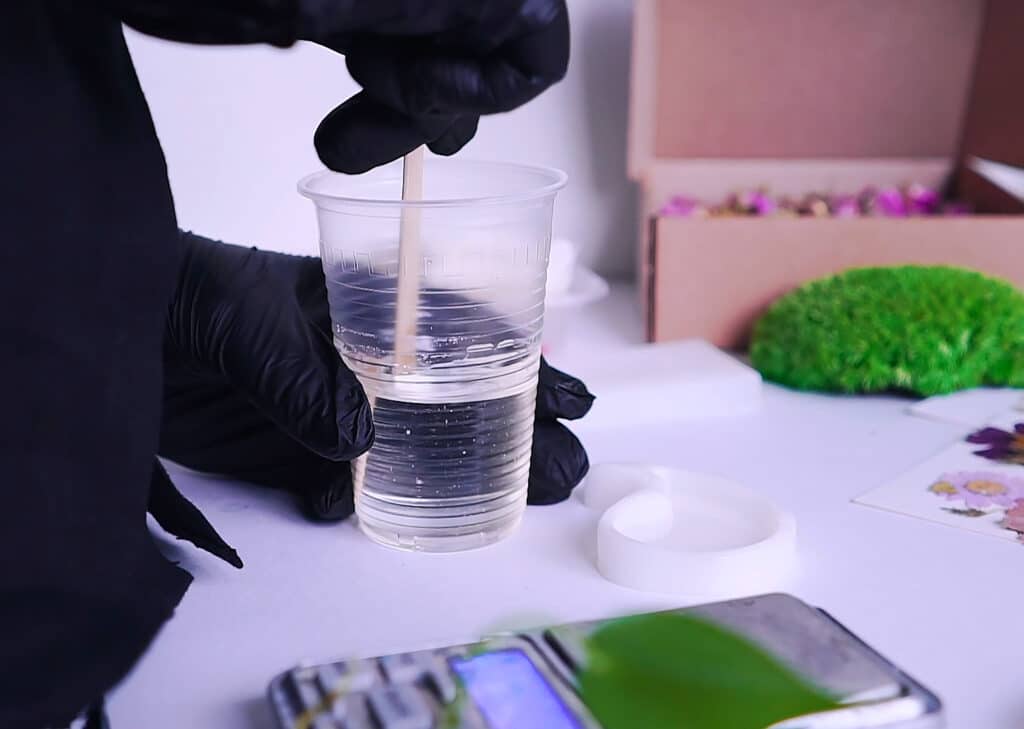
👉🏽 LET`S MIX! 👈🏽
THE PROPORTIONS ARE PRINTED ON THE BOTTLES/TANKS, PLEASE CHECK IT BEFORE USING.
Being a two-component resin, you have 2 bottles at your disposal, one containing resin “A” and the other containing hardener “B”. You will need some electronic scales to weigh grams and a mixing container where you can combine the liquids.
How to calculate, how much hardener do you need? Take your proportions –JUST AN EXAMPLE – 100:50. Then take the weight of component A and multiply on B, (if 100:60 – A*0.60; if 100:70 – A*0.70; if 100:87 – A*0.87).
So! If you have component A 5kg, and proportions 100:50, your calculation –
5*0.5=2.5kg of component B.
Please, use some electronic scales and weigh in grams to get the best results.
After an accurate dosage, the resin must be mixed irregularly (meaning, always in the same direction) for at least 5-8 minutes. This part is very important, because if it is mixed only for a few seconds, it will not be homogeneous at the molecular level, therefore will remain soft / opaque in some parts.
Mix evenly on the edges and bottom of the container. (Do not mix very quickly or forcefully because that would cause a lot of bubbles). We do not recommend using a mixer (of course, you can, but, please, not at high speeds!), as this leads to the formation of microbubbles, which will be difficult to remove. The carefully you mix – the less bubbles.
Remember, the quality of the future casting depends on a good mixing of the two components!
Important! Try to make the mix carefully, so that the smallest fractions of air are not formed in the resin, because visible bubbles will easily disappear from the surface naturally, and micro fractions of air are often practically invisible, but during the curing and heating of the epoxy mixture, the air in them expands and after complete curing, bubbles can be visible in the casting. This can and should be avoided if you do the kneading correctly.
How to remove the bubbles?
Although degassing (vacuum) is necessary to eliminate 100% of the bubbles, there are some tricks that can help you minimize the presence of bubbles during the creations.
1) Mix the resin longer but in a more delicate and uniform way.
2) Before mixing, heat component A (in the sun or using a radiator), so that it becomes more liquid and the bubbles rise more easily.
3) Leave it to rest for a few minutes to release the air bubbles.
4) Once launched, use a heat source (thermal pistol or fire) to burst the bubbles on the surface.
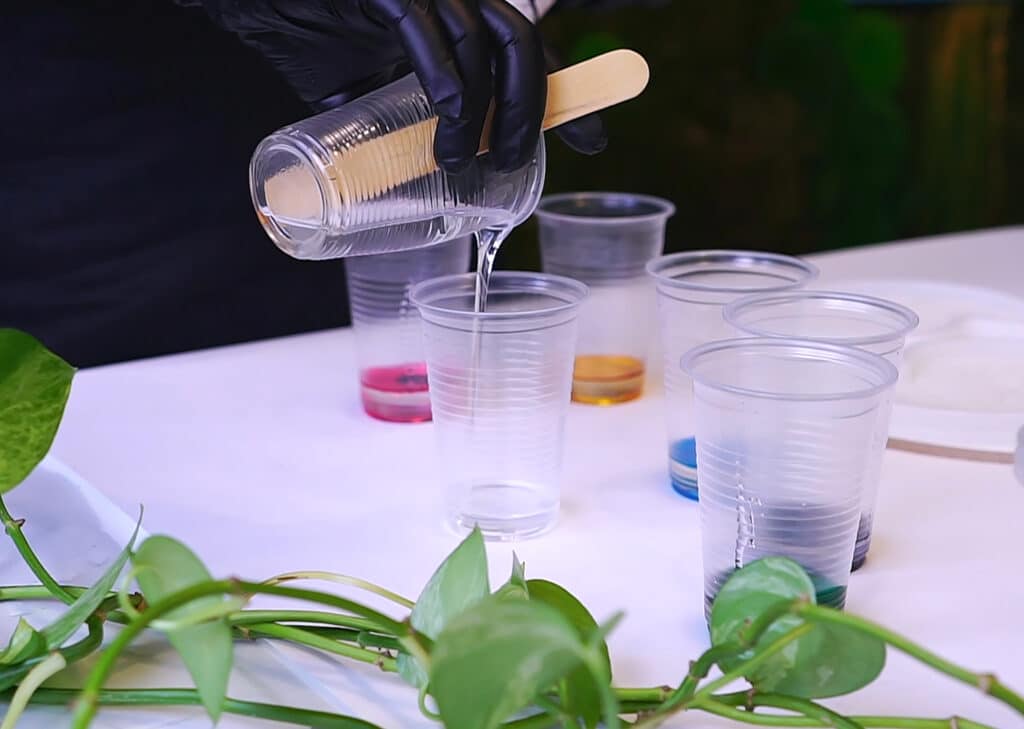
👋🏼 LET`S COLOUR! 👋🏼
Practically everything, including powder and metallic pigments. As long as the dyes are “dry” (for example, dust or sands) there are no problems (as long as they are perfectly dry), when, instead, you want to add pastel or liquid colours, make sure they are compatible with epoxy resins. If they are not compatible (for example enamels, tempera, acrylics) only a few drops can be added, since an excessive dosage could compromise the mechanics of the resin and its brightness (for example making it soft or sticky). There is also a “gold rule” – when using colourants, do not exceed 5% of the combined weight of Component A (resin) and Component B (hardener), calculated before adding the colourant.Mix with Component A” refers only to the order of mixing. The colourant percentage must still be calculated from the combined weight of Components A and B.
Remember, it`s important to avoid contact of epoxy resin with water! From the ingress of water into the resin, it may become cloudy or not solidify! And if the hardener has been stored for a long time with a loosely twisted lid, then it can absorb moisture and it condenses in the form of microbubbles in the thickness of the casting during the curing process.
👍🏽 WHAT`S NEXT? 👍🏽
After pouring epoxy into your formwork be ensured in the “sterility” of the room so that dust and dirt will not get into the epoxy.
Important! We don`t recommend covering the filling with plywood or something dense, because this will disrupt the heat sink during the solidification of the resin!)
Remove micro-bubbles stuck in the surface layer using a hair dryer or a manual gas burner. We also recommend that you do not overheat the epoxy filling with a burner or a hair dryer, because this can cause overheating and boiling of the resin.
The full curing time of I-CRYSTAL EPOXY resin is from 18 to 26 hours (depending on the temperature and humidity in the workshop. The lower the temperature and the higher the humidity, the longer the curing time of the resin.
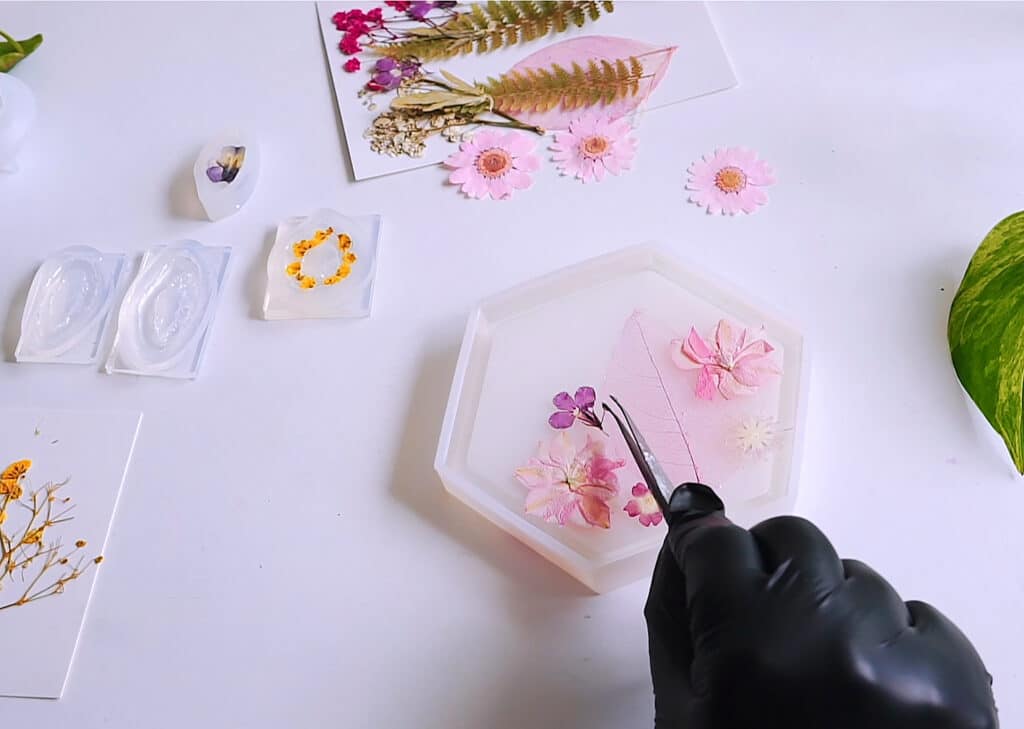
❄️ FROZEN EPOXY ❄️
Epoxy can become frozen under 20C. PLEASE! DON`T USE FROZEN EPOXY. This may affect the result.
There is no excuse that you hold your epoxy inside a warm room, the epoxy could be frozen much before, and only proper defrosting will return the lost transparency and liquidity.
How to understand why your epoxy was frozen? The component A is murky or solid, like frozen water. Don`t worry, there is no need to dispose of your epoxy and run to leave a bad review. It`s okay. You need to do only one thing – to defrost it, warming component A to 50-70 ° C. We usually put the closed tank inside the sink with very hot water and leave it for 20-30 minutes. The problem is next – the more epoxy inside the tank, the more difficult to warm it properly, so just repeat the procedure. If it doesn`t help, just try again, because we sold thousands of tons of the epoxy resin and every time the problem was sorted out by waiting a little bit longer in hot water (of course with the closed lid). Yes, we totally understand that it causes excessive movements, but it`s natural and it could happen with any other epoxy.
Of course, after defrosting you need to cool the component A to room temperature before using.
🔥 HOW TO AVOID OVERHEATING? 🔥
Maximum pouring level: 1.5-2cm. It may vary from the full weight of poured epoxy, sizes of project and temperature when you pour. Not following instructions may cause overheating.
If you need to make a larger layer, just pour in several steps, waiting 8-10h the first time; 10-12h in the second time and 12+h the third time).
When creating a coating with epoxy resin, do not fill the mixture with a thickness of less than 1.5-2 mm, otherwise, after curing, there is a chance of shrinkage with the formation of “craters” – small depressions on all surfaces of the fill.
If one side of casting is more than 100cm long, please, create your project in layers (each layer being 1-2cm thinner than recommended) with a time interval like above – (waiting 8-10h the first time; 10-12h the second time and 12+h in the third time).
If you do a Round casting, and the required weight A+B exceeds 3kg, create your project in the same way as above (less thickness per application + longer waiting between layers).
Be especially careful when working with resins for large castings, when mixing a large amount of resin, do not leave the mixture for a long time in one container – pour it immediately into other smaller containers to avoid the “mass” effect: the resin begins to heat up quickly and hardens instantly with defects without the chances to change it in any way.
IF YOU MEET MORE THAN ONE EXCEPTION IN YOUR PROJECT, REDUCE THE SIZE OF YOUR APPLICATION AGAIN.
🌊 HOW DO I ELIMINATE SURFACE OPACITIES OR SMALL WAVES FORMED AS THEY SOLIDIFY? 🌊
These surface opacities are the result of the interaction with environmental humidity, which creates a patina on the surface of the cast. At first it is not obvious, but as soon as it starts to solidify, in some places you can notice opaque halos and even “wrinkles”.
There are different strategies to avoid this:
1. Work in low humidity (dehumidified) conditions or in a heated environment.
2. Heat the 2 components before mixing (for example, holding them over a radiator).
3. Mix the resin with the hardener and apply it only when it starts to heat up (so that the reaction begins while it is still in the container). This operation is essential, but requires minimal attention. It should be checked every 5-6 minutes and as soon as it reaches 40 ° C (when it’s warmer than our hand) it can be applied. Otherwise, it could start solidifying in the container!
4. It is advisable not to apply during the night or when it is raining (since the humidity increases).
5. Do not apply on surfaces that still contain humidity, like on fresh cement or on non-dried wood.
– If due to humidity, the resin is not glossy, no problem: just pour a new layer over (following the instructions above) and it will become perfectly transparent and regular.
Additional tips:
1) For easier removing from the formwork, we recommend to cover the formwork by our special film “shiny shield“, before pouring.
2) We do not recommend using a mixer (especially at high speeds), as this leads to the formation of microbubbles, which will be difficult to remove. The carefully you mix – the less bubbles.
3) If you`re going to embed something in your project while curing, do not leave it overnight, because it always becomes solid much faster than you could expect (curing times vary depending on temperature, mixing time, volume and etc). We always advise pouring in the morning then swirling through the day.
WARNINGS:
During processing, use protective masks, gloves, and other protective clothing.
In case of contact with eyes, immediately rinse with cold water for 15 minutes and immediately consult a doctor.
Epoxy resin is a complicated technical product, but if you follow the basic rules, you will get wonderful results! If you need any assistance, just call us – 07596 850968 or email us – [email protected]
With best regards, RESIN PRO TEAM😊
Check and tag our social media for inspiration! We are always happy to publish your art-work –
FAQs
FAQs
FAQs
“ICrystal” – Transparent Epoxy Resin:
Q. What`s the proportions and how to calculate that?
A. The proportions of Transparent Epoxy resin is 100:50 – A:B by weight. You can always check that taking a look at the labels of the bottles – they are always printed there:)
For calculations we suggest using our app – GooglePlay & AppStore.
How to calculate, how much hardener do you need? Take your proportions –JUST AN EXAMPLE – 100:50. Then take the weight of component A and multiply on B, (if 100:50 – A*0.50; if 100:70 – A*0.70; if 100:87 – A*0.87).
So! If you have component A 5kg, and proportions 100:50, your calculation –
5*0.5=2.5kg of component B.
Q. Can I do 10cm per one casting?
A. Unfortunately:(
The maximum layer`s level is 1.5cm. If you need to cast more, do it steadily –
Do 1.5cm, then wait 6-10h and add next 1.5cm. Repeat, if needed, waiting 6-10h between layers.
Q. Why epoxy is murky?
A. Epoxy just become frozen during storage/delivery, etc. Please, don`t use that before you de-frost it fully, it may affect the result. Just put the component A into very hot water for 10-15 minutes. Repeat if needed.
Q. What`s the coverage of 1kg?
A. 1kg of mix epoxy+hardener covers area 50*45*0.4сm.
You can use our resin calculator here – 🔮LINK🔮
Or our app – GooglePlay & AppStore.
Q. What`s the volume 1kg resin+hardener?
A. 1kg epoxy resin ~ 0.9l
Just take the weight and divide at 1.1, you`ll get the volume in litres.
Q. Can I use epoxy at home?
A. Yeap, we recommend working in well ventilated area and use protective cloves and masks.
Q. What to use for colouring?
A. Of course we recommend using our tested pigments and colourants.
With other brands we suggest to make a small test before making large project.
The rules not so many – it has to be NOT water based and without high level of solvents. Please, be sure that the amount of colourants doesn`t exceed 5% from full mix.
Q. Do you have resin with higher viscosity?
A. Sure!
We have the next grade of resins by viscosity:
Super low viscosity (low type of resin) – “Epoxytable-5”;
Low viscosity – “Transparente”;
Medium viscosity – “Art Pro”;
High viscosity – “Art Pro Deluxe” ;
Q. What would you recommend for polishing my art-work?
A. We have a special kit for such tasks, take a look here –
https://resin-pro.co.uk/product/resin-polishing-kit-2/
Videos
Videos
Cloudy / Frozen epoxy. How to restore transparency to resin?
How to DOSE and MIX epoxy resin? How to understand mixing RATIO?
Reviews
Reviews
COD:
asdasa2219042021