 Free shipping on orders over £29,85
  Shipping Tracking!


 Google
 Facebook
← Back to Is Resin Bound Gravel Driveable?
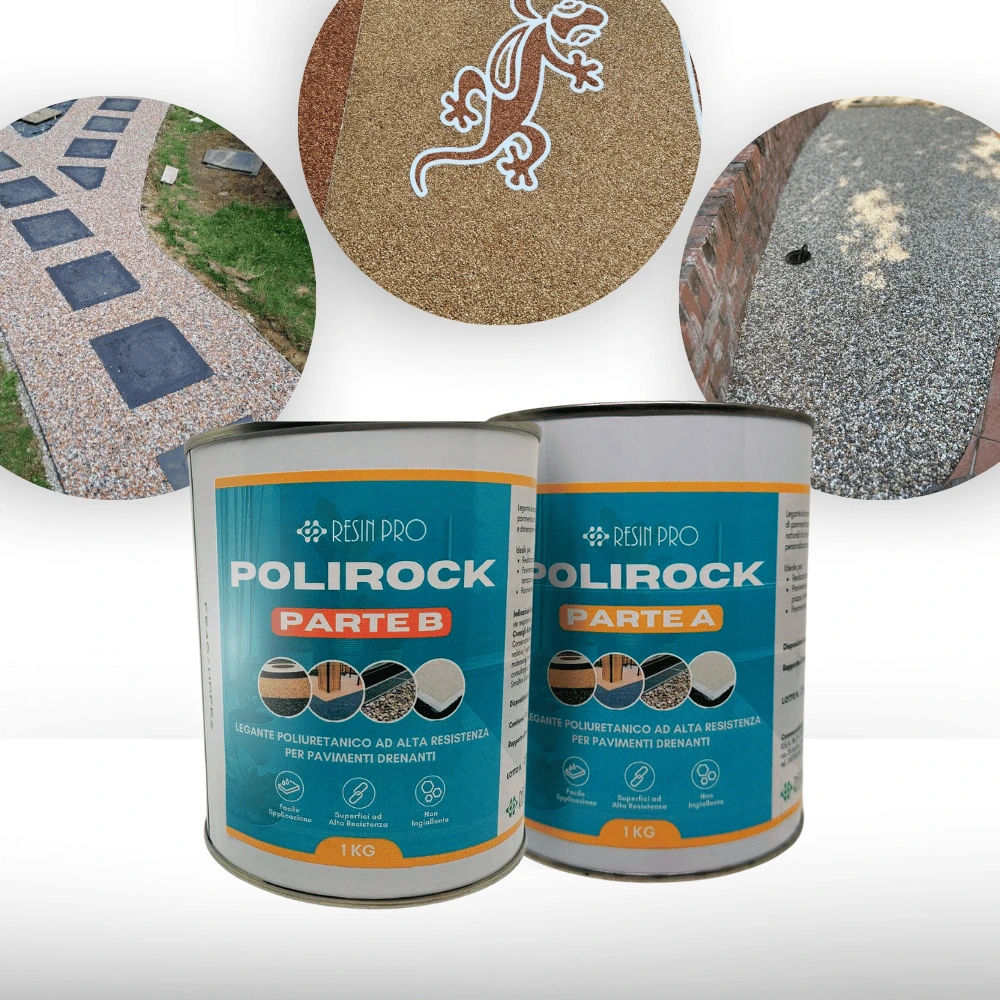
If safety is your top priority when installing a resin bound gravel drive or pathway, an anti-slip finish is vital. This guide outlines proven approaches to ensure your surface is both attractive and secure underfoot or for vehicle use.
What Makes a Resin Bound Surface Anti-Slip?
Resin bound gravel is naturally textured thanks to the embedded stones, which already provides a certain level of grip. However, areas subject to frequent wet weather or vehicular use may require extra slip resistance. The choice of aggregate size, resin binder, and correct installation depth all contribute to a more secure surface. For example, Polirock Polyurethane Binder is designed to enhance adhesion and delivers a designated anti-slip finish when used with appropriately sized white stones.
How to Apply Anti-Slip Solutions
To improve grip, choose angular, hard-wearing aggregates and maintain sufficient thickness—typically around 2cm for light foot traffic and thicker for driveways. If using coloured stones, opt for a binder formulated for durability and weather-resistance, such as “Flowstone” kits or “Trasparente” epoxy binder. After spreading the resin-gravel blend, consider gently broadcasting fine textured grit over the surface before curing; this will set into the resin and further reduce the risk of slipping.
When an Anti-Slip Finish Matters Most
- Driveways that need reliable grip for parked or moving vehicles
- Pathways and patios exposed to rain, frost, or falling leaves
- Sloped outdoor surfaces where foot traffic is frequent
Related products
Related guides
Incorporating an anti-slip finish into your resin bound gravel project will keep your driveways and paths safer throughout the year. For more on practical, drivable resin bound solutions, revisit our main guide on resin bound gravel applications.