 Free shipping on orders over £29,85
  Shipping Tracking!


 Google
 Facebook
← Back to Which permeable paving is best for DIY?
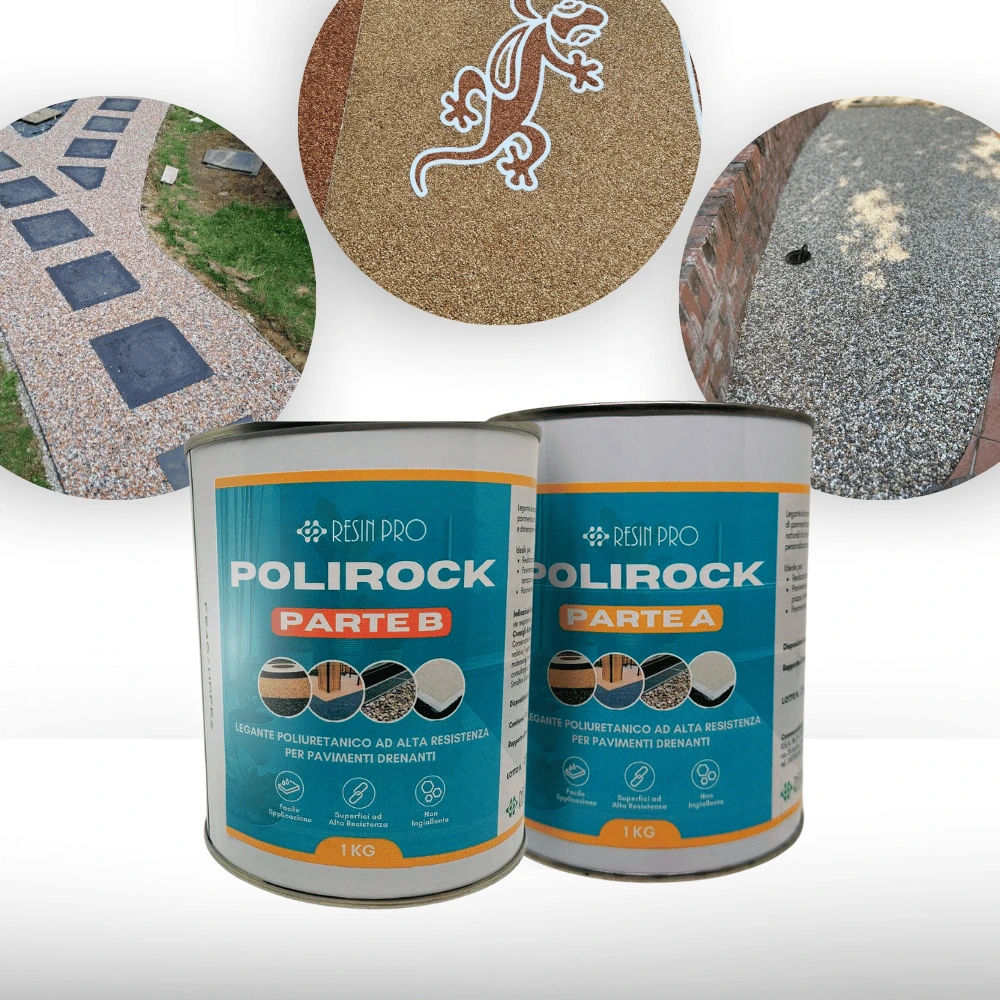
When creating permeable paving as a DIY project, ensuring your surface stays safe and slip-resistant is a top priority—especially in wet or outdoor environments. Here’s how you can achieve a reliable anti-slip finish using resin-bound systems.
What Makes a Paving Surface Anti-Slip?
An anti-slip finish on resin-bound paving is typically achieved through a combination of the chosen aggregates and the binder. Round or angular pebbles, applied with a clear resin such as polyurethane, can create a naturally textured surface. The texture helps reduce the risk of slipping for both pedestrians and vehicles, particularly on slopes or in high-traffic areas.
How to Apply an Anti-Slip Finish in DIY Projects
To enhance slip resistance on your DIY paving project, start by selecting appropriately sized pebbles (generally 4–8 mm) that, when bonded, leave a slightly open-textured surface. When mixing your resin binder—like the Polirock Polyurethane Binder—ensure thorough blending for even coverage. Spread the mixture evenly, then use a trowel to achieve a level but subtly textured finish. For maximum grip, avoid overworking the surface, as this can make it too smooth.
When an Anti-Slip Finish Matters Most
- Driveways and footpaths: Safety is crucial where vehicles or people frequently pass.
- Sloped surfaces: Reduces slipping hazards in rain or icy conditions.
- Outdoor patios: Makes entertaining areas safer in all weather.
Related products
Related guides
Choosing the right resin binder and pebble combination will help you create a DIY permeable paving surface that is attractive, durable, and safe underfoot. For more on selecting the best options for your DIY project, see our main guide on which permeable paving is best for DIY.