 Free shipping on orders over £29,85
  Shipping Tracking!


 Google
 Facebook
← Back to What resin should I buy for garden paths?
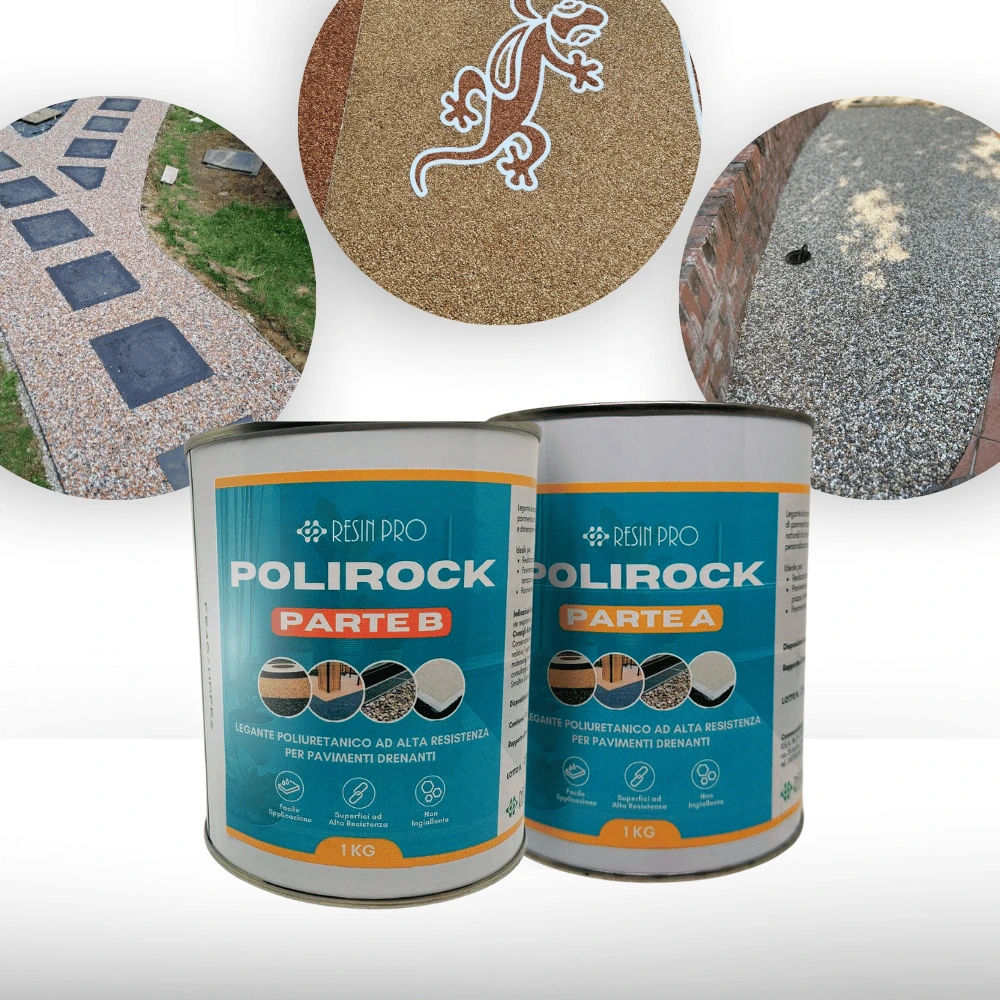
Ensuring your resin-bound garden path has an anti-slip finish is crucial for safety, particularly in wet or icy weather. The correct resin system and aggregate selection make all the difference for both practicality and peace of mind.
How Anti-Slip Finishes Are Achieved
An anti-slip finish for resin garden paths relies on the combination of a textured aggregate and the right choice of binder. Natural aggregates, particularly those with a rougher texture and suitable size (generally 4–8mm), enhance grip underfoot. The binder’s properties also matter—a two-component polyurethane resin such as Polirock is specifically designed to improve surface traction and maintain clarity over time. Mixing washed pebbles thoroughly with the resin ensures every stone is fixed, minimising loose material and further enhancing safety.
Practical Tips for Application
For the best anti-slip results, follow the supplied mixing ratios—usually around 3% resin by weight of the stones. Even application across the entire path surface is important to avoid smooth or uneven areas. Use a trowel to lightly tamp the aggregates, ensuring a level yet gently textured finish. If your path is in a shaded or damp area, opt for a lighter-coloured stone to improve visibility in poor light while maintaining safety.
When This Matters Most
- If your garden path sees regular foot traffic, especially from children or elderly visitors, an anti-slip surface is essential to prevent slips.
- Paths leading to doorways or patio areas benefit greatly from enhanced grip, especially during periods of wet or frosty weather.
Related products
Related guides
Choosing a resin system and aggregate combination designed with slip resistance in mind will help keep your garden paths safe and attractive. To learn more about selecting the ideal resin for your outdoor project, visit our main guide on what resin to buy for garden paths.