 Free shipping on orders over £29,85
  Shipping Tracking!


 Google
 Facebook
← Back to Is resin bound paving good for pool areas?
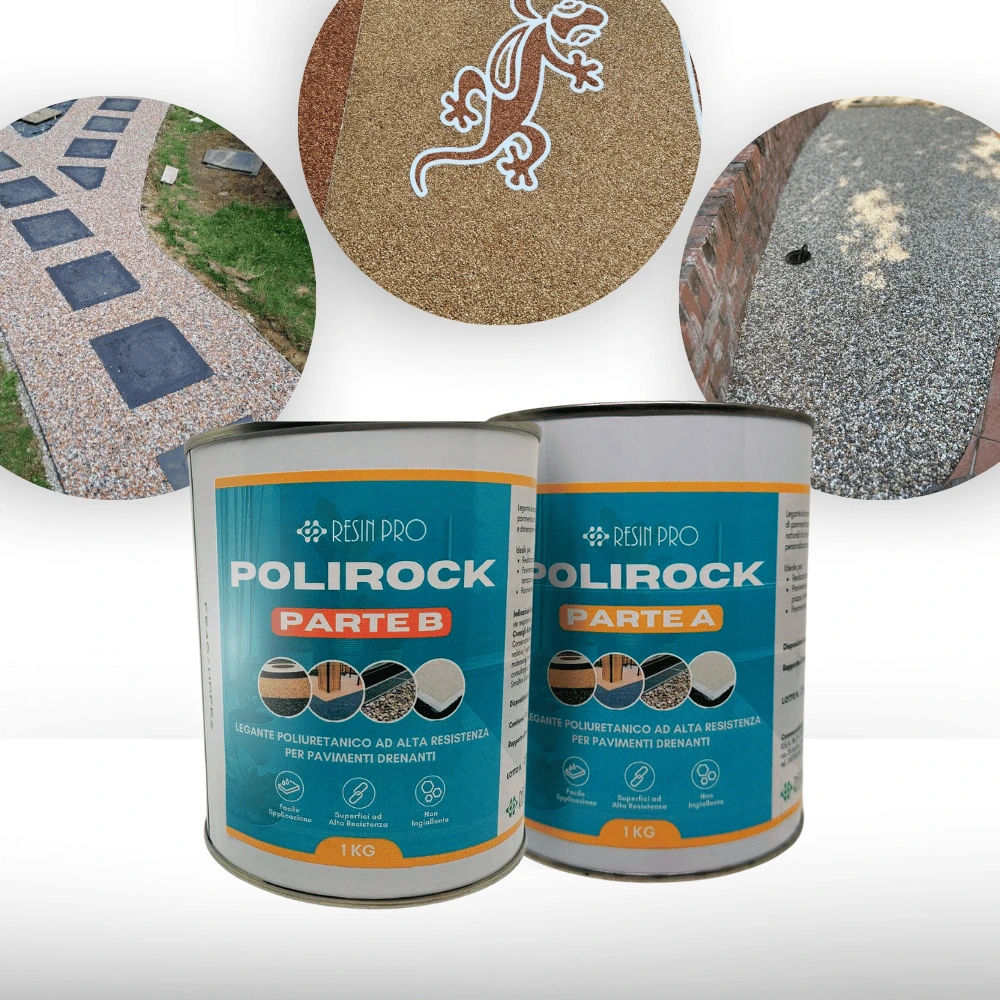
If you’re planning a resin-bound surface near a pool or in any outdoor setting, understanding non-yellowing polyurethane is vital—especially when working with white or pale stones. This special binder helps preserve a bright, clean finish over time.
What Makes Polyurethane ‘Non-Yellowing’?
Standard polyurethane resins can gradually discolour when exposed to sunlight, leading to a yellow or amber tint. Non-yellowing polyurethane is formulated to maintain its clarity against UV rays, which is particularly valuable for white or light-coloured aggregates where even small changes in colour are visible.
- Retains original appearance longer than regular polyurethane or many epoxies
- Especially important for bright, decorative surfaces around pools
- Suitable for various outdoor conditions, resisting weather and UV exposure
Choosing the Right Binder for Pool Surrounds
For resin-bound paving near water features and pools, the binder plays a crucial role in how your surface looks year after year. Use a dedicated non-yellowing polyurethane—such as Polirock—for white stones. This helps avoid unwanted yellowing and keeps your installation looking pristine. For coloured or natural-tone stones, a UV-stable epoxy (like “Trasparente”) is generally sufficient.
When Non-Yellowing Matters Most
If your design features crisp white or very light stones, or if the area is exposed to direct sun, non-yellowing polyurethane is essential. This is especially true for pool surrounds, patios, and decorative installations where appearance is a key priority for years to come.
Related products
Related guides
Whether you’re working on a pool area or any outdoor decorative surface, using non-yellowing polyurethane ensures lasting beauty for pale resin-bound designs. For more practical advice on picking the best system around pools, visit the parent guide: Is resin bound paving good for pool areas?