 Free shipping on orders over £29,85
  Shipping Tracking!


 Google
 Facebook
← Back to How much does permeable garden flooring cost?
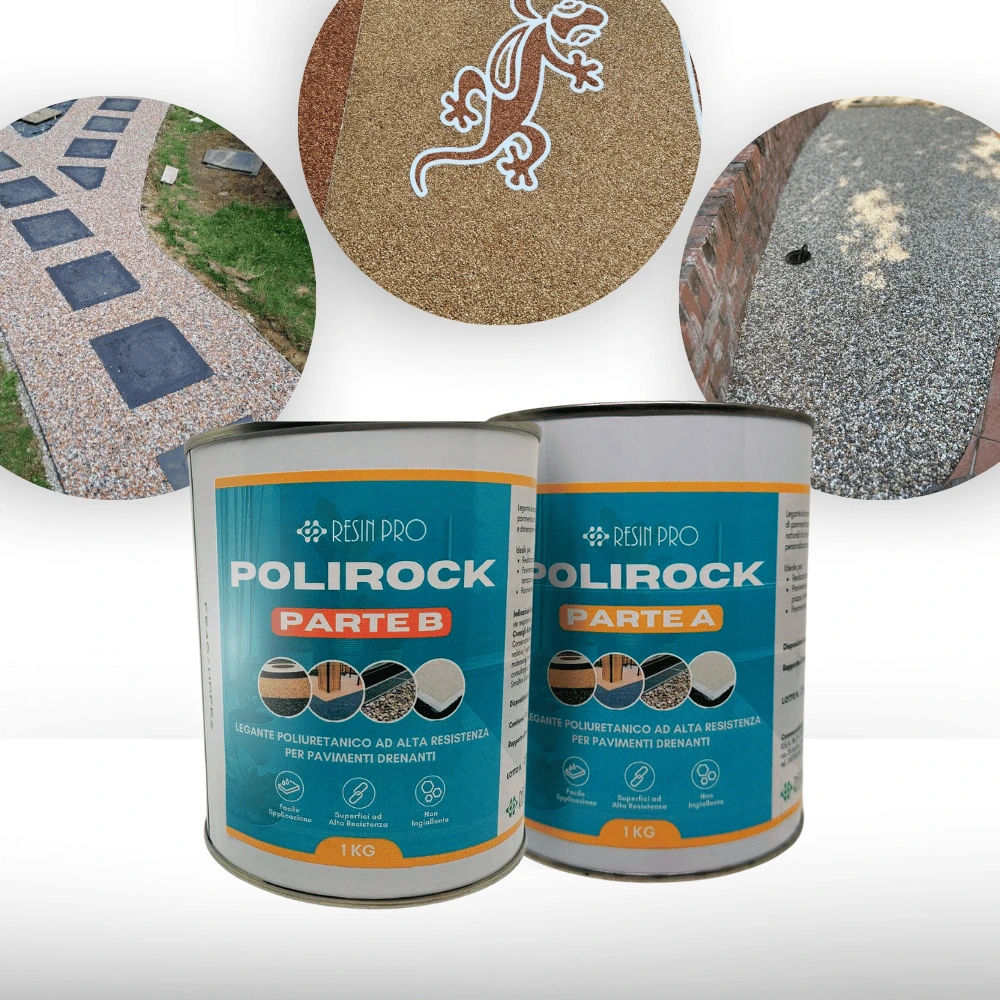
Selecting the right resin binder is crucial for both the durability and appearance of a permeable garden floor. The choice typically depends on the colour of the aggregate used and the environment where the surface will be installed.
Main Resin Binder Types Explained
There are two primary types of binders used for permeable garden and outdoor flooring:
- Polyurethane Binders: Best suited for white and light-coloured stones, polyurethane binders, such as those found in the Polirock kit, help maintain a clear, non-yellowing finish. This makes them ideal where colour stability is essential.
- Epoxy Binders: Perfect for coloured or mid-toned aggregates, quality epoxy solutions are designed for longevity and resist discolouration, but are not recommended for pristine white pebbles as slight ambering can occur over time.
Choosing the Right Resin Binder for Your Project
When planning your floor, consider both the final look and how much sunlight the area receives. For white stones exposed to direct sunlight, opt for a non-yellowing polyurethane binder to keep the surface bright. For darker or mixed colours, a low-yellowing epoxy binder provides a strong, durable hold without compromising the aggregate’s natural shades.
If you prefer a simple all-in-one solution, the Flowstone Complete Permeable Floor Kit includes professional resin guidance with every purchase—ideal for DIY or professional projects of all sizes.
When This Matters
Resin binder selection is most important when you want your garden flooring to look vibrant for years with minimal maintenance. It also affects weather resistance and safety, especially in exposed spaces or high-traffic areas.
Related products
Related guides
Choosing the right resin binder ensures your permeable garden flooring is both functional and visually appealing. For more detail on costs and planning your project, visit our guide on how much permeable garden flooring costs.