 Free shipping on orders over £29,85
  Shipping Tracking!


 Google
 Facebook
← Back to Is resin bound gravel better than loose gravel?
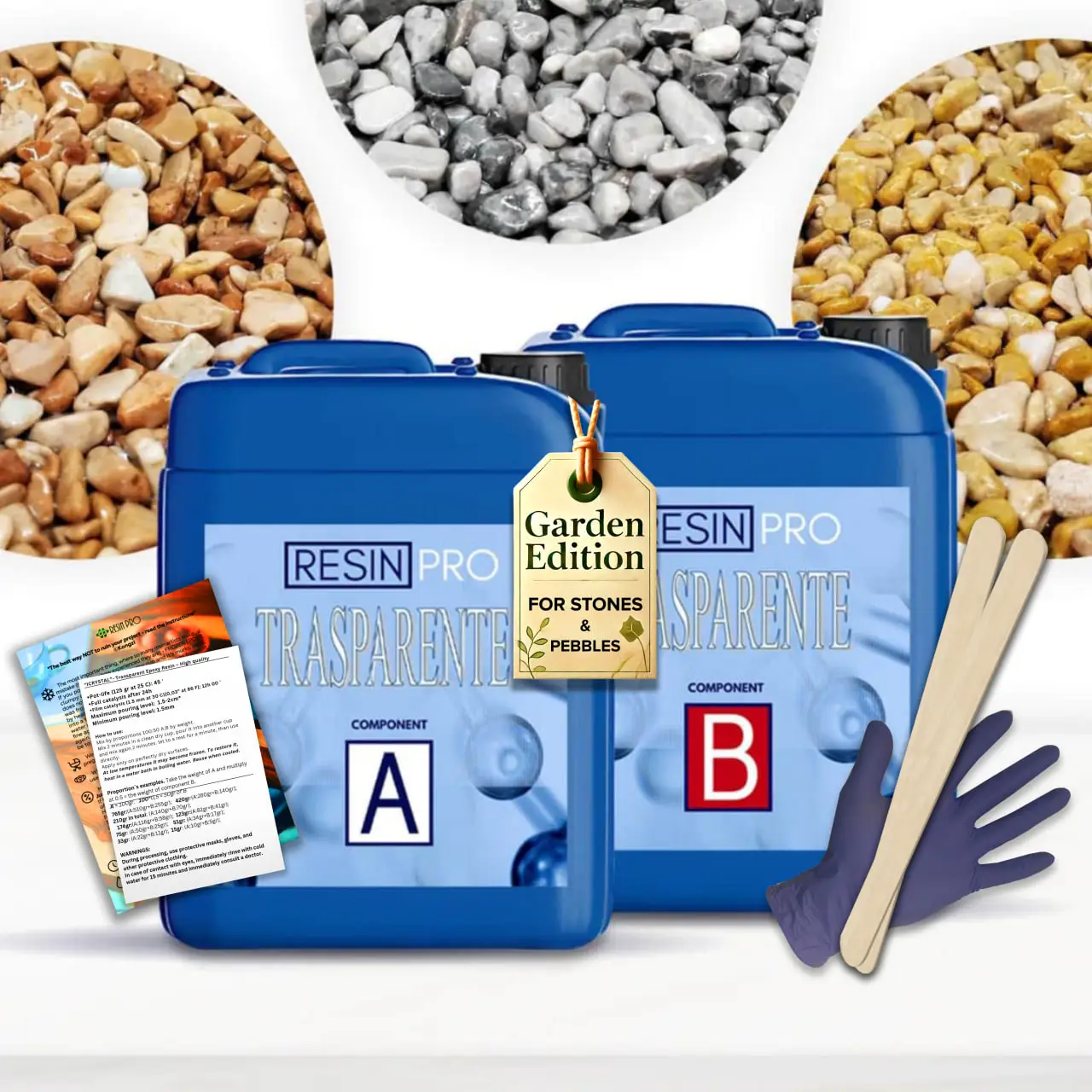
One of the main concerns for anyone installing resin bound gravel is whether the surface will keep its original colour or develop yellowing and fading after exposure to sunlight or the elements. With the right binder and application method, you can enjoy vibrant results that last.
How Resin Choice Affects Colour Longevity
The binder you select is crucial for maintaining the look of your resin bound gravel. Some resins are more susceptible to UV degradation, which can manifest as yellowing or fading, particularly over pale or brightly coloured stones. For example, Polirock polyurethane binder is formulated to remain clear, preventing yellowing on white aggregates. Using UV-stable or low-yellowing binders helps preserve both light and bold colours in outdoor settings.
Practical Steps for Lasting Colour
- Choose the correct resin for your aggregate: Polyurethane binders are often best for white stones, while specialist epoxy binders such as Trasparente provide UV resistance for vibrant and dark aggregates.
- Follow guidance carefully: Complete kits like Flowstone supply clear instructions on selecting and mixing resins for long-lasting colour.
- Ensure even mixing and application: Proper encapsulation of stones in resin provides both strength and consistent colour protection.
When This Matters Most
If you’re working with decorative white or coloured stones, preventing yellowing is especially important for visual impact. Surface orientation and local sunlight exposure can also influence the choice of binder—south-facing or unshaded installations benefit most from high UV-resistance.
Related products
Related guides
Taking care in your binder selection and preparation will help keep your resin bound gravel surface looking fresh and vibrant for years. For further insights into choosing between resin bound and loose gravel, visit our main guide.