 Free shipping on orders over £29,85
  Shipping Tracking!


 Google
 Facebook
← Back to Where can I find decorative permeable flooring?
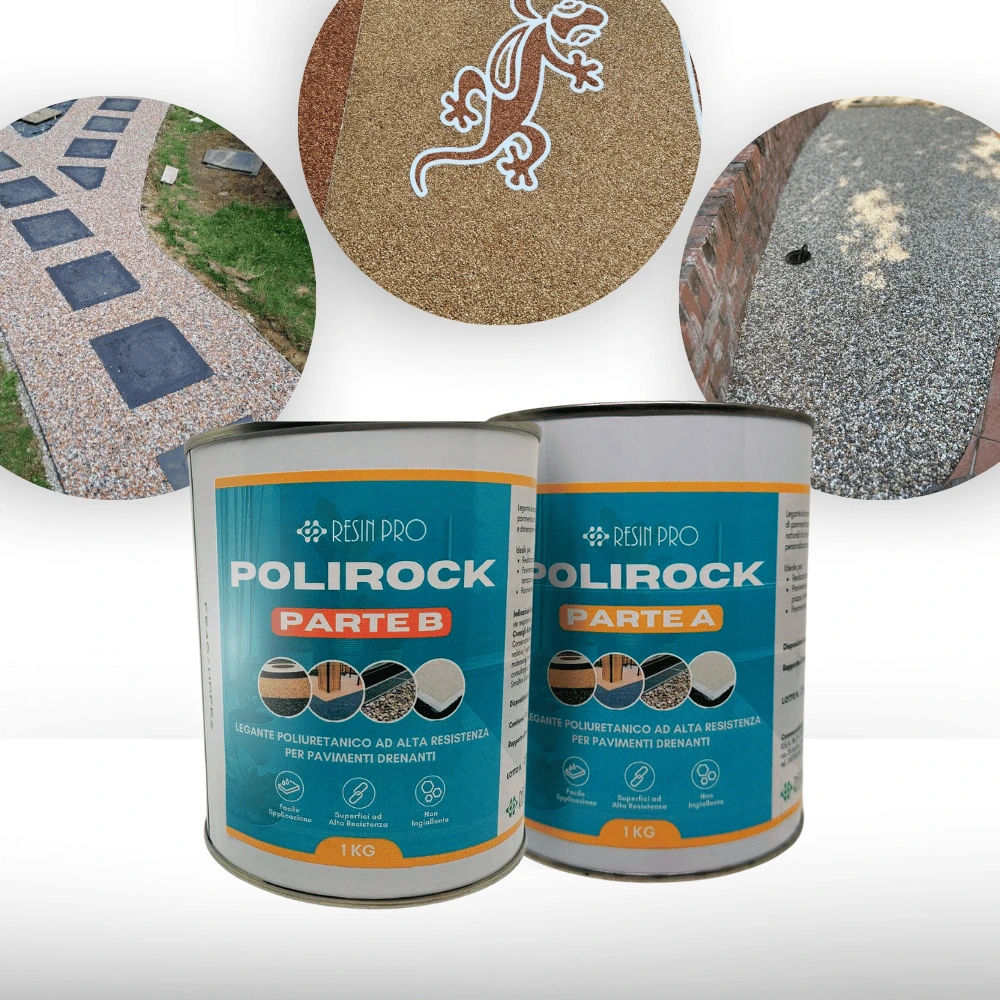
If you want a brilliant, long-lasting finish for decorative permeable resin floors—especially when using white or pale-coloured stones—choosing a non-yellowing polyurethane binder is essential. This guide explains what sets it apart and how to make the most of its benefits for outdoor surfaces.
What Does Non-Yellowing Polyurethane Mean?
Standard resin binders can discolour over time, particularly in areas exposed to sunlight. Non-yellowing polyurethane, such as Polirock, is designed to remain clear—helping to preserve the natural appearance of white or light aggregates for longer. This clarity and weather resistance makes it an ideal solution for projects where visual appeal is key.
Practical Application and Buying Tips
Non-yellowing polyurethane is best chosen for installations with white or natural stones, as it keeps the surface bright instead of developing a yellow tint. When buying, check the product’s suitability for exterior use and UV exposure—products like Polirock are specifically recommended for these needs. Always follow the manufacturer’s guidelines on dosage and mixing for optimal bonding and longevity.
- Ensure your base stones are washed and dried for best results.
- Apply in dry, moderate weather to achieve reliable curing.
- Consider a permeable flooring kit like Flowstone for a convenient all-in-one solution.
When This Matters Most
Non-yellowing polyurethane is important in areas where appearance is a priority—entranceways, light-coloured patios, or driveways with pale stones. For darker or coloured aggregates, low-yellowing epoxies may suffice, but for preserving the brightness of white stones, a dedicated non-yellowing binder is the preferred choice.
Related products
Related guides
Selecting the right binder helps ensure your decorative permeable flooring remains attractive and functional for years to come. For more advice on creating stunning, practical outdoor floors, visit our main guide on decorative permeable flooring.