 Free shipping on orders over £29,85
  Shipping Tracking!


 Google
 Facebook
← Back to Which kit should I buy for a permeable driveway?
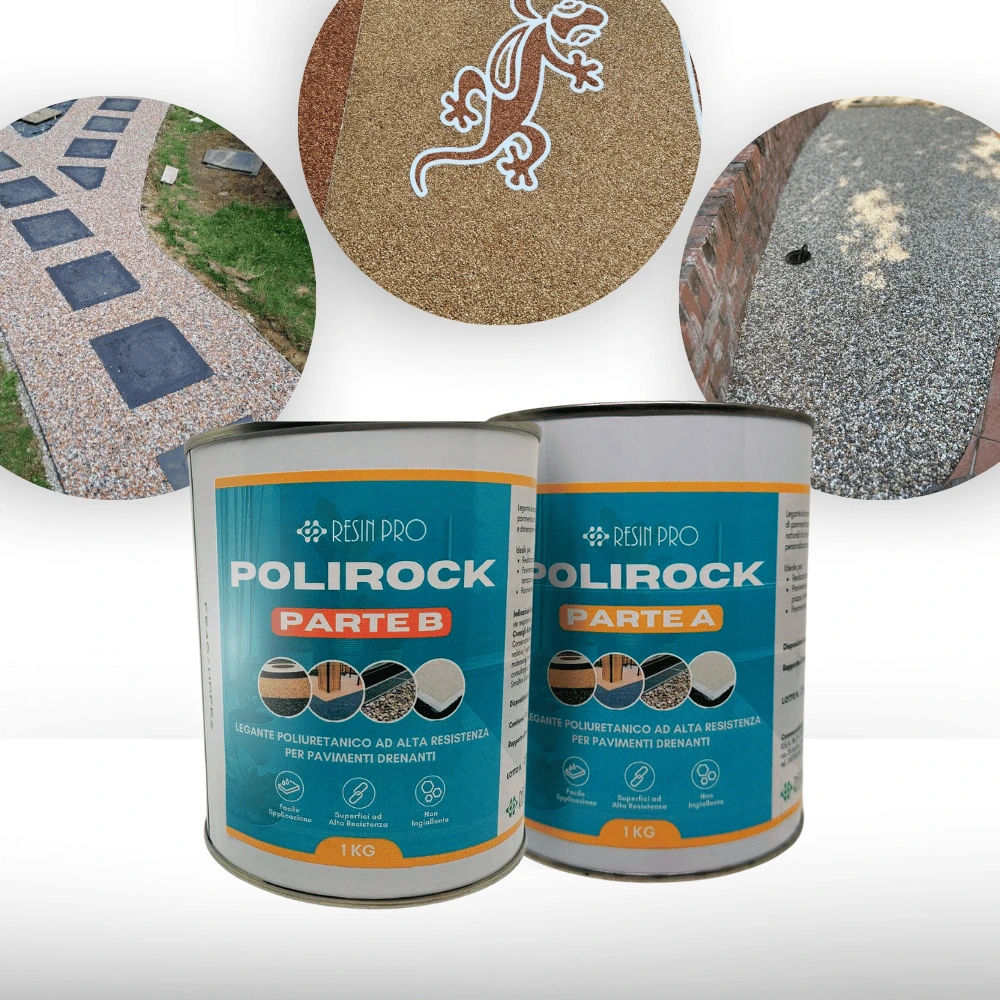
If you want your white or pale stone surfaces to look pristine for years, choosing a non-yellowing polyurethane binder is crucial. Sunlight and weather can cause many resins to discolour, but the right polyurethane helps your driveway, path, or patio keep its intended look.
Why Choose Non-Yellowing Polyurethane?
Non-yellowing polyurethane is formulated to remain clear even when exposed to UV rays and outdoor conditions. This feature makes it the preferred choice for binding white, pale, or light-coloured stones in permeable floors, as it keeps the surface from developing an unwanted yellow tint over time. Polyurethane binders like POLIROCK are designed to provide lasting clarity, making them ideal for decorative and functional external surfaces.
Practical Application and Selecting the Right Binder
For best results on white or very light aggregates, always choose a polyurethane binder described as non-yellowing or UV-resistant. Before use, check compatibility with your aggregate type and ensure the recommended resin-to-stone ratio is followed (typically 1:1 for polyurethane systems). Mixing the resin thoroughly with cleaned, dry aggregate before application guarantees even encapsulation and robust adhesion.
- Use a non-yellowing polyurethane for white stones to retain brightness.
- For coloured or natural aggregates, an epoxy binder may be suitable.
- Follow all application guidelines for surface preparation and curing conditions.
When This Matters Most
Choosing a non-yellowing polyurethane binder is especially important for highly visible areas and driveways featuring white marble, quartz, or other pale aggregates. It ensures the finished surface stays clean and inviting under regular exposure to sunshine and rain, reducing maintenance and helping your property keep its kerb appeal.
Related products
Related guides
Selecting a non-yellowing polyurethane binder is a straightforward way to safeguard the colour and clarity of your outdoor permeable surfaces. For more guidance on choosing the right kit for driveways and similar projects, explore our full range and expert advice on the Which Kit Should I Buy for a Permeable Driveway? page.