 Free shipping on orders over £29,85
  Shipping Tracking!


 Google
 Facebook
← Back to Differences Between Resins: Choose the Right Resin!
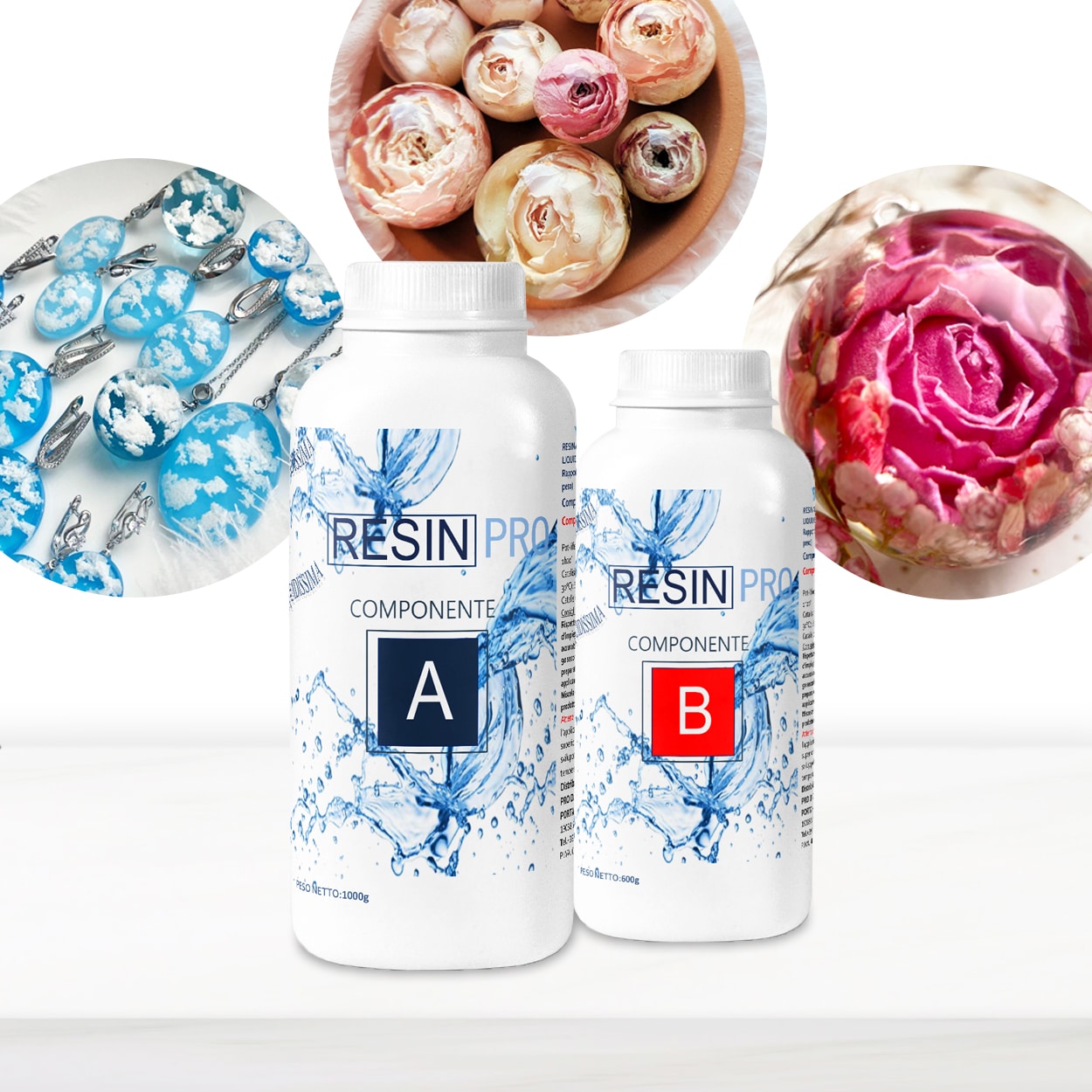
Selecting the ideal resin for jewellery is essential to achieve beautiful, long-lasting pieces. With a wide variety of formulations available, knowing what to prioritise will help you avoid common pitfalls and elevate your creations.
Key Properties for Jewellery Resin
When choosing a resin for jewellery making, focus on options that offer high transparency and low viscosity. These resins flow easily into intricate moulds, helping to capture fine details and minimise imperfections. A longer working time gives you the flexibility to perfect each piece, making the process less rushed and reducing the likelihood of trapped bubbles.
- Transparency: Look for water-clear formulas for optimal clarity in finished pieces.
- Low viscosity: Ensures the resin fills detailed moulds thoroughly.
- Bubble resistance: Special formulations reduce microbubbles, leading to a flawless finish.
Mixing and Pouring Tips
Resins with a user-friendly mixing ratio, such as a simple 1:1 by volume, are ideal for beginners and experienced crafters alike. Always mix slowly and evenly to avoid introducing air. Pour in thin layers to further reduce bubbles and give each layer ample time to settle. Avoid quick-setting or deep-pour resins for small, intricate jewellery, as these can trap bubbles or overheat.
For best results in delicate moulds, consider a resin like “Liquidissima”, which is designed for jewellery and fine details.
Adding Colour and Effects
Once comfortable with the basics, you can enhance your jewellery by adding specialised pigments. Transparent colourants designed for resin, such as Magic Crystal, allow you to achieve vivid, glass-like effects without sacrificing clarity. Always ensure any additives or colours are compatible with your chosen resin to maintain the quality of the finish.
When This Matters
Choosing the right resin is particularly important when creating pieces with complex shapes, embedded decorations, or requiring a pristine, glass-clear effect. Using the wrong type may result in dullness, surface defects, or trapped bubbles, especially in fine settings or layered projects.
Related products
Related guides
Understanding resin characteristics will help you achieve stunning, professional-quality jewellery every time. For further advice on resin types and their unique properties, return to our guide on choosing the right resin for your next project.