 Free shipping on orders over £29,85
  Shipping Tracking!


 Google
 Facebook
← Back to How much does professional resin bound paving cost?
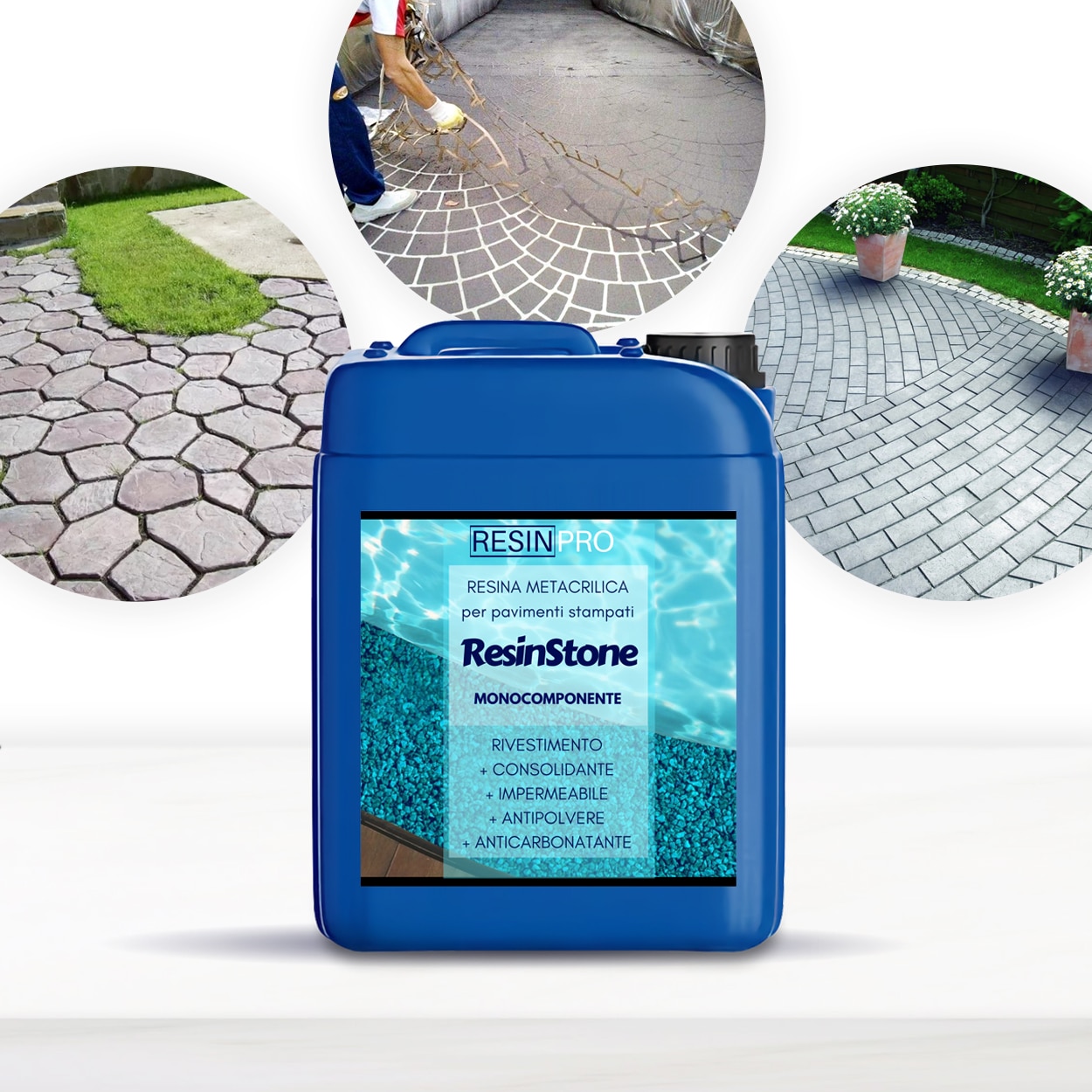
If you’re planning a new resin bound surface, understanding what “superior mechanical resistance” means is essential. This property determines how well your paving stands up to everyday use, weather, and heavy loads.
What Does Superior Mechanical Resistance Mean?
Mechanical resistance refers to a surface’s ability to withstand physical wear—such as scratching, chipping, and abrasion—as well as impacts from vehicles or foot traffic. In resin bound paving, superior mechanical resistance means the material structure endures intensive use while retaining its appearance and function. This is particularly important for busy driveways, car parks, and pathways exposed to frequent use or heavy weights.
Choosing Resins and Binders for Durability
The choice of resins and binders significantly influences mechanical resistance. High-performance products like “Resinstone” methacrylic resin are well-suited for concrete surfaces requiring robust protection against chemicals, oils, weather, and scratching. For permeable stone systems, polyurethane binders such as “Polirock” offer durable adhesion, maintaining stability and anti-slip properties even with vehicle traffic. Complete kits like “Flowstone” combine suitable binders and aggregates to deliver a long-lasting outdoor solution.
When Mechanical Resistance Matters
- Driveways: Withstand car and pedestrian wear.
- Commercial entrances: Support frequent footfall.
- Paths and patios: Prevent rapid deterioration and costly repairs.
Using materials with superior mechanical resistance is especially worthwhile for busy, exposed, or high-value surfaces to maximise lifespan and reduce maintenance.
Related products
Related guides
Investing in materials with superior mechanical resistance is key for durable resin bound paving. For more details on balancing durability with professional installation costs, visit our main guide on resin bound paving costs.