 Free shipping on orders over £29,85
  Shipping Tracking!


 Google
 Facebook
Can I apply epoxy resin to a painted surface?
Expert advice on prepping and coating painted surfaces with epoxy.


Applying epoxy resin to a painted surface is a popular technique in art, crafts, and DIY restoration projects. Whether you want a glossy coating on a finished canvas, protection for a painted wooden tabletop, or to add shine and strength to decorative elements, understanding product choice and surface preparation is crucial for achieving a professional finish. At ResinPro, we offer a range of epoxy resins and primers ideal for working over painted surfaces, catering to both enthusiasts and professionals.
In this guide, we’ll help you determine the best applications, highlight essential preparation steps, and introduce you to our trusted products including “Art Pro” – Clear Epoxy Resin for Artists and Surface Coating, “Trasparente” – Multipurpose Clear Epoxy Resin for Casting – Up to 2cm, “Icrystal” – Clear Epoxy Resin – Odourless Formula – Up to 1.5cm, “Epoxyprimer” – Universal Water-Based Two-Component Epoxy Floor Primer, “EpoxyWood” – Wood Restoration Epoxy Resin for Deep Penetration and Waterproofing, and our Free Step-by-Step Resin Ocean Art Lesson by Natalia Natirum.
How to Apply Epoxy Resin to a Painted Surface: Key Considerations
Epoxy resins can be applied over many painted surfaces, but optimal results depend on choosing the right resin, preparing the base correctly, and understanding the project requirements. Not all paints are the same—acrylic, oil, or water-based paints each interact differently with resins. The condition, age, and type of substrate (e.g., canvas, wood, metal) also matter.
General pro tips for successful application:
- Ensure the painted surface is completely dry and free of dust, oil, or contaminants.
- Lightly sand glossy or sealed paints to improve resin adhesion.
- Test compatibility in an inconspicuous spot, especially for sensitive or artistic surfaces.
- When in doubt, use a dedicated primer such as “Epoxyprimer” – Universal Water-Based Two-Component Epoxy Floor Primer to maximise bonding.
Product Comparison: Choosing the Right Epoxy for Your Painted Surface
Not all epoxy formulations perform identically when used over painted surfaces. Your project’s success relies on matching the resin’s performance characteristics (clarity, viscosity, scratch resistance) with your surface and intended use.
- “Art Pro” – Clear Epoxy Resin for Artists and Surface Coating delivers exceptional clarity and a durable, scratch-resistant surface, ideal for resin art, painted coasters, and decorative trays. Its easy 3:2 mixing ratio and dense, non-drip formula suit both beginners and professional artists wanting a glass-like finish atop paint.
- “Trasparente” – Multipurpose Clear Epoxy Resin for Casting – Up to 2cm offers an ultra-clear formula with high scratch resistance, plus an integrated UV filter. If you’re casting detailed objects or looking to coat surfaces such as painted wood, tiles, or canvas with up to 2cm thickness, this is a trusted choice and is cruelty free and vegan friendly.
- “Epoxyprimer” – Universal Water-Based Two-Component Epoxy Floor Primer acts as an adhesion maximiser, recommended for painted concrete, wood, screeds, and even ceramic tiles. It’s eco-friendly & odourless and designed for versatile compatibility. Using a primer can be the difference between a flawless finish and problems like peeling or bubbles when coating painted surfaces with resin.
- “Icrystal” – Clear Epoxy Resin – Odourless Formula – Up to 1.5cm is prized for its crystal clear, odourless formula suitable for beginners and professionals, high scratch resistance ideal for tables, and UV protection. Its 2:1 mixing ratio and comfortable application make it popular for painted home décor and artwork where health and clarity are priorities.
- “EpoxyWood” – Wood Restoration Epoxy Resin for Deep Penetration and Waterproofing is engineered for deep wood pore penetration. While it’s mainly designed for use on bare wood, thorough surface preparation makes it possible for use on sanded, painted timber if you wish to reinforce and waterproof wooden projects.
- For those eager to learn practical application and technique, our Free Step-by-Step Resin Ocean Art Lesson by Natalia Natirum demonstrates applying resin over artboards and painted bases using medium and high viscosity resins, perfect for blending artistry and resin techniques.
For further categories, explore our Resins for Pour Paint and Accessories, Multipurpose Epoxy Resins, and table and surface finishes for more ideas.

Why Surface Prep Matters When Using Resin on Paint
Proper surface preparation ensures epoxy resin bonds securely to a painted base and prevents delamination or peeling. For best results, cure the paint fully, remove dust or oil, lightly sand gloss, and use an adhesion primer like Epoxyprimer if needed. These steps enhance clarity, durability, and the beauty of your finished project.
Best Practices for Preparing Painted Surfaces
Preparation is the foundation of any successful resin coating or casting. If the painted base is unstable, poorly cured, or incompatible with epoxy, the resin may fail to bond.
- Ensure the paint is fully cured—many paints need at least several days, or even weeks, to reach full hardness.
- Degloss high-sheen, oil, or lacquered paints by gently abrading with fine sandpaper, then remove dust with a microfibre cloth.
- For porous or unevenly absorbent painted areas, consider priming with Epoxyprimer before your resin pour—this will help achieve maximum bonding and an even finish.
- When restoring wood, especially previously painted timber, use EpoxyWood for deep penetration and waterproofing, but always remove flaking paint and work on a stable, dry surface.
On decorative or artistic surfaces, following a trusted tutorial like the Free Step-by-Step Resin Ocean Art Lesson by Natalia Natirum can build your confidence.
When to Use a Primer Before Resin Application?
Using a dedicated epoxy primer such as Epoxyprimer is strongly recommended on surfaces where adhesion is critical, especially with painted concrete, screeds, wood, and tiles. Primers offer stronger chemical bonds, reduce the risk of resin lifting off, and provide an added layer of protection for both old and new painted surfaces. Their simple application by roller or brush smooths out imperfections—vital for floors, tables, or artworks requiring museum-grade finishes.
Always allow the primer or pre-sealant to fully cure according to the product’s instructions before pouring or coating with your chosen epoxy.
Creative Inspiration: Real Projects Using Resin Over Paint
Artists turn to Art Pro and Icrystal for smooth, protective coatings over vibrant acrylics, while furniture makers use EpoxyWood to revive painted wood. Our Resin Ocean Art Lesson is a brilliant way to discover new surface art methods and elevate your creative skills!

Inspired Projects: Resin Over Painted Surfaces
Many artists, crafters, and renovators use epoxy resin to protect, enhance, or transform painted items. For modern resin art, Art Pro resin with its high clarify brings vibrancy and depth atop acrylic paint. Home decorators use Icrystal for hardwearing, odourless coatings on painted tables or counters.
Furniture restorers are increasingly turning to EpoxyWood to revive tired painted wood, while DIYers choose Trasparente for varied applications on both artistic and functional objects. Learning through practical guides, as in the Resin Ocean Art Lesson, lets anyone unlock the artistic or protective potential of resin over painted bases.
- "Art Pro" – Clear Epoxy Resin for Artists and Surface CoatingPrice range: £31.15 through £388.85Art Pro clear epoxy resin provides a durable, high-gloss finish suitable for artists and crafting projects requiring clarity and UV protection.
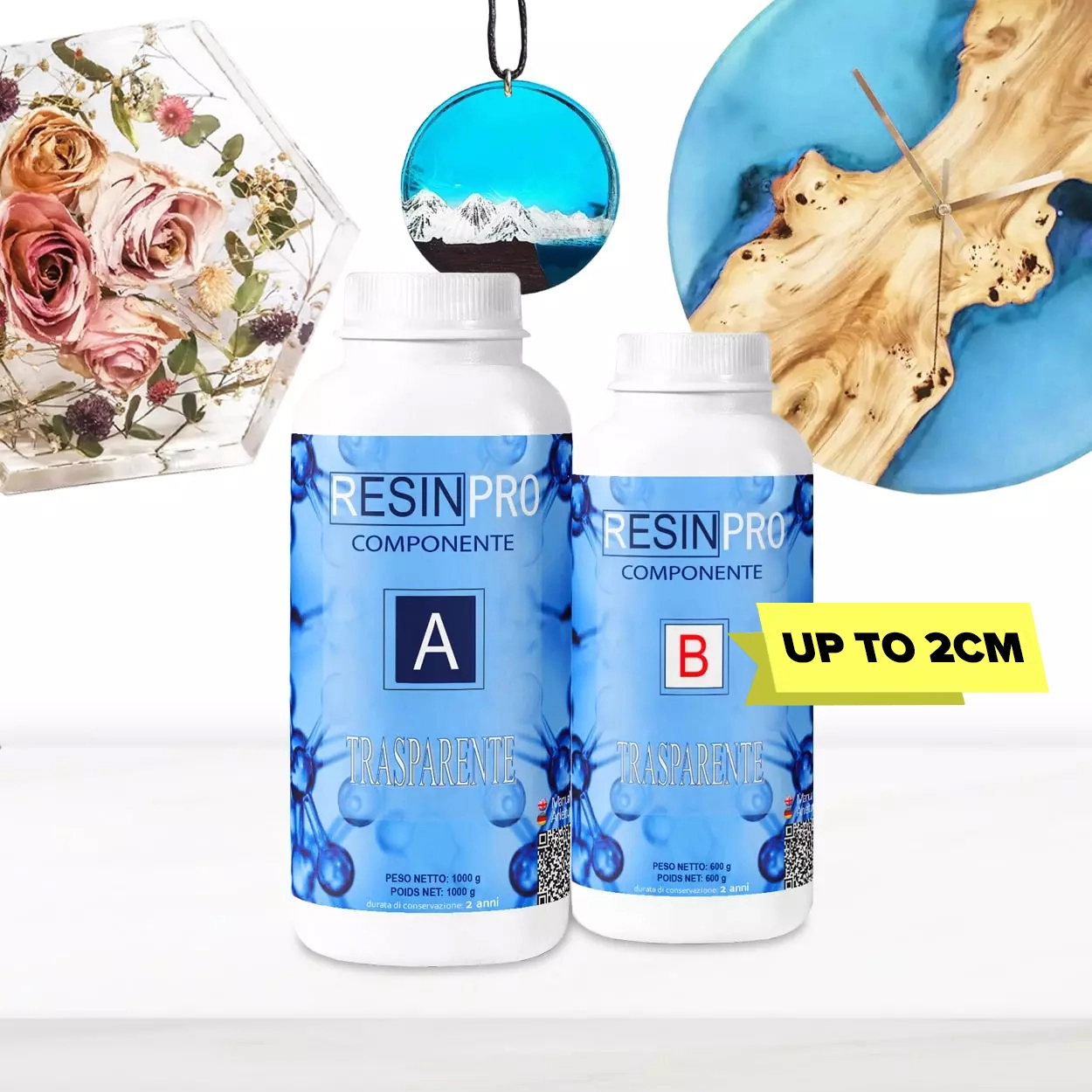 "Trasparente" – Multipurpose Clear Epoxy Resin for Casting – Up to 2cmPrice range: £8.45 through £948.85"Trasparente" provides an ultra-clear, self-levelling finish up to 2cm thick for various DIY and professional projects.
 "Epoxyprimer" – Universal Water-Based Two-Component Epoxy Floor PrimerPrice range: £148.84 through £272.45"Epoxyprimer" is a water-based epoxy floor primer designed for adhesion and durability on concrete and wooden surfaces, suited to the theme of…
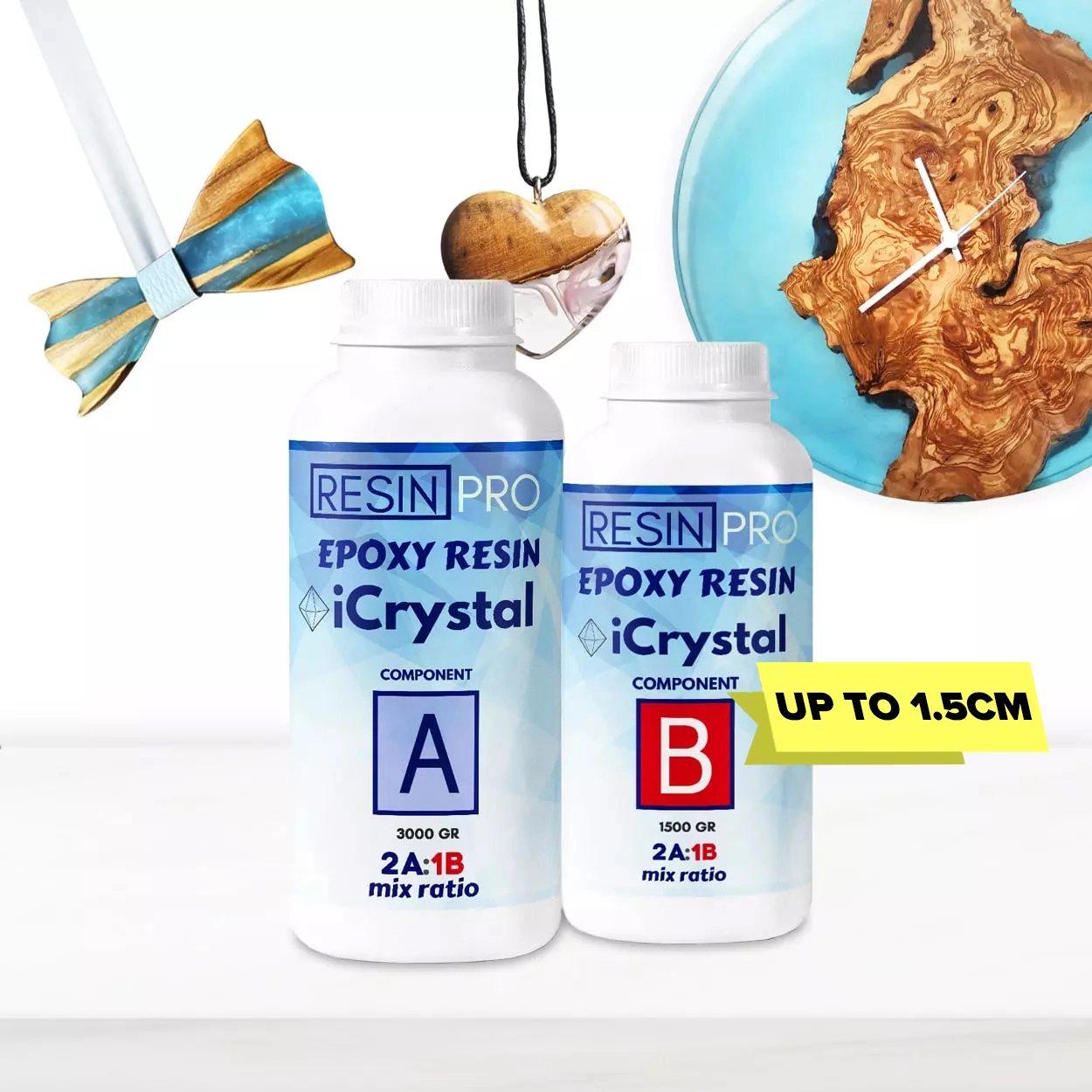 "Icrystal" – Clear Epoxy Resin – Odourless Formula – Up to 1.5cmPrice range: £11.65 through £954.85"Icrystal" is a clear, odourless epoxy resin designed for multi-purpose use including coatings and artistic creations.
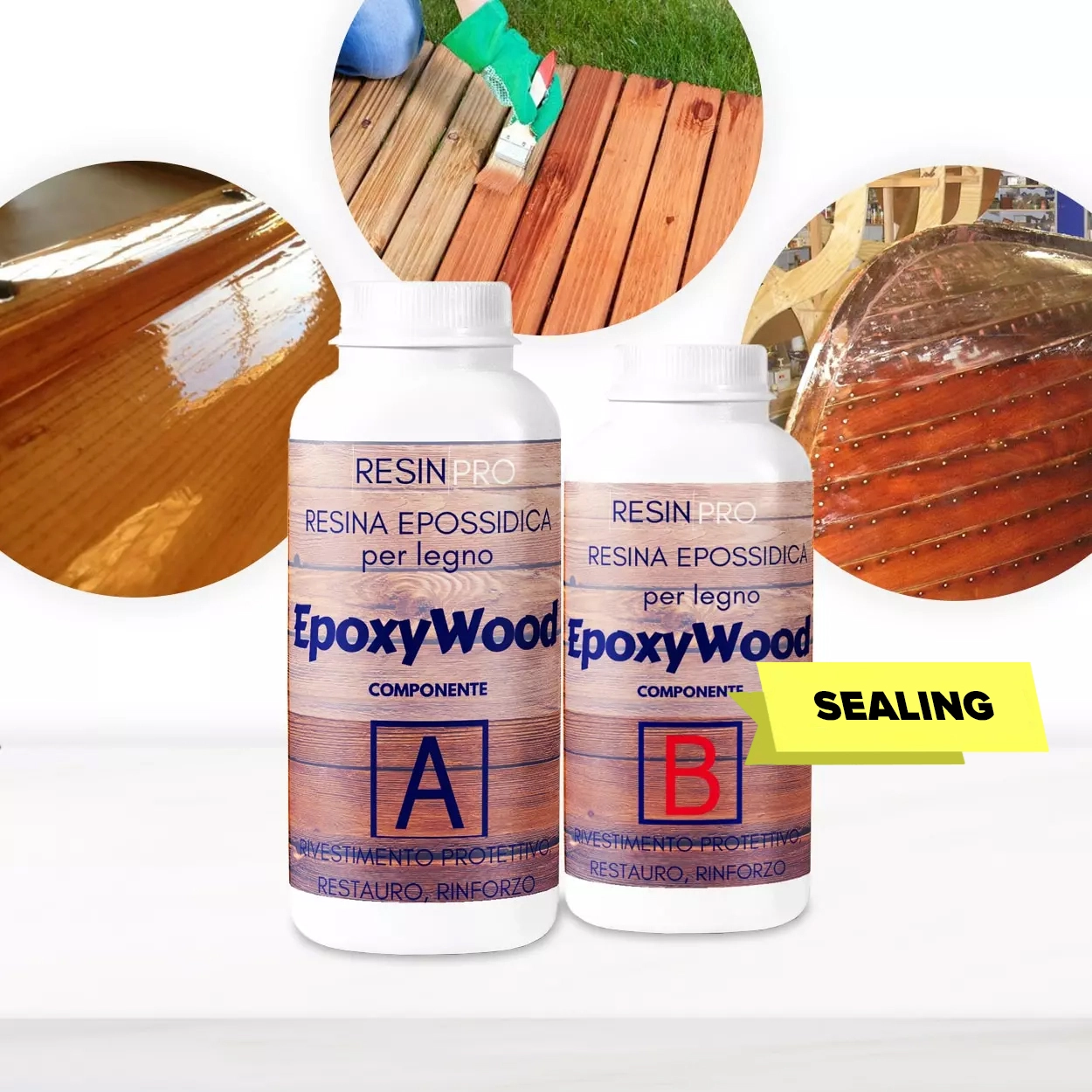 "EpoxyWood" – Wood Restoration Epoxy Resin for Deep Penetration and WaterproofingOriginal price was: £64.00.£39.85Current price is: £39.85."EpoxyWood" is suitable for wood restoration, deep penetration, and waterproofing with an eco-conscious formula.
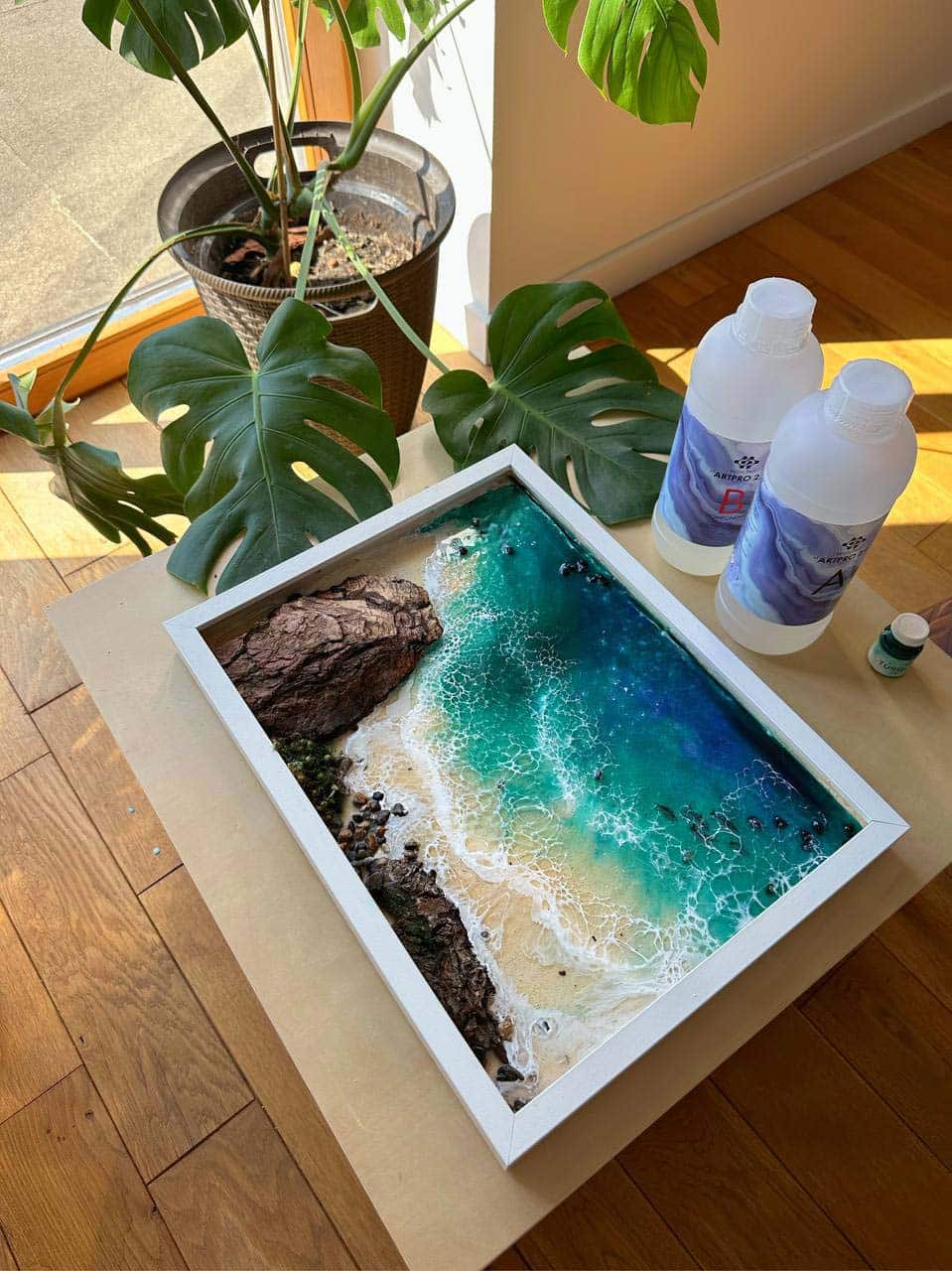 Free Step-by-Step Resin Ocean Art Lesson by Natalia NatirumOriginal price was: £99.00.£0.00Current price is: £0.00.Free Step-by-Step Resin Ocean Art Lesson by Natalia Natirum offers guidance on resin art techniques relating to the theme of applying epoxy resin to…
Frequently Asked Questions
Can I use epoxy resin over acrylic or oil-based paints?
Most resin formulations—including Art Pro, Trasparente, and Icrystal—can be applied to fully cured acrylic paints, provided the surface is clean and lightly abraded if glossy. Extra care should be taken with oil-based paints, allowing extended curing and performing adhesion tests first.
What’s the best resin for surface coating on painted artworks?
Art Pro stands out for its clarity and durability, tailored to art coatings. Artists seeking flawless, glassy finishes on painted boards or canvases appreciate its UV resistance and user-friendly formula.
Is it necessary to sand my painted surface before applying epoxy?
Sanding helps create microtexture for the resin to grip. This is critical for glossy, sealed, or dense paint layers, especially when using products such as EpoxyWood on previously painted wood or Epoxyprimer before full resin coverage.
Which primer should I use before resin on painted floors or tiles?
Choose Epoxyprimer for the best adhesion between painted surfaces like concrete, wood, or tiles and epoxy resin coatings. This helps ensure reliability and longevity.
Is epoxy resin suitable for outdoor painted surfaces?
Icrystal and Trasparente are both equipped with UV filters, making them better suited for outdoor work where sunlight protection is essential. Always check the specific paint’s compatibility and ensure complete dryness before applying resin outdoors.
Can I apply resin to painted wood that’s weathered or damaged?
EpoxyWood is designed for restoring and waterproofing dry, prepared wood. Remove any flaking paint and work on a stable, sanded surface for best results.
Where can I learn more about technique and surface prep?
Our Free Step-by-Step Resin Ocean Art Lesson by Natalia Natirum is an excellent video resource for understanding layering, base preparation, and artistry techniques.