 Free shipping on orders over £29,85
  Shipping Tracking!


 Google
 Facebook
What thickness do resin floors have?
Explore resin floor thickness for driveways, paths, and interiors.

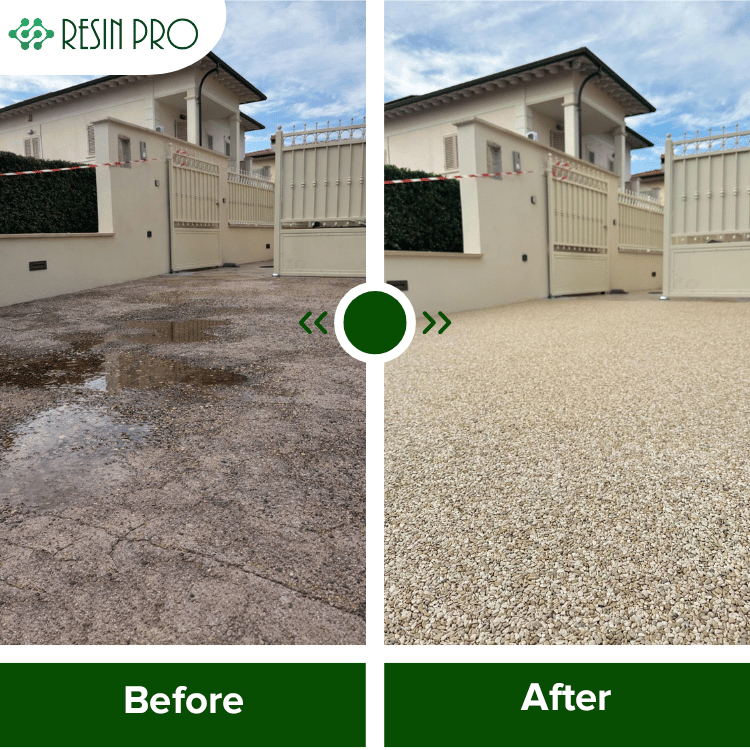
When selecting a resin floor for your project, one of the most important decisions involves determining the correct thickness. Whether resurfacing a driveway, renovating a footpath, or upgrading an indoor space, the minimum recommended thickness for resin floors varies by area and purpose. On this page, discover the essentials of resin floor thickness, so you achieve a long-lasting, decorative, and functional finish.
ResinPro offers a comprehensive range designed for every scenario. Our selection includes durable kits for permeable outdoor flooring, clear binders for decorative pebble and grit installations, universal epoxy primers, and dedicated methacrylic resins for concrete protection. Each product supports optimal application thickness, ensuring a professional result that delivers both strength and style.
Understanding the Right Resin Floor Thickness
The durability and appearance of resin floors depend on adhering to the right thickness. For general areas such as terraces, patios, and footpaths, a layer of 1.5 cm is typically recommended. Driveways and areas with vehicle access require a minimum thickness of 2 cm to withstand everyday traffic and external pressures.
Where decorative effects or detailed castings are needed—such as for intricate floor inlays or restoration work—a product specifically designed for thinner layers comes into play. Maximum recommended thickness for self-levelling clear epoxy is usually 2 cm, so always select the correct system for your application.
Product Comparison: Find Your Best Resin Solution
- “Flowstone” – Complete Permeable Floor Kit with Pebbles and Resin is designed for outdoor use, especially driveways, paths, and patios in the UK climate. For standard installations, the minimum thickness is 1.5 cm, but it’s best to go for 2 cm on vehicular surfaces. The kit includes everything needed for a permeable, decorative, and durable finish. You’ll find detailed instructions to ensure correct thickness and lasting results.
- “Trasparente” – Epoxy Binder for Coloured Pebbles and Grits delivers a crystal-clear, UV-resistant finish. It’s ideal for creating vibrant, decorative flooring using coloured or dark stone aggregates. The maximum casting thickness with ‘Trasparente’ resins is 2 cm per application, with 2 cm recommended for driveways, and 1.5 cm for paths and terraces.
- “Trasparente” – Multipurpose Clear Epoxy Resin for Casting – Up to 2cm is perfect for DIY projects, art applications, and small surface updates, producing glossy, scratch-resistant coatings. It supports layers up to 2 cm in thickness, suitable for floors, furniture, and creative work.
- “Epoxyprimer” – Universal Water-Based Two-Component Epoxy Floor Primer plays a vital role by creating a solid foundation for resin application. Although not a finishing layer, it adds to the total floor build-up. Expect a cured primer thickness of up to a few millimetres, ensuring optimal adhesion and stability for all subsequent layers.
- “Resinstone” – One-Component Methacrylic Resin for Concrete Floors and Driveways provides a durable and breathable protective layer for concrete substrates. While primarily a thin topcoat, it is essential for sealing, UV defence, and moisture protection, contributing to the overall performance of your resin flooring system.
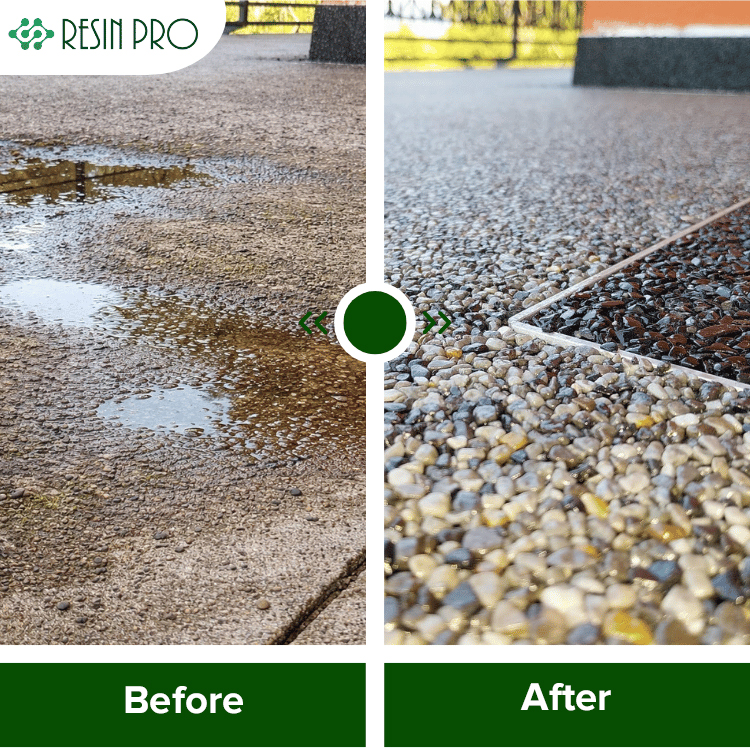
See How Resin Floor Thickness Impacts Performance
Observe side-by-side demonstrations of resin-bound systems at both 1.5 cm and 2 cm thickness. Note how extra depth on driveways translates to better mechanical resistance and fewer surface issues—while paths with 1.5 cm deliver a lighter, cost-effective option for pedestrian areas. For complete solutions, view our Flowstone Kit in action and compare to Trasparente Epoxy Binder systems on a finished surface.
Key Factors Affecting Resin Floor Thickness
Every floor application—whether for driveways, terraces, or interiors—must consider traffic load, weather exposure, and substrate stability. The thicker the resin application, the more substantial its resistance to wear, impact, and moisture ingress. However, exceeding manufacturer recommendations risks improper curing and potential performance issues, such as cracking or yellowing. For all outdoor resin-bonded stone surfaces, adhere strictly to the specified thickness for the chosen resin and aggregate system.
The interplay between individual layers, base preparation, and finishing coats means durability and function depend on correct thickness. Skimping on thickness compromises longevity, while excessive application can cause structural issues or poor aesthetics. Professional advice and step-by-step guidance, like that supplied in our “Flowstone” kit, are invaluable.
Integrated Resin Floor Systems: What Each Layer Adds
Modern resin floors often combine several layers:
- Preparation and primers set the foundation—A crucial step for lasting adhesion and mechanical stability. The “Epoxyprimer” prepares surfaces like concrete or tile for further coating and helps create an even base, which indirectly influences total floor thickness.
- Aggregate-binder mix or decorative resin coat—Here the recommended 1.5–2 cm thickness is applied using products such as “Flowstone” or “Trasparente” – Epoxy Binder for Coloured Pebbles and Grits.
- Protective top layers enhance lifespan, especially outdoors or where hygiene and cleanability matter. “Resinstone” methacrylic resin offers long-lasting protection, resisting UV, oil, and weather.
Where clarity or colour vibrancy is essential, a clear epoxy binder for vibrant finishes can give floors that high-gloss appeal. “Trasparente” – Multipurpose Clear Epoxy Resin for Casting – Up to 2cm works especially well for floors with inlaid details or restoration needs.
Application Techniques for Optimal Resin Thickness
Preparation is everything: see how thorough priming with Epoxyprimer supports even thickness, while careful aggregate mixing with Trasparente Epoxy Binder or the complete Flowstone Kit produces seamless results. Finish with precise trowelling and a protective sealer, as demonstrated with Resinstone for lasting clarity and protection.
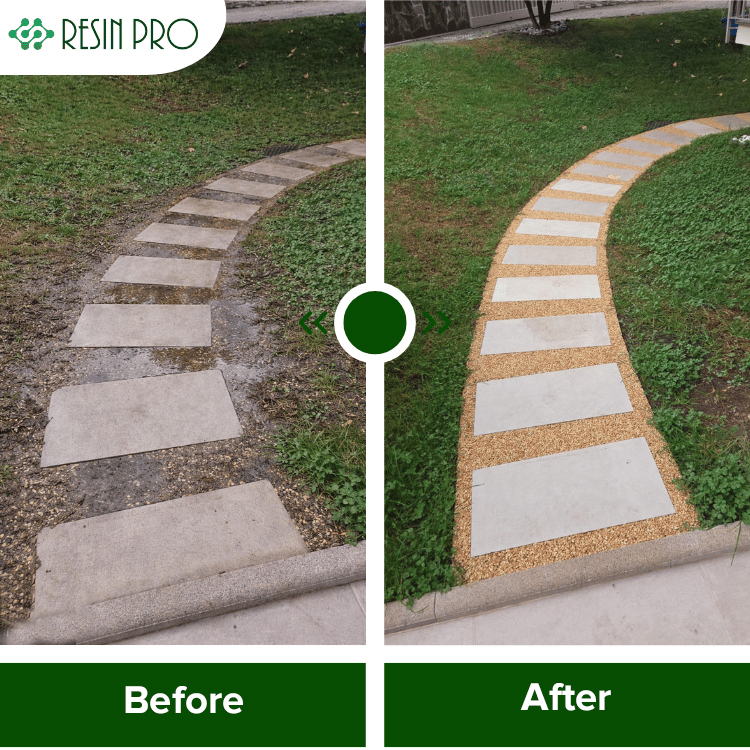
Protecting Concrete Surfaces with Resin
Concrete driveways, paths, and patios benefit immensely from a dedicated sealant. Breathable protection for concrete is key: the “Resinstone” – One-Component Methacrylic Resin for Concrete Floors and Driveways penetrates deeply, sealing the surface without leaving it prone to flaking or discolouration. Though much thinner than an aggregate-binder system, this protective coat contributes to performance and weather resistance. It is especially recommended where you want to boost mechanical resistance and prevent issues arising from trapped moisture.
- "Flowstone" – Complete Permeable Floor Kit with Pebbles and ResinPrice range: £42.85 through £3,389.85"Flowstone" kit offers a durable, permeable pebble and resin flooring for outdoor driveways, paths, and patios in the UK, designed with simple…
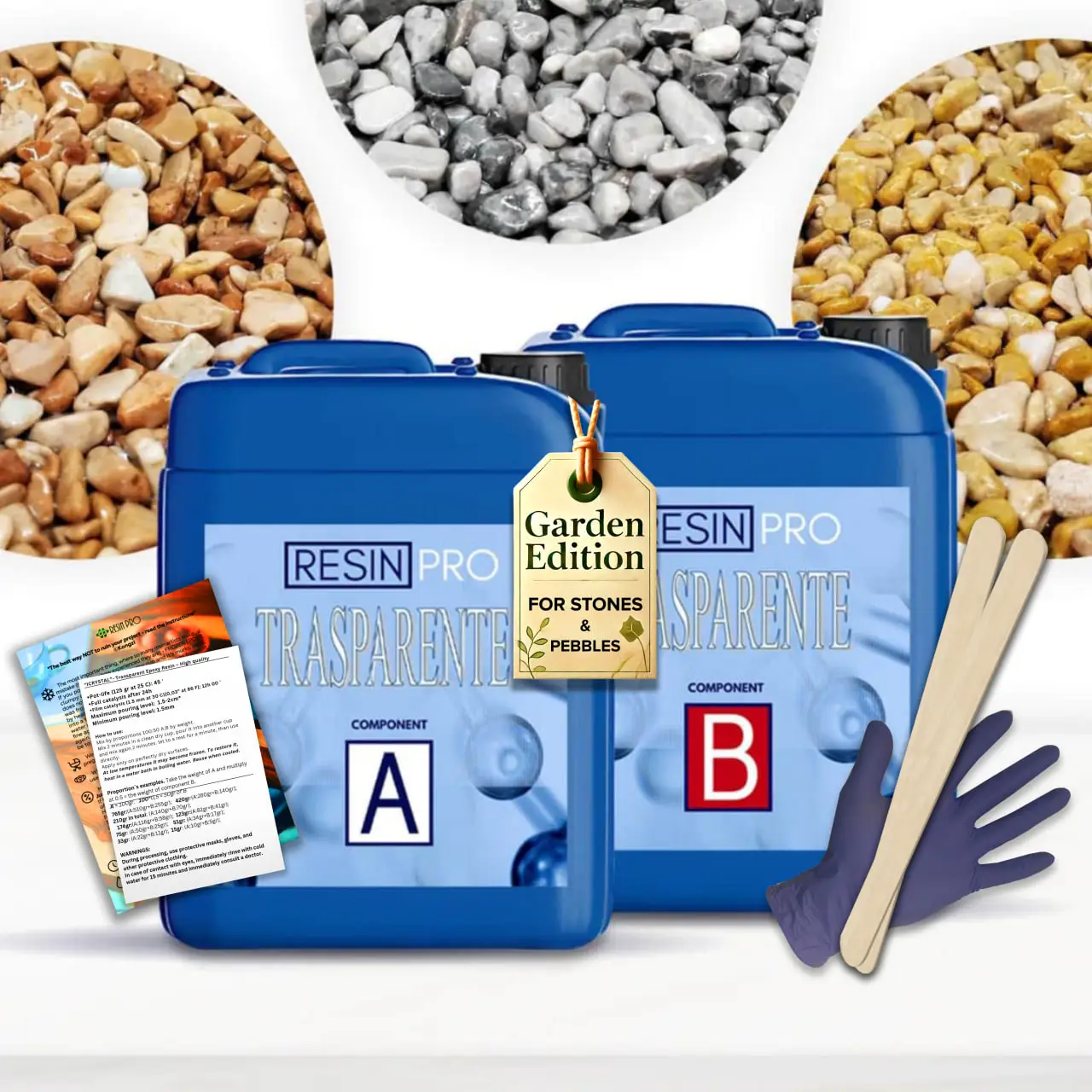 "Trasparente" – Epoxy Binder for Coloured Pebbles and GritsPrice range: £31.85 through £948.85"Trasparente" is a transparent epoxy binder suitable for coloured pebbles and grits, offering a clear finish with UV stability for flooring projects.
 "Trasparente" – Multipurpose Clear Epoxy Resin for Casting – Up to 2cmPrice range: £8.45 through £948.85This clear epoxy is suitable for layers up to 2 cm, often used for tables and floors with a glossy, scratch-resistant finish.
 "Epoxyprimer" – Universal Water-Based Two-Component Epoxy Floor PrimerPrice range: £148.84 through £272.45Epoxyprimer is a universal water-based epoxy floor primer designed for lasting adhesion on concrete, tiles, screeds, and timber surfaces.
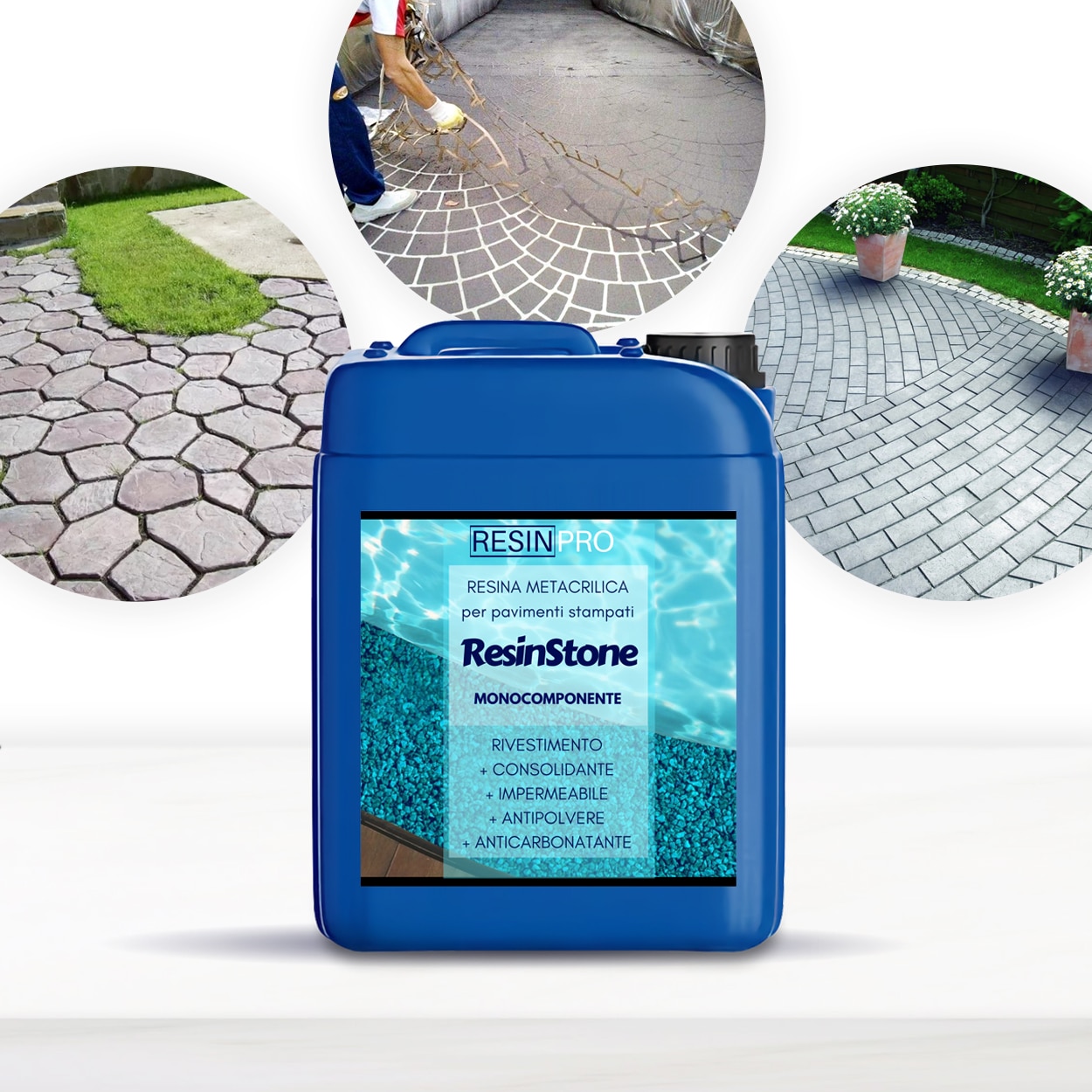 "Resinstone" – One-Component Methacrylic Resin for Concrete Floors and DrivewaysPrice range: £29.85 through £59.85Resinstone is a one-component methacrylic resin designed for sealing and protecting concrete floors and driveways with durable, breathable protection.
Frequently Asked Questions
What is the recommended thickness for a resin driveway?
The industry guideline for resin-bound driveways is a minimum thickness of 2 cm. This ensures robust surface strength able to handle vehicles, weather, and daily use.
Can I use a clear epoxy for thicker floor applications?
No, clear epoxy resins like our "Trasparente" range are limited to a maximum casting thickness of 2 cm per layer. Exceeding this can lead to overheating or imperfect curing.
How does a primer influence total floor thickness?
A resin floor primer such as "Epoxyprimer" is generally applied at 100–300 g/m², adding a layer of up to a few millimetres. While thin, it is crucial for adhesion and the longevity of the entire system.
What happens if I make my resin floor too thin?
Floors thinner than 1.5 cm, especially outdoors, may lack structural strength, become patchy, or suffer premature wear. Always follow each product’s minimum thickness specification for the best results.
Is "Resinstone" suitable for binding loose gravel?
"Resinstone" is not intended for loose gravel but for sealing absorbent substrates like concrete. For effective binding and drainage on loose stone surfaces, use a purpose-made binder such as "Flowstone" or "Trasparente" epoxy binder.
Why does layer thickness matter for colour and finish?
Resin films that are too thin may not encapsulate aggregates evenly, leading to inconsistent colour or premature yellowing, particularly outdoors. Adequate thickness ensures uniform appearance and UV protection.
Can I apply more than one resin product for increased durability?
Yes, full flooring systems typically layer primer, aggregate-binder, and protective sealer to maximise performance. Following recommendations for each layer’s thickness is vital.