 Free shipping on orders over £29,85
  Shipping Tracking!


 Google
 Facebook
Does epoxy resin adhere to silicone?
Discover adhesion facts and the best products for your project success


When working with epoxy resin, understanding how it interacts with various surfaces is essential for successful results. A common query is: Does epoxy resin adhere to silicone? Whether you are casting, mould making, or creating custom jewellery, knowing about compatibility and how to achieve clean demoulding or secure bonds is key. This page gives you the facts—supported by professional product recommendations—so your next resin project runs smoothly.
Read on as we explore the relationship between epoxy resin and silicone, the role of different adhesives, and when to use moulds or specialised products. We’ll highlight expert options like the “Klebfix” – Two-Component Fast Epoxy Glue 2K, 25g Syringe for superior quick repairs, and essential silicone mould making products such as “Pure Mould” – Translucent Liquid Silicone Rubber for Mould Making, “Liquid Mould” – Casting Liquid Silicone Rubber, 5-40 Shores, Bi-Component A+B and “I–Gum” – Non-Toxic Silicone Putty for Mould Making.
If you are seeking clear, odourless epoxy for crafts or coatings, discover “Icrystal” – Clear Epoxy Resin – Odourless Formula – Up to 1.5cm and its fast-setting alternative, “ICreation” – Fast Epoxy Resin, 6h Demoulding, Transparent Gloss Finish. Let’s clarify what sticks, where, and why!
Epoxy Resin and Silicone: Understanding Their Adhesion Properties
Silicone is prized for its non-stick and flexible characteristics, making it a preferred choice for moulds used with epoxy resin. In most cases, epoxy resin does not naturally adhere to cured silicone surfaces. This property is an advantage: it means cured silicone moulds allow for clean and easy removal of epoxy resin castings, perfect for hobbyists and professionals alike.
Silicone’s resistance to bonding is due to its unique molecular structure. For scenarios demanding a bond where typical adhesion is poor, a specialised adhesive such as “Klebfix” – Two-Component Fast Epoxy Glue 2K, 25g Syringe offers professional-grade strength for most materials—although specific compatibility with silicone is not assured. For applications where temporary mould release is needed, products from our Silicone Rubbers and silicon rubbers ranges make demoulding epoxy art effortless.
If you plan to bond epoxy resin to a silicone part (for example, repairing a silicone item with resin), note that adhesion will be a challenge and may require dedicated surface primers or alternative glues.
Choosing the Right Silicone Mould Products for Epoxy Resin Casting
For anyone making resin jewellery or casting decorative objects, silicone rubber is essential for detailed, repeatable moulds. Our silicone solutions come in easy-mix formulas and various consistencies to suit small, intricate work and larger artistic projects alike.
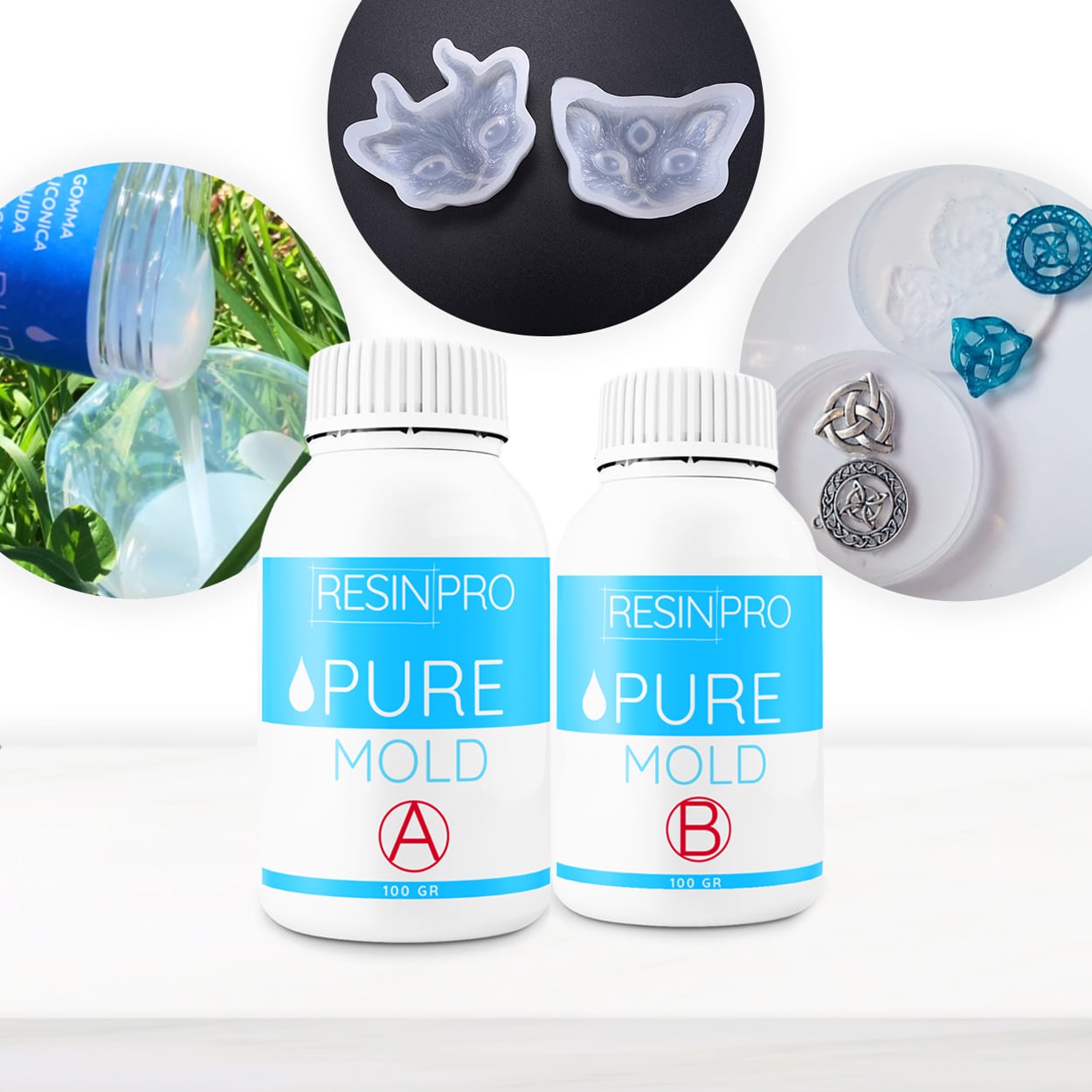
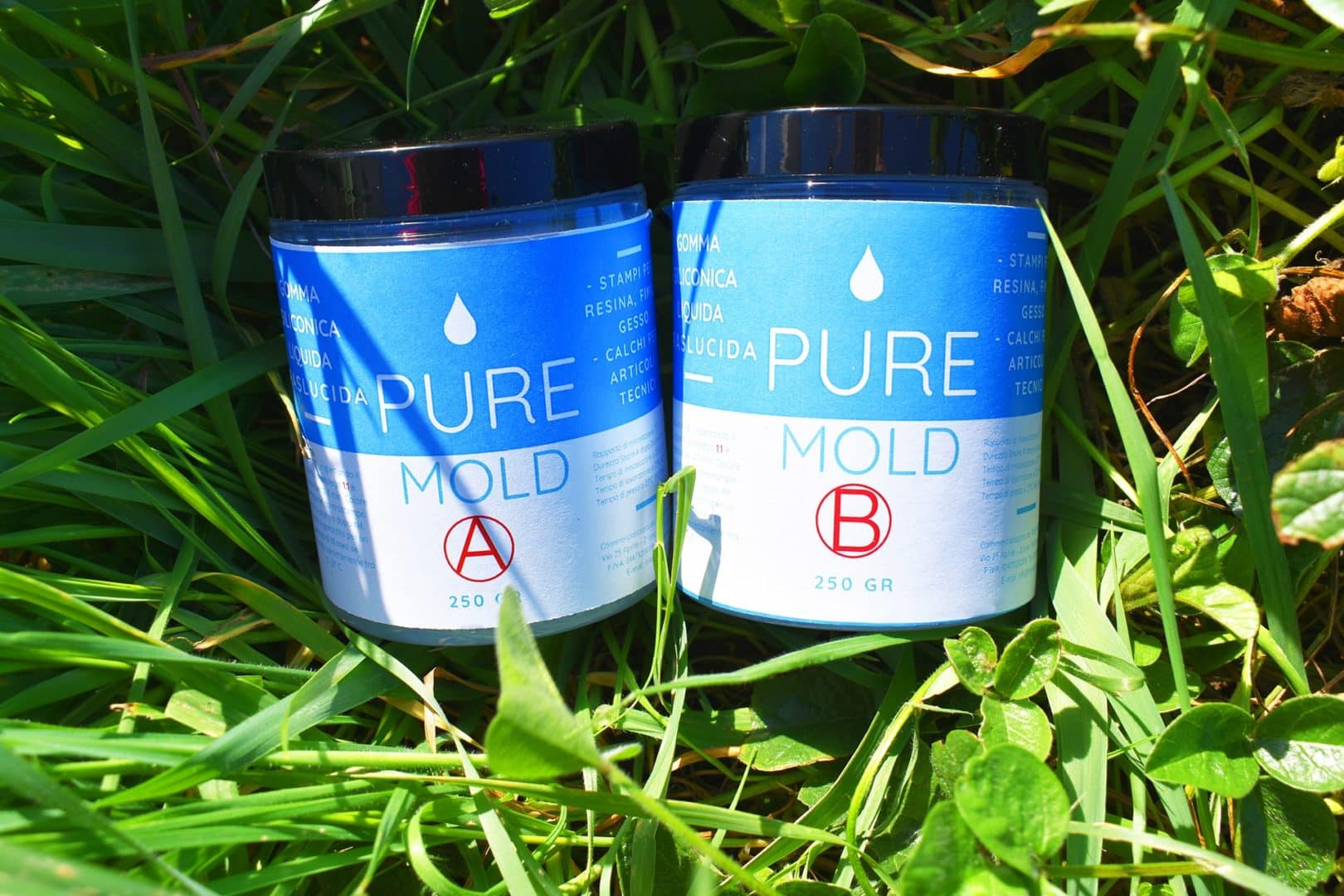
- “Pure Mould” – Translucent Liquid Silicone Rubber for Mould Making: A platinum-based, translucent silicone rubber delivering fast curing (3–8 hours) and a user-friendly 1:1 mixing ratio. Its formula is safe, certified, and engineered for excellent mechanical strength, ensuring reusable and long-lasting moulds for resins, plaster, and cement.
- “Liquid Mould” – Casting Liquid Silicone Rubber, 5-40 Shores, Bi-Component A+B: Ideal for reproducing intricate details and undercuts on small or complex shapes, this bi-component product brings versatility to both professional foundries and crafters. It is compatible with resin, soap, and polymer pastes, supporting creative flexibility.
- “I–Gum” – Non-Toxic Silicone Putty for Mould Making: When rapid, non-toxic moulding is required, “I–Gum” offers a convenient, odourless putty solution with no need for release agents. It mixes 1:1 by hand and is suitable for resin, polyurethane, cement, and wax.
Each of these products is designed for clean separation from cured resin. Their non-stick surfaces mean that epoxy resin can be cast and easily demoulded without bonding—precisely what creatives need for detailed work!
Epoxy Resin Choices for Clear, Durable Crafting
An excellent finish starts with a high-quality resin. Both “Icrystal” – Clear Epoxy Resin – Odourless Formula – Up to 1.5cm and “ICreation” – Fast Epoxy Resin, 6h Demoulding, Transparent Gloss Finish offer professional clarity and smooth, self-levelling results. These resins are sought-after for table coatings, surfaces, casting objects, and jewellery making.
“Icrystal” is friendly to beginners and professionals alike, with odourless handling, a straightforward 2:1 mixing ratio, and durable, UV-protected results. If time is of the essence, “ICreation” accelerates the process, with 6-hour demoulding and a 12-hour full cure—speeding up your workflow with confidence.
It’s important to note: Epoxy resin—while compatible with silicone rubber for casting and demoulding—does not guarantee adhesion to silicone as a substrate. For most users, this is a benefit, enabling easy separation and repeat use of precision silicone moulds.
See How Easy It Is to Demould Epoxy from Silicone
Watch demonstrations showing how cured epoxy resin lifts cleanly from our silicone moulds, including “Pure Mould” and “I–Gum” putty. Notice the sharp details and smooth releases achievable without extra release agents—proof of the professional non-stick performance that silicone offers in resin casting.
Adhesives for Challenging Bonds: When to Use Epoxy Glue
For those rare situations where you wish to bond resin to a difficult surface, a purpose-designed adhesive steps in. “Klebfix” – Two-Component Fast Epoxy Glue 2K, 25g Syringe is engineered for rapid, powerful bonding on plastics, glass, metals, wood and more—delivering professional results in just 5 minutes. While its compatibility with silicone is not explicitly guaranteed, it remains an exceptional choice for other demanding repair jobs where conventional resins or glues are insufficient.
Explore our full range of Multipurpose Epoxy Resins for further adhesive options tailored to your specific needs.
Silicone Moulds and Epoxy: Tips for Best Results
Working with silicone moulds and epoxy resin can be intuitive and rewarding when following a few practical guidelines:
- Always ensure your silicone mould is clean and dust-free before pouring resin. This supports a flawless surface finish on your final piece.
- Most modern silicone rubbers, including “Pure Mould” and “Liquid Mould”, are non-stick to epoxy, requiring no separate release agent.
- If you ever wish for a permanent bond to silicone (for example, for a repair or composite construction), surface preparation and specialty adhesives may be necessary—but are generally not required or recommended for routine resin casting.
If you’re after reliable, detailed, and reusable silicone moulds, browse the Silicone Rubbers and Silicon Rubbers category in our shop.
Surface Compatibility in Practice: Product Application Gallery
Explore client project results where epoxy resin was poured into high-quality silicone moulds. See examples made using “ICreation” epoxy resin, enhanced by precision-moulded shapes with “Liquid Mould” or “Pure Mould” silicone. Find inspiration for your next project and observe the finish achievable across our product range.
Comparison Table: Epoxy Resin, Silicone Moulds, and Adhesives
| Product | Type | Best for | Does it bond epoxy resin to silicone? |
|---|---|---|---|
| “Pure Mould” | Liquid Mould Silicone | Making transparent, tough reusable silicone moulds for resin | No; non-stick surface, for demoulding |
| “Liquid Mould” | Liquid Silicone (Bi-component) | Intricate, flexible moulds for multiple materials | No; used as a mould for easy resin cast removal |
| “I–Gum” | Non-Toxic Silicone Putty | Quick, hand-mixed moulds for resin pours | No; formulated to release resin cleanly |
| “Icrystal” | Clear Epoxy Resin | Surface coatings, clear casting, creative art | Resin does not adhere to cured silicone |
| “ICreation” | Fast-Setting Epoxy Resin | Jewellery, craft casting with quick demould | Resin does not adhere to cured silicone |
| “Klebfix” | Epoxy Glue | Bonding glass, plastic, metal, wood (not specifically for silicone) | Adhesion to silicone not guaranteed, better for other materials |
- "Klebfix" – Two-Component Fast Epoxy Glue 2K, 25g Syringe£22.85The "Klebfix" two-component epoxy glue provides strong, rapid bonding suitable for various materials in contexts related to epoxy resin adhesion.
- "Pure Mould" – Translucent Liquid Silicone Rubber for Mould MakingPrice range: £22.85 through £158.85"Pure Mould" is a translucent, platinum-based silicone rubber suitable for mould making compatible with resins and commonly used in professional and…
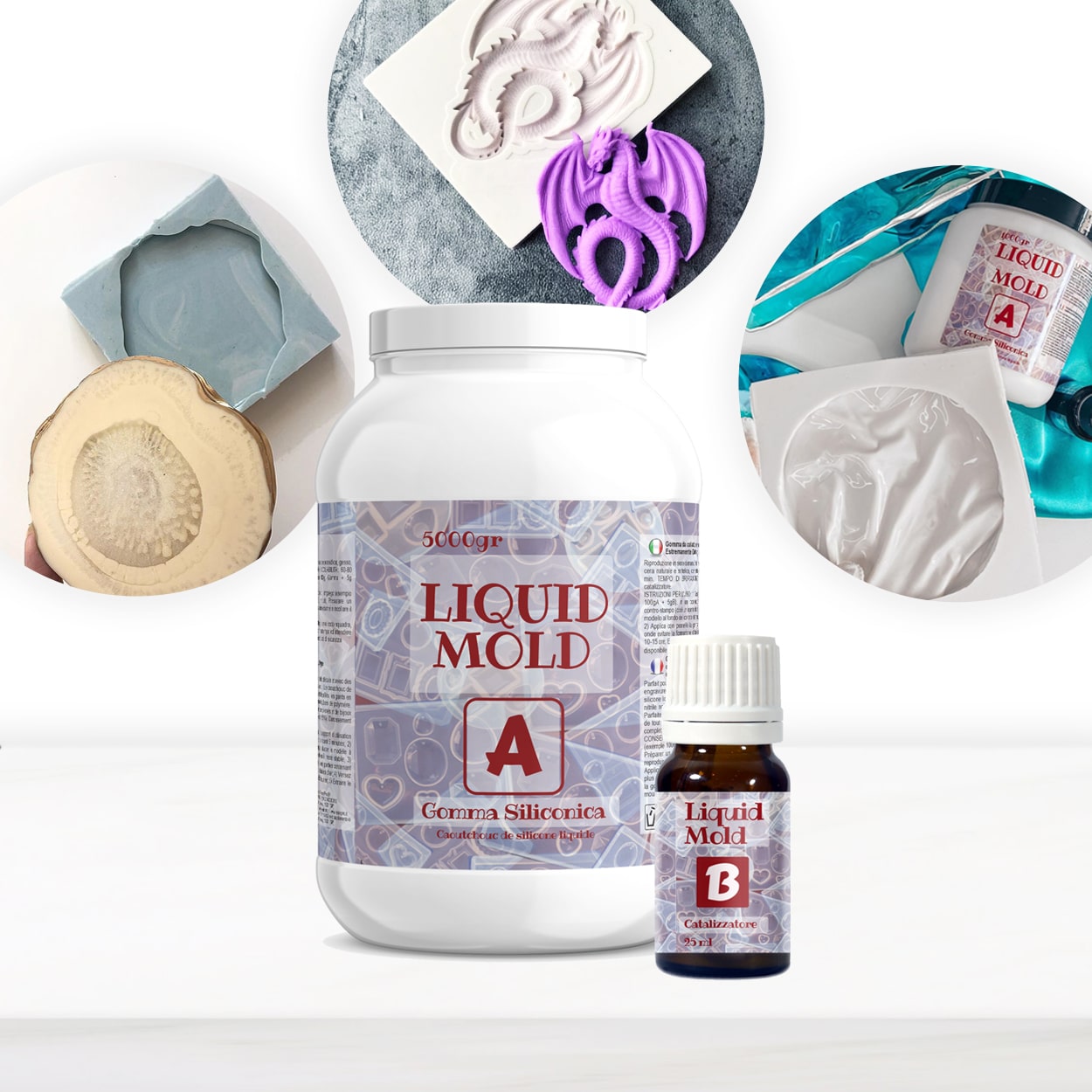 "Liquid Mould" – Casting Liquid Silicone Rubber, 5-40 Shores, Bi-Component A+BPrice range: £13.45 through £368.85"Liquid Mould" is a casting liquid silicone rubber suitable for making detailed moulds, compatible with resin and polymer pastes.
 "I–Gum" – Non-Toxic Silicone Putty for Mould MakingPrice range: £22.85 through £99.85Non-toxic two-component silicone putty designed for mould making suitable for resin and other materials.
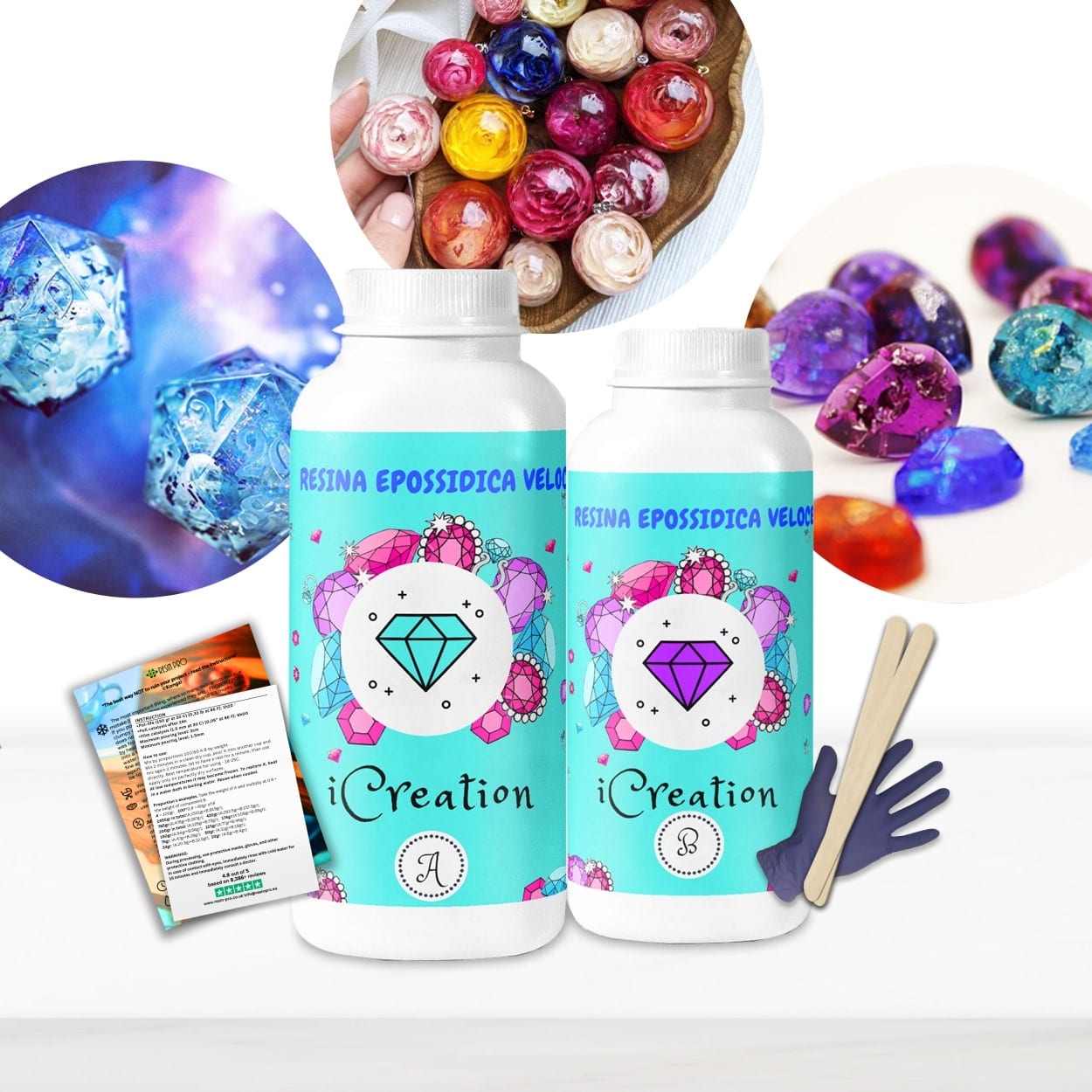 "ICreation" – Fast Epoxy Resin, 6h Demoulding, Transparent Gloss FinishPrice range: £19.40 through £52.85ICreation Fast Epoxy Resin offers a fast curing, clear, glossy finish suitable for jewellery making and craft projects.
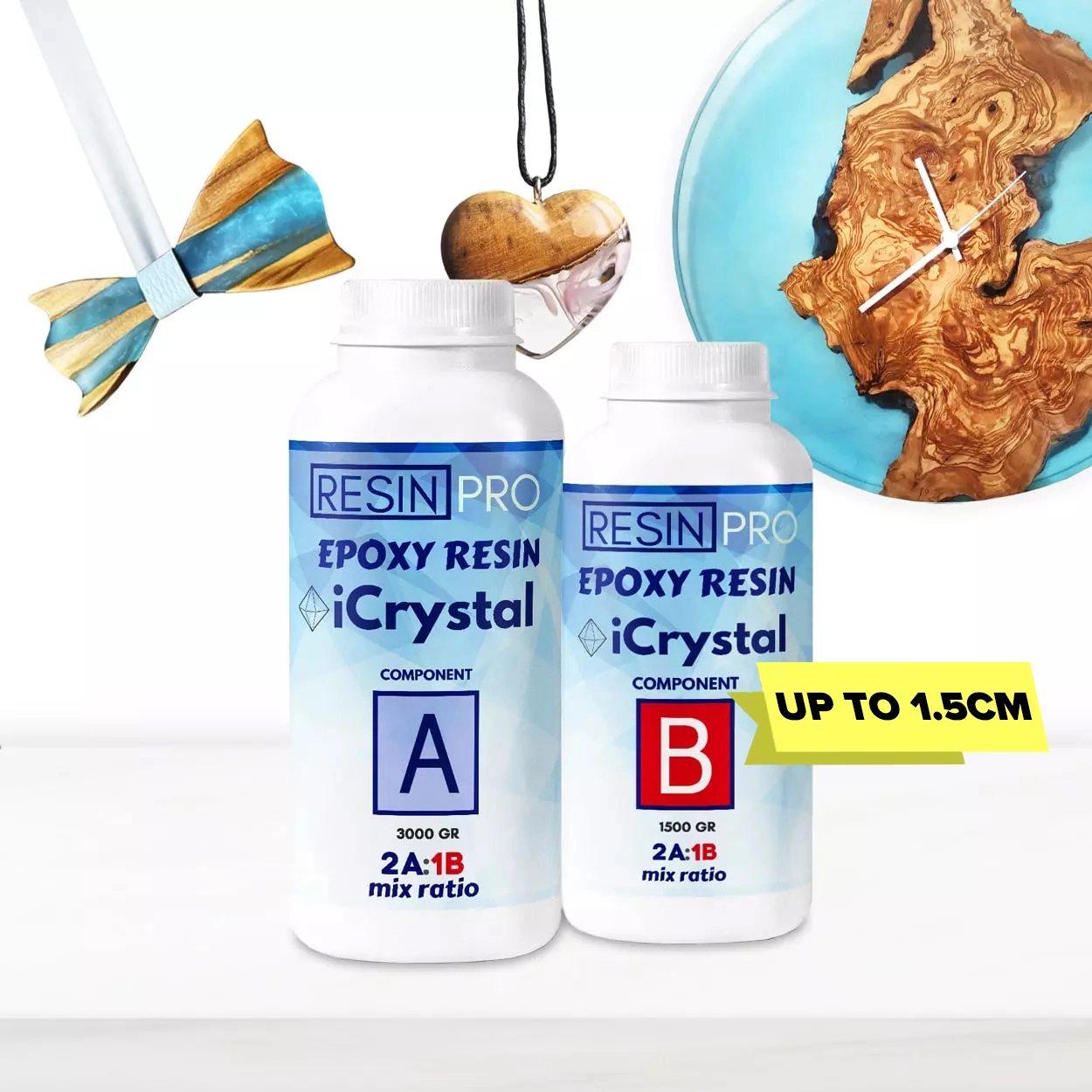 "Icrystal" – Clear Epoxy Resin – Odourless Formula – Up to 1.5cmPrice range: £11.65 through £954.85"Icrystal" transparent epoxy resin is clear and easy to use, suitable for various surfaces and creative projects within the theme of adhesion…
Frequently Asked Questions
Will epoxy resin stick to silicone moulds?
No, epoxy resin generally does not adhere to cured silicone rubber. This is why silicone moulds are so widely used—they let you remove cured resin pieces easily and cleanly.
Can epoxy resin be used to bond two silicone objects?
Standard epoxy resin is not designed to bond silicone parts together. For secure bonding, surface preparation or specialist adhesives outside of standard resin may be necessary. Products like "Klebfix" are made for a range of materials, but do not specifically guarantee performance on silicone.
Which epoxy is best for clear resin jewellery or surface finish?
"Icrystal" – Clear Epoxy Resin – Odourless Formula – Up to 1.5cm and "ICreation" – Fast Epoxy Resin are top choices for clarity, ease of use, and their professional finish on art, coatings, and jewellery.
How are silicone moulds made for resin casting?
Products such as "Pure Mould", "Liquid Mould", and "I–Gum" provide easy-mix, high-detail options for crafting durable moulds that can be used repeatedly with epoxy resin.
Do I need a release agent with silicone moulds when casting resin?
Modern silicone mould products, such as "I–Gum" and platinum-based silicones, offer inherent non-stick properties so no release agent is needed for most resin casting jobs.
Which glue should I use for rapid, strong repairs?
"Klebfix" – Two-Component Fast Epoxy Glue 2K, 25g Syringe is your go-to for strong, fast-setting bonds on a wide array of materials except for silicone.
Is epoxy resin safe for use at home or with children?
Epoxy resins such as "Icrystal" and silicone rubbers provided by ResinPro are non-toxic and odourless, making them suitable for creative usev at home. Nevertheless, always supervise children and follow safety instructions.
Can I use resin for coating on silicone to prevent wear or add shine?
Although epoxy resin can be poured onto silicone surfaces, it will not form a permanent bond. For long-lasting adhesion, surface treatment or a compatible product may be required.