 Free shipping on orders over £29,85
  Shipping Tracking!


 Google
 Facebook
How do I mix resins from different suppliers?
What to know before combining resins for your creative projects
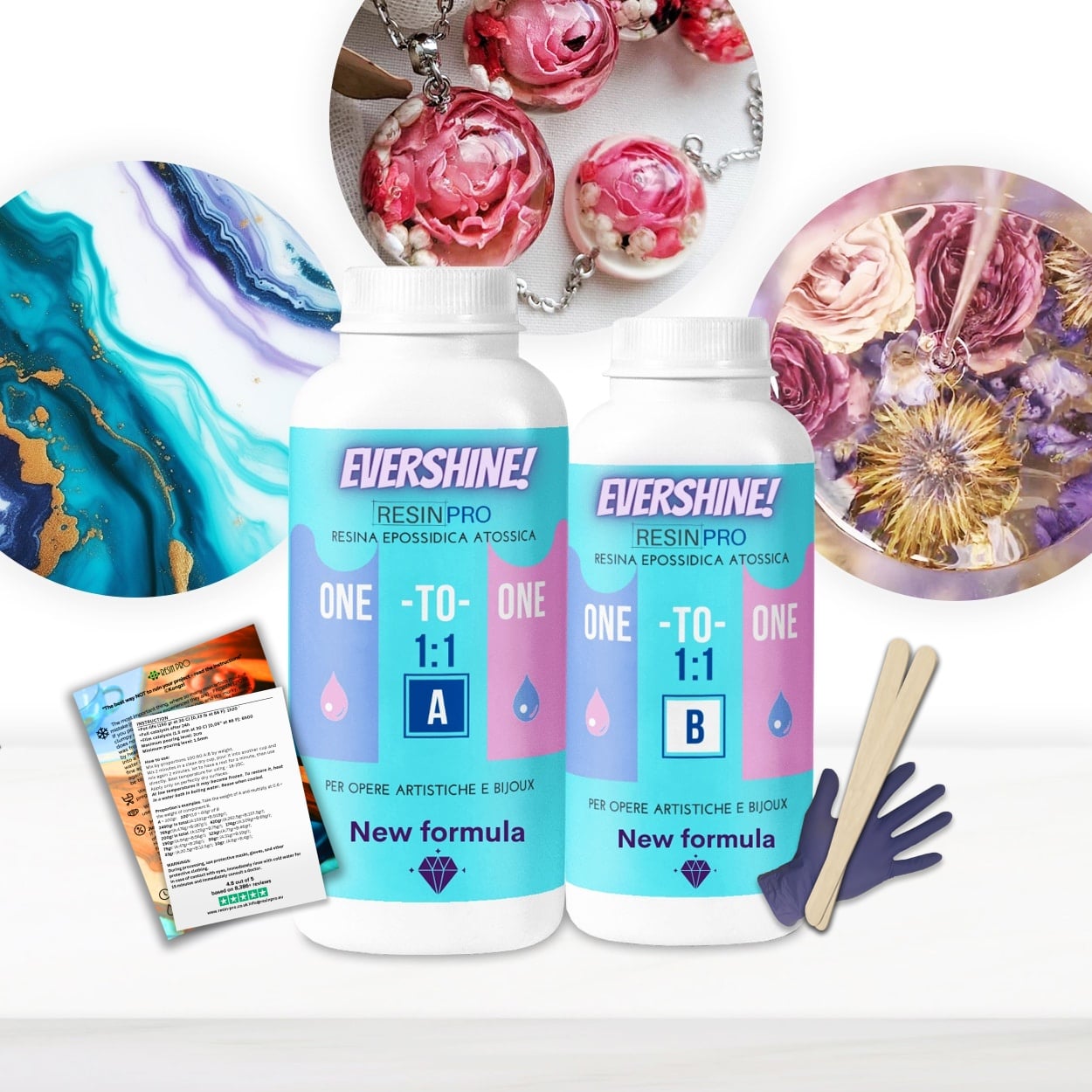
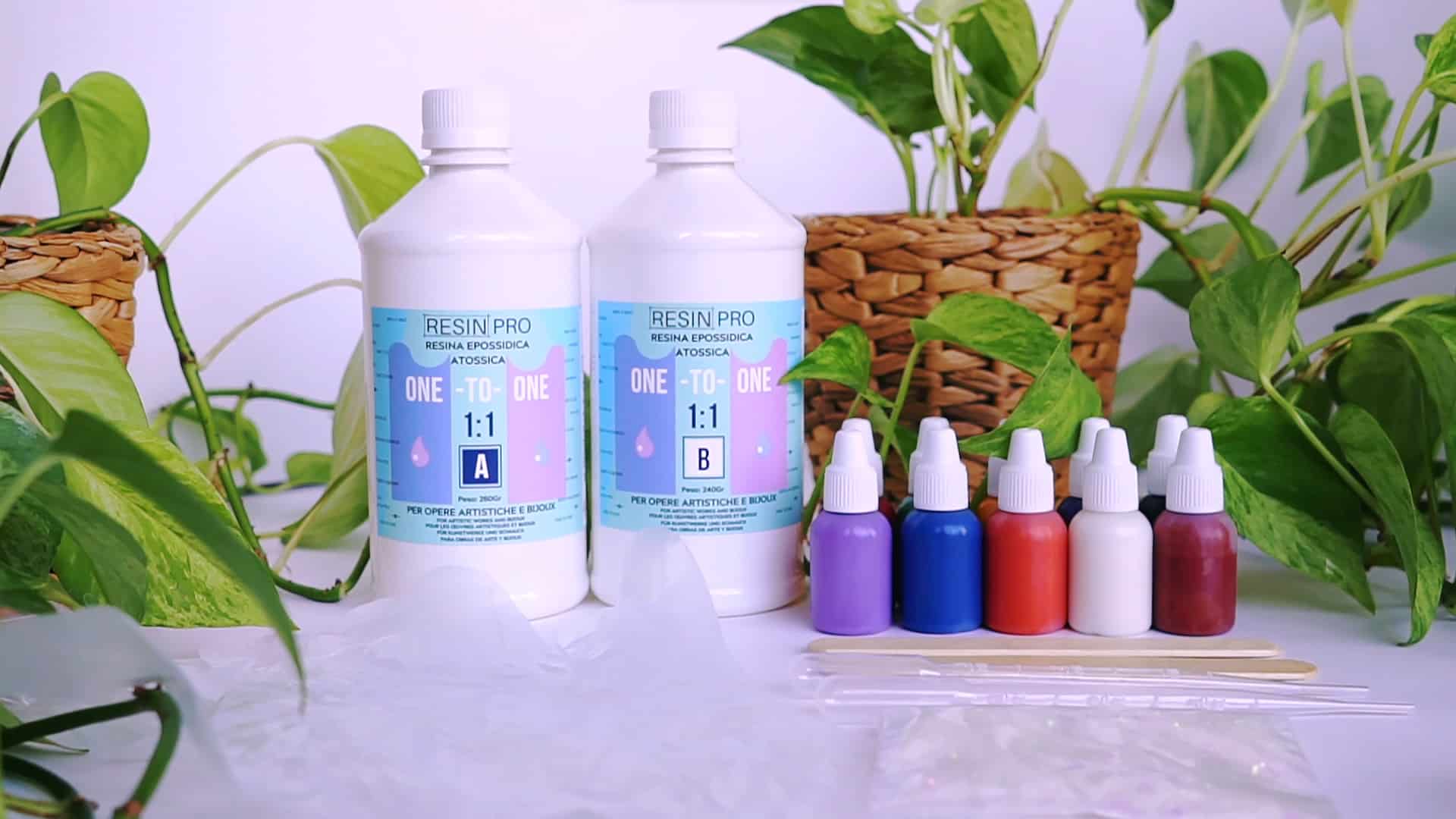
Combining resins from different suppliers is a topic that often sparks curiosity among artists, woodworkers, and DIY enthusiasts. Whether you’re looking to layer colours, achieve specific visual effects, or use up leftover materials, understanding the compatibility and risks involved is essential. At ResinPro, we offer a wide selection of specialist resin systems, each formulated for unique applications and project demands. Here you’ll find everything you need to know about mixing resins, ideal product choices for each use-case, and why following manufacturer guidelines is key to successful results.
Are Resins from Different Brands Safe to Mix?
The short answer is: It’s usually not recommended to mix different suppliers’ resins within the same layer or batch. Most epoxy and casting resins are carefully formulated systems—meaning the resin (Part A) and hardener (Part B) must match in chemical profile, mixing ratio, and curing process. Even slight variations in formulation between brands or product types can lead to improper cures, soft or sticky finishes, or lack of clarity in your completed work. If you decide to alternate layers or switch suppliers between separate pours, make sure each previous layer is fully cured before applying the next, and always check for chemical compatibility between products.
To help you find the right resin for your specific project, we’ll compare recognised options from ResinPro’s range—each developed for best-in-class clarity, durability, and ease of use.
Comparison Overview: ResinPro’s Epoxy Systems
Interested in side-by-side clarity, safety, and project suitability? Explore our most popular products:
- “One-2-One” – Epoxy Resin for Handcraft, 1:1 Mixing Ratio: Non-toxic formulation and crystal clear, super-glossy finish make this resin ideal for beginners and jewellery makers. Its straightforward 1:1 by volume mixing ratio means fewer errors, and the UV filter provides excellent resistance to yellowing with a 10-year warranty.
- “Art Pro” – Clear Epoxy Resin for Artists and Surface Coating: Boasts exceptional clarity, durable, scratch-resistant surface, and an easy 3:2 mixing ratio. The dense, non-drip formula is perfect for creative work on coasters, trays, and decorative surfaces.
- “Trasparente” – Multipurpose Clear Epoxy Resin for Casting – Up to 2cm: With an ultra-clear formula and high scratch resistance, this resin is a go-to for detailed castings, tables, and even restoration work. Each kit includes mixing sticks, gloves, and instructions, and is Cruelty Free and Vegan Friendly.
- “Icrystal” – Clear Epoxy Resin – Odourless Formula – Up to 1.5cm: Delivers a crystal clear and odourless formula with a user-friendly 2:1 mixing ratio, a UV filter included for protection against yellowing, and is certified non-toxic and solvent-free.
- “EpoxyTable 5-Five” – Deep Pour Epoxy Resin for Tables and Large Projects: Specifically designed for deep pour castings up to 5cm thickness. Its low exothermic reaction reduces risk of overheating or deformation, offers highly mechanical resistant surface offering scratch resistance and low viscosity for bubble-free results and long working time.
- “Epoxytable 10-Ten” – Deep Pour Epoxy Resin for Tables, Up to 10cm Casting: Formulated for deep pours up to 10cm thickness, with a low exothermic reaction to prevent overheating and strong UV filters with a 5-year non-yellowing guarantee.
Each resin has set layer depth and mixing ratio requirements. While they may all be “epoxy resins”, the specific chemistry between different suppliers (or even different product ranges) will typically not be identical. Always follow the manufacturer’s instructions for each batch and avoid directly mixing parts between brands.
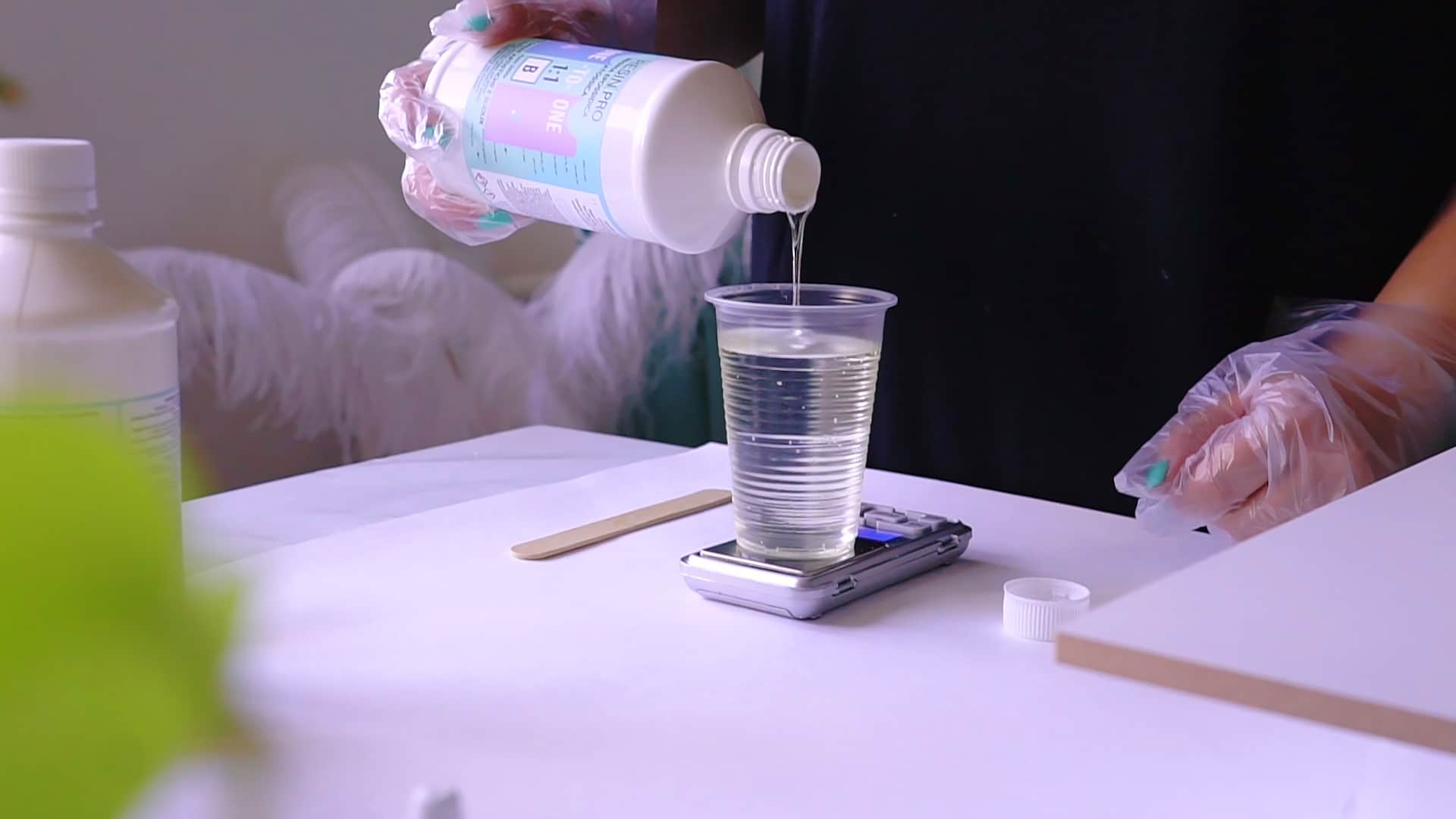
Visual Guide: Comparing Mixing Ratios and Layer Depths
Visualise the difference: Notice how each of our resin systems is designed with specific mixing ratios and recommended maximum pour thicknesses. Before combining in any way, review the instructions for each supplier to avoid sticky, uncured, or cloudy results. For a reminder, always check the product guide before measuring your resin and hardener.
Mixing Ratios Matter: Why They’re Critical
No two resin systems are created exactly alike. Some, such as “One-2-One” – Epoxy Resin for Handcraft, 1:1 Mixing Ratio, offer a simple 1:1 by volume blend, making them popular for handcraft and jewellery work. Others, like “Art Pro” – Clear Epoxy Resin for Artists and Surface Coating, require a 3:2 ratio by weight for precise, reliable cures. The “Icrystal” – Clear Epoxy Resin – Odourless Formula – Up to 1.5cm uses a 2:1 mixing ratio—for every two parts resin, add one part hardener.
If you combine parts from different suppliers or use the “wrong” hardener, the result is a chemical mismatch that risks soft, tacky, or incomplete cures. In some cases, the surface may remain sticky or you might experience colour variations, poor bonding, or weakened structure. For this reason, even if two brands list similar ratios, do not substitute hardeners or blend resins in a single batch.
However, you can pour separate layers using different brands or products—wait until one layer is fully cured before proceeding with the next. Light sanding between layers can improve adhesion. Ensure all products used are intended for similar substrate types and layer thickness, and test on a small section first.
Common Project Scenarios and Product Recommendations
If you’re uncertain which resin to use (or how to sequence them), here’s how some best-in-class products fit your requirements:
- For artistic surface finishes and jewellery casting: “One-2-One” is preferred for small, decorative pours while “Art Pro” excels for surface coatings and thin decorative layers.
- For table coatings and woodworking: “Icrystal” and “Trasparente” provide layer-by-layer clarity with excellent UV protection. Choose “Trasparente” for thickness up to 2cm and “Icrystal” for up to 1.5cm.
- For deep pour river tables and large surfaces: “EpoxyTable 5-Five” is formulated for up to 5cm pours. If you need even more depth, “Epoxytable 10-Ten” supports a full 10cm casting per layer with low exothermic reaction and superior UV stability.
- If embedding items (e.g., flowers or messages): Use a system with high UV resistance like “Trasparente” or “Icrystal” as a first layer, then overlay with a deep-pour product if necessary, always ensuring each layer is thoroughly cured.
Pro Tip: Testing for Compatibility Before You Pour
Not sure how two resin types might interact? We recommend conducting a patch test: cure a small section or sample with the two resins in sequence, and inspect for full hardening and clarity before starting your main project. This step can help prevent costly errors—even for experienced makers!

Safety and Best Work Practices
There are key protocols to follow when working with two or more resin brands—even for sequential pours. Always:
- Mix precisely to manufacturer instructions for each product. Measuring by weight or volume as specified is critical.
- Allow existing resin layers to cure completely before pouring a new layer with a different resin system. Consult the data sheet for minimum cure time.
- Lightly sand and wipe clean between layers to maximise mechanical bond.
- If using pigment additives or colourings, ensure they are fully compatible with your base resin.
- Test a small, inconspicuous section to ensure compatibility between suppliers before committing to the whole piece.
Our technical pages for resin-for-jewellery, resins for pour paint and accessories, and top sellers provide further guidance for each product’s requirements.
- "One-2-One" – Epoxy Resin for Handcraft, 1:1 Mixing RatioPrice range: £14.85 through £56.85"One-2-One" is a medium viscosity epoxy resin suited to both beginners and experienced crafters, designed for decorative handcraft projects.
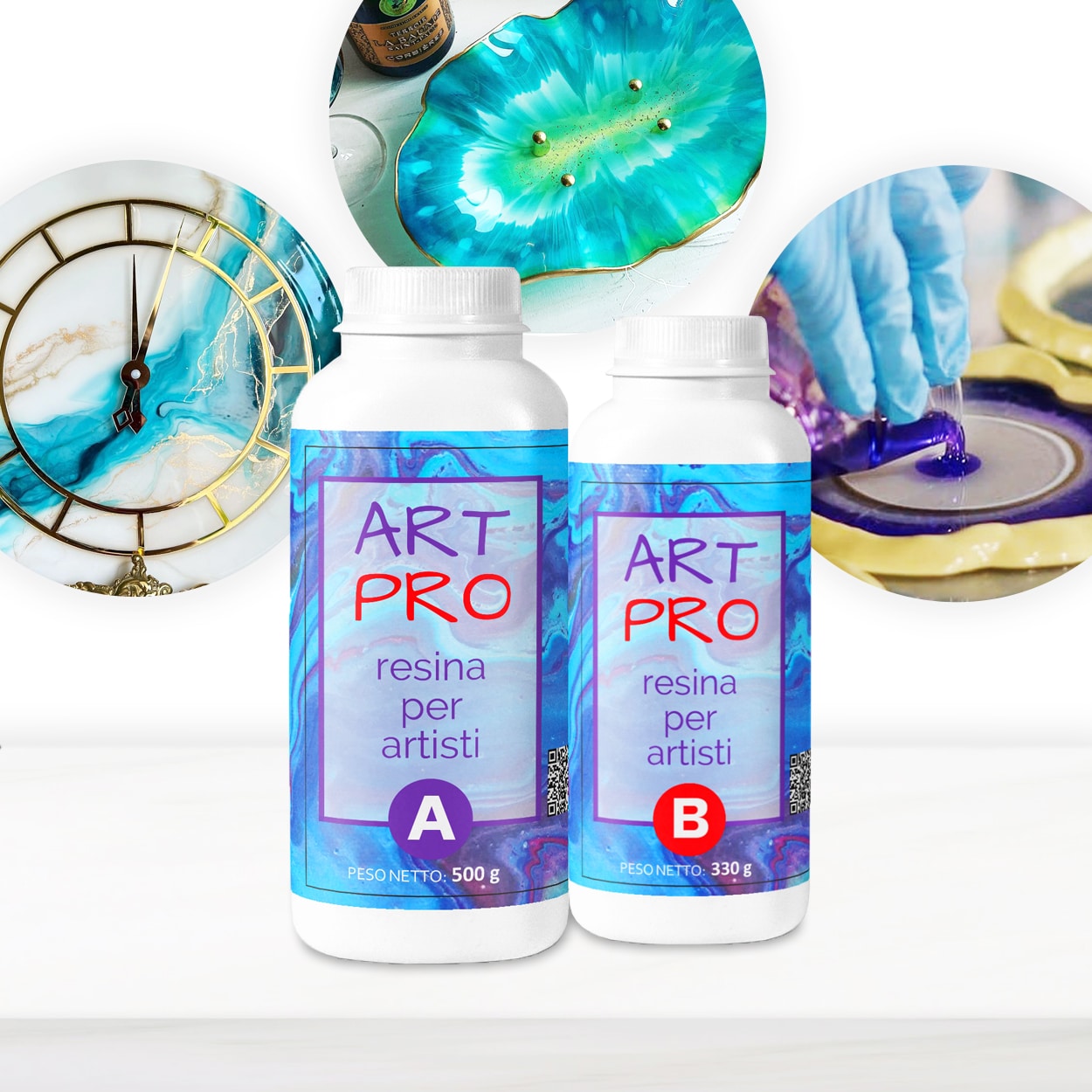 "Art Pro" – Clear Epoxy Resin for Artists and Surface CoatingPrice range: £31.15 through £388.85Art Pro clear epoxy resin offers reliable, durable coatings with high clarity and UV protection, suitable for artists and craftspeople.
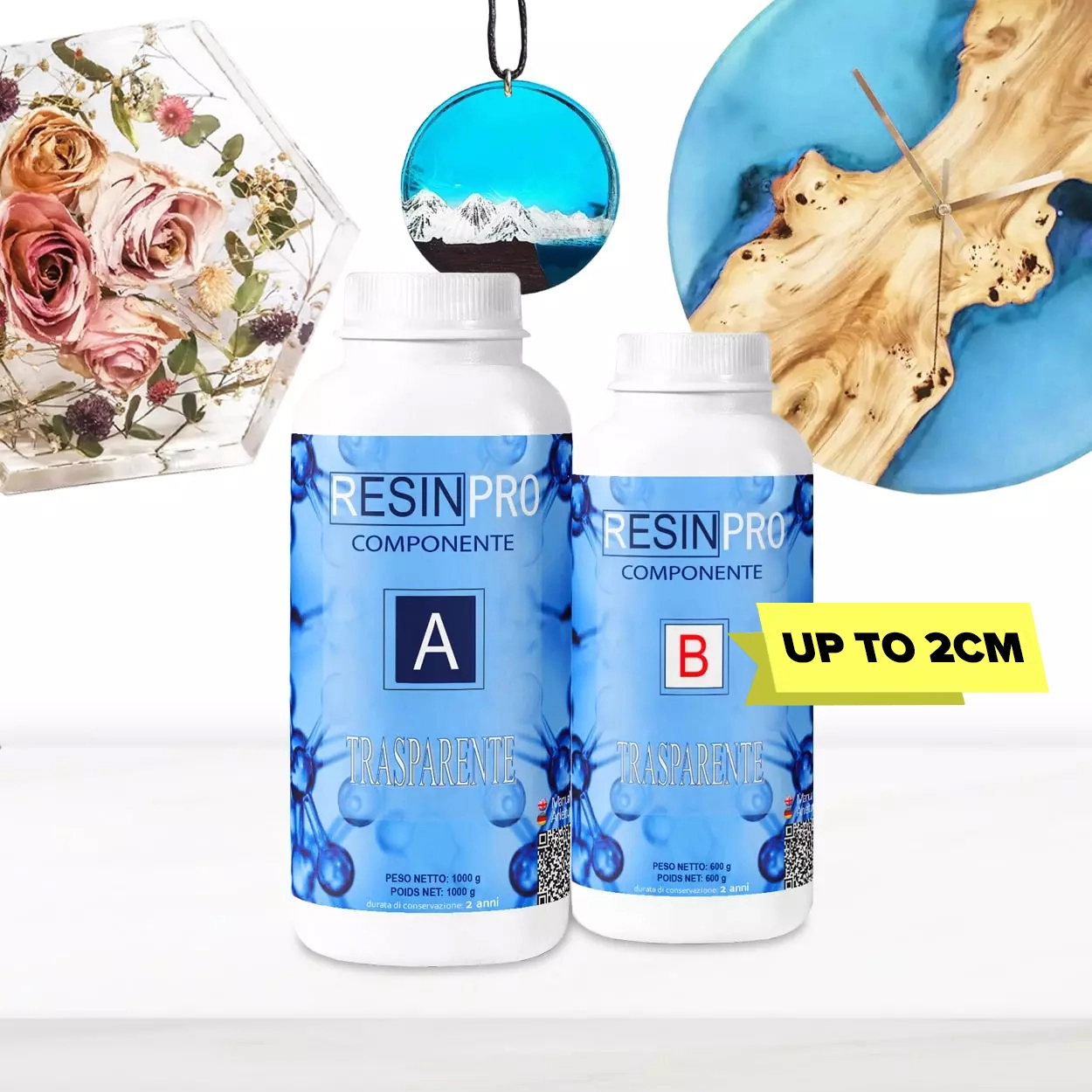 "Trasparente" – Multipurpose Clear Epoxy Resin for Casting – Up to 2cmPrice range: £8.45 through £948.85"Trasparente" is a clear epoxy resin suitable for detailed casting and table making, offering a glossy, self-levelling finish up to 2 cm thickness.
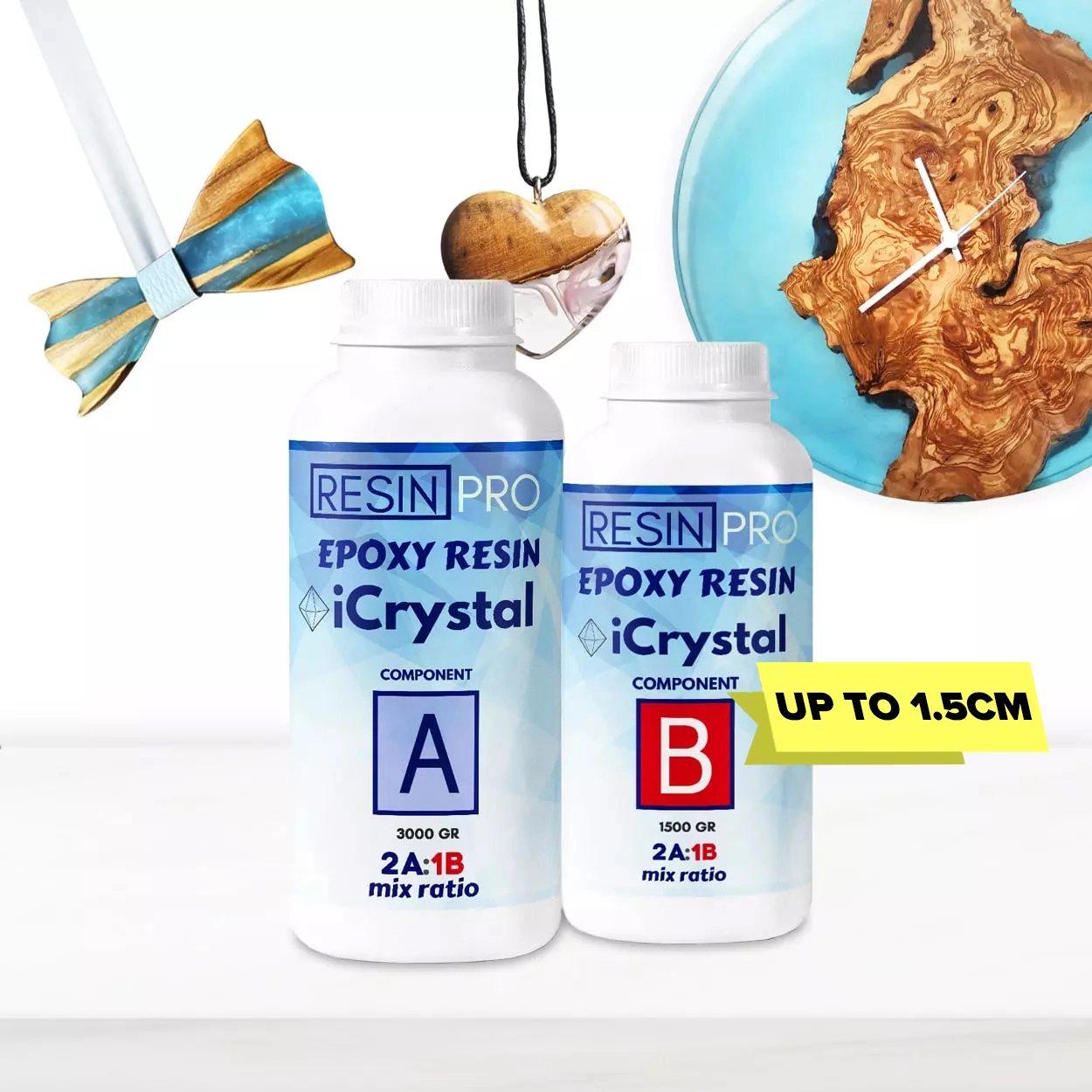 "Icrystal" – Clear Epoxy Resin – Odourless Formula – Up to 1.5cmPrice range: £11.65 through £954.85Clear epoxy resin featuring odourless formula and easy mixing, suitable for creative and surface coating projects.
 "EpoxyTable 5-Five" – Deep Pour Epoxy Resin for Tables and Large Projects – Up to 5cmPrice range: £16.85 through £1,099.85"EpoxyTable 5-Five" is designed for deep pouring applications up to 5cm and suitable for tables and large projects.
 “Epoxytable 10-Ten” – Deep Pour Epoxy Resin for Tables, Up to 10cm CastingPrice range: £33.85 through £334.85“Epoxytable 10-Ten” is an epoxy resin designed for deep pour applications up to 10cm thickness, suitable for tables and artistic projects.
Frequently Asked Questions
Can I mix two different brands of epoxy resin together in the same pour?
No, it’s not advised to mix two different suppliers’ resins in the same pour or batch due to differences in chemical formulation and curing speed. Stick to the original resin’s hardener for best results. Sequential layering after full cure is safer.
What can happen if I use different mixing ratios or combine hardeners?
Incorrect ratios or mixing hardeners from other brands can lead to incomplete cures, tacky surfaces, and uneven results. Always follow each product’s prescribed mixing instructions exactly and use the intended resin and hardener pairing.
Is it possible to use one supplier for the bottom layer and another for the top?
Yes—provided the first layer is fully cured, you may pour another supplier’s resin as a separate layer. Always sand lightly and clean before applying the next layer, and test compatibility first, especially for critical projects.
Which ResinPro product should I select for deep pours?
For projects up to 5cm thick, "EpoxyTable 5-Five" is optimal. For even greater depths up to 10cm, “Epoxytable 10-Ten” is specifically engineered to prevent overheating and yellowing in large, thick pours.
Are some projects more forgiving of supplier changes than others?
Yes, for purely decorative work where function is less critical, layering different resins is usually possible—so long as each layer is fully cured and proper surface prep is observed. For structural or load-bearing work, stick to one system per piece.
How do I avoid yellowing or discolouration when using multiple resin types?
Choose products with robust UV filters such as "Trasparente" – Multipurpose Clear Epoxy Resin for Casting – Up to 2cm and “Epoxytable 10-Ten”. Complete curing between layers is key—uncured resin is especially prone to UV damage.
Can “odourless” or “non-toxic” resins be mixed with standard formulas?
Even if a product like "Icrystal" – Clear Epoxy Resin – Odourless Formula – Up to 1.5cm is labelled odourless or non-toxic, direct batch mixing with standard formulations from other suppliers is not recommended without technical advice.
Where can I get more advice about layering or sequential use of resins?
Visit our ResinPro product pages for top sellers and resins for tables and surfaces finishes, or contact our specialists for bespoke guidance on your project’s needs.